Na tej stronie
O albumie
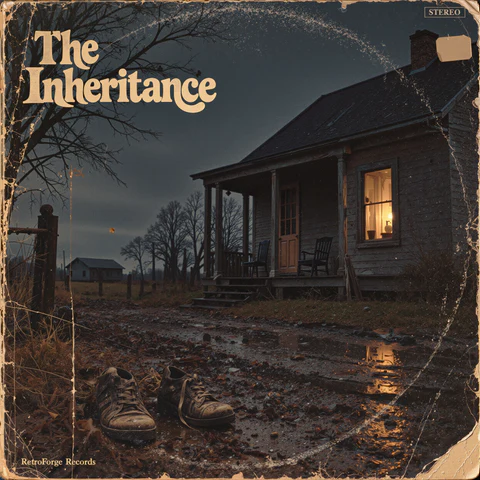
Album traktuje traumę poprzez detale domowe, a nie stałą, wyraźną ekspozycję. Zwyczajne przedmioty stają się emocjonalnie naładowane: buty trzymane w gotowości przez drzwi, dobre talerze obiadowe, popękane naczynia, telefon więzienny i ściana szklana, jeden dolar ukryty w Biblii, butelka, która w końcu przynosi ciszę, uszkodzony gips, a kuchenne światło pozostawione spalanie. Kontrast muzyczny jest równie ważny: poetyczne napisy narracyjne są nastawione przeciwko ciężkim psychodelicznym bluesom, fuzz, gitara slajdów, organ Hammond i ciężar protoodom zamiast nowoczesnego sad- rock lub Americana.
Pierwszy rozdział trzypłytowej historii życia następuje po chłopcu ukształtowanym przez przemoc domową, ubóstwo, tajemnicę i sprzeczną lojalność. Opuszcza dom wierząc odległość może zaoferować wolność, a już niosąc dom i jego nawyki przetrwania wewnątrz niego.
Lista utworów
- 1Keep Your Shoes On05:29
- 2The Good Plates04:52
- 3Thursday Through the Glass05:53
- 4Mother Said It Was Weather05:16
- 5A Dollar in the Bible05:26
- 6Borrowed Whiskey05:03
- 7The House Knew First06:07
- 8Leave the Kitchen Light06:48
Total music duration: 44:54.
Koncepcja i opowieść
Album zaczyna się od dziecka wyszkolonego do pozostania gotowym do ucieczki z domu. Przemoc domowa, tajemnica rodzinna, ubóstwo, uwięzienie rodziców i sprzeczna lojalność stają się normalizowane. Wizyta w więzieniu pogłębia zdezorientowane przywiązanie dziecka do ojca. Ochrona matki, strach i współudział pozostają powiązane. Religia i awaryjne pieniądze zapewniają niedoskonałe formy przetrwania. Narrator po raz pierwszy doświadcza alkoholu i odkrywa, że naprawdę uspokaja jego strach. Potem łapie się na reprodukcji agresji, którą dorastał. Dom staje się świadkiem historii rodziny i młodszego brata, który się go boi. Album kończy się na tym, że narrator opuszcza miasto, wierząc odległość, może zaoferować wolność, a jednocześnie nosić ze sobą emocjonalną architekturę domu.
Znęcanie się nad dziećmi, przemoc domowa, alkoholizm, uwięzienie rodziców, ubóstwo, tajemnica, zaprzeczanie, religia, strach, lojalność rodzinna, odziedziczona przemoc, wstyd, ucieczka, pierwsze zatrucie, nierzetelna pamięć, męskość, nawyki przetrwania stają się destrukcyjne nawyki.
Narrator wyjeżdża autobusem. Wyjazd wydaje się być wyzwoleniem, ale ostateczna piosenka jasno pokazuje, że dom i jego lekcje pozostają obecne psychologicznie. Światło kuchenne staje się obrazem strachu, domu, pamięci i możliwego powrotu, a nie symbolem czystej rozdzielczości.
Matka powinna pozostać opiekuńcza i współwinna, przerażona i zdolna do porażki. Relacje ojca z narratorem nie powinny być ograniczone do prostej nienawiści. Wyjazd narratora nie powinien być przedstawiany jako wolność psychologiczna lub uzdrowienie. Niezależnie od tego, czy odejście jest ucieczką, porzuceniem, przeżyciem czy pewną mieszaniną wszystkich trzech powinno pozostać otwarte.
Paleta brzmień
Fuzz gitara elektryczna, gitara ślizgowa wąskie gardło, harmonijka, organ Hammond, drżenie organów, bas elektryczny, naturalne bębny, fortepian, gitara wah- wah, gitara tremolo, okazjonalnie gitara akustyczna.
Hammond i drżenie narządów funkcjonują jako atmosfera, ciśnienie i psychodeliczne zamglenie, a nie jasne melodyczne dekoracje. Piano jest używane bardziej oszczędnie jako zużyta, zimna lub odsłonięta tekstura.
Grube fuzz, sprzężenie zwrotne, drżenie, wah- wah i zjeżdżalnia wąska. Dźwięk gitary waha się od słabego czystego napięcia do miażdżących ścian zniekształceń. Gitara zjeżdżalna powinna brzmieć raczej boleśnie i wokalnie niż dekoracyjnie.
Raw late - 1960 / Early- 70s charakter analogowy z nasyceniem taśm, wiosna i pogłos płyty, krwawienie w pomieszczeniu, syk, gryt vinyl- like, sprzężenia zwrotnego i niestabilne krawędzie. Powinien czuć się stary, opresyjny i fizycznie zarejestrowany, a nie błyszczący lub cyfrowo dziewiczy.
Ciemny, uciskający, nawiedzony, intymny, zły, smutny, klaustrofobiczny, odurzony, niebezpieczny, analogowy, psychicznie ciężki.
Notatki archiwalne
Buty przy drzwiach; płaszcze były gotowe w lipcu; brzoskwinie pozostawione przez sąsiada po krzyku; niebieskie kwiaty wokół pękniętej płyty obiadowej; proszek ukrywający ślad na twarzy matki; więzienne szkło wizytowe i żółte bransoletki; dolar ukryty między Mateuszem pięć i sześć; krzesło kuchenne przy drzwiach sypialni; pierwszy napój odkręcający objętość strachu; groszek podczas kłótni; młodszy brat stojący w drzwiach z butami już na; światło kuchenne pozostawione spalone jako narrator opuszcza miasto.
Motyw obuwie zaczyna się jako gotowość do ucieczki w Keep Your Shoes On i powraca, gdy młodszy brat jest gotowy w The House Knew First. Wizerunki więzienne w czwartek, poprzez Szklankę, wskazują na uwięzienie ojca i sprzeczną lojalność dziecka. Biblia i dolar kryzysowy łączą biedę, religię i ucieczkę w A Dolar w Biblii. Alkohol przenosi się z groźnej obecności ojca na odkrycie pomocy narratora w Borrowed Whiskey. Dom zmienia się z fizycznego na świadka w The House Knew First. Opuść kuchenne Światło gromadzi pomysły ucieczki, domu, strachu, lojalności rodziny i odziedziczone zachowanie bez ich rozwiązywania.
Teksty
Original English lyrics are preserved without translation.
01 · Keep Your Shoes On
Keep your shoes on, little brother
keep your good coat where you can
don't ask where we're going
don't ask about the man
When Mama says we're leaving
don't stop to turn things off
Keep your shoes on, little brother
sleep is something we can't trust

Mama kept our coats on chairs
in the middle of July
said a house can change its mind
before a child can ask it why
There was a bag behind the boiler
two shirts, a comb, some change
and every time a car slowed down
her whole face rearranged

I knew his sober footsteps
I knew his drinking feet
I knew which floorboard told me
not to breathe and not to speak

Mrs. Keller brought us peaches
when the shouting went too long
set them down beside the doorway
like fruit could make it gone
Teacher asked me where the bruises
on my knuckles came from then
I said I slipped behind the schoolyard

She asked me twice.

I lied again.

Once we made it to the highway
with the morning still unborn
Mama drove in yesterday's dress
one sleeve of it was torn
At a diner by the state line
she put both hands on the wheel
then said, "He didn't mean it."

I hated her for making that real.

We turned back before the sunrise.
I never said a word.
My brother slept across my shoulder.

I wished I hadn't heard.

Years later I called her weak.
Years later I called her trapped.
Both words fit inside one kitchen.

Her coffee went cold between them.

Keep your shoes on, little brother
keep your good coat where you can
don't ask where we're going
don't ask about the man
When somebody says forever
listen for the engine cough
Keep your shoes on, little brother
sleep is something we can't trust

Forty years and every bedroom
I still leave my shoes beside the door.
02 · The Good Plates
We ate from the good plates Sunday
blue flowers round the rim
Mama said, "Sit straight for your father."

Nobody had invited him.

Potatoes sweating in the serving bowl
peas gone gray beneath the lid
she polished every fork and spoon
like decent families did

He came in smelling sweet and sour
kissed her where the powder hid
asked me if I loved my old man.

I said what a good son did.

Nobody mentioned Tuesday evening
or the bedroom door off-square
Nobody mentioned Mama sleeping
with a kitchen chair in there
Dad said work was looking better
said he'd found a friend downtown
I watched his thumb go white around the glass
when she asked him to sit down

The crack across my dinner plate
ran from the flowers to the edge
I worried it with my thumbnail.

He made another pledge.

Don't break the good plates
we haven't got the money
Don't stain the white cloth
company might come
Don't speak while he's angry
don't laugh when he's funny
Whatever happens after
we're a family when it's done

My brother spilled his milk that night.

Dad looked at him.

I laughed.

Not because it was funny.

Because I was glad
he wasn't looking at me.

Mama slapped the table once.
Hard.

Everybody froze.

She said, "Enough."

I loved her for three seconds.

Then she cleaned the milk.

Years later I found one plate
wrapped in newspaper in a crate
blue flowers, brown old crack
still running to the edge
I held it over a trash can.

Couldn't do it.

Couldn't keep it either.

So I left it on the curb
with somebody else's furniture.

By morning it was gone.

Good.
03 · Thursday Through the Glass
Thursday through the glass
put your hand against mine
tell me you're behaving
I'll tell you I'm doing fine
Thursday through the glass
an hour dressed up as enough
You look like my father from here

if I don't look too hard

Thursday wore a yellow wristband
Mama wore her Sunday blue
I wore shoes a little too small
because she said he'd notice shoes
Quarters swallowed by the lockers
pockets emptied for the guard
painted arrows down a hallway
coffee burned and breathing hard

He was already there and smiling
hair cut close above the ears
like the state had made him younger

or I had grown in half a year

He asked if I still played baseball.
I hadn't played since spring.
Asked if Mama fixed the Chevy.
Asked about every useless thing.
Then he said men make mistakes, son.
A man must pay his due.

He never said what he had done.

Only what had happened to him.

A woman down the row was crying.
Her baby chewed the cord.
Some little girl kept blowing kisses
at a man who looked bored.
Dad said, "Take care of your mother.
You're the man around there now."

I sat taller in the plastic chair.

God forgive me, I was proud.

On the ride home Mama smoked
with the window cracked an inch
said, "Don't believe his promises."

Then:

"Don't you ever hate him."

Two commandments in one car.
Both impossible.
Both law.

Thursday through the glass
put your hand against mine
tell me you're behaving
I'll tell you I'm doing fine
Thursday through the glass
the buzzer says we're done

You looked like my father from there.

I looked like your son.
04 · Mother Said It Was Weather
Mother said the door was weather
swollen crooked in the rain
said the lamp fell off the table
said the red mark was a stain
said the hole beside the staircase
had been there since '68

Funny how the house got clumsy
every night he came home late

Mother said it was weather
so I learned to call storms rain
called terror "bad temper"
called silence "keeping sane"
called blood "a little accident"
called leaving "coming back"

Mother said it was weather.

Weather didn't do that.

Teacher kept me after spelling.
Said, "You know you can tell me things."
I watched sunlight cross the chalkboard.
Heard the empty playground swings.

There were words behind my teeth.

I swallowed every one.

At nine you know who feeds you.

At nine you know who owns the gun.

So I said Dad worked the night shift.
Said my mother fell downstairs.
She touched my shoulder.

I pulled away.

Then thanked her for her prayers.

Don't make my mother holy.
Don't make her only weak.
Some nights she stood between us.
Some nights she told me not to speak.
Once she packed our clothes by midnight.
Twice she unpacked before dawn.

Once she hit me when I cursed him.

Then cried after I was gone.

I have loved her.
I have blamed her.
I have lied about them both.

By Sunday we called it family.

By Monday, nobody spoke.

And him?

No weather.

No bad luck.

No bottle made his choices.

He had hands.

He had doors.

He kept coming back through both.

Mother said it was weather
but I know the weather now
Rain don't whisper, "Don't you tell them."
Thunder doesn't make a vow.
Clouds don't beg you for forgiveness
then come home and do it twice.

Mother said it was weather.

I was nine.

She was scared.

He knew exactly what he did.
05 · A Dollar in the Bible
There's a dollar in the Bible
there's a promise in the red
there's a man who says God sees us
there's a chair against the bed
There's a heaven for the faithful
there's a county line for men
There's a dollar in the Bible

just in case God don't come through again

There was a dollar in the Bible
between Matthew five and six
Mama kept it flat and hidden
for emergencies and tricks
If the milkman wouldn't carry us
if the meter man came by
if somebody needed cough syrup
or somebody needed a lie

It smelled of dust and tobacco.
The red letters promised rest.

Mama trusted Jesus plenty.

She trusted cash the best.

Church ladies brought us casseroles
when Daddy went away
Pastor knew a lawyer
who'd take thirty bucks someday
Mama sang about salvation
with powder on her cheek
I watched everybody praise a God
who seemed busy every week

When they passed the silver offering plate
Mama looked at me and smiled.

I dropped in somebody else's dime.

Stole it from their kid outside.

When Dad went back to county
Mama opened Matthew wide
spent the dollar on some gasoline
and drove us east that night
Twenty miles before the Chevy coughed.
Twenty-one before it died.

A deacon stopped and helped us.

Mama told him where we lived.

I never forgave him for being kind.

Years later in a motel drawer
I found that same old Gideon book
opened where she used to hide it
without meaning to look
Nothing there between the pages.

Still I checked a second time.

I needed money for a bottle.

God was broke.

So was I.

There's a dollar in the Bible
there's a promise in the red
there's a man who says God sees us
there's a stranger in my bed
There's a heaven for the faithful
there's a morning after sin

There's no dollar in the Bible.

I checked again.
06 · Borrowed Whiskey
Eddie stole it from his brother.
I stole courage from the glass.
Fifteen, behind the feed store,
throwing stones at trucks that passed
He said, "Don't drink it like a preacher."
I said, "I've had this stuff before."

That was a lie.

But lies came easy
when you'd practiced them indoors.

First swallow burned like medicine.
Second one turned something down.

By the third I couldn't hear
my father's truck anywhere in town.

Borrowed whiskey, borrowed night
borrowed courage, borrowed light
For an hour I wasn't listening
for a key turn in a door
Borrowed whiskey, burn me clean
make me anything but me

I didn't know I loved the silence.

I just knew I wanted more.

We laughed until our ribs hurt
at a joke I can't recall
Eddie sang some country song
and I knew enough to bawl
For once a bottle on a table
didn't mean somebody bled
It meant warm hands, dirty stories,
nothing waiting overhead

I remember thinking:

So this is what he likes.

I woke behind the lumber yard
gravel printed in my cheek
one shoe gone, mouth full of pennies,
couldn't stand up straight to pee
Eddie said I cried about my father.

I shoved him into the wall.

He looked at me the way I'd seen
Mama look at Dad.

That sobered me.

For maybe half a minute.

Then I asked him where the bottle was.

People like to say the first drink
starts the fall.

Mine felt like flying.

Borrowed whiskey, borrowed night
borrowed courage, borrowed light
For an hour I wasn't listening
for a key turn in a door
Borrowed whiskey, burn me clean
make me anything but me

I didn't know I loved the silence.

I just knew I wanted more.

Eddie stole it from his brother.

Next Friday
I knew where his brother kept it.
07 · The House Knew First
The house knew first.

Before the neighbors.
Before the school.
Before the cops learned our address
and stopped asking which one was who.

The hallway knew his shoulder.
The plaster knew her head.
The kitchen chair knew exactly
how a decent evening ends.

The stairs could tell by midnight
which foot was coming down.

The house knew first.

The house kept quiet.

So did everybody in town.

That house knew first
and that house never talked
just stood there taking punches
with its windows painted shut
That house knew first
every promise, every curse

If walls could testify

we'd have needed a bigger church

There was a dent beside the pantry.
Wallpaper peeled above the sink.
A belt lived on the chair-back.
A glass waited for a drink.
Mama whispering, "Not tonight."
Him saying, "Who the hell are you?"

I kept eating.

The peas were cold.

I used to hate the house for standing
when county cars were gone
for letting morning through the curtains
like nothing carried on
Then I got tall enough for anger.
Put my fist through bedroom wall.

Mama screamed, "You're just like him."

I turned and said:

"Then whose fault is that?"

She went quiet.

I wanted to take it back.

I didn't.

Blood ran down across my wrist.
Plaster dust stuck to my hand.
My brother watched me from the doorway.

I told him, "What're you looking at?"

There he was.

Small.

Shoes on.

Ready.

That house knew first
and that house never talked
just stood there taking punches
with its windows painted shut
That house knew first
every promise, every curse

By then my brother knew it too.

Shoes on.

Waiting by the door.
08 · Leave the Kitchen Light
Leave the kitchen light
leave the kitchen light
I don't know where I'm sleeping
but I know I can't tonight
If I turn back at the corner
if I lose my nerve in flight
don't come running

don't forgive me

just leave the kitchen light

I packed two shirts in a paper sack
the good one and the gray
took forty-three dollars from the coffee tin
and left before the day
Mama stood beside the icebox
bare feet on yellow floor
She didn't ask me where I was going.

We'd both heard that lie before.

She said, "Call when you get somewhere."

I said, "I always do."

Neither one believed me.

Love has manners when it's through.

My brother slept behind the thin wall
still small enough to dream
I almost woke him just to tell him
not to turn out like me
Instead I left my old coat hanging
where he'd find it after school
six dollars in the pocket
and the knife I thought looked cool

He'd asked me for that knife for months.

I knew Mama hated it.

Part of me hoped Dad would notice
something missing when he got home.

At the station men were drinking
coffee black enough to shine
one old soldier called me "son."

I nearly told him not to.

Then didn't.

The bus came coughing blue smoke.
I bought west as far as cash could buy.
My father's voice said men don't run.

Mama's said survive.

The driver tore my ticket.

I climbed aboard.

When the town fell behind me
I waited for relief.

What came was quiet.

Quiet isn't peace.

Sometimes quiet is a room
after somebody leaves.

Sometimes quiet is a boy
finding out that he can breathe.

Leave the kitchen light
leave the kitchen light
for the fools who swear they're leaving
and come crawling back by night
For the mothers at the window
for the sons too proud to write
for every house that taught us darkness

leave the kitchen light

Leave the kitchen light
leave the kitchen light
I got miles enough behind me
I can almost call it right
If I turn into my father
if I drink away my life
let there still be one small window

with a little human light

Forty years from that bus station
I can still see Mama there
one hand resting on the counter
gray beginning in her hair
I used to think she should have stopped me.
Then I thought she should have come.

Now I don't know what I think.

Some nights I don't try.

A boy stepped into the morning.
The house disappeared from view.

But houses are patient creatures.

They know how to travel inside you.

Leave the kitchen light
leave the kitchen light
not because I'm coming home now
not because we made it right
Leave it burning for the children
who mistake escape for flight
Leave it burning for the frightened

Leave it burning out of spite

Leave the kitchen light.

Mama,

I got somewhere.

I just never called.
Powiązane wydawnictwa
Kontynuuj w grafie wiedzy RetroForge
Wybrane ścieżki do ludzi, płyt, wydarzeń i idei poszerzających muzyczny kontekst.