
Na tej stronie
O albumie
The Price of Light zaczyna się przed nadejściem wody. W bezimiennej, fikcyjnej dolinie na brytyjskich wyżynach wciąż są czynne gospodarstwa, kamienne domy, wąska droga, kościół i cmentarz. Cztery paliki geodezyjne wystarczą, by podzielić znajomy teren na to, co może zostać, i to, co musi zniknąć.
Projekt hydroenergetyczny się udaje. Prąd zaspokaja rzeczywiste potrzeby, a budowniczowie nie zostają sprowadzeni do roli złoczyńców. Album śledzi cenę tego sukcesu: wyceny, podzielone zebrania, pożegnania z domem, betonowanie i ostrożne przenoszenie przedmiotów, których otoczenia nie da się ocalić.
Pierwsza połowa pozostaje blisko mieszkańców. Później na pierwszy plan wychodzą rytmy pracy i układy hydrauliczne, aż w „Sluice” ludzka mowa staje się rzadka. Ostatnia piosenka opuszcza dolinę dla pomieszczeń oświetlonych jej prądem. Ani korzyść, ani zniszczenie nie unieważnia drugiego.
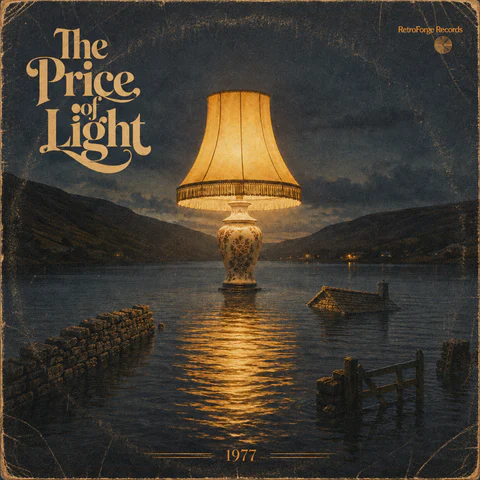
1977 oznacza fikcyjne ramy archiwalne i estetykę brzmienia, nie historyczną datę nagrania. To samodzielny album fabularny, nie relacja z udokumentowanej katastrofy zbiornika wodnego.
Lista utworów
- 1Pegs in the Lower Field05:02
- 2Compensation Day04:42
- 3Against the Motion05:17
- 4Rooms Without Curtains03:52
- 5Aggregate04:09
- 6Below the Red Line05:19
- 7Sluice05:04
- 8Lights Beyond the Ridge04:48
Łączny czas muzyki: 38:13. Wszystkie osiem utworów zawiera wokal; w „Sluice” zdecydowanie przeważają partie instrumentalne.
Utwór po utworze
1. Pegs in the Lower Field
Cztery czerwone paliki zapowiadają zmianę, która jeszcze nie dotknęła krajobrazu. Maszynopis poprawnie podaje nazwisko mieszkańca, lecz pole opisuje wyłącznie liczbami. Polecenie, by nie ruszać palików, zmienia sens: od czekania na informacje do zrozumienia, co te informacje oznaczają.
2. Compensation Day
Urzędowy język napotyka niewygodne pytania: czy sad się liczy, co oznacza dwadzieścia lat czynszu i kto przewiezie pianino. Formularze pozostają niewzruszone, choć sala staje się coraz bardziej niespokojna. Pieniądze są potrzebne, ale wycena nie opisuje wszystkiego, z czego trzeba zrezygnować.
3. Against the Motion
Zebranie ujawnia odmienne interesy ukryte pod apelem o jedność. Mieszkańcy powyżej planowanej linii wody mogą pozwolić sobie na opór niedostępny tym, którzy już się pakują. Pytanie o groby na chwilę przerywa spór; głosowanie daje wynik, ale nie rozwiązuje konfliktu.
4. Rooms Without Curtains
Perspektywa zawęża się do niemal pustego domu. Nagie ściany, znajome dźwięki i wyszczerbiony kubek niosą żal, którego nie pomieściły tabele odszkodowań. Długie, potoczne zdania odwlekają wyjazd, a ostatni obrót klucza wynika równie mocno z przyzwyczajenia, co z decyzji.
5. Aggregate
Najcięższy fizycznie moment albumu daje budowie własny język pracy. Zasobniki, szalunki, betoniarki i sygnały ręczne zastępują słowa zebrania. Robotnicy są fachowcami pracującymi z prawdziwymi materiałami; niepokój budzi to, co umożliwia ich skuteczna praca.
6. Below the Red Line
Wywożenie obejmuje zwierzęta, narzędzia, wyposażenie kościoła i nagrobki. W nieodwracalnej decyzji pozostaje miejsce na praktyczną troskę: pęknięty kamień zostaje zachowany, bo nazwisko nadal jest czytelne. Dzwon można podnieść; wspólnoty, która nadawała mu sens, nie da się załadować na ciężarówkę.
7. Sluice
Oszczędny, dokumentalny wokal ustępuje miejsca wielkiej architektonicznej kulminacji. Zasuwy, ciśnienie i wskaźniki wyznaczają kolejność, gdy woda zajmuje drogę, mur i sad. Budowla nie zawodzi: ostatni czerwony znak znika, bo system działa zgodnie z przeznaczeniem.
8. Lights Beyond the Ridge
Finał trafia do kuchni, warsztatów i zwykłych ulic korzystających z elektryczności. Ich mieszkańcy nie są oskarżani ani zmuszani do świadkowania dolinie, której nie znali. Lampa pomaga komuś skończyć zajęcie; za grzbietem pozostaje strata. Użyteczność prądu nie rozstrzyga jego ceny.
Paleta brzmień
Pastoralny rock progresywny daje wiejską bliskość, a prog symfoniczny nadaje budowie i zalaniu skalę. Nieparzyste metra i zmiany tempa podążają za akcją zamiast służyć nieustannym popisom techniki.
Fortepian jest powracającym spoiwem. Organy Hammonda przechodzą od powściągliwych akcentów do rozległych, architektonicznych partii; Mellotron ostrożnie dozuje chłodniejsze barwy. Syntezator analogowy pozostaje oszczędny. Wiolonczela i nieliczne kolory klarnetu lub saksofonu dodają klawiszom kolejny ludzki rejestr.
Gitary akustyczne grane palcami i dwunastostrunowe sąsiadują z czystymi figurami elektrycznymi, kanciastym kontrapunktem, długimi dźwiękami i cięższą grą o celowo dobranej saturacji. Bas pozostaje melodyjny i słyszalny w średnicy, przechodząc od liryzmu do rytmów budowy. Naturalna perkusja akustyczna zachowuje dynamikę i charakter pomieszczenia.
Główny męski wokal zmienia się wraz z sytuacją: obserwacja, sucha procedura, spierające się zespoły głosów, niemal rozmowa i stanowczy śpiew budowy. Analogowe ciepło inspirowane końcem lat 70., saturacja, punktowy delay i pogłos płytowy lub komorowy łączą te ujęcia bez zacierania separacji instrumentów.
Notatki archiwalne
Linia pojawia się najpierw jako taśma między palikami. Staje się granicą administracyjną, poleceniem usunięcia, wreszcie znakiem pod wodą. Krajobraz jeszcze się nie zmienił, gdy po raz pierwszy opisano go liczbami; na końcu te liczby współdecydują o tym, co pozostaje widoczne.
Kamień również zmienia funkcję. Mury i domy stają się wycenianym mieniem, a kruszywo i beton zyskują siłę powstrzymania rzeki. Nagrobki przenosi się wyjątkowo ostrożnie. Ich czytelne nazwiska zachowują coś konkretnego, nawet jeśli otaczające je miejsce nie przetrwa.
„Rooms Without Curtains” to intymne skupienie przed „Aggregate”. Kubek jest ważny dlatego, że zostaje, nie dlatego, że jest cenny. „Aggregate” wnosi fizyczny ciężar; „Sluice” zamienia go w architekturę. Woda staje się dominującym obrazem dopiero tak późno, podobnie jak światło zostaje zarezerwowane na finał.
Okładka skupia tę zależność w ogromnej, świecącej lampie domowej stojącej w zbiorniku. Na pierwszym planie widać zatopione mury, bramę i linię dachu, a za grzbietami odległe światła. Wytarta, matowa oprawa należy do wyobrażonej estetyki lat 70.; wielka lampa jest symbolem okładki, nie nadprzyrodzonym zdarzeniem w fabule.
Teksty
Oryginalne teksty angielskie, bez dodanych oznaczeń zwrotek ani wskazówek wykonawczych.
01 · Pegs in the Lower Field
There are four red pegs in the lower field,
two by the ditch and two beyond the gate.
I nearly pulled the first one with my boot
before I saw the tape stretched through the grass
and the tripod standing where the cattle turn.

They have chalk on their sleeves and mud on their knees.
One of them asks which fence is ours.
I point to the wall, then farther down
where the hedge has grown through the wire,
and he writes something without looking up.

Leave them where they stand.
Leave them there until we know.

By dinner the men have crossed to the far side.
A white card is tied beneath the gate latch.
My name is typed correctly.
The field is described in numbers,
though nothing in it has moved.

I walk the line again before dark,
past the patch where the ground stays wet,
past the broken post we keep meaning to mend,
past the place the river shows between the alders.

Leave them where they stand.
Now we know enough.
02 · Compensation Day
Property to be acquired.
Access to be retained.
Fixtures by separate schedule.
Outbuildings subject to inspection.

A hand turns the page.
From the second row: does the orchard count?
At the back, twenty years of rent
is placed on the table as if it ought to count for something.

Reasonable costs of removal.
Alternative accommodation where applicable.
Livestock transport to be assessed.
Existing rights to be extinguished.

A chair scrapes back.
A man beside the window says,
“If you mean the house, say house.”
Nobody writes that sentence down.

Sign here.
Initial there.
Take a copy home.

Market value at the appointed date.
No allowance for attachment.
No allowance for expectation.
No allowance for inconvenience beyond the terms stated.

One family whispers over debts.
Another folds the paper twice.
Across the aisle comes the remark
that accepting early makes it easier for them.

Property to be acquired.
Access to be retained.
The same words return,
but the room has changed around them.

A woman asks who moves the piano.
Laughter breaks too loudly near the door.
Another form slides across the table.

Sign here.
Keep your copy.

Next.
03 · Against the Motion
Put it to the room, then.
Put the paper down where everyone can see it.
You say refusal keeps the road open.
He says refusal only changes the date.
From the back comes: the churchyard first,
and three people answer before the chair can call order.

We came here together.
That lasted ten minutes.

You call it surrender.
I call it knowing what comes next.
You have land above the line.
We do not.
You can wait another winter.
We have already packed the upstairs rooms.

No, that is not what I said.
No, don't tidy it for me.
If the offer stands, I take it.
If you want to hate me for that,
use my name when you do it.

The chairman asks for order.
The chairman asks again.

A hand rises slowly near the wall:
What happens to the graves?

For once,
nobody answers at once.

Against the motion.
For the motion.
Abstain if you must.

A vote is a useful thing
when the question fits inside it.

This one does not.

From the left: we should stand as one.
From the doorway: we stopped doing that
the moment the first figure arrived.

Count the hands.
Count them twice.
Record the result.

Then meet your neighbor's eyes.
04 · Rooms Without Curtains
The curtains went yesterday, and without them the front room looks taller than it ever did when the table was under the window and the kettle could be heard from the hall.

There are pale squares above the mantel where the pictures hung,
and two clean strips on the floor where the cabinet stood,
and one bent hook by the door that I leave in place because removing it would be more deliberate than I can manage today.

We carry the last boxes down the stairs slowly, not because they are heavy but because there is no reason to hurry anymore, and the sound of our shoes travels farther through the house than it used to.

In the kitchen a cup has been left behind.
Not the good one.
Not anyone's favorite.
Just a chipped brown cup at the back of the shelf.

I put it in a box anyway.

You have the keys in your coat pocket, and I still reach for mine when I come through the passage, which makes us both laugh once, briefly, before neither of us knows what to say after it.

The bedroom door catches at the same place.
The third stair still complains.
There is dust under the bedstead and a nail in the wall we never used.

Everything is exactly where the house left it.

Except us.

At the gate I turn the key until the lock takes,
then try the handle twice from habit.

We walk to the road.

I do not look back again.
05 · Aggregate
Stone through the hopper.
Dust whitening the road.
A loaded lorry crawls
where the sheep track ran.

Check the grade.
Brace the shuttering.
Wave the mixer forward.
The chute swings over the timber.

Crush it.
Grade it.
Pour it.
Hold.

Boots on wet boards.
Cable drawn taut.
A banksman lifts one arm
through the engine noise.

The drum turns.
The barrows queue.
A shovel works the corners
before the mix can stiffen.

By noon the forms are full.
Cement dries grey across the gloves.
A man knocks each board with his hammer,
listens,
then moves to the next.

Another lorry backs into place.

Crush it.
Grade it.
Pour it.

Hold.
06 · Below the Red Line
The cattle go first to the upper farm.
Tools are tagged and loaded by the shed.
Two pews leave through the vestry door.
The brass cross travels wrapped in blankets.
A crate is marked for books,
another for the kitchen things no one has claimed.

Take what can be carried.
Leave the rest below the red line.

The gate comes off its hinges.
Useful timber is stacked by the road.
A stone trough takes four men and a chain.
The old mower will not start,
so they drain it, curse it,
and winch it onto the lorry anyway.

Move what can be moved.
Mark the rest below the red line.

Names are copied from the grave markers.
Numbers are checked against a list.
Soil is lifted carefully.
Families stand farther back than they expected to.
The small stones travel with the large ones.
The cracked one is kept because the name can still be read.

At the church door
someone asks whether the bell is coming.

It is.

Raise what can be raised.
Close the road below the red line.

By evening there are fewer reasons to return.
One crate waits without a label.
One gate stands open.
One room still has a broom against the wall.

Nobody needs it.

Take what can be carried.
The line has already decided the rest.
07 · Sluice
The gate is checked.
The channel is clear.
Pressure holds where the concrete joins.
A hand signal passes down the platform.

Close.

The current turns.
The intake takes it.
Levels climb past marks
painted months before.

By noon the lower road
ends in brown water.

Road below.
Wall below.
Orchard below.

The gauge moves.

Water finds the contour.
Concrete holds.
At the spillway the needles settle.
Beyond the wall,
the river runs narrow.

One level.
Then another.

The last red mark
goes under.
08 · Lights Beyond the Ridge
Lights beyond the ridge,
warm in rooms we never see.
A hand finds the switch,
and evening changes quietly.

A kettle starts in a kitchen.
A workshop keeps one bench alive.
Street lamps take the corner one by one.
Pages turn beneath a shaded bulb.
At closing time a sign stays burning
above a door on the high street.

Nothing in those rooms is extraordinary.

Lights beyond the ridge,
steady along the road.
Current through the wire,
ordinary as being home.

You do not know the lower field.
You have no reason to.
You do not know which house had curtains
or who carried the bell uphill.

You turn the lamp toward the table.
You finish what you were doing.
Outside, the line runs over the ridge
and disappears from view.

Lights beyond the ridge,
small and warm and clear.
The wire drops behind the hill.
Work goes on till late.
Odkrywaj dalej
Dla słuchaczy brytyjskiego progu lat 70., narracyjnych albumów koncepcyjnych, pastoralnych aranżacji i analogowego rocka z dominacją klawiszy.
Inne progresywne albumy RetroForge jako propozycje do posłuchania, bez sugerowania wspólnej fabuły.