

Edition timeline
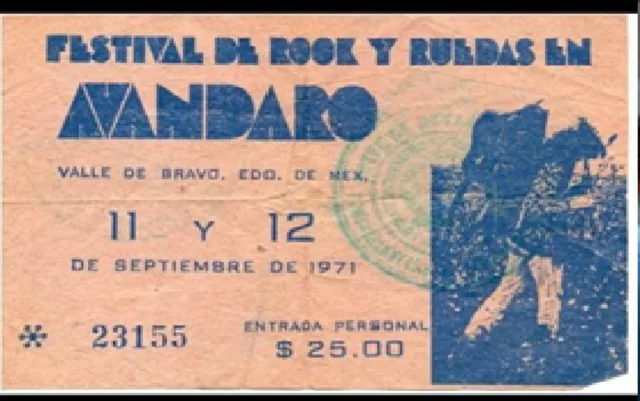
Festival Rock y Ruedas de Avándaro took place 11–12 September 1971 near Valle de Bravo in the State of Mexico.
Festival Rock y Ruedas de Avándaro took place 11–12 September 1971 near Valle de Bravo in the State of Mexico.
The project combined promoters from the motorsport/business world with television producer Luis de Llano Macedo and music-booking networks.
The project combined promoters from the motorsport/business world with television producer Luis de Llano Macedo and music-booking networks.
The automobile-racing component did not ultimately define the weekend; the rock festival became the historic event.
The automobile-racing component did not ultimately define the weekend; the rock festival became the historic event.
Eighteen acts are often reported as having performed, mostly from Mexico's rock scene.
Eighteen acts are often reported as having performed, mostly from Mexico's rock scene.
Film, audio, radio and professional photography survive, giving Avándaro a substantial documentary afterlife.
Film, audio, radio and professional photography survive, giving Avándaro a substantial documentary afterlife.
Why this event matters
This is a politics-of-memory page. Avándaro's importance lies not just in what happened in the field, but in what authorities and media said it meant afterward—and how that interpretation reshaped where Mexican rock could exist. Festival Rock y Ruedas de Avándaro took place 11–12 September 1971 near Valle de Bravo in the State of Mexico.

Place, site and audience
The project combined promoters from the motorsport/business world with television producer Luis de Llano Macedo and music-booking networks. The automobile-racing component did not ultimately define the weekend; the rock festival became the historic event.
What the audience experienced
The audience encountered music through the practical realities of travel, waiting, weather, food, movement and temporary facilities. Eighteen acts are often reported as having performed, mostly from Mexico's rock scene.

Problems, conflict and practical limits
Attendance is exceptionally disputed. Film, audio, radio and professional photography survive, giving Avándaro a substantial documentary afterlife.


Follow the festival beyond the field
Timeline
Related genres
More routes will be connected as the archive grows.
Related band guides
More routes will be connected as the archive grows.
Explore by sound
More routes will be connected as the archive grows.
Essential listening
Sources and further reading
- UNAM thesis – organisation of Avándaro 1971Editorial source spine · accessed 23 July 2026
- General cross-check – Festival Rock y Ruedas de AvándaroEditorial source spine · accessed 23 July 2026
Image credits5 licensed images
A surviving ticket for Festival Rock y Ruedas de Avándaro, directly connected with the 1971 event — LUGIAsaurio — Wikimedia Commons — CC BY-SA 4.0 · source record · CC BY-SA 4.0
Converted to WebP and resized; no generative or compositional alterations.
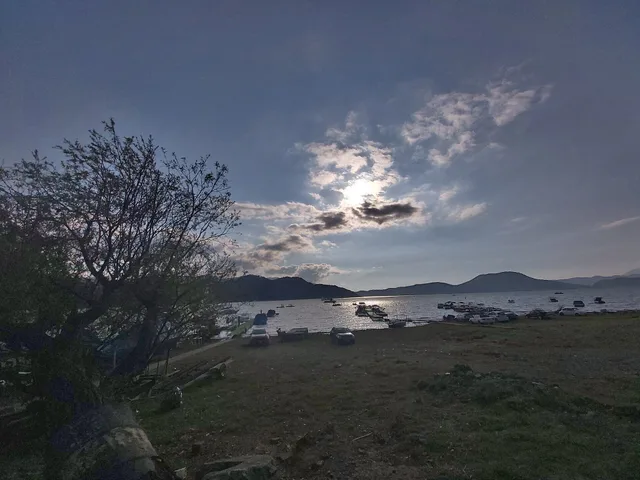
A later view of Lake Avándaro, used as regional geography and not as festival documentation — B.jars — Wikimedia Commons — CC BY-SA 4.0 · source record · CC BY-SA 4.0
Converted to WebP and resized; no generative or compositional alterations.
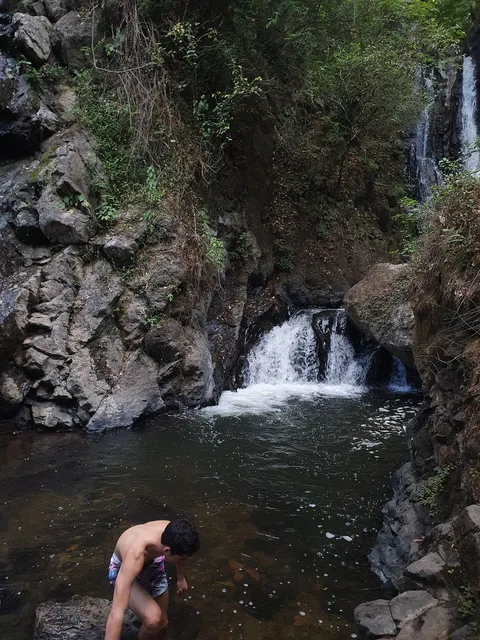
A later view of Avándaro in Valle de Bravo, used to locate the festival area — GaroroNa — Wikimedia Commons — CC BY-SA 4.0 · source record · CC BY-SA 4.0
Converted to WebP and resized; no generative or compositional alterations.
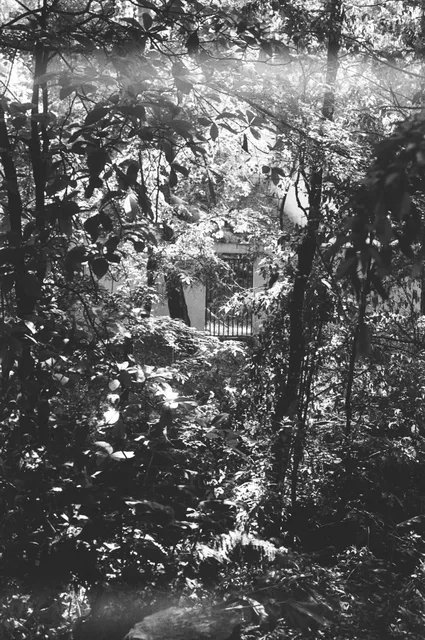
A wooded landscape near Avándaro, used as regional setting without implying an event photograph — Brisa del mar 13 — Wikimedia Commons — CC BY-SA 4.0 · source record · CC BY-SA 4.0
Converted to WebP and resized; no generative or compositional alterations.
A later view in Valle de Bravo, explicitly labelled as local context rather than festival evidence — Brisa del mar 13 — Wikimedia Commons — CC BY-SA 4.0 · source record · CC BY-SA 4.0
Converted to WebP and resized; no generative or compositional alterations.