
Essential Listening
The bands that built progressive, psychedelic and krautrock music. Where to start, what to buy, and why it still matters.
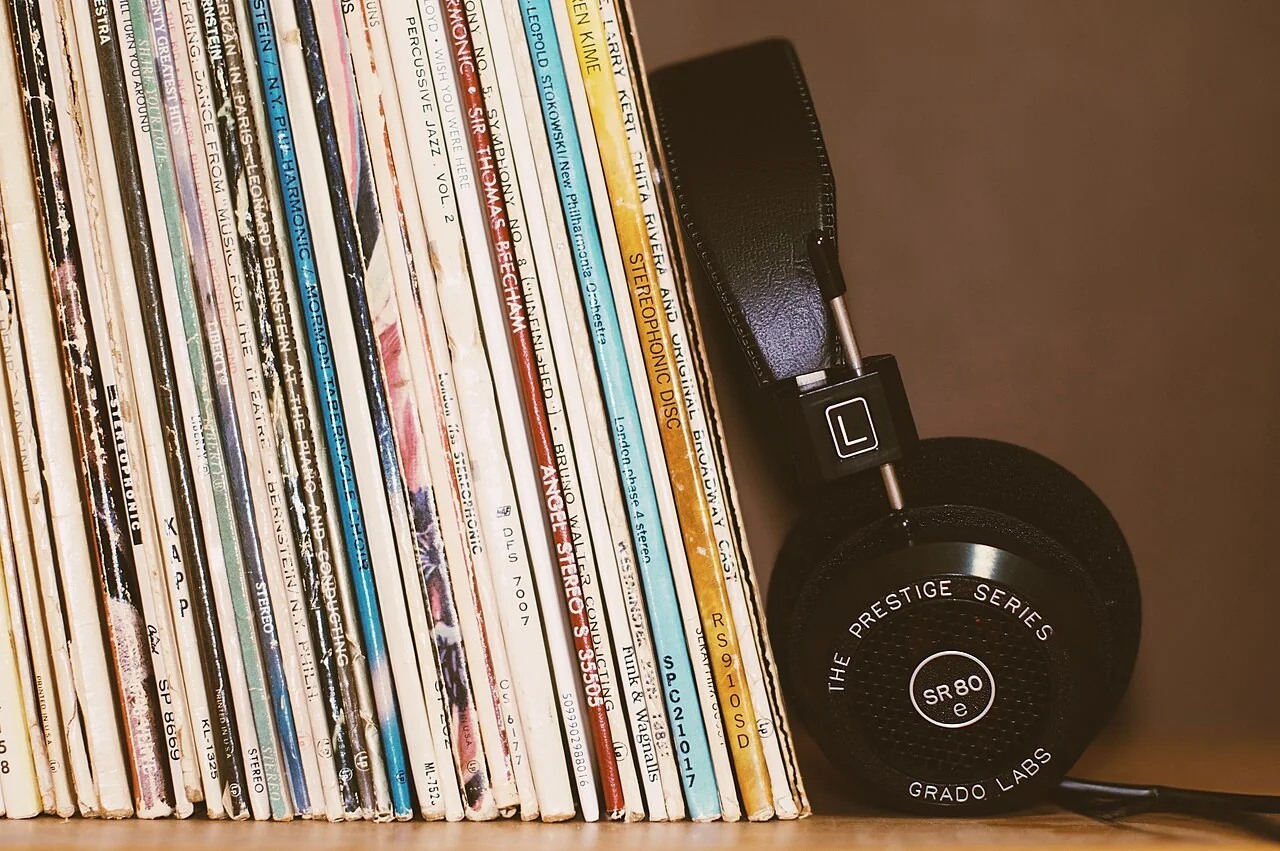
Progressive Rock
Born from jazz, classical and the experimental edge of late-60s rock, prog stretched the idea of what a song could be. Side-long compositions, odd time signatures, concept albums — these bands rewrote the rules and kept rewriting them.
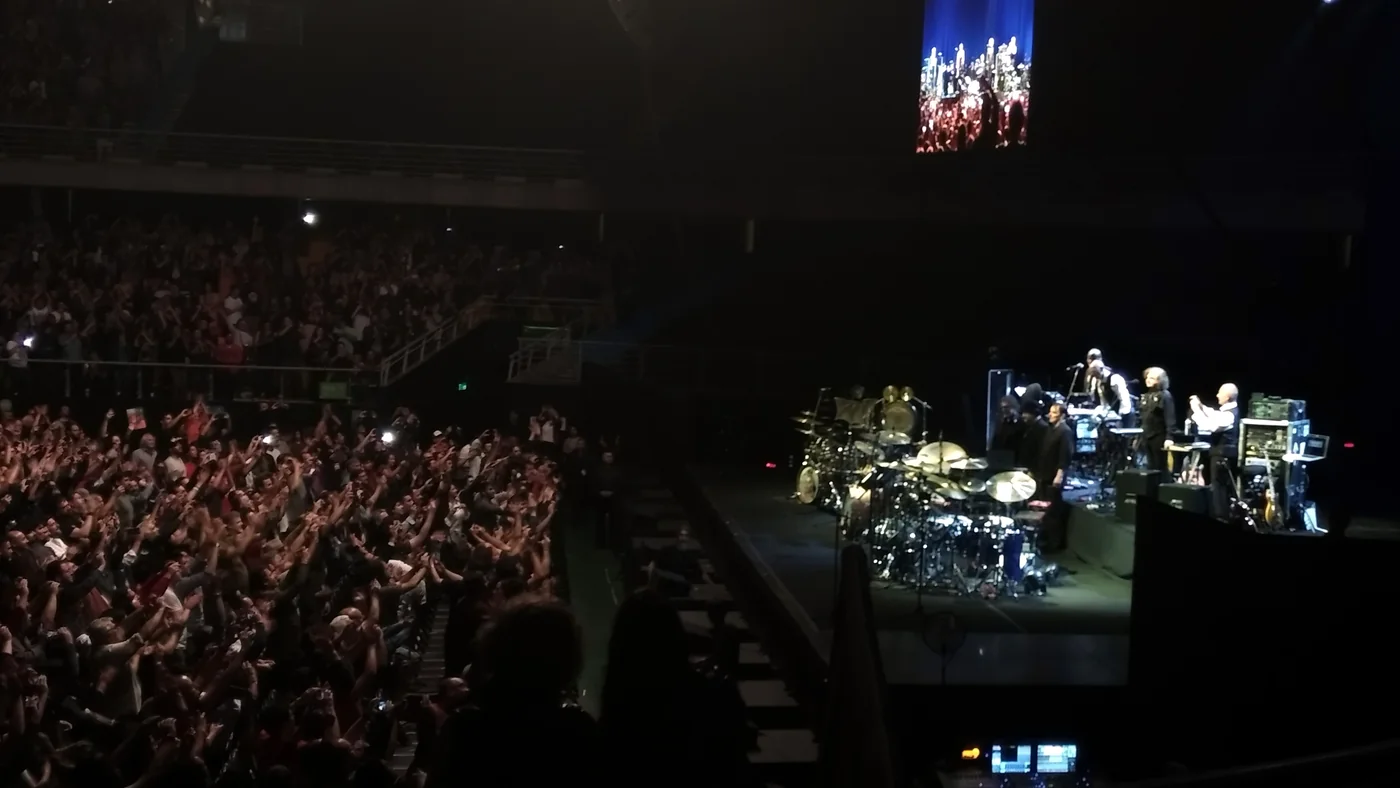
King Crimson
Robert Fripp's ever-mutating band set the template before anyone else had time to copy it. In the Court of the Crimson King landed in 1969 like a transmission from another dimension — orchestral, brutal, and unlike anything that came before.
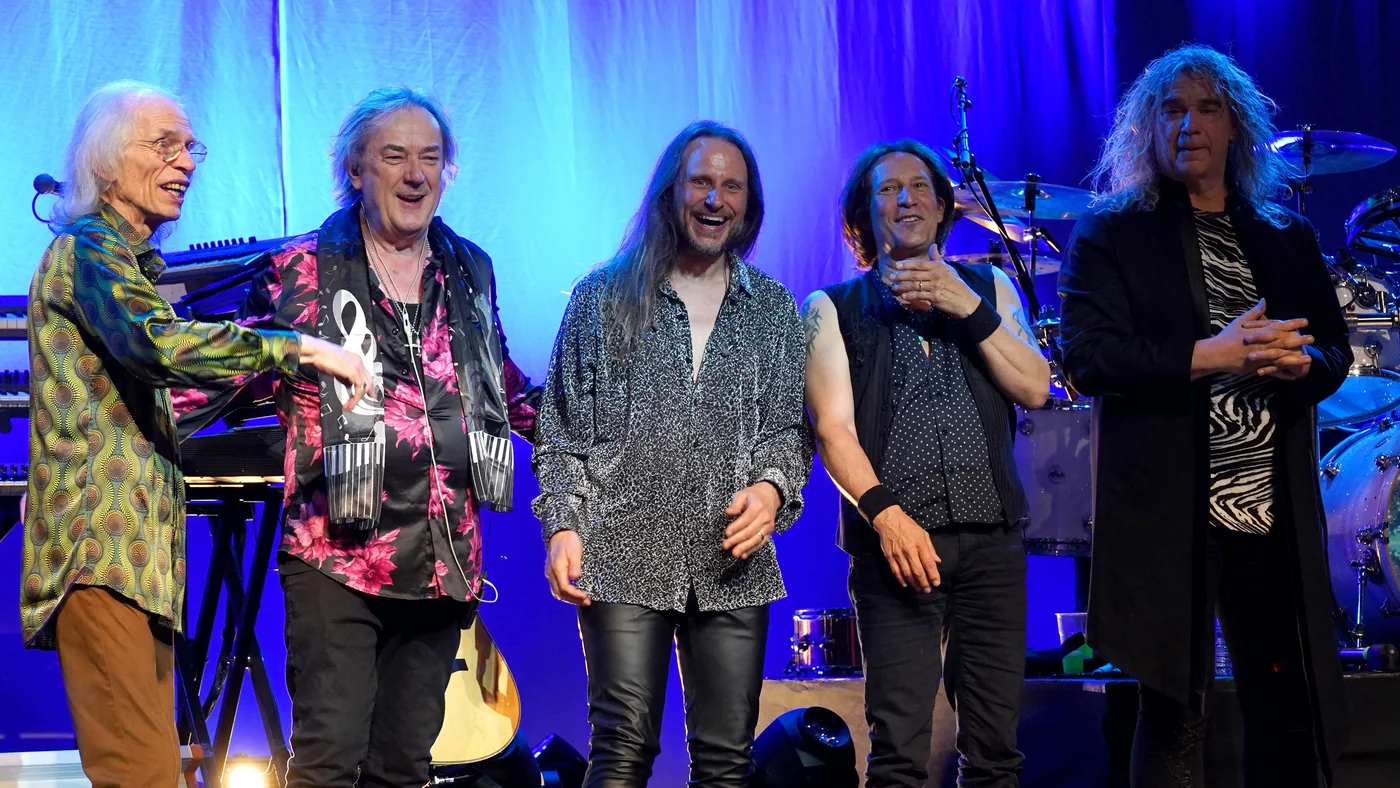
Yes
Yes took harmony, virtuosity and ambition to places rock had never been. At their peak — roughly 1971 to 1974 — they were producing music of staggering complexity that still managed to feel transcendent rather than academic.
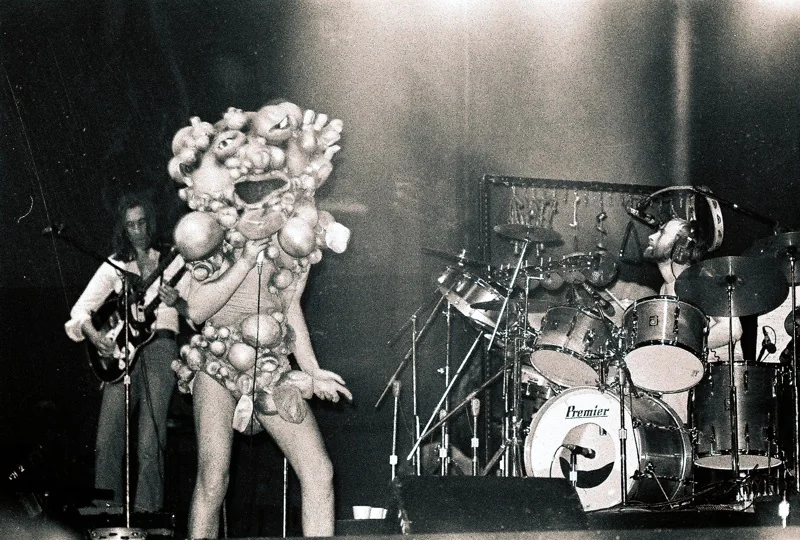
Genesis
With Peter Gabriel at the helm, Genesis constructed elaborate theatrical worlds on record. Selling England by the Pound remains one of the most perfectly realised prog albums ever made — English to its bones, strange in every corner.
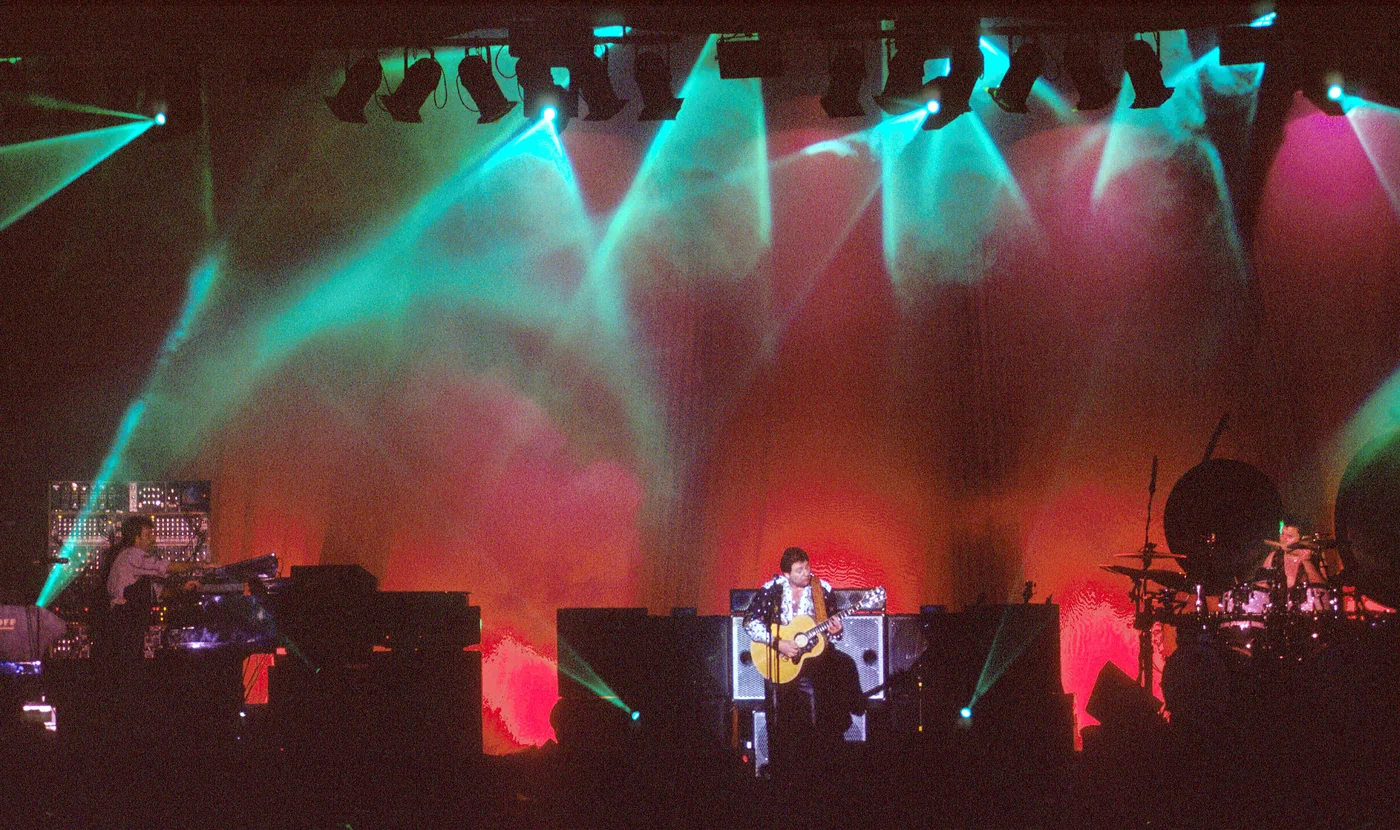
Emerson, Lake & Palmer
Three virtuosos with nothing to prove and everything to explore. Keith Emerson's keyboard attacks on classical composition were matched only by the sheer power of the group's live performances. Overblown, yes. But magnificently so.
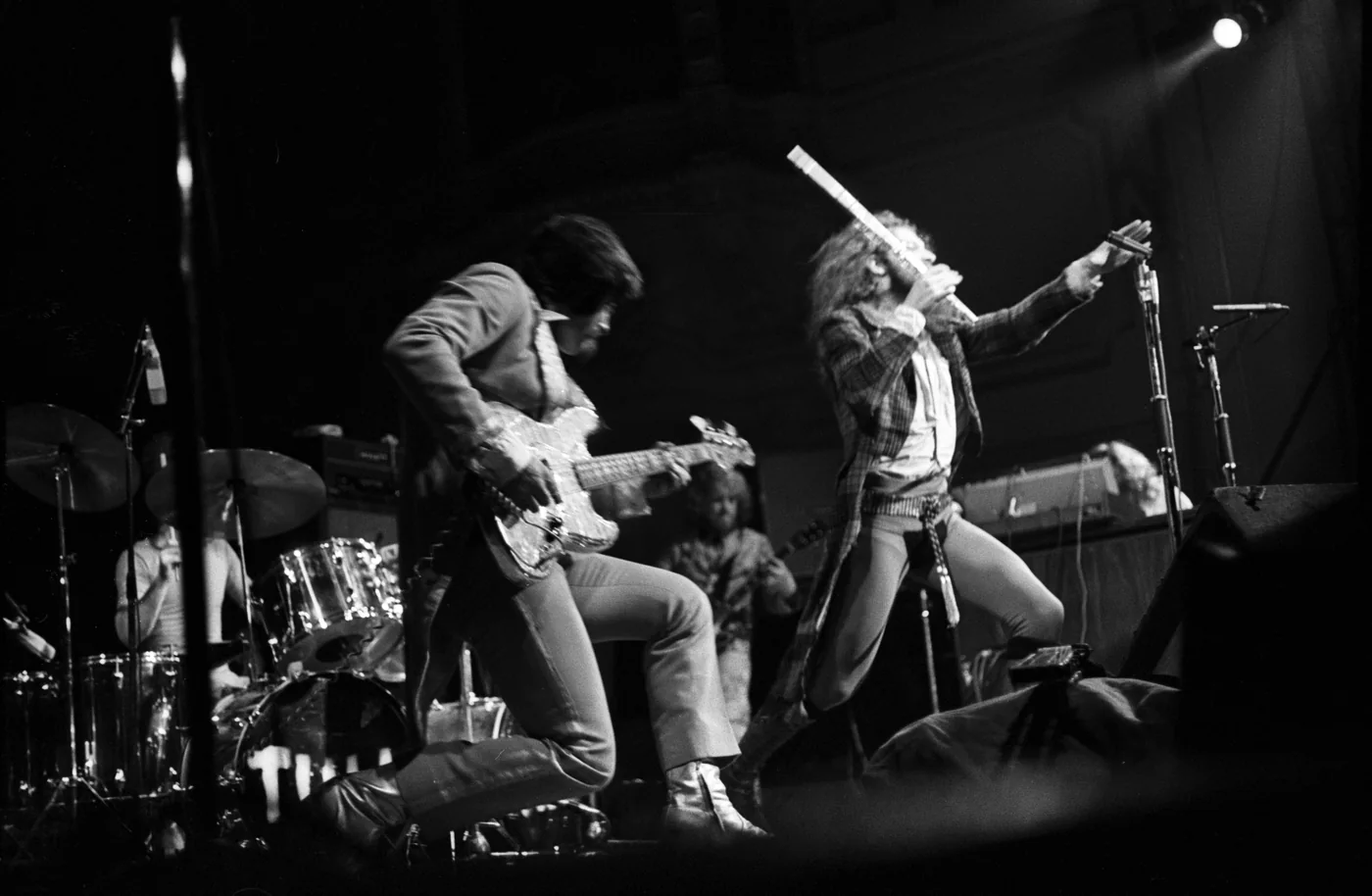
Jethro Tull
Ian Anderson's flute-wielding, one-legged madman led one of prog's most distinctive bands. Rooted in British folk, blues and classical music, Tull at their peak had a literary quality that set them apart from every other band in the genre.
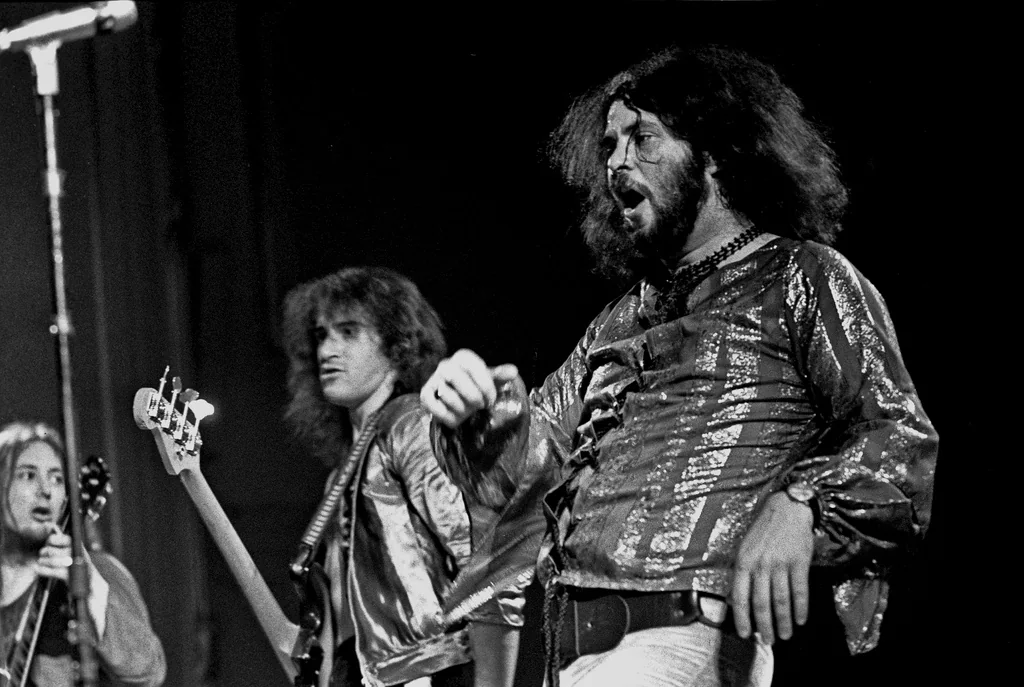
Gentle Giant
The most underrated band in progressive rock, full stop. Gentle Giant demanded more of its listeners than almost anyone else — polyrhythmic madness, medieval counterpoint, Renaissance harmonies — and somehow made it all feel like rock music.
Psychedelic Rock
Psychedelia was the sound of perception pushed past its limits. From San Francisco to London, these bands used the studio as an instrument and the listener's mind as the destination. Some of the most adventurous music ever made.
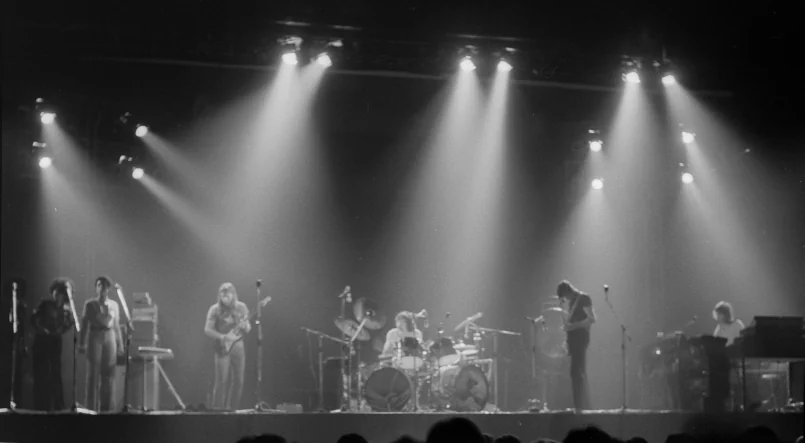
Pink Floyd
Few bands contain multitudes like Floyd. The Syd Barrett years were pure psychedelic hallucination; the Waters era expanded into something vast and architectural. Between the two, they invented a kind of music that no one else has ever quite replicated.
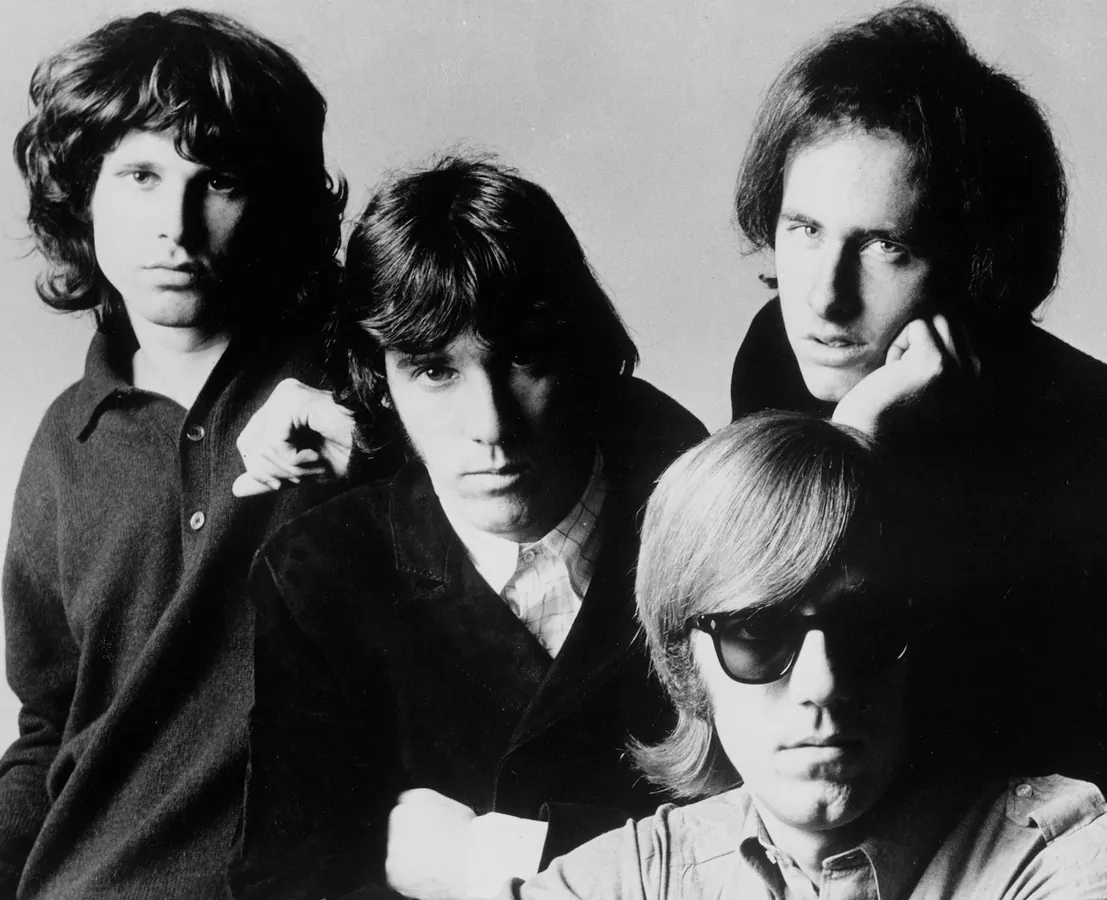
The Doors
Jim Morrison's band had no bassist, no safety net, and no interest in playing it safe. Ray Manzarek's left-hand bass lines and the band's Dionysian charge produced some of the most dangerous-feeling rock music of the era.
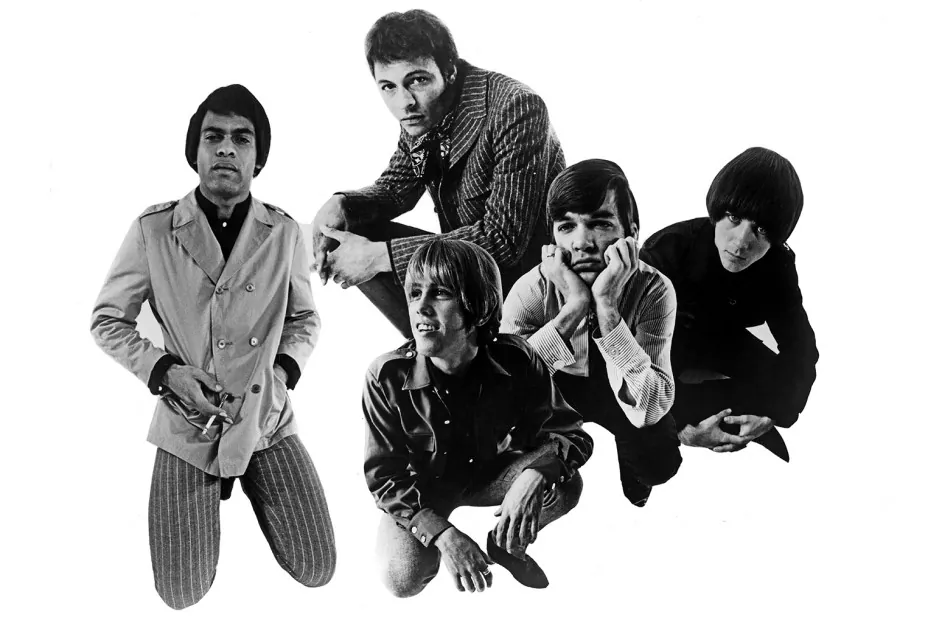
Love
Arthur Lee's band made one of the greatest albums ever recorded — Forever Changes — and then more or less disappeared. A chamber pop masterpiece wrapped in psychedelic anxiety, it sounds like nothing else from 1967 or any other year.
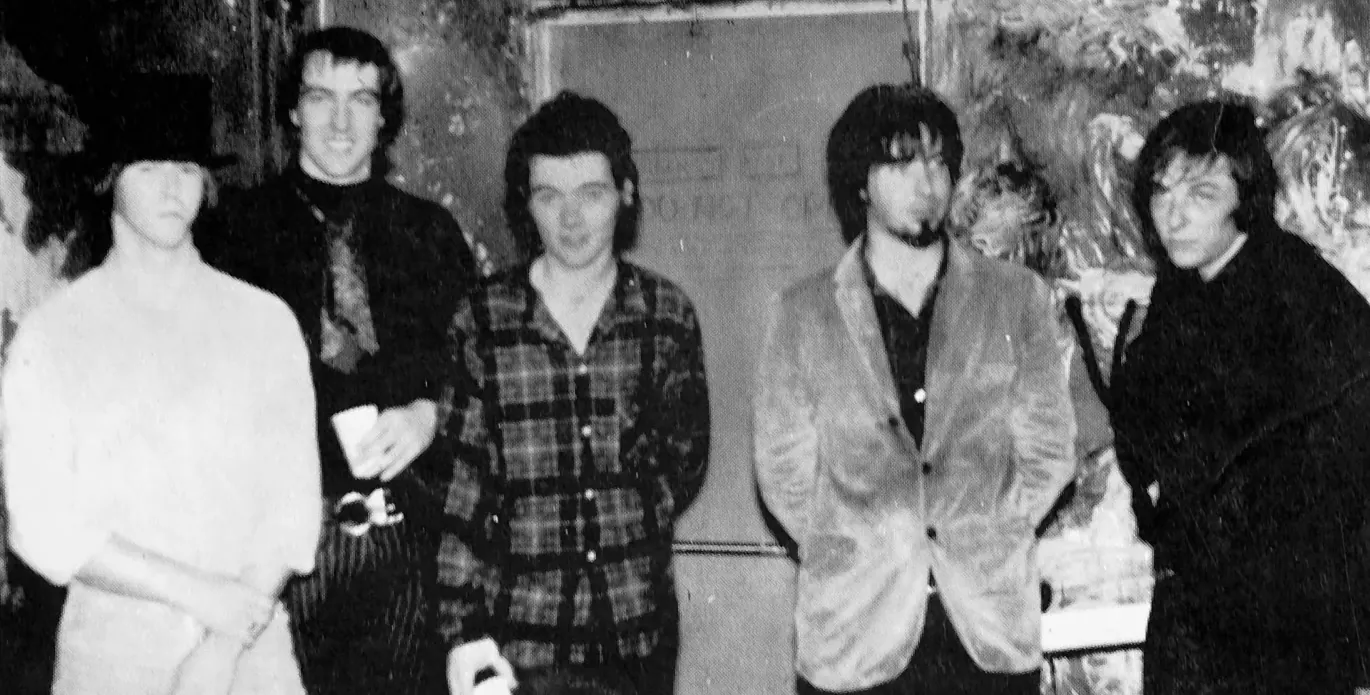
13th Floor Elevators
Roky Erickson's band from Austin, Texas invented psychedelic rock before California had a chance to. Their debut is raw, electric, and genuinely visionary — the electric jug alone is one of the strangest sounds in rock history.
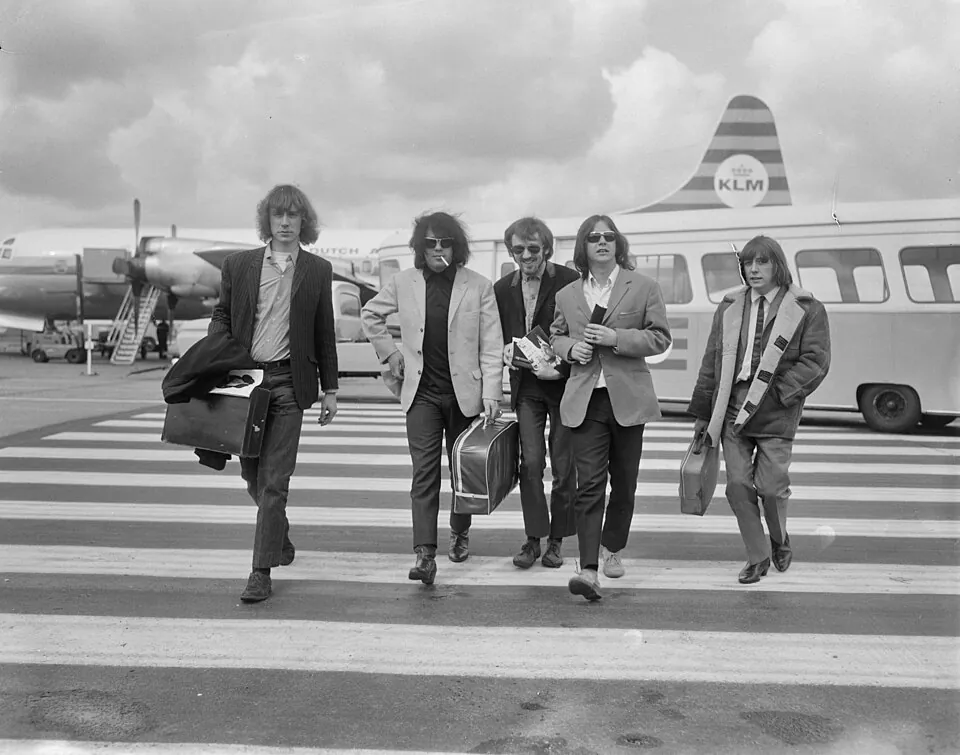
The Pretty Things
Criminally overlooked outside of record collector circles, the Pretty Things made Britain's first rock opera (S.F. Sorrow) a full year before Tommy. Raw, dark and exploratory, they were the blueprint for a dozen better-known bands.
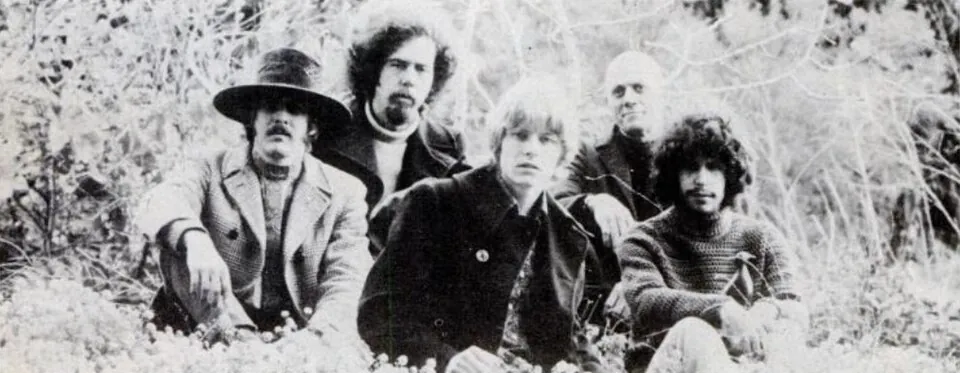
Spirit
Randy California and his stepfather, veteran drummer Ed Cassidy, built one of the most sophisticated psychedelic catalogues of the era. The 12 Dreams of Dr. Sardonicus is the one to start with — kaleidoscopic, cinematic, essential.
Krautrock
Germany in the late 60s and 70s produced some of the most forward-thinking music ever recorded. Rejecting both Anglo-American rock traditions and German folk, these bands built something entirely new — and inadvertently invented most of the electronic music that followed.
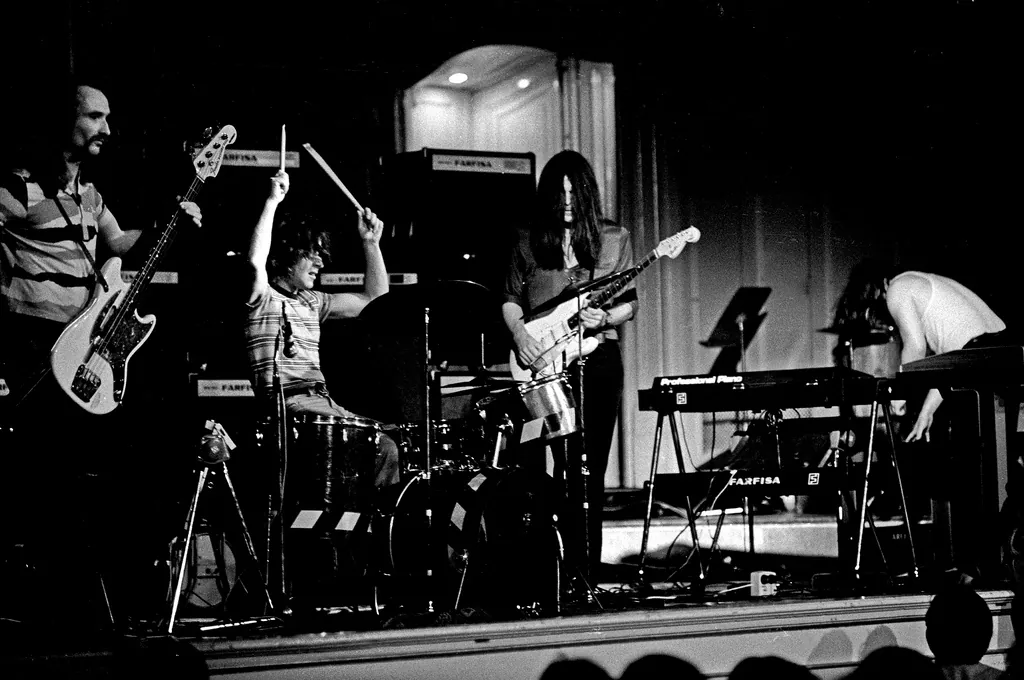
Can
Can were operating on a different frequency. Their long, hypnotic grooves — propelled by Jaki Liebezeit's inhuman drumming — were unlike anything being made anywhere. Tago Mago remains one of the most influential double albums in rock history.
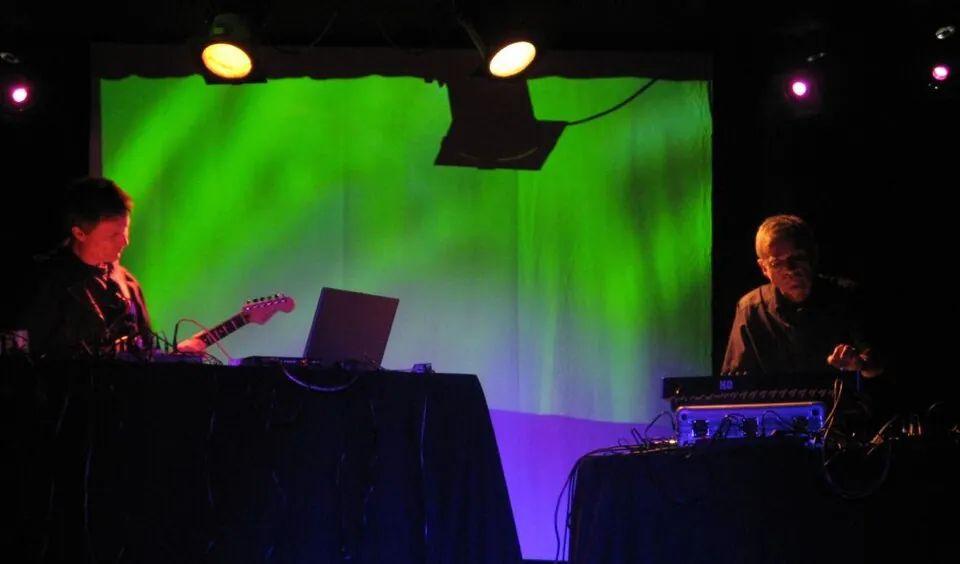
Neu!
Michael Rother and Klaus Dinger left Kraftwerk and invented motorik — the relentless, machine-like beat that drove post-punk, shoegaze and ambient techno decades later. Three albums, all essential. No filler, no fat.
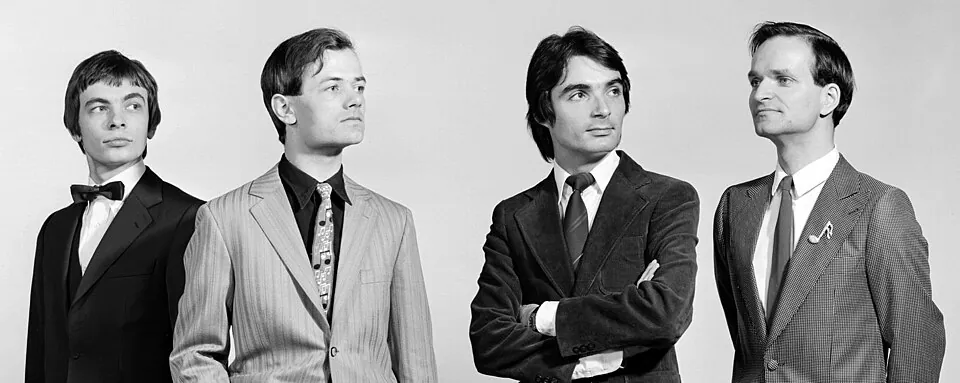
Kraftwerk
Ralf Hütter and Florian Schneider built the machine that powered the next fifty years of pop music. Electronic, robotic, visionary — their mid-70s run from Autobahn to Computer World is the most influential sequence of albums in modern music.
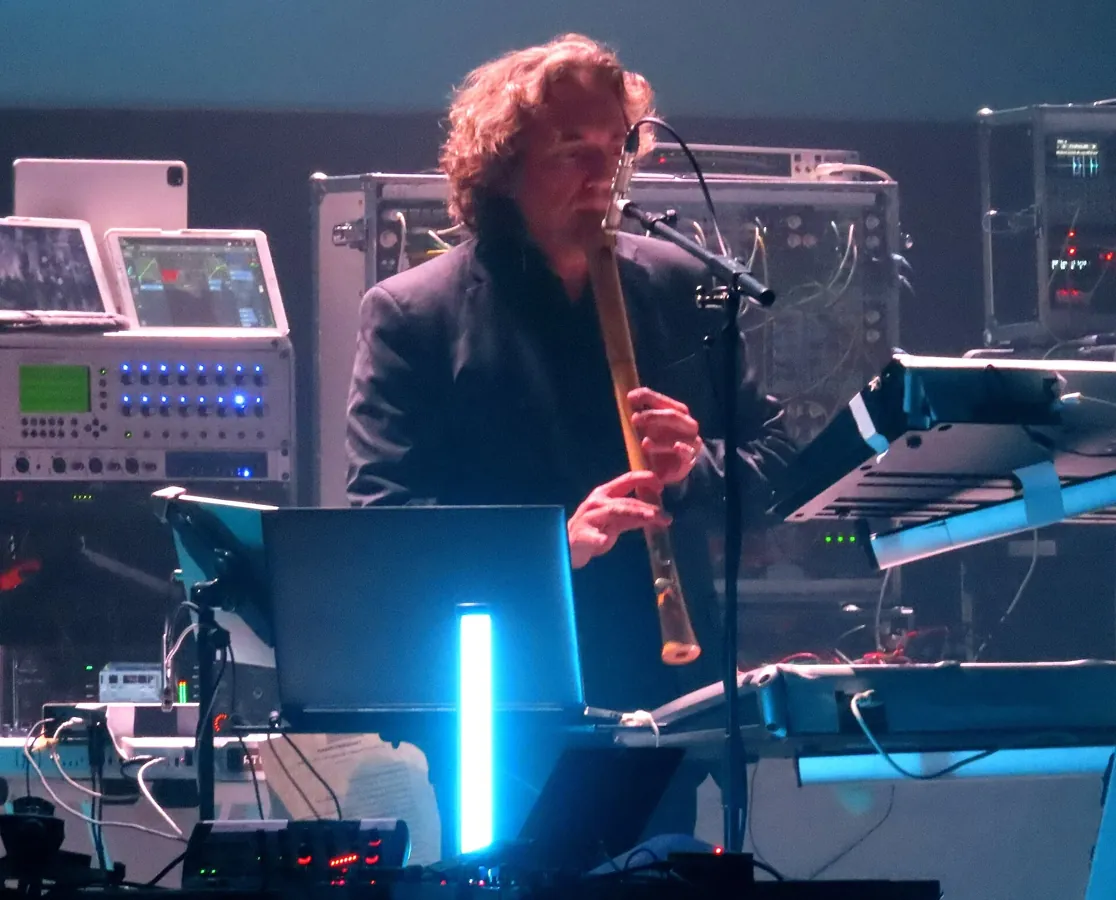
Tangerine Dream
Edgar Froese's band pioneered the synthesiser-led ambient landscape that defined Berlin School electronics. Their Virgin Records period — Phaedra through Rubycon — is among the most immersive music ever put to tape.
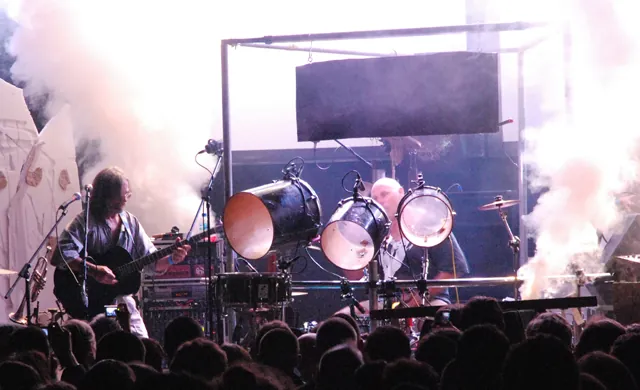
Faust
The most anarchic of all the krautrock bands. Faust made music that sounded like it was being assembled and dismantled simultaneously — noise, melody, found sounds and silence colliding in ways that still feel genuinely unpredictable today.
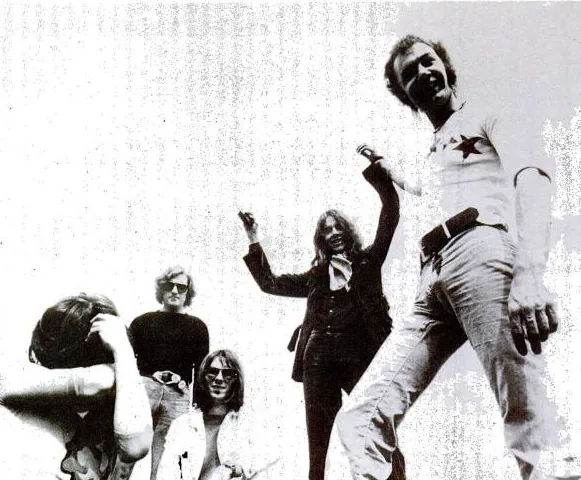
Amon Düül II
Emerging from a Munich commune, Amon Düül II made heavy, sprawling psychedelic rock that sits at the crossroads of krautrock and hard rock. Yeti is their masterpiece — a double album of relentless energy and genuine weirdness.
How These Sounds Took Shape
Continue beyond the recommendations with original long-form features connecting the albums, scenes and turning points in the timeline.
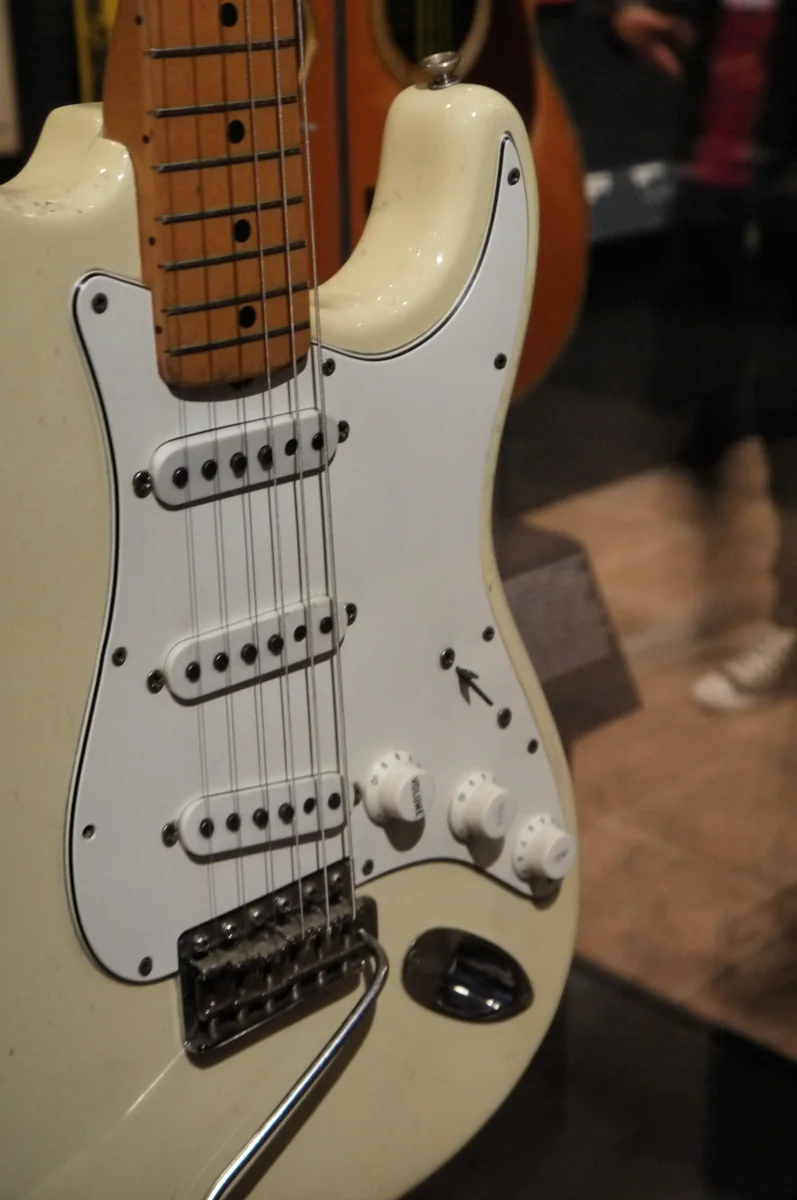
The Heavier Edge of Psychedelia
Electric Ladyland, studio experimentation and the widening possibilities of electric sound.
Progressive Rock Arrives
How King Crimson crystallised a musical language that was already beginning to form.
The Art of Edited Improvisation
Can, tape editing and the conversion of collective improvisation into album architecture.
The Global Prog Album
How Pink Floyd joined studio craft, concept and accessibility without reducing the scale.
Affiliate note: Amazon links on this page may earn RetroForge Records a small commission, at no extra cost to you.
Keep exploring
Connect this collection
Move sideways into another part of RetroForge. Every route is a different way back into the same music archive.