
The Long Archive
Rock History
1958–1984
Twenty-seven years. Twenty-seven original features. Each year opens into a different chamber: a record, a scene, a technology or a turning point that changed what rock music could become.
Photo: Capitol Records / Wikimedia Commons · Public domain in the United States1958–1965
The Foundations
Rock and roll, the folk revival, the British beat boom and the musical ingredients that later fed psychedelia and progressive rock.
 1958 · Sound history
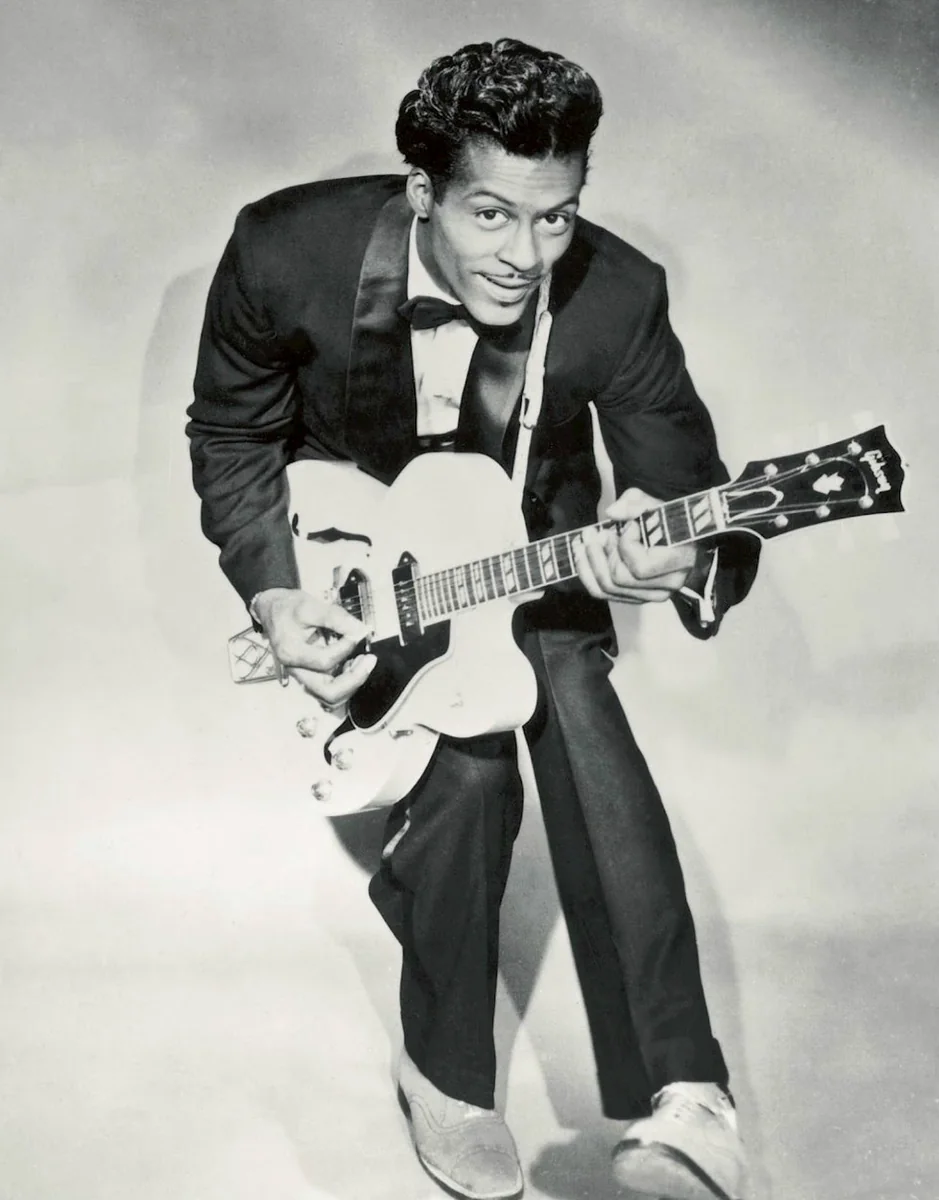
How Chuck Berry Created the Language of the Rock Guitar
How Chuck Berry turned blues, country rhythm and narrative songwriting into a guitar language that British rock would carry into the next decade.
Read the full story → 1959 · Turning-point story
The Day the Music Died and the End of Rock’s First Era
The 1959 plane crash became a symbol of rupture, but the music left behind continued shaping bands, writers and the idea of artistic independence.
Read the full story →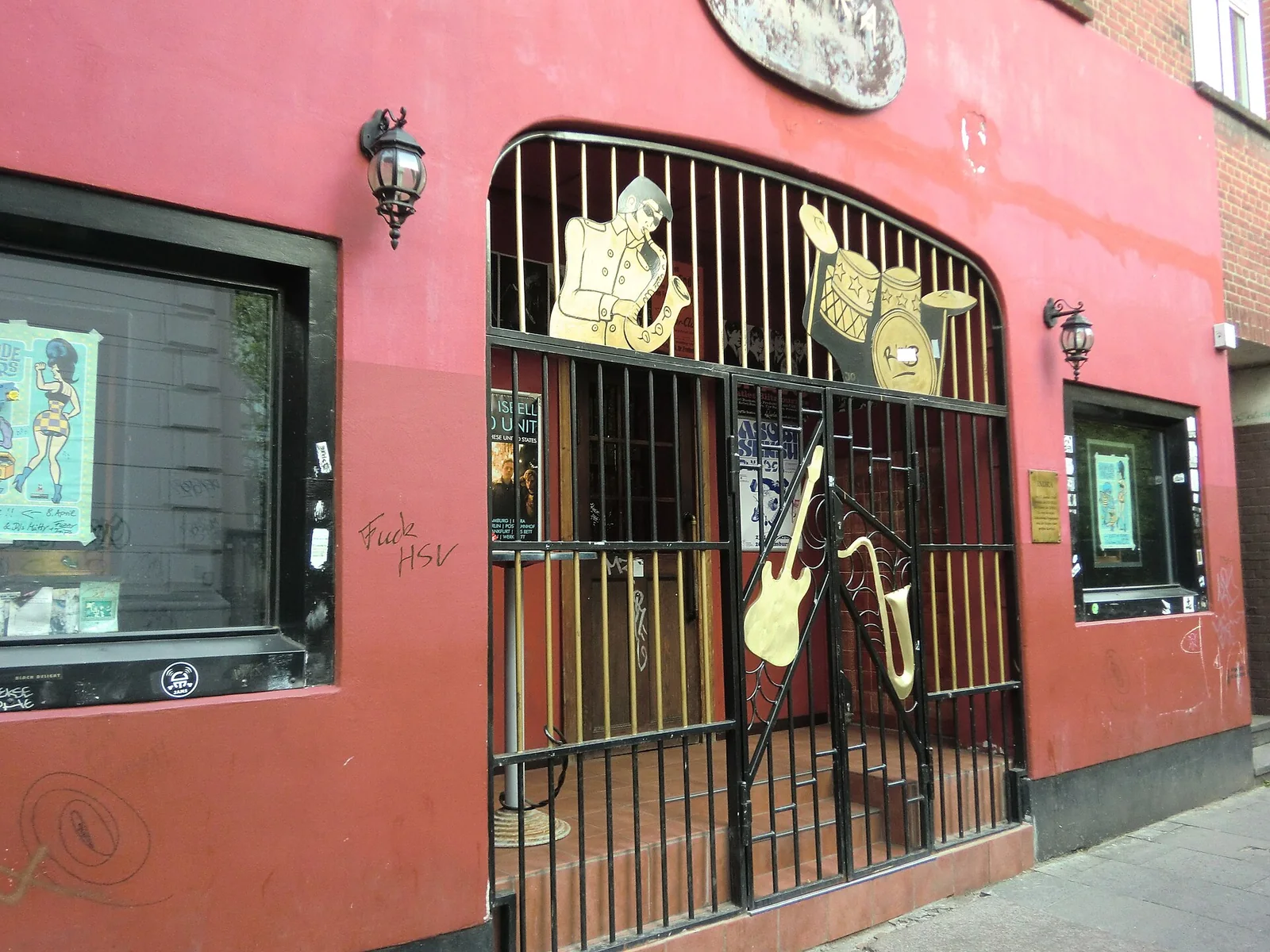 1960 · Scene history
Hamburg: How the Beatles Became a Real Band
Long nights in Hamburg forced a raw Liverpool group to build stamina, repertoire and the stage confidence behind the British beat explosion.
Read the full story →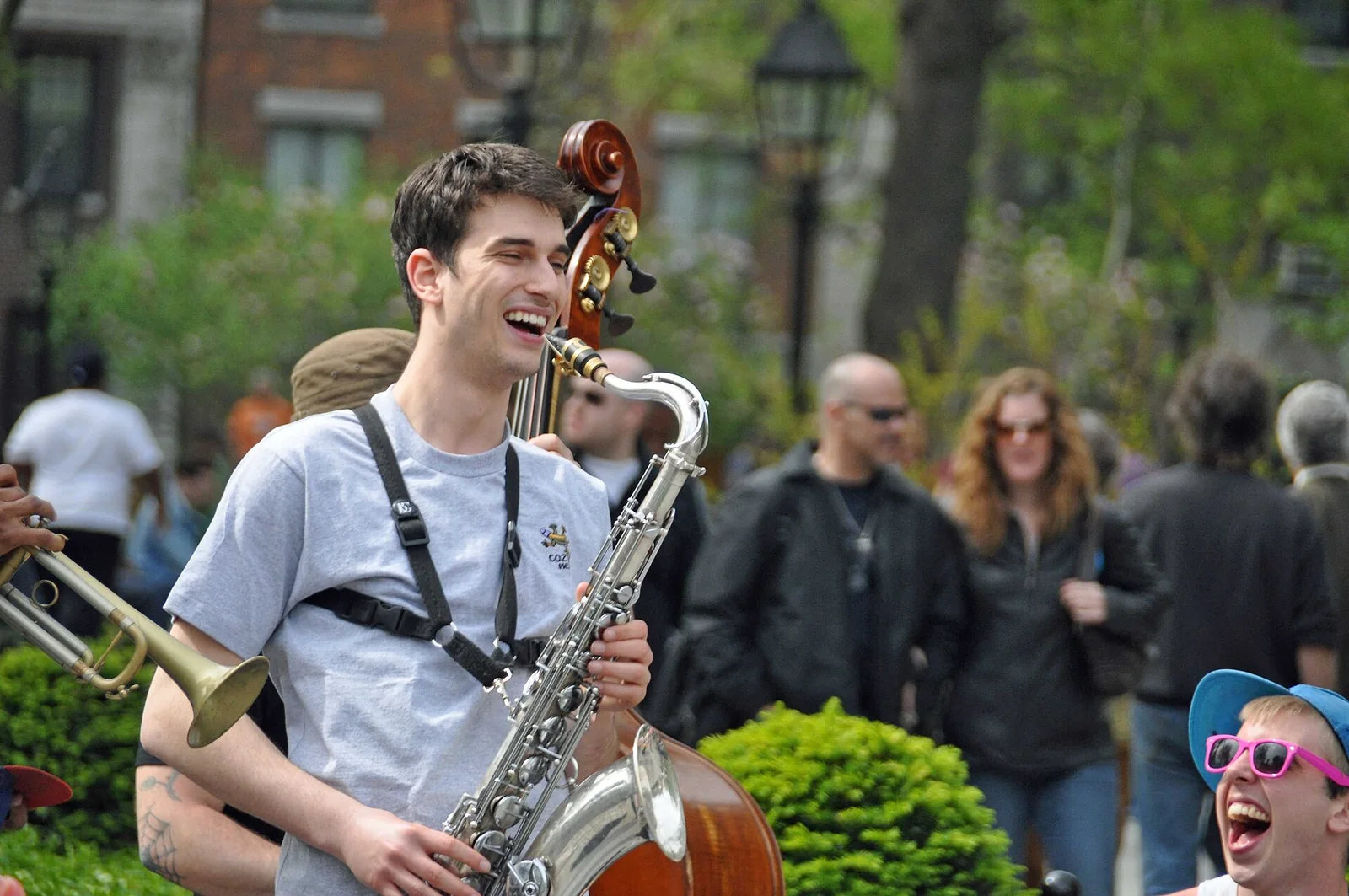 1961 · Scene history
Greenwich Village and the Rise of the Singer-Songwriter
Coffeehouses, record shops and political song made Greenwich Village a workshop for the writer-performer who would soon transform rock lyrics.
Read the full story →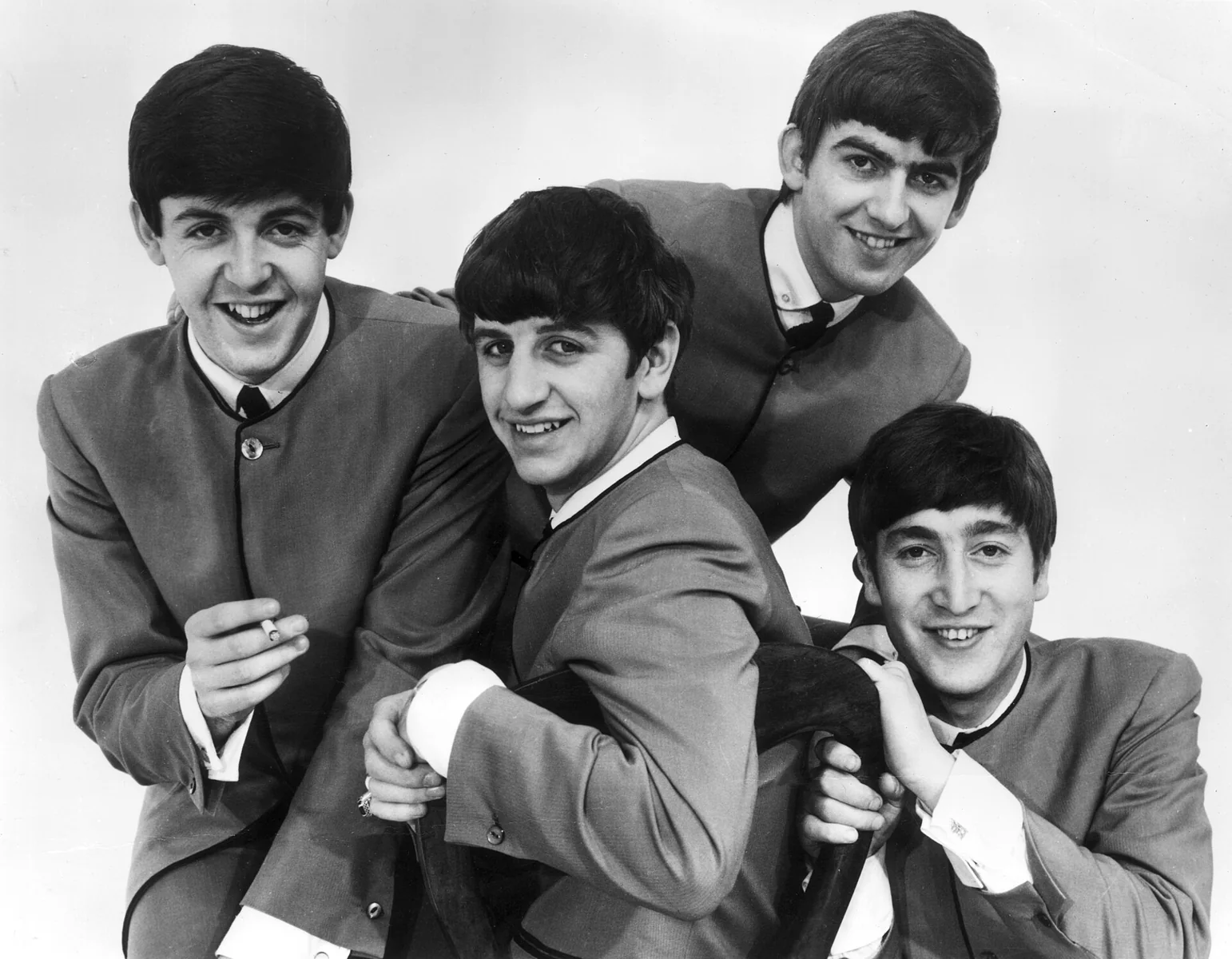 1962 · Year portrait
The Beatles, the Stones and the Birth of the British Rock Band
Two very different groups turned American source material into competing models for the British rock band.
Read the full story →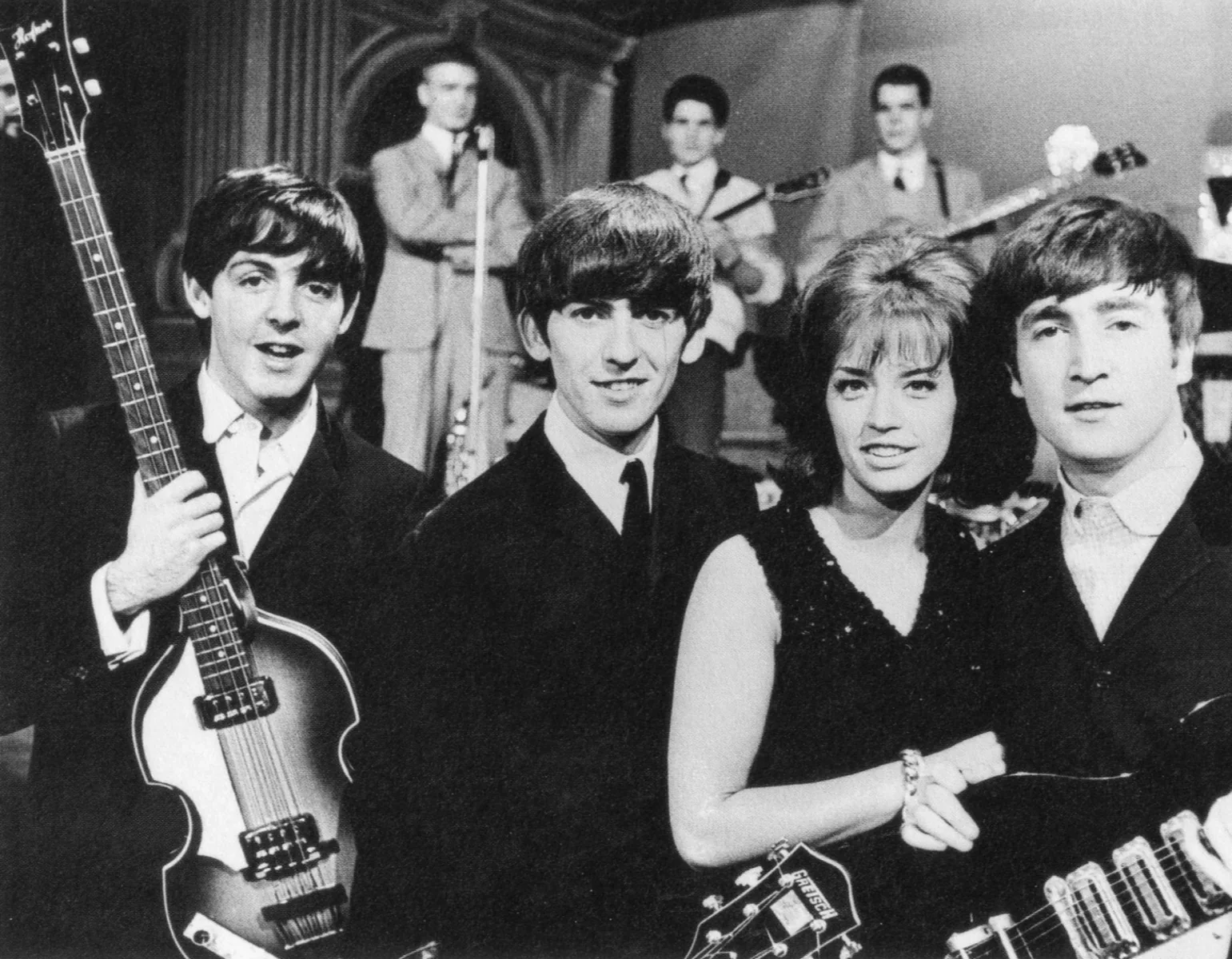 1963 · Turning-point story
How Beatlemania Took Over Britain
A live club repertoire became a chart-dominating album, a television phenomenon and a new relationship between youth and mass media.
Read the full story →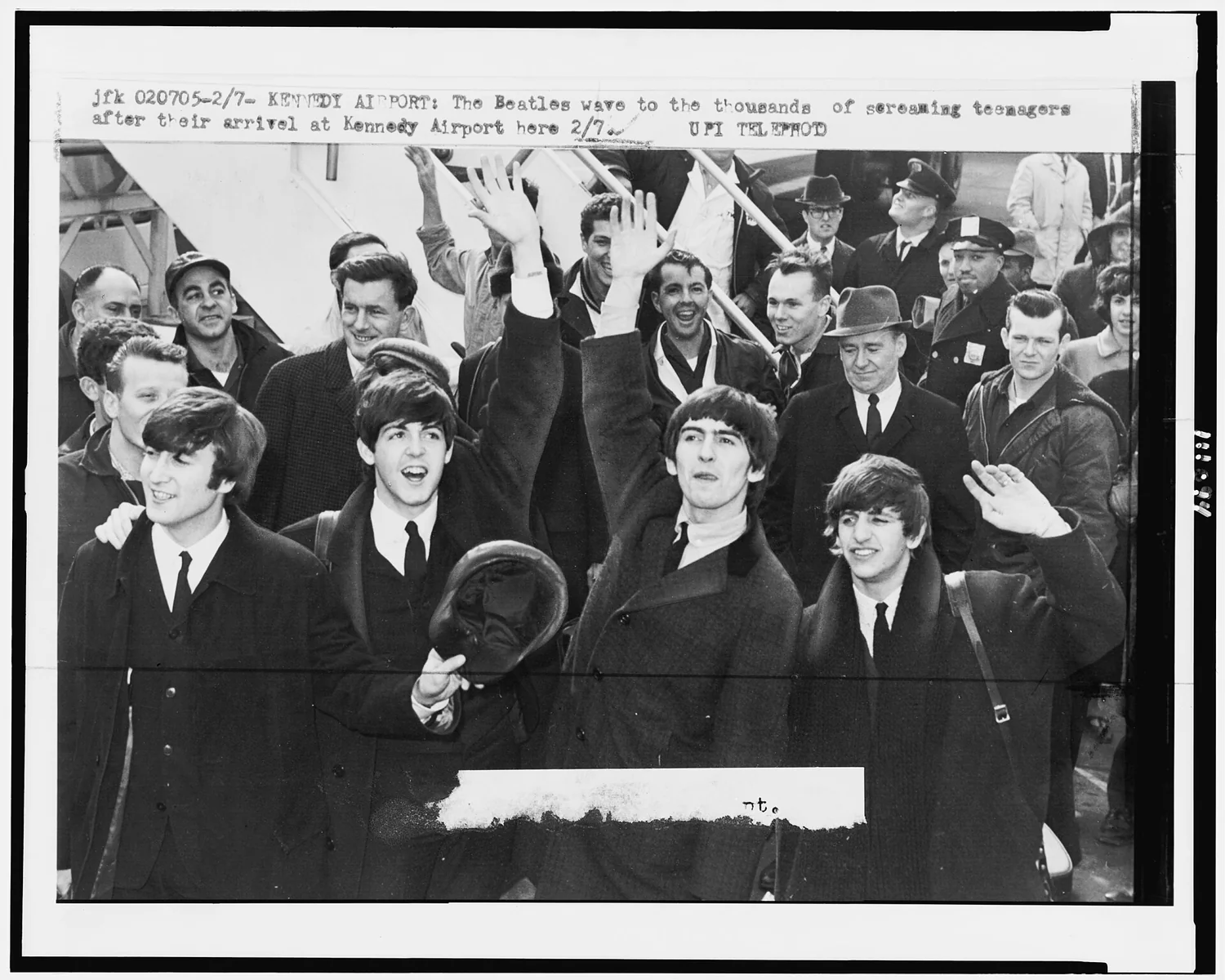 1964 · Scene history
The British Invasion Changes American Music
British bands returned American music in altered form and changed who formed bands, wrote songs and controlled youth culture.
Read the full story →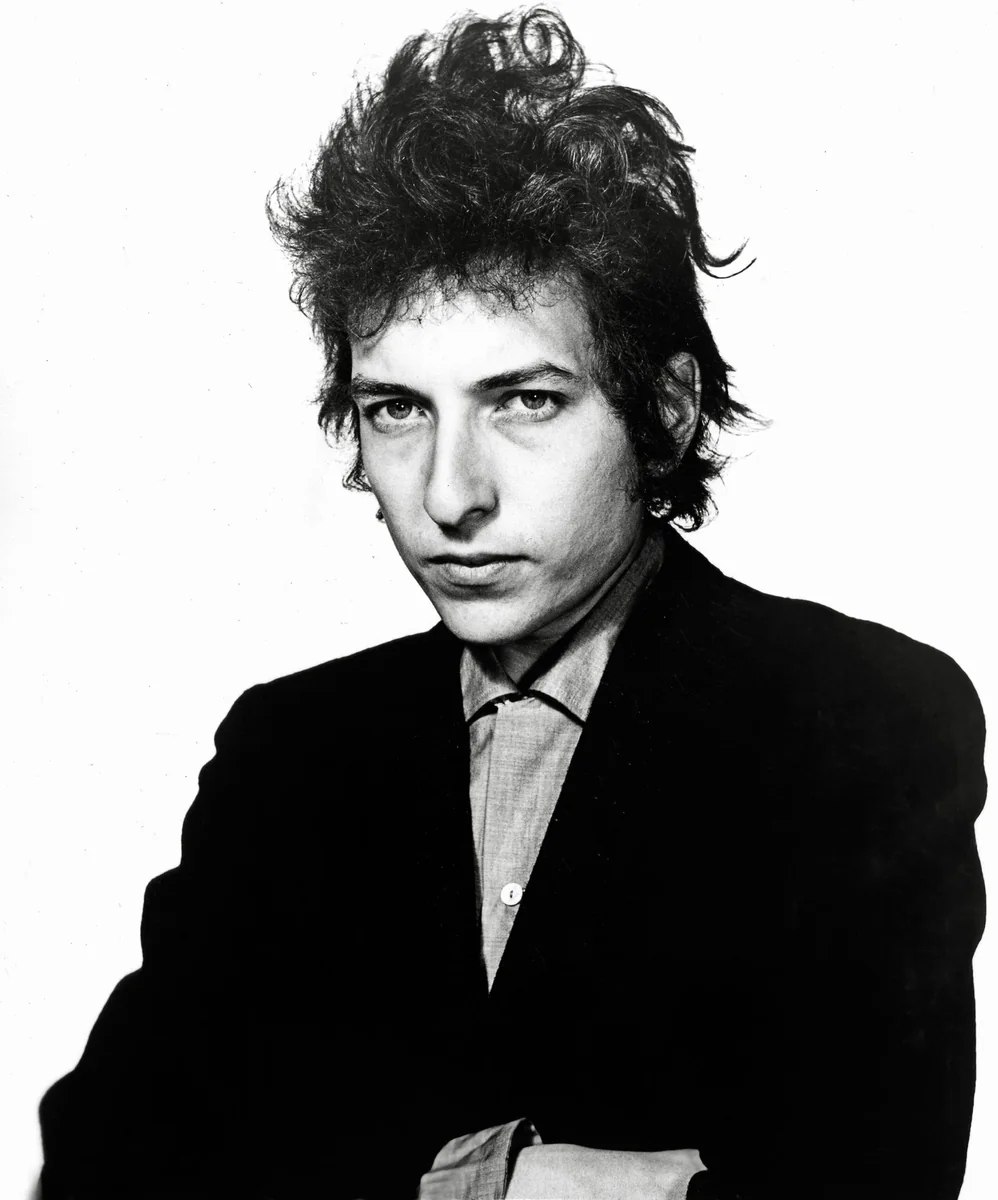 1965 · Turning-point story
Dylan Goes Electric: The Birth of Folk Rock
Electric instruments did not erase folk songwriting; they gave its language a rhythm section, a new audience and a permanent argument.
Read the full story →1966–1974
Psychedelia and Prog Emerge
The studio becomes an instrument, albums become complete events and new progressive, heavy and electronic languages take shape.
 1966 · Album deep dive
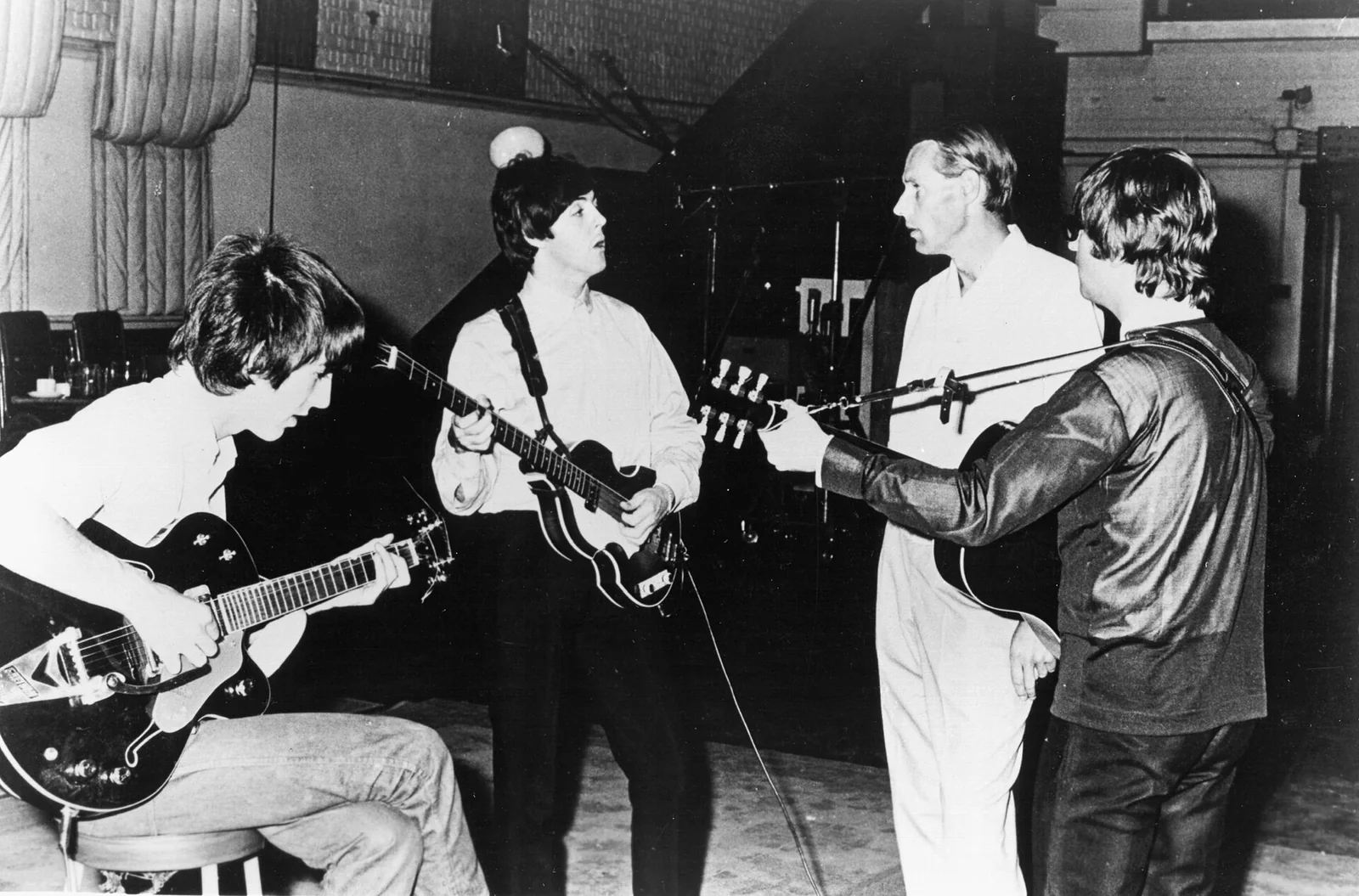
Revolver and the Studio as an Instrument
Inside the tape loops, compressed drums and studio decisions that made recording part of composition.
Read the full story →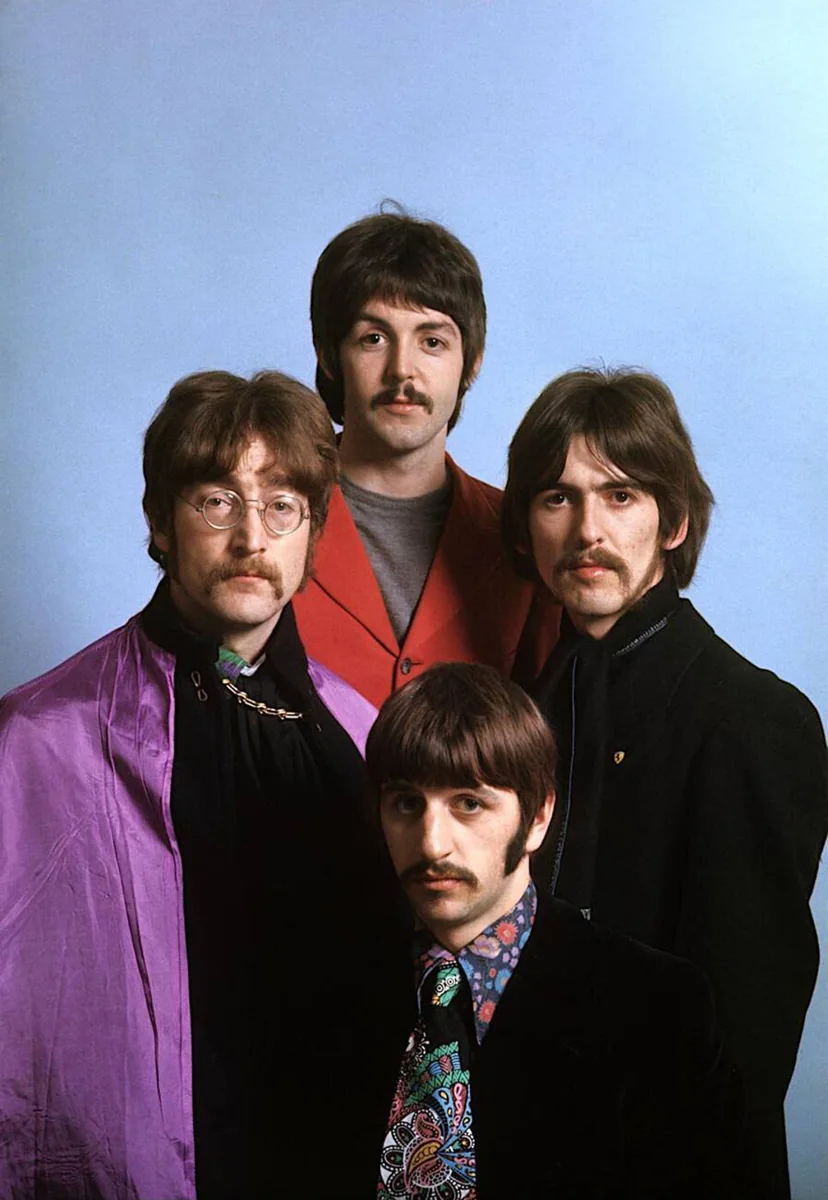 1967 · Album deep dive
Sgt. Pepper and the Album as a Complete Event
How an alter-ego band, studio construction and elaborate packaging turned an album release into a shared cultural occasion.
Read the full story →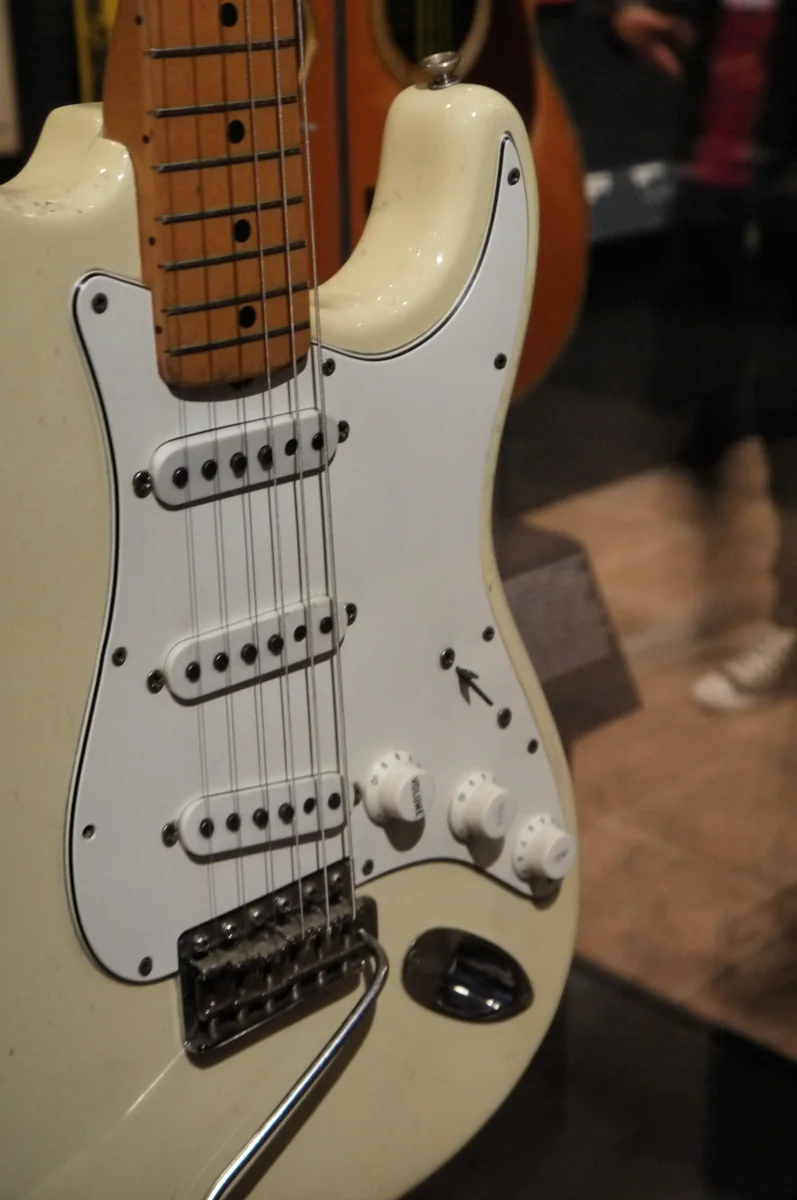 1968 · Album and sound history
Electric Ladyland and the Heavier Edge of Psychedelia
Hendrix used the double album as a studio environment where blues, electronics, improvisation and heavy guitar could coexist.
Read the full story → 1969 · Album deep dive
In the Court of the Crimson King and the Arrival of Progressive Rock
The five-track album that placed abrasion, improvisation and Mellotron scale inside one severe new form.
Read the full story →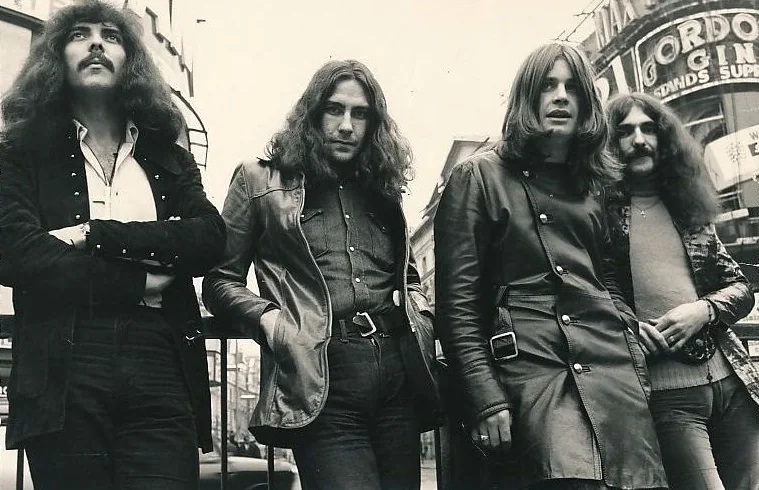 1970 · Year portrait
Black Sabbath, ELP and the Year Rock Split Open
Black Sabbath and Emerson, Lake & Palmer turned the same appetite for scale toward opposite kinds of power.
Read the full story →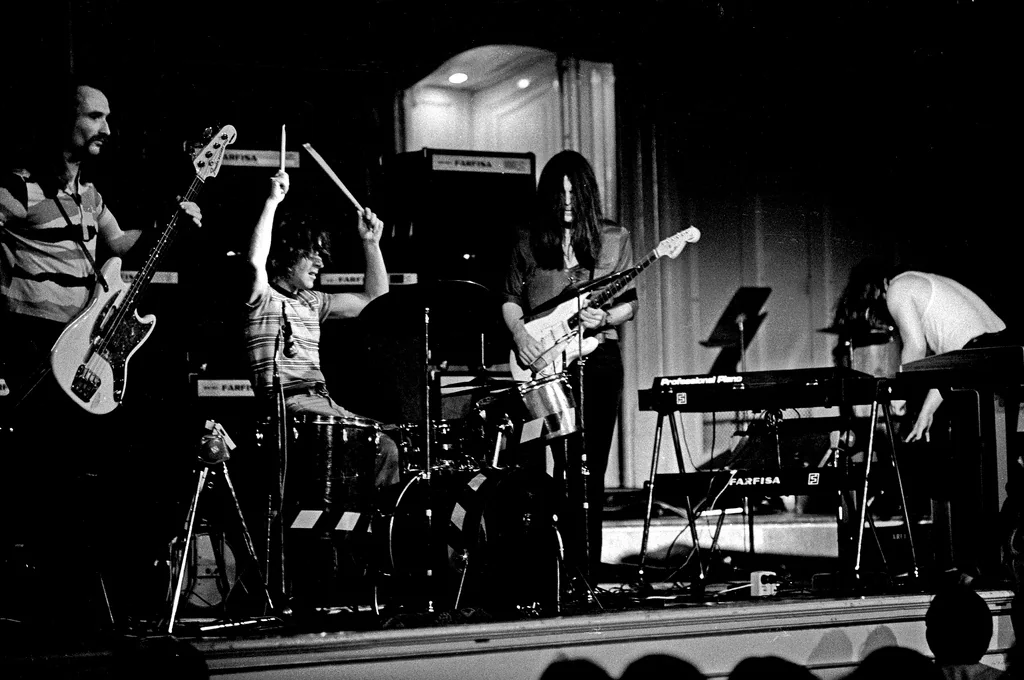 1971 · Album deep dive
Can’s Tago Mago and the Art of Edited Improvisation
How circular rhythm, fearless performance and tape editing converted collective improvisation into album architecture.
Read the full story →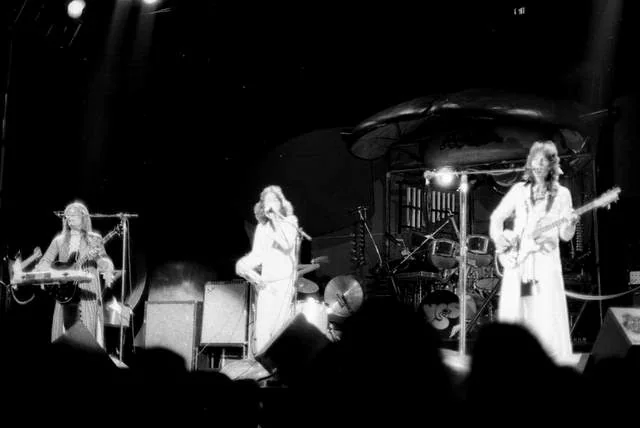 1972 · Album deep dive
Close to the Edge and the Peak of Symphonic Prog
How Yes assembled three long pieces from contrast and recurring themes—and reached the limit of its celebrated lineup.
Read the full story →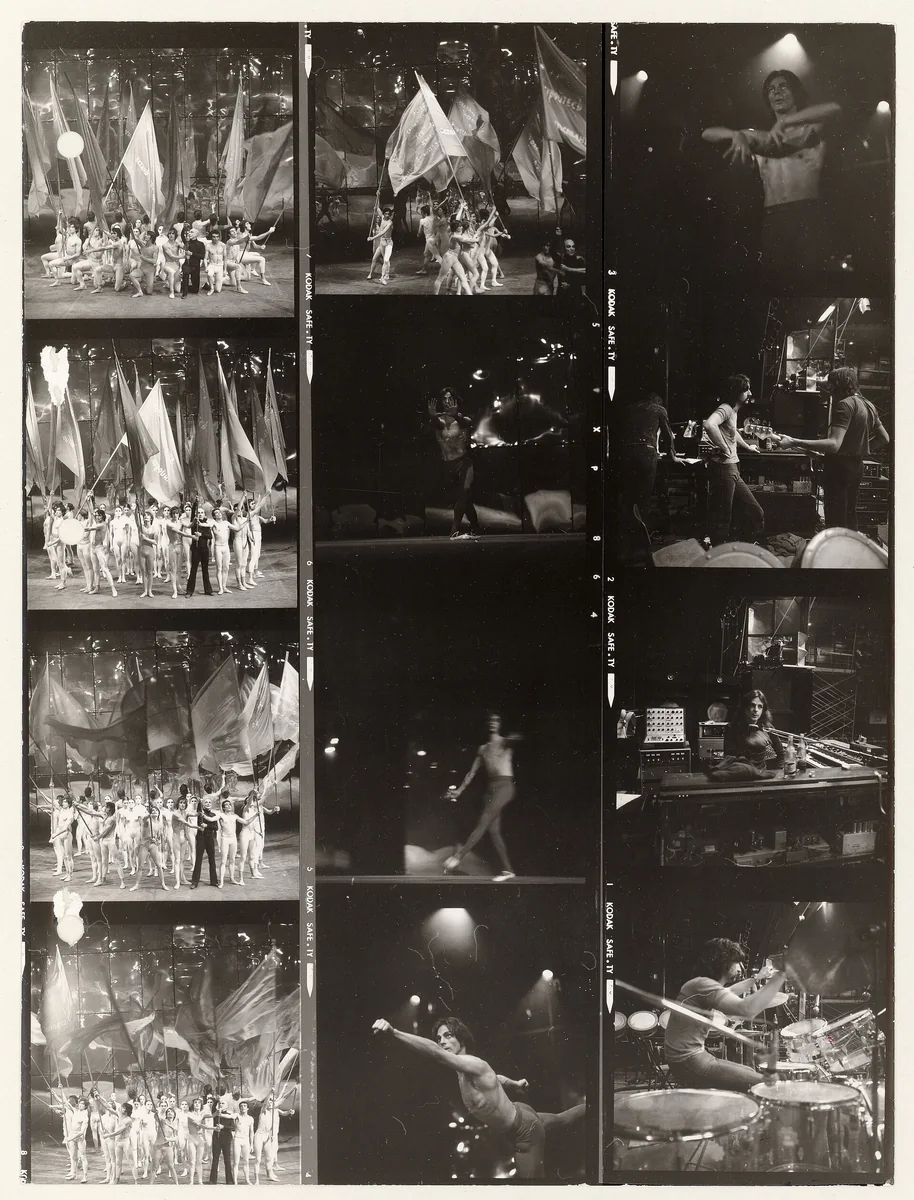 1973 · Album deep dive
The Dark Side of the Moon and the Global Prog Album
Pink Floyd turned an integrated live suite about ordinary human pressure into a worldwide model of the complete album.
Read the full story →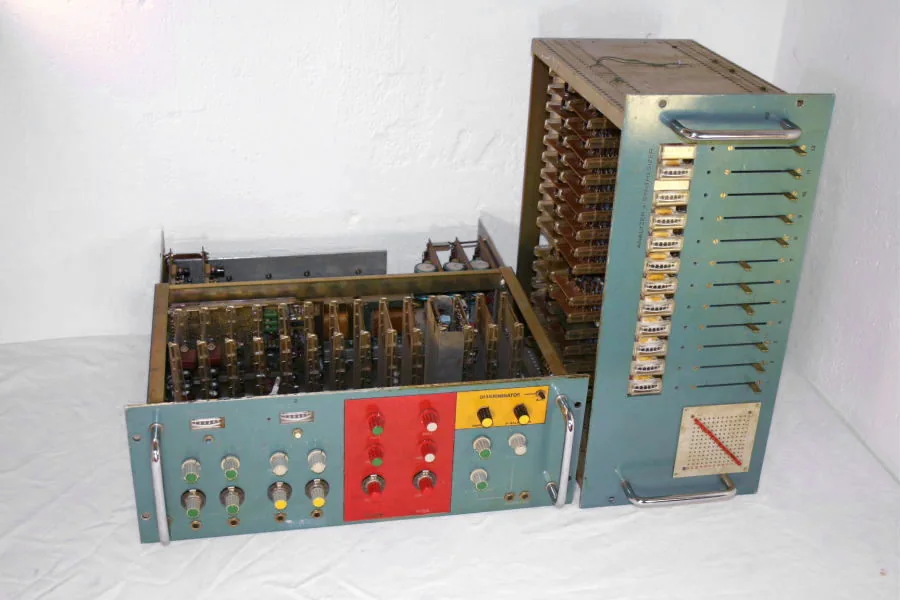 1974 · Album deep dive
Autobahn and the International Language of Electronic Music
How road noise, synthesisers, flute, processed voice and steady travel found an audience far beyond Germany.
Read the full story →1975–1984
Fragmentation and the Next Era
Electronic music, punk, post-punk, technical metal and MTV reorganise the possibilities opened during the previous decade.
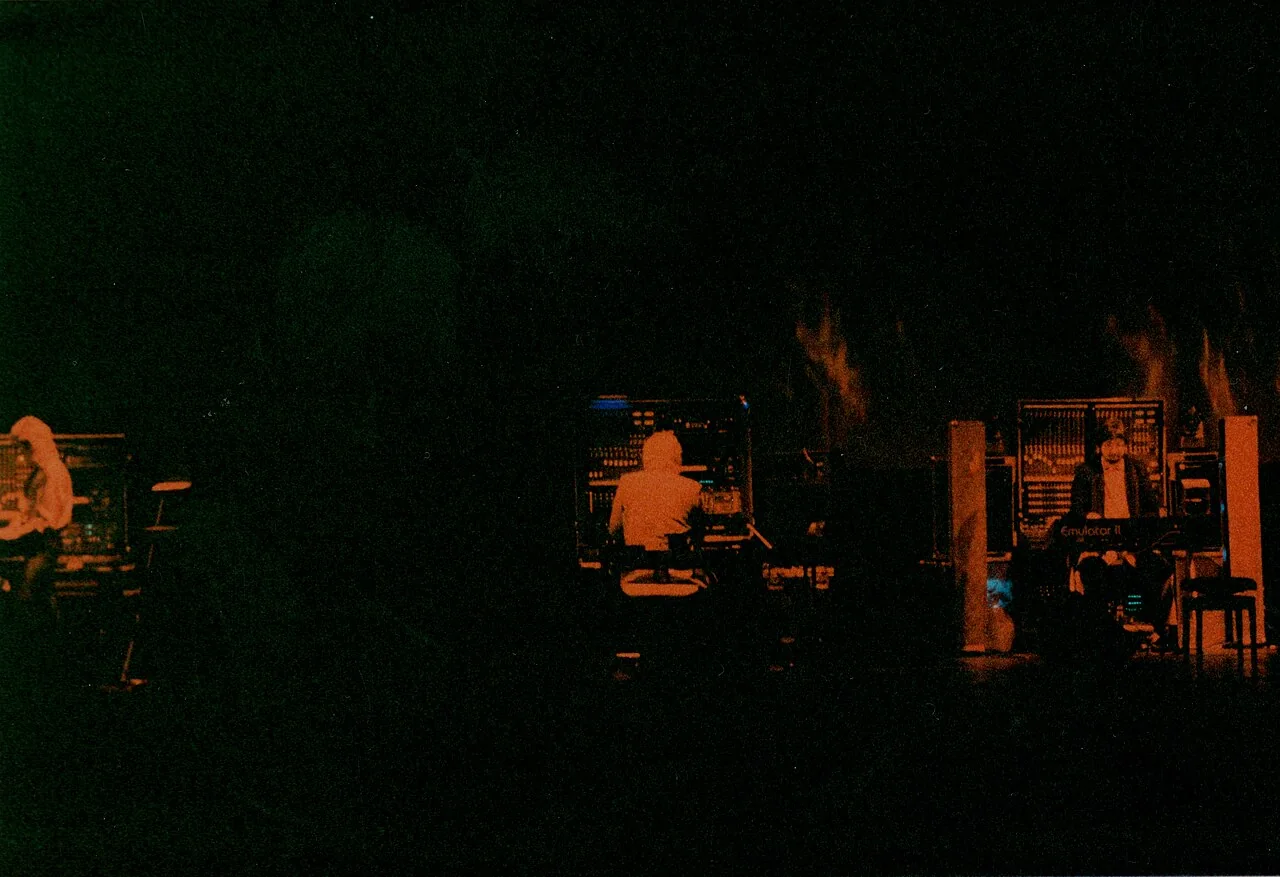 1975 · Sound history
Wish You Were Here, Rubycon and the Sound of Absence
Two very different albums used long duration, analogue technology and negative space to make absence audible.
Read the full story →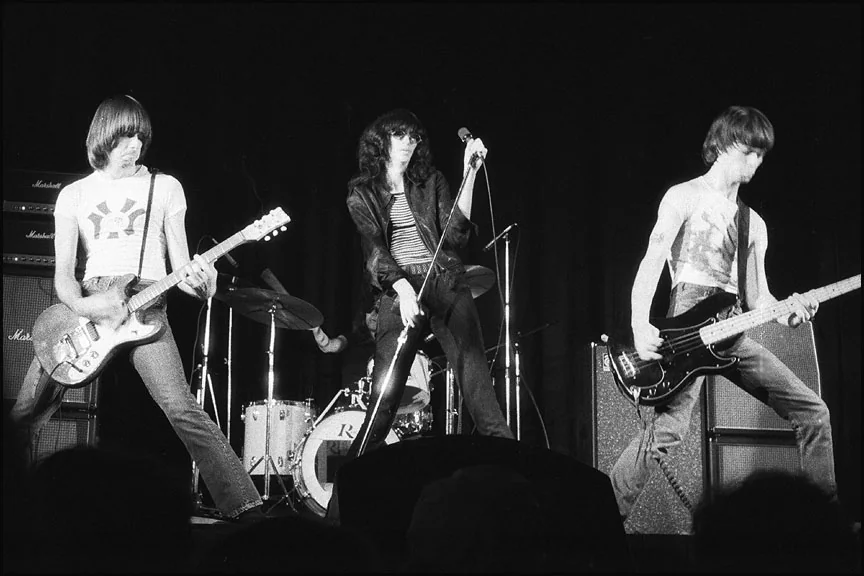 1976 · Year portrait
Punk Versus Prog: What Actually Happened?
Punk attacked the machinery around progressive rock, but the musical history was never a simple case of one genre killing another.
Read the full story →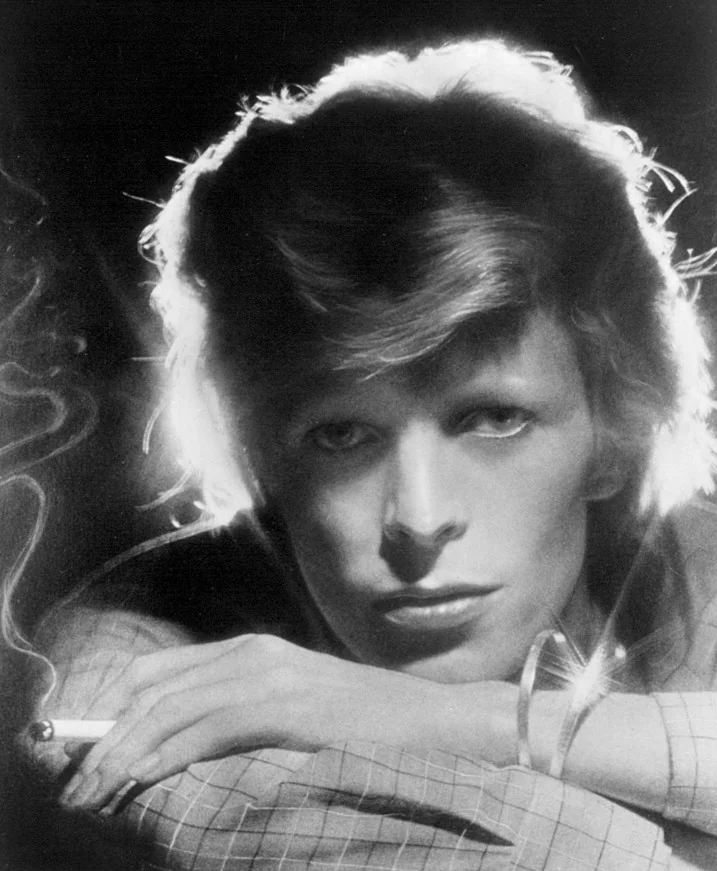 1977 · Scene and sound history
Bowie, Kraftwerk and the Electronic Reinvention of Rock
Bowie’s fragmented songs and Kraftwerk’s railway precision showed that electronics could reorganise rock from the inside.
Read the full story →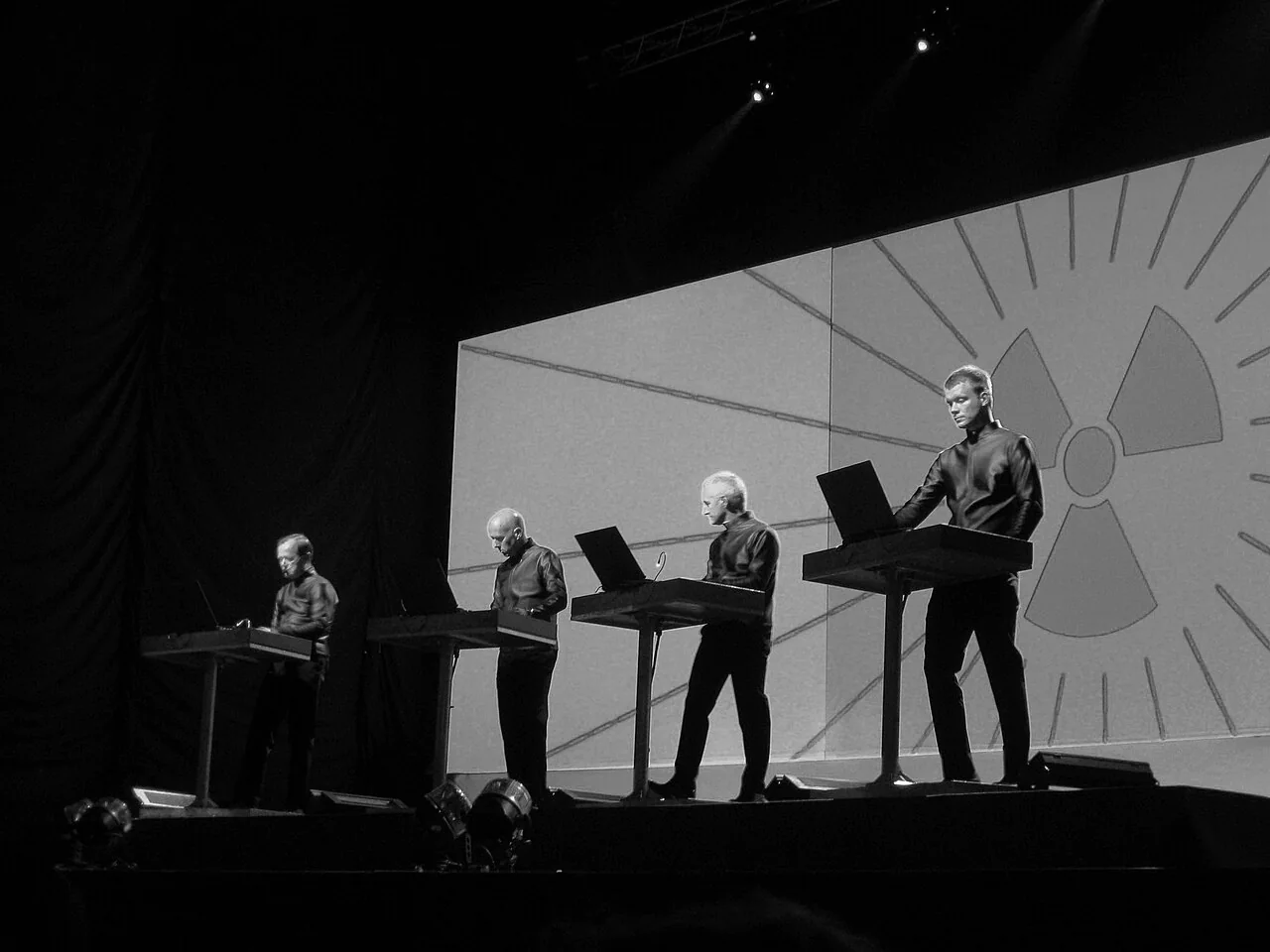 1978 · Album and sound history
The Man-Machine and the Moment Electronic Music Became Pop
Kraftwerk made synthetic rhythm, repetition and graphic identity concise enough for pop without making them ordinary.
Read the full story →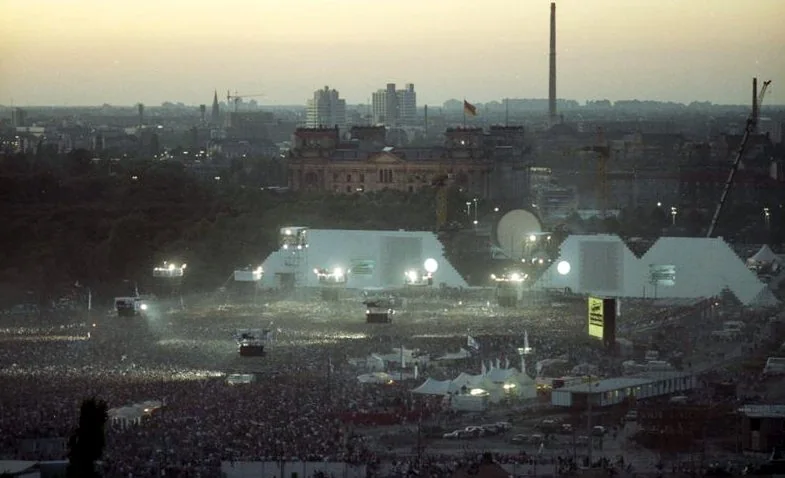 1979 · Year portrait
The Wall, Unknown Pleasures and the End of the Seventies
One record built isolation at stadium scale; another created it from space, repetition and an independent Manchester studio.
Read the full story →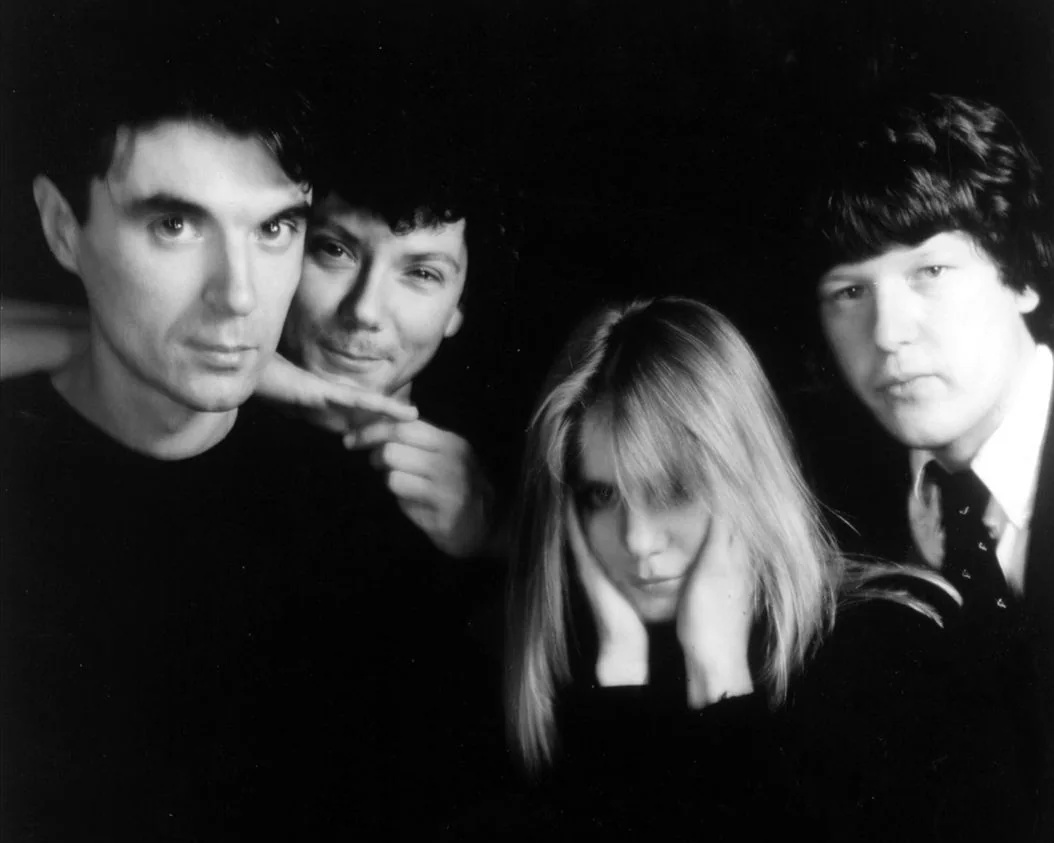 1980 · Album deep dive
Remain in Light and the Reinvention of Art Rock
Talking Heads rebuilt songs from interlocking loops, ensemble rhythm and studio assembly rather than conventional chord progressions.
Read the full story →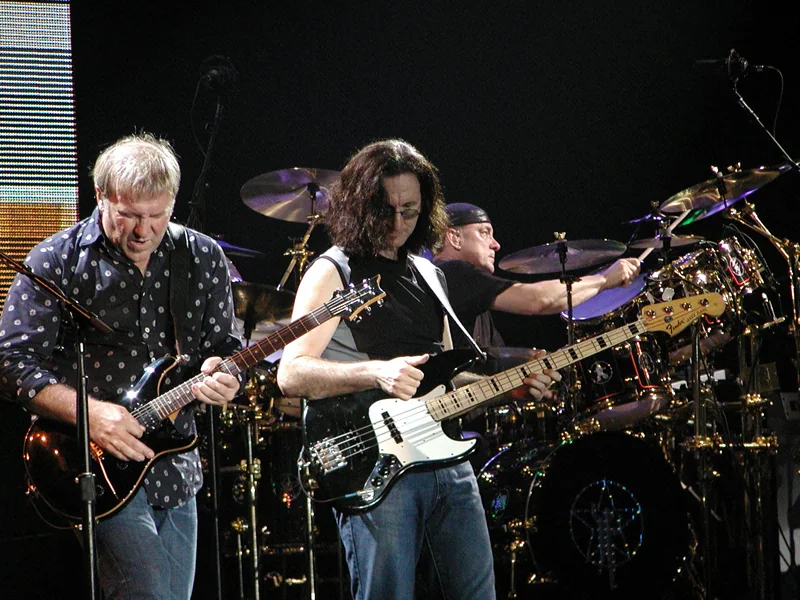 1981 · Album deep dive
Moving Pictures: How Rush Brought Prog into the Eighties
Rush shortened the forms, sharpened the production and kept the instrumental intelligence that defined its progressive identity.
Read the full story →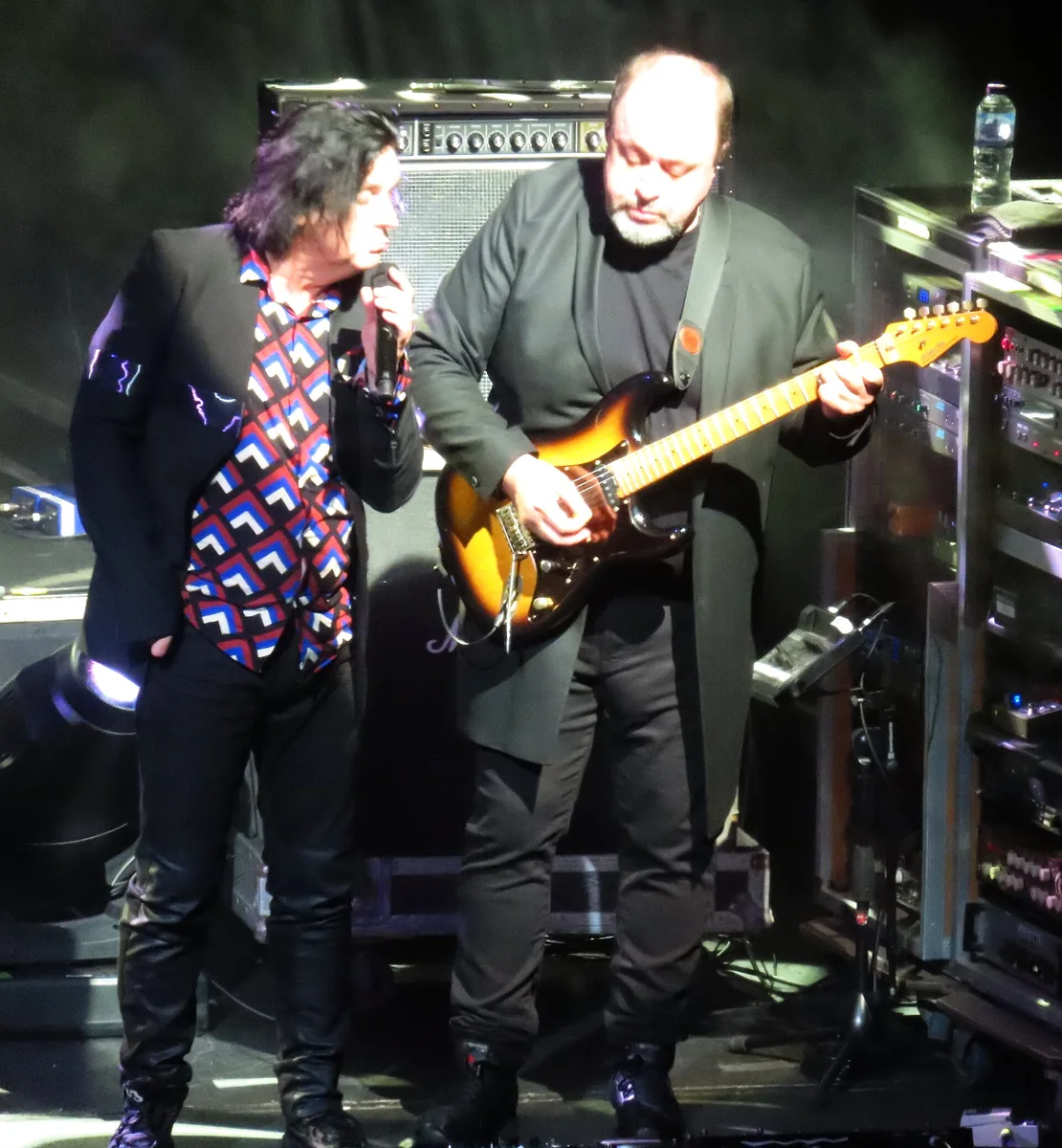 1982 · Year portrait
Prog, Metal and Post-Punk in the Age of MTV
Technical metal, electronic post-punk and visual media replaced one rock mainstream with several competing futures.
Read the full story →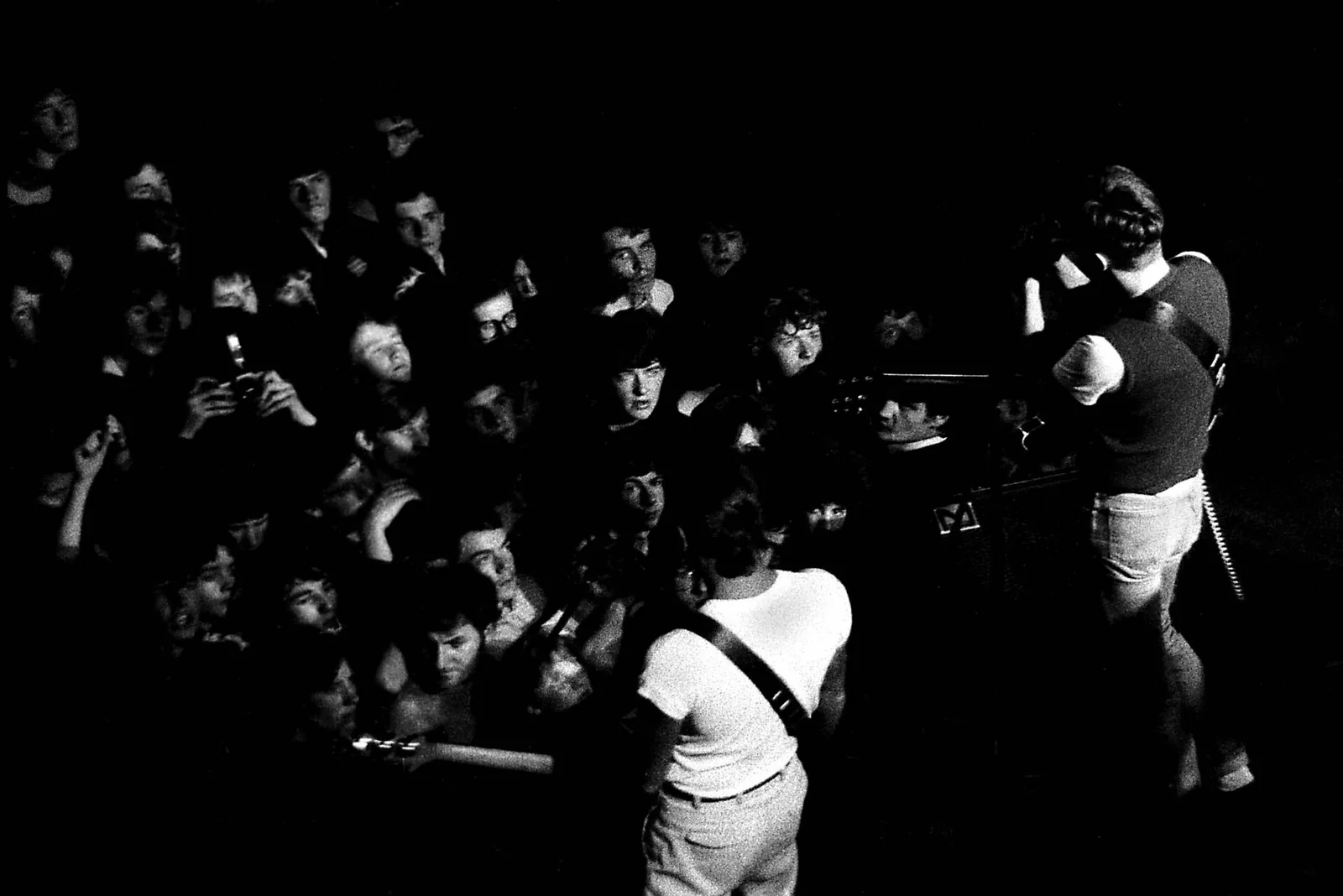 1983 · Sound history
Blue Monday and the Mechanical Pulse of the Eighties
New Order turned post-punk repetition, club rhythm and imperfectly synchronised machines into a new kind of pop single.
Read the full story →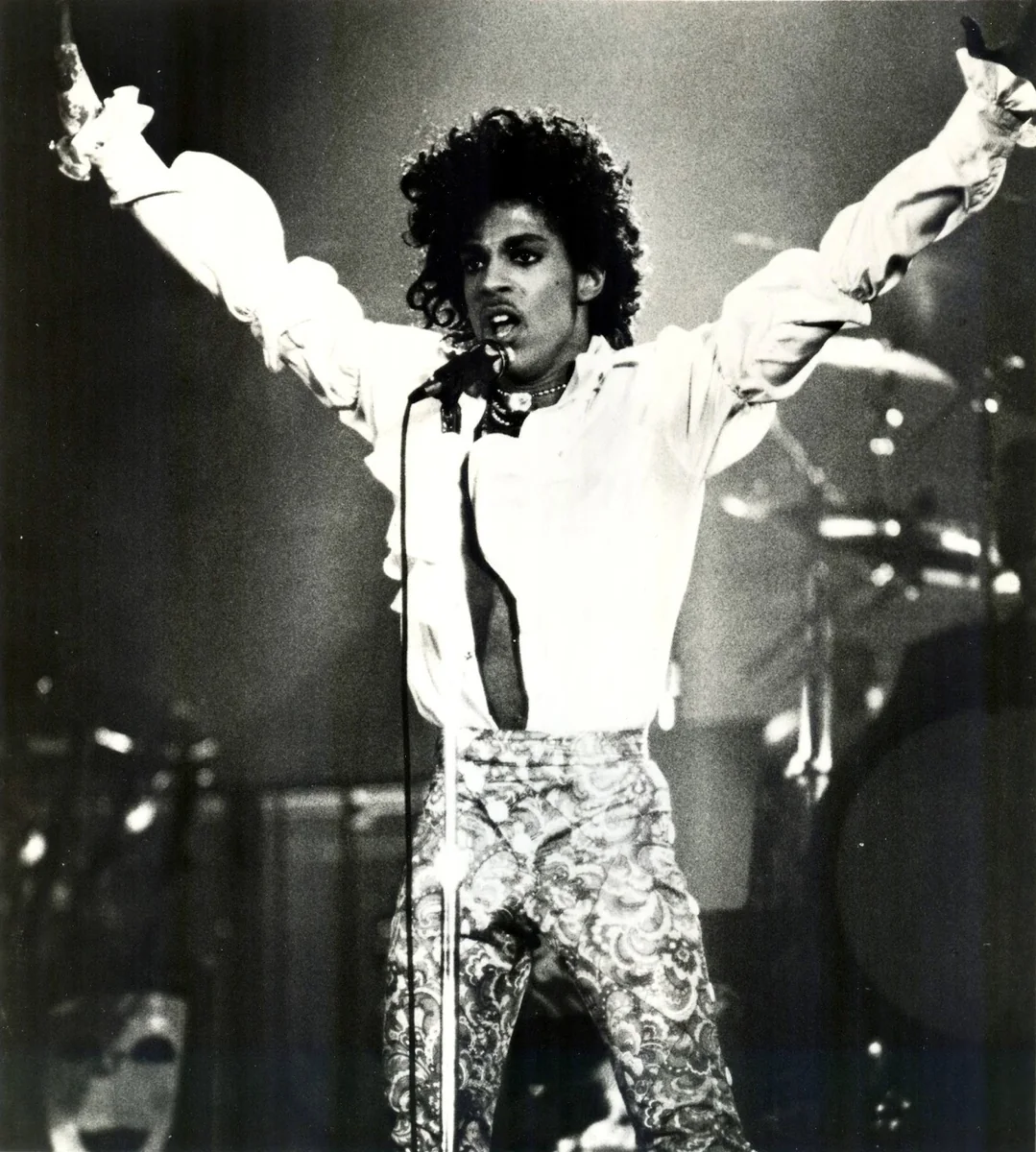 1984 · Year portrait
1984: The Last Year of the Classic Rock Era
Prince, Van Halen, Springsteen, metal, hip-hop and nationwide MTV made 1984 feel like both a peak and a handover.
Read the full story →The Live Archive
Festivals & Live Culture
Follow the same history into the fields, parks and temporary stages where rock became a mass public experience.
Explore all Festivals & Live Culture →Keep exploring
Connect this collection
Move sideways into another part of RetroForge. Every route is a different way back into the same music archive.