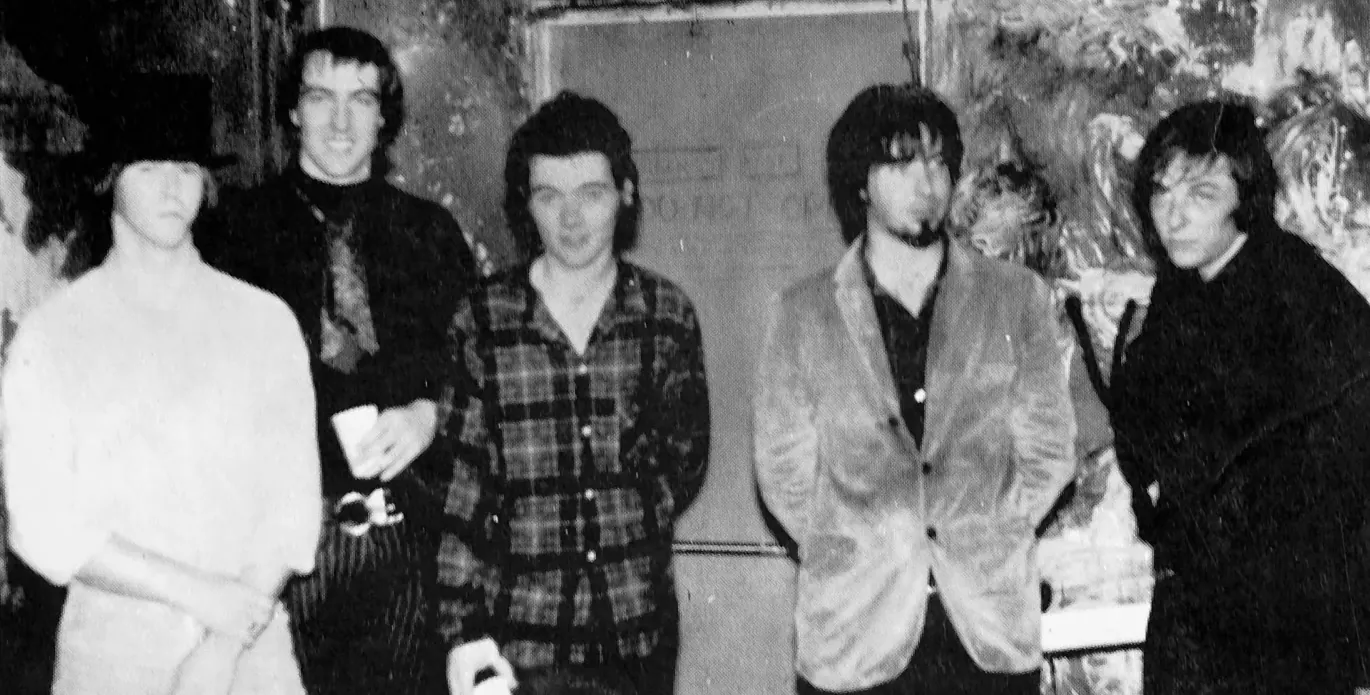
#4 Psychedelic Rock
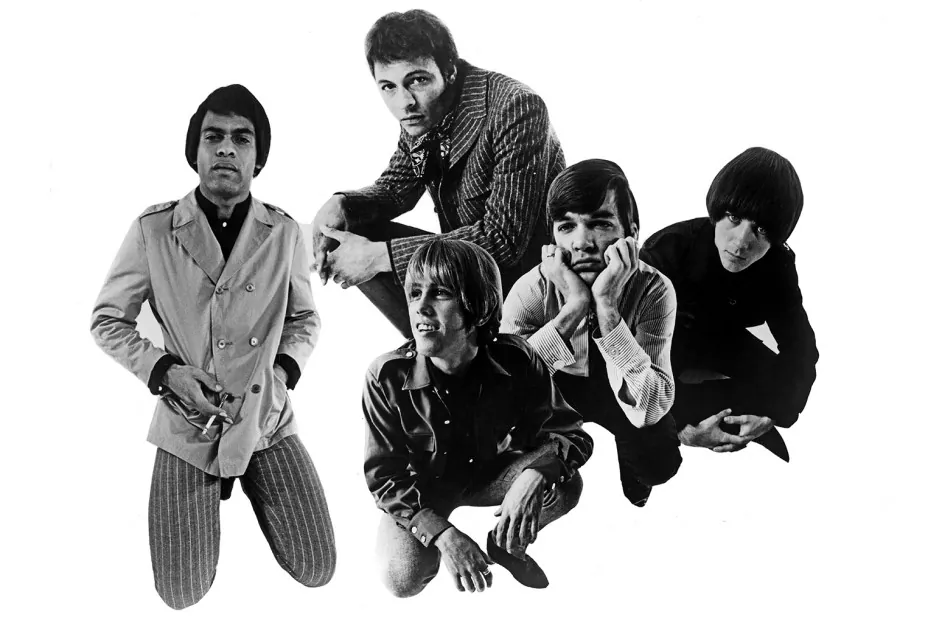
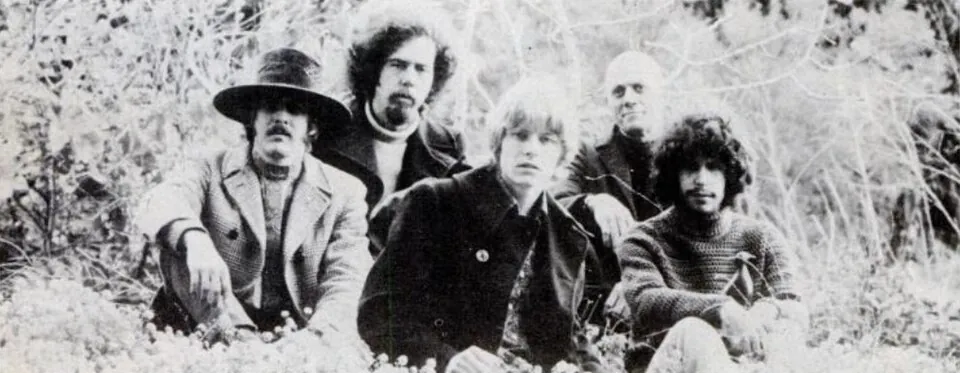
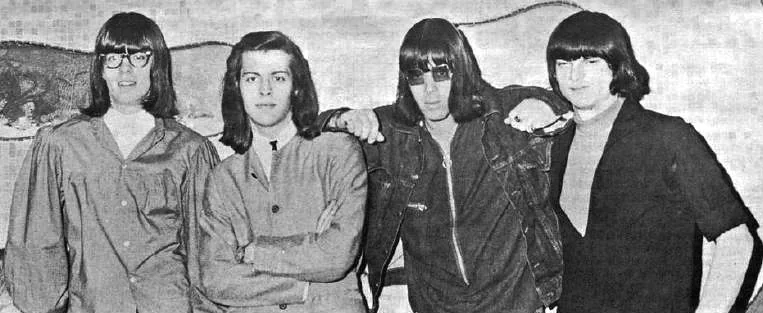
13th Floor Elevators
Among the first bands to call their music psychedelic rock—with an electric jug at the centre of the sound.
- Origin
- Austin, Texas, USA
- Active
- 1965 – 1969

The RetroForge band atlas
Progressive scale, psychedelic colour and West German experiment rarely stayed in separate rooms. These ranked guides follow the bands, records and ideas that kept crossing the walls.
The rankings are entrances, not finish lines. Every name opens into a dedicated history, essential albums and deeper listening.
Choose a signal
Each route uses the same editorial system while keeping the movement’s own shape, pace and visual identity.
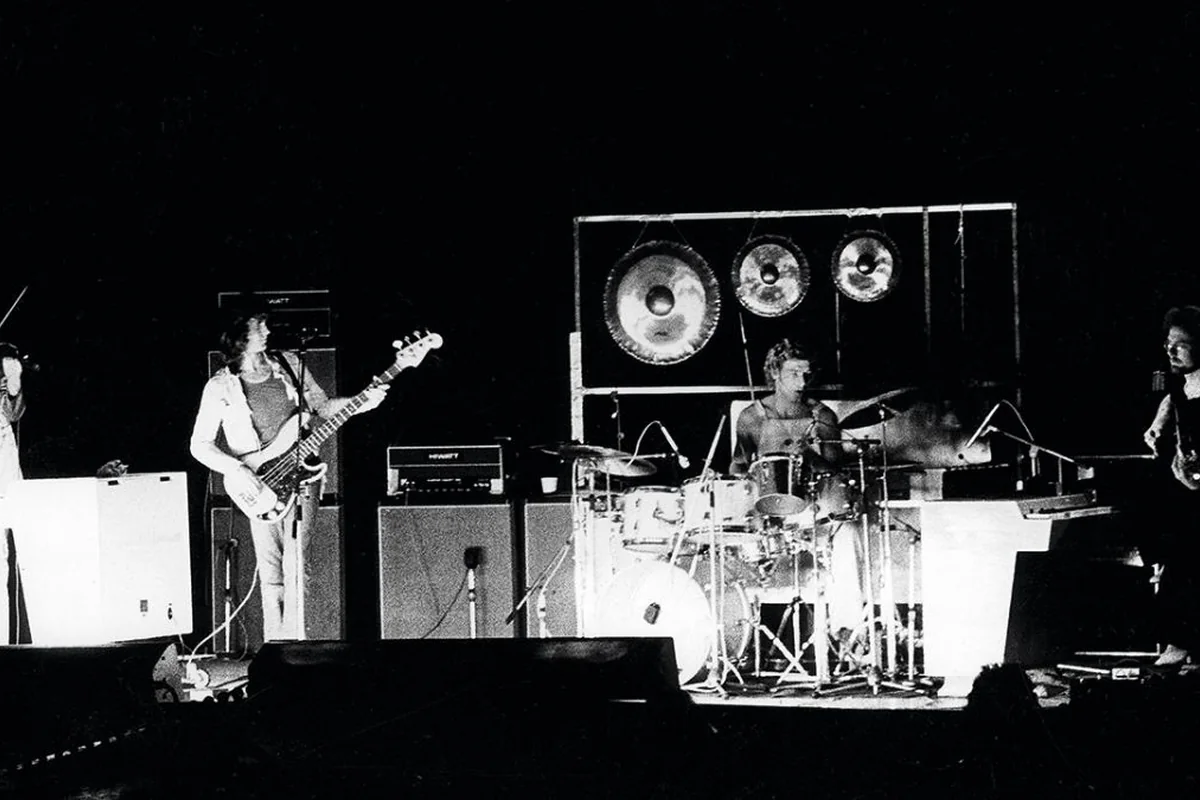 Top 50
From King Crimson and Yes to PFM, Magma, Marillion and the modern underground: fifty bands that kept changing what a rock composition could contain.
Open the Top 50 →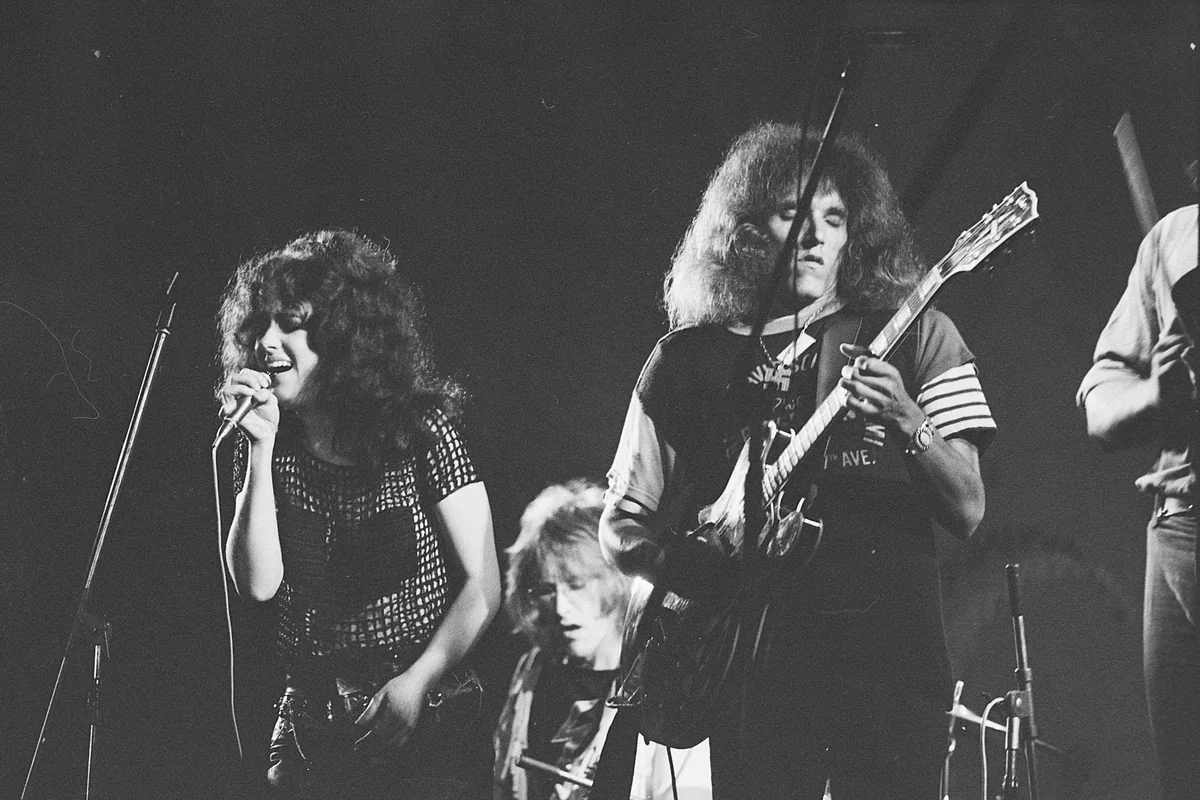 Top 50
San Francisco ballrooms, London studios, Brazilian colour, Japanese noise and cosmic aftershocks: a map of psychedelia that refuses one fixed centre.
Open the Top 50 →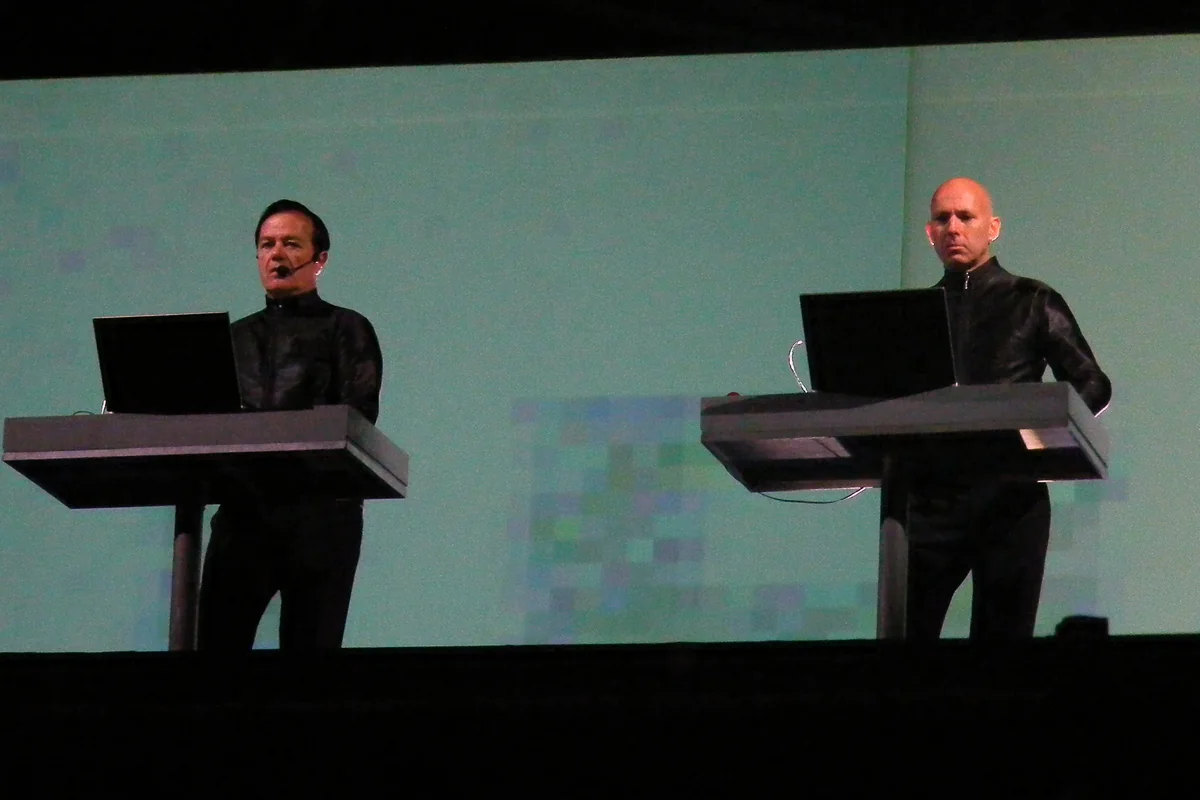 Top 10
Can, Neu!, Kraftwerk, Faust and six more routes through the studios, communes and forward motion of West German experimental rock.
Open the Top 10 →The complete archive
107 bands
Among the first bands to call their music psychedelic rock—with an electric jug at the centre of the sound.
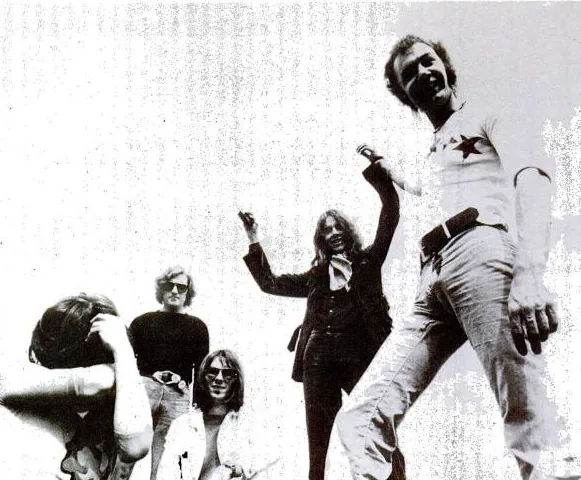
From Munich’s Amon Düül commune to a defining voice in German psychedelic rock.
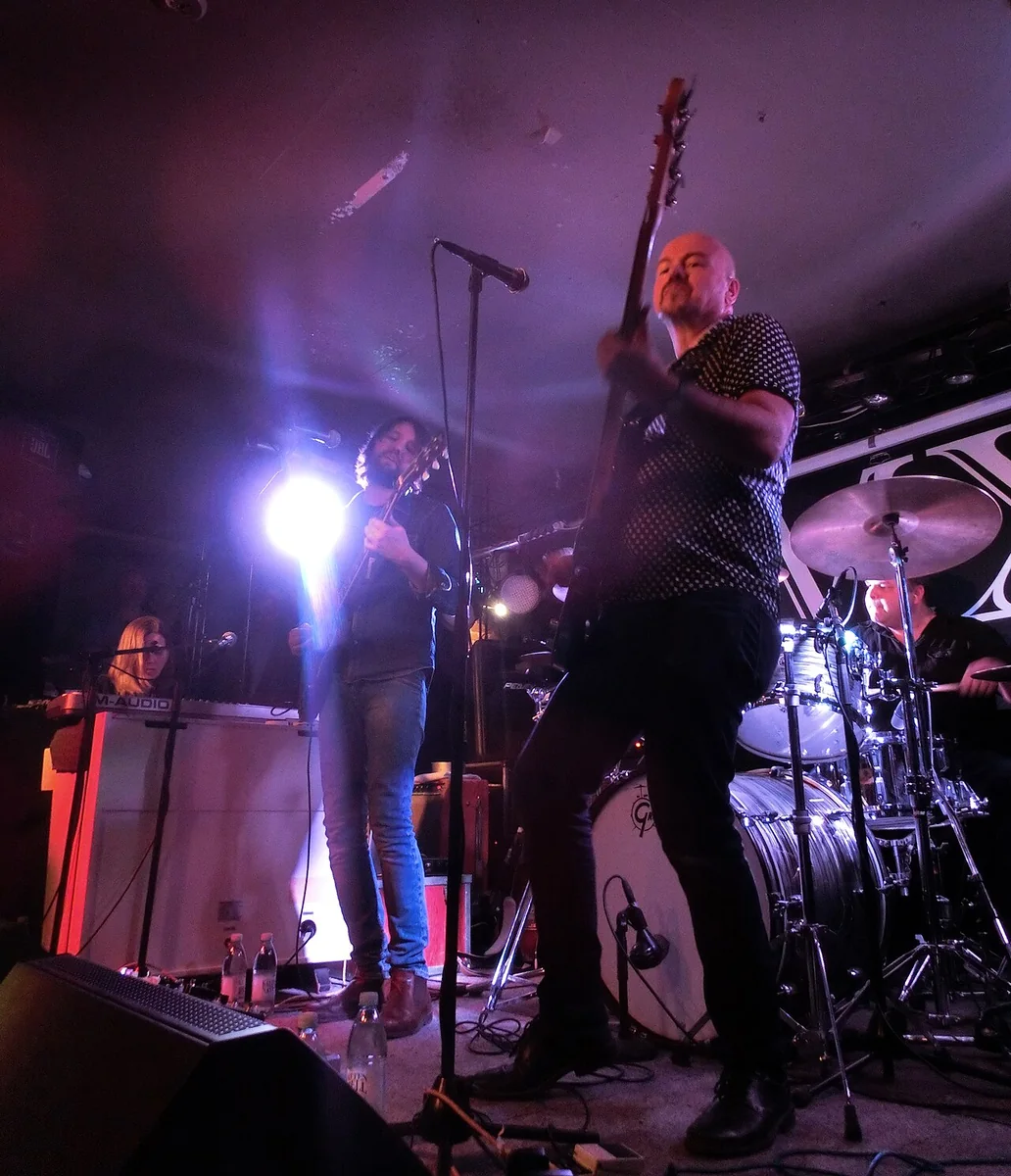
Mellotron melancholy with the weight of industrial machinery.
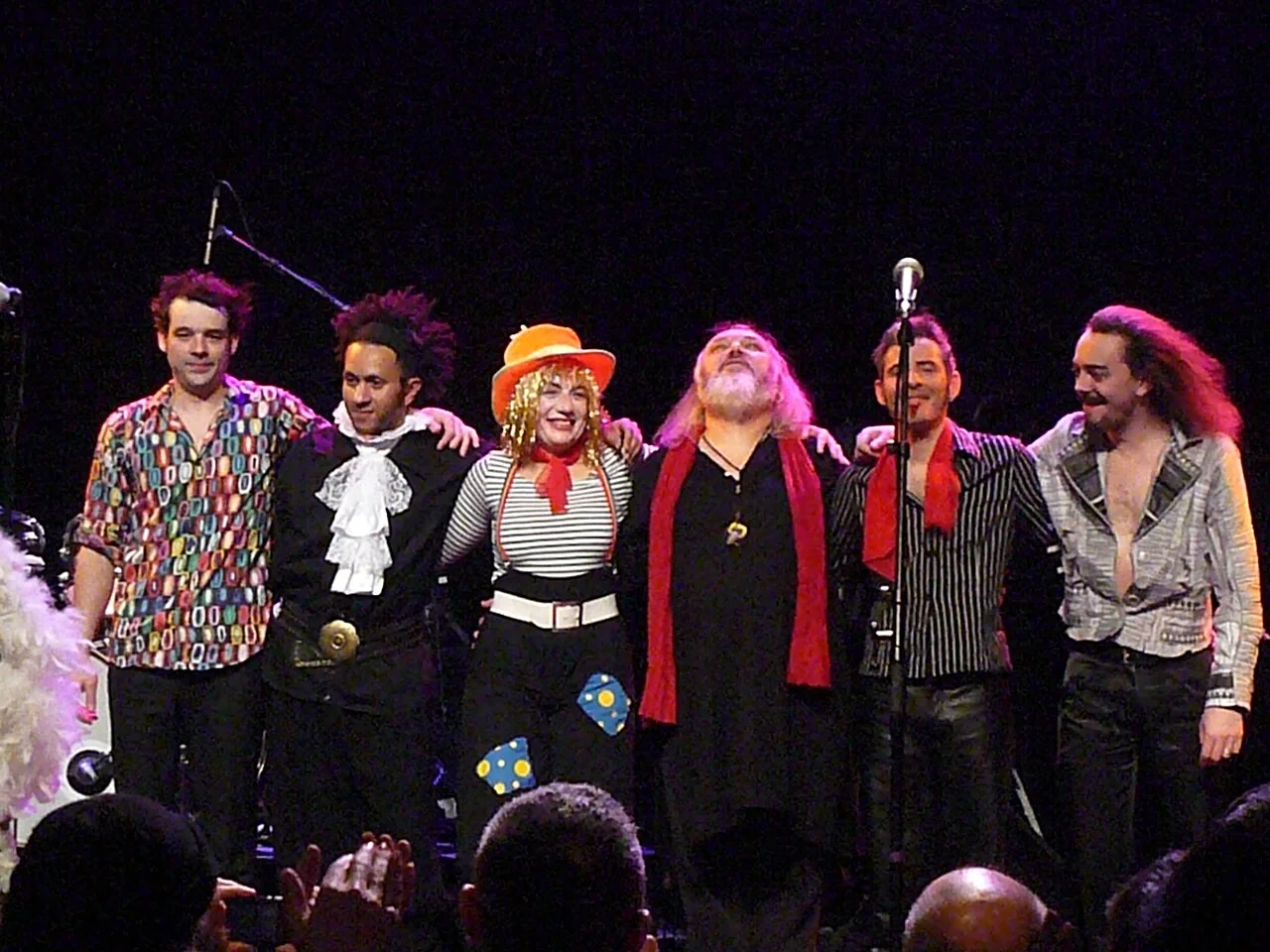
French progressive theatre spoken in shadows and Mellotron.
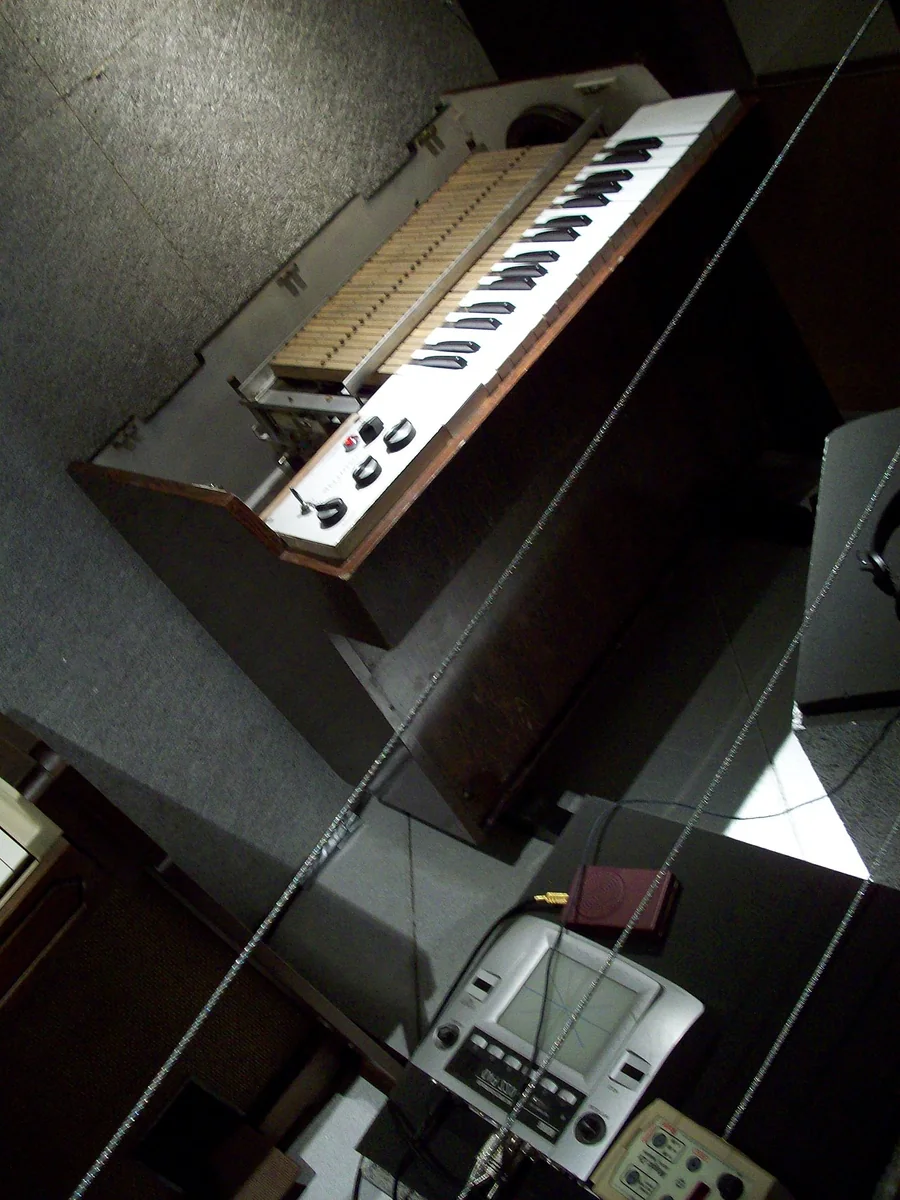
The 1990s prog revival arriving through a dark Scandinavian forest.
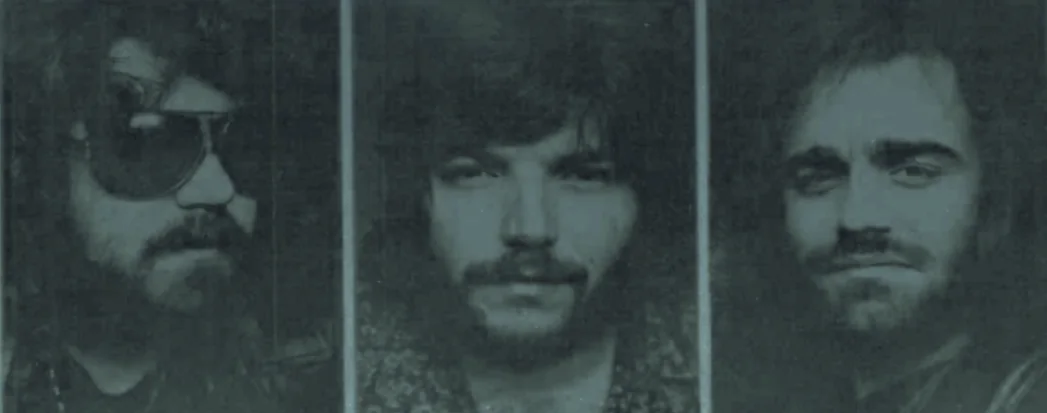
A Greek psychedelic group whose final album became an apocalypse.
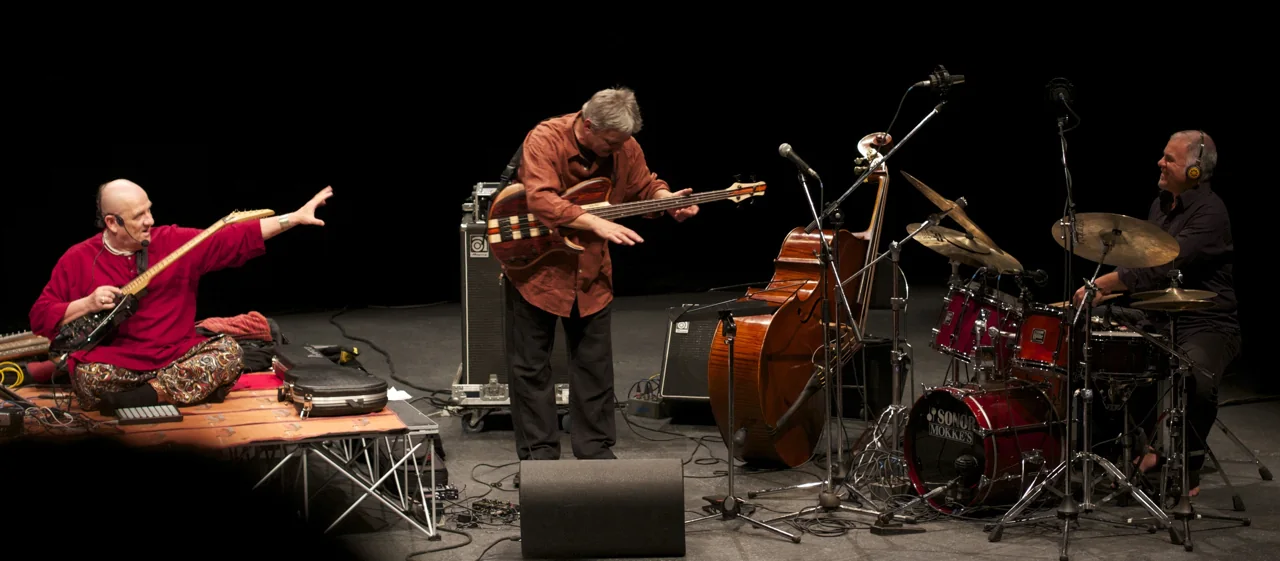
Revolutionary jazz-rock with one of Europe’s most fearless voices.
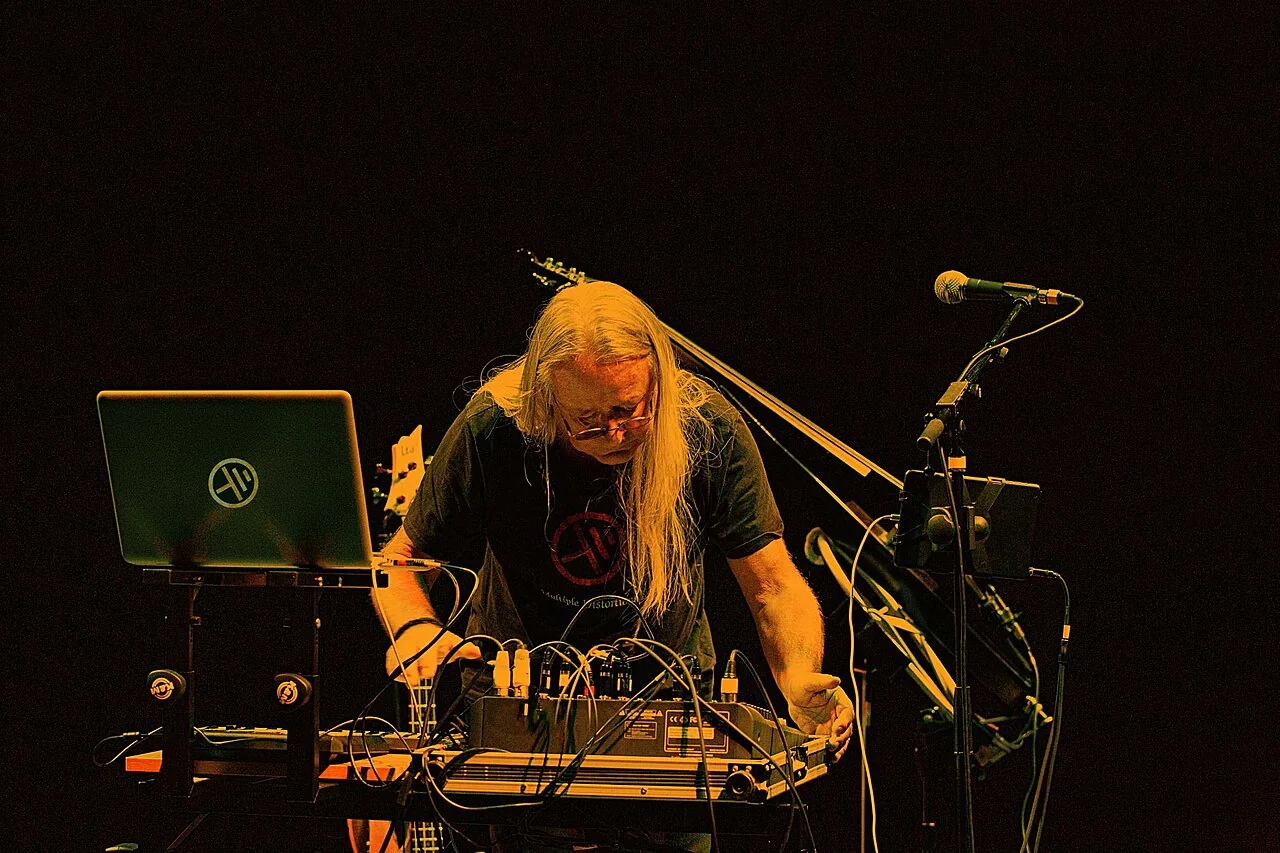
Amplified chamber music built for ruins, machines and silent films.
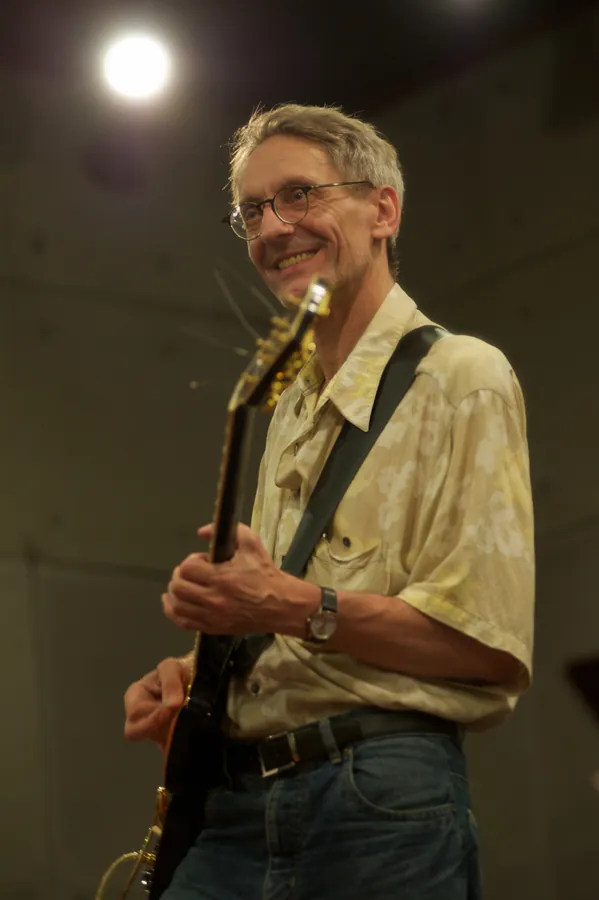
Infinite guitars from the Berlin underground.
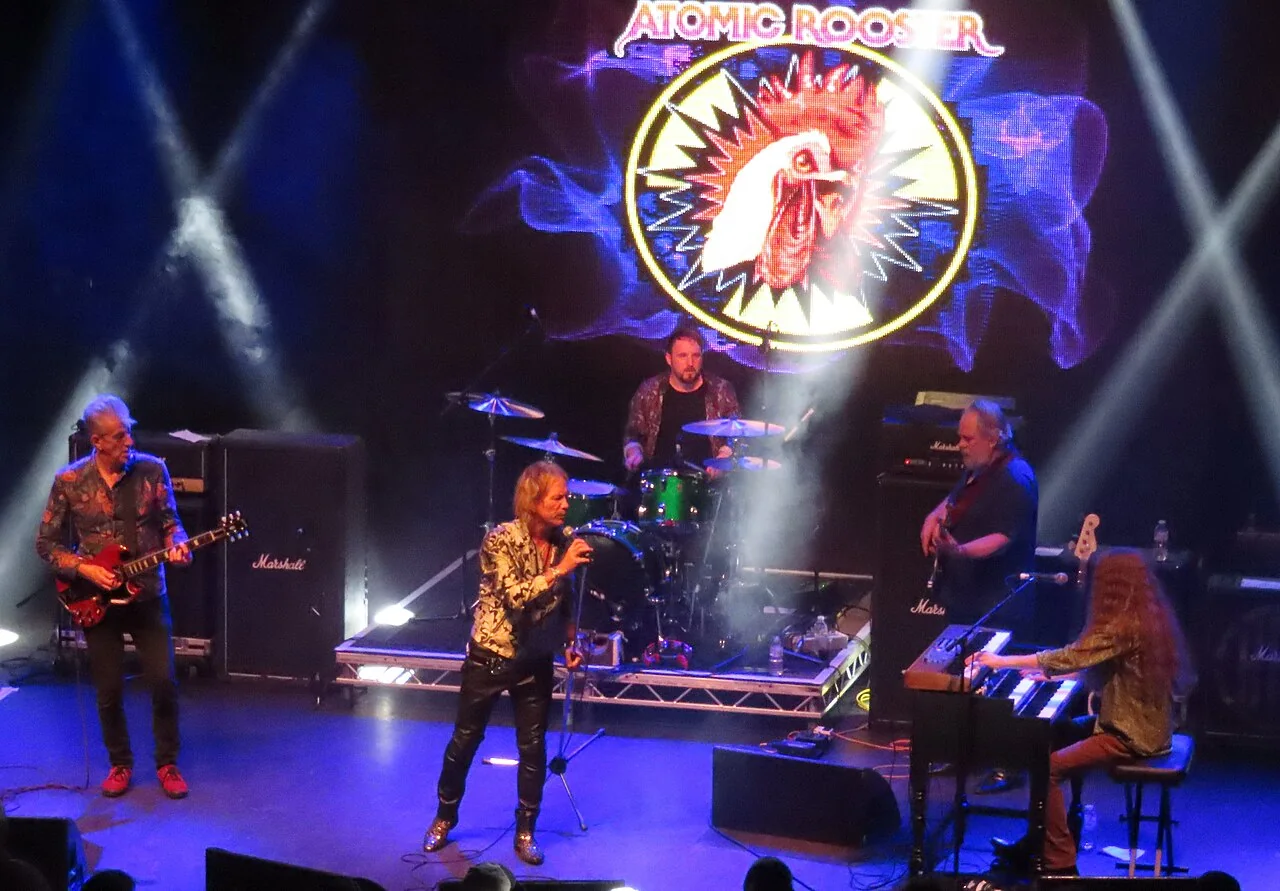
Hammond organ, hard-rock weight and a permanent storm warning.
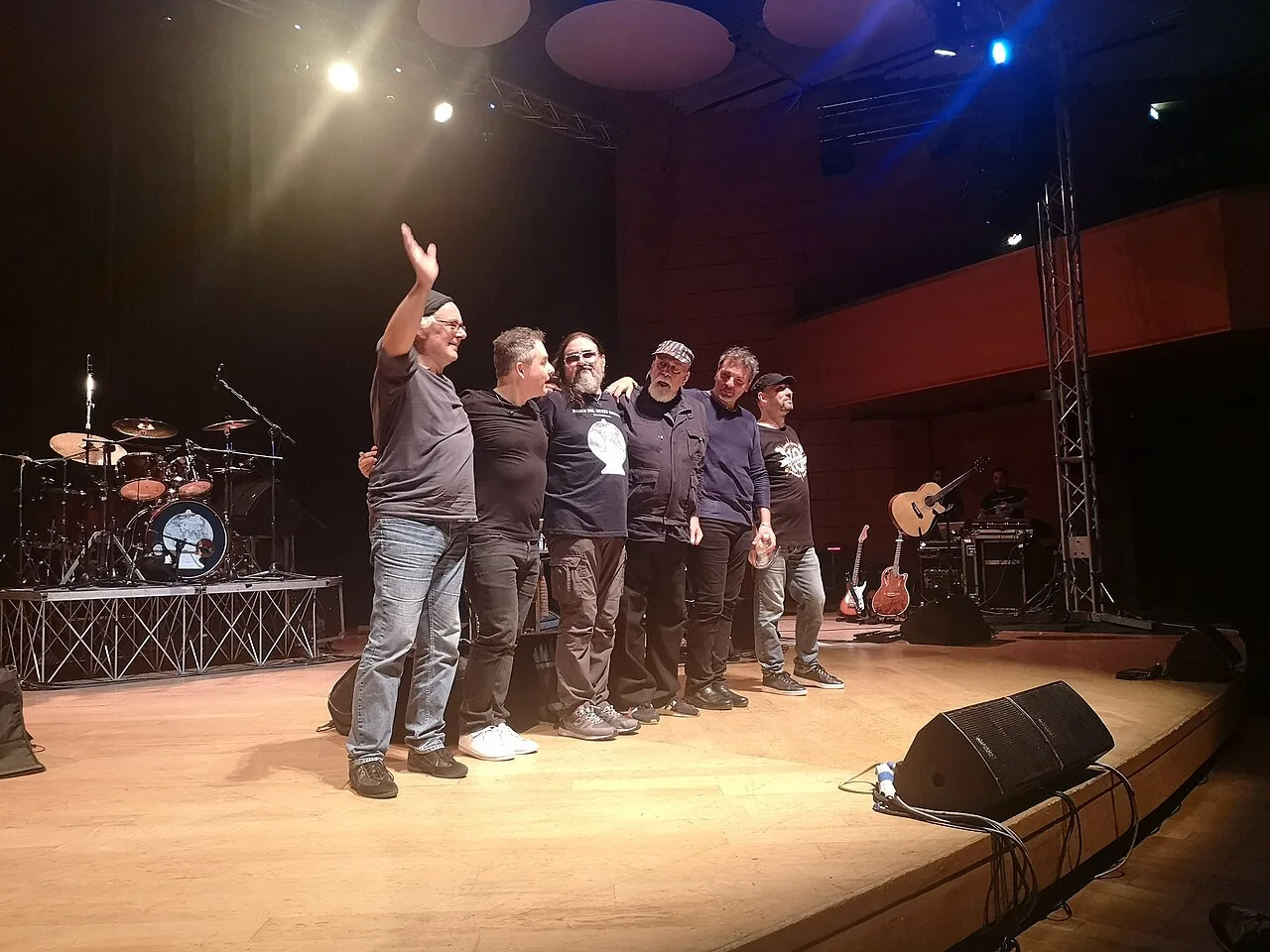
Opera, philosophy and keyboards with the roof removed.
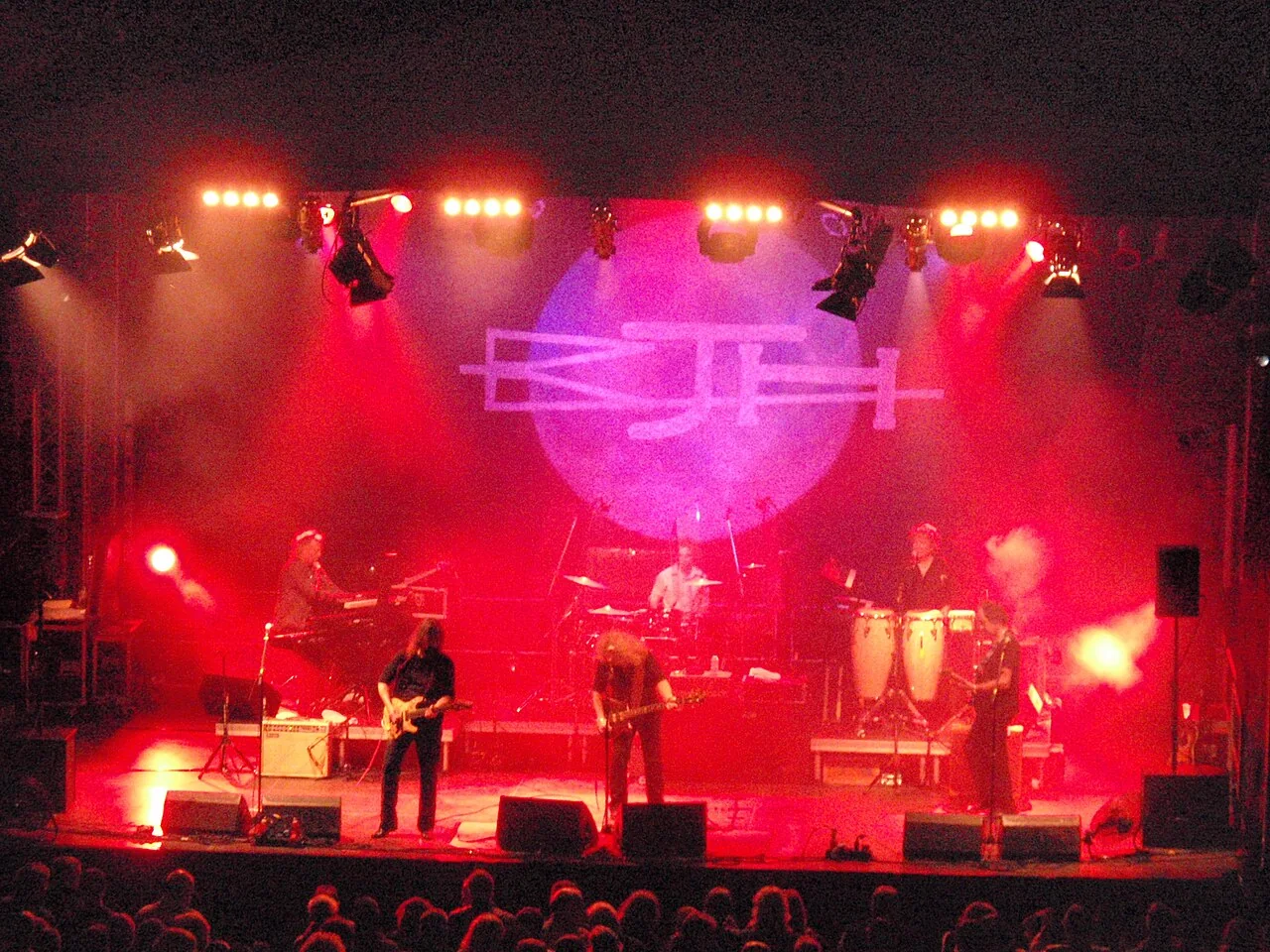
Melancholy symphonic rock written for wide skies and patient listeners.
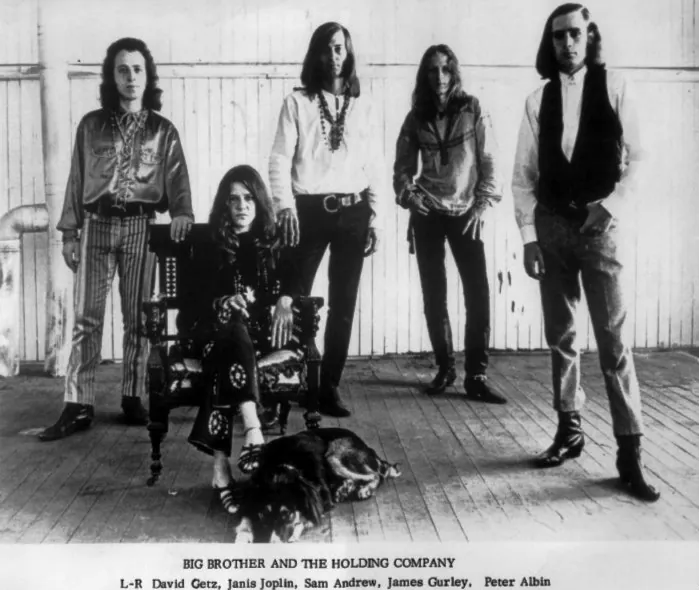
San Francisco ballroom rock built from electric blues, collective risk and Janis Joplin's singular voice.
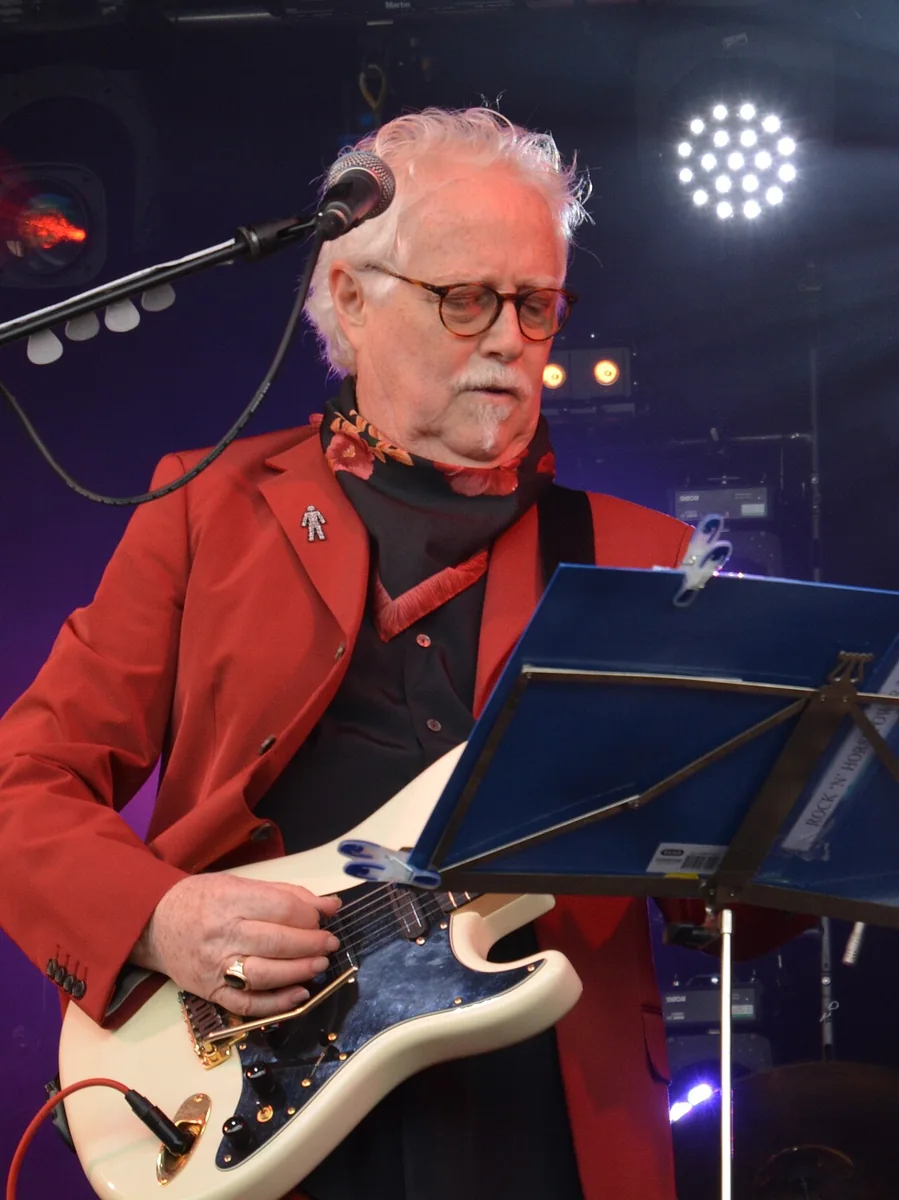
Whimsical British psych growing teeth between albums.
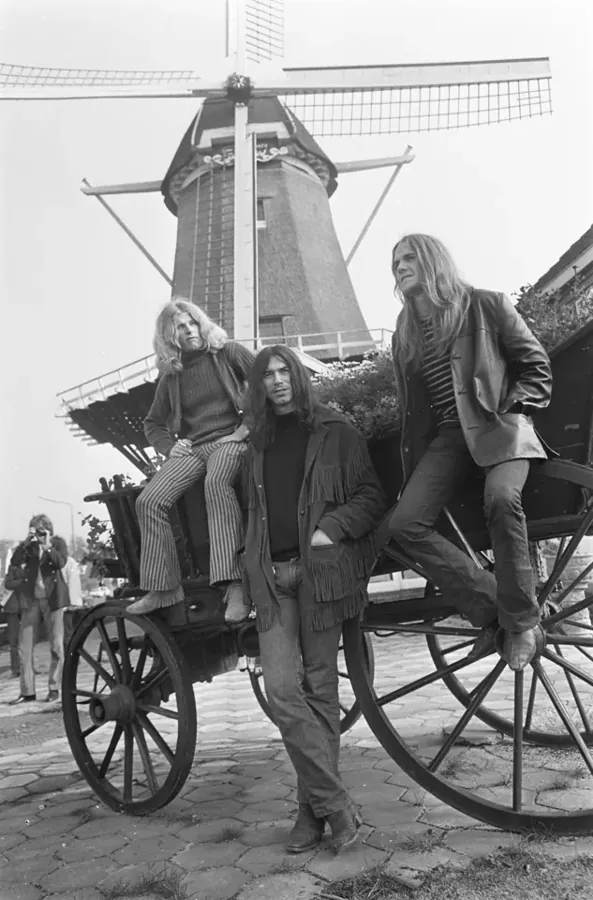
San Francisco blues and psychedelia, amplified until distortion became the architecture.
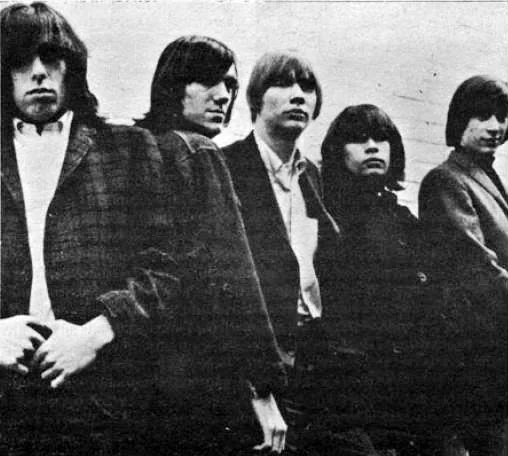
Bronx club discipline, electric organ and fuzz inside psychedelia's first commercial wave.
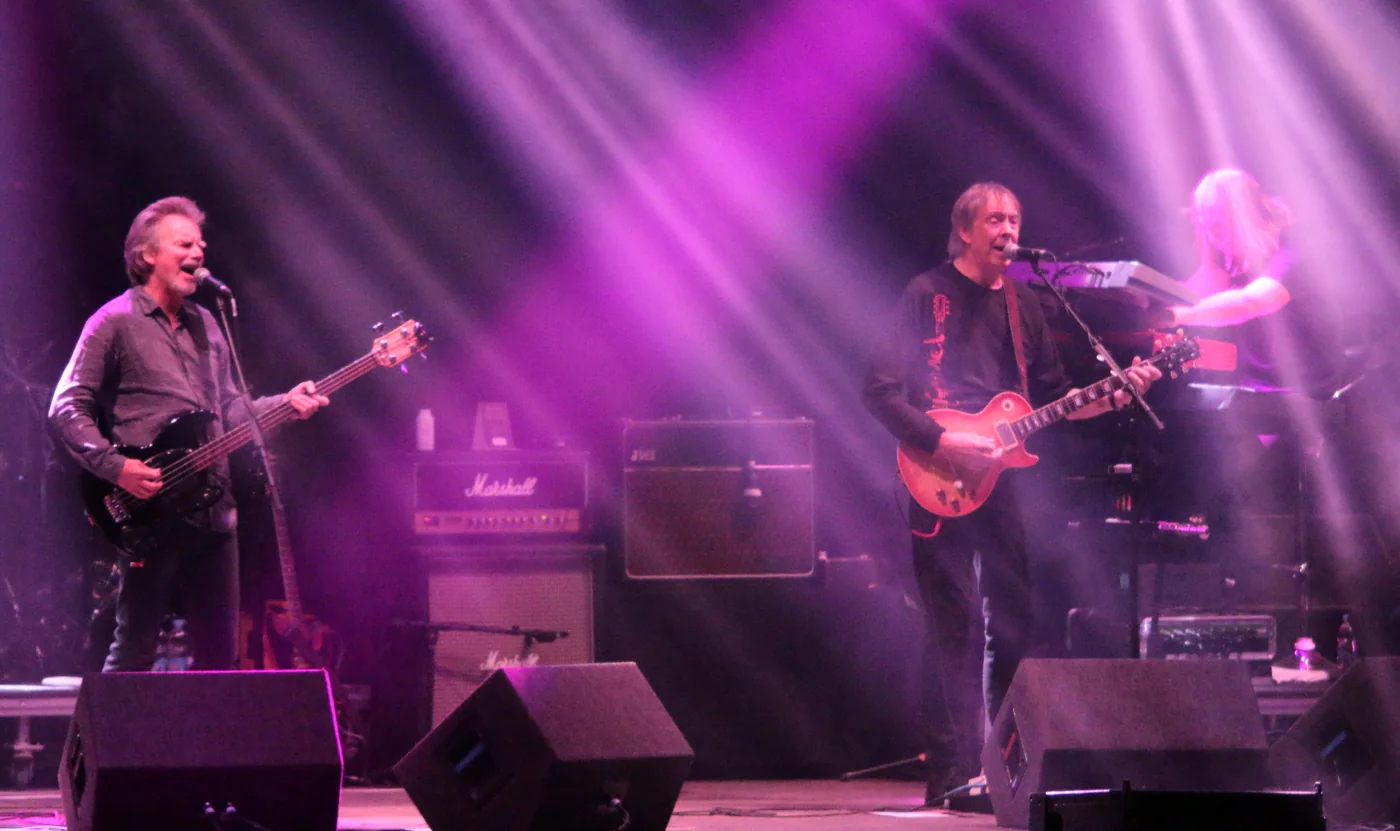
Guitar, flute and keyboards shaped into patient, melodic progressive rock.
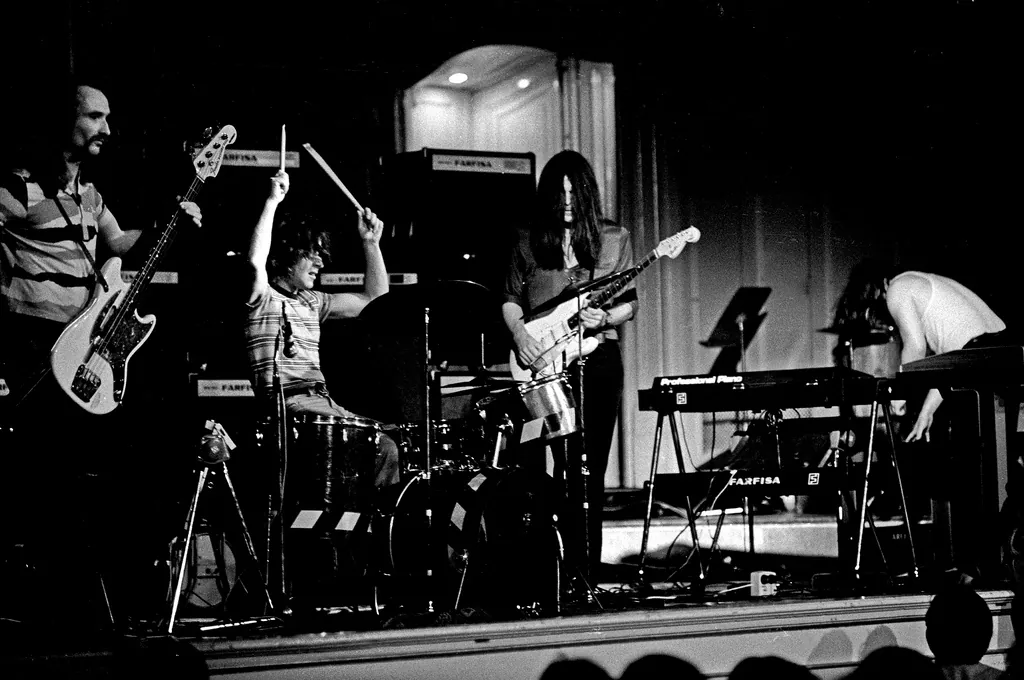
Collective improvisation, rhythmic discipline and tape editing made into a new rock language.
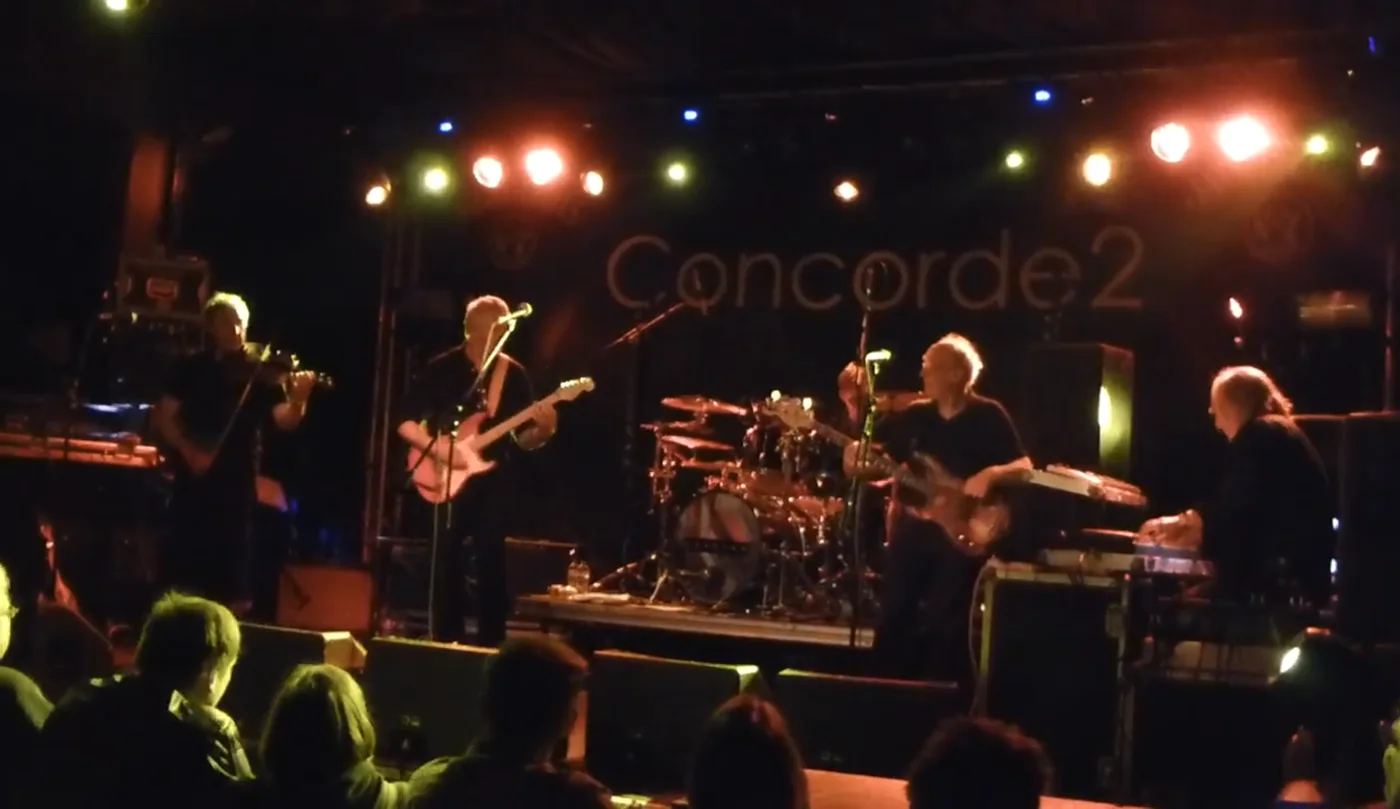
Melodic Canterbury rock shaped by organ, shared voices, jazz harmony and long-form ensemble writing.
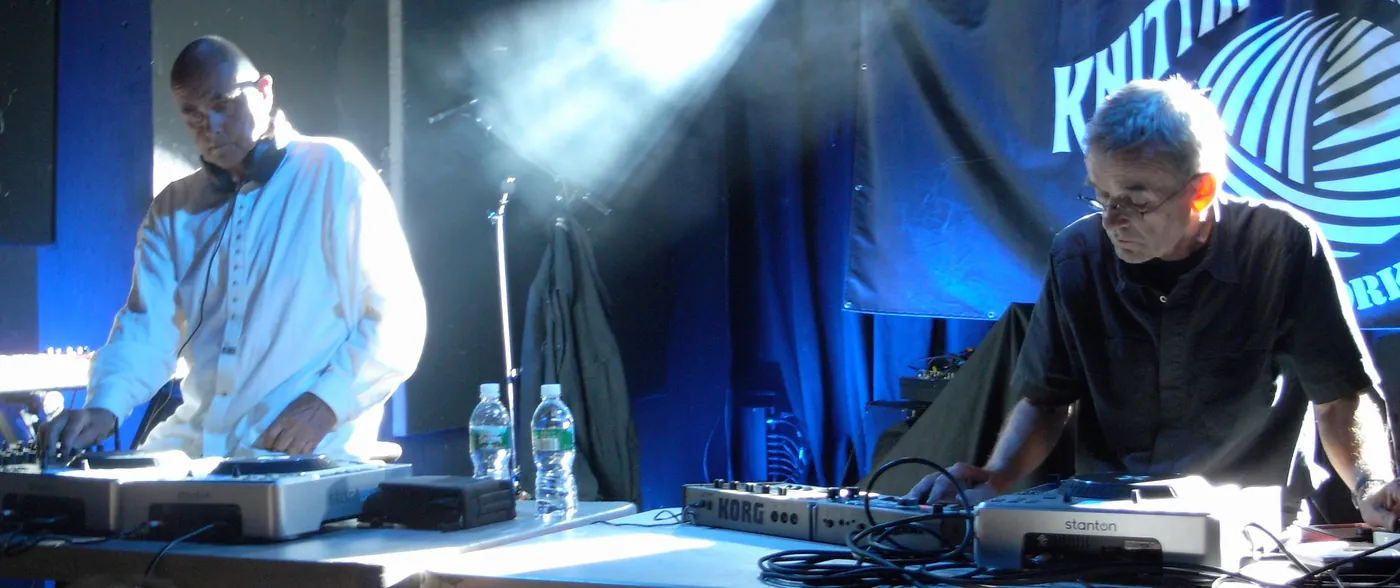
From amplified objects and unstable electronics to drum-machine miniatures and quiet cyclical forms.
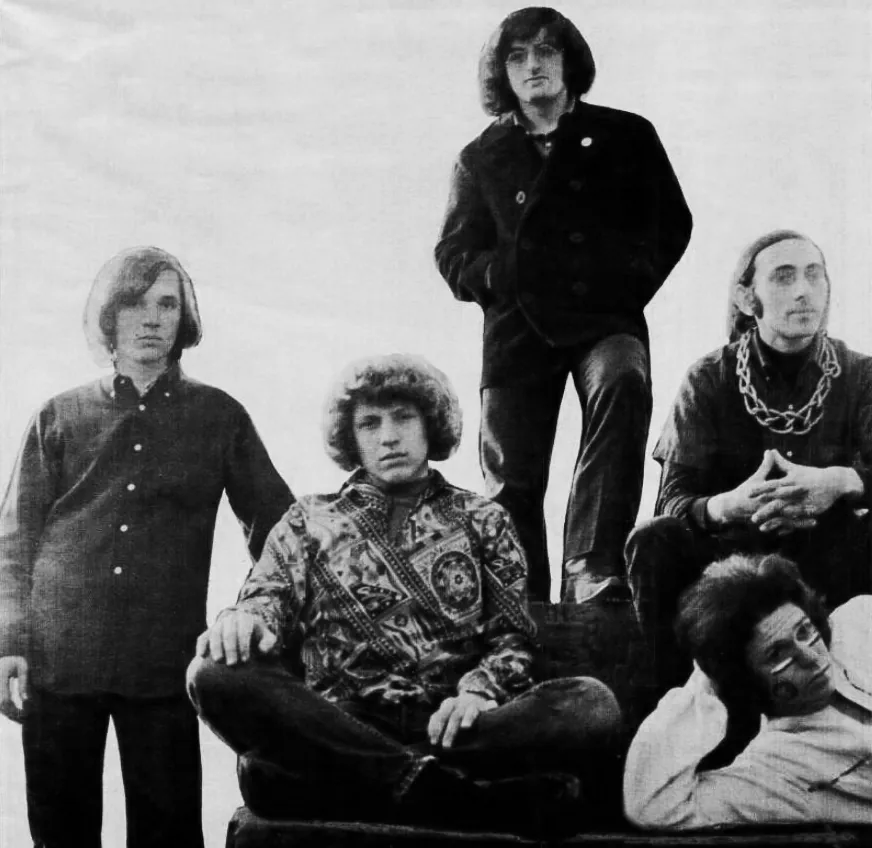
Berkeley psychedelia shaped by protest song, electric improvisation, organ and twin-guitar interplay.
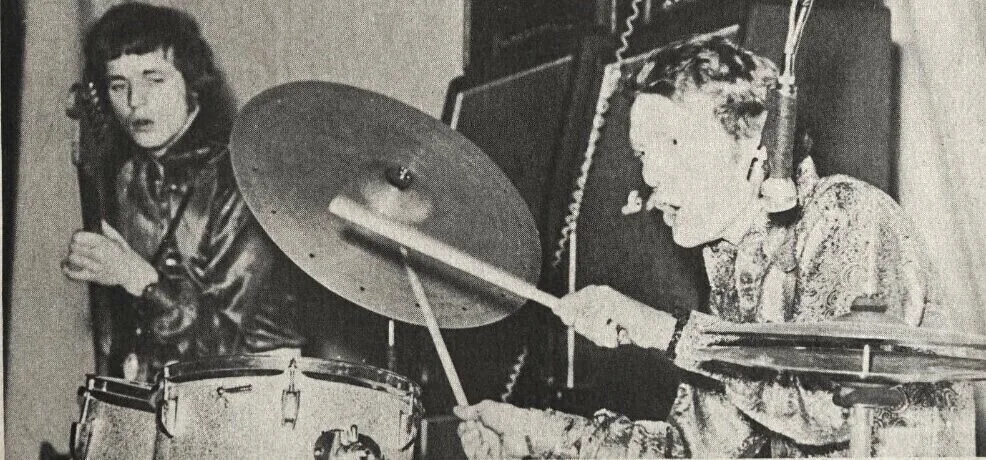
Blues power becoming psychedelic volume and open-ended conversation.
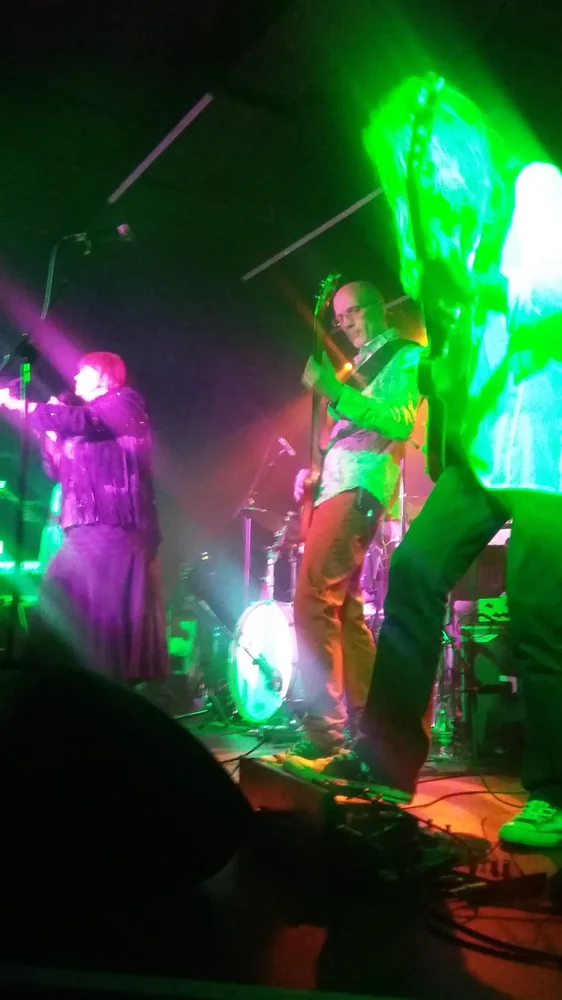
Electric violin, keyboards and a distinctive lead voice across a catalogue of constant reinvention.
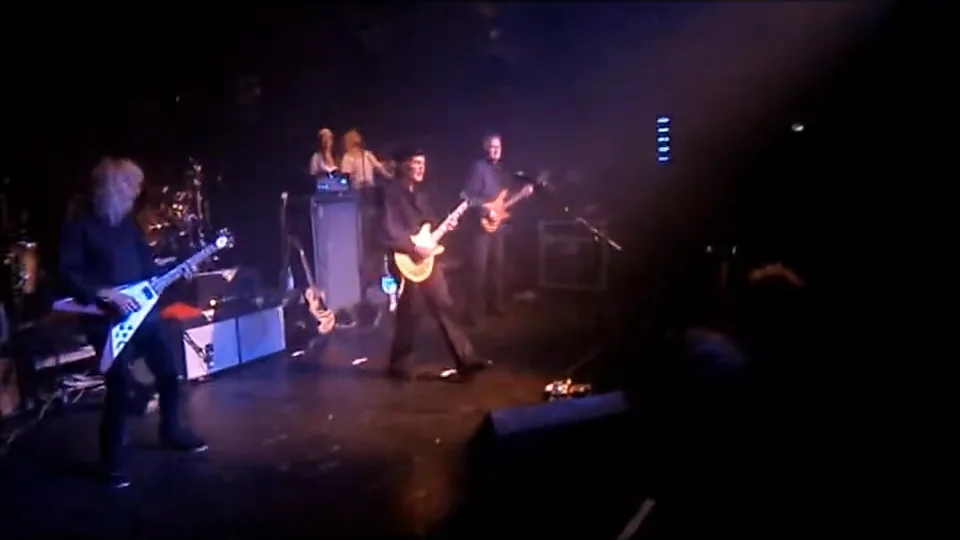
German progressive rock rebuilt repeatedly around Frank Bornemann's guitar, voice and long-form concepts.
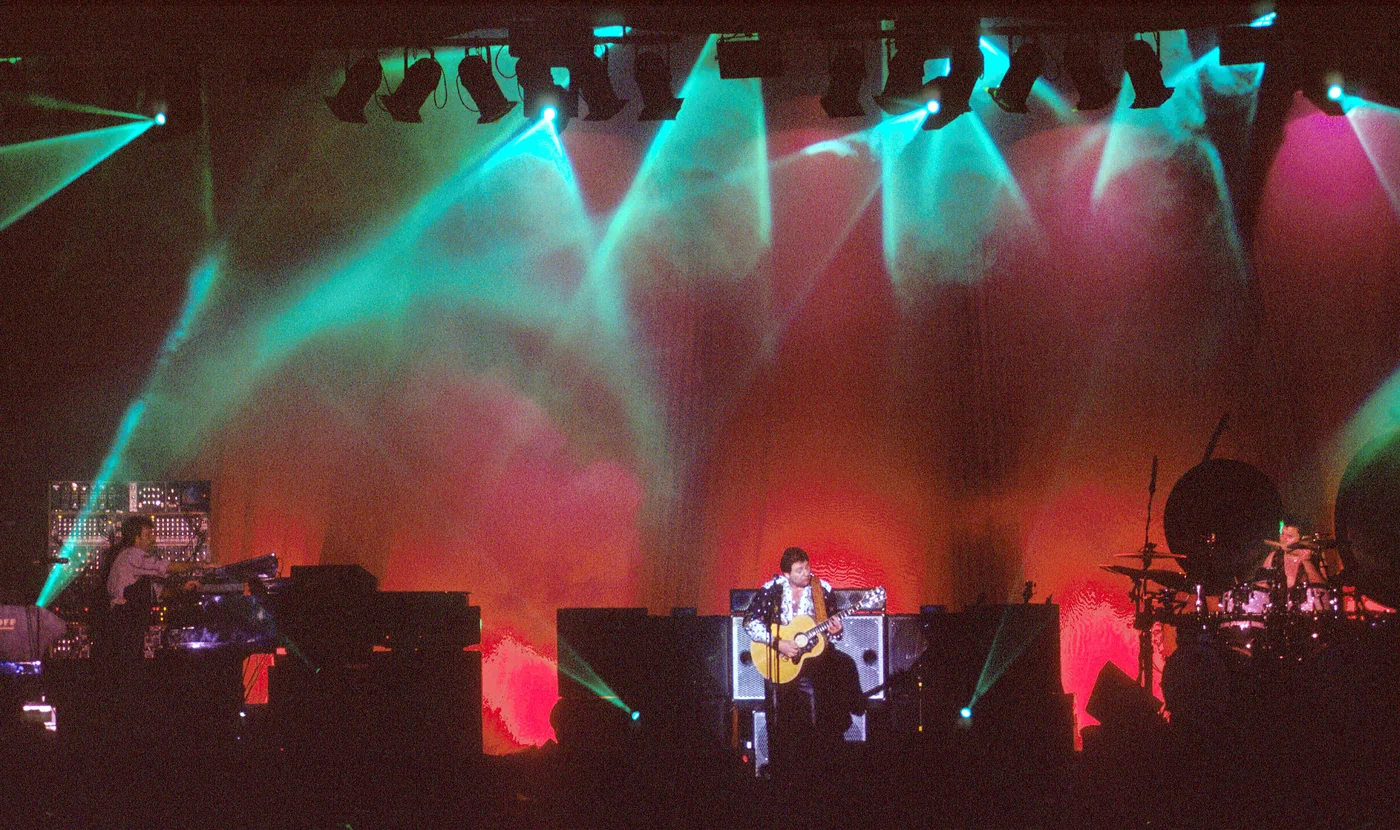
Keyboards, bass, voice and drums expanded into suites, adaptations and arena-scale theatre.
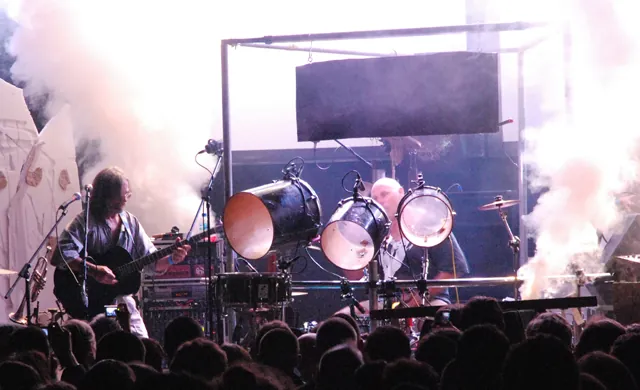
Tape, repetition, noise and near-song treated as equal materials inside a residential studio.
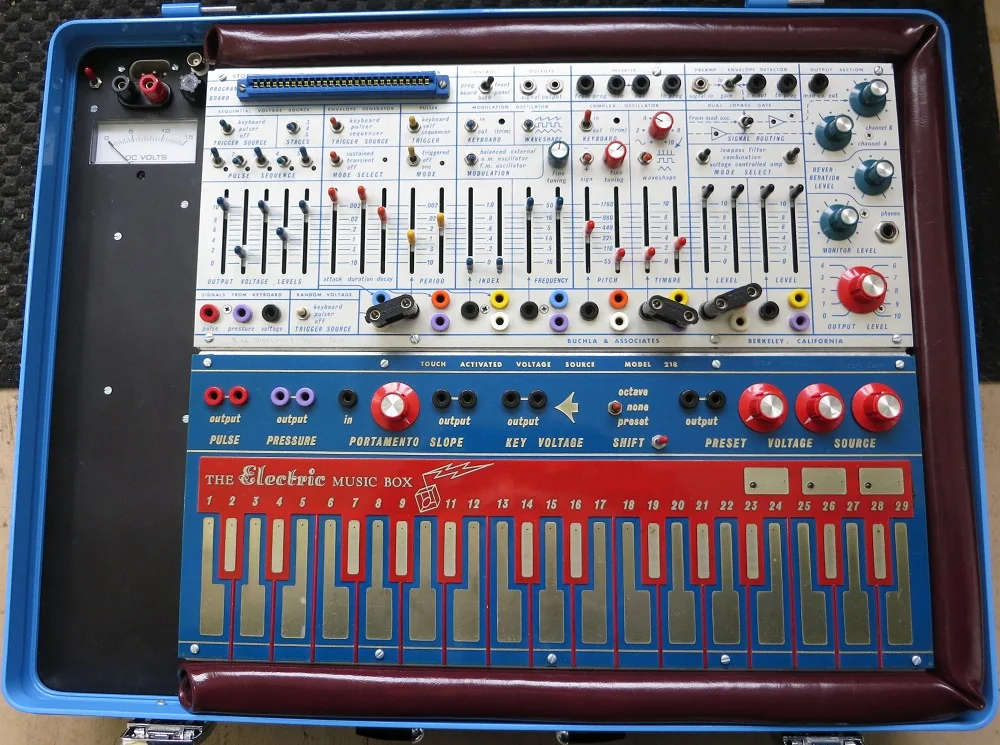
Handmade electronics meeting songs, improvisation and Bay Area rock in real time.
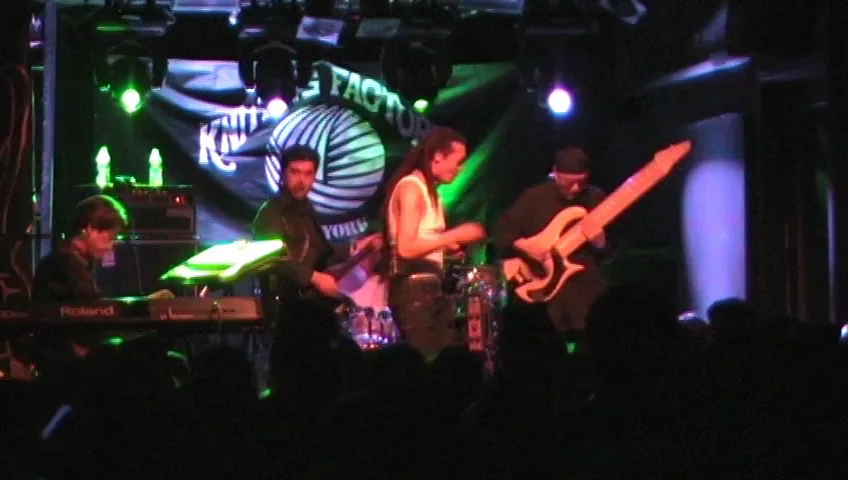
A Tokyo quartet turns transformed covers into five-part form, then carries that sound through Toronto.
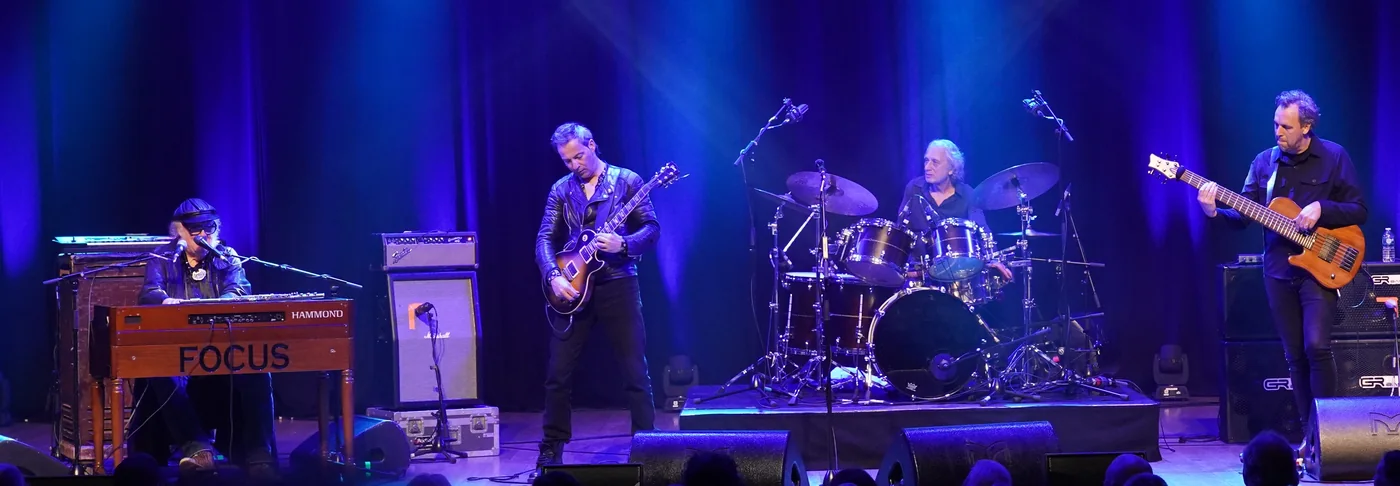
Four changing rhythm sections, two unmistakable lead voices, and a catalogue that moves from compact themes to entire album sides.
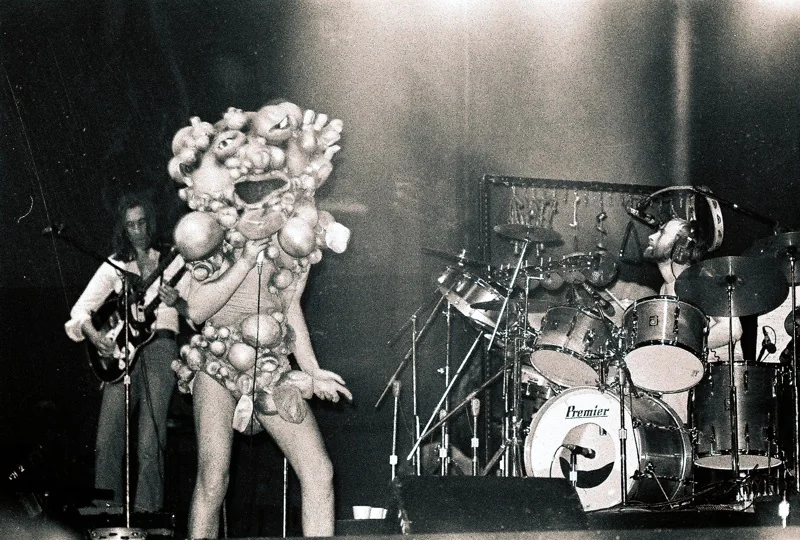
A school group becomes a five-piece theatre of sound, then learns how to rebuild itself as a quartet and trio.
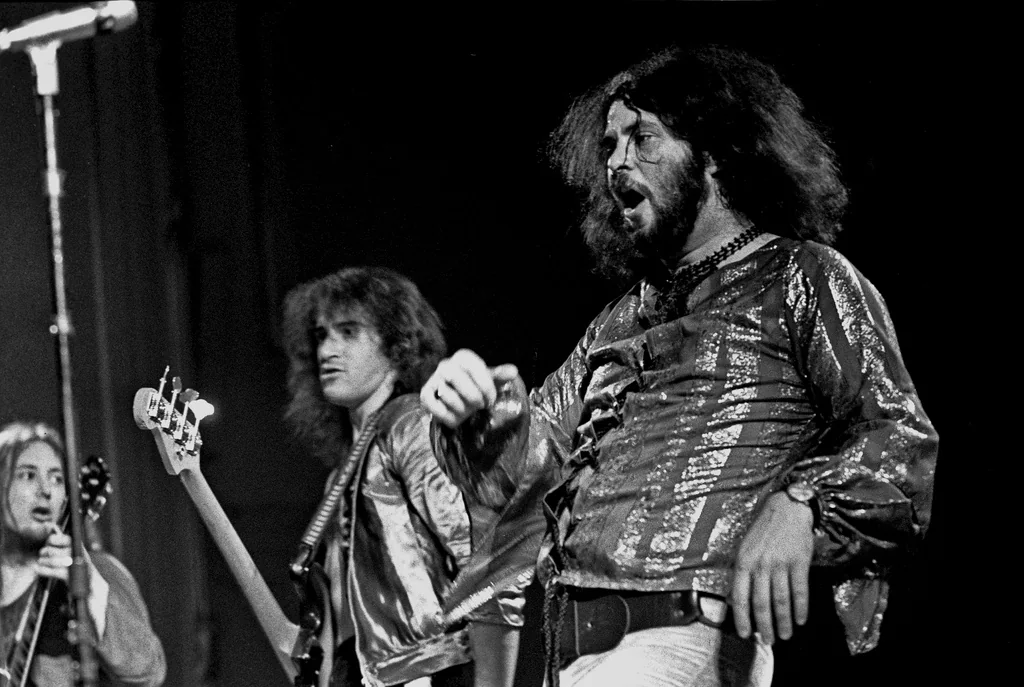
Six multi-instrumentalists turn counterpoint, hard rock and chamber colour into songs that continually change shape.
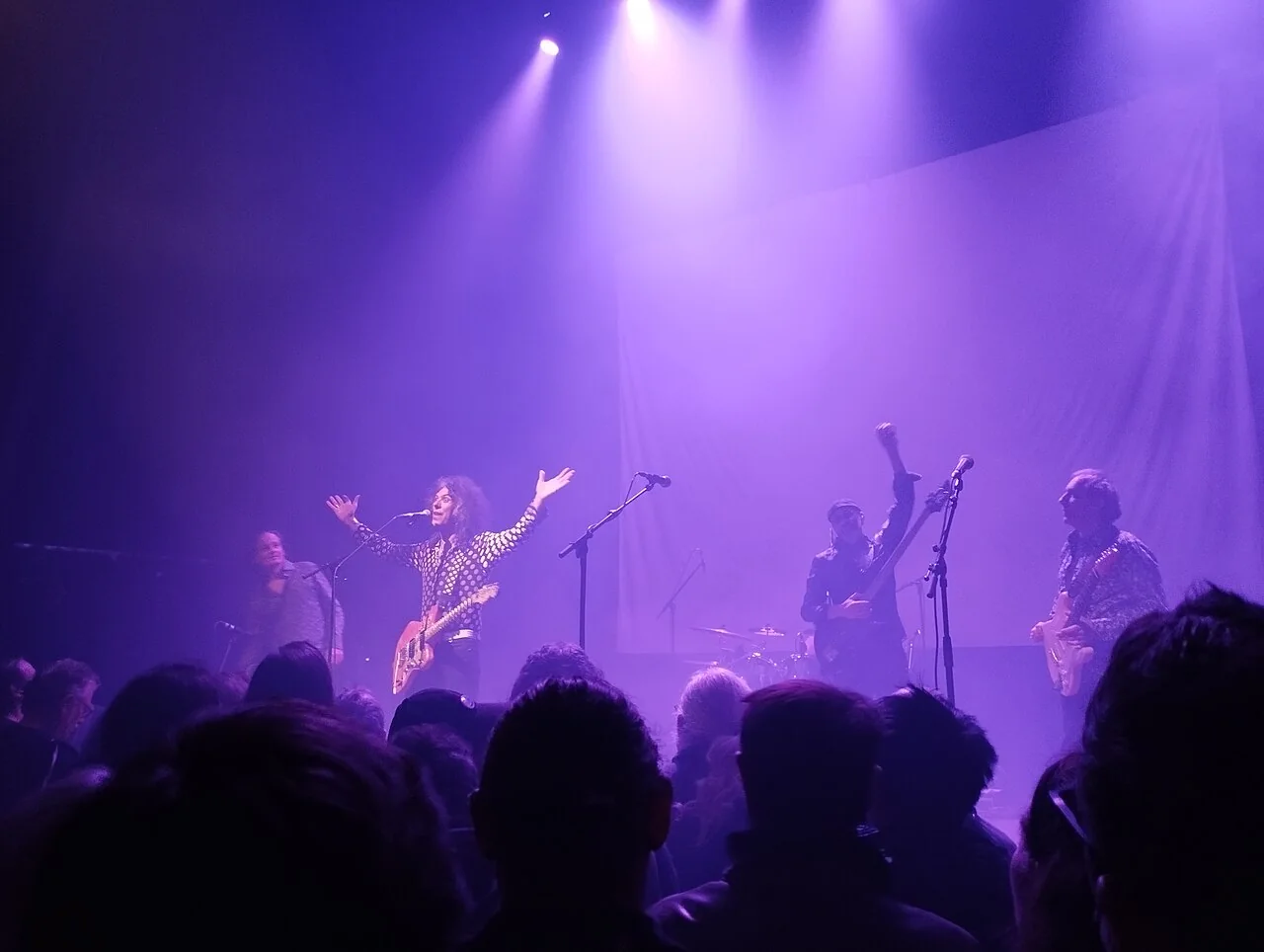
A planetary mythology powered by glissando guitar and joyful disorder.
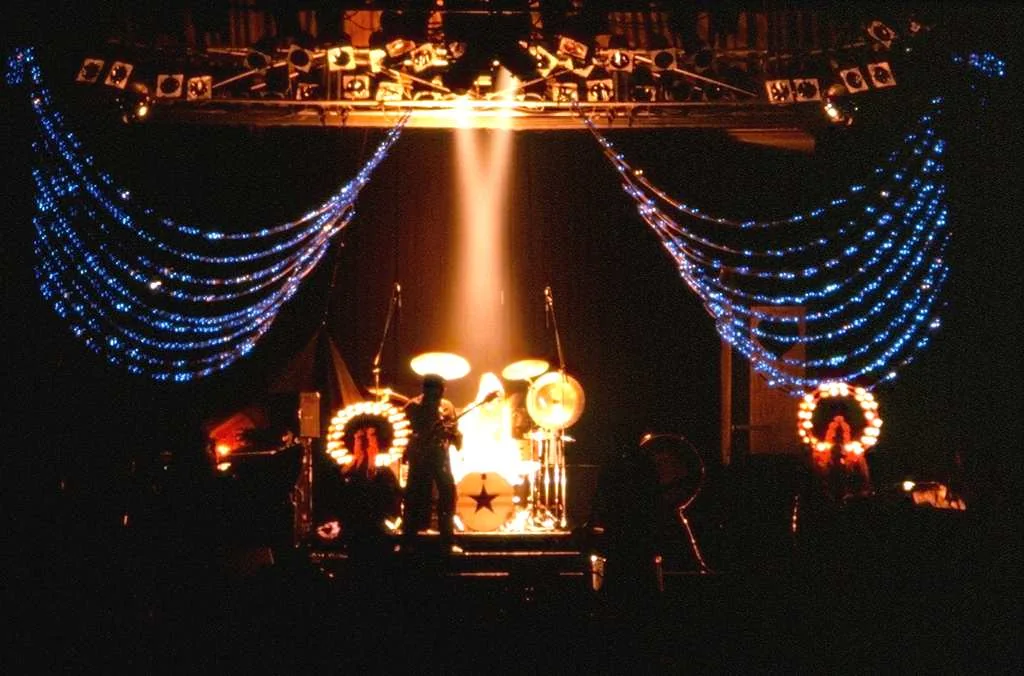
German progressive rock as theatre, satire and a very long solar journey.
Crummhorns, bassoons and courtly music escaping into progressive rock.
The supergroup nobody noticed until it was too late.
The Canterbury scene at its most sophisticated and absurd.
The free-festival engine pointed permanently toward the stars.
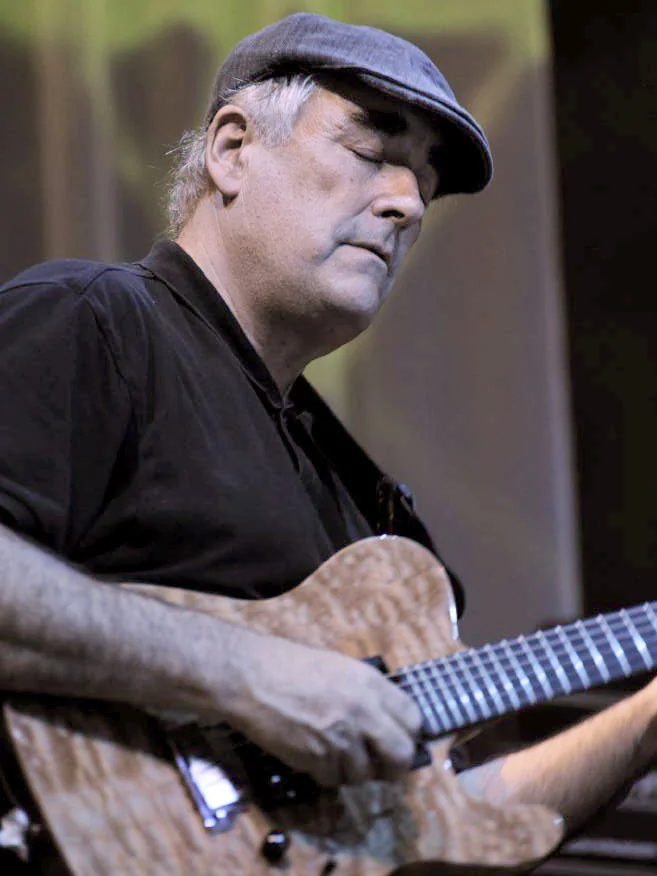
Progressive rock stripped of comfort, hierarchy and predictable resolution.
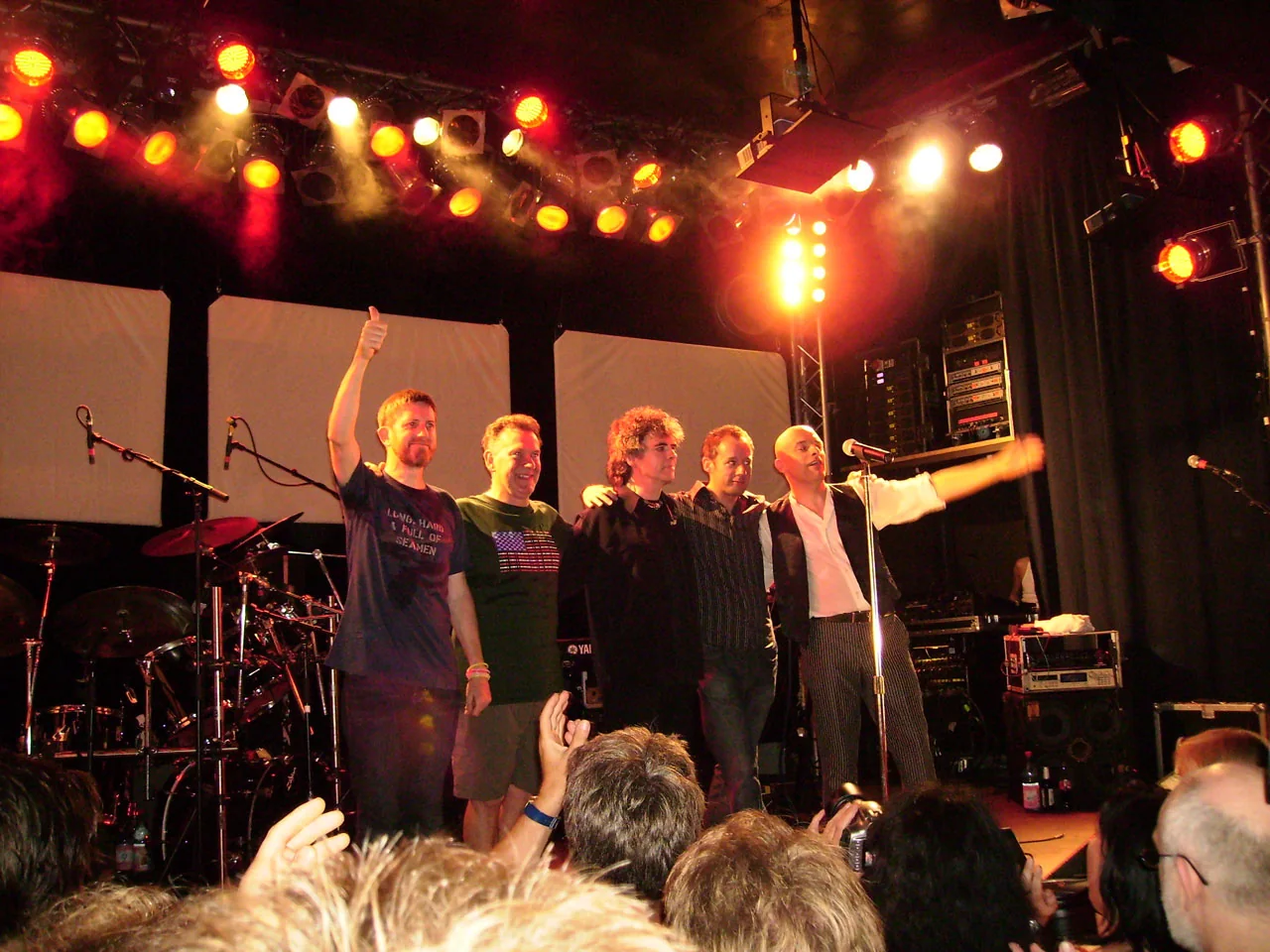
Dark British neo-prog with patience, weight and continuity.
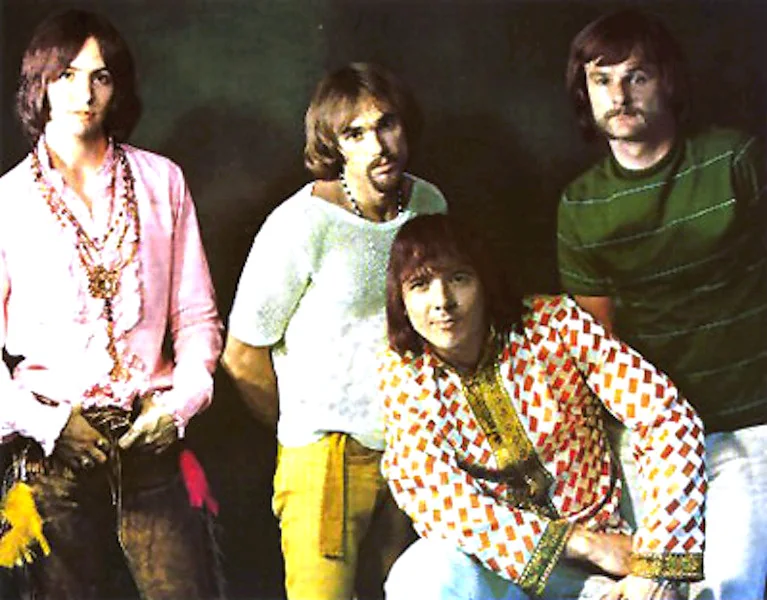
The organ riff that made acid rock feel monumental.
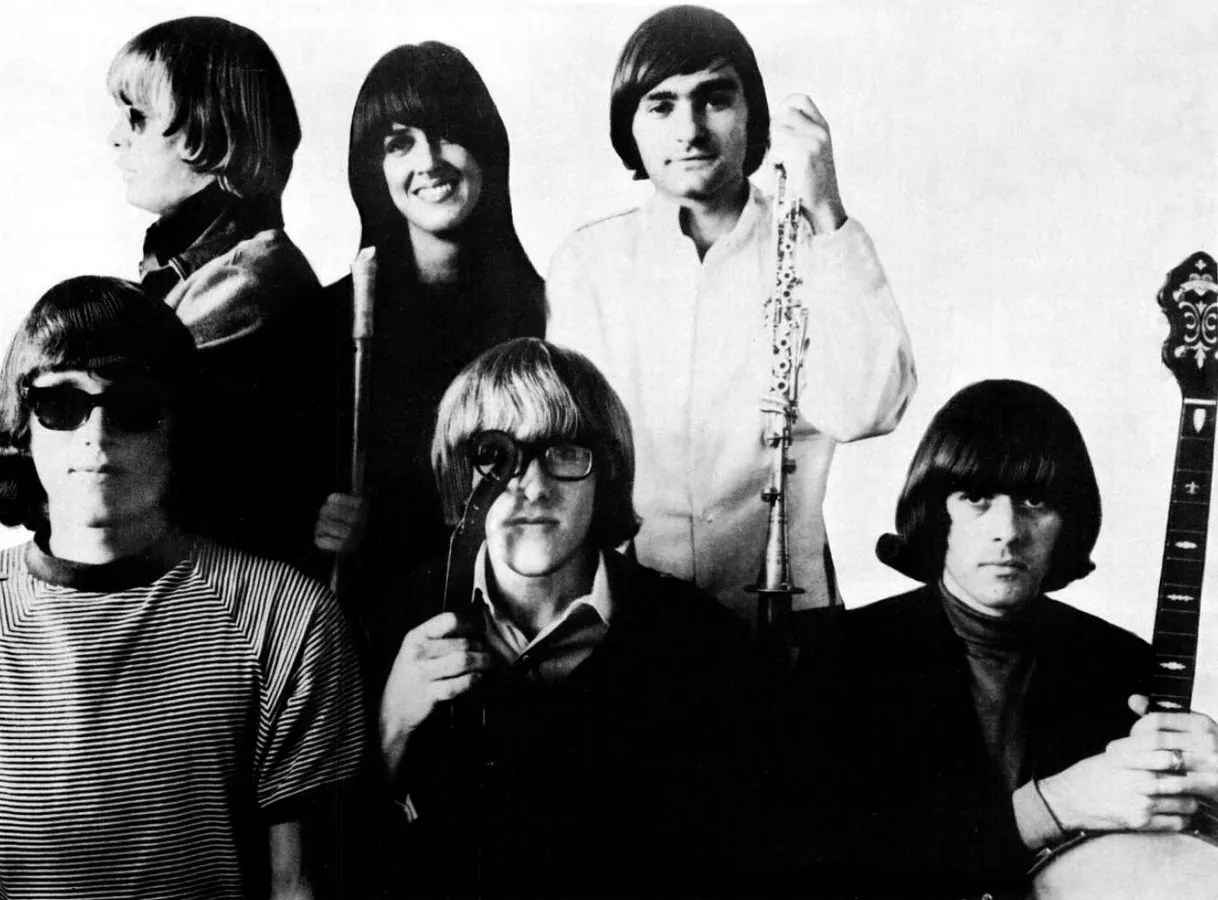
The sound of San Francisco at its most electric.
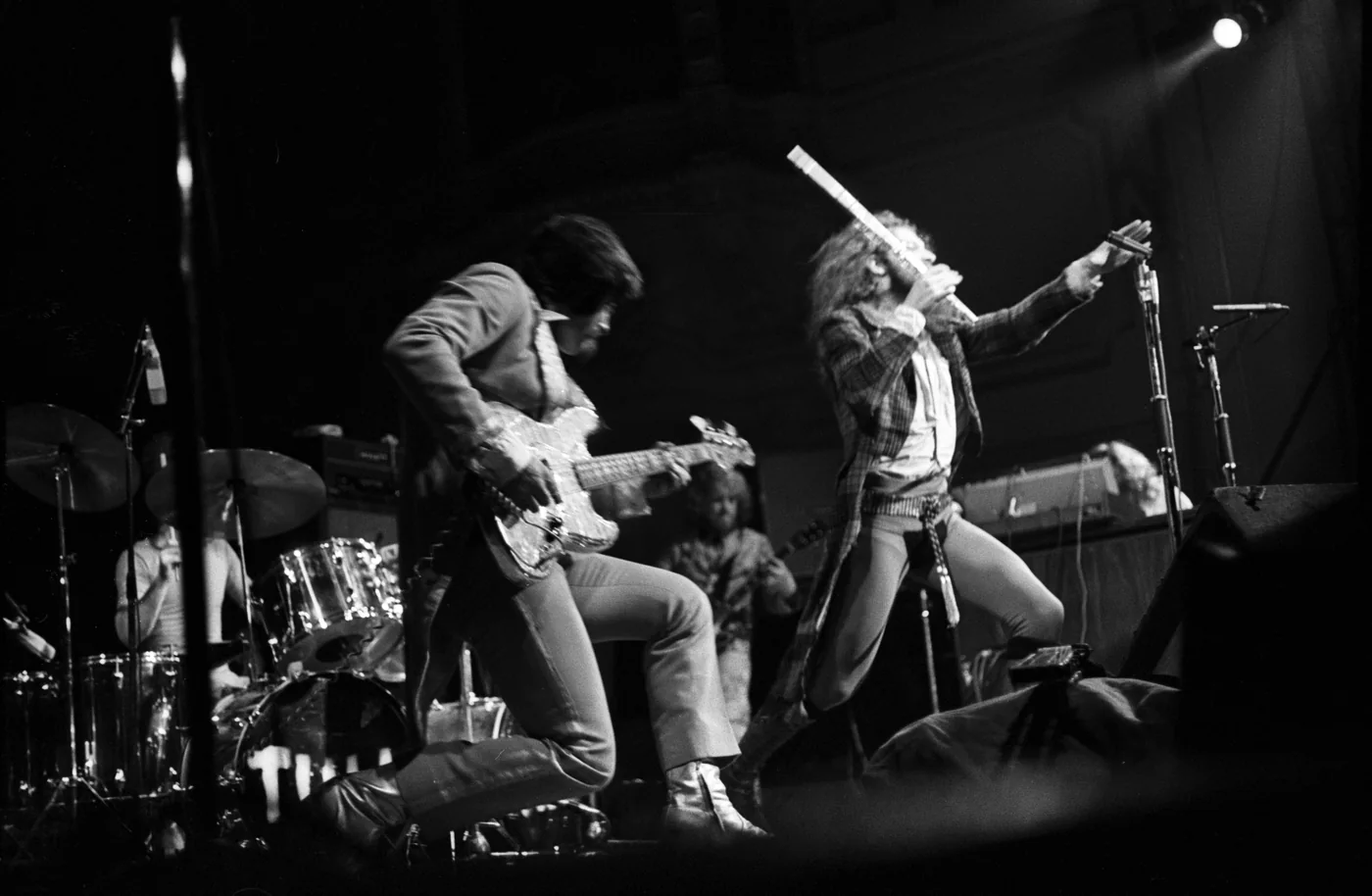
Flute-led rock that moved from British blues into long-form composition, acoustic folk and electronic experiment.
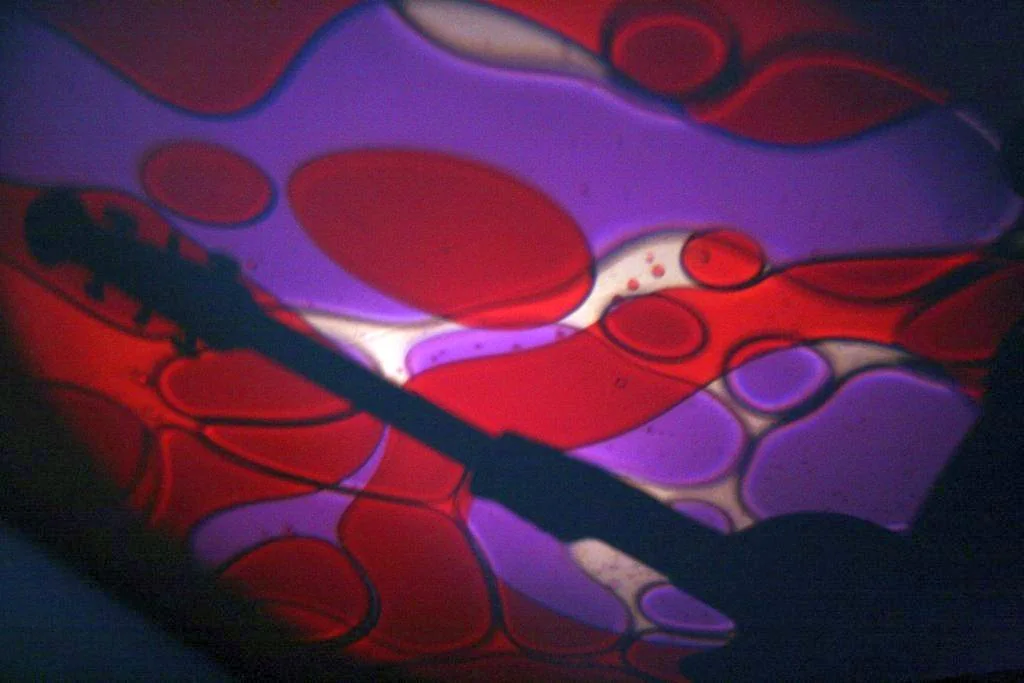
One small British album containing an implausible number of colours.
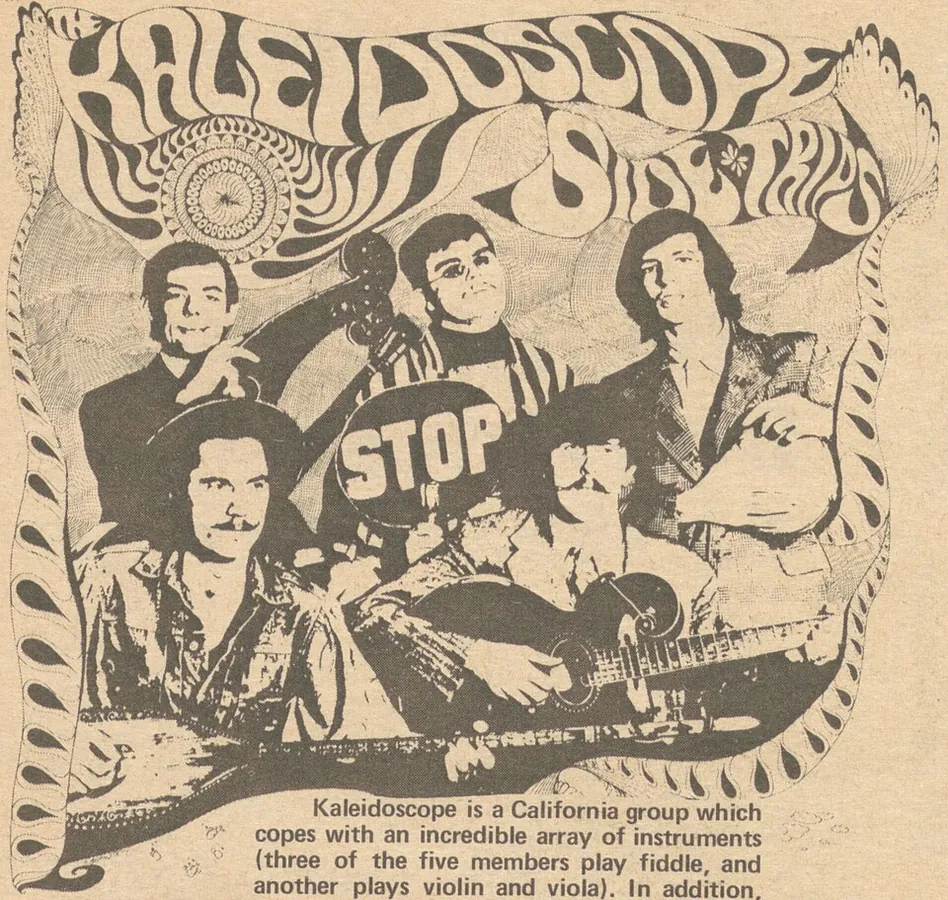
Oud, saz, fiddle, banjo and electric guitar inside one restless Los Angeles ensemble.
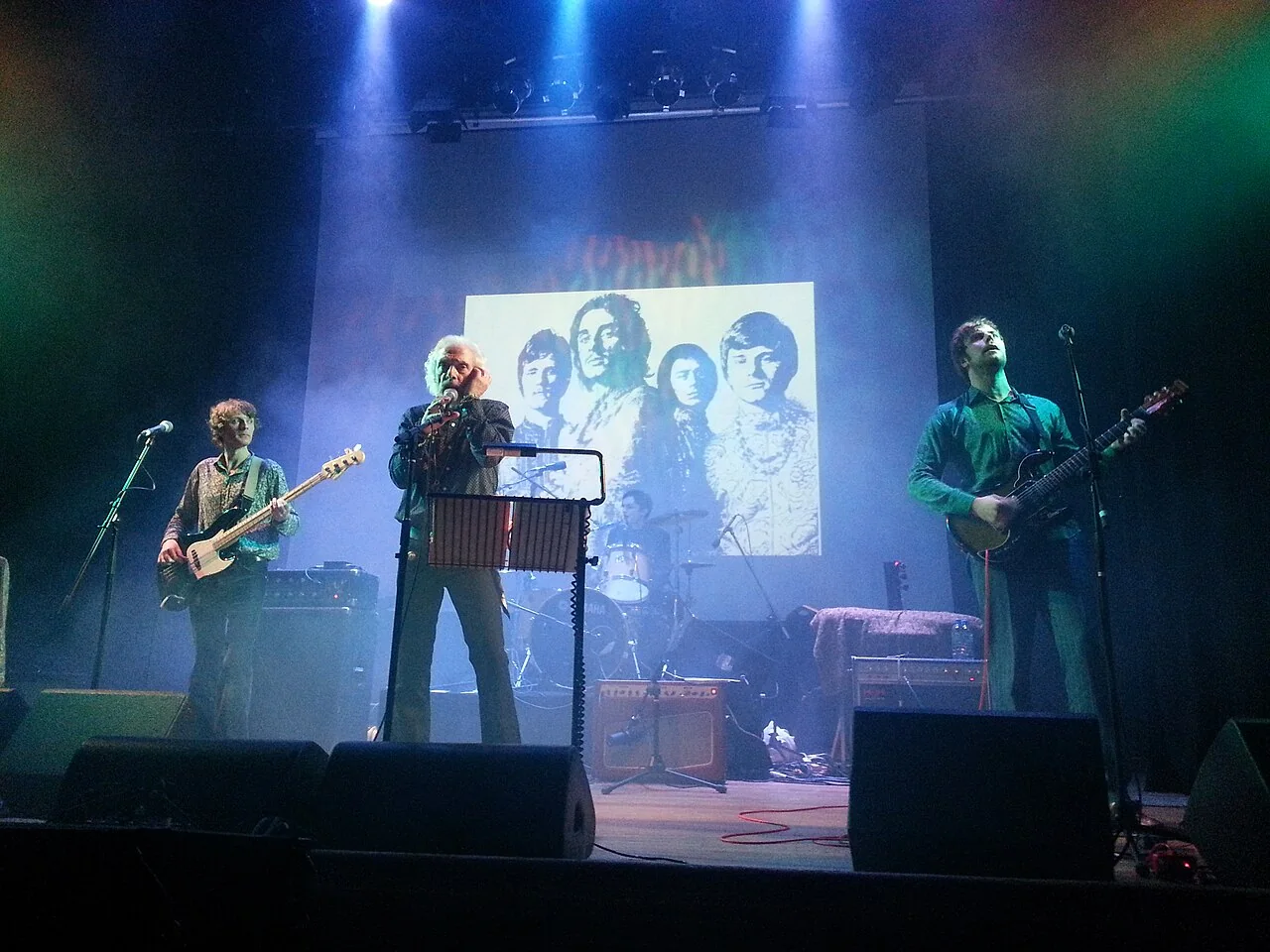
Childhood memory, London rain and melodies viewed through stained glass.
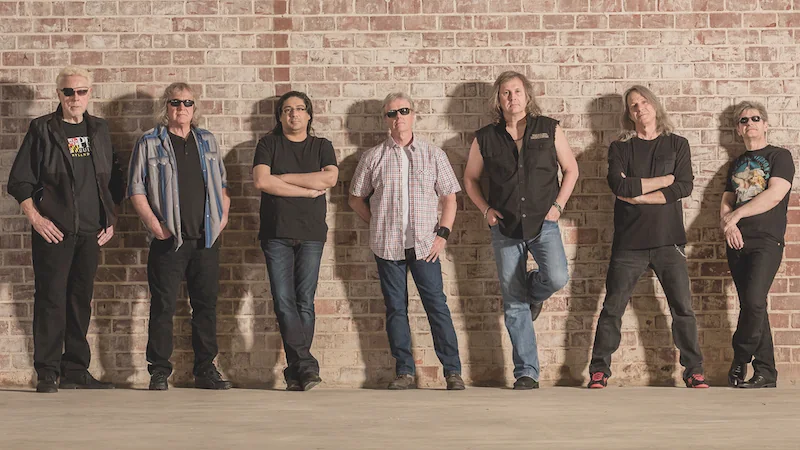
Violin, paired guitars and searching songs from the American heartland.
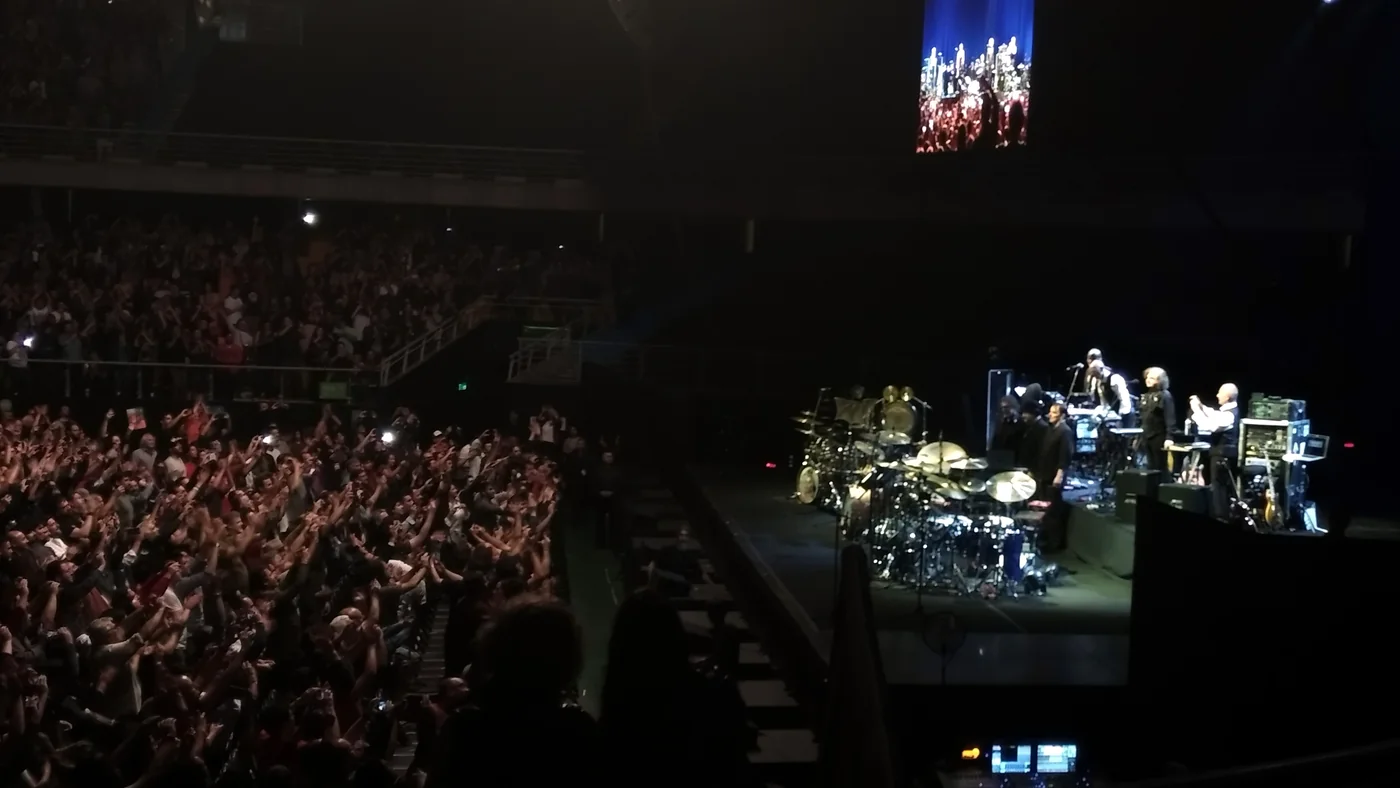
Different ensembles, different systems, one continuing appetite for musical risk.
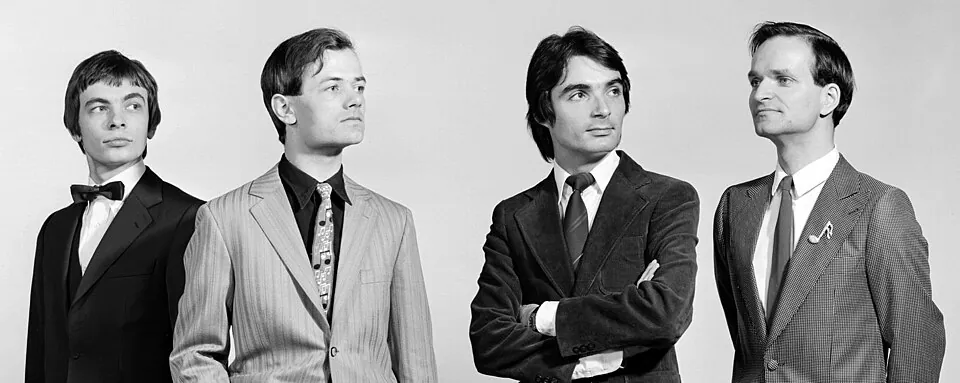
Electronic rhythm, reduced language and moving images designed as one system.
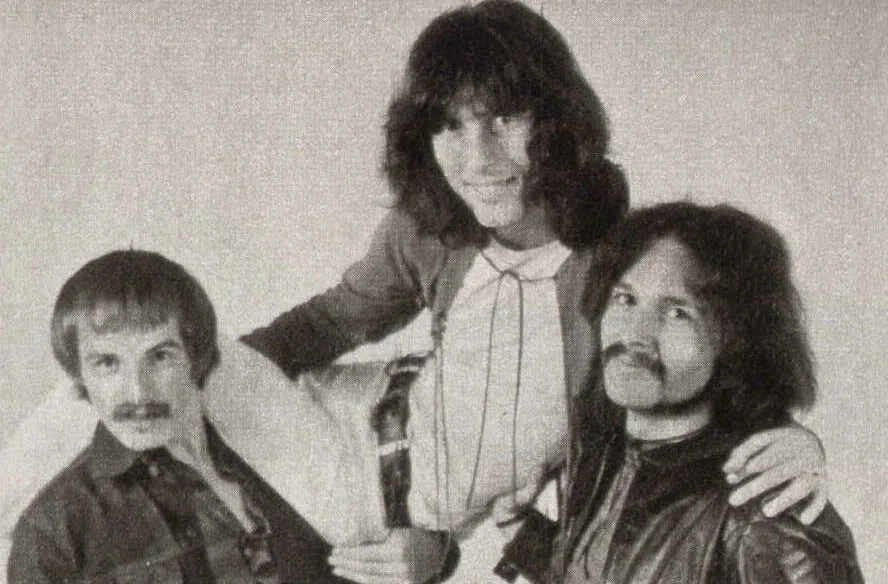
A power trio that made keyboards feel orchestral and intimate at once.
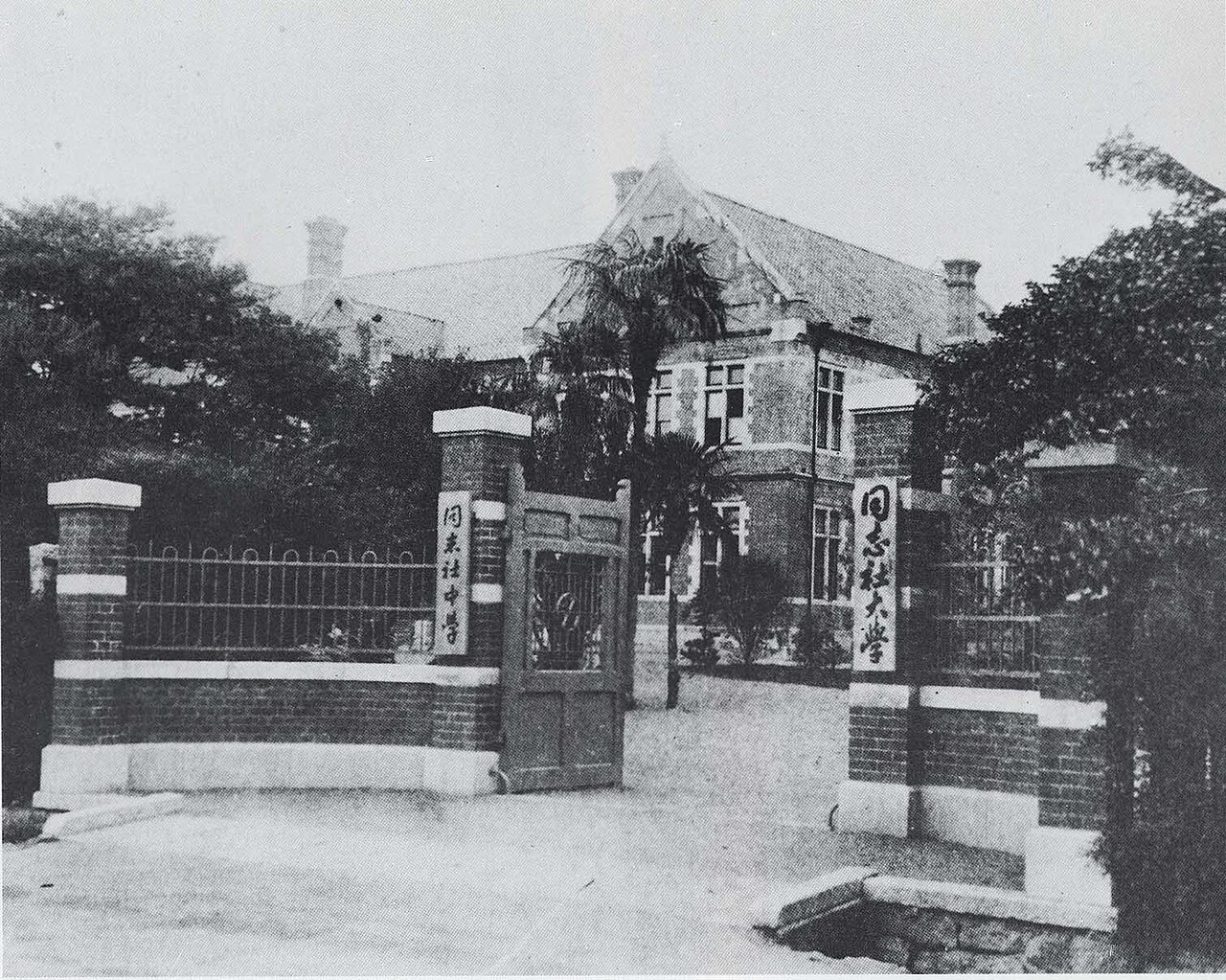
A bass line, a ghost melody and guitar turned into white light.
Los Angeles garage fire, folk detail and orchestral unease in one changing band.
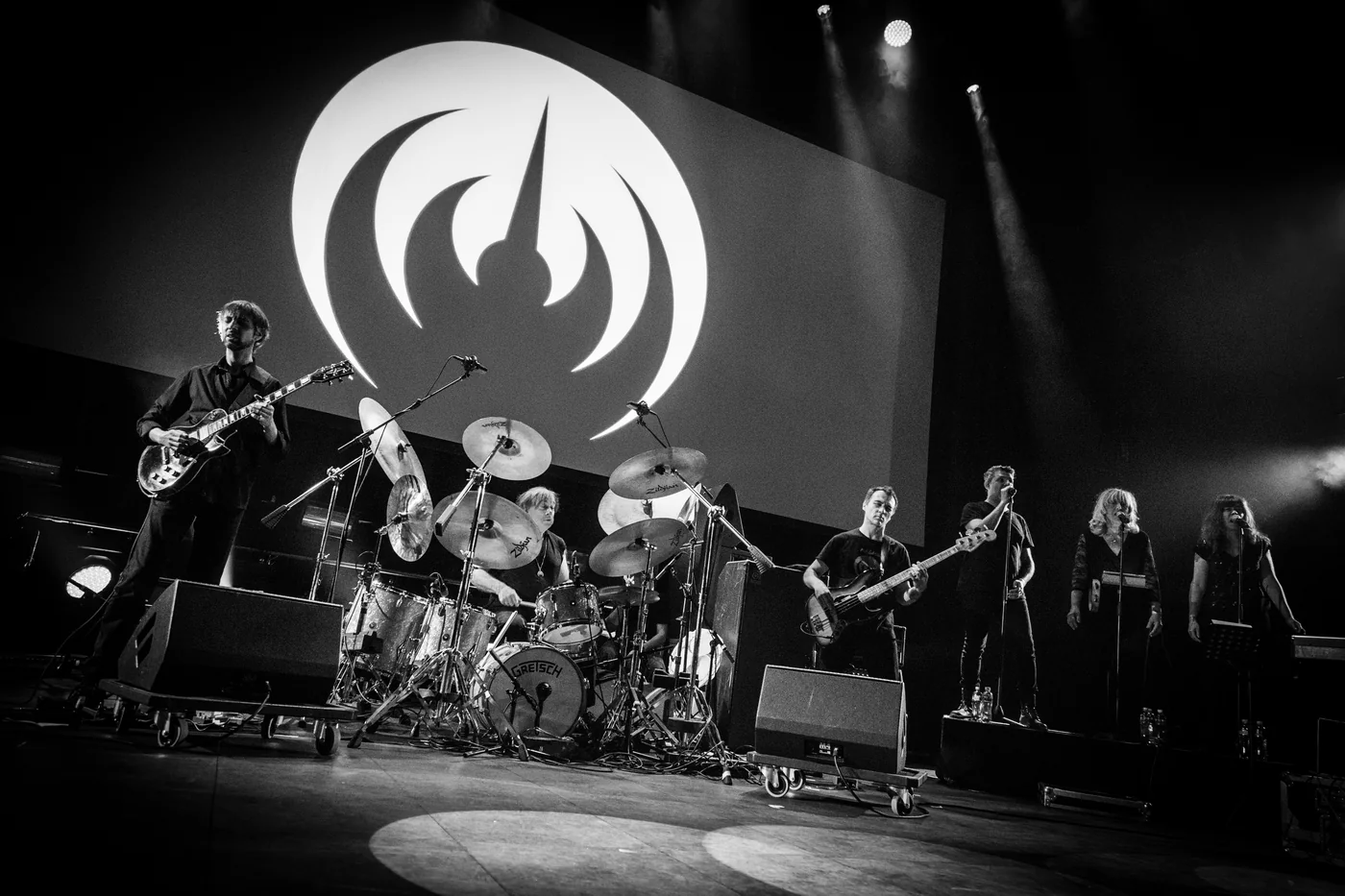
A Parisian ensemble built around rhythm, massed voices and the Kobaïan language.
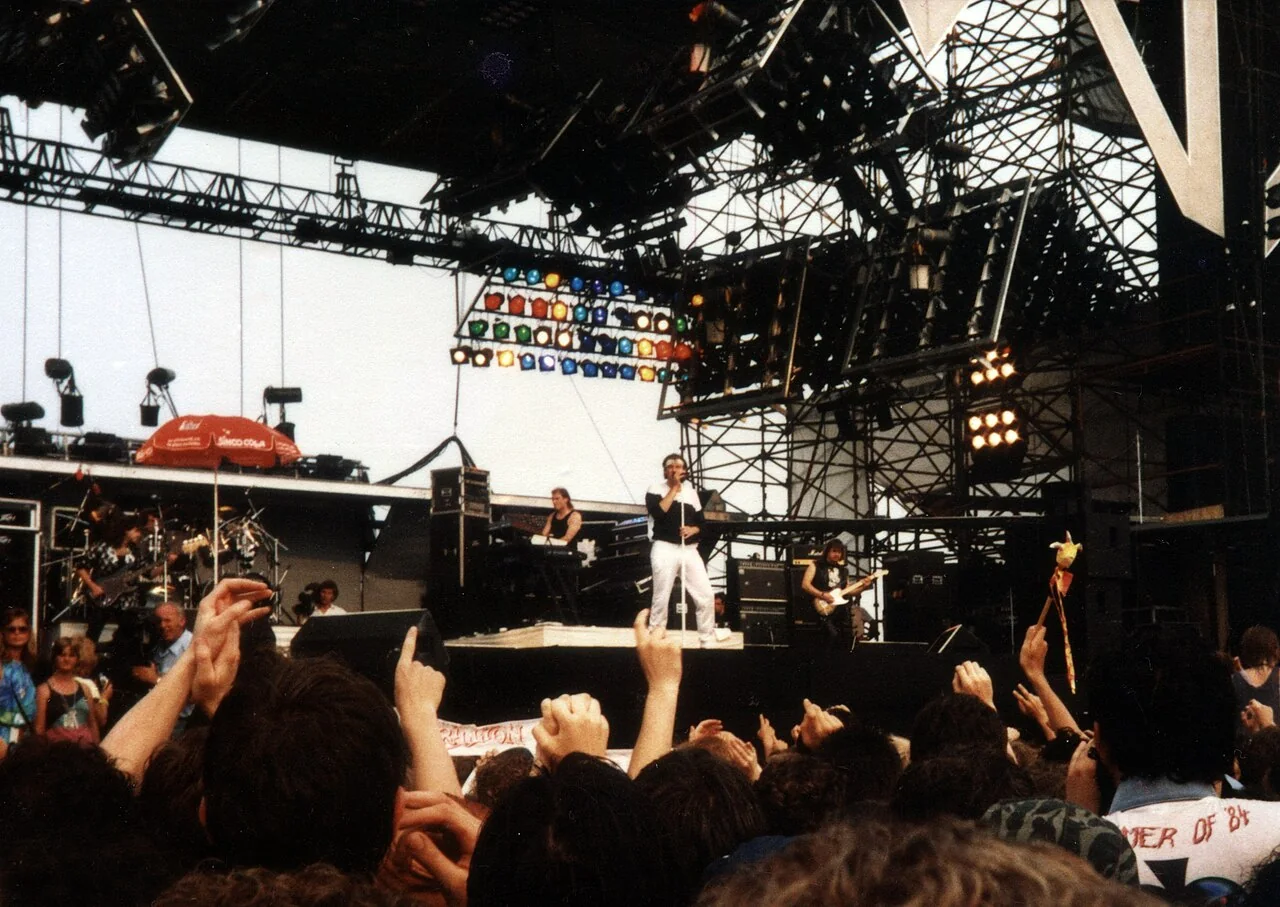
The band that carried progressive storytelling into a new decade.
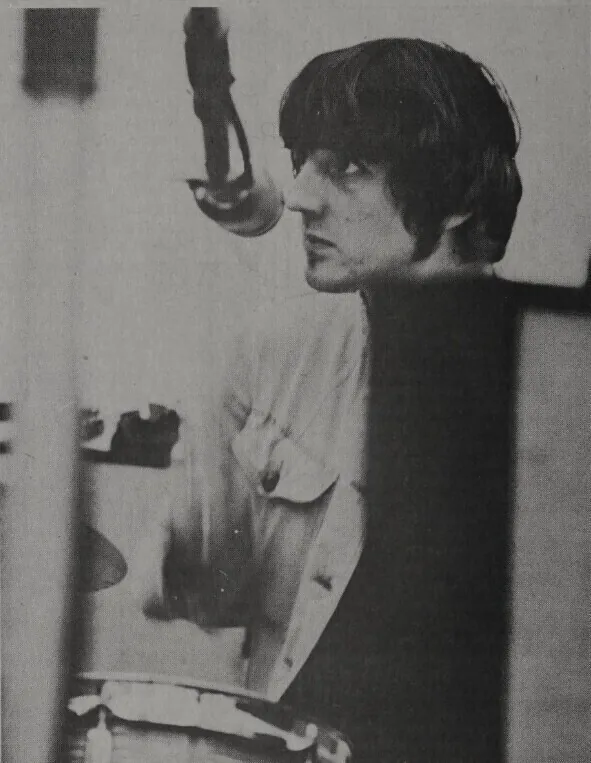
Five writers and singers, three guitars, and no fixed front person.
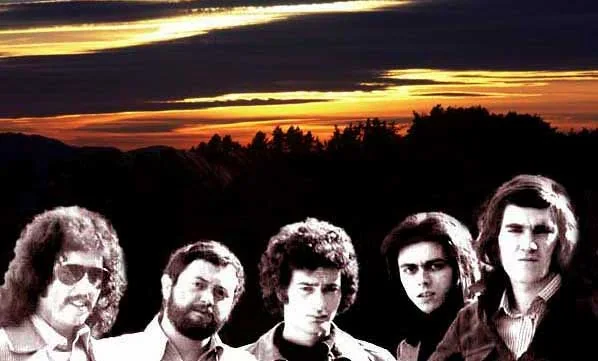
One 1973 album, a towering Mellotron sound and a reputation that refused to disappear.
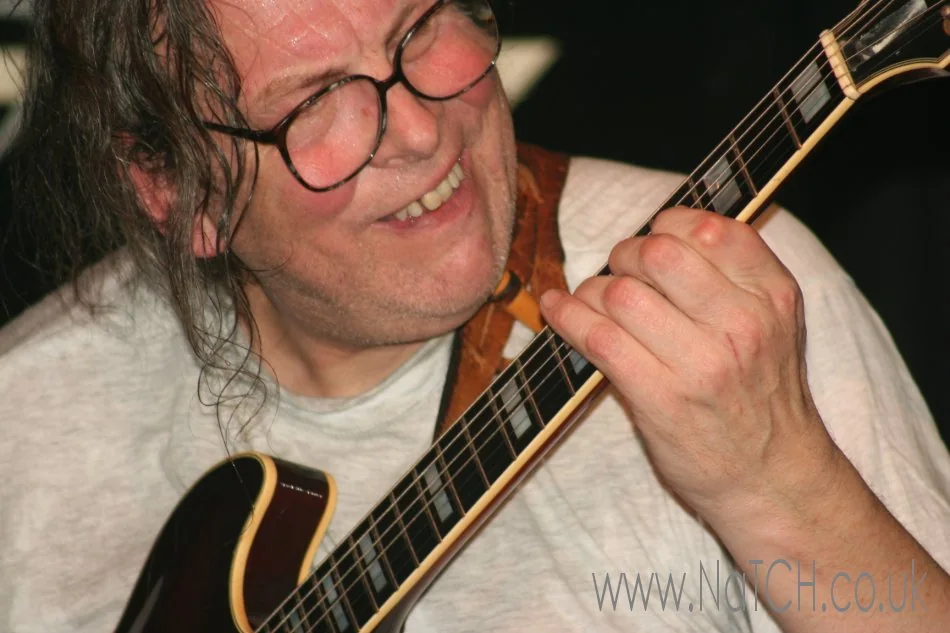
The Canterbury scene’s late, intricate flowering.
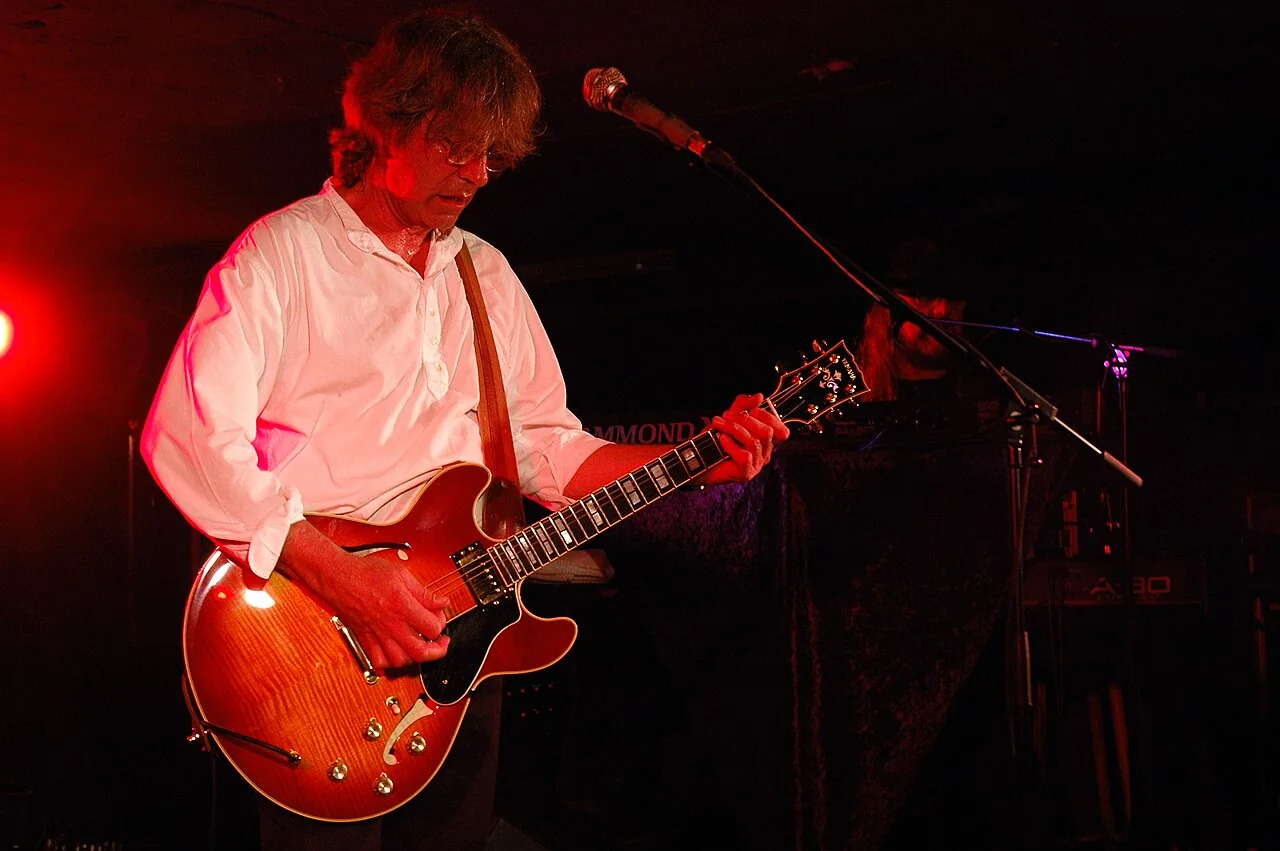
British musicians, German stages and albums designed as light shows.
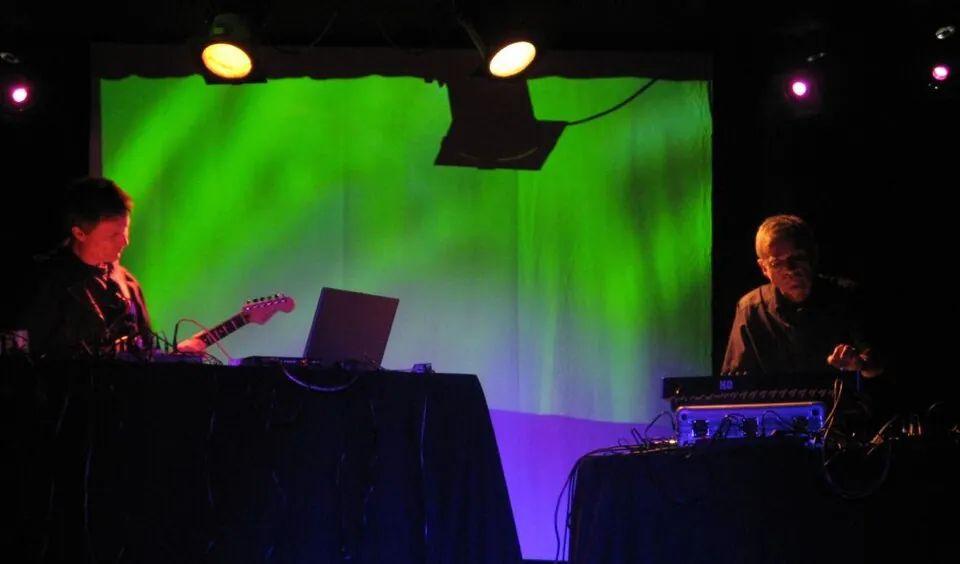
Two contrasting musicians, three Brain albums, one radically durable pulse.
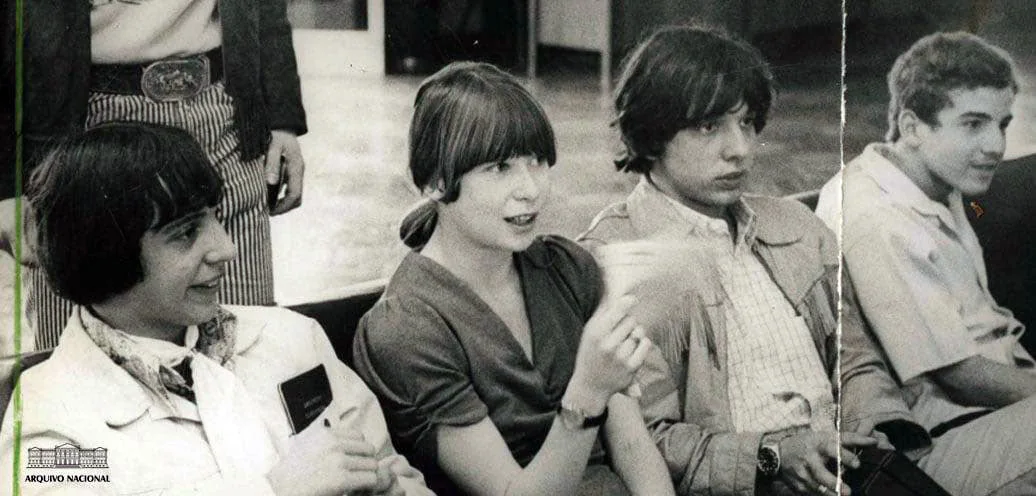
Brazilian song, electric invention and Tropicália’s irreverent theatre.
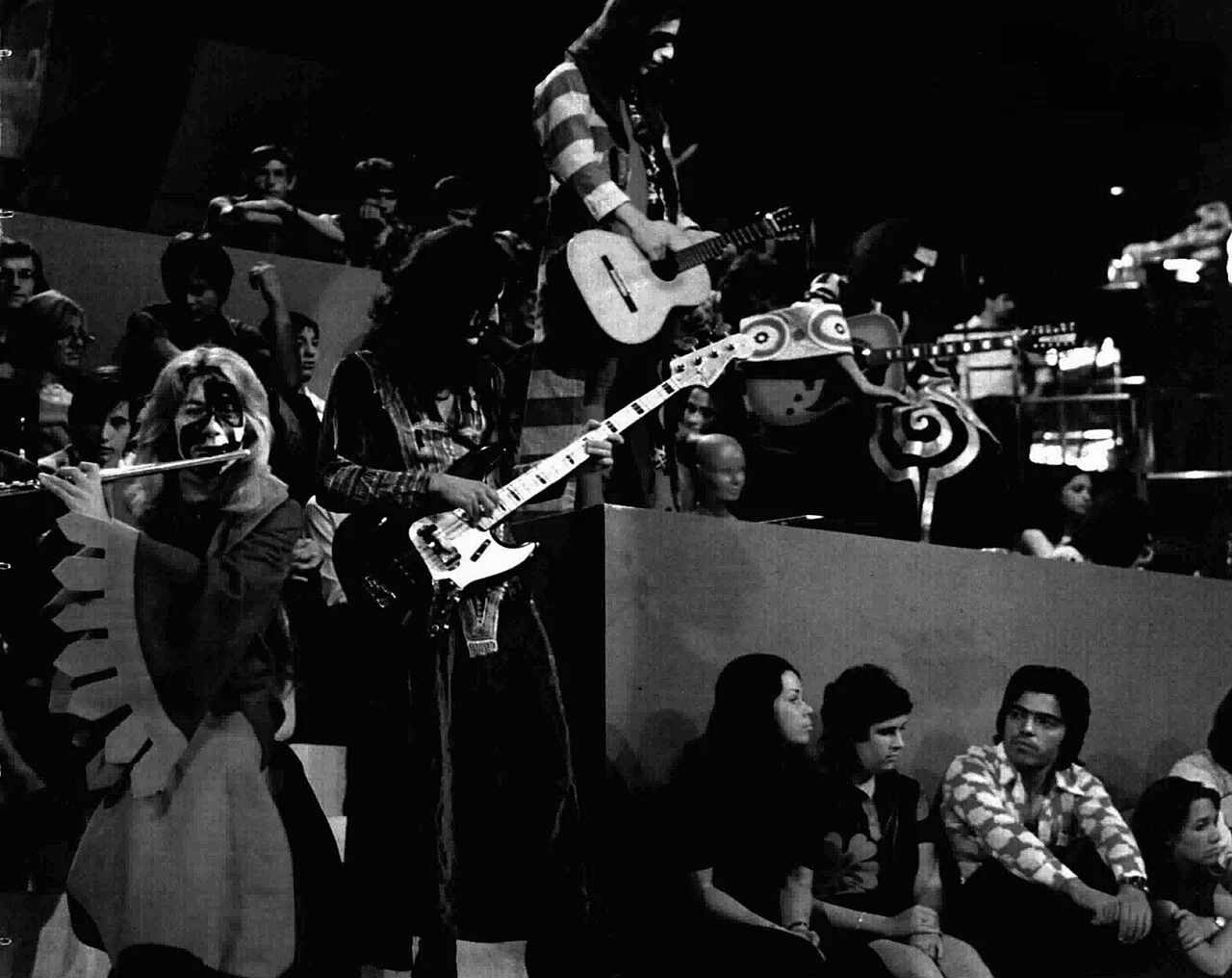
Neapolitan theatre, flute, heavy guitar and Mediterranean heat.
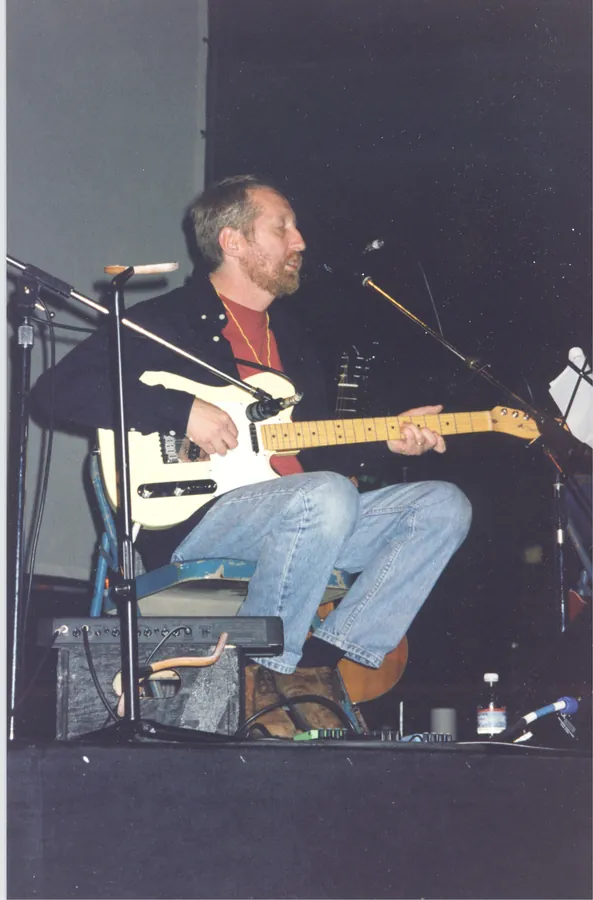
Florida folk songs enlarged by tape, chamber colour and Tom Rapp’s unsparing writing.
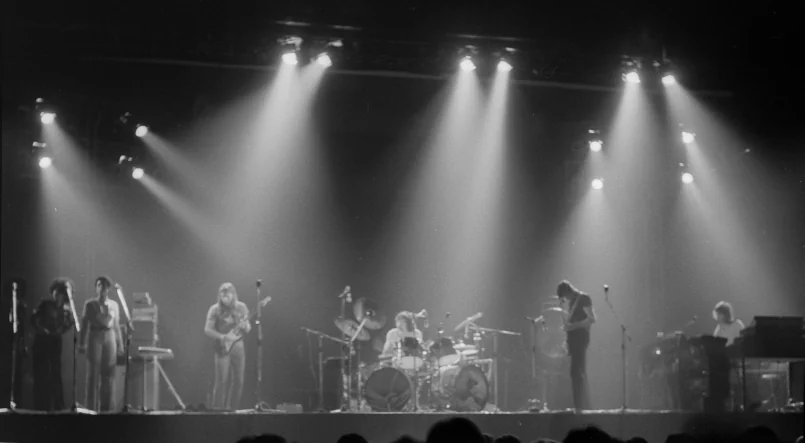
From London psychedelia to studio-built concept albums and monumental live sound.
From Moog electronics to acoustic devotion and cinema.
Modern progressive rock built from studio depth, restraint and controlled impact.
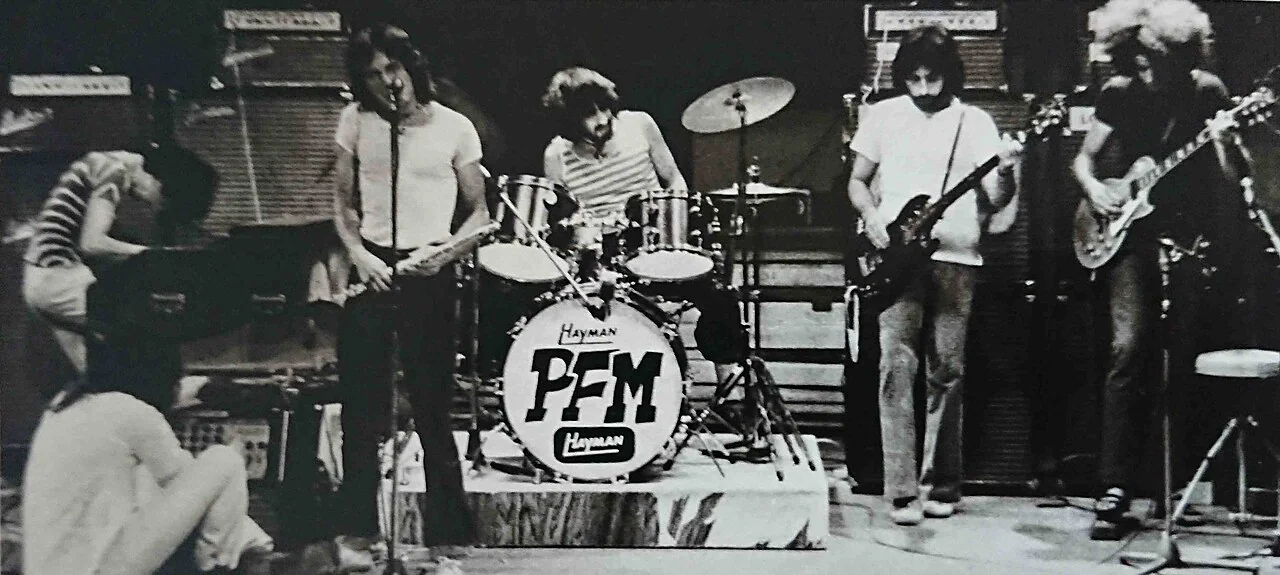
Italian symphonic prog in constant motion.
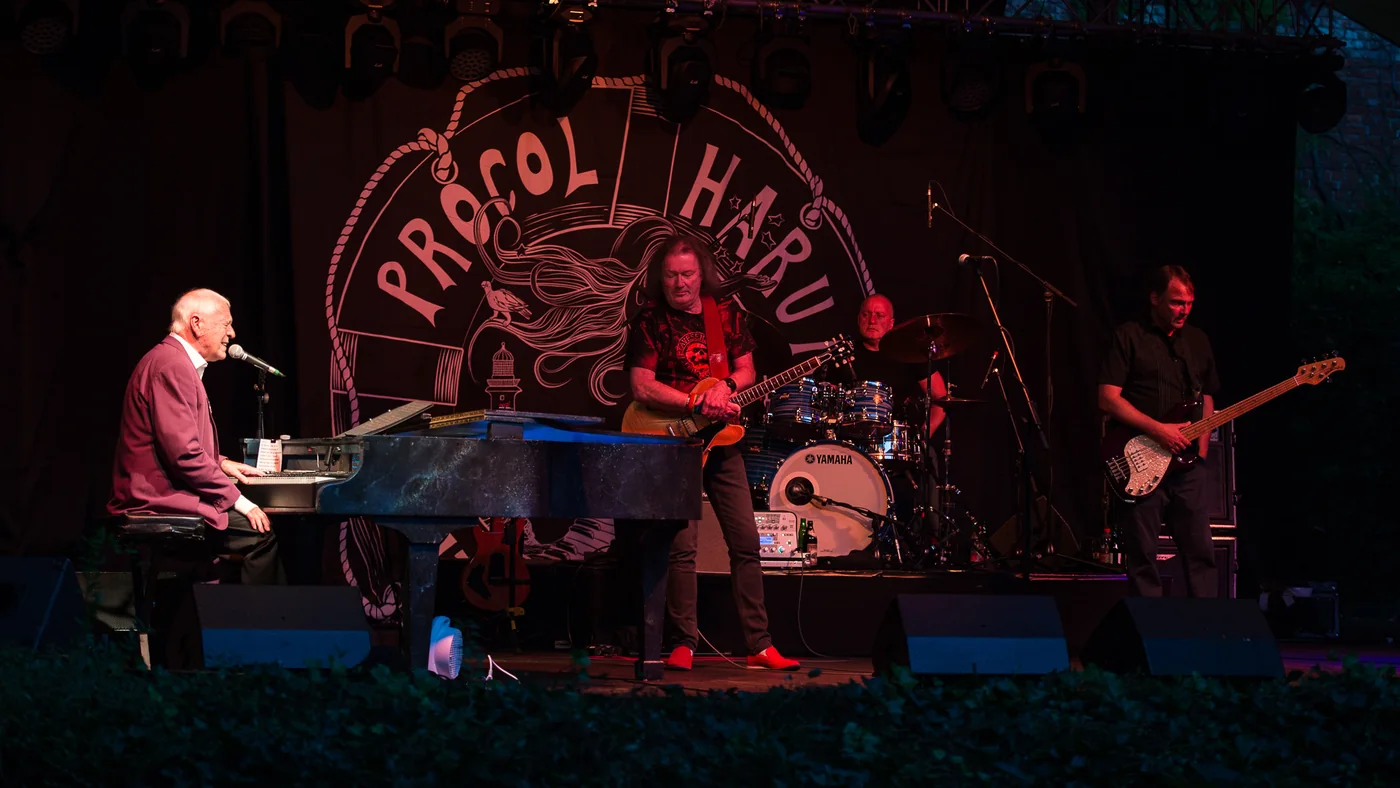
Soulful songs, cathedral organ and orchestral ambition without easy grandeur.
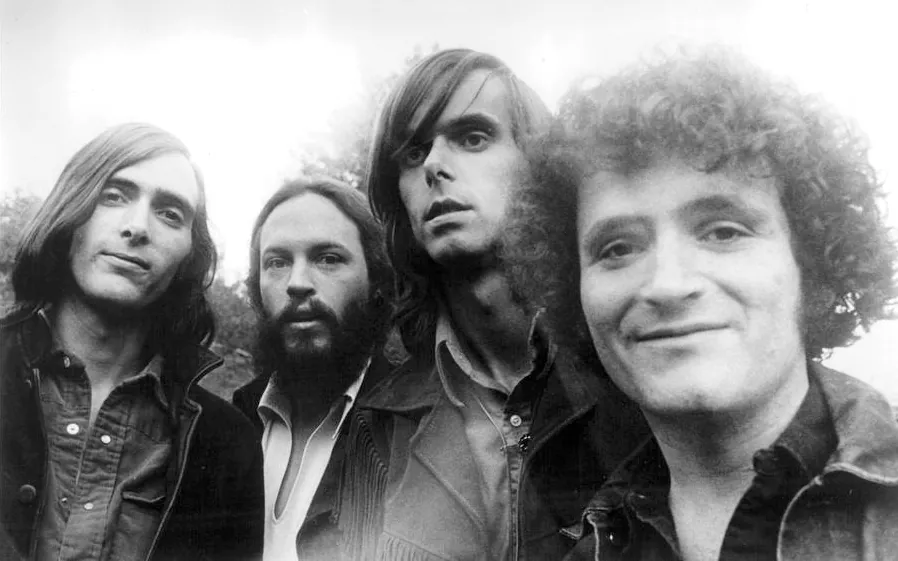
Twin guitars in motion: sharp tremolo, open space and collective improvisation.
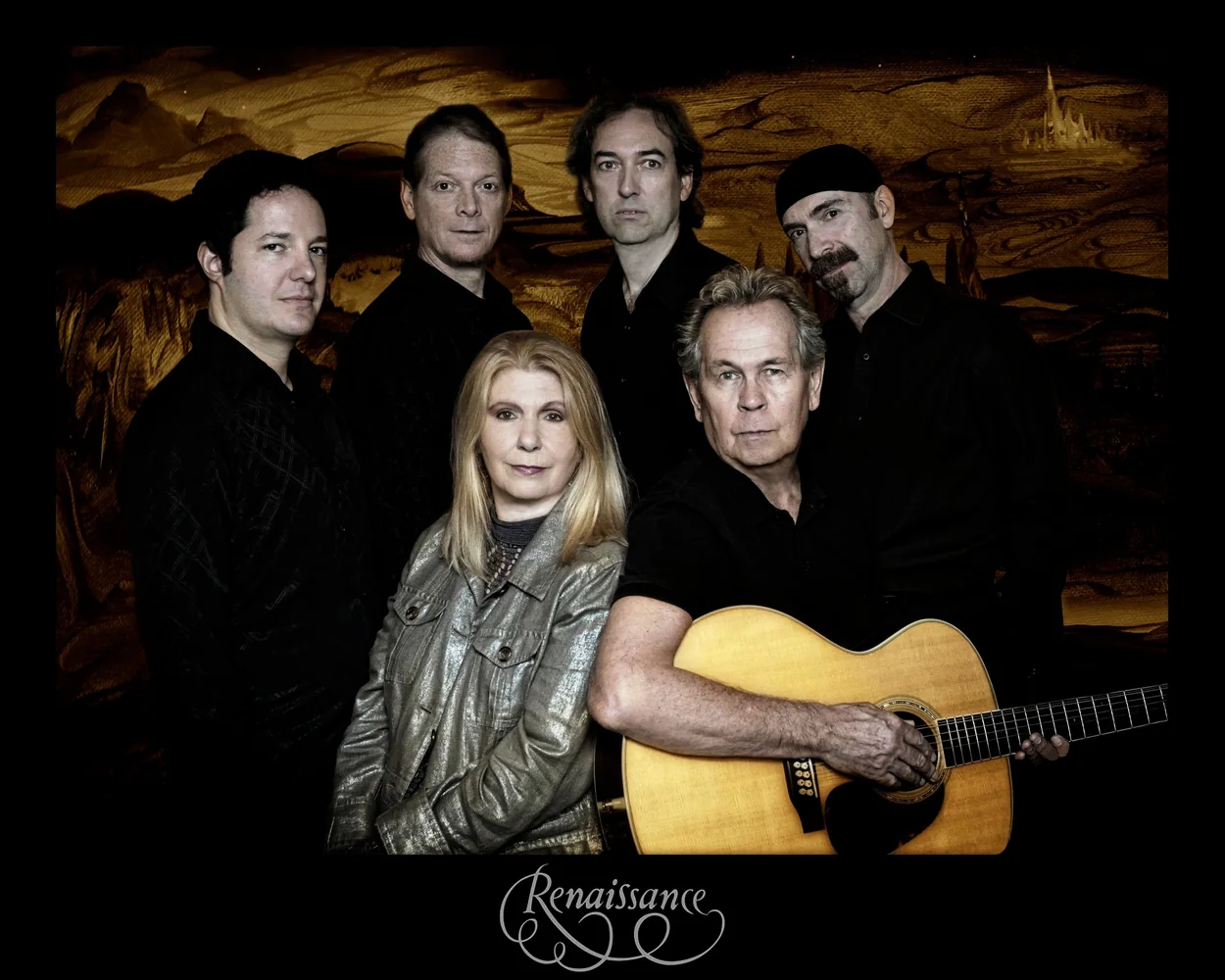
Acoustic songcraft, orchestral scale and a voice built for long melodic arcs.
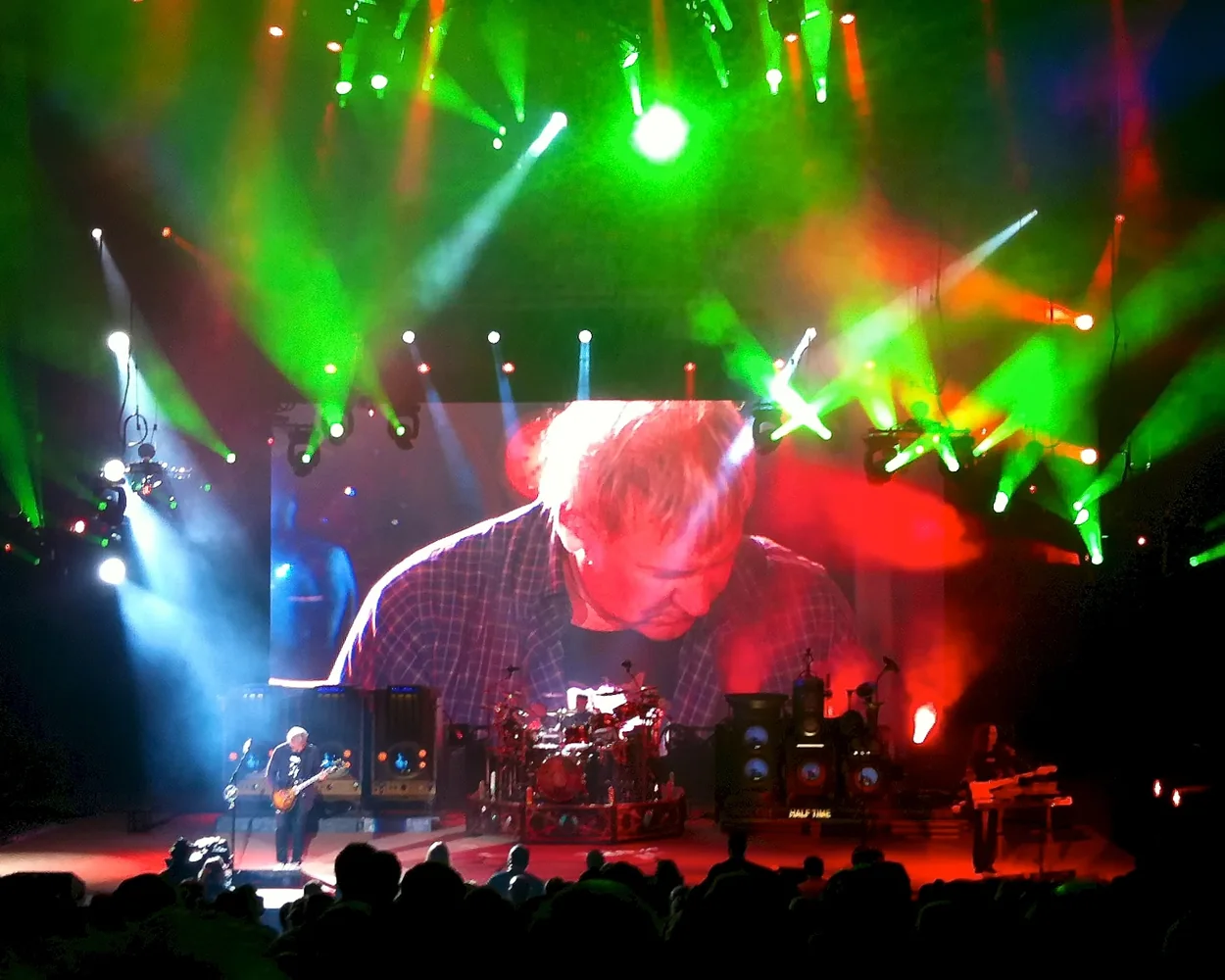
A power trio that kept changing the scale, technology and grammar of its songs.
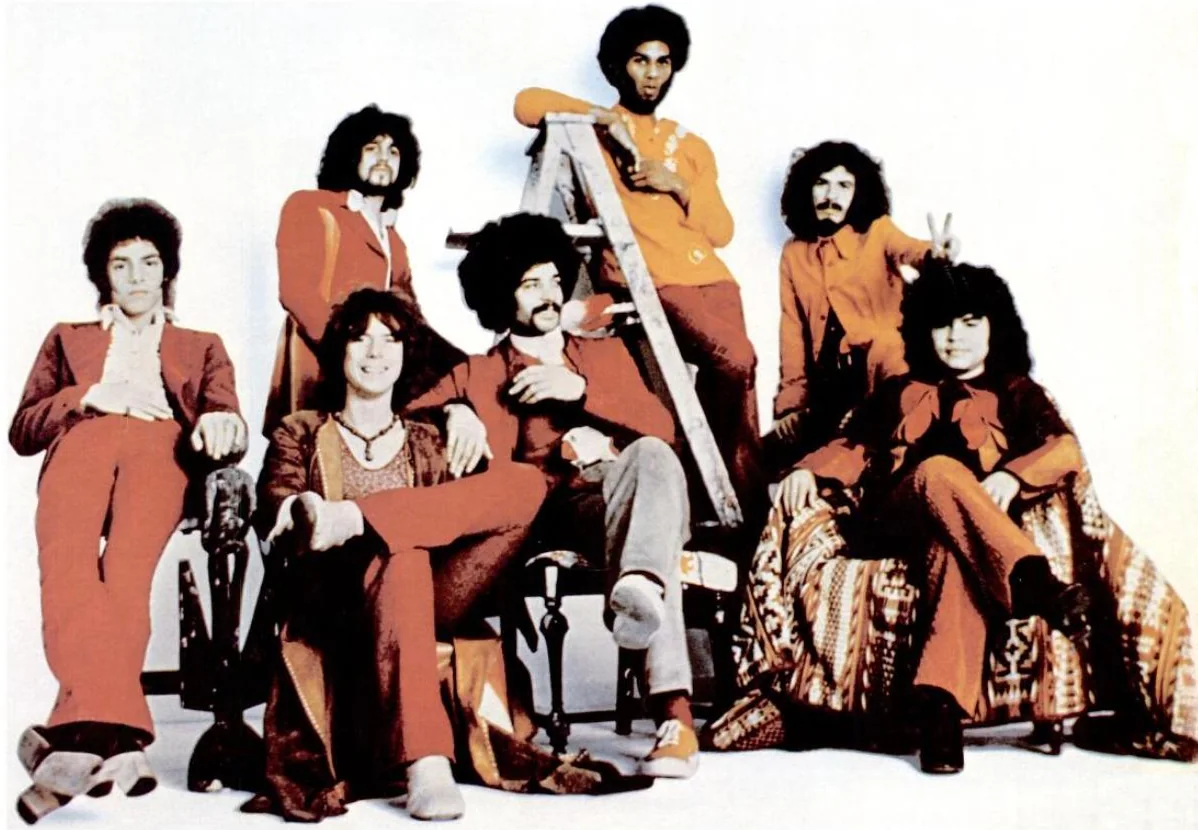
Psychedelic guitar carried by congas, clave and collective rhythm.
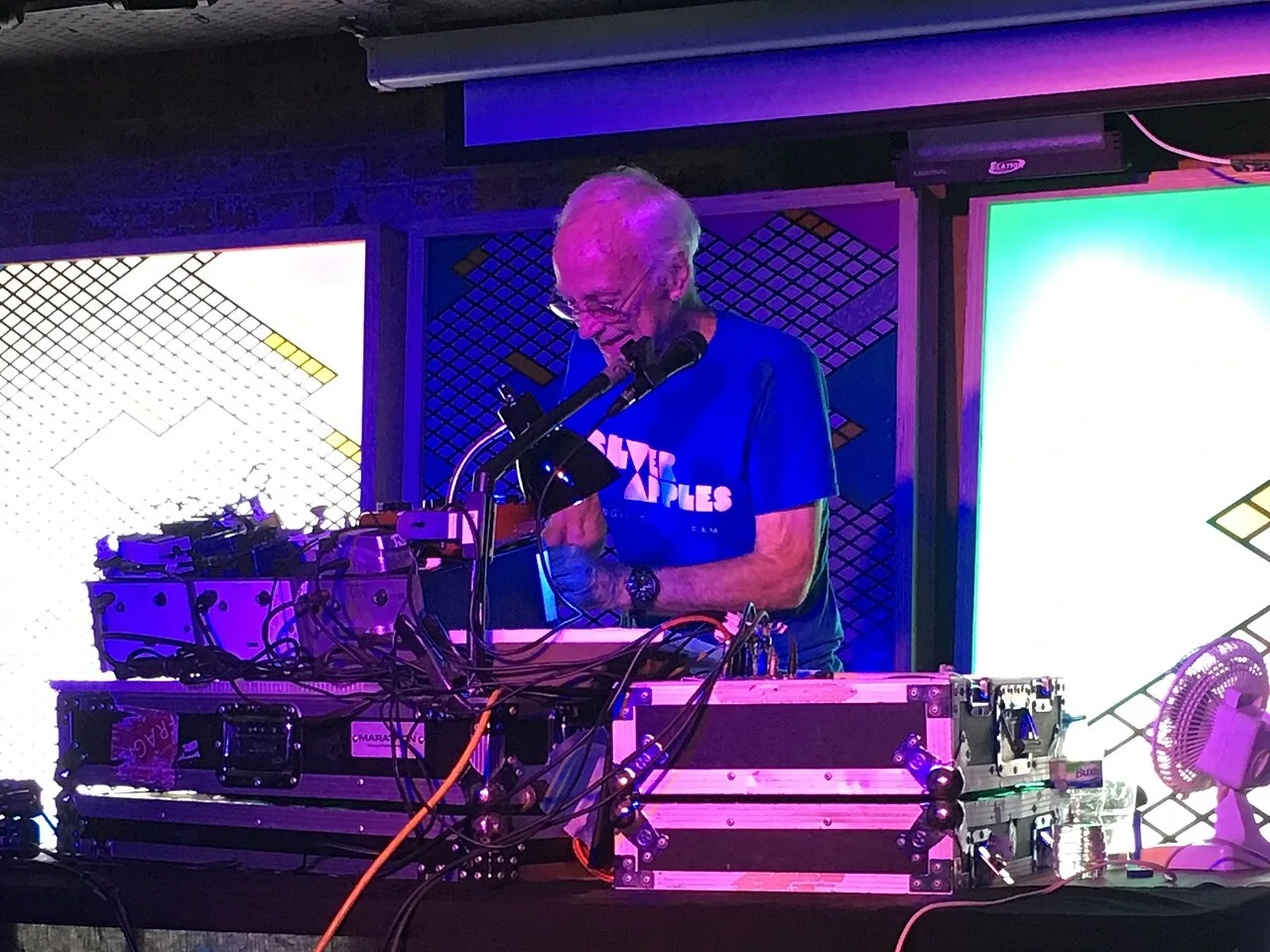
Oscillators, pulse and drums before electronic rock had a roadmap.
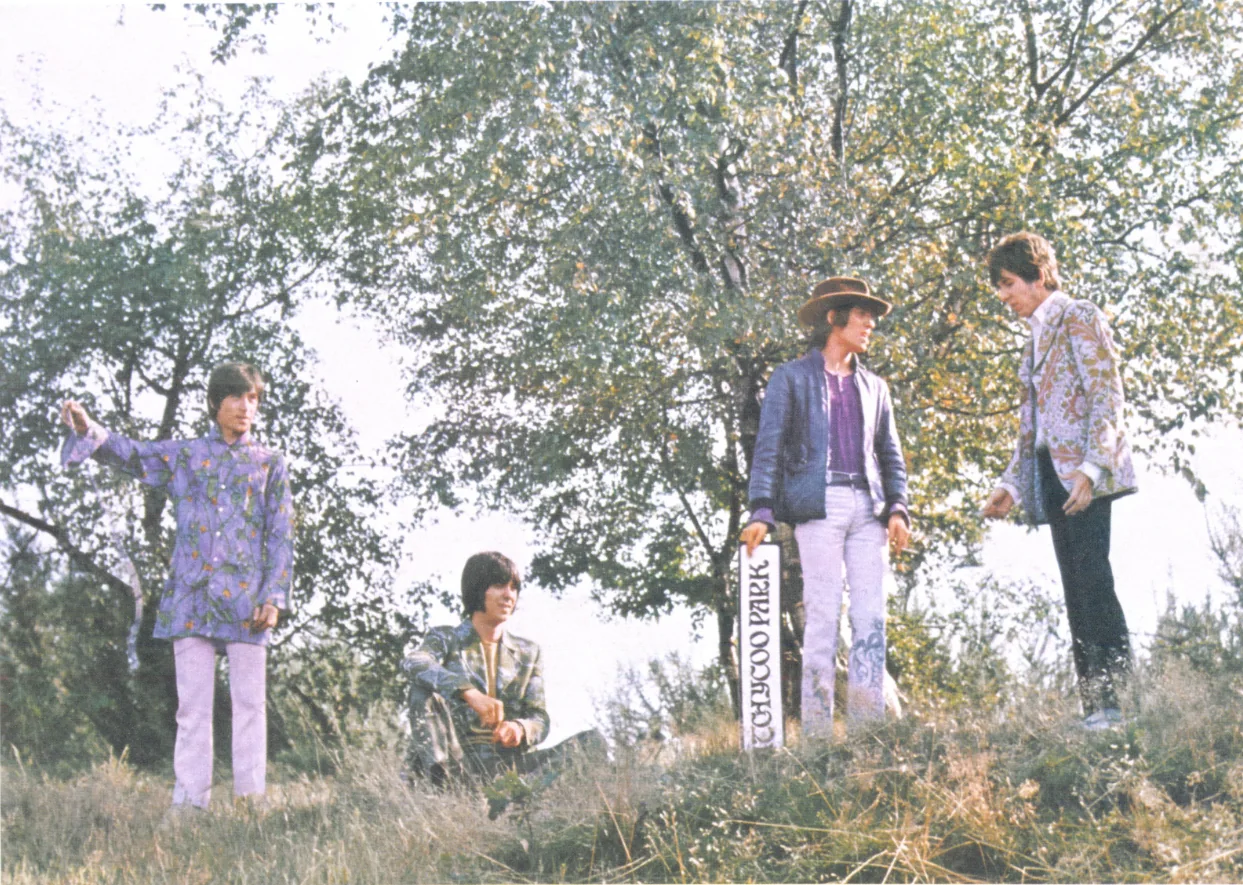
East London soul exploding into a miniature psychedelic universe.
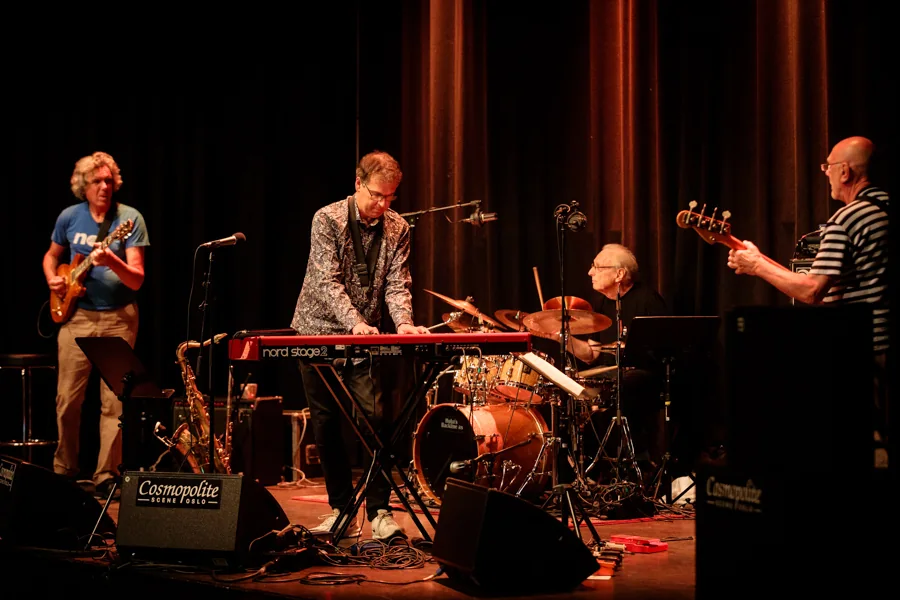
From psychedelic song suites to electric jazz, with the personnel changing as quickly as the music.
Kaleidoscopic, cinematic, and criminally underheard.
The band that helped American symphonic prog restart its engine.
Bright harmonies, fuzz guitar and the strange aftertaste of incense.
English folk memory rebuilt with Mellotron and electricity.
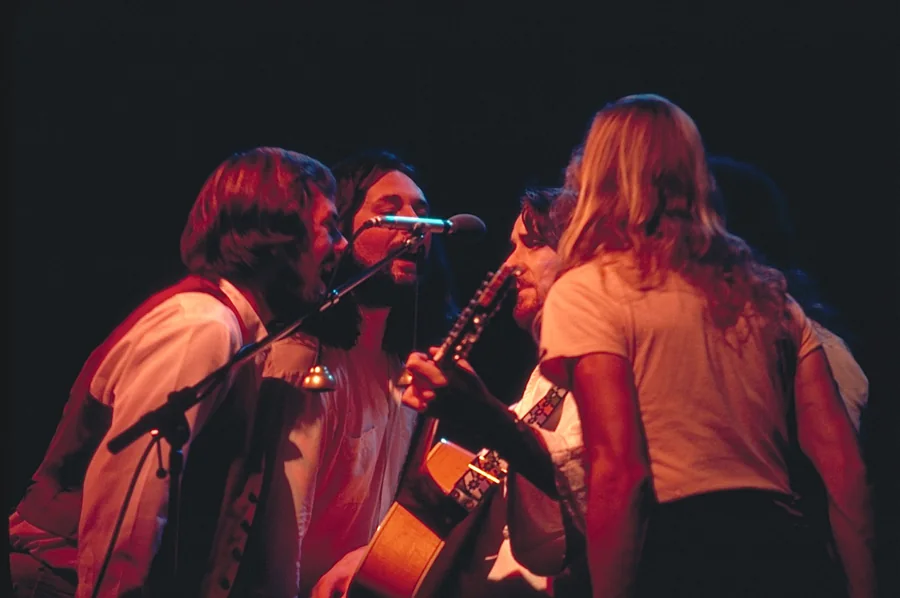
Pop polish on a progressive frame.
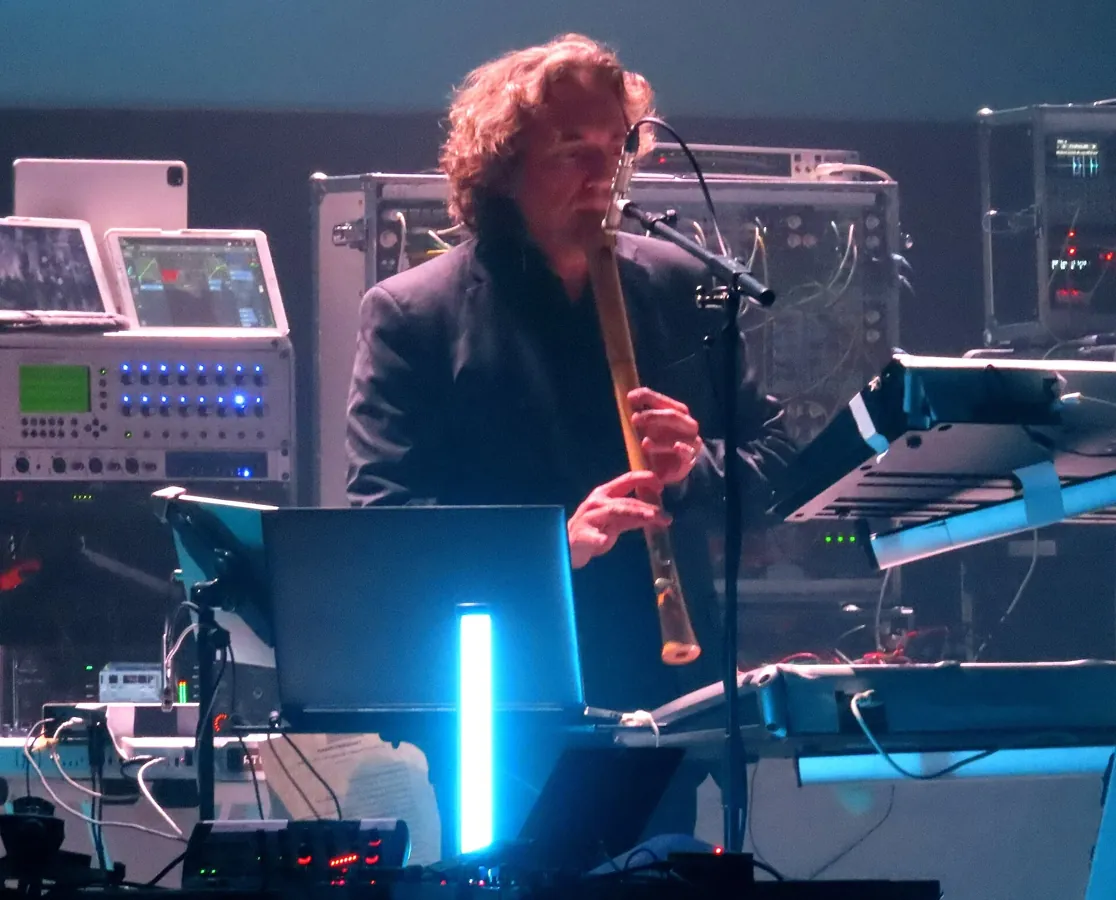
The architects of the synthesiser landscape.
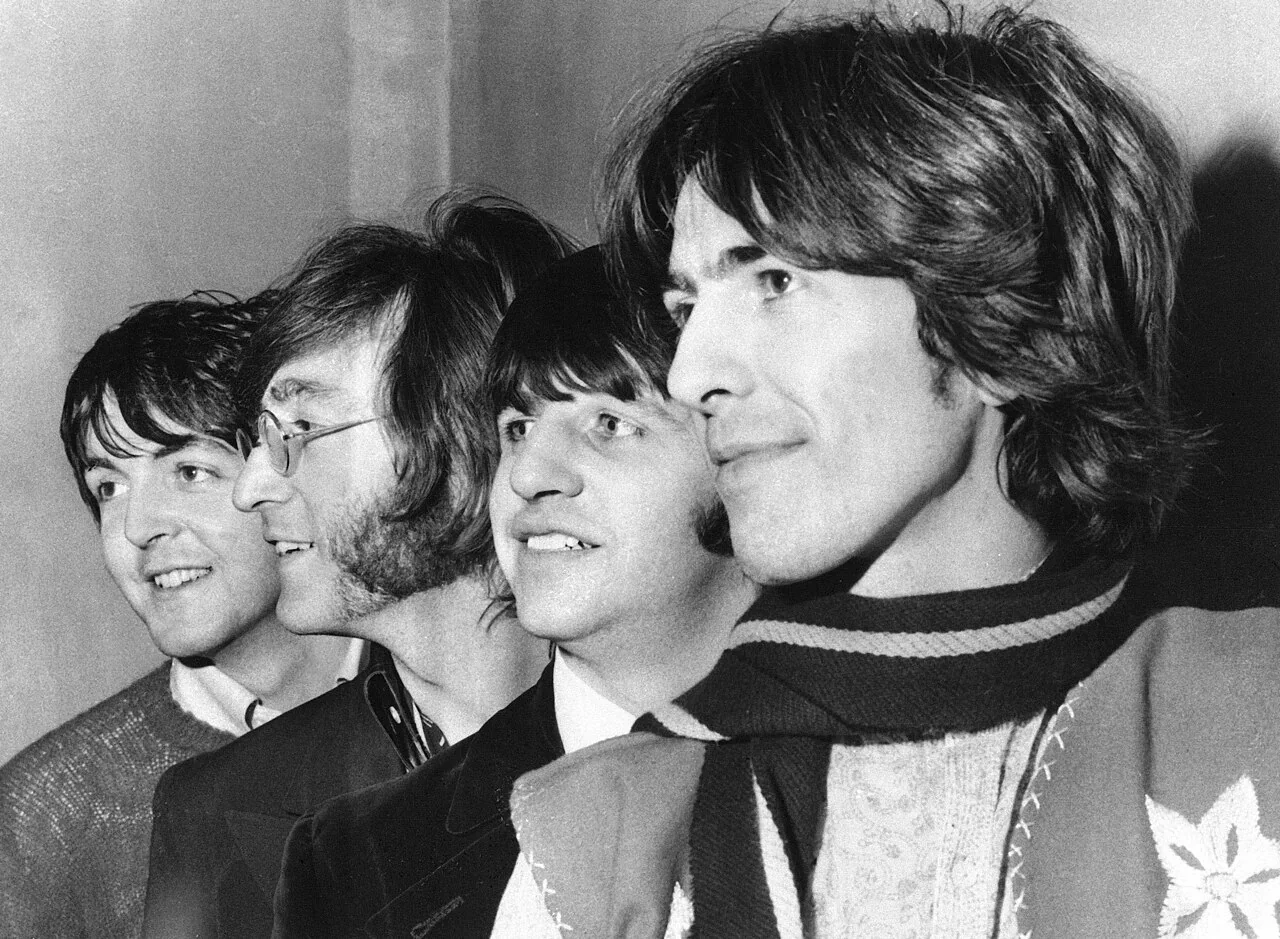
The world’s largest pop band turning the studio inside out.
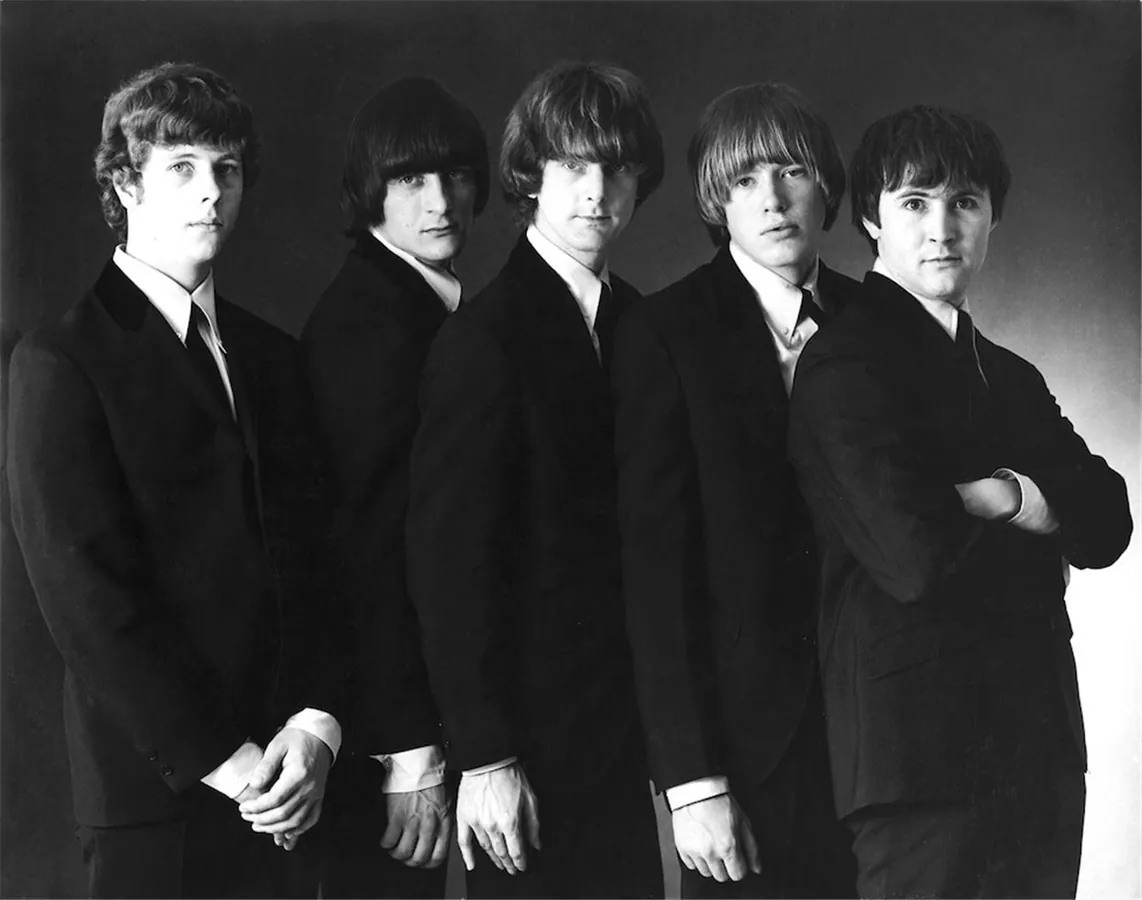
Twelve-string guitar, close harmony and a catalogue that kept changing direction.
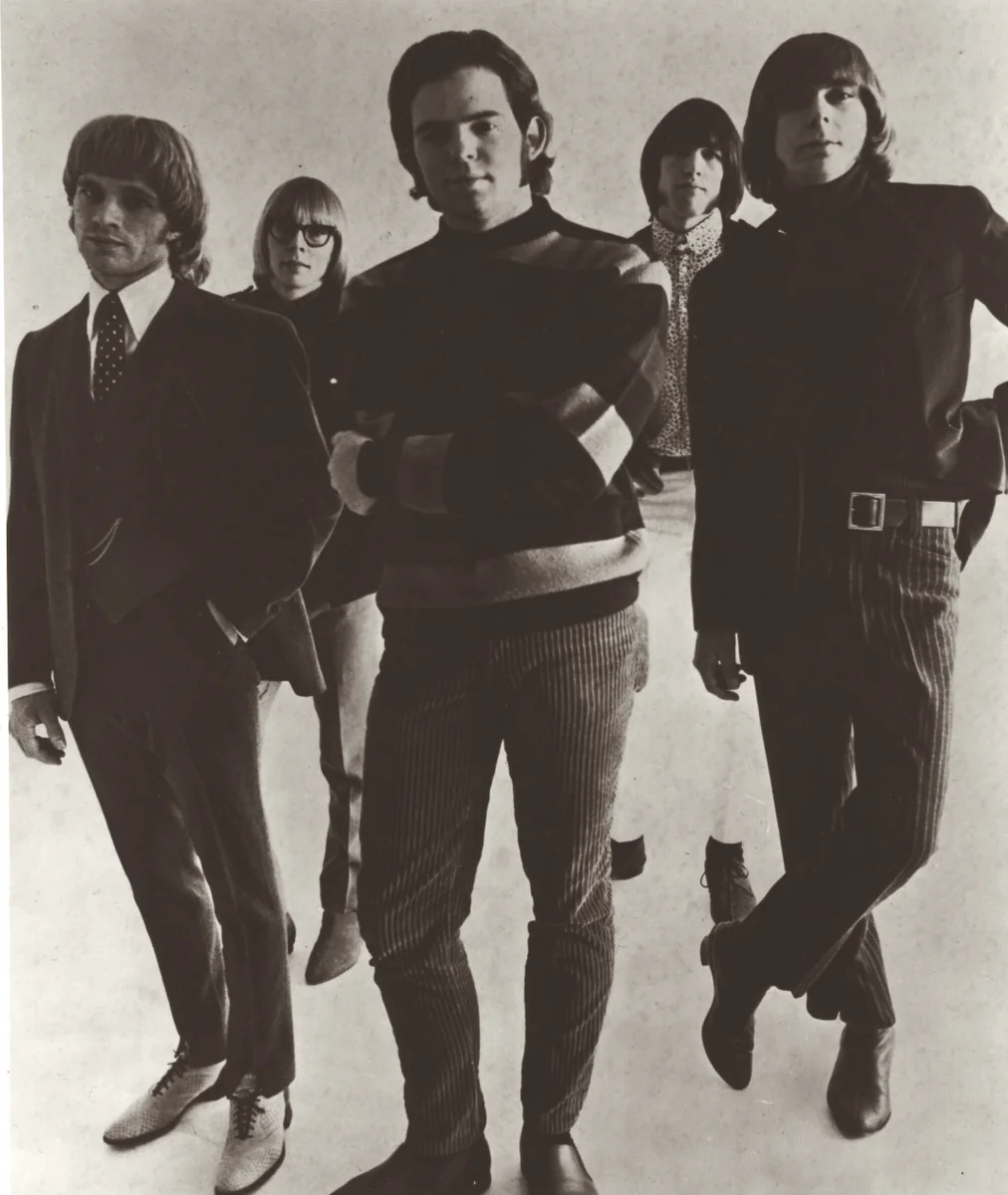
A South Bay garage band whose records never tell just one lineup's story.
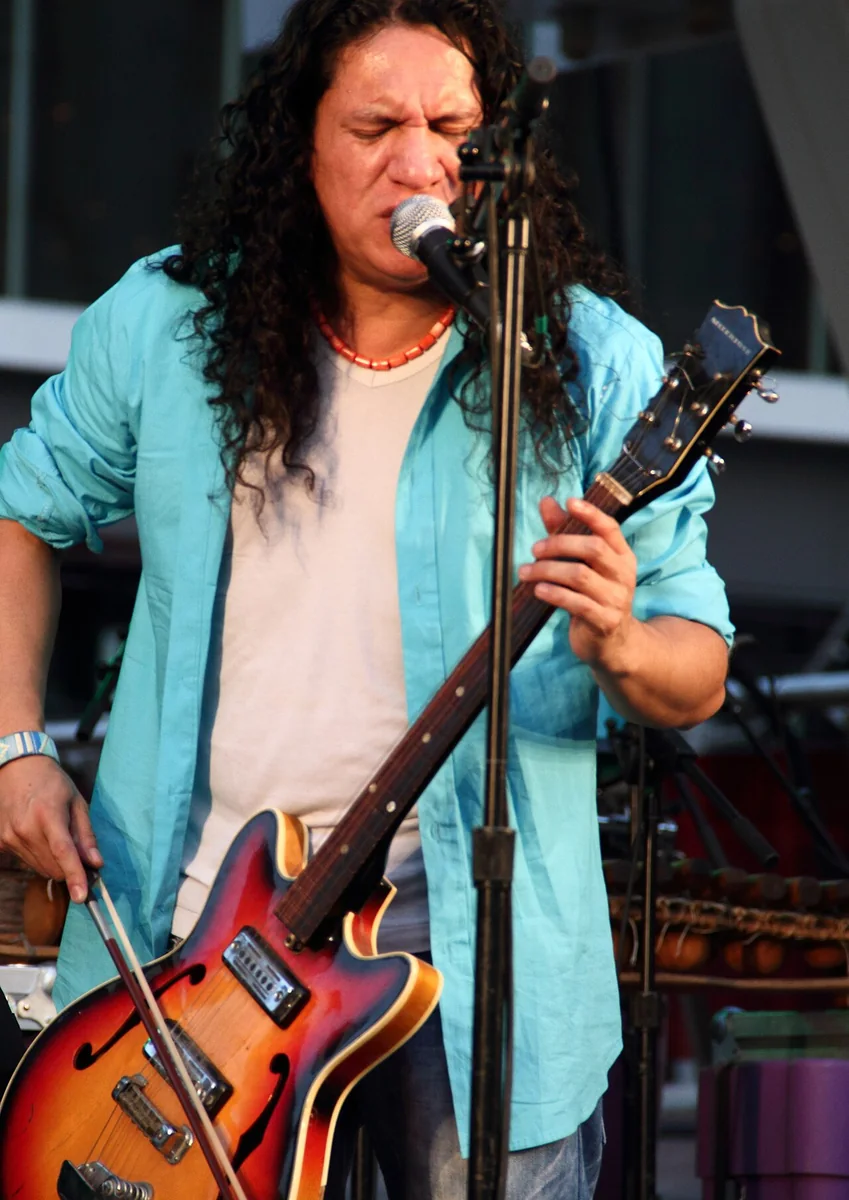
Compressed freakbeat singles, bowed guitar and Pop Art staged at club volume.
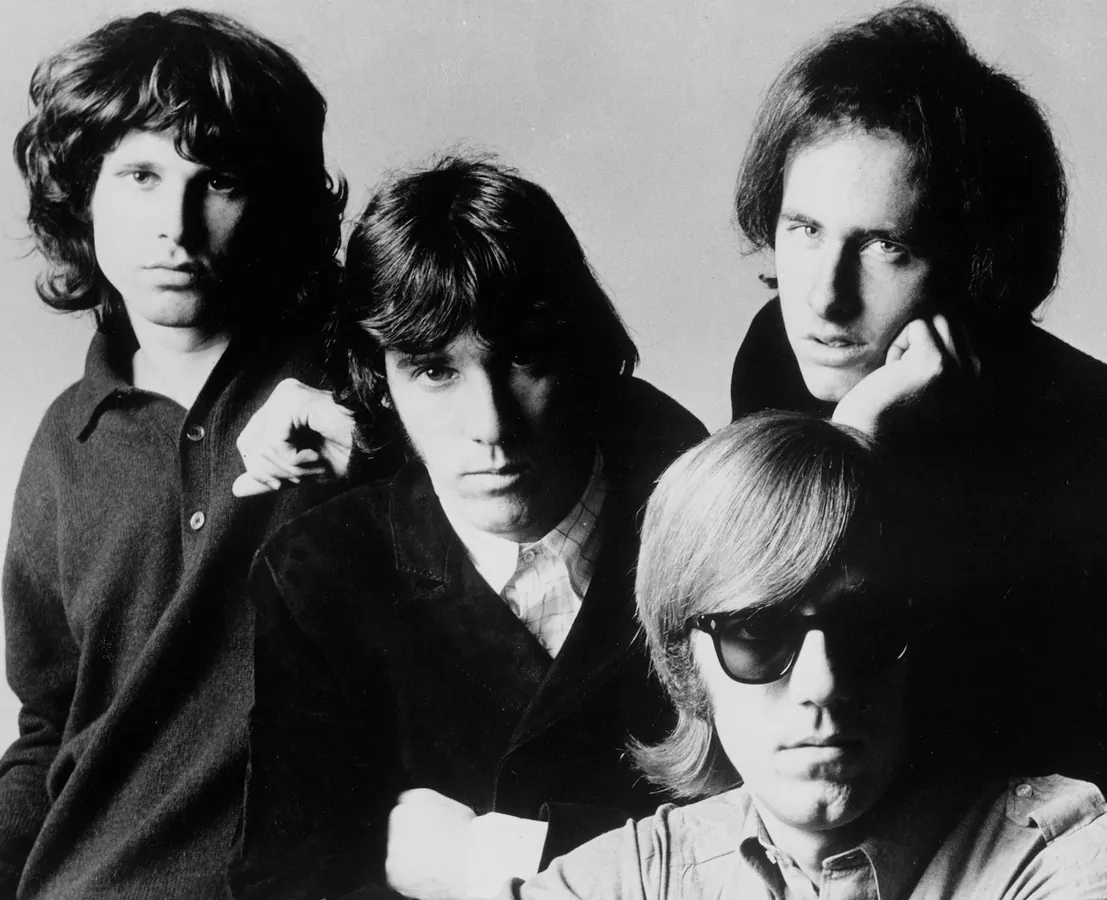
Poetry, organ bass, jazz dynamics and blues shaped into a distinctly Los Angeles sound.
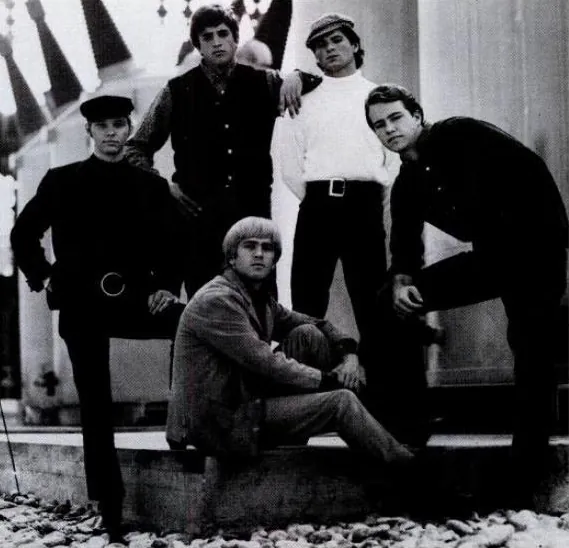
Fuzz, tremolo and studio experimentation — followed by one of psychedelia's sharpest identity ruptures.
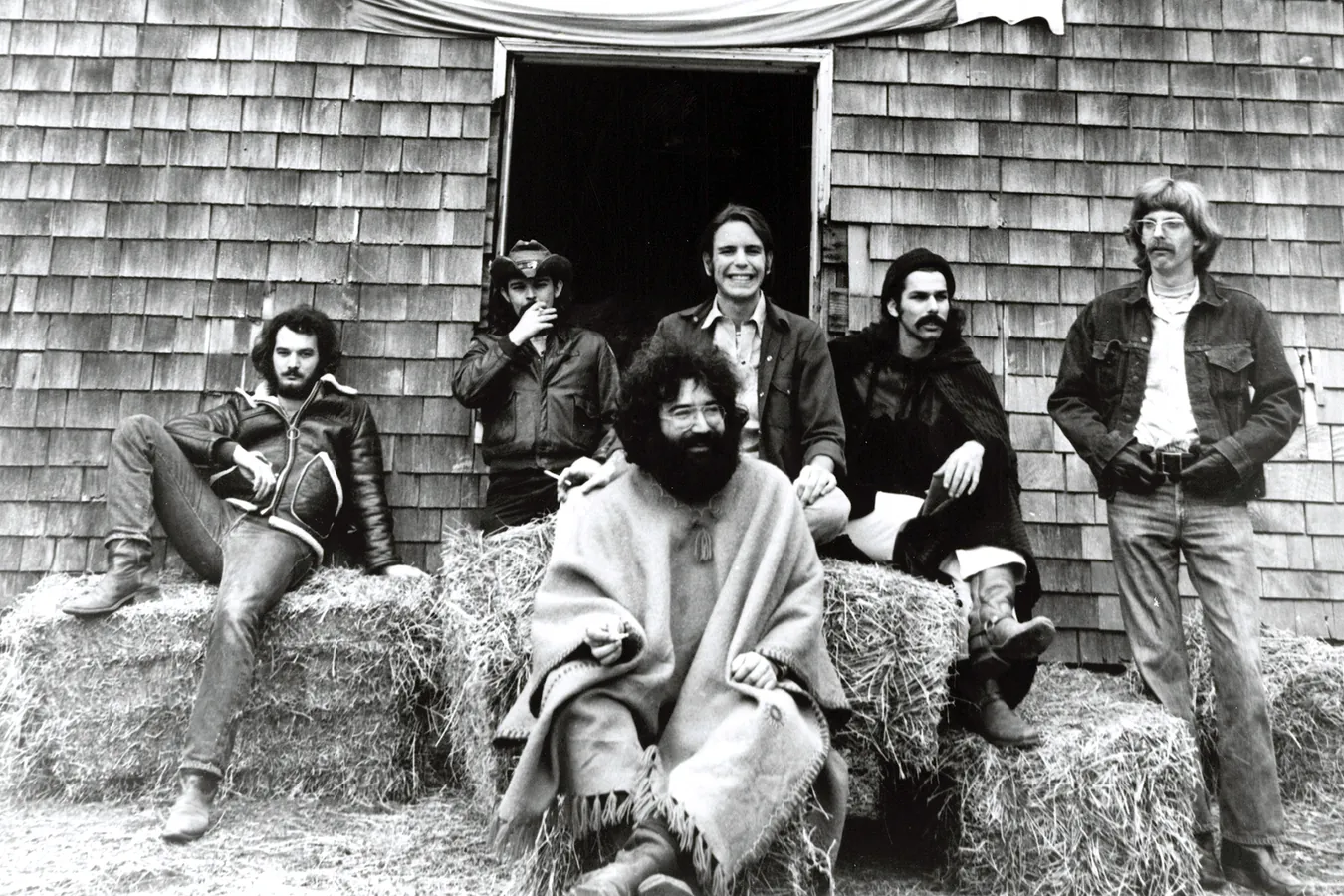
Not just a band — a way of life.
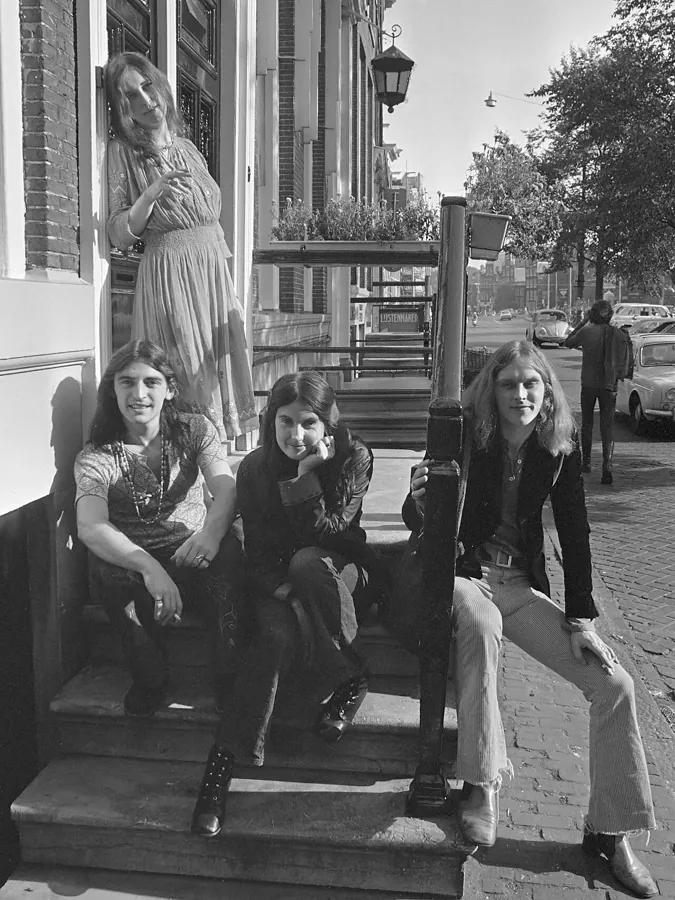
Folk music from a world that never existed.
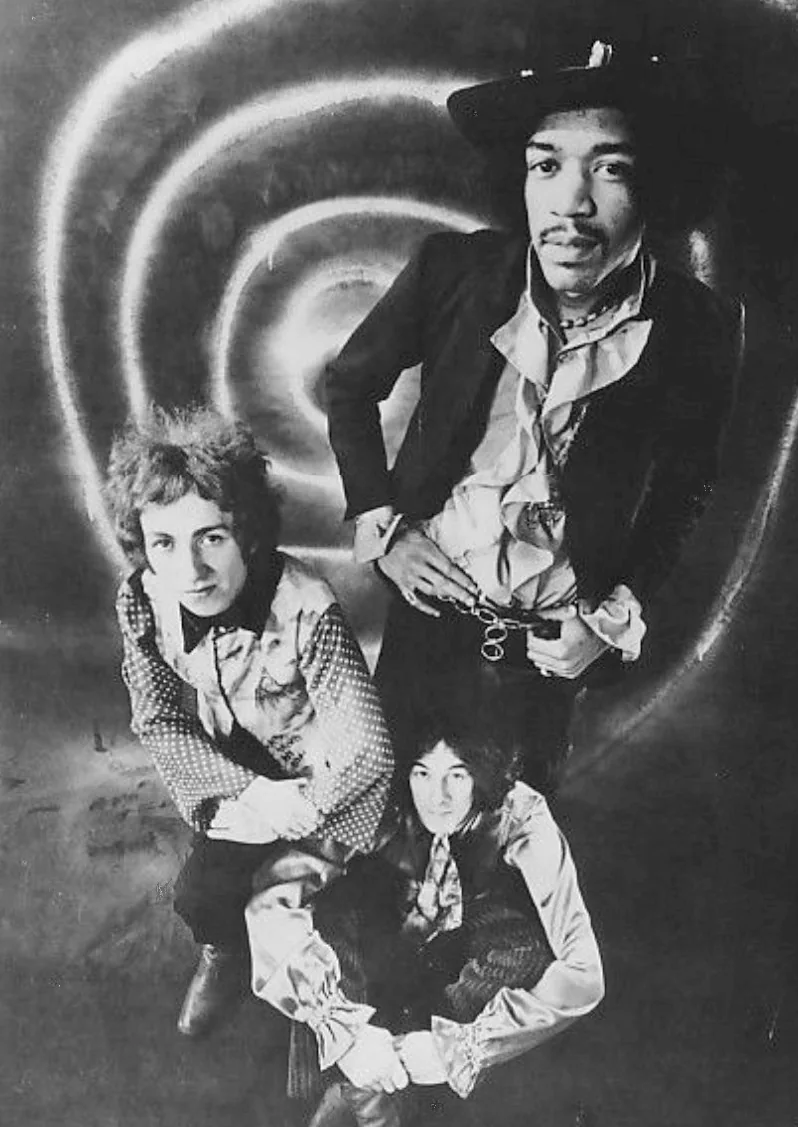
Electric guitar becoming weather, colour and architecture.
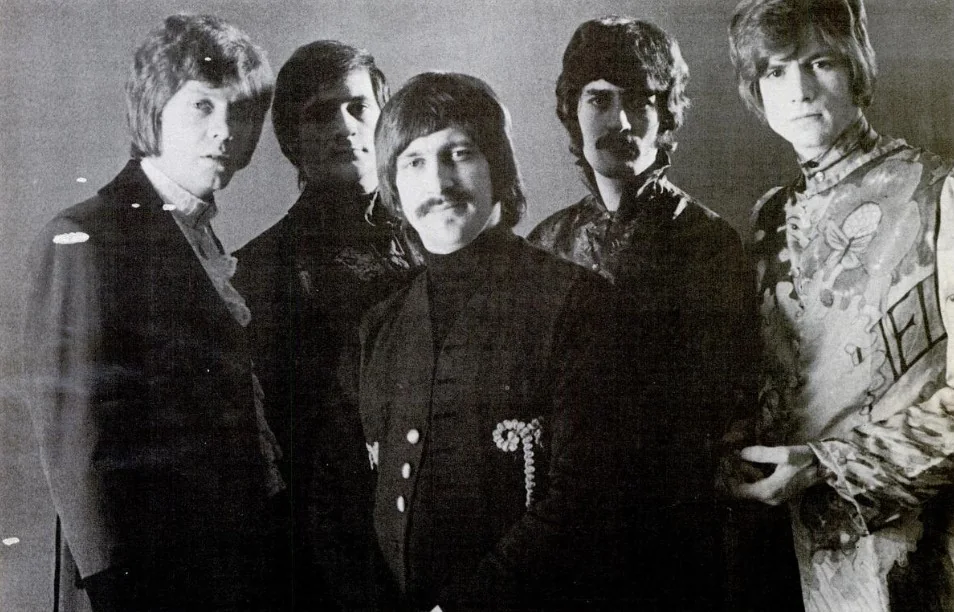
The album became a continuous dream before prog had a name.
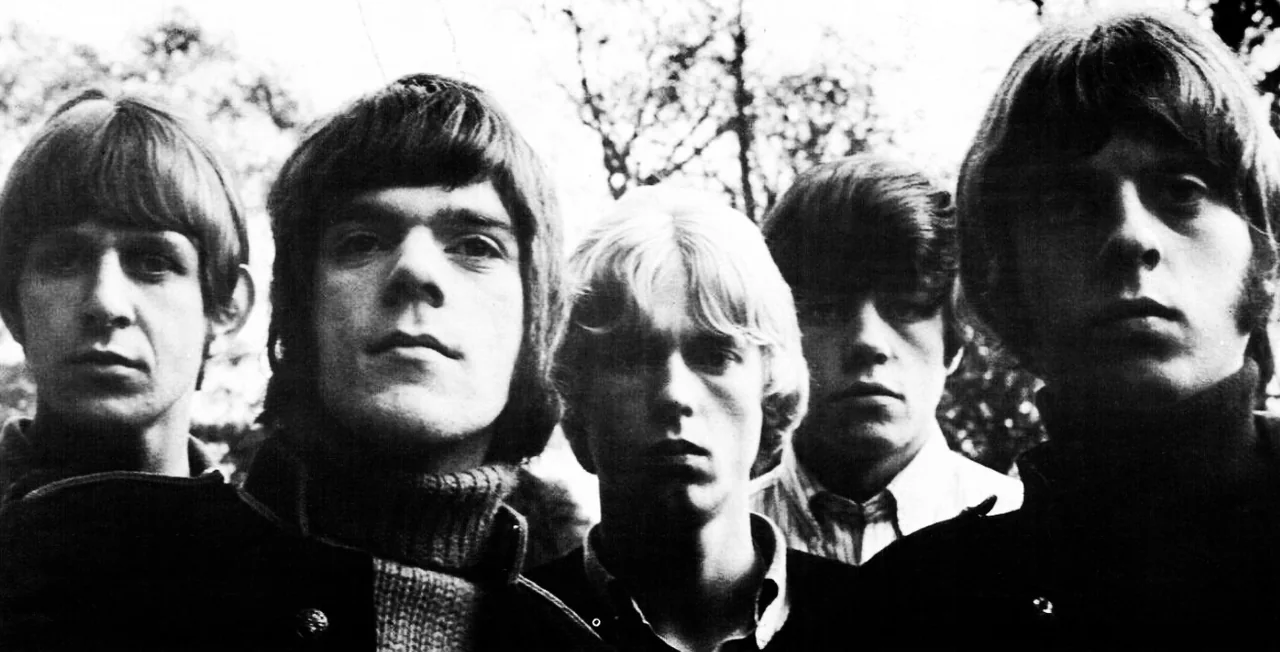
Brilliant British singles with a demolition crew hidden underneath.
Keith Emerson’s first attempt to make the organ larger than the stage.
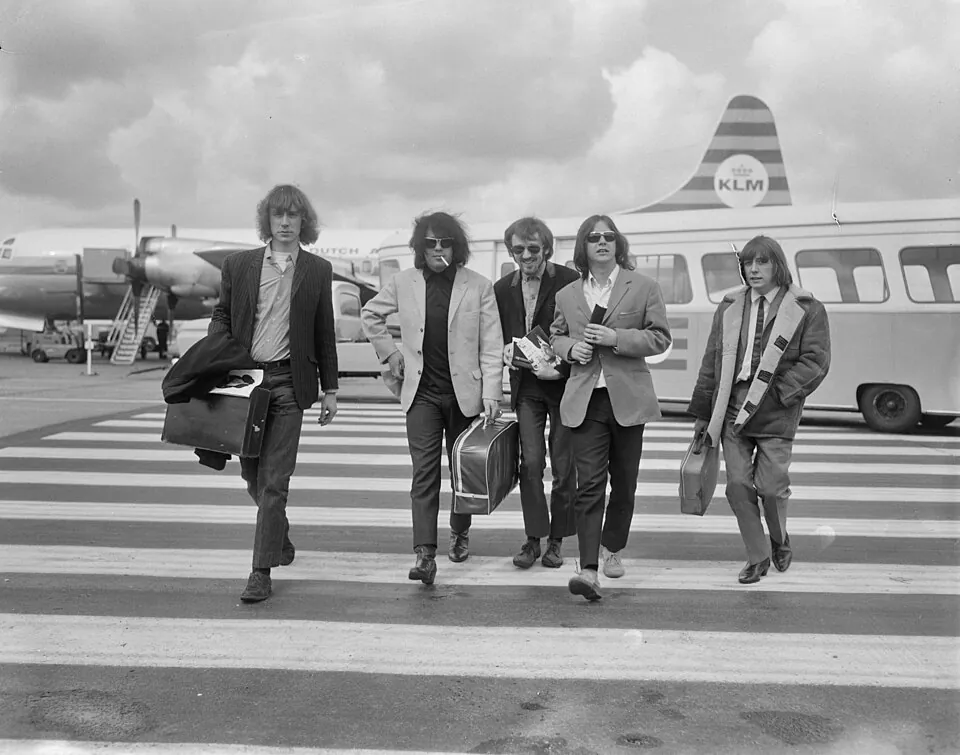
From ferocious R&B singles to one of British psychedelia's defining album narratives.
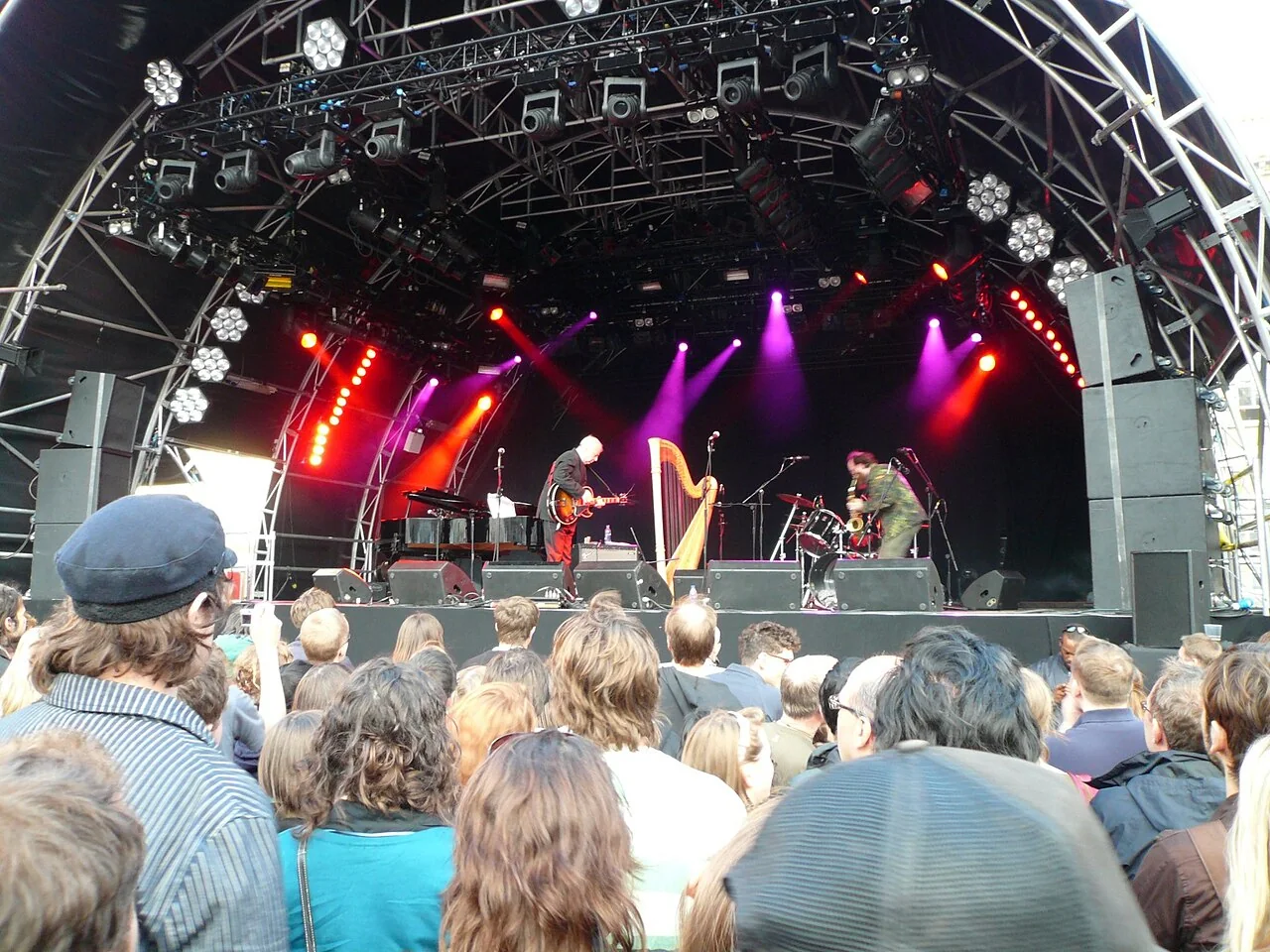
Texas psychedelia refusing to behave like rock music.
Two chords, Farfisa organ and absolute belief.
A perfect banned single and the flicker of British freakbeat becoming psych.
A guitarless rock group where written composition met live electronic processing.
Sunshine harmonies with a locked door somewhere inside them.
Quiet English psychedelia built from breath, harmony and suspended time.
Twelve months of pure London psychedelia.
English pastoral rock with a jazz soul.
Keyboard-led German prog with precision, speed and melodic discipline.
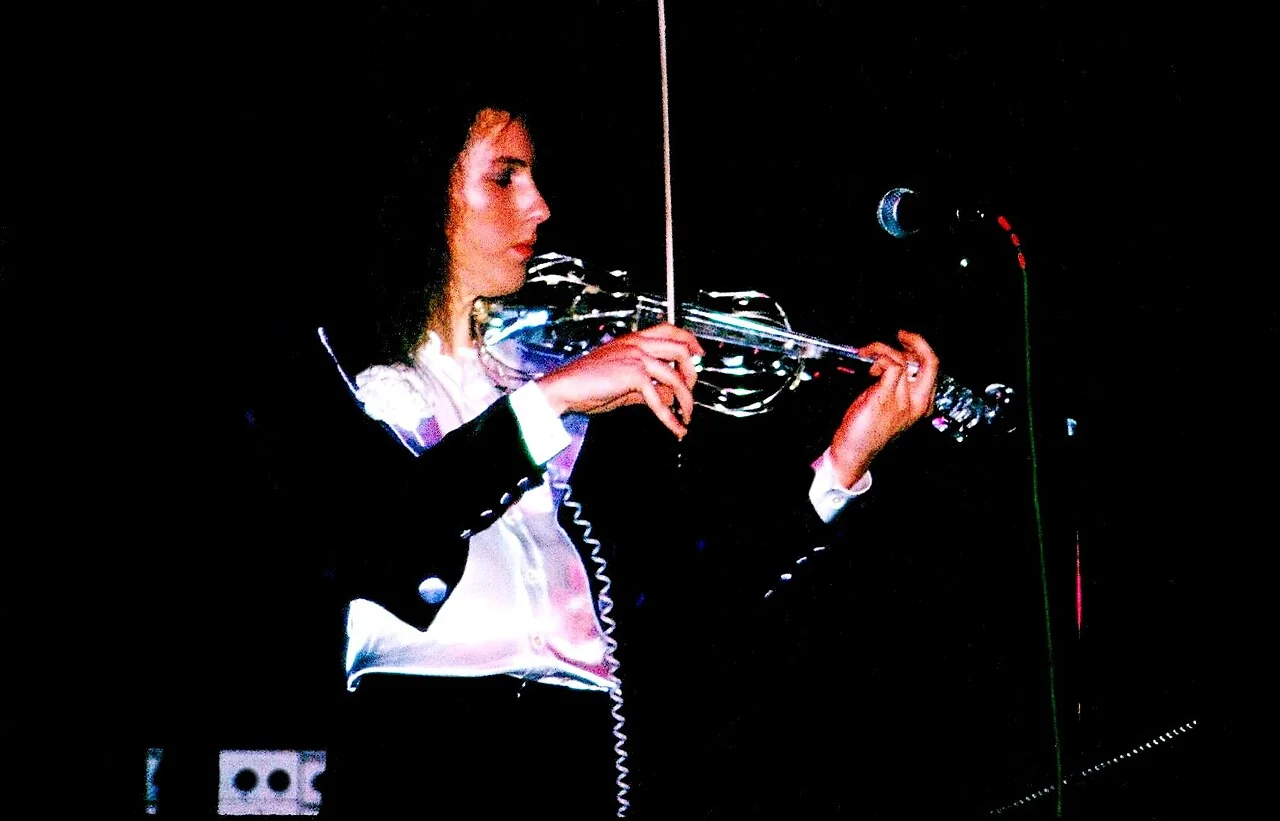
A late-1970s supergroup balancing precision with melody.
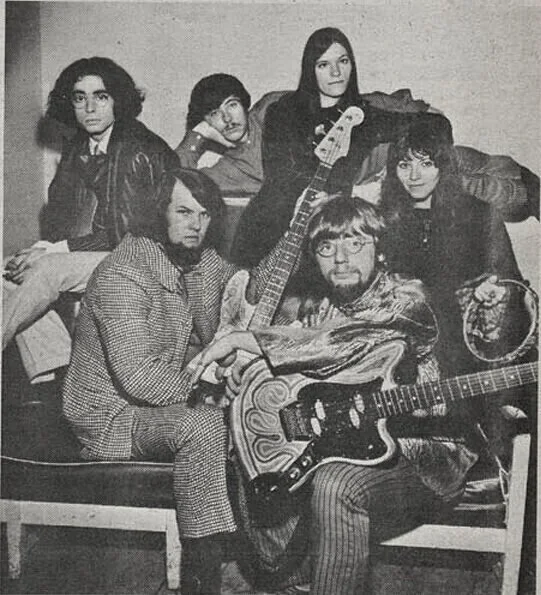
Boston psychedelia caught between genuine invention and manufactured hype.
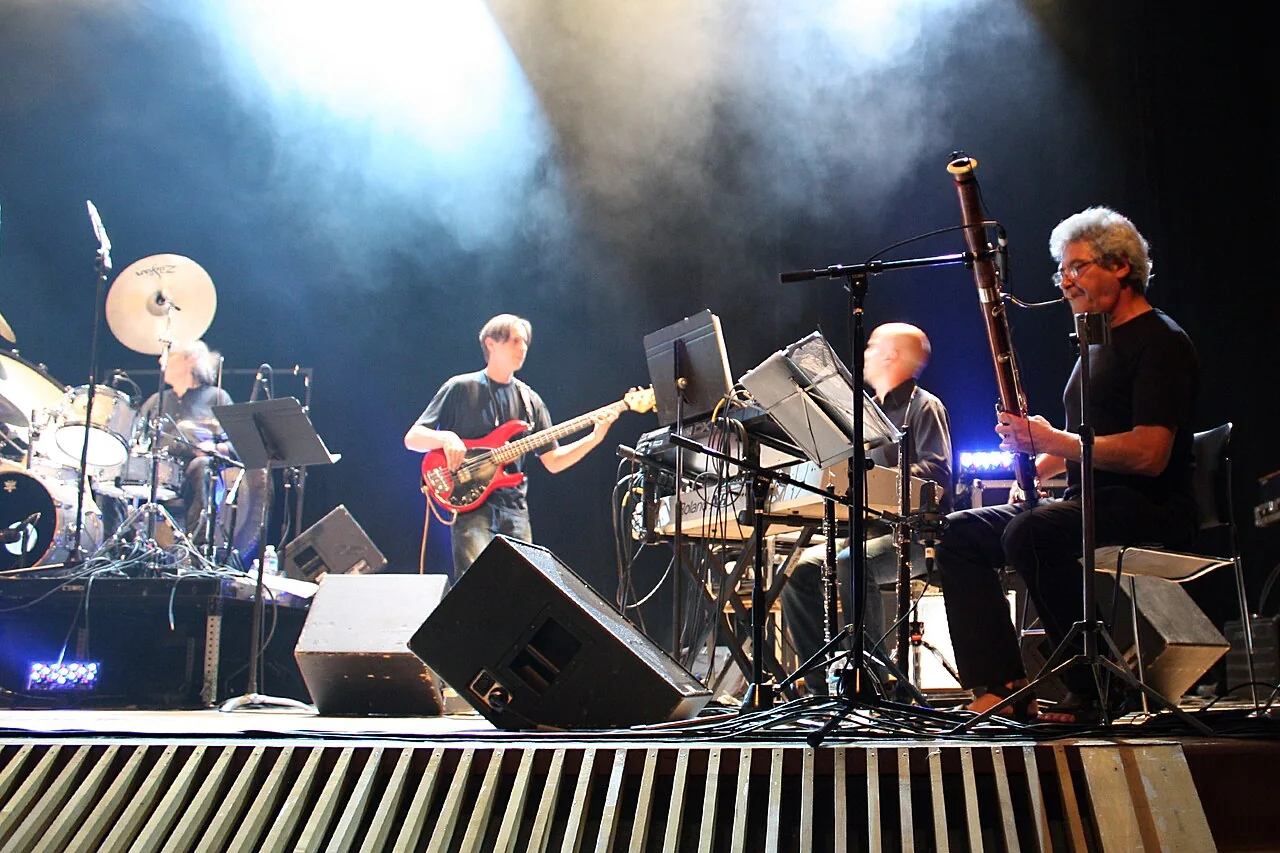
Rock instrumentation entering a dark European chamber.
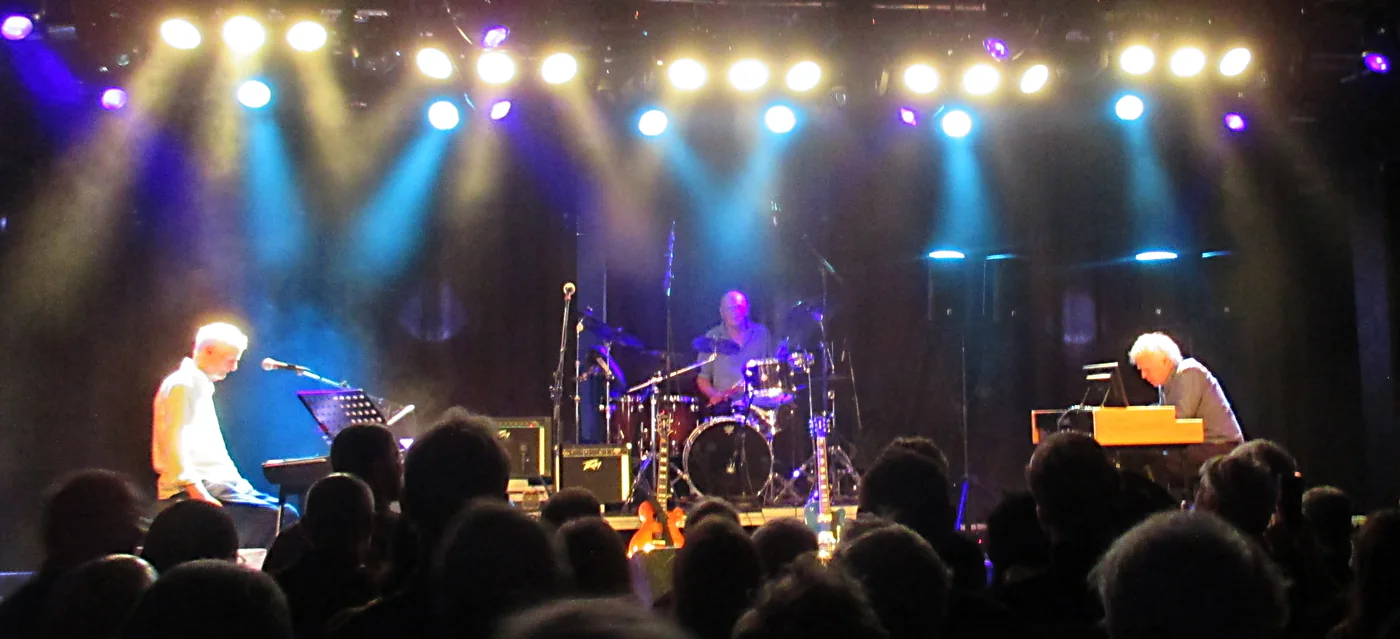
Organ, saxophone and a voice pushed to the edge.
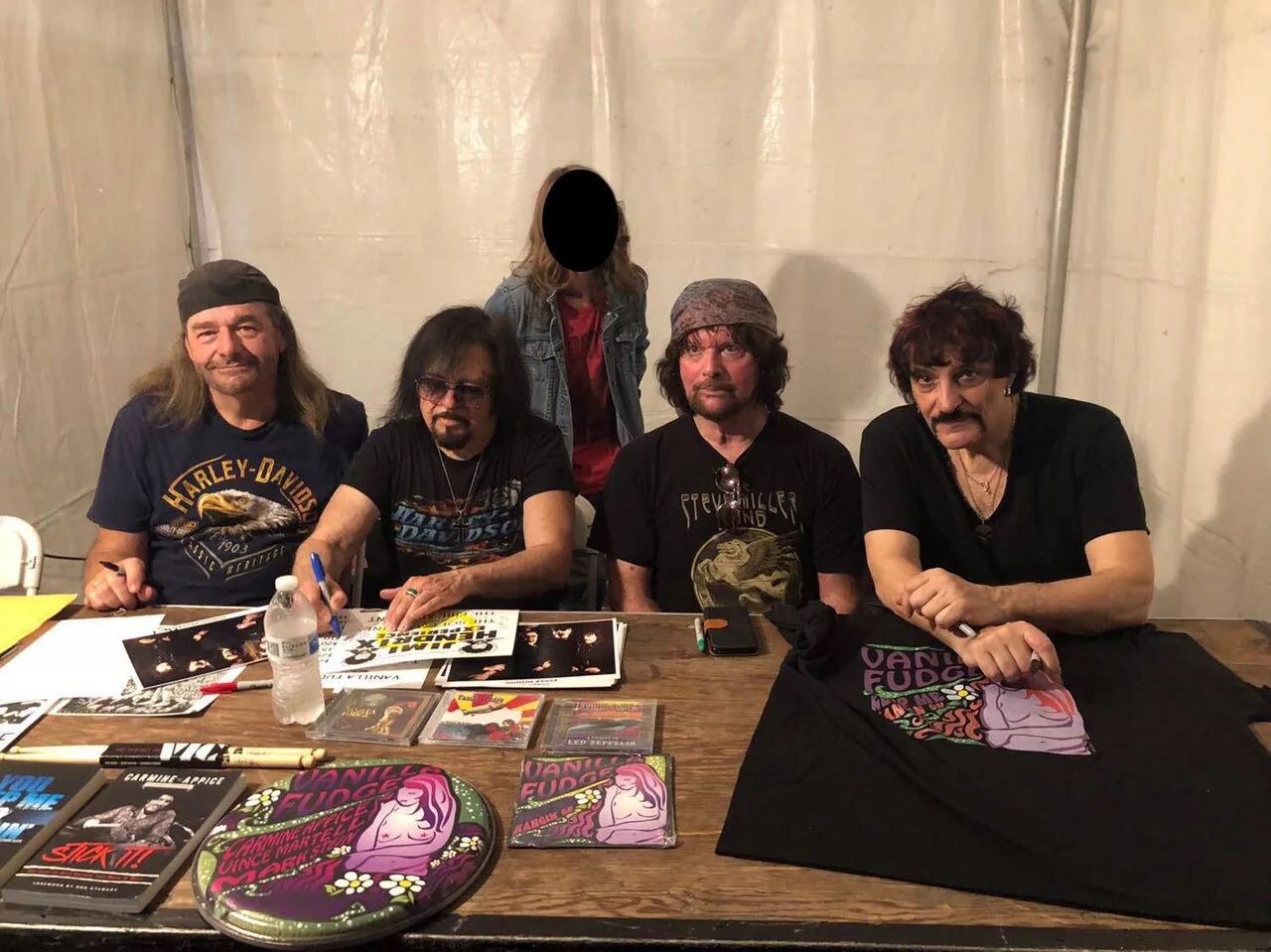
Pop songs slowed until the walls begin to bend.
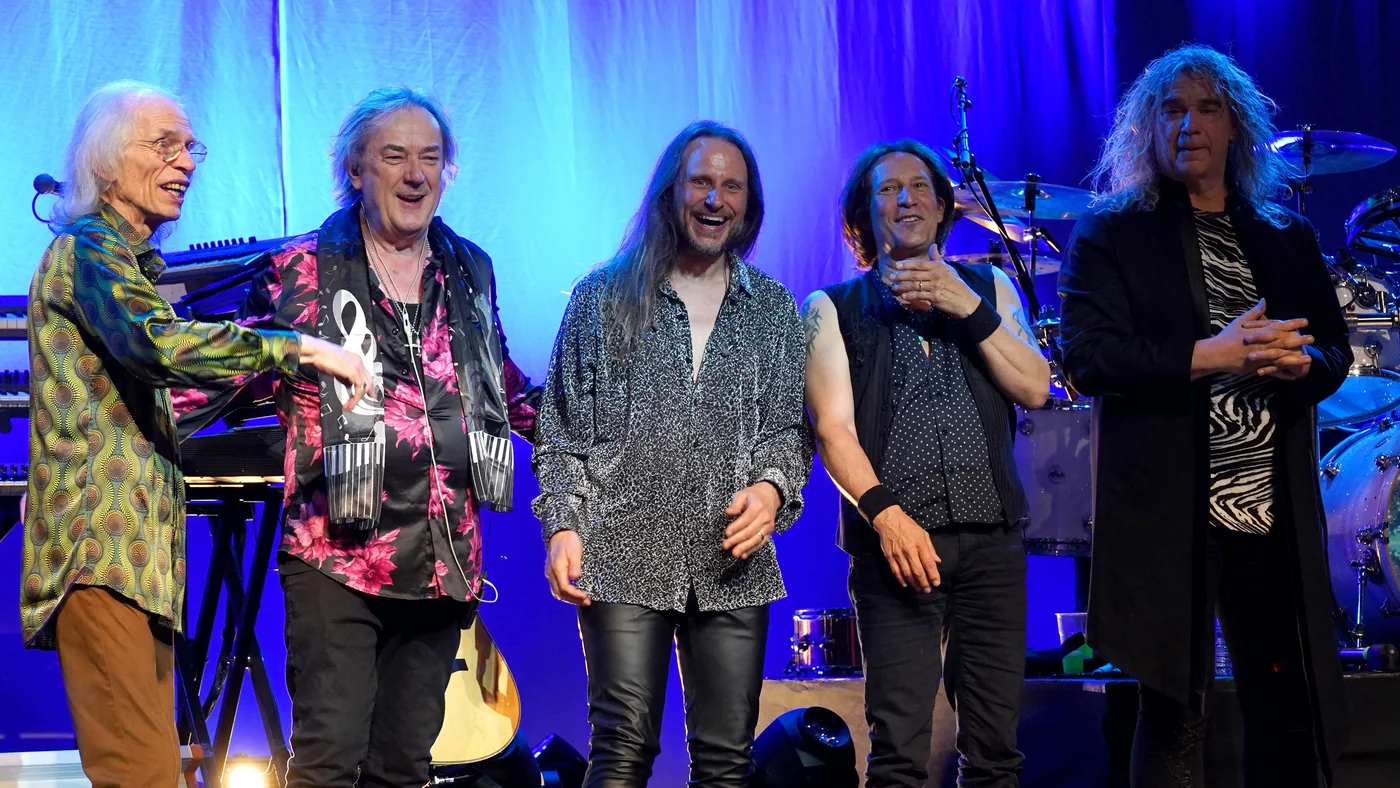
Virtuosity in service of something genuinely transcendent.
No bands found. Try another search or clear the filters.
Explore another way
A listener’s compass
Start with a musical instinct rather than a label. The borders become useful only after the music starts moving across them.
Suites, shifting structures, instrumental dialogue and albums built as complete journeys.
Take the progressive route → 02Tape echo, altered perception, heavy colour and songs that loosen reality around the edges.
Take the psychedelic route → 03Repetition, electronics, collective improvisation and motion that changes through tiny decisions.
Take the Krautrock route →Where the maps overlap
Keep exploring
Move sideways into another part of RetroForge. Every route is a different way back into the same music archive.