
The Blog
Vinyl, gear, hidden records, and transmissions from another timeline.
Articles
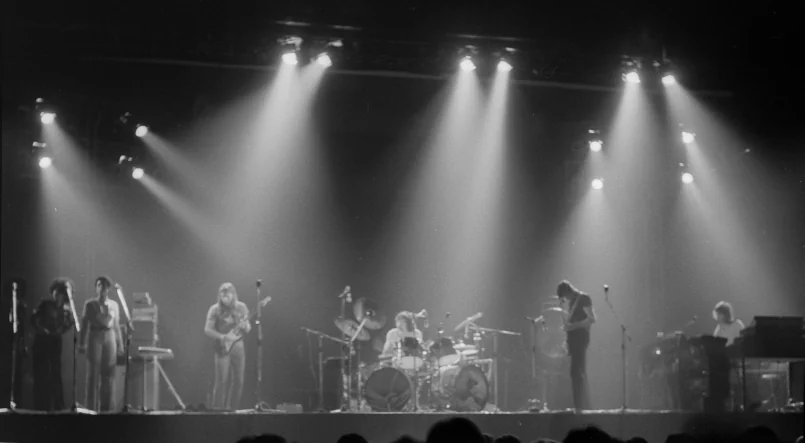
What Made 1973 Such an Extraordinary Year for Progressive Rock?
Why 1973 became an extraordinary year for progressive rock: album architecture, studio technology, keyboards, regional scenes and an unusually open audience.
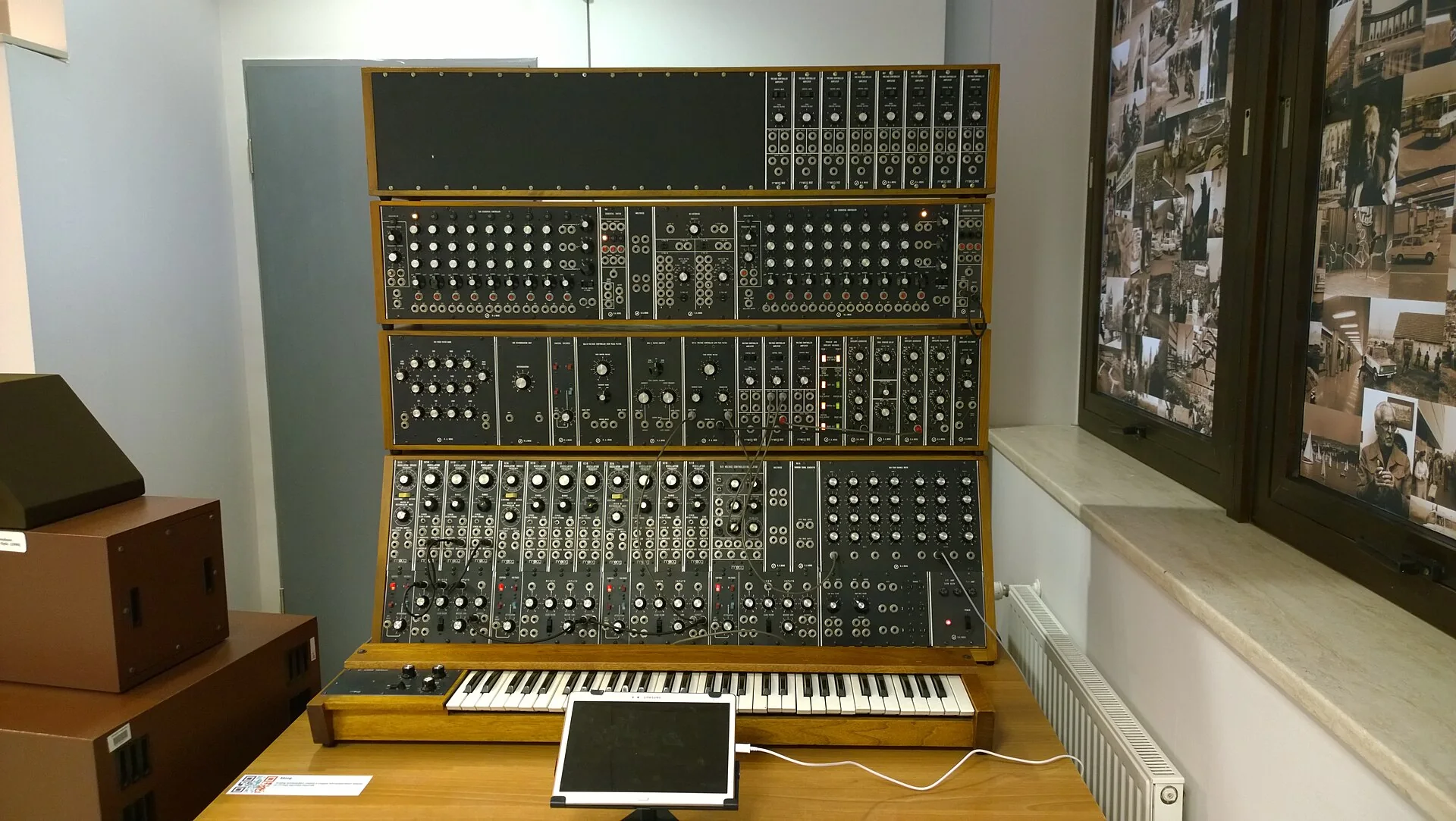
What Does “Warm Analog Sound” Actually Mean?
A practical explanation of warm analog sound: harmonics, compression, softened transients, variation, bandwidth, room tone and arrangement.
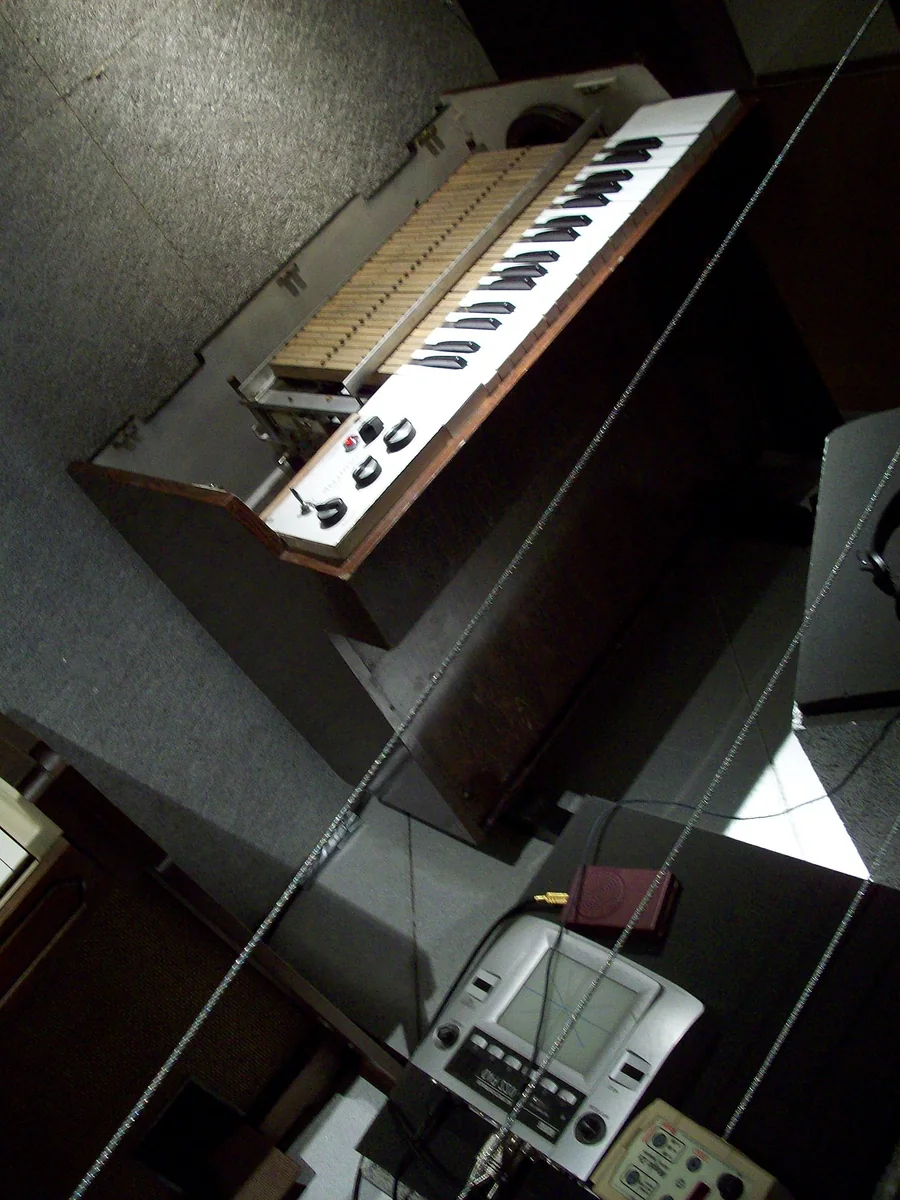
Why Progressive Rock Loved the Mellotron
Why the Mellotron became central to progressive rock: tape-based strings, choir and flute offered scale, fragility, movement and atmosphere.
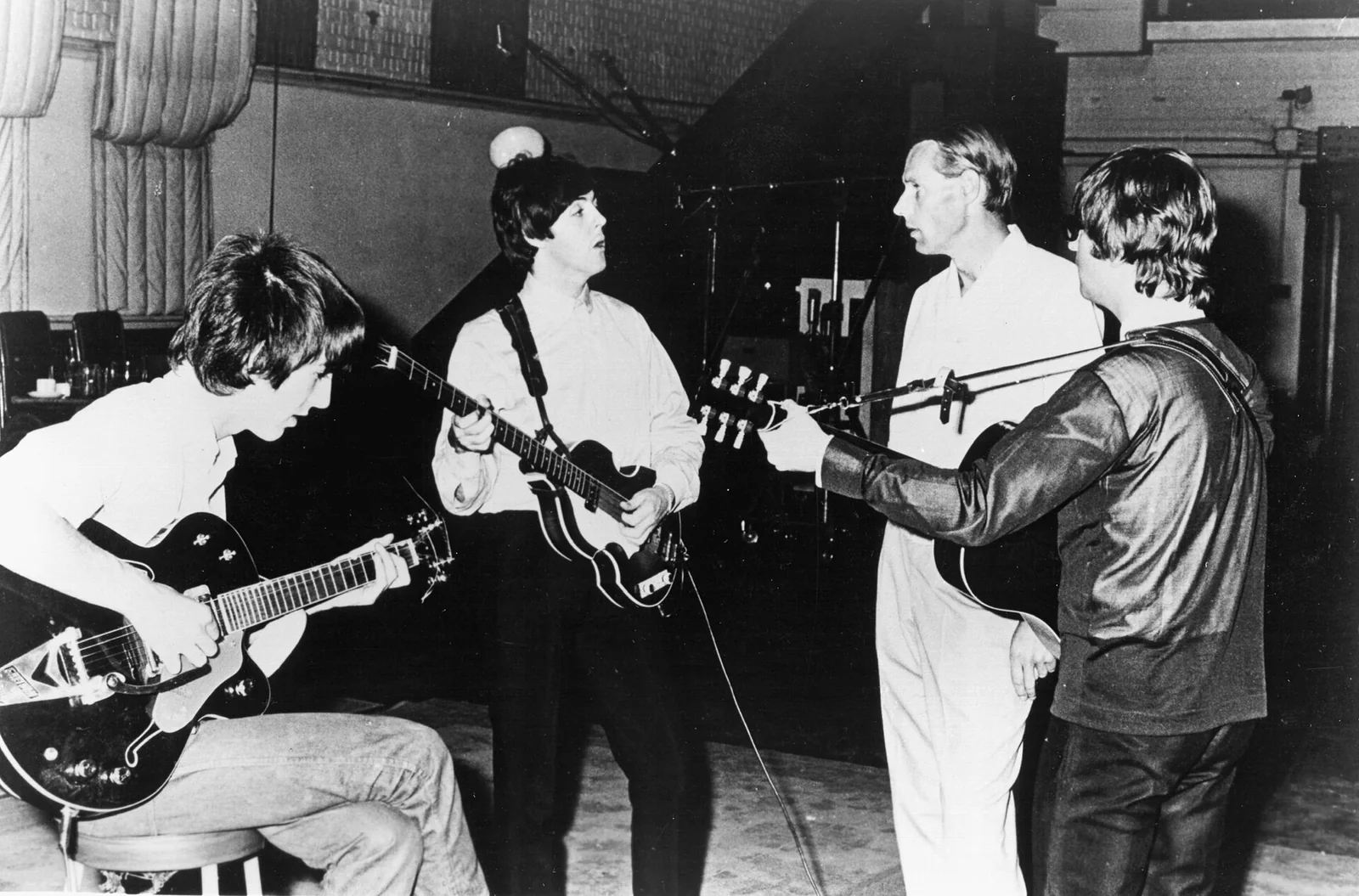
How a 1970s Recording Studio Actually Worked
Follow a composite day in a 1973 recording studio, from room setup and microphone placement to multitrack tape, overdubs, effects, editing and mastering.
Why Did 1970s Records Sound So Different?
Why 1970s records sound different: rooms, tape, finite tracks, physical effects, instruments, musicians and vinyl all shaped the result.
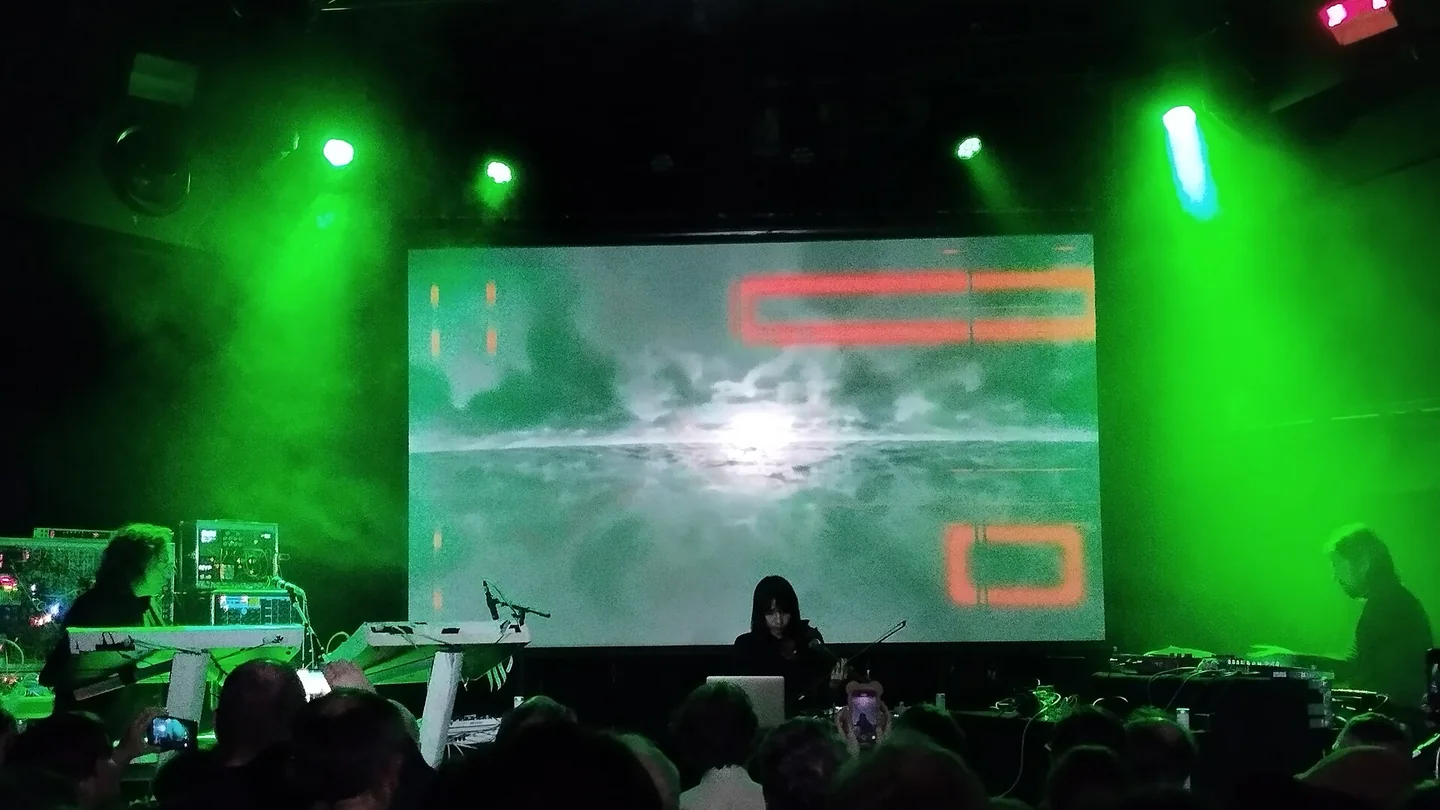
Progressive Electronic Music Before the Digital Age
Before presets and infinite undo, electronic music was built from voltage, tape, repetition and decisions that could not always be repeated.
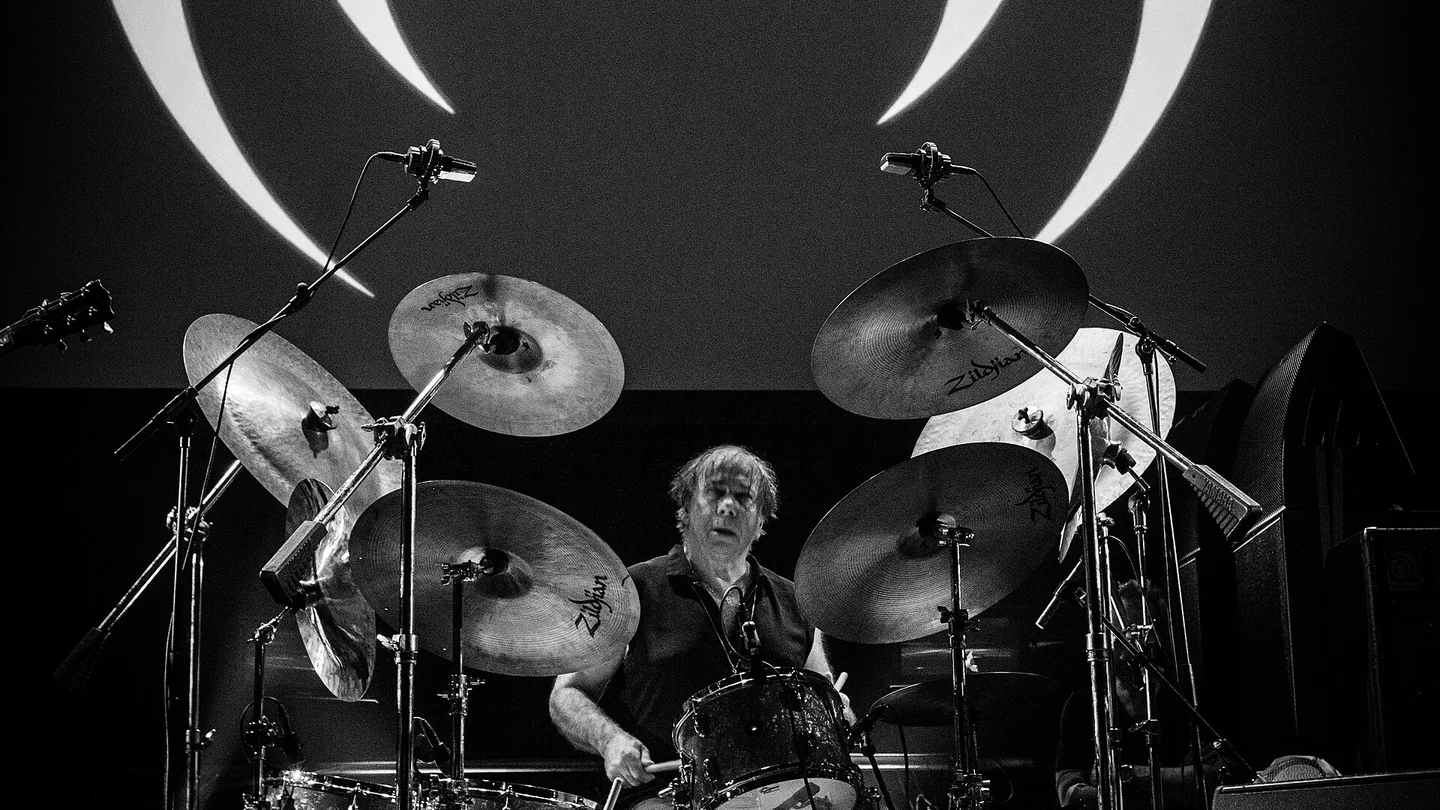
Zeuhl Explained: The Strange World Beyond Magma
Magma did not merely start a band. It built a language, a mythology and a rhythmic system strong enough to become a genre.
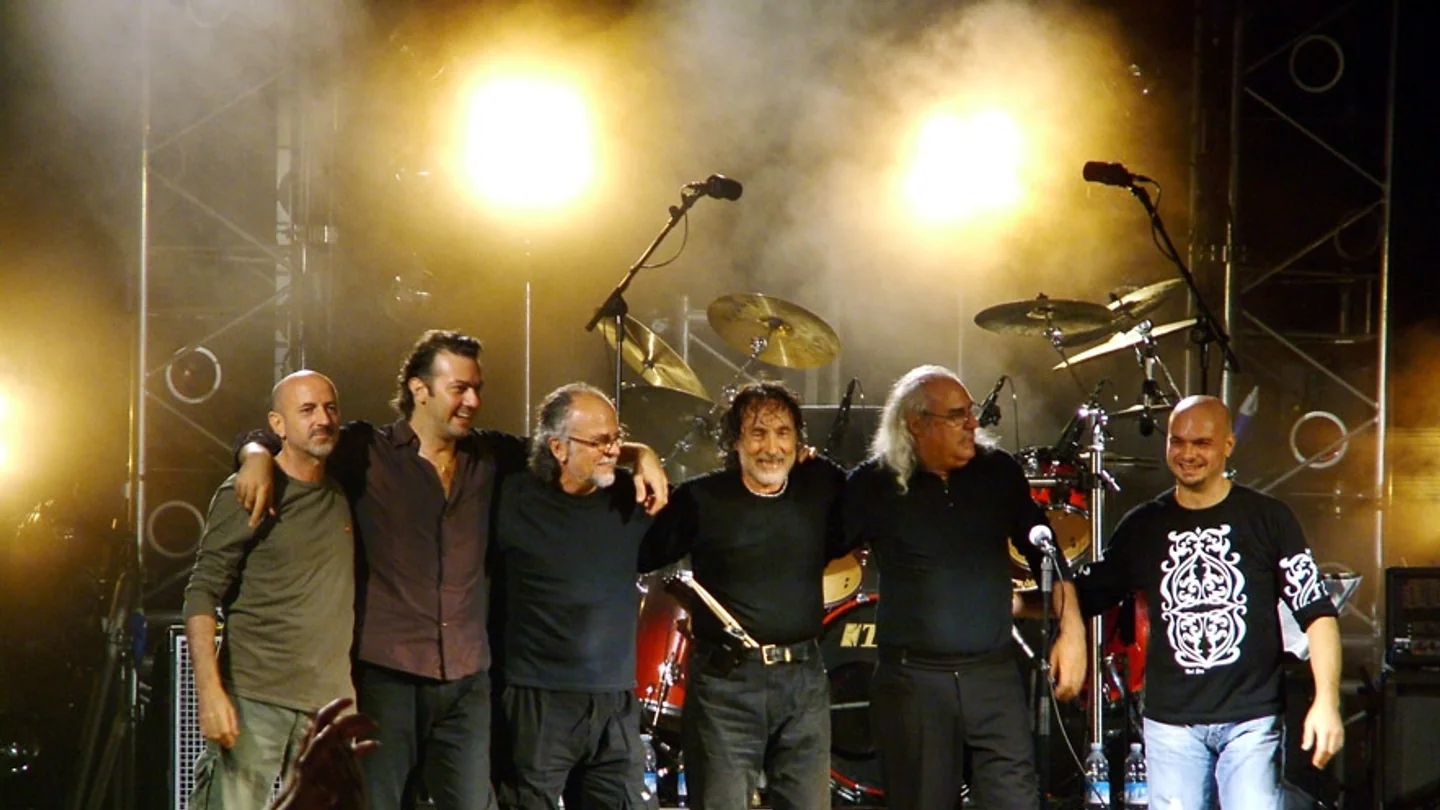
Italian Progressive Rock: Drama, Melody and a Scene of Its Own
Italian progressive rock absorbed the ambitions of the early seventies and answered them in its own language.
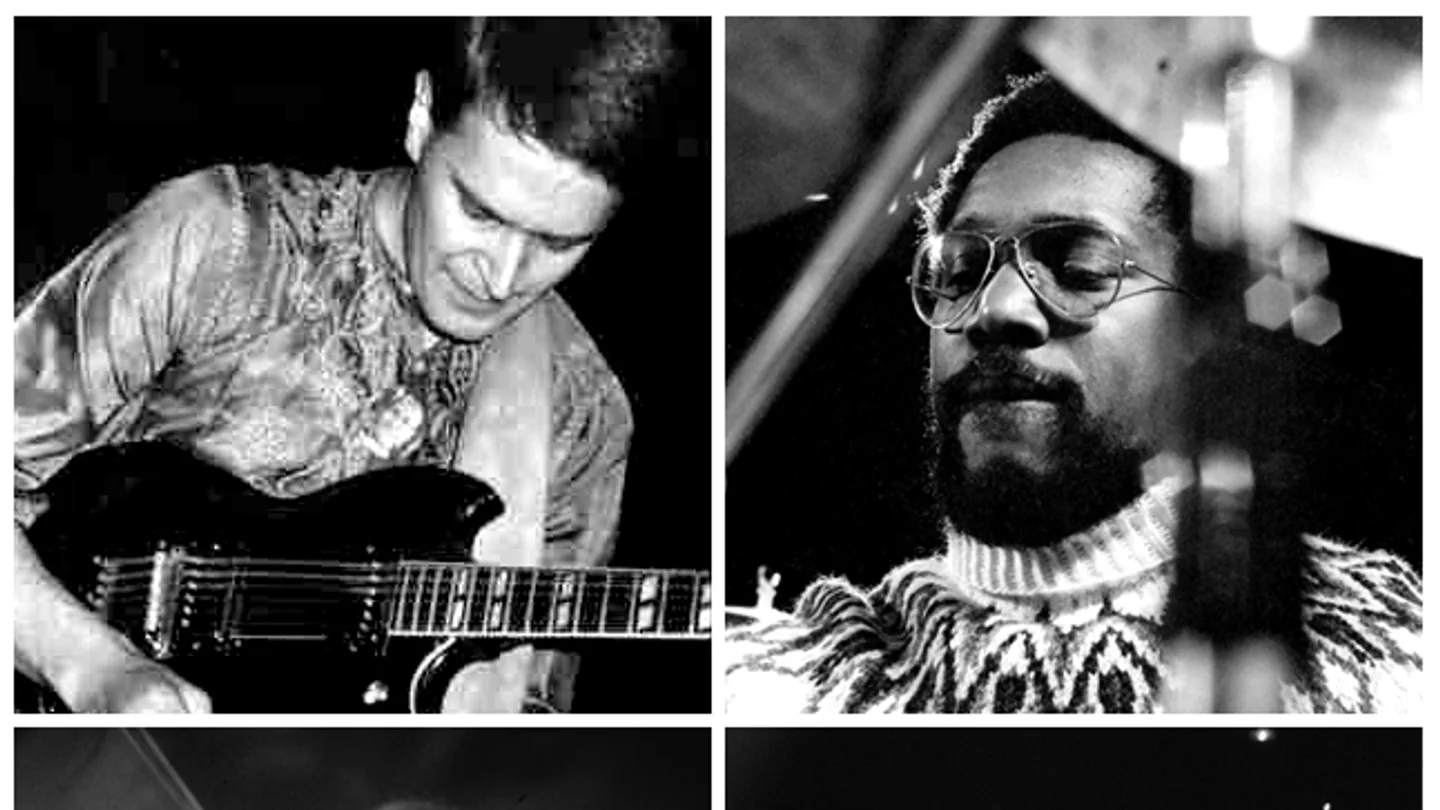
When Jazz-Rock Fusion Broke Open the Band
Fusion did more than add solos to rock. It changed how an electric ensemble could listen, move and react.
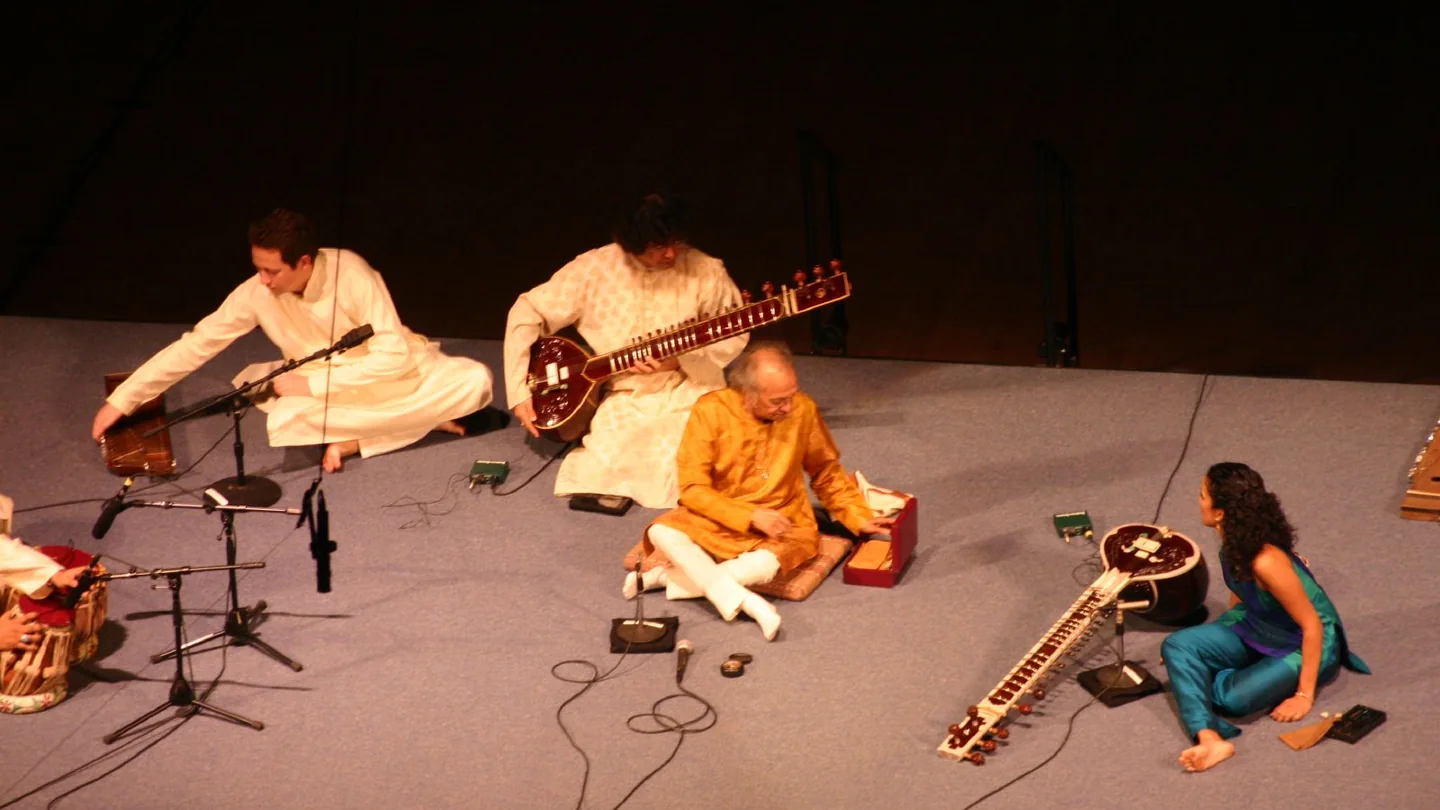
Raga Rock and the Indian Instruments That Changed Psychedelia
The sitar became a psychedelic signifier, but the musical exchange behind it was deeper and more complicated than one instrument.
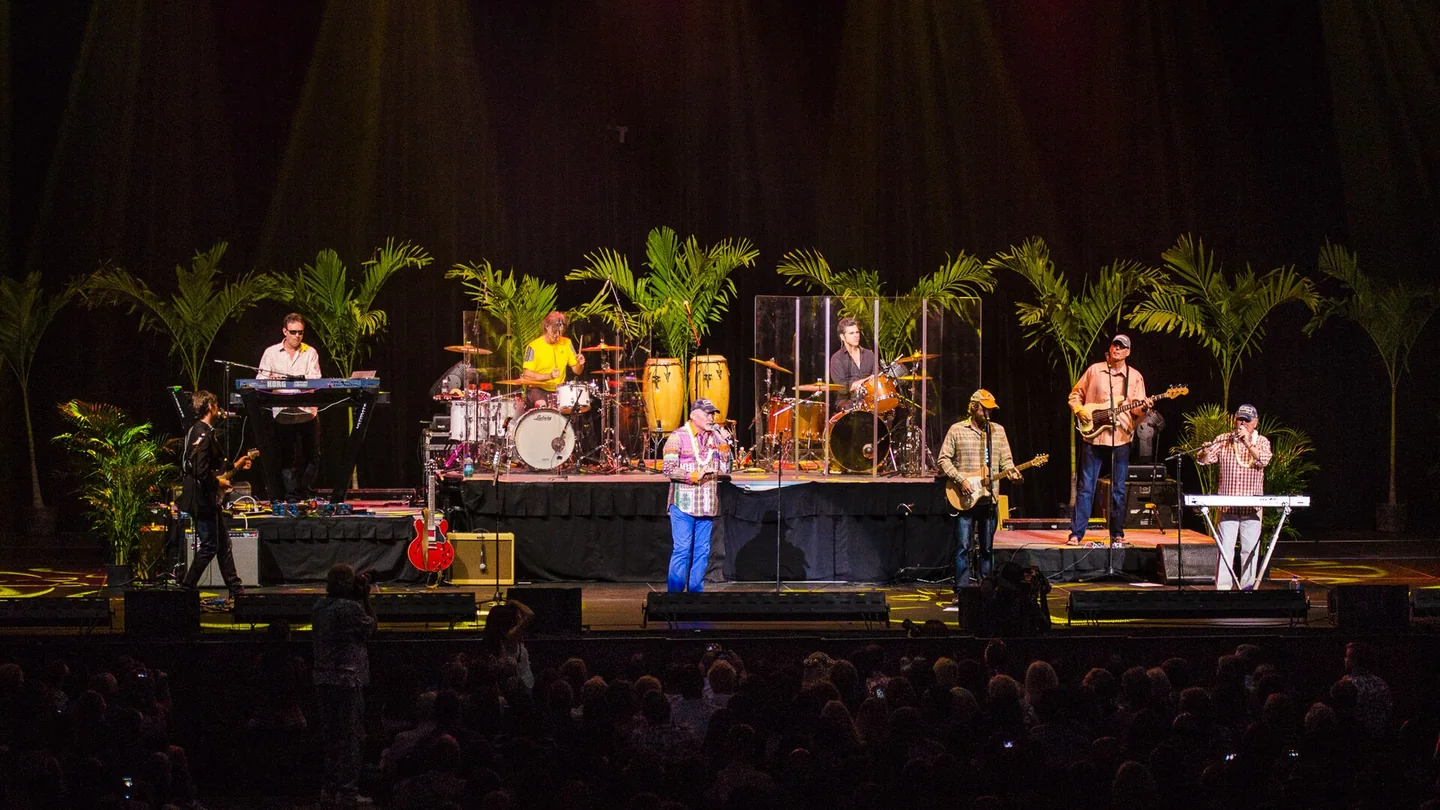
Sunshine Pop and Baroque Psychedelia: Bright Music, Strange Shadows
The surface glows. Underneath it, the harmony shifts, the room widens and the arrangement becomes quietly uncanny.
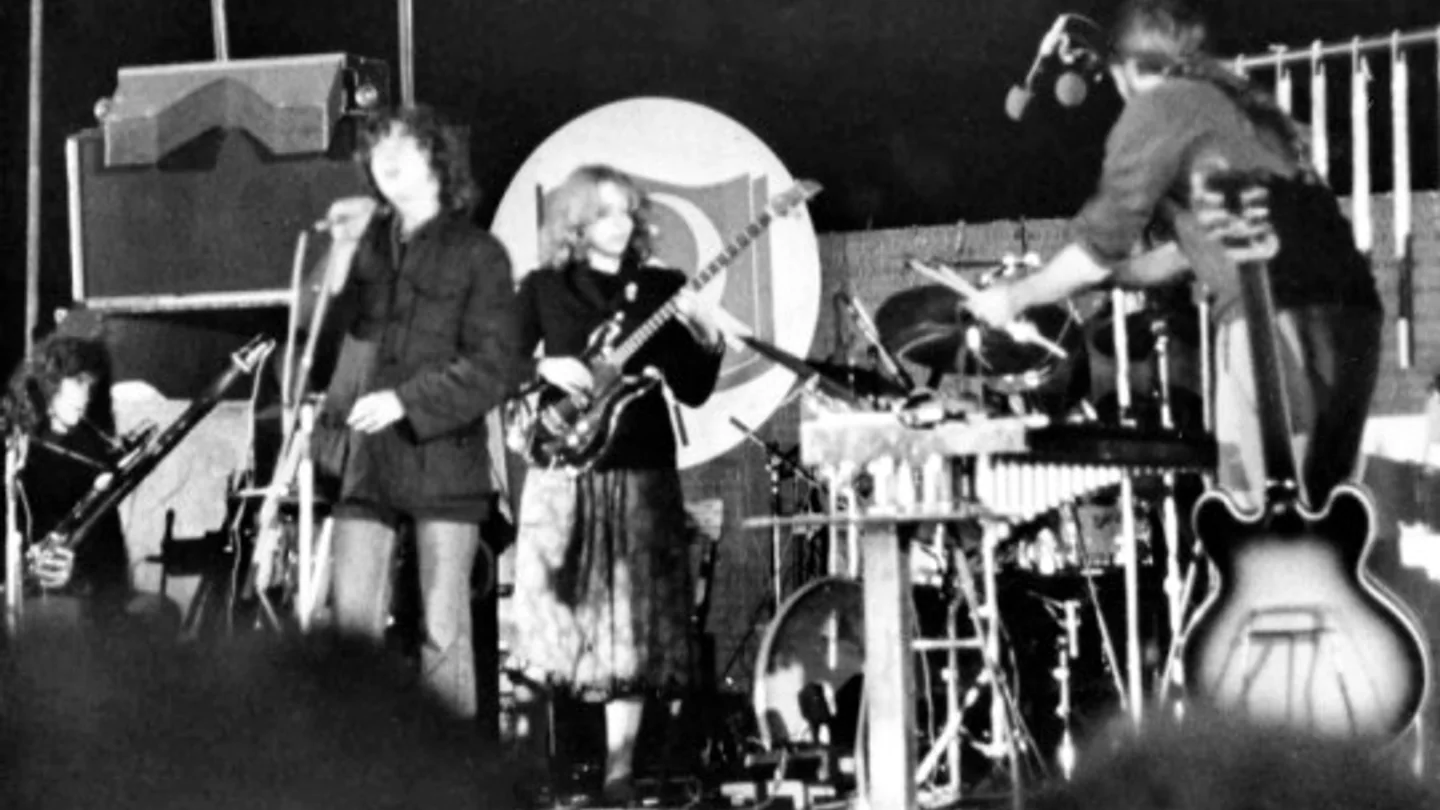
Rock in Opposition and Avant-Prog: Progressive Rock’s Rebellion
RIO was an alliance before it was a record-bin category—and that difference still matters.
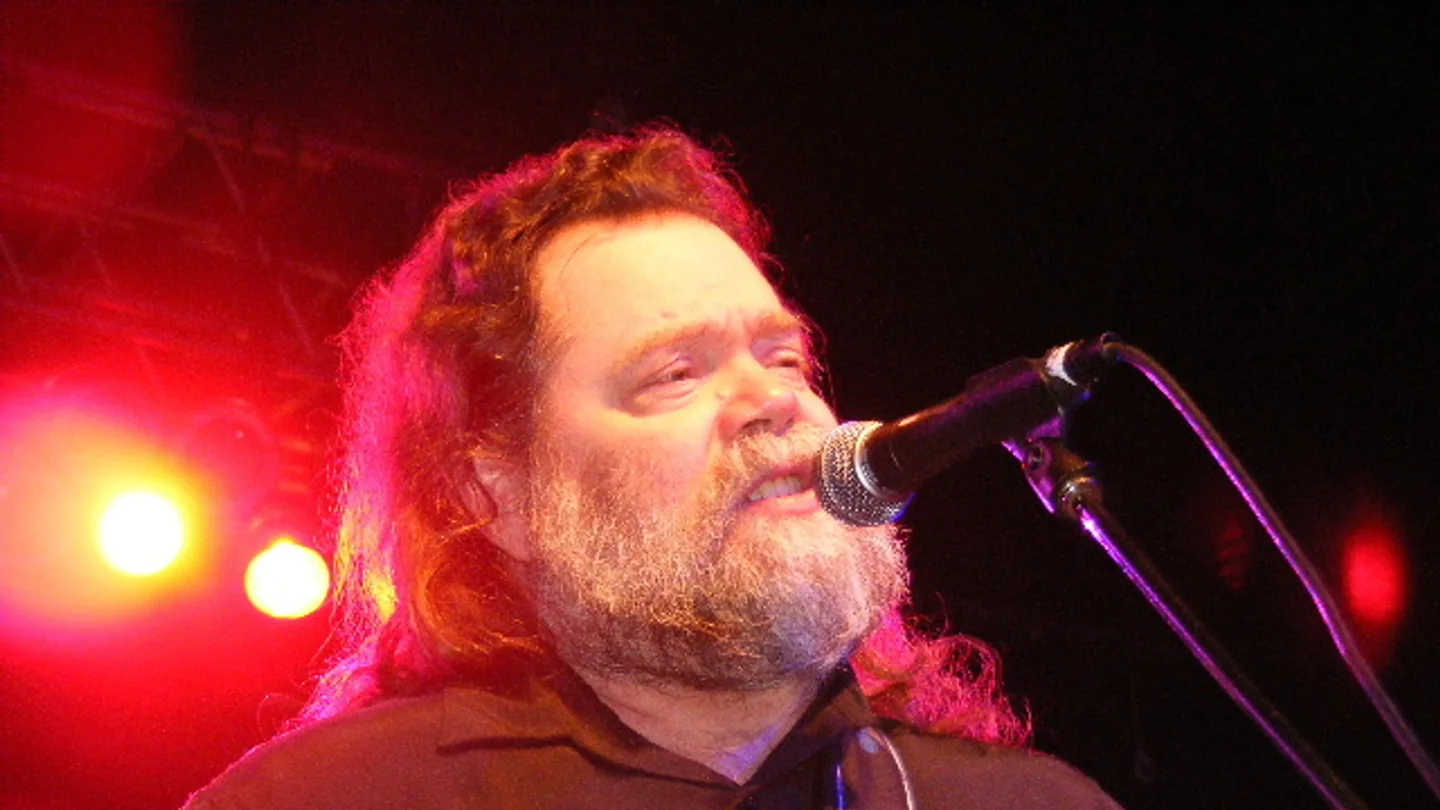
Garage Psych: When Three-Chord Rock Entered the Studio
The songs stayed urgent. The room around them stopped behaving normally.
Space Rock, Space Prog and Kosmische: What’s the Difference?
All three point upward, but they do not travel with the same engine.
Canterbury Scene: Jazz, Whimsy and Progressive Rock
Less a strict genre than a family tree: jazz harmony, English understatement, eccentric songs and fearless improvisation.
What Made Neo-Prog Different from 1970s Progressive Rock?
The Mellotron shadow remained, but the clubs, production and emotional temperature had changed.
Acid Folk and Occult Psych: Music from the Darker Forest
When the pastoral path turns strange, three overlapping labels begin to appear.
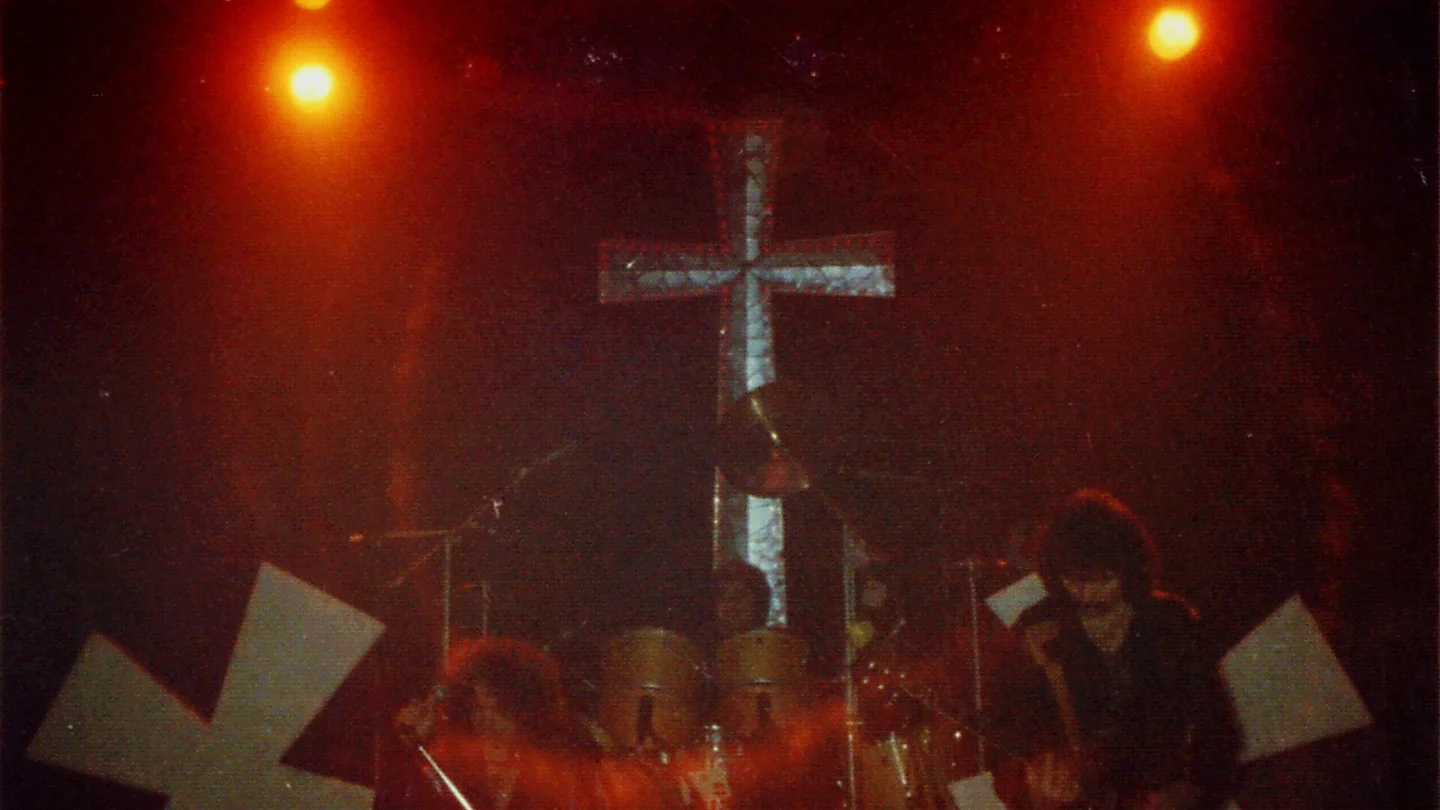
Heavy Psych, Stoner Psych and Proto-Doom Explained
Three heavy routes share fuzz and volume, but they distribute the weight differently.
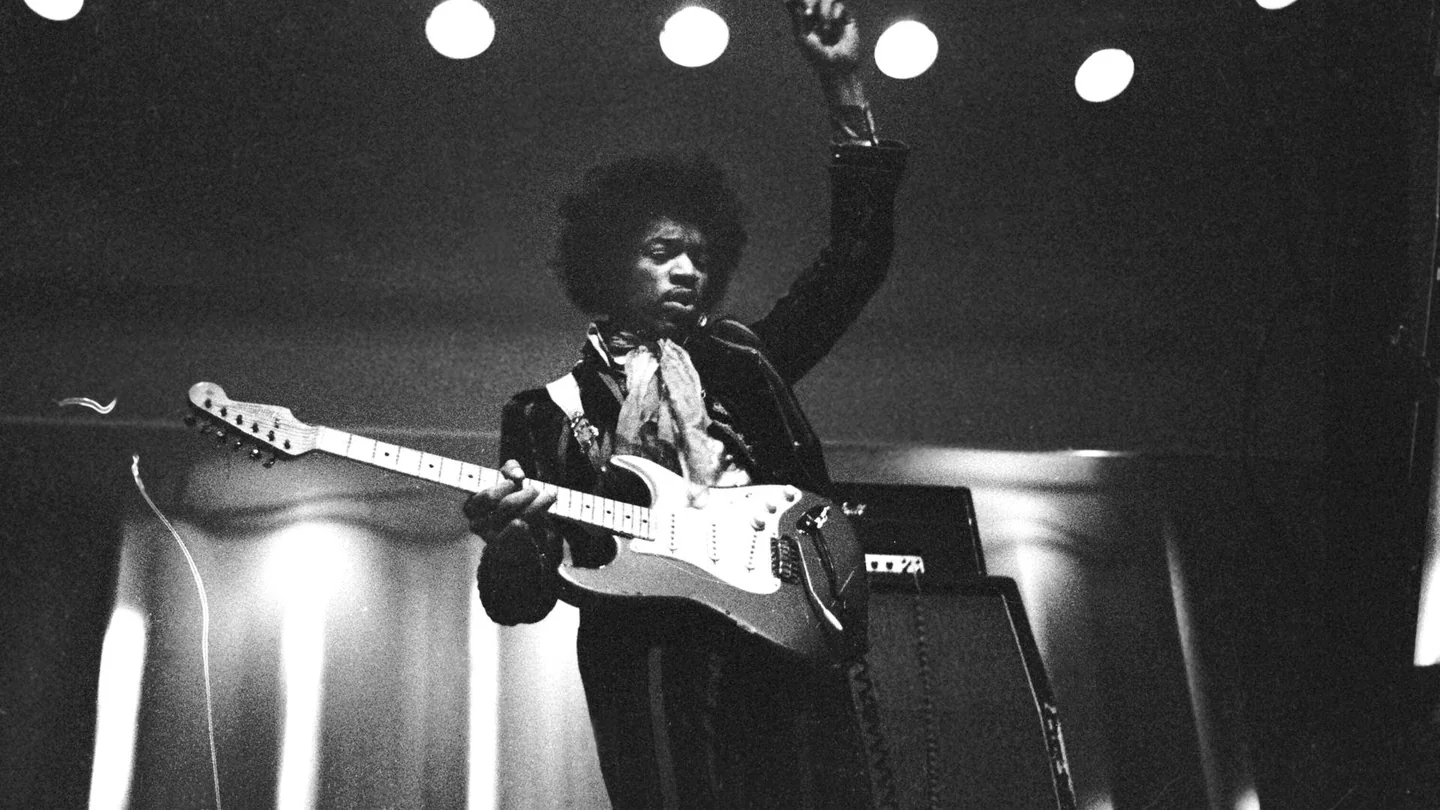
Psychedelic Blues: Where the Delta Entered the Acid Era
The blues did not vanish inside psychedelia. It became louder, wider and less certain of the room around it.
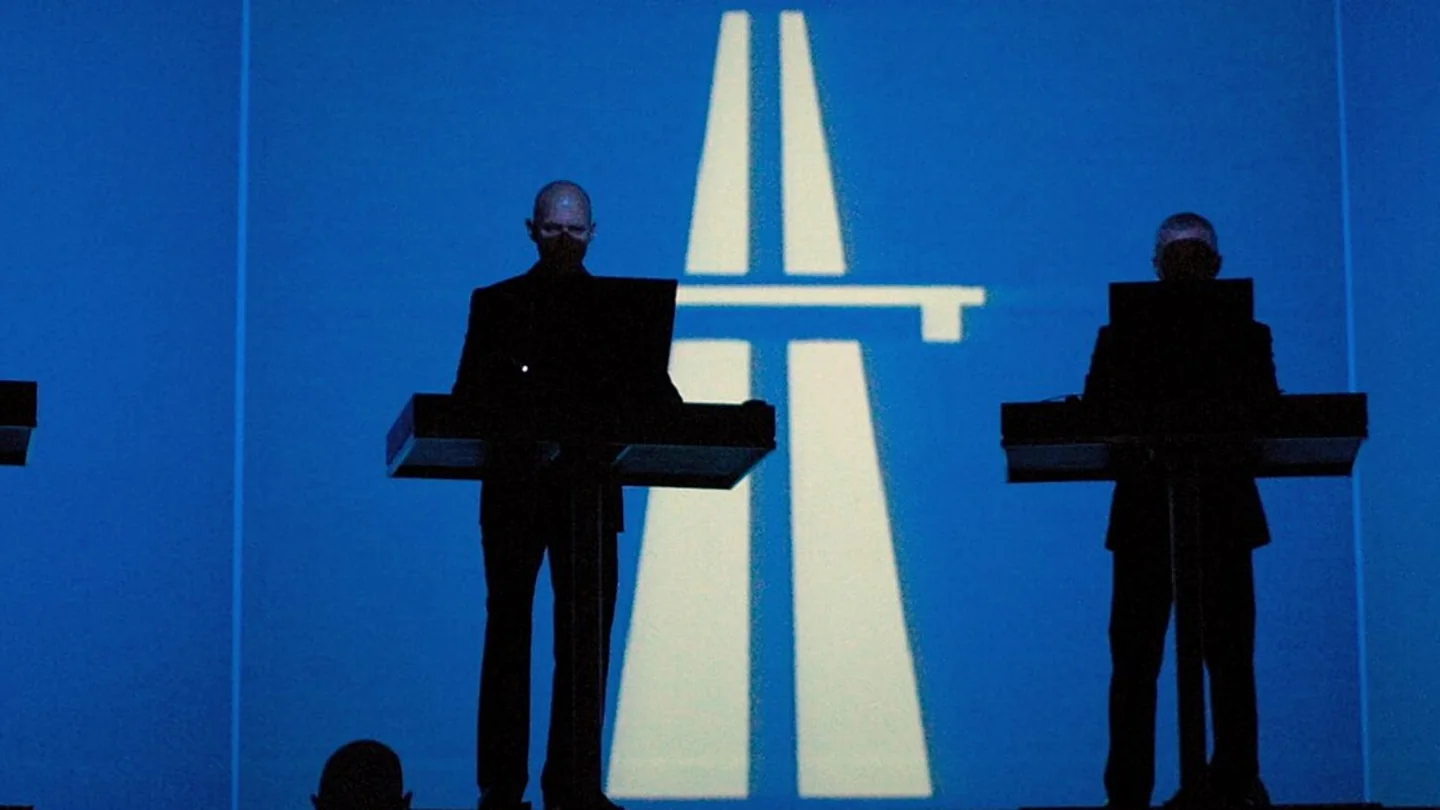
From Krautrock to Industrial Music
The road from the motorik pulse to the factory floor is real, but it is not a straight line.

What is a Mellotron?
Before synthesisers, before sampling, there was the Mellotron — a keyboard that played back strips of tape to produce the sound of real orchestral instruments. One of the strangest, most beautiful machines in the history of rock.

What is Symphonic Prog?
Symphonic prog is progressive rock at its most ambitious — music that reached toward the scope and grandeur of classical composition while remaining, stubbornly, a rock band. Yes, Genesis, ELP, and what they were actually doing.

A Short History of Krautrock
The term was coined and popularised by the British music press, and many of the German musicians grouped beneath it disliked or rejected the label. What it described was not one unified style, but a generation building radical alternatives to imported rock conventions.

Why Are Progressive Rock Songs So Long?
"Close to the Edge" runs eighteen and a half minutes. "Supper's Ready" is twenty-three. These aren't accidents of self-indulgence — they're the result of musicians making deliberate choices about what music is for.

The Art of the Album Side
A vinyl LP side runs to roughly twenty minutes. That constraint — not a limitation, a constraint — turns out to be one of the most productive formal structures in the history of recorded music.

Vinyl vs Streaming: The Honest Answer
Vinyl people claim warmth and soul. Streaming people cite convenience and lossless quality. Both are partly right. Both are missing the point.

The Best Turntables for Prog Rock & Psychedelic Music
Not every record deserves a cheap needle. If you're spinning long, layered albums with wide dynamic range — mellotron swells, fuzz guitar buildups, side-long epics — the deck underneath matters more than most people think.

The Best Headphones for Prog Rock & Psychedelic Music
The right pair of headphones doesn't just reproduce a record — it disappears into it. For progressive and psychedelic music, where the whole point is the space between instruments, that matters more than most people realise.
Keep exploring
Connect this collection
Move sideways into another part of RetroForge. Every route is a different way back into the same music archive.