

Edition timeline
Festival de Ancón took place 18–20 June 1971 in La Estrella, Antioquia, near Medellín.
Festival de Ancón took place 18–20 June 1971 in La Estrella, Antioquia, near Medellín.
The site name derived from the Ancón Sur area rather than the modern image of a formal purpose-built festival ground.
The site name derived from the Ancón Sur area rather than the modern image of a formal purpose-built festival ground.
Primary-source-based histories identify Carolo as the central originator/organiser, assisted by other Medellín organisers.
Primary-source-based histories identify Carolo as the central originator/organiser, assisted by other Medellín organisers.
The festival drew heavily from Colombia's contemporary rock scene and became one of the country's key counterculture landmarks.
The festival drew heavily from Colombia's contemporary rock scene and became one of the country's key counterculture landmarks.
Medellín mayor Álvaro Villegas supported the event and was subsequently caricatured in press as a 'hippie mayor'.
Medellín mayor Álvaro Villegas supported the event and was subsequently caricatured in press as a 'hippie mayor'.
Why this event matters
The press reaction is central. Ancón became a national symbol because media coverage converted a regional rock gathering into a debate about youth, authority and cultural change. Festival de Ancón took place 18–20 June 1971 in La Estrella, Antioquia, near Medellín.

Place, site and audience
The site name derived from the Ancón Sur area rather than the modern image of a formal purpose-built festival ground. Primary-source-based histories identify Carolo as the central originator/organiser, assisted by other Medellín organisers.
What the audience experienced
The festival drew heavily from Colombia's contemporary rock scene and became one of the country's key counterculture landmarks. Medellín mayor Álvaro Villegas supported the event and was subsequently caricatured in press as a 'hippie mayor'.

Problems, conflict and practical limits
Attendance varies across retellings. Festival de Ancón 1971 is followed through later editions, institutional change and its documented endpoint.


Follow the festival beyond the field
Timeline
Related genres
More routes will be connected as the archive grows.
Related band guides
More routes will be connected as the archive grows.
Explore by sound
More routes will be connected as the archive grows.
Essential listening
Sources and further reading
- General cross-check – Festival de AncónEditorial source spine · accessed 23 July 2026
- Rock Music Studies scholarship on Ancón should be prioritised for final copyEditorial source spine · accessed 23 July 2026
Image credits5 licensed images
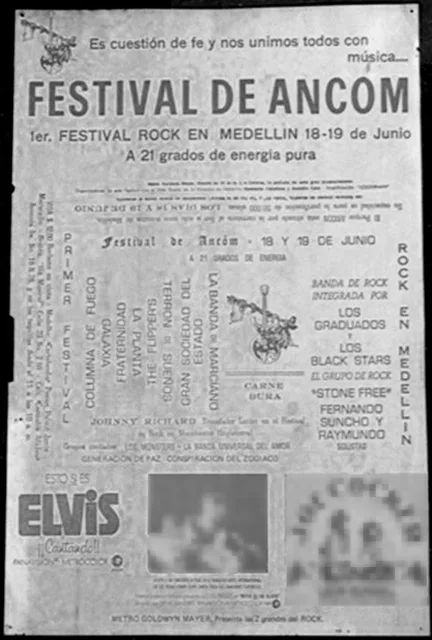
A surviving poster for Festival de Ancón 1971, directly identified by the item-level record — Feloarias — Wikimedia Commons — CC BY-SA 3.0 · source record · CC BY-SA 3.0
Converted to WebP and resized; no generative or compositional alterations.
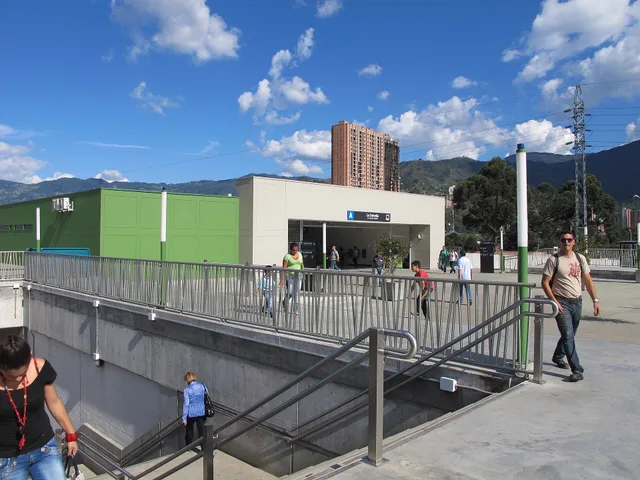
La Estrella station in a later photograph, used to locate the municipality and not as festival documentation — Juan Pablo Salazar Ochoa — Wikimedia Commons — CC BY-SA 3.0 · source record · CC BY-SA 3.0
Converted to WebP and resized; no generative or compositional alterations.
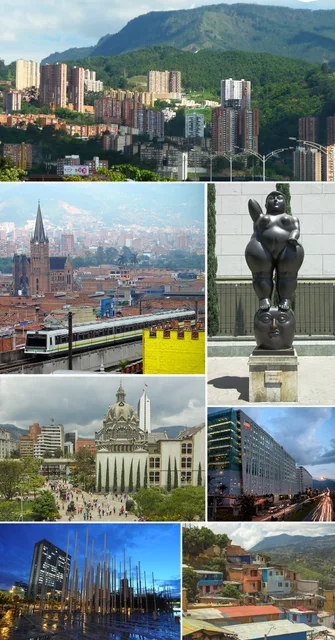
A modern montage of Medellín, used as regional context for the nearby festival site — Sebastian Reategui — Wikimedia Commons — CC0 · source record · CC0
Converted to WebP and resized; no generative or compositional alterations.
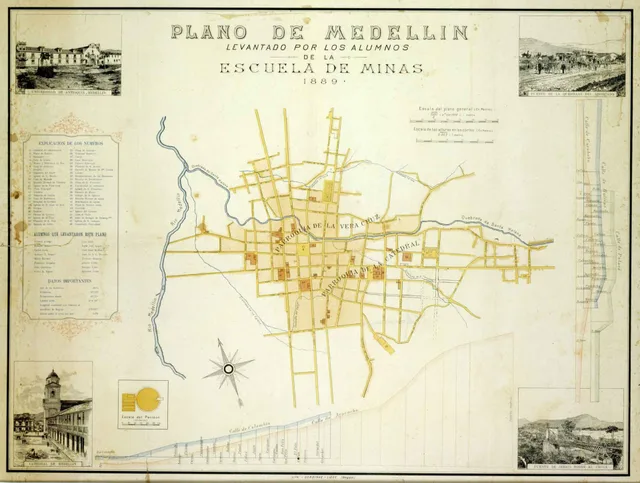
An 1889 map of Medellín, used as historical city context rather than event evidence — Alumnos de la Escuela de Minas (Hoy Facultad de Minas de la Universidad Nacional de Colombia) — Wikimedia Commons — Public domain · source record · Public domain
Converted to WebP and resized; no generative or compositional alterations.
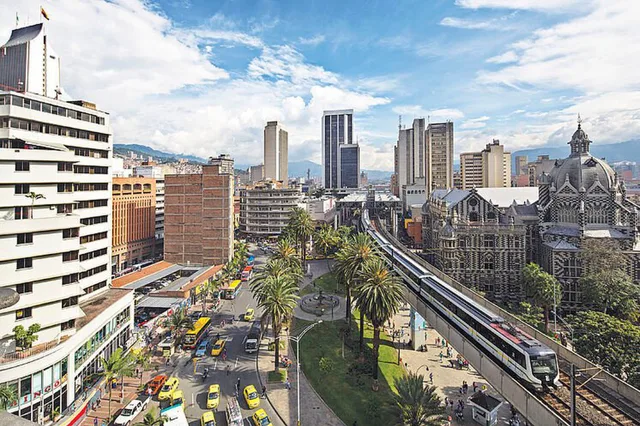
A later view of Medellín, used to establish the festival's regional setting — Michu2709 — Wikimedia Commons — CC BY-SA 4.0 · source record · CC BY-SA 4.0
Converted to WebP and resized; no generative or compositional alterations.