Skip to content
The Live Archive

Festivals & Live Culture

The fields, parks, halls and temporary stages where progressive, psychedelic and experimental music became a shared physical experience. This archive follows the performances, people, production systems and surviving documents that turned outdoor rock into a culture of its own.

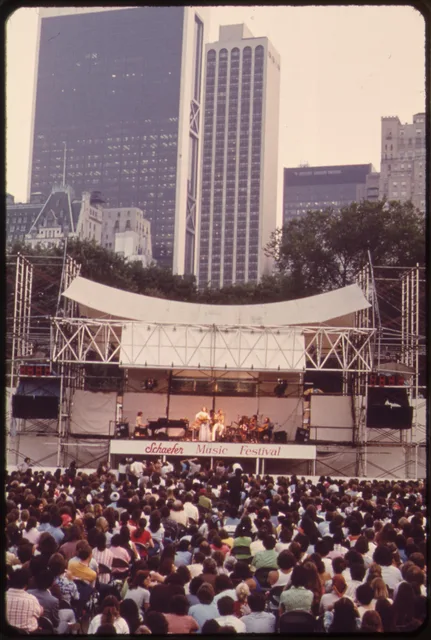
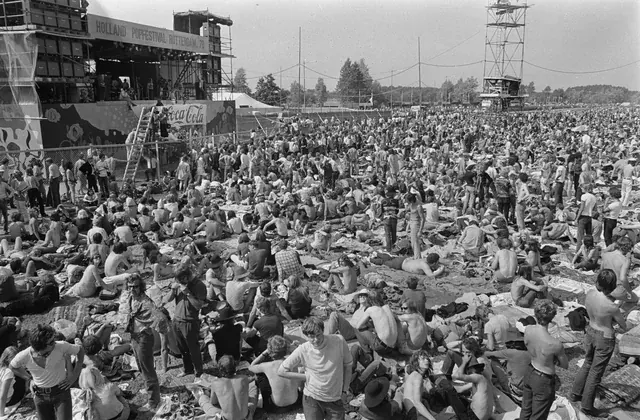
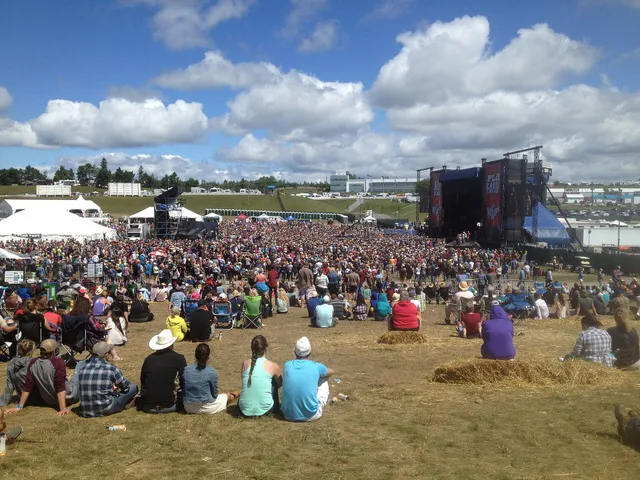
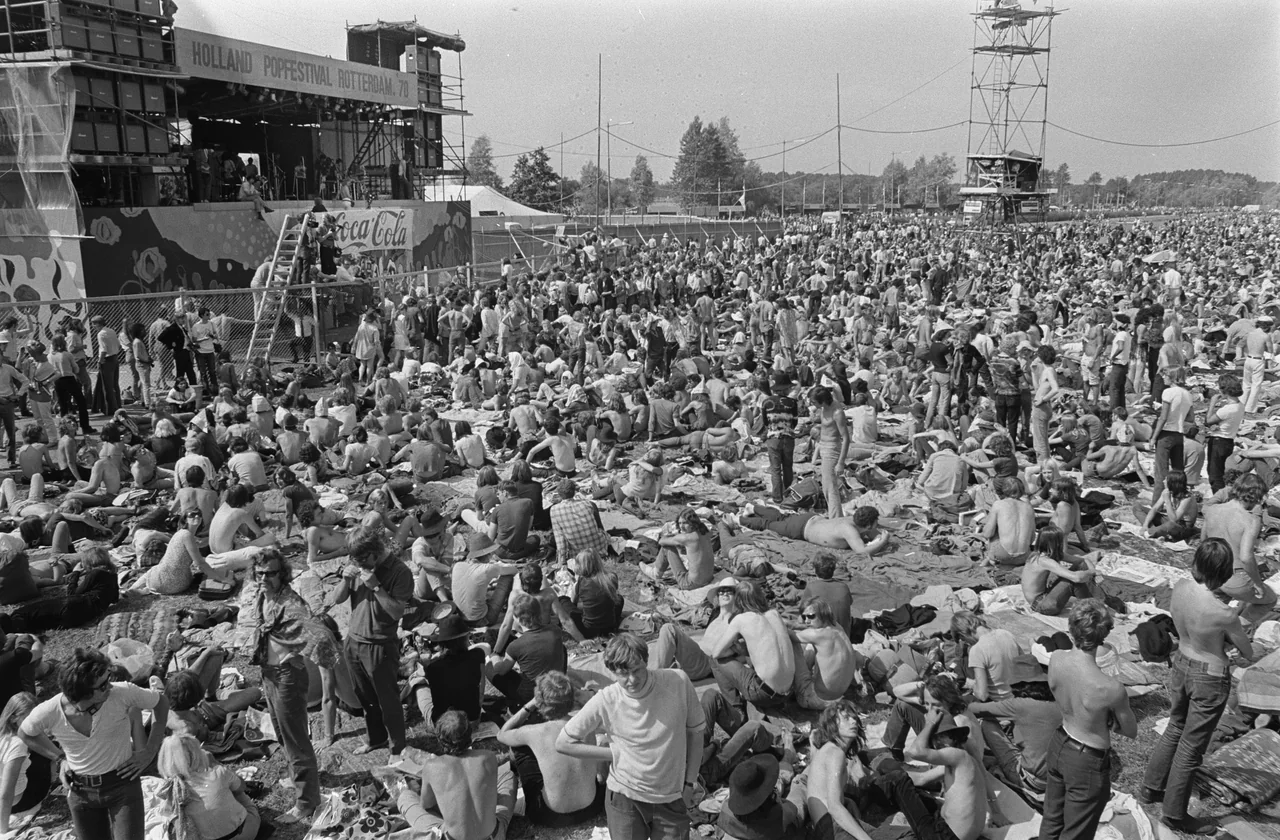
Photo: Anefo / Nationaal Archief / Wikimedia Commons · CC0

Wide view of the audience and main stage at Holland Pop Festival in 1970
Featured festival · Netherlands

Holland Pop Festival 1970

Rotterdam placed an international rock festival inside the Kralingse Bos and discovered that the audience, weather and counterculture would rewrite the plan.

Read the full history →
Browse the published archive

Explore the Published Archive

Era
Article type
Music
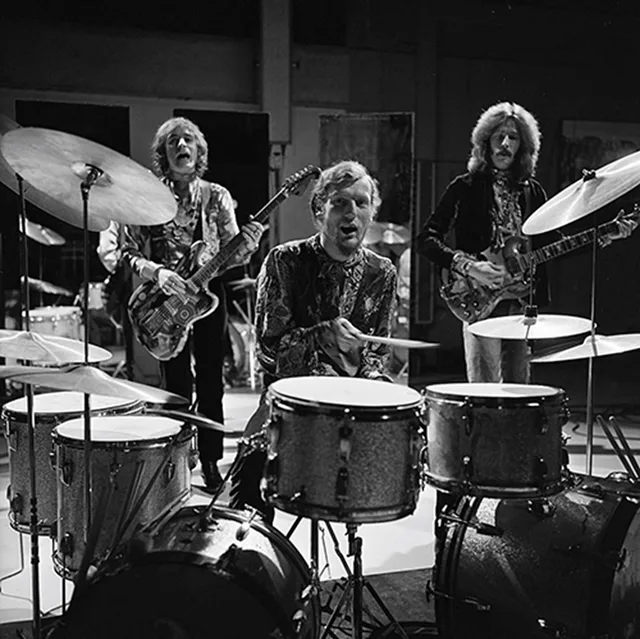
Cream performing for Dutch television in 1968
1961–1970 · United Kingdom

National Jazz & Blues Festival 1961–1970

Before Reading Festival became a rock institution, Harold Pendleton’s wandering National Jazz and Blues Festival spent a decade absorbing rhythm and blues, beat, psychedelia and hard rock while repeatedly searching for a site capable of containing its changing audience.

Enter the archive →
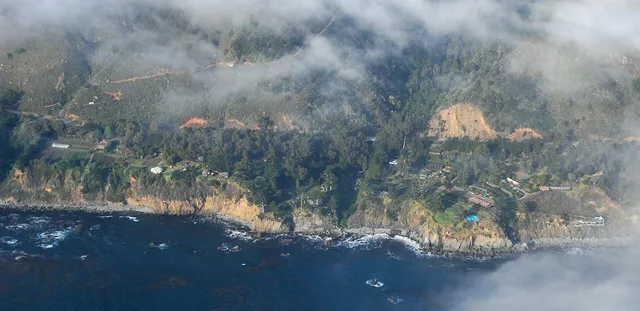
Aerial view of Esalen Institute above the Big Sur coast
1964–1971 · United States

Big Sur Folk Festival 1964–1971

At Esalen and later Monterey, Big Sur deliberately resisted the logic of mass spectacle, bringing Joan Baez, Joni Mitchell, Crosby Stills Nash & Young and other artists into a festival culture built around intimacy, landscape and performer community.

Enter the archive →
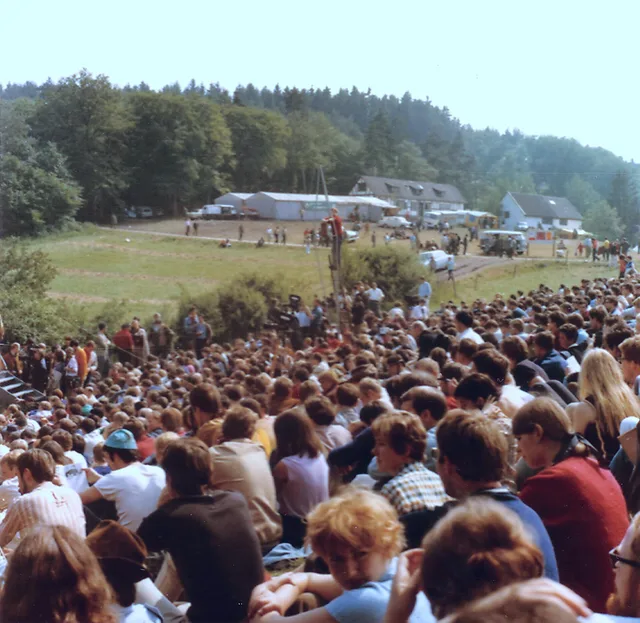
An archival photograph connected with the Burg Waldeck festivals
1964–1969 · West Germany

Burg Waldeck Festivals 1964–1969

On a Hunsrück hillside, songwriters, folk musicians, cabaret artists and political thinkers created a festival culture that helped rebuild critical German-language song before rock took over the youth underground.

Enter the archive →
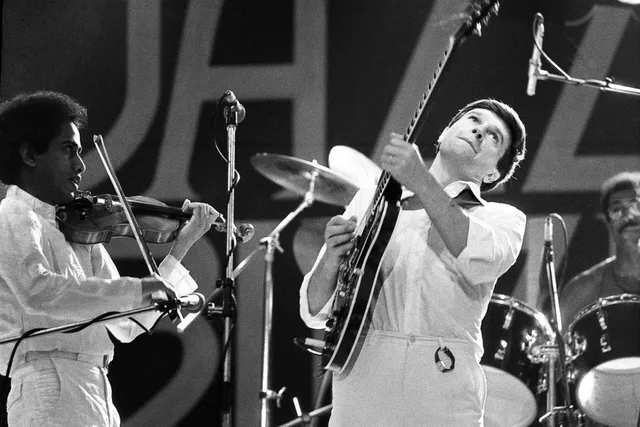
L. Shankar and John McLaughlin performing with One Truth Band at Jazz Bilzen in 1978
Annual editions, 1965–1981 · Belgium

Jazz Bilzen 1965–1981

Long before Rock Werchter and Pukkelpop, a volunteer-built festival in Bilzen learned in public how jazz, beat, psychedelia, progressive rock, heavy music and eventually punk could occupy the same evolving institution.

Enter the archive →
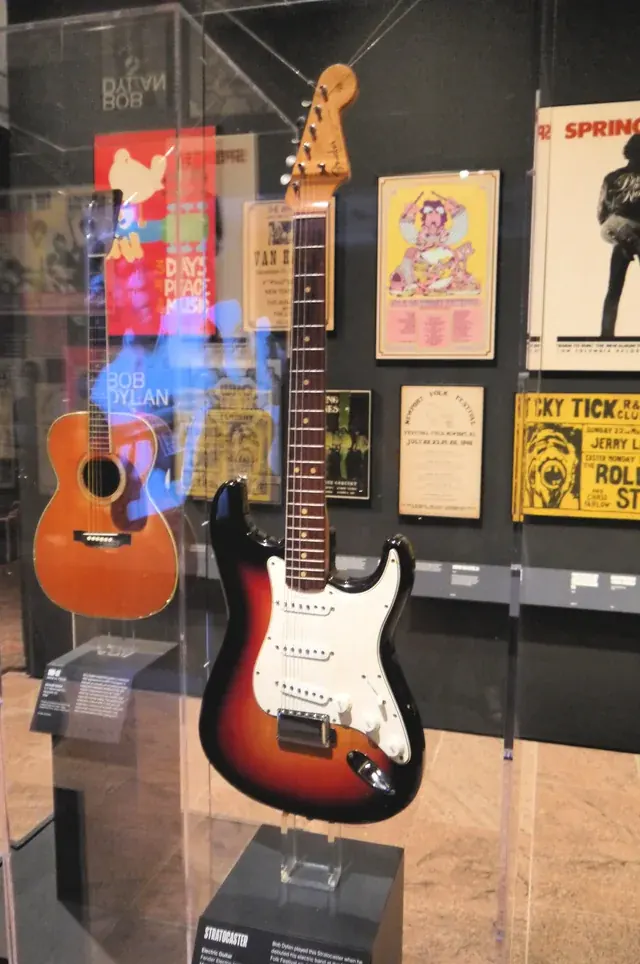
Sunburst Fender Stratocaster associated with Bob Dylan's electric performance at Newport Folk Festival in 1965
22–25 July 1965 · United States

Newport Folk Festival 1965

A brief amplified set became one of popular music’s most argued-over turning points, but the real Newport story is larger, stranger and less tidy than the familiar tale of folk purists booing electricity.

Enter the archive →
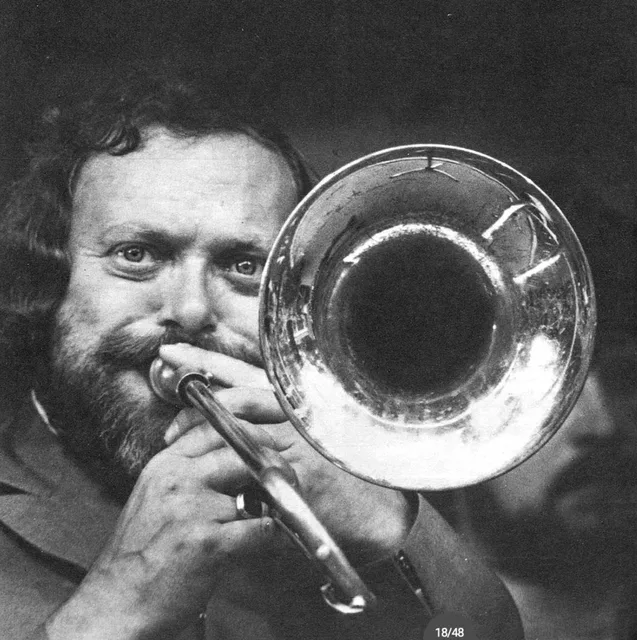
Papa Bue performing at Pori Jazz in 1970
1966–1984 guide scope · Finland

Pori Jazz 1966–1984

From a 600-person main concert on Kirjurinluoto to an increasingly international rhythm-music gathering, Pori Jazz grew with unusual continuity while documenting its own history year by year.

Enter the archive →
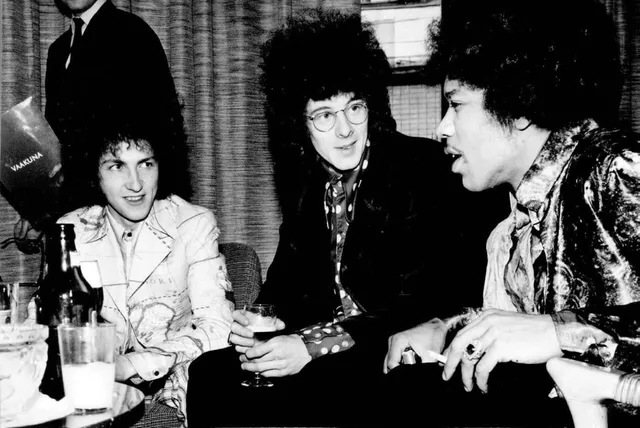
Jimi Hendrix performing in Helsinki in 1967
22 December 1967 · United Kingdom

Christmas on Earth Continued 1967

In the final days of 1967, London’s underground compressed Hendrix, Pink Floyd, Soft Machine, Arthur Brown, projections and all-night sensory overload into one cavernous Olympia event.

Enter the archive →
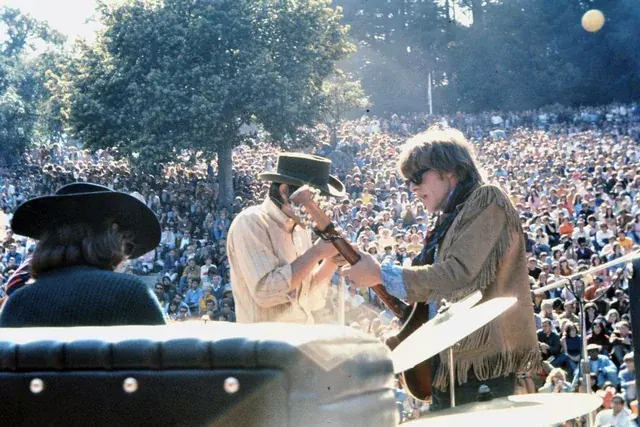
Grace Slick, Marty Balin and Paul Kantner of Jefferson Airplane performing at Fantasy Fair in 1967
10–11 June 1967 · United States

Fantasy Fair 1967

One week before Monterey Pop, a radio-station benefit transformed a mountain amphitheatre into a two-day experiment in psychedelic music, participatory design and festival movement.

Enter the archive →
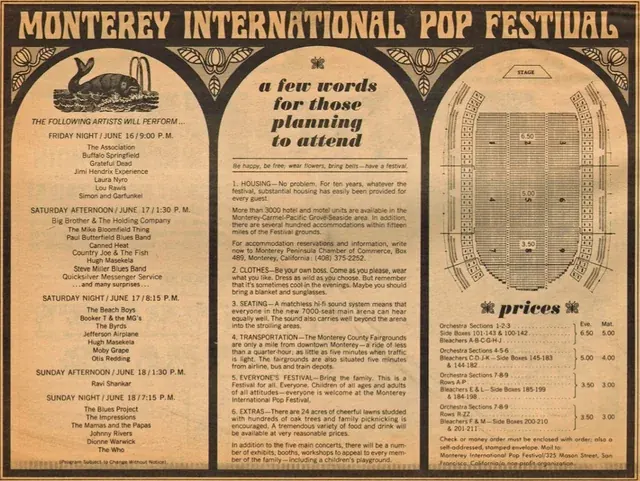
Early newspaper advertisement for the Monterey International Pop Festival in 1967
16–18 June 1967 · United States

Monterey Pop 1967

For three June days, California pop, San Francisco psychedelia, British rock, soul, folk and Indian classical music shared one unusually deliberate stage.

Enter the archive →
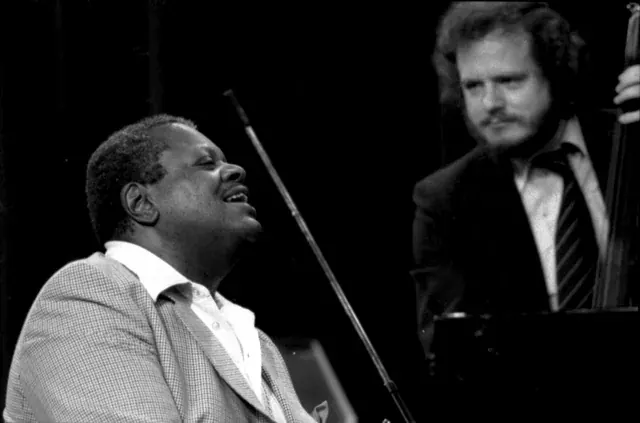
Oscar Peterson and Niels-Henning Ørsted Pedersen performing at Montreux in 1979
Founded 1967; this guide focuses on the formative decades · Switzerland

Montreux Jazz Festival

Founded in 1967 beside Lake Geneva, Montreux became more than a festival: it became a recording culture whose preserved performances map the movement between jazz, blues, fusion, rock and progressive experiment.

Enter the archive →
Alexandra Palace
29–30 April 1967 · United Kingdom

The 14 Hour Technicolor Dream 1967

At Alexandra Palace, Pink Floyd, Soft Machine, poets, light artists, films and thousands of night-time revellers turned a benefit for International Times into one of British psychedelia’s defining total-environment events.

Enter the archive →
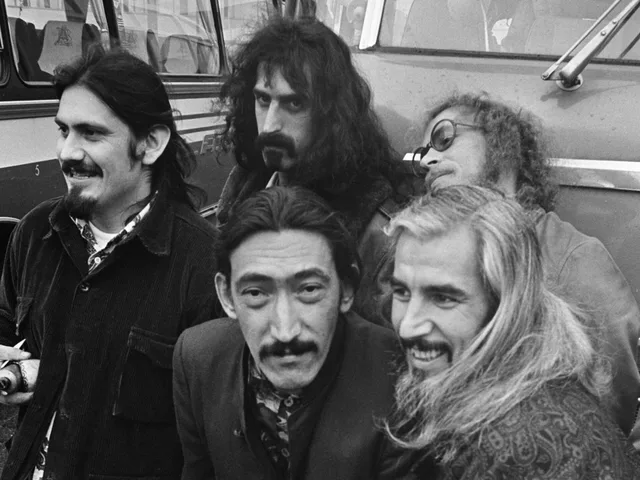
The Mothers of Invention in the Netherlands in 1968
25–29 September 1968 · West Germany

Essener Songtage 1968

Across five days and multiple venues, Essen placed German underground groups beside international rock, folk, chanson, free jazz, political song, cabaret and multimedia, creating one of the decisive meeting points of postwar German popular culture.

Enter the archive →
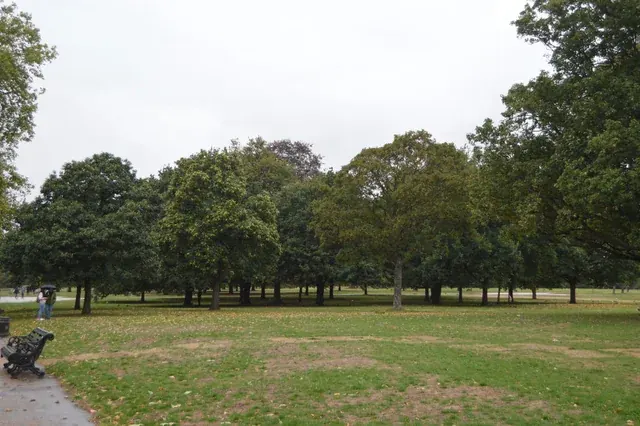
Open grass and mature trees in Hyde Park, London
1968–1971 · United Kingdom

Hyde Park Free Concerts

For four summers, free concerts in a Royal Park turned progressive, psychedelic and underground rock into a public event—and forced London to negotiate who its central spaces were for.

Enter the archive →
Audience and festival landscape at the 1969 Isle of Wight Festival
1968 and 29–31 August 1969 · United Kingdom

Isle of Wight Festival 1968–1969

Before the monumental 1970 edition, two rapidly expanding Isle of Wight festivals turned a local experiment into one of Europe’s central counterculture stages—and brought Bob Dylan back for his first full concert in three years.

Enter the archive →
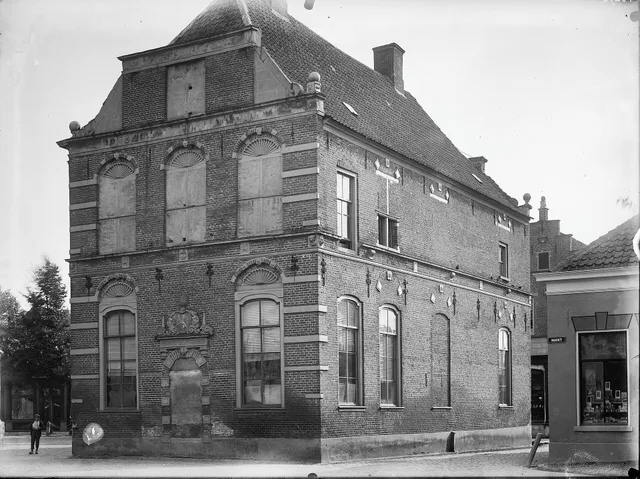
A documented historic exterior in Lochem
1968–1986 · Netherlands

Lochem Popmeeting 1968–1986

What began as a tiny Ascension Day pop meeting in an open-air theatre became one of the Netherlands’ longest-running rock traditions and a training ground for the logistics behind later Dutch megafestivals.

Enter the archive →
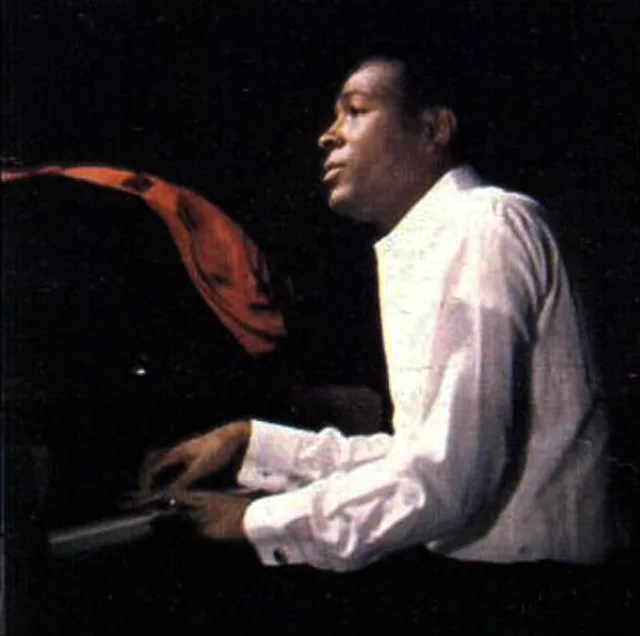
Marvin Gaye in a 1968 Tamla Records publicity photograph
28–30 December 1968 · United States

Miami Pop, December 1968

Seven months after a different festival had tested the same racetrack, a new production brought dozens of rock, soul, folk, blues and jazz performers to two simultaneous stages and showed how quickly the American festival model was becoming an industry.

Enter the archive →
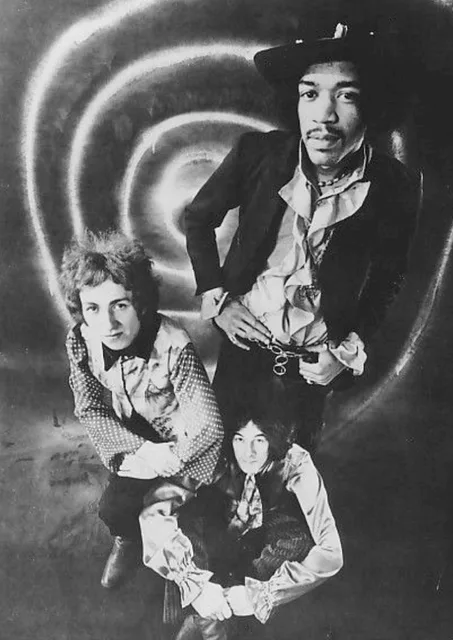
The Jimi Hendrix Experience in a 1968 Reprise Records publicity photograph
18–19 May 1968 · United States

Miami Pop, May 1968

At Gulfstream Park in May 1968, Michael Lang and Ric O’Barry assembled a hurried two-day experiment around Jimi Hendrix, only for tropical weather to interrupt the plan and leave behind a blueprint, recordings and lessons that would travel into festival history.

Enter the archive →
Jimi Hendrix in a late-1960s publicity photograph
1968–1969 · United States

Newport Pop Festival 1968–1969

At Costa Mesa and later Devonshire Downs, Newport Pop showed how quickly the West Coast festival model could outgrow its infrastructure—and how the mass rock audience was already arriving before Woodstock fixed the template in popular memory.

Enter the archive →
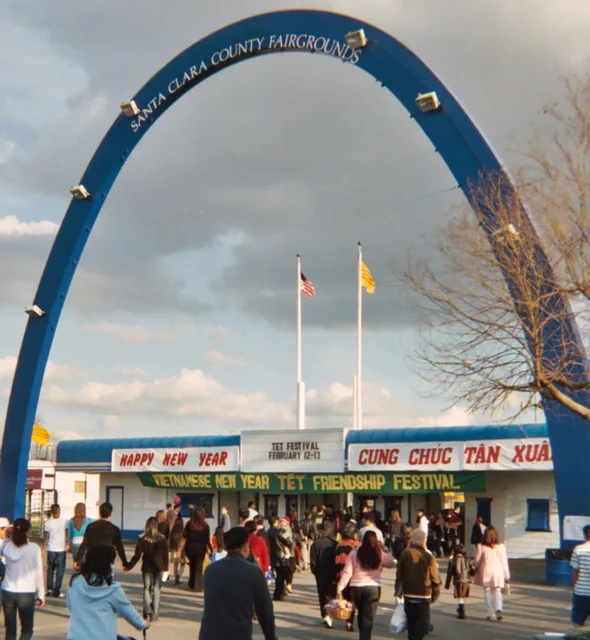
Entrance to the Santa Clara County Fairgrounds in a later photograph
18–19 May 1968 and 23–25 May 1969 · United States

Northern California Folk-Rock Festival 1968–1969

Two ambitious San Jose festivals brought the Doors, Jefferson Airplane, Janis Joplin, Jimi Hendrix and a fast-rising Santana to the fairgrounds—but disputed billing, bad drugs and a rival free festival turned the series into a case study in trust and counterculture economics.

Enter the archive →
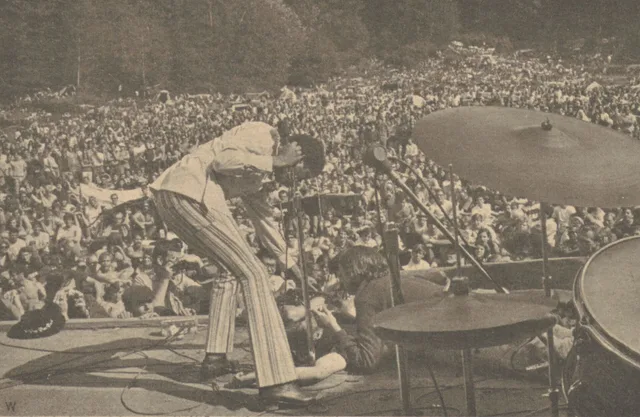
An unidentified performer at the 1968 Sky River Rock Festival
1968–1970 · United States

Sky River Rock Festival 1968–1970

Born from Seattle’s underground press and the absurdist Piano Drop, Sky River turned rural Washington into a temporary counterculture experiment before the national festival boom had fully arrived.

Enter the archive →
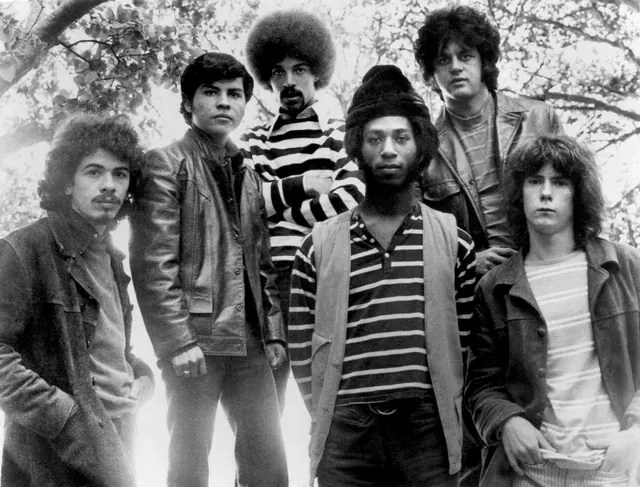
Santana in a 1969 Columbia Records publicity photograph
6 December 1969 · United States

Altamont 1969

A free concert assembled at dangerous speed became a case study in failed planning, unmanaged force and the difference between a musical ideal and the machinery required to realise it.

Enter the archive →
Frank Zappa and the Mothers of Invention performing in Hamburg in October 1968
24–28 October 1969 · Belgium

Amougies 1969

Forced out of France and rebuilt in a Belgian village, Festival Actuel placed free jazz, Canterbury experiment, psychedelic rock and avant-garde improvisation inside one cold, extraordinary tent.

Enter the archive →
Jefferson Airplane in a 1967 publicity photograph
1–3 August 1969 · United States

Atlantic City Pop Festival 1969

Two weeks before Woodstock, Electric Factory Concerts brought a remarkably deep three-day bill to a racecourse in Mays Landing—professionally run, widely attended and later eclipsed because no official film or soundtrack fixed it in public memory.

Enter the archive →
A later view across Coldham's Common in Cambridge
1969–1971 · United Kingdom

Cambridge Free Festival 1969–1971

Across three loosely documented Cambridge gatherings, free admission, improvised stages and early appearances by artists such as David Bowie and King Crimson helped turn civic green space into a laboratory for British free-festival culture.

Enter the archive →
Jimi Hendrix in a 1969 newspaper image
27–29 June 1969 · United States

Denver Pop Festival 1969

Two months before Woodstock, Barry Fey filled Mile High Stadium with a major three-day rock bill, experienced festival production and a fight over paid admission that ended in tear gas and the final concert of the original Jimi Hendrix Experience.

Enter the archive →
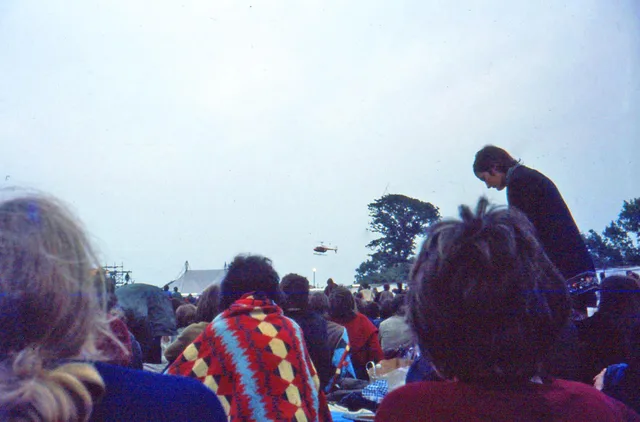
Poster for the October 1969 Internationales Essener Pop and Blues Festival
9–11 October 1969; 24–25 April and 22–25 October 1970 · West Germany

Essen Pop & Blues Festivals 1969–1970

After the radical Essener Songtage of 1968, the Grugahalle became a pressure chamber for British blues, progressive rock and a German underground about to acquire a name of its own.

Enter the archive →
George Wein with the Newport All-Stars
11–12 July 1969 · United States

Laurel Pop Festival 1969

A month before Woodstock, Laurel Race Course hosted a compact but extraordinary two-night bill that exposed both the possibilities and the fragility of the new festival economy.

Enter the archive →
Poster for the New Orleans Pop Festival in 1969
30 August–1 September 1969 · United States

New Orleans Pop Festival 1969

On Labor Day weekend in Louisiana, promoters turned a speedway into a three-day rock camp with dual sound systems, abundant supplies and a surprisingly cooperative relationship with local authorities—while racial tension and curfews shaped the world just beyond the gates.

Enter the archive →
George Wein with the Newport All-Stars
3–6 July 1969 · United States

Newport Jazz Festival 1969

In 1969 Newport pushed jazz festival culture into unstable new territory, mixing Miles Davis and Dave Brubeck with Led Zeppelin, James Brown, Sly & the Family Stone and a younger, far less predictable crowd.

Enter the archive →
Janis Joplin performing on television in 1969
28–30 November 1969 · United States

Palm Beach Pop Festival 1969

Thanksgiving weekend in Florida brought King Crimson, Janis Joplin, Jefferson Airplane and the Rolling Stones to a rain-soaked raceway where official hostility, bad weather and logistical strain turned the promise of “Woodstock South” into a harsher festival story.

Enter the archive →
Procol Harum in 1968
April 1969 · United States

Palm Springs Pop Festival 1969

A two-day Southern California pop festival brought major rock acts into the Coachella Valley—and left Palm Springs grappling with crowd control, violence and the politics of youth culture before the summer festival boom peaked.

Enter the archive →
The Doors in a 1969 publicity photograph
25–27 July 1969 · United States

Seattle Pop Festival 1969

Three weeks before Woodstock, more than fifty thousand people gathered at Gold Creek Park for a remarkably broad, smoothly run festival where the Doors, Santana, Chicago Transit Authority and Led Zeppelin shared a Northwest stage.

Enter the archive →
Texas International Pop Festival historical marker in Lewisville
30 August–1 September 1969 · United States

Texas International Pop Festival 1969

Held two weeks after Woodstock, Texas International Pop translated the festival boom into a sprawling, heat-soaked Southern plain where blues, soul, psychedelia and hard rock shared one immense weekend.

Enter the archive →
John Lennon performing Give Peace a Chance in 1969
13 September 1969 · Canada

Toronto Rock and Roll Revival 1969

A struggling oldies revue became a turning point when John Lennon assembled the Plastic Ono Band overnight, joining first-generation rock-and-roll performers and a new theatrical underground at Varsity Stadium.

Enter the archive →
Mountain performing on stage during Woodstock on Saturday night in 1969
15–18 August 1969 · United States

Woodstock 1969

A troubled commercial production became a vast temporary settlement, then cinema and recorded sound turned four difficult days into a permanent cultural symbol.

Enter the archive →
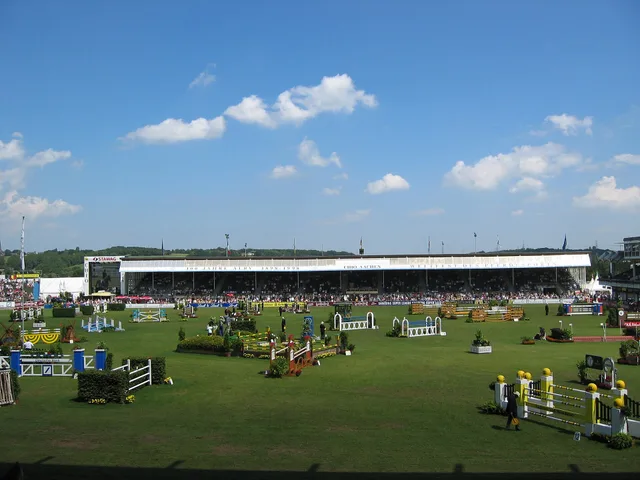
Aerial view of the Soers equestrian stadium in Aachen
10–12 July 1970 · West Germany

Aachen Open Air Pop Festival 1970

At Aachen’s Soers stadium in July 1970, British progressive rock, German experimental music and blues-heavy festival culture converged before tens of thousands in one of West Germany’s strongest outdoor bills.

Enter the archive →
Main stage and crowd at the Bath Festival of Blues and Progressive Music in 1970
27–29 June 1970 · United Kingdom

Bath Festival 1970

At a Somerset agricultural showground, British blues-festival tradition expanded into a vast programme of progressive, heavy, psychedelic and transatlantic rock.

Enter the archive →
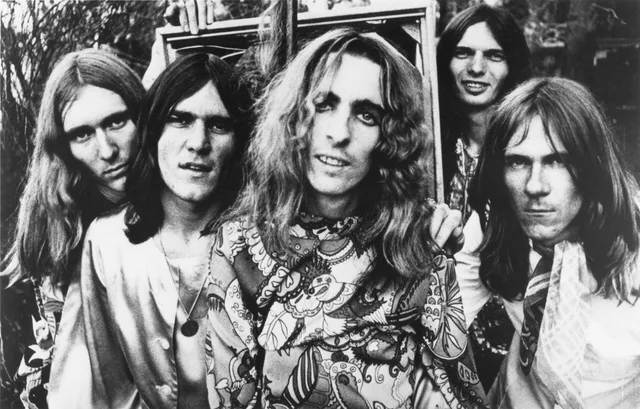
The Alice Cooper band in a public-domain publicity photograph
13 June 1970 · United States

Cincinnati Summer Pop Festival 1970

Cincinnati’s summer festival became more than a stadium concert when national television preserved Alice Cooper, the Stooges, Mountain, Grand Funk Railroad and Traffic as a snapshot of rock mutating into something heavier and stranger.

Enter the archive →
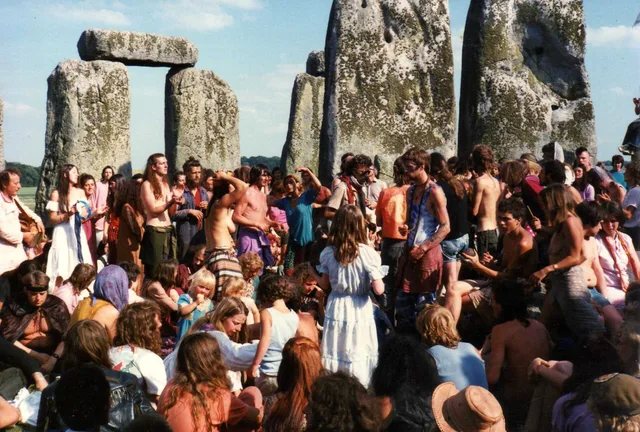
Stonehenge Free Festival encampment in 1984
1970–1984, with 1985 as aftermath · Multiple European countries

European Free-Festival Movement 1970–1984

From improvised British gatherings such as Phun City and Windsor to Watchfield, Deeply Vale and Stonehenge—and alongside free-concert experiments in the Netherlands—a loose culture emerged in which the festival was less a product than a temporary way of living.

Enter the archive →
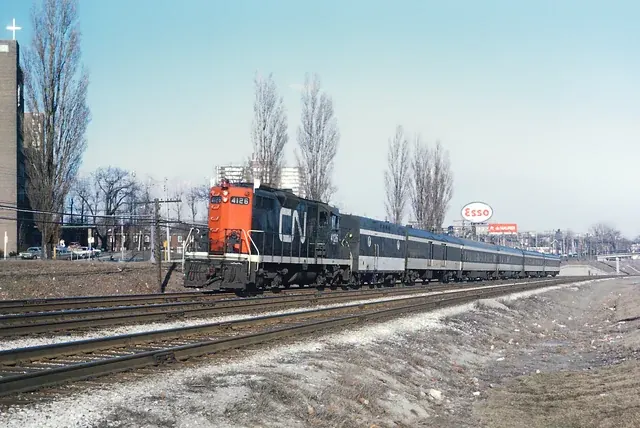
Canadian National passenger train near Toronto in April 1970
27 June–5 July 1970 · Canada

Festival Express 1970

A Canadian concert tour placed Janis Joplin, the Grateful Dead, The Band and fellow travellers on one train, creating an improvised musical community between shows and a difficult argument about the price of counterculture.

Enter the archive →
Glastonbury Festival site near Pilton photographed in 2022
19 September 1970; 20–24 June 1971 · United Kingdom

Glastonbury 1970–1971

The first Worthy Farm concert and the free Glastonbury Fayre were separate experiments—small, improvised and far removed from the vast institution that later inherited their field.

Enter the archive →
MC5 in a 1970 Atlantic Records publicity photograph
7–9 August 1970 · United States

Goose Lake 1970

At Goose Lake, promoters tried to replace Woodstock’s improvisation with permanent infrastructure, a giant revolving stage and industrial-scale planning—only to discover that organisation could not neutralise the politics surrounding a mass rock gathering.

Enter the archive →
Wide view of the audience and main stage at Holland Pop Festival in 1970
26–28 June 1970 · Netherlands

Holland Pop Festival 1970

Rotterdam placed an international rock festival inside the Kralingse Bos and discovered that the audience, weather and counterculture would rewrite the plan.

Enter the archive →
The Grateful Dead in a 1970 publicity photograph
23–24 May 1970 · United Kingdom

Hollywood Music Festival 1970

On a Staffordshire farm in May 1970, an ambitious two-day festival brought the Grateful Dead to Britain for the first time and previewed the huge outdoor season that was about to engulf the country.

Enter the archive →
Panoramic view of the Isle of Wight Festival site and audience in 1970
26–30 August 1970 · United Kingdom

Isle of Wight 1970

Five days at Afton Down brought an extraordinary international bill, disputed mass attendance and the unresolved politics of the free-festival ideal.

Enter the archive →
A tent at another American rock gathering in 1970
Memorial Day weekend 1970 · United States

Kickapoo Creek Rock Festival 1970

Over Memorial Day weekend, a rural Illinois site became a temporary city of tens of thousands, leaving behind not just festival lore but legal records, photographs and a unusually rich local archive.

Enter the archive →
Fairport Convention, UK electric folk band on stage at the 1982 Cropredy Festival (Tony Rees photograph). L R: Linda Thompson (guest), Dave Swarbrick, Trevor Lucas, obscured drummer (Dave Mattacks), Dave Pegg, Jerry Dona
14–16 August 1970 · United Kingdom

Krumlin Festival 1970

At Banquet House Farm, an ambitious folk, blues and rock weekend met a Pennine storm so severe that tents collapsed, the site flooded and Sunday’s programme effectively disappeared.

Enter the archive →
Audience at the Love and Peace Festival on Fehmarn in 1970
4–6 September 1970 · West Germany

Love and Peace Festival Fehmarn 1970

Germany’s attempted answer to Woodstock arrived on a Baltic island in cold rain, organisational chaos and financial collapse—and became remembered above all for Jimi Hendrix’s final festival performance.

Enter the archive →
Led Zeppelin in a 1971 promotional photograph
29 August 1970 · Canada

Man-Pop Festival 1970

A violent summer storm turned Manitoba’s centennial rock festival into a logistical improvisation, forcing organisers to abandon Winnipeg Stadium, move thousands into the nearby arena and persuade Led Zeppelin to play deep into the night.

Enter the archive →
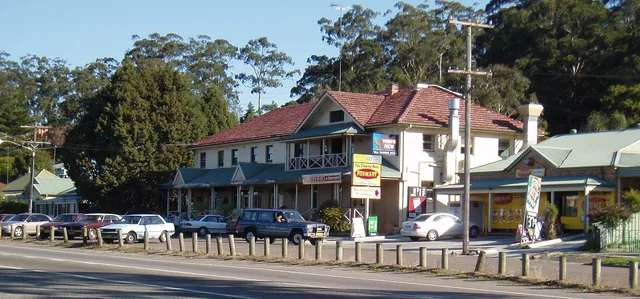
The pub at Ourimbah in New South Wales
January 1970 · Australia

Ourimbah 1970

On the New South Wales Central Coast, an all-Australian programme drew roughly ten thousand people into an outdoor experiment whose surviving film and audio document the moment a local scene tested the festival form for itself.

Enter the archive →
Mick Farren, organiser of Phun City
24–26 July 1970 · United Kingdom

Phun City 1970

Mick Farren’s Sussex gathering was supposed to be a ticketed underground festival; when backing collapsed days before the event, it mutated into a rough, improvised free festival with lasting influence.

Enter the archive →
Gabriel Parra at Piedra Roja
10–12 October 1970 · Chile

Piedra Roja 1970

In the eastern outskirts of Santiago, Piedra Roja became less a smoothly staged concert than a sudden public revelation that Chile had a visible hippie and rock youth culture of its own.

Enter the archive →
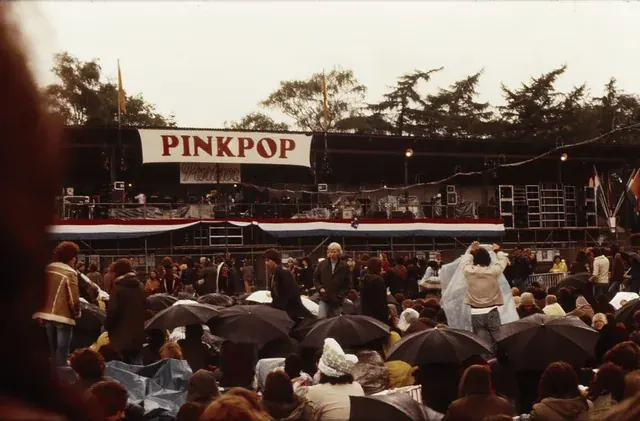
Crowd and festival grounds at Pinkpop in 1978
1970–1979 editions · Netherlands

Pinkpop in the 1970s

From a one-day Pentecost event in Geleen, Pinkpop developed through repetition: the same holiday, a recognisable place and a programme able to change without losing its name.

Enter the archive →
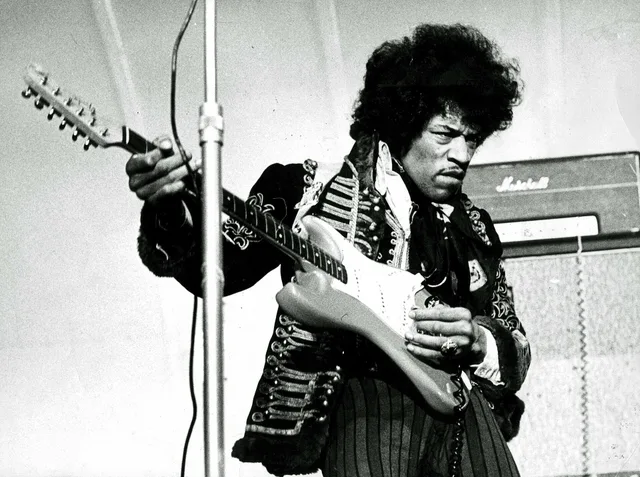
A tent at Powder Ridge during the cancelled 1970 rock festival
Scheduled for 31 July–2 August 1970 · United States

Powder Ridge 1970

A court injunction erased the advertised programme, but tens of thousands still occupied a Connecticut ski slope—turning a cancelled concert into a revealing confrontation over festival culture and public authority.

Enter the archive →
Ruisrock on Ruissalo island in August 1970
Annual editions, 1970–1979 · Finland

Ruisrock in the 1970s

Finland’s first great rock festival grew from a student-backed experiment into a 100,000-person crisis, then survived political backlash by shrinking, learning and becoming an enduring institution on Ruissalo island.

Enter the archive →
Rotary Connection in a Cadet Records publicity photograph
April 1970 · United States

Sound Storm 1970

In rural Wisconsin, Sound Storm joined the extraordinary 1970 wave of temporary rock cities, drawing a mass audience into a landscape that had never been designed for the social experiment it suddenly hosted.

Enter the archive →
A later concert crowd at Mosport Park in Ontario
7–10 August 1970 · Canada

Strawberry Fields Festival 1970

Blocked repeatedly by local politics, John Brower’s festival finally reached Mosport Park under the camouflage of a motorcycle event—and became one of Canada’s largest rock gatherings of the era.

Enter the archive →
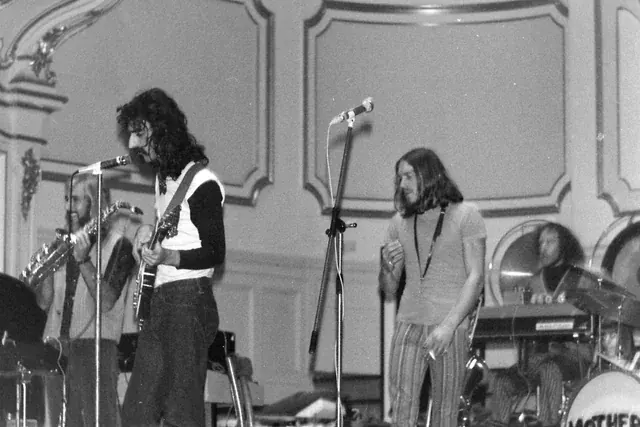
Landscape at Milo McIver State Park in Oregon
28 August–3 September 1970 · United States

Vortex I 1970

Oregon’s government did something almost unimaginable in 1970: it helped enable a free counterculture festival in a state park because officials believed music, camping and tolerated rule-breaking might prevent a violent confrontation in Portland.

Enter the archive →
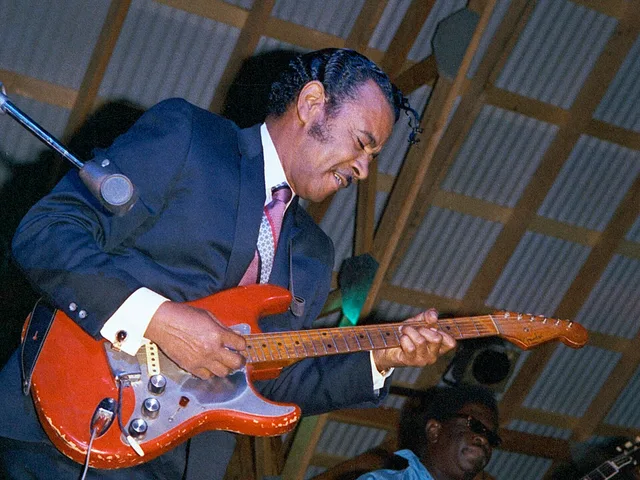
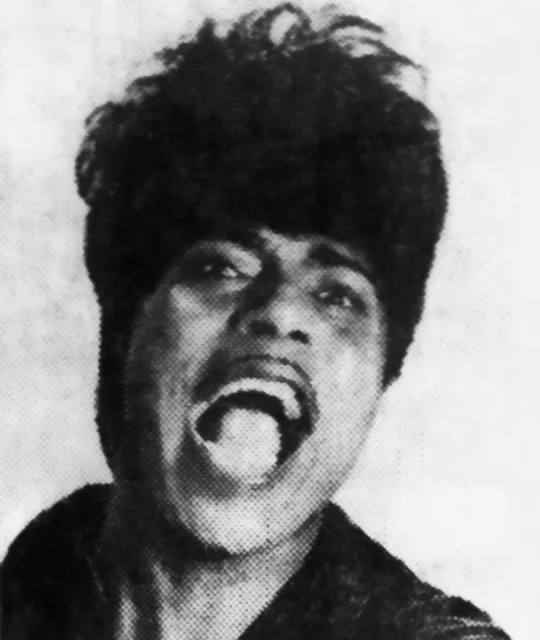
Little Richard in a 1960s publicity portrait
31 July–2 August 1970 · United States

Wadena Rock Festival 1970

Far from the coastal centres of the counterculture, Wadena became one more proof that the American festival boom had become national, messy and nearly impossible for local infrastructure to absorb.

Enter the archive →
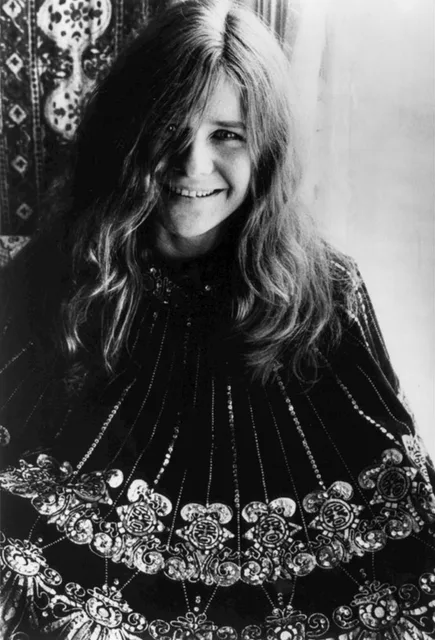
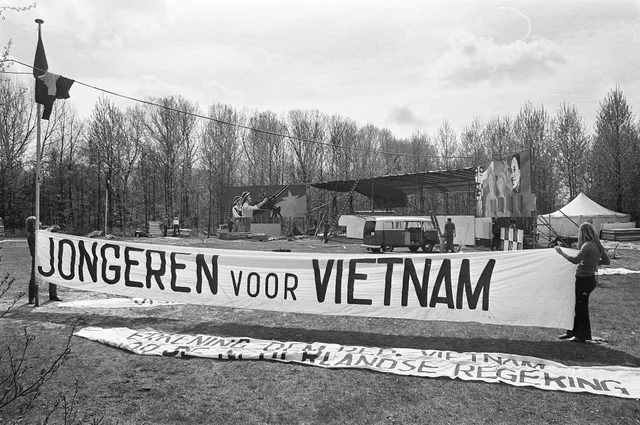
Banner at the Vietnamweide gathering in Amsterdamse Bos in 1972
26 June 1971 and 29–30 April 1972 · Netherlands

Amsterdamse Bos Free Concerts 1971–1972

In 1971 tens of thousands converged on the Amsterdamse Bos for a free bill including Pink Floyd, Humble Pie, Focus and CCC Inc.; a year later the park became the “Vietnamweide” for a 24-hour political-cultural gathering that mixed rock, jazz, classical experiment, writers and filmmakers.

Enter the archive →
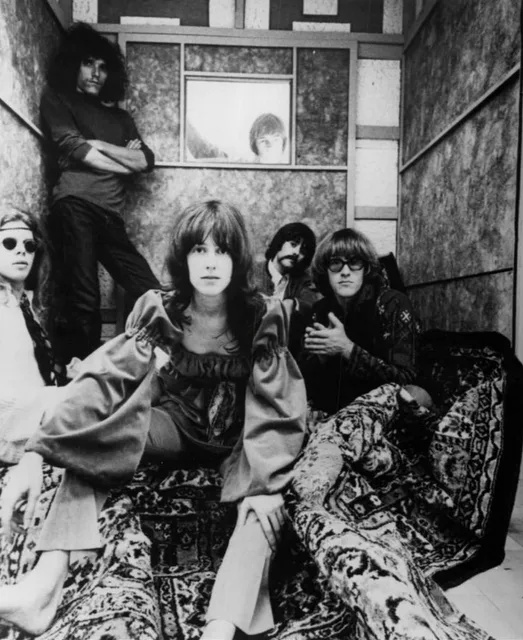
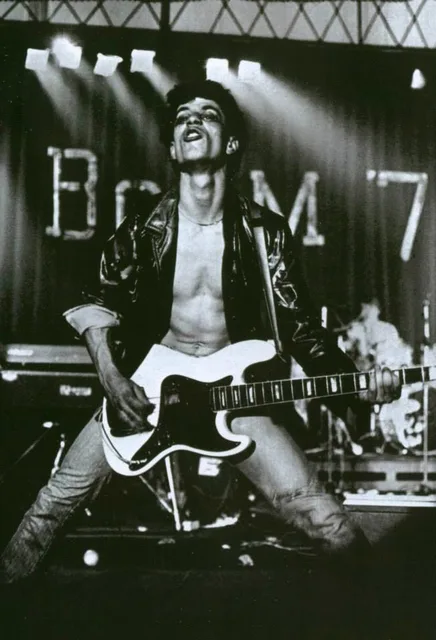
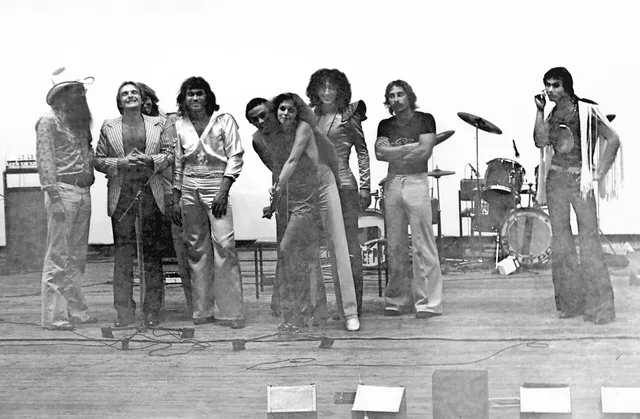
Paraf at BOOM Festival in Novi Sad in 1978
1971–1978 · Yugoslavia

BOOM Festival 1971–1978

Travelling from Maribor to Ljubljana, Zagreb, Belgrade and Novi Sad, BOOM created a rare all-Yugoslav platform where progressive and hard-rock bands could compete, collaborate and be preserved on live records.

Enter the archive →
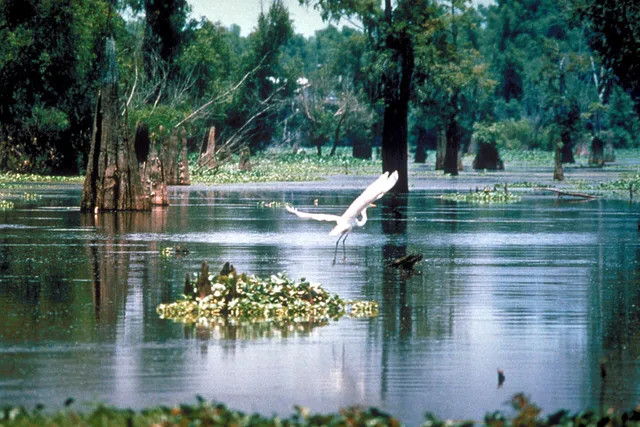
Atchafalaya Basin landscape in Louisiana
24–27 June 1971 · United States

Celebration of Life 1971

Advertised as an eight-day gathering with a spectacular bill, Celebration of Life opened late beside the Atchafalaya River, lost much of its promised programme and became a brutal lesson in what happened when festival ambition outran permits, water, shade, security and truth in advertising.

Enter the archive →
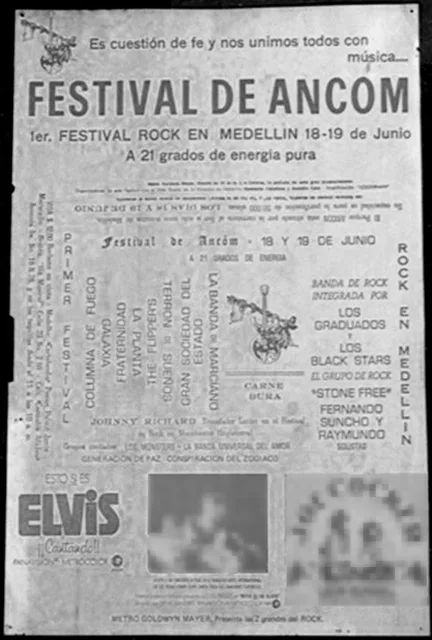
A poster for Festival de Ancón 1971
18–20 June 1971 · Colombia

Festival de Ancón 1971

Near Medellín, Ancón gathered Colombia’s young rock scene into a three-day outdoor event that newspapers quickly turned into a national argument about hippies, morality and modern youth culture.

Enter the archive →
Ilosaarirock Festival in 2007
1971–1984 guide scope · Finland

Ilosaarirock 1971–1984

Born when Joensuu musicians decided they needed more places to play, Ilosaarirock grew from the 1971 Rockrieha into one of Finland’s enduring independent festival institutions.

Enter the archive →
Annabel Lamb at Kalvøya Festival in 1984
1971–1984 guide scope · Norway

Kalvøya Festival 1971–1984

On a small island west of Oslo, Kalvøya became a recurring meeting point between Norwegian artists and the international rock circuit, shifting from folk and local counterculture toward major touring acts.

Enter the archive →
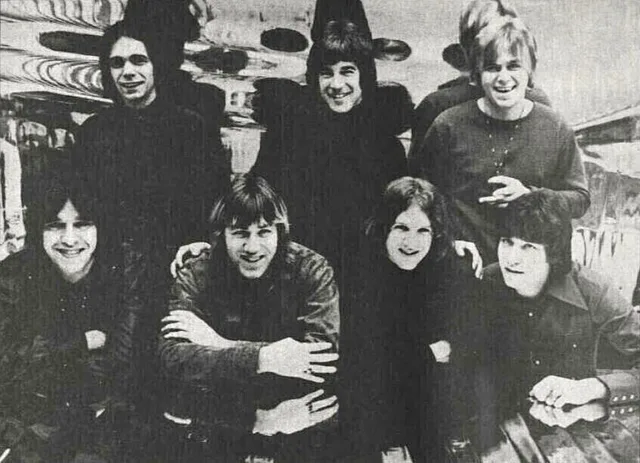
Black Sabbath in a period publicity photograph
30 January–1 February 1971 · Australia

Myponga Pop Festival 1971

On a farm south of Adelaide, Myponga paired Black Sabbath with a strong Australian bill and announced itself as a festival of progressive music rather than a simple copy of Woodstock.

Enter the archive →
Audience and festival structures at Reading Festival in 1975
1971–1979 editions · United Kingdom

Reading in the 1970s

An itinerant jazz festival found a durable home in Reading and became a testing ground for progressive scale, hard-rock power and the disruptive arrival of punk.

Enter the archive →
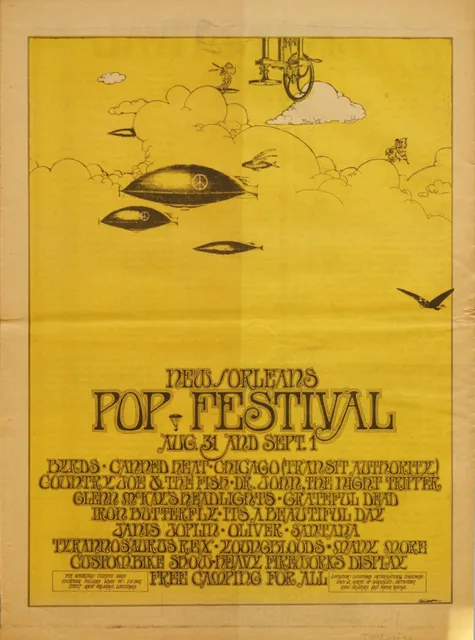
Roskilde Festival’s Orange Stage in 2006
Annual editions, 1971–1979 · Denmark

Roskilde Festival in the 1970s

Roskilde began in 1971 as a chaotic student-built Sound Festival; by decade’s end it had become a non-profit institution with volunteers, international stars and an orange stage destined to become a European festival symbol.

Enter the archive →
Farmland near Weeley Heath in Essex
27–29 August 1971 · United Kingdom

Weeley Festival 1971

Planned by Clacton Round Table as a modest charity fundraiser, Weeley exploded into a six-figure Bank Holiday gathering when Britain’s festival circuit suddenly needed somewhere else to go.

Enter the archive →
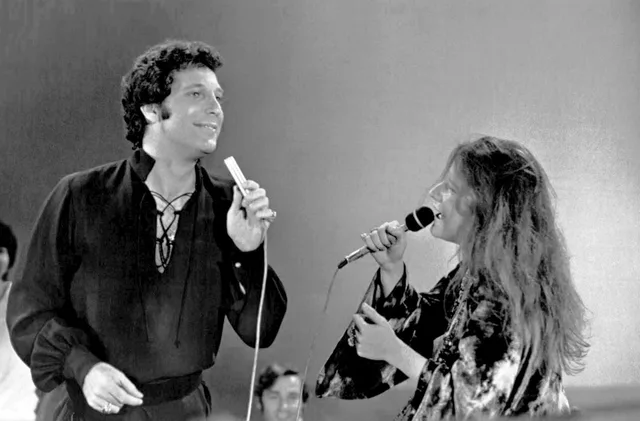
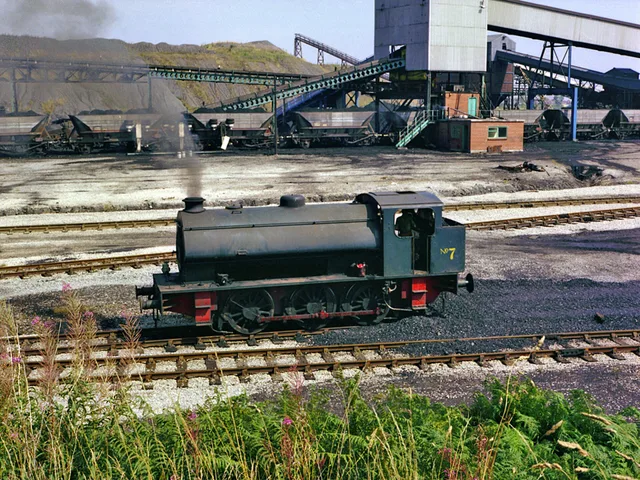
Industrial locomotive at Bickershaw Colliery
5–7 May 1972 · United Kingdom

Bickershaw Festival 1972

In a rain-soaked Lancashire field, Bickershaw combined ambitious American bookings, British underground culture and near-comic logistical strain into one of the strangest major festivals of the early 1970s.

Enter the archive →
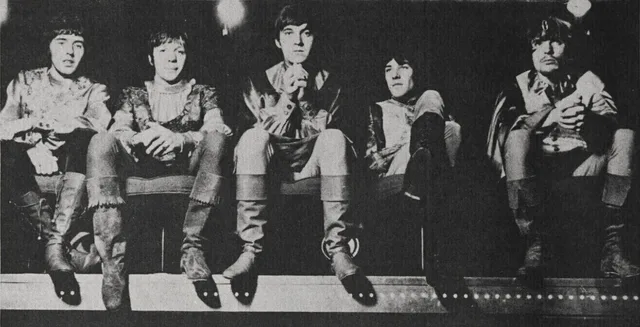
Canned Heat performing at Ruisrock in 1971
2–4 September 1972 · United States

Bull Island 1972

Driven across state lines by injunctions, the Erie Canal Soda Pop Festival finally landed on Bull Island beside the Wabash River, where an audience vastly beyond the site’s capacity overwhelmed water, food, security and scheduling before the abandoned stage itself was burned.

Enter the archive →
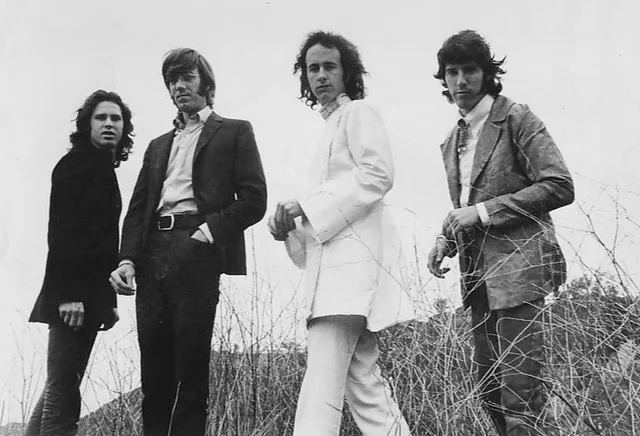
The Faces with Rod Stewart in 1970
26–29 May 1972 · United Kingdom

Great Western Express Festival 1972

On the grounds beside Tupholme Abbey, one of Britain’s largest 1972 rock gatherings mixed major acts, punishing weather and an increasingly professional festival machine that still could not guarantee financial survival.

Enter the archive →
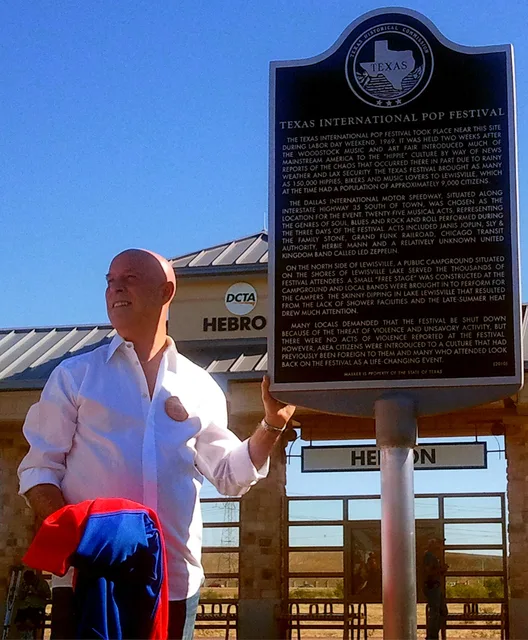
The Mar y Sol festival site and audience in daylight in 1972
1–3 April 1972 · Puerto Rico, United States territory

Mar y Sol 1972

On Puerto Rico’s north coast, an international bill spanning progressive rock, jazz fusion, blues and soul met Holy Week opposition, legal peril, difficult weather and a coastal site whose beauty could not simplify production.

Enter the archive →
Aerial view of Diggers Rest, Victoria
1972–1975 · Australia

Sunbury 1972–1975

Across four Australia Day weekends outside Melbourne, Sunbury moved beyond imported Woodstock imagery and became a showcase for a louder, more self-confident Australian rock culture—before its finances and international ambitions finally broke the model.

Enter the archive →
Windsor Great Park landscape
Annual gatherings, 1972–1974 · United Kingdom

Windsor Free Festival 1972–1974

Built from squatting, commune and free-festival politics, Windsor grew from a few hundred people into a direct confrontation over who had the right to gather, camp and make music on Crown-associated land.

Enter the archive →
Promoter Bill Graham in 1974
1973–1984 guide scope · United States

Day on the Green 1973–1984

At the Oakland Coliseum, Bill Graham turned the all-day stadium rock show into a repeatable Bay Area ritual—less utopian commune than expertly managed mass entertainment.

Enter the archive →
Ozzy Osbourne of Black Sabbath performing before the California Jam crowd in 1974
6 April 1974 · United States

California Jam 1974

ABC Entertainment, a superspeedway and eight major acts produced a one-day event built simultaneously for a vast paying audience and national television.

Enter the archive →
Pink Floyd performing at Knebworth Festival in 1975
Selected concerts and festivals, 1974–1982 · United Kingdom

Knebworth 1974–1982

From the Bucolic Frolic to Pink Floyd, the Rolling Stones, Genesis, Led Zeppelin and dedicated jazz editions, Knebworth turned an English estate into a recurring laboratory for large-scale live music.

Enter the archive →
Yoko Ono and John Lennon in 1973
31 July–10 August 1974 programme; major concerts 4–5 & 8–10 August · Japan

One Step Festival 1974

In Kōriyama, One Step assembled around forty acts and more than seventy thousand visits across five major concert days, becoming one of Japan’s largest outdoor rock events of the 1970s.

Enter the archive →
Right-hand view of the Ozark Music Festival stage and crowd in 1974
19–21 July 1974 · United States

Ozark Music Festival 1974

The Missouri State Fairgrounds were leased for a festival promoted as manageable; the crowd that arrived transformed Sedalia into a temporary rock city and forced the state to investigate how the event had been approved.

Enter the archive →
Stonehenge Free Festival encampment in 1984
Annual solstice-period gatherings, 1974–1984 · United Kingdom

Stonehenge Free Festival 1974–1984

For a decade around the summer solstice, fields beside Stonehenge became the centre of a sprawling British free-festival culture where bands, travellers, communes, sound systems and political arguments built a temporary world beside an ancient monument.

Enter the archive →
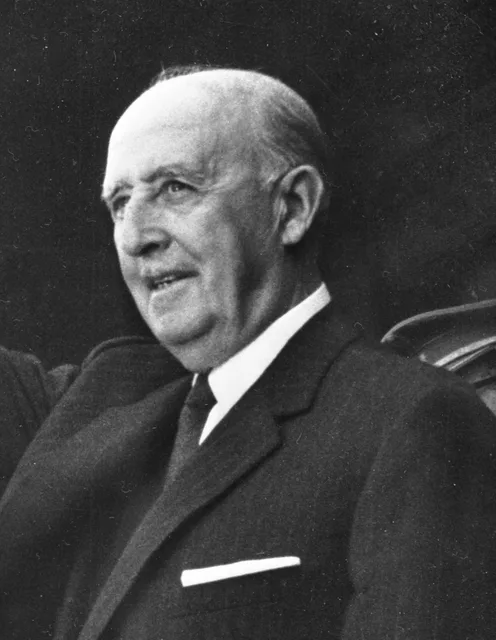
Francisco Franco in 1968
1975–1978 · Spain / Catalonia

Canet Rock 1975–1978

On the Maresme coast, Canet Rock fused Catalan music, progressive rock, political expectation and youth counterculture during the final months of dictatorship and the uncertain transition that followed.

Enter the archive →
Brazilian progressive rock group O Terço
1975, 1981, 1983 & 1984 · Brazil

Festival de Águas Claras 1975–1984

On Fazenda Santa Virgínia in rural São Paulo state, Águas Claras mixed rock, MPB, jazz, theatre and improvised communal life into a recurring festival that survived the cultural constraints of Brazil’s military dictatorship.

Enter the archive →
Bracknell Forest towards Caesar's Camp
1975–1978 · United Kingdom

People’s Free Festival Network 1975–1978

After Windsor was broken up, the People’s Free Festival did not disappear so much as become mobile—shifting through Watchfield, Kent and later Berkshire sites while a wider traveller circuit learned how to build culture without owning a permanent venue. The exact 1977 route remains too uncertain to force into the dek.

Enter the archive →
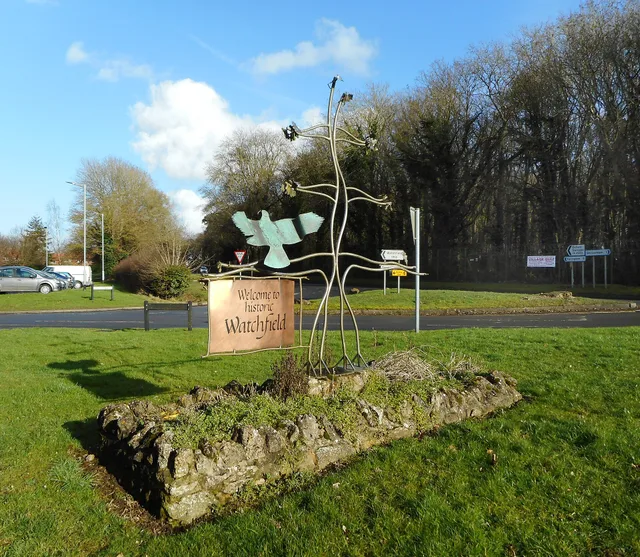
Historic Watchfield village sign
23–31 August 1975 · United Kingdom

Watchfield Free Festival 1975

After the violent ending of Windsor in 1974, Britain tried an extraordinary compromise: an abandoned military airfield, basic public services and official tolerance for a free festival culture that had spent years refusing conventional gates.

Enter the archive →
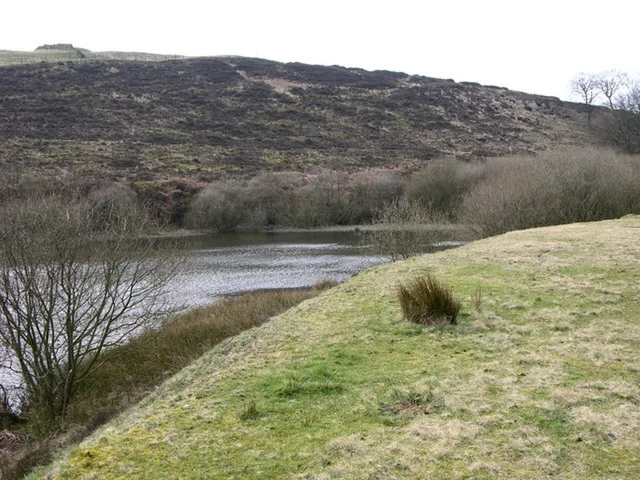
Mill Reservoir in Deeply Vale near the former free-festival site
1976–1979 · United Kingdom

Deeply Vale 1976–1979

In a Pennine valley near Rochdale, a gathering of a few hundred grew into a free festival of many thousands where space rock, communes, punk and volunteer infrastructure learned to coexist.

Enter the archive →
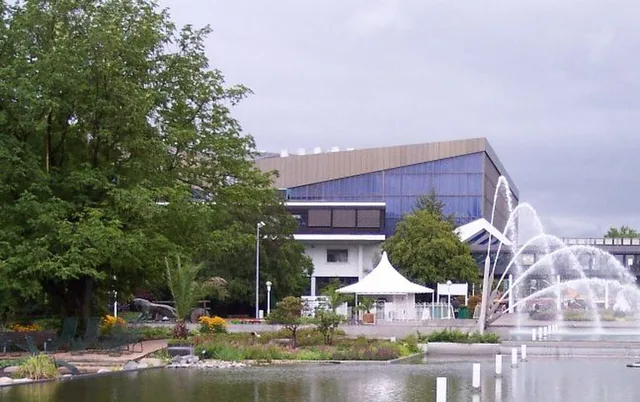
The Grugahalle in Essen
1977–1984 in this guide · West Germany

Rockpalast Nights 1977–1984

From the Grugahalle in Essen, WDR turned an all-night rock concert into a live trans-European broadcast with unedited changeovers, radio stereo sound and a camera archive preserving an extraordinary cross-section of music across two decades.

Enter the archive →
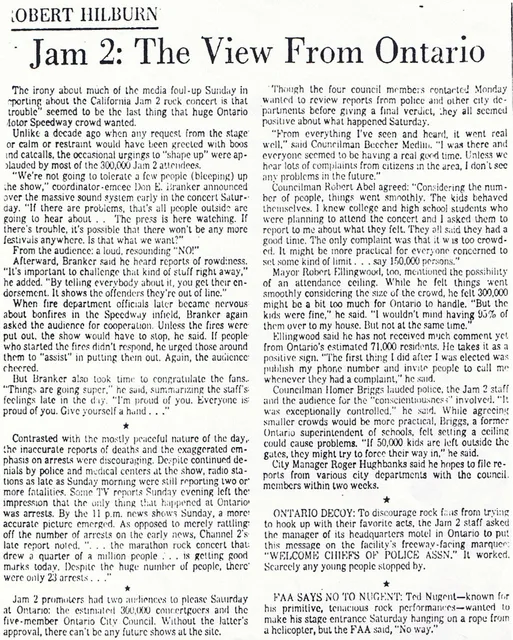
Newspaper coverage of California Jam II published after the festival
18 March 1978 · United States

California Jam II 1978

Four years after the first California Jam, Ontario Motor Speedway returned as a television-minded temporary city where late-1970s arena rock, professional logistics and an immense one-day audience became a reproducible industry package.

Enter the archive →
Canada Jam at Mosport in 1978
26 August 1978 · Canada

Canada Jam 1978

At Mosport Park in August 1978, the production team behind the California Jam model brought an all-day stadium-age spectacle north, drawing over 110,000 people in contemporary Canadian trade reporting for a bill that stretched from Kansas and Triumph to the Commodores and Village People.

Enter the archive →
Split Enz at Nambassa in January 1979
1978, 1979 & 1981; Waikino 1977 precursor · New Zealand

Nambassa 1978–1981

Built from the 1977 Waikino precursor, Nambassa grew through formal festivals in 1978, 1979 and 1981 into an ambitious experiment in music, crafts, spirituality, alternative technology and temporary community.

Enter the archive →
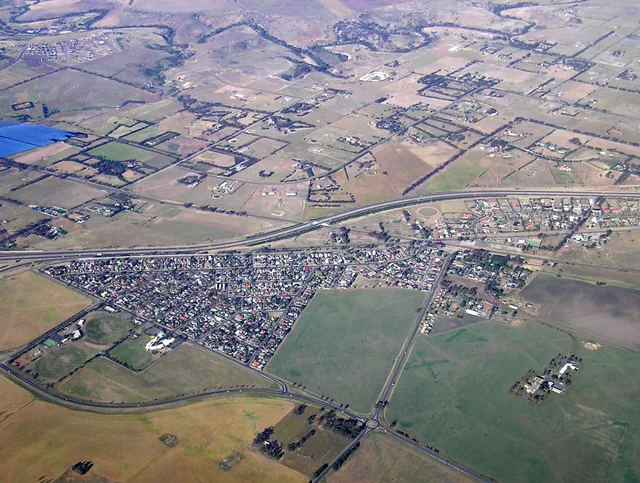
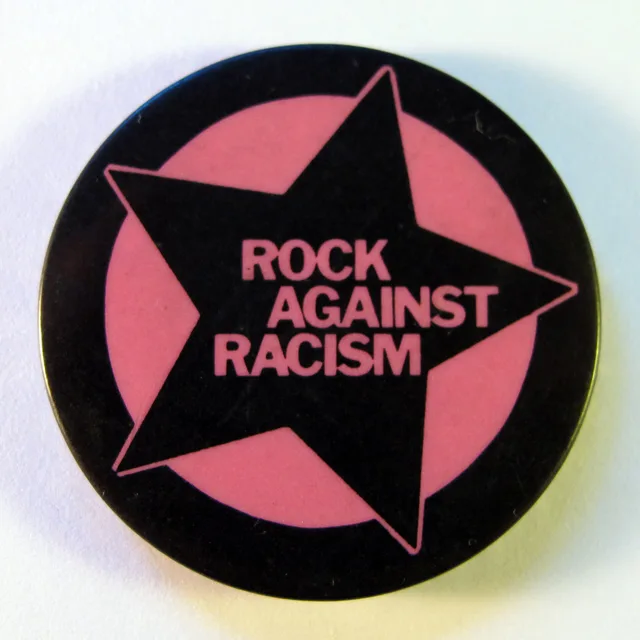
Rock Against Racism carnival in 1978
30 April 1978 · United Kingdom

Rock Against Racism Carnival 1978

On 30 April 1978, a march from central London ended in Victoria Park with The Clash, Steel Pulse, X-Ray Spex and Tom Robinson Band—turning anti-racist organising into one of the defining public music events of late-1970s Britain.

Enter the archive →
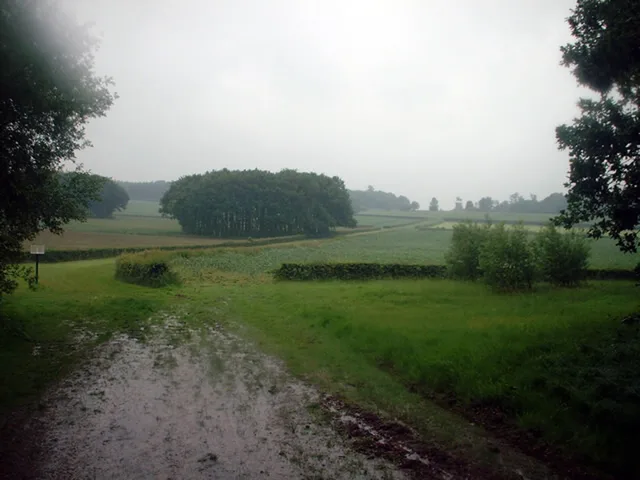
Dortmund transit at the Westfalenhallen
1978–1980 · West Germany

Rockpalast Dortmund 1978–1980

While Essen’s Grugahalle hosted the famous all-night Rocknächte, WDR also turned Dortmund’s Westfalenhalle into a live-television laboratory for German progressive rock, punk, Dutch rock and international hard rock at the end of the decade.

Enter the archive →
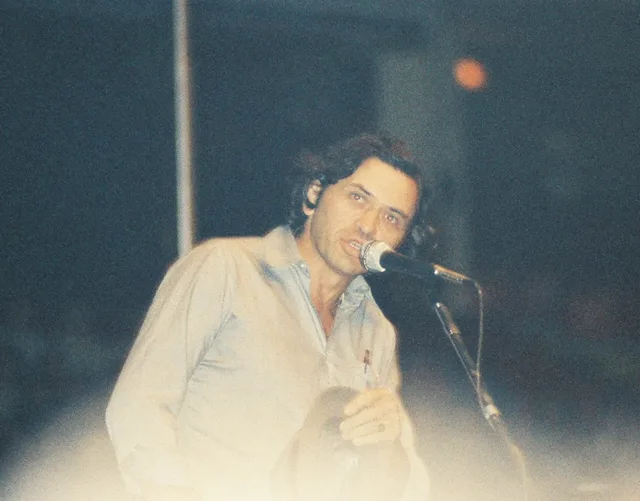
The Cotton Bowl in 1977
1978–1984 in this guide · United States

Texxas Jam 1978–1984

Beginning at the Cotton Bowl in 1978, Texxas Jam turned the summer festival into an annual stadium endurance test—hours of hard rock, black tarps, extreme heat and line-ups built for the age of arena-scale guitar music.

Enter the archive →
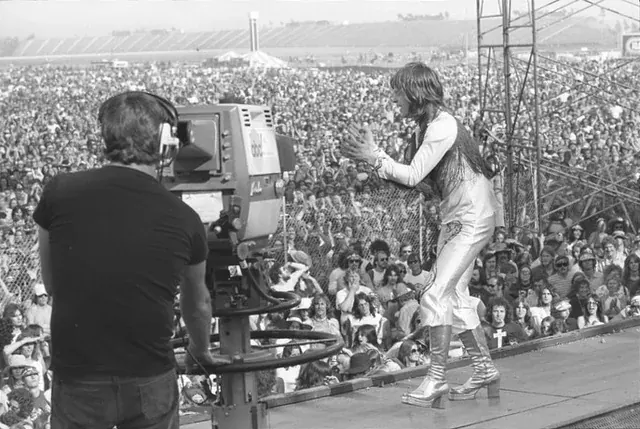
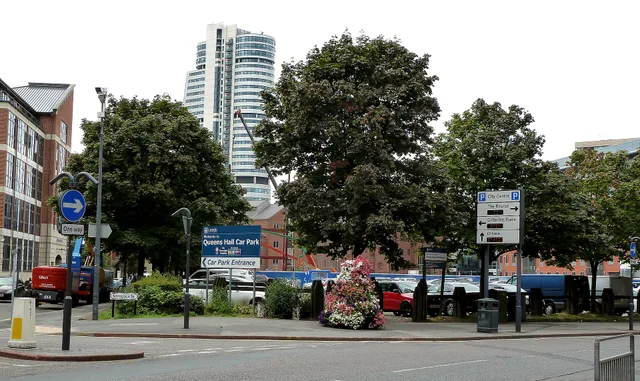
The former Queens Hall site in Leeds
1979–1983 · United Kingdom

Futurama Festival 1979–1983

In disused halls and sports centres, Futurama gathered the raw post-punk micro-scenes of Leeds, Manchester, Sheffield and Liverpool into a deliberately harsh alternative to the established outdoor rock festival.

Enter the archive →
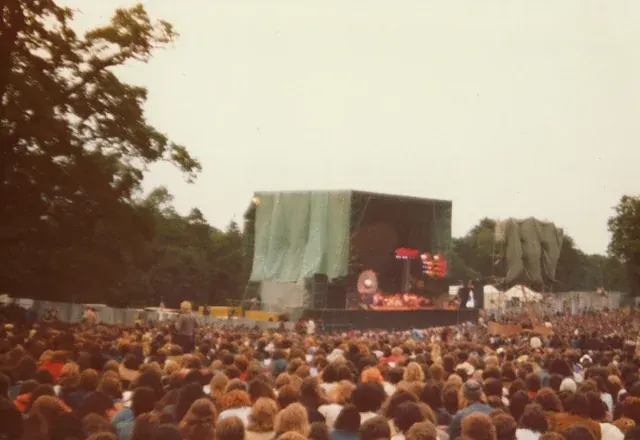
Karl Marx Theatre in Havana
2–4 March 1979 · Cuba

Havana Jam 1979

In March 1979, CBS Records brought a large American delegation to Havana to share the Karl Marx Theatre with Cuban musicians, creating a rare late-Cold-War encounter between jazz fusion, salsa, rock, nueva trova and Cuban popular music.

Enter the archive →
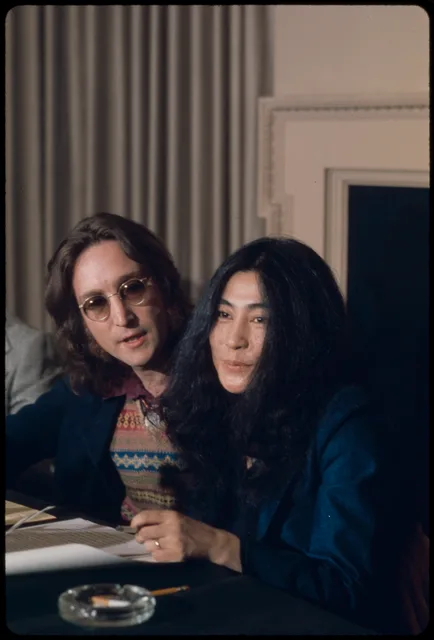
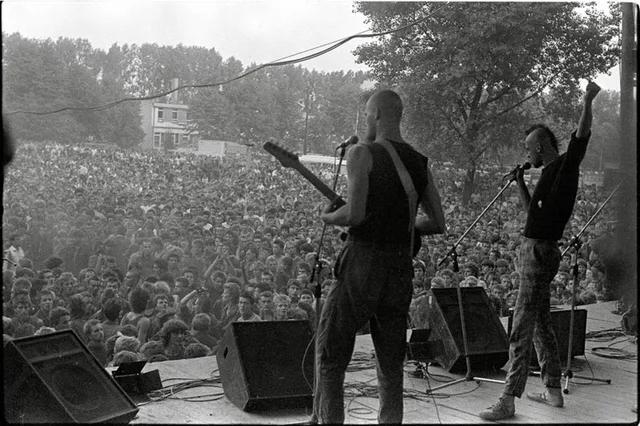
Siekiera performing at Jarocin in 1984
1980–1984 guide scope · Poland

Jarocin Festival 1980–1984

Jarocin gave Polish punk, metal, reggae and new wave a semi-official space to exist in public—watched by the state, constrained by censorship, yet remembered as an extraordinary pocket of cultural freedom.

Enter the archive →
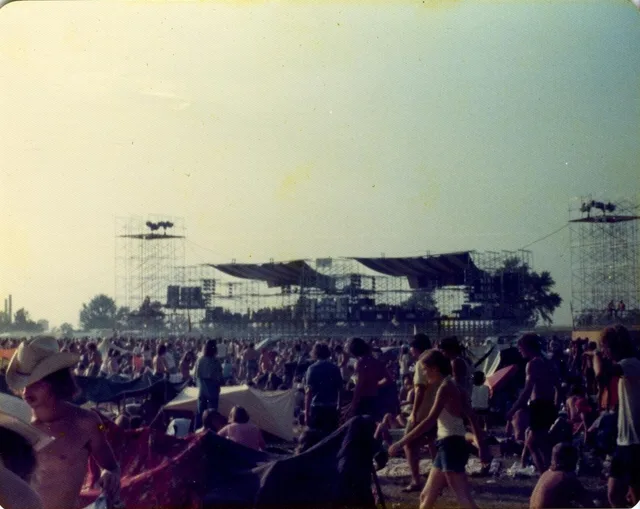
Point Blank + Frankie & The Knockouts
1980–1984 guide scope · United Kingdom

Monsters of Rock 1980–1984

At Donington Park, the festival form was stripped down to a one-day hard-rock and heavy-metal spectacle, helping establish the template for the enormous metal gatherings of the 1980s.

Enter the archive →
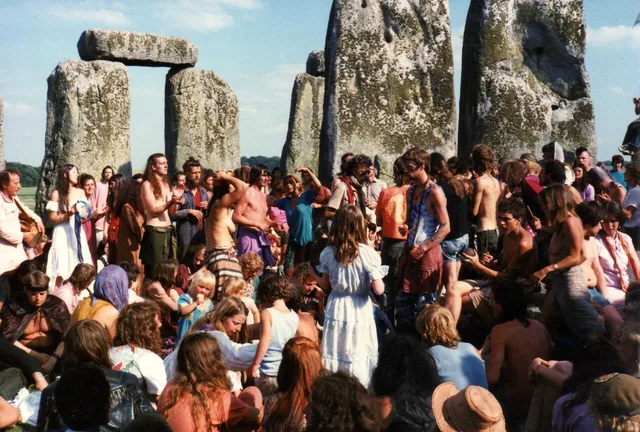
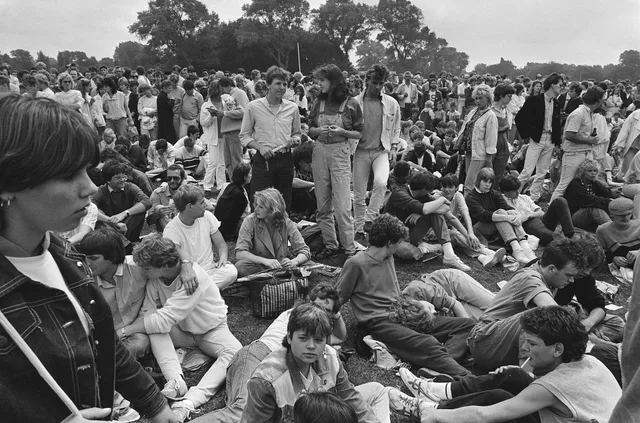
Visitors at Parkpop in The Hague's Zuiderpark
1981–1984 guide scope · Netherlands

Parkpop 1981–1984

Created by merging two failed local festival ideas, Parkpop turned the Zuiderpark into a free civic music institution just as post-punk and new wave were reshaping the European live circuit.

Enter the archive →
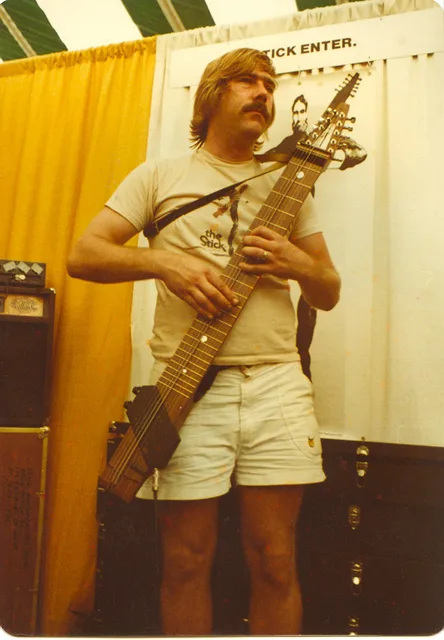
A Chapman Stick demonstration booth at the US Festival
3–5 September 1982; 28–30 May and 4 June 1983 · United States

US Festival 1982–1983

Steve Wozniak’s two immense Southern California experiments combined music, technology, video and idealism at a purpose-built site—demonstrating that spectacular technical ambition and financial sustainability were not the same thing.

Enter the archive →
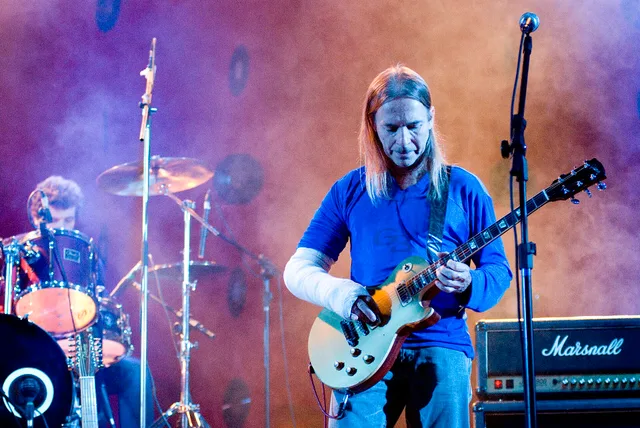
The Soviet rock group Integral on stage
8–16 March 1980 · Soviet Georgia

Spring Rhythms: Tbilisi-80

For nine days in Tbilisi, amateur and professional bands from across the Soviet Union were brought onto a sanctioned competitive stage—creating a landmark moment in the uneasy relationship between rock and the Soviet cultural system.

Enter the archive →
Keep exploring

Connect this collection

Move sideways into another part of RetroForge. Every route is a different way back into the same music archive.