Every third-party image in the Festivals & Live Culture archive is downloaded locally from its item-level source record and checked for commercial reuse. This register preserves title, creator, source, licence and changes made. NonCommercial and NoDerivatives licences are not accepted.
Site Interface
Instagram icon
Gradient camera icon used to identify the RetroForge Records Instagram profile.
Changes: Composite supplied by the source; converted to WebP, resized and cropped for web delivery.
Accessed: 2026-07-26
Pandit Ravi Shankar Concert 2005
Ravi Shankar and Anoushka Shankar performing together in 2005. Indian classical music has its own traditions and history beyond rock’s selective borrowing.
Changes: Converted to WebP, resized and cropped for web delivery.
Accessed: 2026-07-26
Tangerine Dream 2025
Tangerine Dream at Le Trabendo, Paris, 18 October 2025: a contemporary performance by a group central to progressive electronic music’s analogue history.
Changes: Resized and converted to WebP for web delivery.
Accessed: 2026-07-26
The Incredible String Band (1970)
The Incredible String Band in Amsterdam, September 1970. Their open instrumentation and song forms show why acid folk cannot be reduced to acoustic psychedelia.
Changes: Resized and converted to WebP for web delivery.
Accessed: 2026-07-26
Black Sabbath 1977
Black Sabbath onstage in 1977. The band's slow weight, riff economy and ominous space became a vocabulary that later scenes would divide into new subgenres.
Changes: Resized and converted to WebP for web delivery.
Accessed: 2026-07-26
Marillion Loreley
Marillion at the Loreley amphitheatre in 2010. The setting is a reminder that neo-prog's identity was built as much through committed live audiences as through studio records.
Changes: Resized and converted to WebP for web delivery.
Accessed: 2026-07-26
Roky Erickson at 2007 Coachella Valley Music and Arts Festival
Roky Erickson at Coachella in 2007. His later performances kept the 13th Floor Elevators' songs in circulation long after garage psychedelia became a historical label.
Changes: Resized and converted to WebP for web delivery.
Accessed: 2026-07-26
AmauryCambuzat April2007
Amaury Cambuzat of Faust at a Rock in Opposition festival in southern France, April 2007. The name survived the original 1978 initiative as a meeting point for independent experimental music.
Changes: Resized and converted to WebP for web delivery.
Accessed: 2026-07-26
Le Orme 75
Le Orme in 1975. Italian progressive rock developed through its own language, song tradition and recording industry rather than merely duplicating British models.
Changes: Resized and converted to WebP for web delivery.
Accessed: 2026-07-26
Miles Davis-140916-0018-105WP
Miles Davis performing in November 1971. His electric-period ensembles became laboratories in which jazz improvisation, studio construction and rock volume met.
Changes: Resized and converted to WebP for web delivery.
Accessed: 2026-07-26
Sitar3
A sitar in close view. The instrument's sympathetic strings, movable frets and playing technique cannot be reduced to a single exotic colour in a rock arrangement.
Changes: Resized and converted to WebP for web delivery.
Accessed: 2026-07-26
The Beach Boys (1965)
The Beach Boys in a 1965 Capitol Records publicity photograph. Their vocal architecture and studio ambition sit at the centre of sunshine pop's history.
Cream performing on the Dutch television program Fanclub in 1968. Left to right: Jack Bruce, Ginger Baker, Eric Clapton
Cream performing for Dutch television in 1968. The period image represents the amplified blues-rock centre of gravity that had transformed Pendleton's festival programme by the late 1960s; it is not a festival photograph.
Credit line: Cream performing for Dutch television in 1968. The period image represents the amplified blues-rock centre of gravity that had transformed Pendleton's festival programme by the late 1960s; it is not a festival photograph — F. van Geelen, Omroepvereniging VARA — Wikimedia Commons — CC BY-SA 3.0
Changes: Converted to WebP and resized; no generative or compositional alterations.
Accessed: 2026-08-24
The Fool SG (1964 Gibson SG) played by Eric Clapton (Cream), present from George Harrison to Eric Clapton (Cream), painted in 1967 by The Fool Collective - Play It Loud. MET (2019-05-13 19.29.10 by Eden, Janine and Jim) "The Fool" SG (1964), Gibson [paint by The Fool Collective] . Play It Loud: Instruments of Rock & Roll. Metropolitan Museum of Art. . " In 1967, Cream’s manager Robert Stigwood commissioned Dutch artists Marijke Koger and Simon Posthuma to create a custom-painted set of psychedelic instruments, costumes, and posters for the band’s upcoming U.S. tour. This guitar became known as “the Fool” after the art collective that Koger and Posthuma later founded. Eric Clapton received the guitar from George Harrison before it was painted and went on to use it as one of his main instruments with Cream, playing it while recording Disraeli Gears (1967), Wheels of Fire (1968), and Goodbye (1969). “The Fool” was restored after 1972 by former owner Todd Rundgren. " , " Technical Description: Mahogany body and neck, rosewood fingerboard; 24¾ in. scale; rainbow psychedelic designs covering front and back of body, neck, and headstock; set neck with pearloid trapezoid inlays and white binding; headstock painted over; two humbucking pickups, three-way selector switch, two volume and two tone controls; nickel tune-o-matic bridge and Grover Rotomatic tuners, two gold and two black plastic knobs, three-ply black and white pickguard with landscape painting; neck and headstock reconstructed " , " Object Details " , " Title: "The Fool" SG " , " Artist: Gibson (American, founded Kalamazoo, Michigan 1902) " , " Artist: The Fool Collective " , " Artist: Eric Clapton (British, Ripley, Surrey born 1945) " , " Date: 1964 " , " Medium: Mahogany, rosewood, metal, mother-of-pearl, plastic, oil-based enamel paint " , " Dimensions: Length: 39 3/4 in. (101 cm) / Width: 13 1/4 in. (33.7 cm) / Depth: 1 1/4 in. (3.4 cm) / Weight: ~6-8 lbs. " , " Classification: Chordophone-Lute-plucked-fretted " , " Credit Line: Private Collection "
Eric Clapton's 1964 Gibson SG, painted by The Fool in 1967 and photographed in a later museum display. The instrument provides material context for Cream's psychedelic blues era, not direct evidence of a festival performance.
Credit line: Eric Clapton's 1964 Gibson SG, painted by The Fool in 1967 and photographed in a later museum display. The instrument provides material context for Cream's psychedelic blues era, not direct evidence of a festival performance — Eden, Janine and Jim from New York City — Wikimedia Commons — CC BY 2.0
Changes: Converted to WebP and resized; no generative or compositional alterations.
Accessed: 2026-08-24
The Fool Bass VI (1962 Fender Bass VI) played by Jack Bruce, and The Fool SG (1964 Gibson SG) played by Eric Clapton - both painted in 1967 by The Fool Collective - Play It Loud. MET (2019-05-13 19.29.06 by Eden, Janine and Jim) "The Fool" SG (1964), Gibson [paint by The Fool Collective] . Play It Loud: Instruments of Rock & Roll. Metropolitan Museum of Art. . " In 1967, Cream’s manager Robert Stigwood commissioned Dutch artists Marijke Koger and Simon Posthuma to create a custom-painted set of psychedelic instruments, costumes, and posters for the band’s upcoming U.S. tour. This guitar became known as “the Fool” after the art collective that Koger and Posthuma later founded. Eric Clapton received the guitar from George Harrison before it was painted and went on to use it as one of his main instruments with Cream, playing it while recording Disraeli Gears (1967), Wheels of Fire (1968), and Goodbye (1969). “The Fool” was restored after 1972 by former owner Todd Rundgren. " , " Technical Description: Mahogany body and neck, rosewood fingerboard; 24¾ in. scale; rainbow psychedelic designs covering front and back of body, neck, and headstock; set neck with pearloid trapezoid inlays and white binding; headstock painted over; two humbucking pickups, three-way selector switch, two volume and two tone controls; nickel tune-o-matic bridge and Grover Rotomatic tuners, two gold and two black plastic knobs, three-ply black and white pickguard with landscape painting; neck and headstock reconstructed " , " Object Details " , " Title: "The Fool" SG " , " Artist: Gibson (American, founded Kalamazoo, Michigan 1902) " , " Artist: The Fool Collective " , " Artist: Eric Clapton (British, Ripley, Surrey born 1945) " , " Date: 1964 " , " Medium: Mahogany, rosewood, metal, mother-of-pearl, plastic, oil-based enamel paint " , " Dimensions: Length: 39 3/4 in. (101 cm) / Width: 13 1/4 in. (33.7 cm) / Depth: 1 1/4 in. (3.4 cm) / Weight: ~6-8 lbs. " , " Classification: Chordophone-Lute-plucked-fretted " , " Credit Line: Private Collection " Bass VI (1962), Fender . Play It Loud: Instruments of Rock & Roll. Metropolitan Museum of Art. . " Dutch artists Marijke Koger and Simon Posthuma painted this six-string electric bass for Cream’s Jack Bruce as part of a set of psychedelic instruments that also included a decorated drum head for Ginger Baker’s kit and an electric guitar for Eric Clapton (on view nearby). Koger and Posthuma founded a collective known as the Fool and went on to create designs for many top bands. For the Beatles, they designed and painted costumes, an automobile, and the mural on the Apple Corps music building in London. The Fool released their own psychedelic folk album in 1969. " , " Technical description: Alder body, maple neck, rosewood fingerboard; 30 in. scale length; rainbow psychedelic designs in oil-based enamel paint; bolt-on neck with dot inlays; three single-coil pickups with individual on/off switches, volume and tone controls; chrome Jazzmaster-style bridge, vibrato tailpiece, and control surfaces, nickel tuners, black plastic knob; cosmic design painted onto pickguard, headstock painted over, vibrato arm removed, volume knob missing " , " Object Details " , " Title: Bass VI " , " Artist: Fender " , " Artist: The Fool Collective " , " Date: 1962 " , " Medium: Alder, maple, rosewood, chrome, nickel, plastic, oil-based enamel paint " , " Dimensions: Length: 44 3/4 in. (113.7 cm) / Width: 14 1/4 in. (36.2 cm) / Depth: 1 5/8 in. (4.1 cm) / Weight: 7-9 lbs. " , " Classification: Chordophone-Lute-plucked-fretted " , " Credit Line: Courtesy of Hard Rock International "
The Fool-painted instruments associated with Eric Clapton and Jack Bruce, seen in a later exhibition. They illustrate how the festival's blues programming entered the psychedelic visual culture of 1967.
Credit line: The Fool-painted instruments associated with Eric Clapton and Jack Bruce, seen in a later exhibition. They illustrate how the festival's blues programming entered the psychedelic visual culture of 1967 — Eden, Janine and Jim from New York City — Wikimedia Commons — CC BY 2.0
Changes: Converted to WebP and resized; no generative or compositional alterations.
Accessed: 2026-08-24
Bruce and Baker onstage circa 1967
Jack Bruce and Ginger Baker performing with Cream in 1967. This period stage photograph supplies artist context and is not identified as the National Jazz & Blues Festival.
Creator: Unknown author Unknown author This is a retouched picture , which means that it has been digitally altered from its original version. Modifications made by Dcameron814 .
Credit line: Jack Bruce and Ginger Baker performing with Cream in 1967. This period stage photograph supplies artist context and is not identified as the National Jazz & Blues Festival — Unknown author Unknown author This is a retouched picture , which means that it has been digitally altered from its original version. Modifications made by Dcameron814 . — Wikimedia Commons — Public domain
Changes: Converted to WebP and resized; no generative or compositional alterations.
Accessed: 2026-08-24
Pink Floyd dalam majalah Aktuil edisi 31 tahun 1969
Pink Floyd in a 1969 issue of the Indonesian music magazine Aktuil. The reproduced period image marks the progressive and psychedelic route that increasingly shared the festival bill with jazz and blues.
Credit line: Pink Floyd in a 1969 issue of the Indonesian music magazine Aktuil. The reproduced period image marks the progressive and psychedelic route that increasingly shared the festival bill with jazz and blues — Majalah Aktuil — Wikimedia Commons — Public domain
Changes: Converted to WebP and resized; no generative or compositional alterations.
Evening aerial view of Esalen Institute - File: DSC_7224-w.jpg.
A later aerial view of Esalen Institute, showing the narrow cliffside geography that helped keep the early Big Sur Folk Festival physically intimate. It does not show a festival edition.
Creator: John Wiley User:Jw4nvc - Santa Barbara, California
Credit line: A later aerial view of Esalen Institute, showing the narrow cliffside geography that helped keep the early Big Sur Folk Festival physically intimate. It does not show a festival edition — John Wiley User:Jw4nvc - Santa Barbara, California — Wikimedia Commons — CC BY-SA 3.0
Changes: Converted to WebP and resized; no generative or compositional alterations.
Accessed: 2026-08-24
View of Esalen Institute on the cliffs. Ceanothus and morning glory blooming in foreground, kelp forests visible in the coastal waters.
Esalen Institute on the Big Sur cliffs in a later photograph. The image documents the setting and its limited space, not the temporary stage or audience of the 1960s.
Credit line: Esalen Institute on the Big Sur cliffs in a later photograph. The image documents the setting and its limited space, not the temporary stage or audience of the 1960s — Akos Kokai — Wikimedia Commons — CC BY 2.0
Changes: Converted to WebP and resized; no generative or compositional alterations.
Accessed: 2026-08-24
Civil Rights March on Washington, D.C. [Entertainment: Vocalist Joan Baez . A sign hanging near the microphones reads "We Shall Overcome." ], 08/28/1963
Joan Baez singing at the March on Washington in 1963. The photograph provides period context for the artist whose relationship with Nancy Carlen and Esalen was central to Big Sur's origins.
Creator: Scherman, Rowland, U.S. Information Agency. Press and Publications Service. (ca. 1953 - ca. 1978)
Credit line: Joan Baez singing at the March on Washington in 1963. The photograph provides period context for the artist whose relationship with Nancy Carlen and Esalen was central to Big Sur's origins — Scherman, Rowland, U.S. Information Agency. Press and Publications Service. (ca. 1953 - ca. 1978) — Wikimedia Commons — Public domain
Changes: Converted to WebP and resized; no generative or compositional alterations.
Accessed: 2026-08-24
Esalen Institute in Big Sur, California
A later view across Esalen Institute toward the Pacific. Its terraces and coastline help explain why landscape and proximity were structural parts of the festival experience.
Credit line: A later view across Esalen Institute toward the Pacific. Its terraces and coastline help explain why landscape and proximity were structural parts of the festival experience — Sarah Stierch — Wikimedia Commons — CC BY 4.0
Changes: Converted to WebP and resized; no generative or compositional alterations.
Accessed: 2026-08-24
CALIFORNIA-BIG SUR COASTLINE - NARA - 543298.jpg
The Big Sur coastline in a National Archives photograph. This regional landscape context is not a view of Esalen or a festival performance.
Credit line: The Big Sur coastline in a National Archives photograph. This regional landscape context is not a view of Esalen or a festival performance — Dick Rowan — Wikimedia Commons — Public domain
Changes: Converted to WebP and resized; no generative or compositional alterations.
Credit line: An archival photograph in the Wikimedia Commons Burg Waldeck festival series, retained with its item-level credit — Mirdsson2 — Wikimedia Commons — CC BY-SA 3.0
Changes: Converted to WebP and resized; no generative or compositional alterations.
Accessed: 2026-08-25
Chaotische Szene auf der Bühne während des Burg Waldeck Festivals 1968
A second archival photograph in the Burg Waldeck festival series, documenting the event's physical and social setting.
Credit line: A second archival photograph in the Burg Waldeck festival series, documenting the event's physical and social setting — Mirdsson2 — Wikimedia Commons — CC BY-SA 3.0
Changes: Converted to WebP and resized; no generative or compositional alterations.
Accessed: 2026-08-25
Publikum auf dem Gelände der Burg Waldeck oberhalb des Baybachtals während des Burg Waldeck Festivals 1968
A third licensed archival view associated directly with the Burg Waldeck festival series.
Credit line: Odetta at the Burg Waldeck Festival in 1968, directly identified by the item-level source record — Sverrir Mirdsson — Wikimedia Commons — CC BY-SA 3.0
Changes: Converted to WebP and resized; no generative or compositional alterations.
Accessed: 2026-08-25
Säulenhaus Tagungshaus der Arbeitsgemeinschaft Burg Waldeck e. V. in 56290 Dorweiler/Hunsrück (Jugend-, Freizeit- und Bildungsstätte Burg Waldeck) Die ABW wurde 1934 gegründet, um das Eigentum des Nerother Wandervogels vor dem Zugriff des NS-Staates zu retten. Der nach dem Zweiten Weltkrieg fortgeführte Verein verwandelte die Burg Waldeck im Hunsrück in eine wichtige Kultur- und Begegnungsstätte mit regelmäßigen Konzertveranstaltungen. Ein studentischer Arbeitskreis der ABW initiierte und organisierte von 1964 bis 1969 die Burg-Waldeck-Festivals, die ersten Open-Air-Festivals in Deutschland. Hier hatte u.a. Franz Josef Degenhardt seinen ersten öffentlichen Auftritt; außerdem traten u.a. traten Reinhard Mey, Hannes Wader, Phil Ochs, Guy Caravan, Dieter Süverkrüp, der Kabarettist Hanns Dieter Hüsch und der Schriftsteller Erich Fried hier auf. Auch heute finden hier regelmäßig Liederfeste und Workshops statt, die Räume stehen aber auch interessierten Jugendgruppen für andere Aktivitäten offen.
The Burg Waldeck meeting house in a later photograph, used as clearly dated site context.
Credit line: L. Shankar and John McLaughlin at Jazz Bilzen in 1978, evidence of how far the programme had travelled from the festival’s mid-1960s jazz beginnings — Chris Hakkens — Wikimedia Commons — CC BY-SA 2.0
Changes: Converted to WebP and resized; no generative or compositional alterations.
Accessed: 2026-08-24
John Mclauglin & L Shankar #2 One Truth Band with John McLauglin ,Jazz Bilzen 1978
One Truth Band at Jazz Bilzen in 1978, when jazz-rock and electric virtuosity belonged to the festival’s changing vocabulary.
Credit line: One Truth Band at Jazz Bilzen in 1978, when jazz-rock and electric virtuosity belonged to the festival’s changing vocabulary — Chris Hakkens — Wikimedia Commons — CC BY-SA 2.0
Changes: Converted to WebP and resized; no generative or compositional alterations.
Accessed: 2026-08-24
Philippe Catherine & Niels O'Petersen, Jazz Bilzen (Belgium) 1978
Philippe Catherine and Niels-Henning Ørsted Pedersen at Jazz Bilzen in 1978, preserving the jazz line inside an increasingly rock-oriented programme.
Credit line: Philippe Catherine and Niels-Henning Ørsted Pedersen at Jazz Bilzen in 1978, preserving the jazz line inside an increasingly rock-oriented programme — Chris Hakkens — Wikimedia Commons — CC BY-SA 2.0
Changes: Converted to WebP and resized; no generative or compositional alterations.
Accessed: 2026-08-24
John Mclaughlin performing in his One Truth Band, at the Jazz Bilzen in The Netherlands, 1978
John McLaughlin at Jazz Bilzen in 1978. The surviving photographs document individual sets rather than a single unchanging idea of the festival.
Credit line: John McLaughlin at Jazz Bilzen in 1978. The surviving photographs document individual sets rather than a single unchanging idea of the festival — Chris Hakkens — Wikimedia Commons — CC BY-SA 2.0
Changes: Converted to WebP and resized; no generative or compositional alterations.
Accessed: 2026-08-24
Bilzen Jazz-Bilzenplein kloostermuur
The Jazz-Bilzenplein area in the town. This modern heritage photograph records the local setting, not the historical festival itself.
Credit line: The Jazz-Bilzenplein area in the town. This modern heritage photograph records the local setting, not the historical festival itself — Kennes, Hilde — Wikimedia Commons — CC BY 4.0
Changes: Converted to WebP and resized; no generative or compositional alterations.
The sunburst Fender Stratocaster associated with Bob Dylan's electric Newport set
The sunburst Fender Stratocaster associated with Bob Dylan's electric Newport set. The instrument survives as material evidence of a performance surrounded by unusually durable mythology.
Credit line: The sunburst Fender Stratocaster associated with Bob Dylan's electric Newport set — Eden, Janine and Jim from New York City — Wikimedia Commons — CC BY 2.0
Changes: Converted to WebP and resized; no generative or compositional alterations.
Accessed: 2026-07-23
Bob Dylan in 1965
Bob Dylan in 1965. This is a publicity portrait, not a Newport performance image, and is included to establish the artist at the moment his acoustic and electric work were rapidly converging.
Creator: Daniel Kramer (Albert Grossman Management)
Credit line: Bob Dylan in 1965 — Daniel Kramer (Albert Grossman Management) — Wikimedia Commons — Public domain
Changes: Converted to WebP and resized; no generative or compositional alterations.
Accessed: 2026-07-23
The Paul Butterfield Blues Band around 1967
The Paul Butterfield Blues Band around 1967. This later publicity photograph is contextual: members of Butterfield's group helped give Dylan's Newport set its abrasive electric force.
Credit line: The Paul Butterfield Blues Band around 1967 — Unknown photographer — Wikimedia Commons — Public domain
Changes: Converted to WebP and resized; no generative or compositional alterations.
Accessed: 2026-07-23
Pete Seeger in a documentary press photograph made before Newport 1965
Pete Seeger in a documentary press photograph made before Newport 1965. He was central to the festival and to later arguments over what happened around the sound system during Dylan's set.
Creator: Fred Palumbo , World Telegram staff photographer
Credit line: Pete Seeger in a documentary press photograph made before Newport 1965 — Fred Palumbo , World Telegram staff photographer — Wikimedia Commons — Public domain
Changes: Converted to WebP and resized; no generative or compositional alterations.
Accessed: 2026-07-23
Bob Dylan playing with The Byrds in 1965
Bob Dylan playing with The Byrds in 1965. This is not Newport, but it shows the wider folk-rock exchange already under way in the same year.
Credit line: Pori Jazz in 1995, clearly labelled as later continuity beyond the guide's main 1966–1984 window — Pentti Pere — Wikimedia Commons — CC BY 4.0
Changes: Converted to WebP and resized; no generative or compositional alterations.
Accessed: 2026-08-25
A photo of the stage at Pori Jazz 2006 in Kirjurinluoto, Pori, Finland
A Pori Jazz stage in 2006, used as later infrastructure continuity rather than early-edition documentation.
Credit line: A Pori Jazz stage in 2006, used as later infrastructure continuity rather than early-edition documentation — Jansteri — Wikimedia Commons — CC BY-SA 4.0
Changes: Converted to WebP and resized; no generative or compositional alterations.
Accessed: 2026-08-25
Kirjurinluoto Arena in Pori Jazz 2012.
Pori Jazz in 2012, explicitly used as later institutional continuity.
The Jimi Hendrix Experience performed in Helsinki. Here seen before or after the concert at Hotelli Vaakuna.
Jimi Hendrix performing in Helsinki in 1967, close-period artist context for his documented Olympia appearance. This is not a Christmas on Earth photograph.
Credit line: Jimi Hendrix performing in Helsinki in 1967, close-period artist context for his documented Olympia appearance. This is not a Christmas on Earth photograph — Anonymous Unknown author — Wikimedia Commons — Public domain
Changes: Converted to WebP and resized; no generative or compositional alterations.
Accessed: 2026-08-25
This photo was featured in the July 1968 issue of Hit Parader magazine. However, the picture itself would have been taken sometime in 1967.
Pink Floyd with Syd Barrett in 1967, close-period artist context for the documented Olympia bill rather than event photography.
Creator: Hit Parader magazine This is a retouched picture , which means that it has been digitally altered from its original version. Modifications made by Dcameron814 .
Credit line: Pink Floyd with Syd Barrett in 1967, close-period artist context for the documented Olympia bill rather than event photography — Hit Parader magazine This is a retouched picture , which means that it has been digitally altered from its original version. Modifications made by Dcameron814 . — Wikimedia Commons — Public domain
Changes: Converted to WebP and resized; no generative or compositional alterations.
Accessed: 2026-08-25
Drummer Robert Wyatt of the progressive rock band Soft Machine , performing on the Dutch television show Hoepla on VPRO . Filmed in Hilversum .
Robert Wyatt of Soft Machine in 1967. Soft Machine played Christmas on Earth Continued; this image documents the musician, not the Olympia performance.
Credit line: Robert Wyatt of Soft Machine in 1967. Soft Machine played Christmas on Earth Continued; this image documents the musician, not the Olympia performance — Ron Kroon for Anefo — Wikimedia Commons — CC0
Changes: Converted to WebP and resized; no generative or compositional alterations.
Credit line: The Jimi Hendrix Experience in May 1967, period artist context for the December bill and not an image of the festival — Slowhand52 — Wikimedia Commons — CC BY-SA 4.0
Changes: Converted to WebP and resized; no generative or compositional alterations.
Accessed: 2026-08-25
The Jimi Hendrix Experience performed at the Culture House in Helsinki.
A second 1967 view of Jimi Hendrix in Helsinki, used as close-period artist context and not as Christmas on Earth documentation.
Credit line: A second 1967 view of Jimi Hendrix in Helsinki, used as close-period artist context and not as Christmas on Earth documentation — Marjut Valakivi — Wikimedia Commons — Public domain
Changes: Converted to WebP and resized; no generative or compositional alterations.
Grace Slick, Marty Balin and Paul Kantner of Jefferson Airplane at Fantasy Fair
Grace Slick, Marty Balin and Paul Kantner of Jefferson Airplane at Fantasy Fair. The photograph places one of San Francisco's defining groups inside the mountain amphitheatre.
Changes: Converted to WebP and resized; no generative or compositional alterations.
Accessed: 2026-07-23
A candle booth among the Fantasy Fair crowd
A candle booth among the Fantasy Fair crowd. Vendors, costumes and improvised decoration helped turn a concert programme into a temporary countercultural environment.
Credit line: The Doors at Fantasy Fair in June 1967 — JustRadley — Wikimedia Commons — Public domain
Changes: Converted to WebP and resized; no generative or compositional alterations.
Accessed: 2026-07-23
A geodesic dome at Fantasy Fair
A geodesic dome at Fantasy Fair. Its experimental architecture belonged to the event's broader vocabulary of participatory design and alternative living.
Credit line: A historical view toward the Jaarbeurs complex in Utrecht, used as venue-area context rather than festival documentation — A. J. van der Wal — Wikimedia Commons — CC BY-SA 4.0
Changes: Converted to WebP and resized; no generative or compositional alterations.
Credit line: The Jaarbeurs expansion in the late 1960s, documenting the venue complex around the festival era without depicting Flight to Lowlands Paradise — Fotograaf Onbekend / Anefo — Wikimedia Commons — CC0
Changes: Converted to WebP and resized; no generative or compositional alterations.
Accessed: 2026-08-25
Gezicht op de bouwplaats voor de bouw van het Beatrixgebouw van de Jaarbeurs aan de Croeselaan/Jaarbeursplein te Utrecht.
An archival view of construction at the Jaarbeurs site, used to ground the venue history and not presented as a festival image.
Credit line: An archival view of construction at the Jaarbeurs site, used to ground the venue history and not presented as a festival image — Nederlandse Spoorwegen — Wikimedia Commons — CC0
Changes: Converted to WebP and resized; no generative or compositional alterations.
Accessed: 2026-08-25
This photo was featured in the July 1968 issue of Hit Parader magazine. However, the picture itself would have been taken sometime in 1967.
Pink Floyd with Syd Barrett in 1967, period artist context for the documented Utrecht programme and not an event photograph.
Creator: Hit Parader magazine This is a retouched picture , which means that it has been digitally altered from its original version. Modifications made by Dcameron814 .
Credit line: Pink Floyd with Syd Barrett in 1967, period artist context for the documented Utrecht programme and not an event photograph — Hit Parader magazine This is a retouched picture , which means that it has been digitally altered from its original version. Modifications made by Dcameron814 . — Wikimedia Commons — Public domain
Changes: Converted to WebP and resized; no generative or compositional alterations.
Accessed: 2026-08-25
Drummer Robert Wyatt of the progressive rock band Soft Machine , performing on the Dutch television show Hoepla on VPRO . Filmed in Hilversum .
Robert Wyatt of Soft Machine in 1967, close-period artist context for the festival's wider underground network.
Credit line: Robert Wyatt of Soft Machine in 1967, close-period artist context for the festival's wider underground network — Ron Kroon for Anefo — Wikimedia Commons — CC0
Changes: Converted to WebP and resized; no generative or compositional alterations.
Credit line: A 1967 publicity image for the Monterey International Pop Festival, part of the event's carefully organised presentation of a new pop generation — Monterey International Pop Festival — Wikimedia Commons — Public domain
Changes: Converted to WebP and resized; no generative or compositional alterations.
Accessed: 2026-07-23
David Crosby at Monterey
David Crosby at Monterey. The Byrds' appearance placed an established Los Angeles group inside a bill designed to cross scenes, audiences and styles.
Credit line: Marty Balin of Jefferson Airplane at Monterey, where the San Francisco scene met a much wider public — Michael Albov (mikegoat) — Wikimedia Commons — CC BY 2.0
Changes: Converted to WebP and resized; no generative or compositional alterations.
Accessed: 2026-07-23
An early advertisement for Monterey Pop
An early advertisement for Monterey Pop. The surviving ephemera shows how a still-unfamiliar festival format was explained and sold.
Credit line: Philip Catherine at Montreux in 1980, representing the European jazz-rock and fusion currents that travelled naturally through the festival — Pattymooney — Wikimedia Commons — CC BY-SA 3.0
Changes: Converted to WebP and resized; no generative or compositional alterations.
Accessed: 2026-07-23
Cornell Dupree at Montreux on 2 July 1976
Cornell Dupree at Montreux on 2 July 1976. The archive preserves not only headline mythology but the working musicians who made its cross-genre programmes possible.
Credit line: Eric Gale at Montreux on 2 July 1976 — Lioneldecoster — Wikimedia Commons — CC BY-SA 3.0
Changes: Converted to WebP and resized; no generative or compositional alterations.
Accessed: 2026-07-23
A later view of the Montreux Jazz Festival, included as present-day site context
A later view of the Montreux Jazz Festival, included as present-day site context. The modern event is larger than its early editions but remains tied to the lakeside town.
Credit line: A large audience at the Schaefer bandstand during a Judy Collins concert. This NARA photograph is direct documentation of the Central Park series — Suzanne Szasz — Wikimedia Commons — Public domain
Changes: Converted to WebP and resized; no generative or compositional alterations.
Accessed: 2026-08-25
The Jimi Hendrix Experience performed in Helsinki. Here seen before or after the concert at Hotelli Vaakuna.
Jimi Hendrix performing in Helsinki in 1967. Central Park Conservancy documents Hendrix in the first Wollman Rink season; this is artist context, not a Schaefer-stage image.
Credit line: Jimi Hendrix performing in Helsinki in 1967. Central Park Conservancy documents Hendrix in the first Wollman Rink season; this is artist context, not a Schaefer-stage image — Marjut Valakivi — Wikimedia Commons — Public domain
Changes: Converted to WebP and resized; no generative or compositional alterations.
Accessed: 2026-08-25
The Jimi Hendrix Experience performed in Helsinki. Here seen before or after the concert at Hotelli Vaakuna.
Jimi Hendrix in 1967, providing close-period context for the first summer series at Wollman Rink. The separate venue is explicit.
Credit line: Jimi Hendrix in 1967, providing close-period context for the first summer series at Wollman Rink. The separate venue is explicit — Anonymous Unknown author — Wikimedia Commons — Public domain
Changes: Converted to WebP and resized; no generative or compositional alterations.
Accessed: 2026-08-25
Central Park in New York City , New York, USA
A later Central Park view, used to locate the urban landscape around the summer series. It does not depict a historical concert.
Credit line: A later Central Park view, used to locate the urban landscape around the summer series. It does not depict a historical concert — Dietmar Rabich — Wikimedia Commons — CC BY-SA 4.0
Changes: Converted to WebP and resized; no generative or compositional alterations.
Accessed: 2026-08-25
Central Park in New York City , New York, USA
A second later Central Park view, used as clearly dated site context rather than 1960s or 1970s festival documentation.
Credit line: A second later Central Park view, used as clearly dated site context rather than 1960s or 1970s festival documentation — Dietmar Rabich — Wikimedia Commons — CC BY-SA 4.0
Changes: Converted to WebP and resized; no generative or compositional alterations.
Alexandra Palace green doors 2025 06 06. This licensed image supplies documented performer or period context for The 14 Hour Technicolor Dream 1967; it is not presented as a photograph of the festival unless the item-level source says so.
Credit line: Alexandra Palace green doors 2025 06 06. This licensed image supplies documented performer or period context for The 14 Hour Technicolor Dream 1967; it is not presented as a photograph of the festival unless the item-level source says so — Keith Page — Wikimedia Commons — CC BY-SA 2.0
Changes: Converted to WebP and resized; no generative or compositional alterations.
Accessed: 2026-08-25
Detail of a pillar capital at Alexandra Palace, London
Alexandra Palace capital detail 2022 09 02. This licensed image supplies site or regional context for The 14 Hour Technicolor Dream 1967; it is not presented as a photograph of the historical festival.
Credit line: Alexandra Palace capital detail 2022 09 02. This licensed image supplies site or regional context for The 14 Hour Technicolor Dream 1967; it is not presented as a photograph of the historical festival — The wub — Wikimedia Commons — CC BY-SA 4.0
Changes: Converted to WebP and resized; no generative or compositional alterations.
Accessed: 2026-08-25
This is a photo of listed building number 1268256 .
Alexandra Palace Sept. 2016 01. This licensed image supplies site or regional context for The 14 Hour Technicolor Dream 1967; it is not presented as a photograph of the historical festival.
Credit line: Alexandra Palace Sept. 2016 01. This licensed image supplies site or regional context for The 14 Hour Technicolor Dream 1967; it is not presented as a photograph of the historical festival — Philafrenzy — Wikimedia Commons — CC BY-SA 4.0
Changes: Converted to WebP and resized; no generative or compositional alterations.
Accessed: 2026-08-25
This is a photo of listed building number 1268256 .
Alexandra Palace Sept. 2016 03. This licensed image supplies site or regional context for The 14 Hour Technicolor Dream 1967; it is not presented as a photograph of the historical festival.
Credit line: Alexandra Palace Sept. 2016 03. This licensed image supplies site or regional context for The 14 Hour Technicolor Dream 1967; it is not presented as a photograph of the historical festival — Philafrenzy — Wikimedia Commons — CC BY-SA 4.0
Changes: Converted to WebP and resized; no generative or compositional alterations.
Accessed: 2026-08-25
This is a photo of listed building number 1268256 .
Alexandra Palace Sept. 2016 02. This licensed image supplies site or regional context for The 14 Hour Technicolor Dream 1967; it is not presented as a photograph of the historical festival.
Credit line: Alexandra Palace Sept. 2016 02. This licensed image supplies site or regional context for The 14 Hour Technicolor Dream 1967; it is not presented as a photograph of the historical festival — Philafrenzy — Wikimedia Commons — CC BY-SA 4.0
Changes: Converted to WebP and resized; no generative or compositional alterations.
The Mothers of Invention at Schiphol, October 1968. Back row: Roy Estrada , Frank Zappa , Don Preston . Front row: Jimmy Carl Black , Bunk Gardner .
The Mothers of Invention in 1968. This rights-cleared press photograph documents a central Songtage act in the festival year, not the Essen performance itself.
Credit line: The Mothers of Invention in 1968. This rights-cleared press photograph documents a central Songtage act in the festival year, not the Essen performance itself — Ron Kroon for Anefo — Wikimedia Commons — CC0
Changes: Converted to WebP and resized; no generative or compositional alterations.
Accessed: 2026-08-24
Konzert vom 05.10.1968 in der Hamburger Musikhalle, Scan vom Negativ.
Frank Zappa with the Mothers of Invention in October 1968, days after the Essener Songtage; used as period artist context rather than as an Essen stage photograph.
Credit line: Frank Zappa with the Mothers of Invention in October 1968, days after the Essener Songtage; used as period artist context rather than as an Essen stage photograph — ThomasFHH — Wikimedia Commons — CC BY-SA 4.0
Changes: Converted to WebP and resized; no generative or compositional alterations.
Accessed: 2026-08-24
Konzert vom 05.10.1968 in der Hamburger Musikhalle, Scan vom Negativ.
The Mothers of Invention performing in October 1968. The image is period context and is not presented as a photograph of the Songtage.
Credit line: The Mothers of Invention performing in October 1968. The image is period context and is not presented as a photograph of the Songtage — ThomasFHH — Wikimedia Commons — CC BY-SA 4.0
Changes: Converted to WebP and resized; no generative or compositional alterations.
Accessed: 2026-08-24
Konzert vom 05.10.1968 in der Hamburger Musikhalle, Scan vom Negativ.
Frank Zappa and the Mothers of Invention on stage in 1968, illustrating the international underground strand represented at Essen.
Credit line: Frank Zappa and the Mothers of Invention on stage in 1968, illustrating the international underground strand represented at Essen — ThomasFHH — Wikimedia Commons — CC BY-SA 4.0
Changes: Converted to WebP and resized; no generative or compositional alterations.
Accessed: 2026-08-24
The Mothers of Invention at Schiphol Airport, October 1968. Back row: Roy Estrada, Frank Zappa, Don Preston. Front row: Jimmy Carl Black, Bunk Gardner.
The Mothers of Invention arriving at Schiphol in 1968, evidence of the touring network that connected European underground festivals and venues.
Credit line: The Mothers of Invention arriving at Schiphol in 1968, evidence of the touring network that connected European underground festivals and venues — Ron Kroon for Anefo — Wikimedia Commons — CC0
Changes: Converted to WebP and resized; no generative or compositional alterations.
Credit line: Blind Faith in 1969 — Island Records — Wikimedia Commons — Public domain
Changes: Converted to WebP and resized; no generative or compositional alterations.
Accessed: 2026-07-23
Hyde Park in a later photograph
Hyde Park in a later photograph. Its open lawns and central location made the Royal Park unusually visible—and unusually contested—as a setting for free rock concerts.
Credit line: A later view of Hyde Park, included as present-day site context rather than evidence of a 1960s concert crowd — Fred Romero from Paris, France — Wikimedia Commons — CC BY 2.0
Changes: Converted to WebP and resized; no generative or compositional alterations.
Accessed: 2026-07-23
Soft Machine performing in 2018
Soft Machine performing at Cosmopolite in Oslo in 2018. This later contextual image documents the continuing performance life of a group connected to Hyde Park’s free-concert network.
Credit line: The 1969 Isle of Wight Festival at Woodside Bay, one of a valuable group of reusable contemporary photographs — TimBrighton — Wikimedia Commons — CC BY 2.0
Changes: Converted to WebP and resized; no generative or compositional alterations.
Accessed: 2026-08-24
Isle of Wight Festival 1969
A contemporary view of the 1969 festival, documenting the site before the far larger 1970 edition reshaped public memory.
Credit line: A contemporary view of the 1969 festival, documenting the site before the far larger 1970 edition reshaped public memory — TimBrighton — Wikimedia Commons — CC BY 2.0
Changes: Converted to WebP and resized; no generative or compositional alterations.
Accessed: 2026-08-24
Isle of Wight Festival 1969
Festivalgoers at Woodside Bay in 1969, when Bob Dylan’s return to performance transformed the event’s scale.
Credit line: Festivalgoers at Woodside Bay in 1969, when Bob Dylan’s return to performance transformed the event’s scale — TimBrighton — Wikimedia Commons — CC BY 2.0
Changes: Converted to WebP and resized; no generative or compositional alterations.
Accessed: 2026-08-24
Isle of Wight Festival 1969
Woodside Bay during the 1969 festival. The photograph records the audience geography as well as the stage event.
Credit line: Woodside Bay during the 1969 festival. The photograph records the audience geography as well as the stage event — TimBrighton — Wikimedia Commons — CC BY 2.0
Changes: Converted to WebP and resized; no generative or compositional alterations.
Accessed: 2026-08-24
Isle of Wight Festival 1969
The 1969 Isle of Wight audience, showing the intermediate scale between the 1968 experiment and the 1970 mass gathering.
Credit line: The 1969 Isle of Wight audience, showing the intermediate scale between the 1968 experiment and the 1970 mass gathering — TimBrighton — Wikimedia Commons — CC BY 2.0
Changes: Converted to WebP and resized; no generative or compositional alterations.
Credit line: A documented historic exterior in Lochem from the Dutch heritage register, used as regional context and not as festival photography — Unknown author Unknown author — Wikimedia Commons — CC BY-SA 4.0
Changes: Converted to WebP and resized; no generative or compositional alterations.
Accessed: 2026-08-25
Station N.S.: achtergevel en linkerzijgevel perronzijde.
Lochem railway station in a heritage-register photograph, used to establish the town's transport geography without claiming to show Popmeeting.
Credit line: Lochem railway station in a heritage-register photograph, used to establish the town's transport geography without claiming to show Popmeeting — A. J. van der Wal — Wikimedia Commons — CC BY-SA 4.0
Changes: Converted to WebP and resized; no generative or compositional alterations.
Accessed: 2026-08-25
Lochem, river (de Berkel' from a street (de Graaf Ottoweg)
The River Berkel at Lochem in a later photograph, clearly labelled as regional landscape context.
Credit line: The River Berkel at Lochem in a later photograph, clearly labelled as regional landscape context — Michielverbeek — Wikimedia Commons — CC BY-SA 4.0
Changes: Converted to WebP and resized; no generative or compositional alterations.
Accessed: 2026-08-25
Lochem, through the trees in the Grote Veld
The wooded landscape at Grote Veld near Lochem, used to convey regional setting rather than to represent a historical festival scene.
Credit line: The wooded landscape at Grote Veld near Lochem, used to convey regional setting rather than to represent a historical festival scene — Michielverbeek — Wikimedia Commons — CC BY-SA 4.0
Changes: Converted to WebP and resized; no generative or compositional alterations.
Accessed: 2026-08-25
Lochem, theater: Schouwburg Lochem
Schouwburg Lochem in a later photograph, used as local live-culture context and not as evidence for Popmeeting's venue.
Credit line: Schouwburg Lochem in a later photograph, used as local live-culture context and not as evidence for Popmeeting's venue — Michielverbeek — Wikimedia Commons — CC BY 4.0
Changes: Converted to WebP and resized; no generative or compositional alterations.
Marvin Gaye in 1968. This public-domain publicity photograph provides period artist context and is not presented as a Gulfstream Park performance image.
Credit line: Marvin Gaye in 1968. This public-domain publicity photograph provides period artist context and is not presented as a Gulfstream Park performance image — Tamla Records — Wikimedia Commons — Public domain
Changes: Converted to WebP and resized; no generative or compositional alterations.
Accessed: 2026-08-24
GRAYSCALED image
Procol Harum in early 1968, providing period context for one of the groups documented at the December festival.
Creator: Unknown author Unknown author This is a retouched picture , which means that it has been digitally altered from its original version. Modifications made by Dcameron814 .
Credit line: Procol Harum in early 1968, providing period context for one of the groups documented at the December festival — Unknown author Unknown author This is a retouched picture , which means that it has been digitally altered from its original version. Modifications made by Dcameron814 . — Wikimedia Commons — Public domain
Changes: Converted to WebP and resized; no generative or compositional alterations.
Accessed: 2026-08-24
File name : 06_10_006625 Title : Gulfstream Park, at Hallandale, near Hollywood, Florida, 'the track by the sea'. One of the nation's most scenic race courses. Date issued : 1930 - 1945 (approximate) Physical description : 1 print (postcard) : linen texture, color ; 3 1/2 x 5 1/2 in. Genre : Postcards Subject : Sports & recreation facilities Notes : Title from item. Collection : The Tichnor Brothers Collection Location : Boston Public Library, Print Department Rights : No known restrictions
A historical view across Gulfstream Park. It documents the racetrack environment and predates the December 1968 festival.
Credit line: A historical view across Gulfstream Park. It documents the racetrack environment and predates the December 1968 festival — Boston Public Library — Wikimedia Commons — Public domain
Changes: Converted to WebP and resized; no generative or compositional alterations.
Accessed: 2026-08-24
File name : 06_10_006620 Title : Gulfstream Park, at Hallandale, Florida, the 'track by the sea.' One of the nation's most scenic race courses. Date issued : 1930 - 1945 (approximate) Physical description : 1 print (postcard) : linen texture, color ; 3 1/2 x 5 1/2 in. Genre : Postcards Subject : Sports & recreation facilities Notes : Title from item. Collection : The Tichnor Brothers Collection Location : Boston Public Library, Print Department Rights : No known restrictions
The Gulfstream Park entrance in a historical postcard, showing the permanent venue through which the festival audience later arrived.
Credit line: The Gulfstream Park entrance in a historical postcard, showing the permanent venue through which the festival audience later arrived — Boston Public Library — Wikimedia Commons — Public domain
Changes: Converted to WebP and resized; no generative or compositional alterations.
Accessed: 2026-08-24
Gulf Stream Card & Distributing Co. M67 (2C-H708) – Gay, Colorful Scene at Gulfstream Park, Hallandale, Florida front
A historical crowd scene at Gulfstream Park. It predates the rock festival and is used only to explain the venue’s existing mass-audience infrastructure.
Credit line: A historical crowd scene at Gulfstream Park. It predates the rock festival and is used only to explain the venue’s existing mass-audience infrastructure — Gulf Stream Card & Distributing Co. — Wikimedia Commons — Public domain
Changes: Converted to WebP and resized; no generative or compositional alterations.
The Jimi Hendrix Experience in 1968. This public-domain publicity photograph provides period artist context and is not presented as a Gulfstream Park performance image.
Credit line: The Jimi Hendrix Experience in 1968. This public-domain publicity photograph provides period artist context and is not presented as a Gulfstream Park performance image — Reprise Records — Wikimedia Commons — Public domain
Changes: Converted to WebP and resized; no generative or compositional alterations.
Accessed: 2026-08-24
The Burnt Hendrix Strat is a Fender Stratocaster type electric guitar model that was once owned by Jimi Hendrix . Hendrix set the guitar on fire during his performance at the Miami Pop Festival on May 1968. A roadie kept the remains of the burnt instrument and later gave them to Frank Zappa . Zappa had the wreck restored to fully functional status by a luthier – it is said that solely the guitar’s body has been re-used. Zappa played this instrument on his album Zoot Allures (1976). After FZ’s passing away in 1993, his son Dweezil received the restored Burnt Hendrix Strat and reportedly sold it in an auction later on.
A burned Fender Stratocaster attributed by its source record to Hendrix’s May 1968 Miami performance and later associated with Frank Zappa.
Credit line: A burned Fender Stratocaster attributed by its source record to Hendrix’s May 1968 Miami performance and later associated with Frank Zappa — Von-zoid — Wikimedia Commons — CC BY-SA 3.0
Changes: Converted to WebP and resized; no generative or compositional alterations.
Accessed: 2026-08-24
File name : 06_10_006626 Title : Gulfstream Park Clubhouse at Hallandale, Fla. 'the track by the sea' one of the nation's most scenic race courses. Date issued : 1930 - 1945 (approximate) Physical description : 1 print (postcard) : linen texture, color ; 3 1/2 x 5 1/2 in. Genre : Postcards Subject : Sports & recreation facilities Notes : Title from item. Collection : The Tichnor Brothers Collection Location : Boston Public Library, Print Department Rights : No known restrictions
A historical postcard view of Gulfstream Park. It predates the festival and documents the racetrack environment rather than the May 1968 crowd.
Credit line: A historical postcard view of Gulfstream Park. It predates the festival and documents the racetrack environment rather than the May 1968 crowd — Boston Public Library — Wikimedia Commons — Public domain
Changes: Converted to WebP and resized; no generative or compositional alterations.
Accessed: 2026-08-24
M66, Gulfstream Park's New Clubhouse One of the Turf's most Magnificent Structures
Gulfstream Park’s clubhouse and grandstand in a historical postcard, showing permanent racetrack infrastructure later adapted for festival use.
Credit line: Gulfstream Park’s clubhouse and grandstand in a historical postcard, showing permanent racetrack infrastructure later adapted for festival use — Unknown author Unknown author — Wikimedia Commons — Public domain
Changes: Converted to WebP and resized; no generative or compositional alterations.
Accessed: 2026-08-24
Oct 7-8 2011 083
A 1968 Shin-ei Uni-Vibe associated with Hendrix, representing the effects technology behind his rapidly evolving live sound.
Credit line: A 1968 Shin-ei Uni-Vibe associated with Hendrix, representing the effects technology behind his rapidly evolving live sound — ~Jen~ from Victoria BC, Canada — Wikimedia Commons — CC BY 2.0
Changes: Converted to WebP and resized; no generative or compositional alterations.
Jimi Hendrix at the amusement park Gröna Lund in Stockholm, Sweden, May 24, 1967.
Jimi Hendrix in a late-1960s publicity photograph. Experience Hendrix confirms his Newport '69 performance at Devonshire Downs; this is period artist context, not a festival photograph.
Credit line: Jimi Hendrix in a late-1960s publicity photograph. Experience Hendrix confirms his Newport '69 performance at Devonshire Downs; this is period artist context, not a festival photograph — Original photographer unknown — Wikimedia Commons — Public domain
Changes: Converted to WebP and resized; no generative or compositional alterations.
Accessed: 2026-08-25
Jimi Hendrix at the amusement park Gröna Lund in Stockholm, Sweden
Jimi Hendrix during a 1967 television appearance. It provides close-period context for the confirmed 1969 set and is not presented as Newport documentation.
Credit line: Jimi Hendrix during a 1967 television appearance. It provides close-period context for the confirmed 1969 set and is not presented as Newport documentation — Unknown photographer — Wikimedia Commons — Public domain
Changes: Converted to WebP and resized; no generative or compositional alterations.
Accessed: 2026-08-25
Jimi Hendrix at the amusement park Gröna Lund in Stockholm, Sweden, May 24, 1967.
Jimi Hendrix in 1967, close-period context for his source-confirmed Newport '69 appearance. This is not a Devonshire Downs photograph.
Credit line: Jimi Hendrix in 1967, close-period context for his source-confirmed Newport '69 appearance. This is not a Devonshire Downs photograph — Original photographer unknown — Wikimedia Commons — Public domain
Changes: Converted to WebP and resized; no generative or compositional alterations.
Accessed: 2026-08-25
There are no known copyright restrictions on this image. All future uses of this photo should include the courtesy line, "Photo courtesy Orange County Archives." Comments are welcome after reading our Comment Policy . From the Don Dobmeier Postcard Collection. Acc#2011-42
Newport Boulevard in Costa Mesa before the 1968 festival. The licensed streetscape supplies local context and does not depict the fairgrounds event.
Creator: Orange County Archives from Orange County, California, United States of America
Credit line: Newport Boulevard in Costa Mesa before the 1968 festival. The licensed streetscape supplies local context and does not depict the fairgrounds event — Orange County Archives from Orange County, California, United States of America — Wikimedia Commons — CC BY 2.0
Changes: Converted to WebP and resized; no generative or compositional alterations.
Accessed: 2026-08-25
English Walnut grove, Orange County Photograph of an Orange County English Walnut grove. Call number : CHS-2043 Filename : CHS-2043 Coverage date : circa 1900 Part of collection : California Historical Society Collection, 1860-1960 Format : glass plate negatives Type : images Part of subcollection : Los Angeles Area Chamber of Commerce Collection, 1890-1960 Repository name : USC Libraries Special Collections Accession number : 2043 Microfiche number : 1-83-48 Archival file : chs_Volume68/CHS-2043.tiff Repository address : Doheny Memorial Library, Los Angeles, CA 90089-0189 Geographic subject (country) : USA Format (aacr2) : 1 photograph : photoprint, b&w ; 8 x 10 in.; 1 photograph : glass photonegative, b&w ; 21 x 26 cm. Rights : Digitally reproduced by the USC Digital Library; From the California Historical Society Collection at the University of Southern California Subject (adlf) : agricultural sites Project : USC Repository email : specol@usc.edu Contributing entity : California Historical Society Date created : circa 1900 Publisher (of the digital version) : University of Southern California. Libraries Format (aat) : photographs Geographic subject (state) : California Subject (file heading) : Agriculture -- Crops -- Walnuts Legacy record ID : chs-m9168; USC-2-1-1-9306 Access conditions : Send requests to address or e-mail given. Phone (213) 821-2366; fax (213) 740-2343. Geographic subject (county) : Orange Subject (lcsh) : Orchards; Walnuts
A historical Orange County landscape from the regional archive, used only to locate the 1968 Costa Mesa story and not as festival documentation.
Credit line: A historical Orange County landscape from the regional archive, used only to locate the 1968 Costa Mesa story and not as festival documentation — Unknown author Unknown author — Wikimedia Commons — Public domain
Changes: Converted to WebP and resized; no generative or compositional alterations.
The Santa Clara County Fairgrounds entrance during a later community festival. It documents the continuing fairground site, not its appearance during the Northern California Folk-Rock Festival.
Credit line: The Santa Clara County Fairgrounds entrance during a later community festival. It documents the continuing fairground site, not its appearance during the Northern California Folk-Rock Festival — Unknown creator — Wikimedia Commons — CC BY 2.0
Changes: Converted to WebP and resized; no generative or compositional alterations.
Accessed: 2026-08-24
The Doors performing for Danish television in Copenhagen (Gladsaxe Television-Byen studio)
The Doors performing for Danish television in 1968. This period image supplies lineup context for the first San Jose edition without claiming to show the fairgrounds stage.
Credit line: The Doors performing for Danish television in 1968. This period image supplies lineup context for the first San Jose edition without claiming to show the fairgrounds stage — Polfoto/Jan Persson — Wikimedia Commons — Public domain
Changes: Converted to WebP and resized; no generative or compositional alterations.
Accessed: 2026-08-24
Photograph of Jimi Hendrix performing at the Ellis Memorial Auditorium in Memphis, TN. Taken from The Commercial Appeal newspaper, April 19, 1969.
Jimi Hendrix performing in Memphis in 1969. The contemporary newspaper photograph provides artist context for his San Jose appearance and is not a Northern California festival image.
Credit line: Jimi Hendrix performing in Memphis in 1969. The contemporary newspaper photograph provides artist context for his San Jose appearance and is not a Northern California festival image — James Shearin — Wikimedia Commons — Public domain
Changes: Converted to WebP and resized; no generative or compositional alterations.
Accessed: 2026-08-24
Publicity photo of Jefferson Airplane. Clockwise from left: Jack Casady, Jorma Kaukonen, Marty Balin (seen in window frame), Spencer Dryden, Paul Kantner, Grace Slick.
Jefferson Airplane in a 1967 publicity photograph. The band represents the Bay Area network that linked the fairground experiment to the wider psychedelic scene.
Credit line: Jefferson Airplane in a 1967 publicity photograph. The band represents the Bay Area network that linked the fairground experiment to the wider psychedelic scene — RCA Records/photographer: Herb Greene — Wikimedia Commons — Public domain
Changes: Converted to WebP and resized; no generative or compositional alterations.
Accessed: 2026-08-24
Print ad for Jefferson Airplane concert
A 1968 Jefferson Airplane concert advertisement. It is used as contemporary touring context, not as a poster for the Northern California Folk-Rock Festival.
Creator: Grape, Pacific Gas and Electric, WMMS, et al.
Credit line: A 1968 Jefferson Airplane concert advertisement. It is used as contemporary touring context, not as a poster for the Northern California Folk-Rock Festival — Grape, Pacific Gas and Electric, WMMS, et al. — Wikimedia Commons — Public domain
Changes: Converted to WebP and resized; no generative or compositional alterations.
Credit line: An unidentified performer at the 1968 Sky River Rock Festival. The item-level record identifies the event directly — R. Frank, E. Low, K. Wright, N.S.S. John; no statement of who took what photo — Wikimedia Commons — Public domain
Changes: Converted to WebP and resized; no generative or compositional alterations.
Accessed: 2026-08-25
John Chambless of the Berkeley Folk Music Festival, Seattle underground paper Helix , and Sky River Rock Festival, among other things; 1968
John Chambless in 1968, preserved in the Sky River archival grouping and credited through its item-level source record.
Credit line: John Chambless in 1968, preserved in the Sky River archival grouping and credited through its item-level source record — N.S.S. John — Wikimedia Commons — Public domain
Changes: Converted to WebP and resized; no generative or compositional alterations.
Accessed: 2026-08-25
Cover: Flowers with toy airplane, by Jacques Moitoret. Page 4 article discusses Huey P. Newton of the Black Panther Party. Page 8 article discusses the Central District's ACLU office and unrest in the area after a rally turned violent at Garfield High School. The rally took place after the conviction of Aaron Dixon, Larry Gossett and Carl Miller who participated in a sit-in at Franklin High School after the suspension of Trolice Flavors. Page 2, pages 12-13 and page 24 advertise the Sky River Rock Festival.
A July 1968 Helix page from the public-domain DPLA scan. It documents the counterculture network that organised and reported Sky River.
Credit line: A July 1968 Helix page from the public-domain DPLA scan. It documents the counterculture network that organised and reported Sky River — Dorpat, Paul — Wikimedia Commons — Public domain
Changes: Converted to WebP and resized; no generative or compositional alterations.
Accessed: 2026-08-25
The Grateful Dead in 1970
The Grateful Dead in 1970. HistoryLink documents the group's unscheduled arrival at the first Sky River; this is close-period artist context, not an event photograph.
Credit line: The Grateful Dead in 1970. HistoryLink documents the group's unscheduled arrival at the first Sky River; this is close-period artist context, not an event photograph — Herb Greene — Wikimedia Commons — Public domain
Changes: Converted to WebP and resized; no generative or compositional alterations.
Accessed: 2026-08-25
Washington State Historical Society, 315 N Stadium Way, Tacoma, Washington.
The Washington State Historical Society, used as regional archive context for a festival reconstructed through Washington historical collections. It does not depict Sky River.
Credit line: The Washington State Historical Society, used as regional archive context for a festival reconstructed through Washington historical collections. It does not depict Sky River — Joe Mabel — Wikimedia Commons — CC BY-SA 4.0
Changes: Converted to WebP and resized; no generative or compositional alterations.
A surviving advertisement for the free concert at Altamont Raceway
A surviving advertisement for the free concert at Altamont Raceway. Its confident simplicity gives no hint of the improvised organisation and danger that followed.
Credit line: Altamont Motorsports Park in 2007 — Gateman1997 at English Wikipedia — Wikimedia Commons — CC BY-SA 3.0
Changes: Converted to WebP and resized; no generative or compositional alterations.
Accessed: 2026-07-23
Jefferson Airplane in a publicity photograph from around 1970
Jefferson Airplane in a publicity photograph from around 1970. This contextual image was not taken at Altamont, where the group performed during the increasingly violent afternoon.
Credit line: Santana in 1969 — Distributed by Columbia Records — Wikimedia Commons — Public domain
Changes: Converted to WebP and resized; no generative or compositional alterations.
Accessed: 2026-07-23
Jefferson Airplane in 1967, before Altamont
Jefferson Airplane in 1967, before Altamont. This is a contextual publicity photograph, included to identify one of the San Francisco groups caught inside the event's unstable conditions.
Credit line: Amougies in a later photograph — Jean-Pol Grandmont — Wikimedia Commons — CC BY 2.5
Changes: Converted to WebP and resized; no generative or compositional alterations.
Accessed: 2026-07-23
Frank Zappa and the Mothers of Invention in Hamburg in 1968
Frank Zappa and the Mothers of Invention in Hamburg in 1968. This contextual photograph was not taken at Amougies; Zappa served as an onstage master of ceremonies and joined several festival improvisations.
Credit line: Frank Zappa and the Mothers of Invention in Hamburg in 1968 — ThomasFHH — Wikimedia Commons — CC BY-SA 4.0
Changes: Converted to WebP and resized; no generative or compositional alterations.
Accessed: 2026-07-23
The Mothers of Invention at Schiphol in 1968
The Mothers of Invention at Schiphol in 1968. This is contextual rather than festival photography, documenting the European circuit from which Amougies drew part of its programme.
Credit line: The Mothers of Invention at Schiphol in 1968 — Ron Kroon for Anefo — Nationaal Archief / Wikimedia Commons — CC0
Changes: Converted to WebP and resized; no generative or compositional alterations.
Accessed: 2026-07-23
Soft Machine performing in Oslo in 2018
Soft Machine performing in Oslo in 2018. This later contextual image is not an Amougies photograph; the group's 1969 appearance linked psychedelic rock, Canterbury composition and jazz improvisation.
Pee Wee Crayton performing at the 1970 Ann Arbor Blues Festival, Ann Arbor, Michigan, August, 1970. Photo by Jeff Titon.
Pee Wee Crayton by JT 1970 AABF. The item-level source record connects this licensed image directly to Ann Arbor Blues / Blues & Jazz Festival 1969–1974.
Credit line: Pee Wee Crayton by JT 1970 AABF. The item-level source record connects this licensed image directly to Ann Arbor Blues / Blues & Jazz Festival 1969–1974 — Eatonland — Wikimedia Commons — CC BY-SA 4.0
Changes: Converted to WebP and resized; no generative or compositional alterations.
Accessed: 2026-08-25
Douglas Fulton papers "B.B. King, Ann Arbor Blues Festival 1969; HS19106." In the digital collection Bentley Historical Library: Bentley Image Bank. https://quod.lib.umich.edu/b/bhl/x-hs19106/hs19106 . University of Michigan Library Digital Collections. Accessed April 05, 2026.
B.B. King, Ann Arbor Blues Festival 1969. The item-level source record connects this licensed image directly to Ann Arbor Blues / Blues & Jazz Festival 1969–1974.
Credit line: B.B. King, Ann Arbor Blues Festival 1969. The item-level source record connects this licensed image directly to Ann Arbor Blues / Blues & Jazz Festival 1969–1974 — University of Michigan — Wikimedia Commons — CC BY 4.0
Changes: Converted to WebP and resized; no generative or compositional alterations.
Accessed: 2026-08-25
Magic Sam performing with guitar at the 1969 Ann Arbor Blues Festival. Sam Lay on drums. Ann Arbor, Michigan, August 1969. Photo by Jeff Titon.
AABF 1969 Magic Sam JT. The item-level source record connects this licensed image directly to Ann Arbor Blues / Blues & Jazz Festival 1969–1974.
Credit line: AABF 1969 Magic Sam JT. The item-level source record connects this licensed image directly to Ann Arbor Blues / Blues & Jazz Festival 1969–1974 — Eatonland — Wikimedia Commons — CC BY-SA 4.0
Changes: Converted to WebP and resized; no generative or compositional alterations.
Accessed: 2026-08-25
Juke Boy Bonner performing at the 1970 Ann Arbor Blues Festival, Ann Arbor, Michigan. Photo by Jeff Titon.
Juke Boy Bonner AABF 1970 JT. The item-level source record connects this licensed image directly to Ann Arbor Blues / Blues & Jazz Festival 1969–1974.
Credit line: Juke Boy Bonner AABF 1970 JT. The item-level source record connects this licensed image directly to Ann Arbor Blues / Blues & Jazz Festival 1969–1974 — Eatonland — Wikimedia Commons — CC BY-SA 4.0
Changes: Converted to WebP and resized; no generative or compositional alterations.
Accessed: 2026-08-25
Hound Dog Taylor at the 1970 Ann Arbor Blues Festival, Ann Arbor, Michigan. Photo by Jeff Titon.
Hound Dog Taylor 1970 AABF JT. The item-level source record connects this licensed image directly to Ann Arbor Blues / Blues & Jazz Festival 1969–1974.
Credit line: Hound Dog Taylor 1970 AABF JT. The item-level source record connects this licensed image directly to Ann Arbor Blues / Blues & Jazz Festival 1969–1974 — Eatonland — Wikimedia Commons — CC BY-SA 4.0
Changes: Converted to WebP and resized; no generative or compositional alterations.
Credit line: Janis Joplin in 1969, providing period artist context for Atlanta’s first international pop festival — Ashley Famous Agency/Albert B. Grossman-management — Wikimedia Commons — Public domain
Changes: Converted to WebP and resized; no generative or compositional alterations.
Accessed: 2026-08-24
Photo of Janis Joplin and Tom Jones from the television program This is Tom Jones .
Janis Joplin during a 1969 television performance. This is period context, not an Atlanta festival photograph.
Creator: ABC Television-while the release has apparently been cut down, the ABC Television New York Avenue of the Americas address can be seen on it.
Credit line: Janis Joplin during a 1969 television performance. This is period context, not an Atlanta festival photograph — ABC Television-while the release has apparently been cut down, the ABC Television New York Avenue of the Americas address can be seen on it. — Wikimedia Commons — Public domain
Changes: Converted to WebP and resized; no generative or compositional alterations.
Accessed: 2026-08-24
Photo montage of Janis Joplin performing on the television program "Music Scene".
A public-domain 1969 performance montage of Janis Joplin, one of the event’s defining voices.
Credit line: A public-domain 1969 performance montage of Janis Joplin, one of the event’s defining voices — ABC Television — Wikimedia Commons — Public domain
Changes: Converted to WebP and resized; no generative or compositional alterations.
Accessed: 2026-08-24
Publicity photo from photo session of Janis Joplin.
Janis Joplin in 1970. This close-period portrait is used as artist context and is not presented as an Atlanta festival photograph.
Creator: Albert B. Grossman Management (personal manager), New York.
Credit line: Janis Joplin in 1970. This close-period portrait is used as artist context and is not presented as an Atlanta festival photograph — Albert B. Grossman Management (personal manager), New York. — Wikimedia Commons — Public domain
Changes: Converted to WebP and resized; no generative or compositional alterations.
Accessed: 2026-08-24
Fortunate Son_Still 1
A later archival film still connected with Creedence Clearwater Revival, included as artist context rather than festival documentation.
Credit line: A later archival film still connected with Creedence Clearwater Revival, included as artist context rather than festival documentation — Eye Steel Film from Canada — Wikimedia Commons — CC BY 2.0
Changes: Converted to WebP and resized; no generative or compositional alterations.
Credit line: Janis Joplin in a public-domain 1969 publicity photograph, used as period context rather than as a Mays Landing stage image — Ashley Famous Agency/Albert B. Grossman-management — Wikimedia Commons — Public domain
Changes: Converted to WebP and resized; no generative or compositional alterations.
Accessed: 2026-08-24
Publicity photo of Jefferson Airplane. Clockwise from left: Jack Casady, Jorma Kaukonen, Marty Balin (seen in window frame), Spencer Dryden, Paul Kantner, Grace Slick.
Jefferson Airplane in 1967, providing period context for the festival’s broad psychedelic programme.
Credit line: Jefferson Airplane in 1967, providing period context for the festival’s broad psychedelic programme — RCA Records/photographer: Herb Greene — Wikimedia Commons — Public domain
Changes: Converted to WebP and resized; no generative or compositional alterations.
Accessed: 2026-08-24
Publicity photo of the Jefferson Airplane . From left: Jorma Kaukonen, Paul Kantner, Spencer Dryden, Grace Slick, Jack Casady, Marty Balin.
Jefferson Airplane around 1970. The image is close-period artist context and is not presented as festival documentation.
Credit line: Jefferson Airplane around 1970. The image is close-period artist context and is not presented as festival documentation — RCA Records — Wikimedia Commons — Public domain
Changes: Converted to WebP and resized; no generative or compositional alterations.
Accessed: 2026-08-24
The Who were the penultimate band on Saturday's lineup. They performed early Sunday morning and finished around sunrise. This is that sunrise.
A concert photograph linking two acts associated with the 1969 festival circuit; it was not taken at Atlantic City.
Credit line: A concert photograph linking two acts associated with the 1969 festival circuit; it was not taken at Atlantic City — James M Shelley — Wikimedia Commons — CC BY-SA 4.0
Changes: Converted to WebP and resized; no generative or compositional alterations.
Accessed: 2026-08-24
Publicity photo from photo session of Janis Joplin.
Janis Joplin in 1970, a later artist portrait used to illuminate a programme whose visual archive is unusually thin.
Creator: Albert B. Grossman Management (personal manager), New York.
Credit line: Janis Joplin in 1970, a later artist portrait used to illuminate a programme whose visual archive is unusually thin — Albert B. Grossman Management (personal manager), New York. — Wikimedia Commons — Public domain
Changes: Converted to WebP and resized; no generative or compositional alterations.
Credit line: A later view across Coldham's Common, one of the festival sites. The image supplies location context and does not depict the historical event — Michael Trolove — Wikimedia Commons — CC BY-SA 2.0
Changes: Converted to WebP and resized; no generative or compositional alterations.
Accessed: 2026-08-25
Path under the railway on Coldham's Common
A later view of the railway-side landscape at Coldham's Common, used only to locate the free-festival story.
Credit line: A later view of the railway-side landscape at Coldham's Common, used only to locate the free-festival story — Bill Boaden — Wikimedia Commons — CC BY-SA 2.0
Changes: Converted to WebP and resized; no generative or compositional alterations.
Accessed: 2026-08-25
Setting up Strawberry Fair on Midsummer Common, Cambridge. Midsummer Common hosts a number of fairs throughout the year, including this festival of music and crafts ( http://www.strawberry-fair.org.uk/ ). The largest, Midsummer Fair, has apparently been held since 1211, so I imagine the common is named after the fair.
A later fair being assembled on Midsummer Common, used as comparative site and temporary-infrastructure context rather than festival documentation.
Credit line: A later fair being assembled on Midsummer Common, used as comparative site and temporary-infrastructure context rather than festival documentation — David Gruar — Wikimedia Commons — CC BY-SA 2.0
Changes: Converted to WebP and resized; no generative or compositional alterations.
Accessed: 2026-08-25
Midsummer Common
A later view of Midsummer Common, one of the festival locations. It is explicitly presented as site context.
Credit line: A later view of Midsummer Common, one of the festival locations. It is explicitly presented as site context — Hugh Venables — Wikimedia Commons — CC BY-SA 2.0
Changes: Converted to WebP and resized; no generative or compositional alterations.
Accessed: 2026-08-25
Photo of musician David Bowie.
David Bowie in 1975, later artist context for his documented 1969 Cambridge appearance and not a festival photograph.
Credit line: David Bowie in 1975, later artist context for his documented 1969 Cambridge appearance and not a festival photograph — RCA Records — Wikimedia Commons — Public domain
Changes: Converted to WebP and resized; no generative or compositional alterations.
Photograph of Jimi Hendrix performing at the Ellis Memorial Auditorium in Memphis, TN. Taken from The Commercial Appeal newspaper, April 19, 1969.
Jimi Hendrix in 1969. This period image documents the artist whose Denver set became the Experience’s final concert, not the Mile High Stadium performance itself.
Credit line: Jimi Hendrix in 1969. This period image documents the artist whose Denver set became the Experience’s final concert, not the Mile High Stadium performance itself — James Shearin — Wikimedia Commons — Public domain
Changes: Converted to WebP and resized; no generative or compositional alterations.
Accessed: 2026-08-24
Jimi Hendrix at the amusement park Gröna Lund in Stockholm, Sweden, May 24, 1967.
A public-domain Hendrix publicity photograph, used as artist context rather than as an image of the Denver festival.
Credit line: A public-domain Hendrix publicity photograph, used as artist context rather than as an image of the Denver festival — Original photographer unknown — Wikimedia Commons — Public domain
Changes: Converted to WebP and resized; no generative or compositional alterations.
Accessed: 2026-08-24
Jimi Hendrix at the amusement park Gröna Lund in Stockholm, Sweden
Hendrix in 1967, illustrating the rapidly rising performer who would headline Denver two years later.
Credit line: Hendrix in 1967, illustrating the rapidly rising performer who would headline Denver two years later — Unknown photographer — Wikimedia Commons — Public domain
Changes: Converted to WebP and resized; no generative or compositional alterations.
Accessed: 2026-08-24
Cake cutting celebration for the opening of Record Plant Los Angeles on December 4, 1969. Pictured: Tom Butler (Record Plant East Coast lawyer), Tom Wilson (RP client and partner, retained Frank Zappa and Bob Dylan and produced them, first black A&R person for Columbia Records), Ben Johnson (investor), Ancky Johnson (investor), Chris Stone (co-founder), Gary Kellgren (co-founder).
Frank Zappa in 1969. The photograph provides period context for a Denver bill participant and was not taken at the festival.
Credit line: Frank Zappa in 1969. The photograph provides period context for a Denver bill participant and was not taken at the festival — ChStone — Wikimedia Commons — CC BY-SA 3.0
Changes: Converted to WebP and resized; no generative or compositional alterations.
Accessed: 2026-08-24
Promotional photograph of the band Led Zeppelin, 1971. From left to right: bassist John Paul Jones, guitarist Jimmy Page, drummer John Bonham and vocalist Robert Plant.
Led Zeppelin in a later promotional image. It is used as artist context for the Denver programme, not as evidence of the festival setting.
Credit line: Led Zeppelin in a later promotional image. It is used as artist context for the Denver programme, not as evidence of the festival setting — Atlantic Records — Wikimedia Commons — Public domain
Changes: Converted to WebP and resized; no generative or compositional alterations.
Credit line: The October 1969 festival poster, a primary visual source for the advertised programme — Konrad Mallison — Wikimedia Commons — CC BY-SA 4.0
Changes: Converted to WebP and resized; no generative or compositional alterations.
Accessed: 2026-08-24
Programm Pop&Blues Festival Essen 1969
A surviving 1969 set list, useful evidence for distinguishing performed music from poster billing.
Credit line: A surviving 1969 set list, useful evidence for distinguishing performed music from poster billing — Konrad Mallison — Wikimedia Commons — CC BY-SA 4.0
Changes: Converted to WebP and resized; no generative or compositional alterations.
Accessed: 2026-08-24
Essen Gruga Park Grugahalle.jpg
A later exterior view of the Grugahalle, the indoor arena that concentrated the festival’s sound, crowd and changeovers.
Credit line: A later exterior view of the Grugahalle, the indoor arena that concentrated the festival’s sound, crowd and changeovers — Unknown creator — Wikimedia Commons — CC BY-SA 3.0
Changes: Converted to WebP and resized; no generative or compositional alterations.
Accessed: 2026-08-24
Grugahalle und im Bau befindliches Messehotel
The Grugahalle in its urban setting. This public-domain image provides venue context rather than festival documentation.
Credit line: The Grugahalle in its urban setting. This public-domain image provides venue context rather than festival documentation — Wiki05 — Wikimedia Commons — Public domain
Changes: Converted to WebP and resized; no generative or compositional alterations.
Accessed: 2026-08-24
Grugahalle in Essen
A modern view of the Grugahalle, included to connect the historical series with the surviving building.
Credit line: A modern view of the Grugahalle, included to connect the historical series with the surviving building — An-d — Wikimedia Commons — CC BY-SA 3.0
Changes: Converted to WebP and resized; no generative or compositional alterations.
Special thanks to Amanda, John, Dave and everyone at Natixis Global Asset Management for hosting us! Newport Jazz Festival
George Wein with the Newport All-Stars. Wein worked with Laurel promoters Elzie Street and James Scott; this is organiser context, not a festival-stage photograph.
Credit line: George Wein with the Newport All-Stars. Wein worked with Laurel promoters Elzie Street and James Scott; this is organiser context, not a festival-stage photograph — Todd Van Hoosear — Wikimedia Commons — CC BY-SA 2.0
Changes: Converted to WebP and resized; no generative or compositional alterations.
Accessed: 2026-08-25
The production control room at WETA-TV
WETA's studio in 1969. The broadcaster's local-history archive is a principal source route for reconstructing Laurel; this photograph does not depict the festival.
Credit line: WETA's studio in 1969. The broadcaster's local-history archive is a principal source route for reconstructing Laurel; this photograph does not depict the festival — Warren K. Leffler — Wikimedia Commons — Public domain
Changes: Converted to WebP and resized; no generative or compositional alterations.
Accessed: 2026-08-25
Laurel Racetrack, Laurel MD 1998
A later view of Laurel Racetrack, the festival site. The later date is explicit and the image is used for venue context only.
Credit line: A later view of Laurel Racetrack, the festival site. The later date is explicit and the image is used for venue context only — FlugKerl2 — Wikimedia Commons — CC BY-SA 3.0
Changes: Converted to WebP and resized; no generative or compositional alterations.
Accessed: 2026-08-25
Racing at Laurel Race Track
Racing at Laurel Race Track. The licensed venue image explains the site's normal function and is not presented as concert documentation.
Credit line: Racing at Laurel Race Track. The licensed venue image explains the site's normal function and is not presented as concert documentation — Keith Allison from Hanover, MD, USA — Wikimedia Commons — CC BY-SA 2.0
Changes: Converted to WebP and resized; no generative or compositional alterations.
Accessed: 2026-08-25
Title: Winning the $25,000 Washington handicap at Laurel race track. Sun Beau, with Jockey Coltoletti up, winning the $25,000 Washington Handicap at the Laurel Racetrack today. Distraction ran second with Display a good third Abstract/medium: 1 negative : glass ; 4 x 5 in. or smaller
A historical race at Laurel Race Course, used to document the venue's sporting identity before it hosted a pop festival.
Credit line: A historical race at Laurel Race Course, used to document the venue's sporting identity before it hosted a pop festival — Harris & Ewing, photographer — Wikimedia Commons — Public domain
Changes: Converted to WebP and resized; no generative or compositional alterations.
This image was featured in the January 1970 issue of Hit Parader magazine, in a 3-page piece about the "Chicago Transit Authority." Image GRAYSCALED. The photo itself was likely taken in 1969.
Chicago Transit Authority around 1969. SIUE's archive documents Chicago in the Mississippi River Festival programme; this is artist context rather than an SIUE stage photograph.
Creator: Hit Parader magazine This is a retouched picture , which means that it has been digitally altered from its original version. Modifications made by Dcameron814 .
Credit line: Chicago Transit Authority around 1969. SIUE's archive documents Chicago in the Mississippi River Festival programme; this is artist context rather than an SIUE stage photograph — Hit Parader magazine This is a retouched picture , which means that it has been digitally altered from its original version. Modifications made by Dcameron814 . — Wikimedia Commons — Public domain
Changes: Converted to WebP and resized; no generative or compositional alterations.
Accessed: 2026-08-25
Press photo of the band Eagles in 1975. No copyright markings on the photo.
The Eagles in a 1975 press photograph. SIUE's archive documents the band in the festival series; this is artist context rather than an Edwardsville stage image.
Credit line: The Eagles in a 1975 press photograph. SIUE's archive documents the band in the festival series; this is artist context rather than an Edwardsville stage image — Distributed by Asylum Records — Wikimedia Commons — Public domain
Changes: Converted to WebP and resized; no generative or compositional alterations.
Accessed: 2026-08-25
Trade ad for Grateful Dead 's album American Beauty (album) . To better adapt it to this respective Wikipedia article, the ad was cropped and cleaned in a graphics editing program. The original can be viewed at the source below.
The Grateful Dead in 1970. SIUE documents the group in the series; this is close-period artist context rather than festival photography.
Credit line: The Grateful Dead in 1970. SIUE documents the group in the series; this is close-period artist context rather than festival photography — Herb Greene — Wikimedia Commons — Public domain
Changes: Converted to WebP and resized; no generative or compositional alterations.
Accessed: 2026-08-25
The Eagles band from California. From left to right are: Glenn Frey, Don Henley, Joe Walsh, and Timothy B. Schmit during their Long Road out of Eden Tour in 2008.
The Eagles in a later performance photograph. It identifies one documented festival-series artist while making the later date and different venue explicit.
Credit line: The Eagles in a later performance photograph. It identifies one documented festival-series artist while making the later date and different venue explicit — Steve Alexander — Wikimedia Commons — CC BY-SA 2.0
Changes: Converted to WebP and resized; no generative or compositional alterations.
Accessed: 2026-08-25
Front and northern side of the John Weir House , located at 715 N. Main Street (Illinois Routes 143 / 159 ) in Edwardsville , Illinois , United States . Built in 1836, it is listed on the National Register of Historic Places .
A historic Edwardsville landmark used as regional context for SIUE's festival series. It is not the tented festival venue.
Credit line: A historic Edwardsville landmark used as regional context for SIUE's festival series. It is not the tented festival venue — Nyttend — Wikimedia Commons — Public domain
Changes: Converted to WebP and resized; no generative or compositional alterations.
Credit line: Japanese folk singer Wataru Takada, used as artist context for the era and not as a Nakatsugawa stage photograph — Masao Nakagami — Wikimedia Commons — CC BY-SA 2.0
Changes: Converted to WebP and resized; no generative or compositional alterations.
Accessed: 2026-08-25
Naegi Toyama Historical Museum in Nakatsugawa, Gifu prefecture, Japan.
Naegi Toyama Historical Museum in Nakatsugawa, used as local history context rather than festival documentation.
Credit line: Naegi Toyama Historical Museum in Nakatsugawa, used as local history context rather than festival documentation — Alpsdake — Wikimedia Commons — CC BY-SA 4.0
Changes: Converted to WebP and resized; no generative or compositional alterations.
Accessed: 2026-08-25
中津川市中山道歴史資料館(中津川市本町)
Nakatsugawa City Nakasendo Historical Museum, used to locate the festival's regional setting.
Credit line: Red pine trees in the Nakatsugawa region, used as landscape context without claiming to show the festival site — Ministry of Education, Science and Culture of Japan. — Wikimedia Commons — Public domain
Changes: Converted to WebP and resized; no generative or compositional alterations.
Accessed: 2026-08-25
Japanese folk singer Wataru Takada (1949–2005) in Kichijoji, Tokyo, 1991
A second licensed portrait of Wataru Takada, retained as artist context for Japan's folk movement.
Credit line: A second licensed portrait of Wataru Takada, retained as artist context for Japan's folk movement — Masao Nakagami — Wikimedia Commons — CC BY-SA 2.0
Changes: Converted to WebP and resized; no generative or compositional alterations.
A surviving New Orleans Pop Festival poster. It is used as billing and design evidence; listed acts still require confirmation against contemporary performance reports.
Credit line: A surviving New Orleans Pop Festival poster. It is used as billing and design evidence; listed acts still require confirmation against contemporary performance reports — Stephen St. Germain — Wikimedia Commons — Public domain
Changes: Converted to WebP and resized; no generative or compositional alterations.
Accessed: 2026-08-24
Publicity photo of Janis Joplin.
Janis Joplin in a 1969 publicity photograph. The period portrait provides artist context and is not presented as a Prairieville stage image.
Creator: Ashley Famous Agency/Albert B. Grossman-management
Credit line: Janis Joplin in a 1969 publicity photograph. The period portrait provides artist context and is not presented as a Prairieville stage image — Ashley Famous Agency/Albert B. Grossman-management — Wikimedia Commons — Public domain
Changes: Converted to WebP and resized; no generative or compositional alterations.
Accessed: 2026-08-24
American band Santana in 1969, featuring their "classic" lineup that performed at Woodstock. No copyright markings on the photo.
Santana in a 1969 press photograph. The classic lineup connects New Orleans Pop to the rapidly moving post-Woodstock circuit without implying this photograph was taken in Louisiana.
Credit line: Santana in a 1969 press photograph. The classic lineup connects New Orleans Pop to the rapidly moving post-Woodstock circuit without implying this photograph was taken in Louisiana — Distributed by Columbia Records — Wikimedia Commons — Public domain
Changes: Converted to WebP and resized; no generative or compositional alterations.
Accessed: 2026-08-24
Publicity photo of Jefferson Airplane. Clockwise from left: Jack Casady, Jorma Kaukonen, Marty Balin (seen in window frame), Spencer Dryden, Paul Kantner, Grace Slick.
Jefferson Airplane in a 1967 publicity photograph. This label-issued image supplies lineup context rather than direct documentation of the New Orleans Pop Festival.
Credit line: Jefferson Airplane in a 1967 publicity photograph. This label-issued image supplies lineup context rather than direct documentation of the New Orleans Pop Festival — RCA Records/photographer: Herb Greene — Wikimedia Commons — Public domain
Changes: Converted to WebP and resized; no generative or compositional alterations.
Accessed: 2026-08-24
The Grateful Dead performing at the Kinetic Playground, a popular but short lived rock music venue in Chicago, in July 1969. The Playground's light show appears in the background.
The Grateful Dead at Chicago's Kinetic Playground. The separate venue photograph shows the band's indoor touring world and is not identified as their Prairieville performance.
Credit line: The Grateful Dead at Chicago's Kinetic Playground. The separate venue photograph shows the band's indoor touring world and is not identified as their Prairieville performance — Lvaughn7 — Wikimedia Commons — CC BY-SA 4.0
Changes: Converted to WebP and resized; no generative or compositional alterations.
Credit line: Festival founder George Wein with the Newport All-Stars in a later photograph, used to explain the curatorial institution behind Newport — Todd Van Hoosear — Wikimedia Commons — CC BY-SA 2.0
Changes: Converted to WebP and resized; no generative or compositional alterations.
Accessed: 2026-08-24
Special thanks to Amanda, John, Dave and everyone at Natixis Global Asset Management for hosting us! Newport Jazz Festival
George Wein performing with the Newport All-Stars. This later image is institutional context, not a photograph of the 1969 festival.
Credit line: George Wein performing with the Newport All-Stars. This later image is institutional context, not a photograph of the 1969 festival — Todd Van Hoosear — Wikimedia Commons — CC BY-SA 2.0
Changes: Converted to WebP and resized; no generative or compositional alterations.
Accessed: 2026-08-24
Special thanks to Amanda, John, Dave and everyone at Natixis Global Asset Management for hosting us! Newport Jazz Festival
The Newport All-Stars in a later performance photograph, illustrating Newport’s durable jazz network.
Credit line: The Newport All-Stars in a later performance photograph, illustrating Newport’s durable jazz network — Todd Van Hoosear — Wikimedia Commons — CC BY-SA 2.0
Changes: Converted to WebP and resized; no generative or compositional alterations.
Accessed: 2026-08-24
Special thanks to Amanda, John, Dave and everyone at Natixis Global Asset Management for hosting us! Newport Jazz Festival
A later stage view of George Wein and the Newport All-Stars, clearly separated from the 1969 historical record.
Credit line: A later stage view of George Wein and the Newport All-Stars, clearly separated from the 1969 historical record — Todd Van Hoosear — Wikimedia Commons — CC BY-SA 2.0
Changes: Converted to WebP and resized; no generative or compositional alterations.
Accessed: 2026-08-24
Promotional photograph of the band Led Zeppelin, 1971. From left to right: bassist John Paul Jones, guitarist Jimmy Page, drummer John Bonham and vocalist Robert Plant.
Led Zeppelin in 1971. This close-period promotional image gives artist context for Newport’s controversial rock crossover.
Credit line: Led Zeppelin in 1971. This close-period promotional image gives artist context for Newport’s controversial rock crossover — Atlantic Records — Wikimedia Commons — Public domain
Changes: Converted to WebP and resized; no generative or compositional alterations.
Credit line: Janis Joplin performing on television in 1969. This is period artist context and not a photograph of the Palm Beach festival — ABC Television-while the release has apparently been cut down, the ABC Television New York Avenue of the Americas address can be seen on it. — Wikimedia Commons — Public domain
Changes: Converted to WebP and resized; no generative or compositional alterations.
Accessed: 2026-08-24
Sly Stone performing at the Woodstock Festival in 1969
Sly Stone at Woodstock in 1969. The exact event is identified because this image provides period context rather than Palm Beach documentation.
Credit line: Sly Stone at Woodstock in 1969. The exact event is identified because this image provides period context rather than Palm Beach documentation — Hillel Italie — Wikimedia Commons — Public domain
Changes: Converted to WebP and resized; no generative or compositional alterations.
Accessed: 2026-08-24
Publicity photo of the Jefferson Airplane . From left: Jorma Kaukonen, Paul Kantner, Spencer Dryden, Grace Slick, Jack Casady, Marty Balin.
Jefferson Airplane around 1970, used as close-period artist context and not as evidence of the Palm Beach performance.
Credit line: Jefferson Airplane around 1970, used as close-period artist context and not as evidence of the Palm Beach performance — RCA Records — Wikimedia Commons — Public domain
Changes: Converted to WebP and resized; no generative or compositional alterations.
Accessed: 2026-08-24
Publicity photo of Don Brewer, when he was the drummer for Grand Funk Railroad.
Don Brewer of Grand Funk Railroad in 1970. This publicity image is close-period artist context, not a festival photograph.
Credit line: Don Brewer of Grand Funk Railroad in 1970. This publicity image is close-period artist context, not a festival photograph — Premier Talent Associates (management) — Wikimedia Commons — Public domain
Changes: Converted to WebP and resized; no generative or compositional alterations.
Accessed: 2026-08-24
"Stand!" (#ZSP 138641-2) by Sly & the Family Stone. Side-A label of the US single (#5-10450)
The US single label for “Stand,” connecting the Palm Beach programme to Sly and the Family Stone’s breakthrough 1969 repertoire.
Credit line: The US single label for “Stand,” connecting the Palm Beach programme to Sly and the Family Stone’s breakthrough 1969 repertoire — Epic Records — Wikimedia Commons — Public domain
Changes: Converted to WebP and resized; no generative or compositional alterations.
Procol Harum in 1968, used as close-period context for the group's confirmed 1 April Palm Springs-area performance. This is not a festival photograph.
Creator: Unknown author Unknown author This is a retouched picture , which means that it has been digitally altered from its original version. Modifications made by Dcameron814 .
Credit line: Procol Harum in 1968, used as close-period context for the group's confirmed 1 April Palm Springs-area performance. This is not a festival photograph — Unknown author Unknown author This is a retouched picture , which means that it has been digitally altered from its original version. Modifications made by Dcameron814 . — Wikimedia Commons — Public domain
Changes: Converted to WebP and resized; no generative or compositional alterations.
Accessed: 2026-08-25
The Paul Butterfield Blues Band around 1967
The Paul Butterfield Blues Band in a period photograph. The group is confirmed for 1 April; the image was not made at the Palm Springs festival.
Credit line: The Paul Butterfield Blues Band in a period photograph. The group is confirmed for 1 April; the image was not made at the Palm Springs festival — Unknown photographer — Wikimedia Commons — Public domain
Changes: Converted to WebP and resized; no generative or compositional alterations.
Accessed: 2026-08-25
Amerikaans duo Ike en Tina Turner arriveren op Schiphol. Ike & Tina Turner
Ike and Tina Turner in 1971, providing close-period context for the Revue's confirmed 3 April appearance. This photograph documents the artists, not the festival.
Credit line: Ike and Tina Turner in 1971, providing close-period context for the Revue's confirmed 3 April appearance. This photograph documents the artists, not the festival — Rob Mieremet / Adam Cuerden — Wikimedia Commons — CC0
Changes: Converted to WebP and resized; no generative or compositional alterations.
Accessed: 2026-08-25
Canned Heat at Kralingen
Canned Heat at Kralingen in 1970. It provides close-period performer context for the confirmed Palm Springs appearance and is explicitly not presented as a California stage image.
Credit line: Canned Heat at Kralingen in 1970. It provides close-period performer context for the confirmed Palm Springs appearance and is explicitly not presented as a California stage image — Fotoburo De Boer — Nationaal Archief / Wikimedia Commons — CC0
Changes: Converted to WebP and resized; no generative or compositional alterations.
Accessed: 2026-08-25
Palm Springs view from Tahquitz Canyon, ca.1900 Photograph of a view of Palm Springs from Tahquitz Canyon, ca.1900. The small settlement of Palm Springs is visible at the foot of a hill in the distance beyond an orchard. A high steep rocky embankment is at right in the foreground. Call number : CHS-2687 Photographer : Eytel, Carl Filename : CHS-2687 Coverage date : circa 1900 Part of collection : California Historical Society Collection, 1860-1960 Format : glass plate negatives Type : images Geographic subject (city or populated place) : Palm Springs; Palm Springs Repository name : USC Libraries Special Collections Accession number : 2687 Microfiche number : 1-36- Archival file : chs_Volume62/CHS-2687.tiff Part of subcollection : Title Insurance and Trust, and C.C. Pierce Photography Collection, 1860-1960 Repository address : Doheny Memorial Library, Los Angeles, CA 90089-0189 Geographic subject (country) : USA Format (aacr2) : 1 photograph : glass photonegative, b&w ; 13 x 21 cm. Rights : Digitally reproduced by the USC Digital Library; From the California Historical Society Collection at the University of Southern California Subject (adlf) : cities Project : USC Repository email : specol@usc.edu Contributing entity : California Historical Society Date created : circa 1900 Publisher (of the digital version) : University of Southern California. Libraries Format (aat) : photographs Geographic subject (state) : California Subject (file heading) : Riverside County -- General -- Desert views Legacy record ID : chs-m8111; USC-1-1-1-8242 Access conditions : Send requests to address or e-mail given. Phone (213) 821-2366; fax (213) 740-2343. Geographic subject (county) : Riverside Subject (lcsh) : Views
A historical view toward Palm Springs, used to establish the desert geography. It does not depict either 1969 concert site.
Credit line: A historical view toward Palm Springs, used to establish the desert geography. It does not depict either 1969 concert site — Eytel, Carl — Wikimedia Commons — Public domain
Changes: Converted to WebP and resized; no generative or compositional alterations.
The Doors in a 1969 publicity photograph. The period image represents one of Seattle Pop's principal bookings and is not identified as a Gold Creek Park photograph.
Credit line: The Doors in a 1969 publicity photograph. The period image represents one of Seattle Pop's principal bookings and is not identified as a Gold Creek Park photograph — Elektra Records — Wikimedia Commons — Public domain
Changes: Converted to WebP and resized; no generative or compositional alterations.
Accessed: 2026-08-24
Advertisement for The Doors' album, "The Soft Parade". 26 July, 1969.
A 1969 Cash Box advertisement for The Soft Parade. It locates The Doors' Seattle appearance in the band's contemporary release cycle rather than documenting the festival itself.
Credit line: A 1969 Cash Box advertisement for The Soft Parade. It locates The Doors' Seattle appearance in the band's contemporary release cycle rather than documenting the festival itself — Elektra — Wikimedia Commons — Public domain
Changes: Converted to WebP and resized; no generative or compositional alterations.
Accessed: 2026-08-24
Promotional photograph of the band Led Zeppelin, 1971. From left to right: bassist John Paul Jones, guitarist Jimmy Page, drummer John Bonham and vocalist Robert Plant.
Led Zeppelin in a 1971 promotional photograph. The later image provides band context for a group whose 1969 touring breakthrough included the Seattle Pop Festival.
Credit line: Led Zeppelin in a 1971 promotional photograph. The later image provides band context for a group whose 1969 touring breakthrough included the Seattle Pop Festival — Atlantic Records — Wikimedia Commons — Public domain
Changes: Converted to WebP and resized; no generative or compositional alterations.
Accessed: 2026-08-24
Led Zeppelin debut studio album (Vinyl) Led Zeppelin (1969).
A 1969 vinyl edition of Led Zeppelin's debut album. The artifact anchors the band's festival appearance in its first-year recording context.
Credit line: A 1969 vinyl edition of Led Zeppelin's debut album. The artifact anchors the band's festival appearance in its first-year recording context — Atlantic Records — Wikimedia Commons — Public domain
Changes: Converted to WebP and resized; no generative or compositional alterations.
Accessed: 2026-08-24
American band Santana in 1969, featuring their "classic" lineup that performed at Woodstock. No copyright markings on the photo.
Santana in a 1969 press photograph. The image represents the classic lineup that played Seattle and is not claimed as an on-site festival photograph.
Credit line: Santana in a 1969 press photograph. The image represents the classic lineup that played Seattle and is not claimed as an on-site festival photograph — Distributed by Columbia Records — Wikimedia Commons — Public domain
Changes: Converted to WebP and resized; no generative or compositional alterations.
Angus G. Wynne III (son of Angus G. Wynne Jr. ) stands next to a Texas Historical Commission Marker commemorating the Texas International Pop Festival , which Wynne III organized and promoted in 1969.
The Texas International Pop Festival historical marker in Lewisville, documenting the event’s physical commemoration.
Credit line: The Texas International Pop Festival historical marker in Lewisville, documenting the event’s physical commemoration — Brandon Cooper — Wikimedia Commons — CC BY 3.0
Changes: Converted to WebP and resized; no generative or compositional alterations.
Accessed: 2026-08-24
Texas Historical Commission marker placed at Hebron station (former site of the defunct Dallas International Motor Speedway ) in Lewisville, Texas . The marker was placed in 2010 to commemorate the location of the w:Texas International Pop Festival which took place at the speedway in September 1969.
A second view of the official historical marker, used to connect the vanished speedway event with its present-day public memory.
Credit line: A second view of the official historical marker, used to connect the vanished speedway event with its present-day public memory — Danazar — Wikimedia Commons — CC BY-SA 4.0
Changes: Converted to WebP and resized; no generative or compositional alterations.
Accessed: 2026-08-24
American band Santana in 1969, featuring their "classic" lineup that performed at Woodstock. No copyright markings on the photo.
Santana in a 1969 press photograph. This is period artist context, not a Lewisville performance image.
Credit line: Santana in a 1969 press photograph. This is period artist context, not a Lewisville performance image — Distributed by Columbia Records — Wikimedia Commons — Public domain
Changes: Converted to WebP and resized; no generative or compositional alterations.
Accessed: 2026-08-24
Douglas Fulton papers "B.B. King, Ann Arbor Blues Festival 1969; HS19106." In the digital collection Bentley Historical Library: Bentley Image Bank. https://quod.lib.umich.edu/b/bhl/x-hs19106/hs19106 . University of Michigan Library Digital Collections. Accessed April 05, 2026.
B. B. King performing in 1969 at Ann Arbor. The exact event is identified to avoid confusing it with his Texas set.
Credit line: B. B. King performing in 1969 at Ann Arbor. The exact event is identified to avoid confusing it with his Texas set — University of Michigan — Wikimedia Commons — CC BY 4.0
Changes: Converted to WebP and resized; no generative or compositional alterations.
Accessed: 2026-08-24
Santana In 2019
A reusable studio image of Santana, included as artist context for the Latin-rock strand heard at Lewisville.
Credit line: A reusable studio image of Santana, included as artist context for the Latin-rock strand heard at Lewisville — Santana MontanaReal — Wikimedia Commons — CC BY-SA 4.0
Changes: Converted to WebP and resized; no generative or compositional alterations.
Recording "Give Peace a Chance". Left to right: Rosemary Leary (face not visible), Tommy Smothers (with back to camera), John Lennon, Timothy Leary, Yoko Ono, Judy Marcioni and Paul Williams
John Lennon performing Give Peace a Chance in 1969. This is close-period context for his Toronto appearance, not a Varsity Stadium photograph.
Credit line: John Lennon performing Give Peace a Chance in 1969. This is close-period context for his Toronto appearance, not a Varsity Stadium photograph — Roy Kerwood — Wikimedia Commons — CC BY 2.5
Changes: Converted to WebP and resized; no generative or compositional alterations.
Accessed: 2026-08-24
Photo of The Doors.
The Doors in 1969. The public-domain publicity photograph documents the festival's advertised headliner, not the Toronto performance itself.
Credit line: The Doors in 1969. The public-domain publicity photograph documents the festival's advertised headliner, not the Toronto performance itself — Elektra Records — Wikimedia Commons — Public domain
Changes: Converted to WebP and resized; no generative or compositional alterations.
Accessed: 2026-08-24
Publicity shot of Little Richard c. 1966
Little Richard in a 1960s publicity portrait, representing the first-generation rock-and-roll performers around whom the Revival was built.
Credit line: Little Richard in a 1960s publicity portrait, representing the first-generation rock-and-roll performers around whom the Revival was built — Okeh Records — Wikimedia Commons — Public domain
Changes: Converted to WebP and resized; no generative or compositional alterations.
Accessed: 2026-08-24
Publicity photo of Alice Cooper band. (L-R: Neal Smith, Michael Bruce, Vincent Furnier, Dennis Dunaway, Glen Buxton)
The Alice Cooper band in a publicity photograph. Their Toronto set connected the revival bill's rock-and-roll past with a more theatrical emerging underground.
Credit line: The Alice Cooper band in a publicity photograph. Their Toronto set connected the revival bill's rock-and-roll past with a more theatrical emerging underground — Enigma Records — Wikimedia Commons — Public domain
Changes: Converted to WebP and resized; no generative or compositional alterations.
Accessed: 2026-08-24
John Lennon rehearses Give Peace A Chance by Roy Kerwood.
John Lennon during his 1969 peace campaign. The image provides context for the public identity he carried into the hastily assembled Plastic Ono Band performance.
Credit line: John Lennon during his 1969 peace campaign. The image provides context for the public identity he carried into the hastily assembled Plastic Ono Band performance — Roy Kerwood — Wikimedia Commons — CC BY 2.5
Changes: Converted to WebP and resized; no generative or compositional alterations.
Credit line: Contemporary newspaper coverage records Woodstock as news before later films, albums and anniversaries turned it into a global symbol — Press and Sun-Bulletin/ Associated Press — Wikimedia Commons — Public domain
Changes: Converted to WebP and resized; no generative or compositional alterations.
Accessed: 2026-07-23
A Woodstock admission ticket
A Woodstock admission ticket. The event began as a commercial production even though conditions at the site ultimately made ticket control impossible.
Credit line: A Woodstock admission ticket — Anonymous — Wikimedia Commons — Public domain
Changes: Converted to WebP and resized; no generative or compositional alterations.
Accessed: 2026-07-23
Mountain performing on Saturday night
Mountain performing on Saturday night. Woodstock's schedule became a continuous, weather-disrupted sequence rather than a tidy succession of daily concerts.
Credit line: Sleeping bags and a peace-symbol pillow on the festival field: ordinary objects from an improvised temporary city — James M Shelley — Wikimedia Commons — CC BY-SA 4.0
Changes: Converted to WebP and resized; no generative or compositional alterations.
Accessed: 2026-07-23
A Shure Unisphere 565 associated with the Woodstock stage, a reminder that the legend depended on fragile, practical sound technology
A Shure Unisphere 565 associated with the Woodstock stage, a reminder that the legend depended on fragile, practical sound technology.
Credit line: A Shure Unisphere 565 associated with the Woodstock stage, a reminder that the legend depended on fragile, practical sound technology — Jud McCranie — Wikimedia Commons — CC BY-SA 4.0
Changes: Converted to WebP and resized; no generative or compositional alterations.
Credit line: A later aerial view of the Soers stadium complex. It documents the venue, not the 1970 festival configuration — Unknown creator — Wikimedia Commons — CC BY-SA 3.0
Changes: Converted to WebP and resized; no generative or compositional alterations.
Accessed: 2026-08-24
Hauptstadion Aachen - Ausrichtungsort der Springreitwettbewerbe des CHIO Aachen
The main Aachen-Soers stadium in a later photograph, used to explain why the festival occupied a controlled arena rather than an open meadow.
Credit line: The main Aachen-Soers stadium in a later photograph, used to explain why the festival occupied a controlled arena rather than an open meadow — BayernUli — Wikimedia Commons — CC BY 3.0
Changes: Converted to WebP and resized; no generative or compositional alterations.
Accessed: 2026-08-24
Innenraum des Hauptstadion Aachen
A later interior view of the Soers stadium; the 1970 stage and audience layout were different.
Credit line: Roger Waters performing in 1970. This period photograph provides context for Pink Floyd’s Sunday appearance and was not taken in Aachen — John Rettie - http://www.rocknrollphotographs.com/ — Wikimedia Commons — CC BY-SA 3.0
Changes: Converted to WebP and resized; no generative or compositional alterations.
Accessed: 2026-08-24
ROCK CONCERT. (FROM THE SITES EXHIBITION. FOR OTHER IMAGES IN THIS ASSIGNMENT, SEE FICHE NUMBERS 42, 97.) - NARA - 553890.jpg
A public-domain period rock-concert image used for general production context; it does not depict the Aachen festival.
Credit line: A public-domain period rock-concert image used for general production context; it does not depict the Aachen festival — Erik Calonius — Wikimedia Commons — Public domain
Changes: Converted to WebP and resized; no generative or compositional alterations.
Credit line: The 1970 programme preserves the festival's own identity: blues remained in the title while progressive music announced a widening musical field — Rathfelder — Wikimedia Commons — CC0
Changes: Converted to WebP and resized; no generative or compositional alterations.
Accessed: 2026-07-23
Part of Bath's public-address system
Part of Bath's public-address system. Large outdoor audiences forced promoters and engineers to rethink how rock could fill open ground.
Credit line: Donovan and family at Bath in 1970, photographed within the social world surrounding the performances — Dirk Herbert — Wikimedia Commons — CC BY-SA 4.0
Changes: Converted to WebP and resized; no generative or compositional alterations.
Accessed: 2026-07-23
The Royal Bath and West Showground in a later photograph
The Royal Bath and West Showground in a later photograph. This is present-day location context, not an image of the 1970 festival.
Publicity photo of Alice Cooper band. (L-R: Neal Smith, Michael Bruce, Vincent Furnier, Dennis Dunaway, Glen Buxton)
The Alice Cooper band in a publicity photograph. The group appears in the surviving Midsummer Rock programme; this is artist context rather than Crosley Field documentation.
Credit line: The Alice Cooper band in a publicity photograph. The group appears in the surviving Midsummer Rock programme; this is artist context rather than Crosley Field documentation — Enigma Records — Wikimedia Commons — Public domain
Changes: Converted to WebP and resized; no generative or compositional alterations.
Accessed: 2026-08-25
Publicity photo of Don Brewer, when he was the drummer for Grand Funk Railroad.
Don Brewer of Grand Funk Railroad in 1970. The image supplies period context for an act preserved in Midsummer Rock and was not made at Crosley Field.
Credit line: Don Brewer of Grand Funk Railroad in 1970. The image supplies period context for an act preserved in Midsummer Rock and was not made at Crosley Field — Premier Talent Associates (management) — Wikimedia Commons — Public domain
Changes: Converted to WebP and resized; no generative or compositional alterations.
Accessed: 2026-08-25
Crosley Field Cincinnati 8/69 img076
Crosley Field in 1969, one year before the Summer Pop Festival. The photograph documents the venue rather than the concert.
Creator: Blake Bolinger from Central NJ, United States
Credit line: Crosley Field in 1969, one year before the Summer Pop Festival. The photograph documents the venue rather than the concert — Blake Bolinger from Central NJ, United States — Wikimedia Commons — CC BY 2.0
Changes: Converted to WebP and resized; no generative or compositional alterations.
Accessed: 2026-08-25
Ad for Mountain in Billboard
Mountain in 1970. The group appears in the surviving Midsummer Rock programme; this is period artist context, not a Crosley Field photograph.
Credit line: Mountain in 1970. The group appears in the surviving Midsummer Rock programme; this is period artist context, not a Crosley Field photograph — Unknown author Unknown author — Wikimedia Commons — Public domain
Changes: Converted to WebP and resized; no generative or compositional alterations.
Accessed: 2026-08-25
Traffic are back with a new album & tape, 1970
A 1970 trade advertisement for Traffic, one of the acts preserved in Midsummer Rock. The artifact supplies release-period context rather than festival photography.
Credit line: A 1970 trade advertisement for Traffic, one of the acts preserved in Midsummer Rock. The artifact supplies release-period context rather than festival photography — Liberty Records / United Artists — Wikimedia Commons — Public domain
Changes: Converted to WebP and resized; no generative or compositional alterations.
Credit line: The Stonehenge Free Festival in 1984, a rare contemporary reusable view of the movement’s largest British centre — Salix alba — Wikimedia Commons — CC BY-SA 3.0
Changes: Converted to WebP and resized; no generative or compositional alterations.
Accessed: 2026-08-24
Overgrown Old Works Deeply Vale This valley was once a hive of activity with over a dozen mills dyeing and print works. The most extensive remains are here below the dam of the mill reservoir where cobbled lanes, bridges conduits and wheel pits remain. The atmosphere is eerily quiet, but this area was host to the Deeply Vale Festival in the 1970s and there are plans to resurrect this as a rival to Glastonbury www.Deeplyvale.com
A later view of the Deeply Vale landscape, documenting one regional node rather than a festival crowd.
Credit line: A later view of the Deeply Vale landscape, documenting one regional node rather than a festival crowd — liz dawson — Wikimedia Commons — CC BY-SA 2.0
Changes: Converted to WebP and resized; no generative or compositional alterations.
Accessed: 2026-08-24
Mill Reservoir Deeply Vale Deeply Vale originally a printworks, then a paper mill and then a rival to Glastonbury! Deeply Vales first free festival took place, put together in three weeks by a group of friends from Rochdale. From these humble beginnings, the vision grew into a massive gathering of 20,000 by 1978, when the line-up included Misty in Roots , The Ruts, The Out, Here and Now, The Fall, Nik Turner with Sphynx , and Steve Hillage. The unlikely mix of hippies, punks and new-wave actually worked, but due to various problems in 1979, the festival moved site. www.deeplyvale.com
The landscape near Deeply Vale in a later photograph, used to locate the regional free-festival site.
Credit line: The landscape near Deeply Vale in a later photograph, used to locate the regional free-festival site — liz dawson — Wikimedia Commons — CC BY-SA 2.0
Changes: Converted to WebP and resized; no generative or compositional alterations.
Accessed: 2026-08-24
Dave Brock performing live on stage with Hawkwind at the Skyfest festival, held at Biddulph Grange Country Park, Congleton, Staffordshire, UK on Sunday 12th July 2009.
Dave Brock of Hawkwind, artist context for a band closely connected with Britain’s free-festival circuit.
Credit line: Dave Brock of Hawkwind, artist context for a band closely connected with Britain’s free-festival circuit — SilverLoz — Wikimedia Commons — CC BY-SA 3.0
Changes: Converted to WebP and resized; no generative or compositional alterations.
Accessed: 2026-08-24
Hawkwind see-through tipee
Hawkwind’s tent at Reading in 1975. The exact event is identified; the image illustrates portable festival presence rather than a free-festival site.
Credit line: Hawkwind’s tent at Reading in 1975. The exact event is identified; the image illustrates portable festival presence rather than a free-festival site — David Major — Wikimedia Commons — CC BY 2.0
Changes: Converted to WebP and resized; no generative or compositional alterations.
Credit line: Janis Joplin in 1970 — Grossman Glotzer Management Corporation — Wikimedia Commons — Public domain
Changes: Converted to WebP and resized; no generative or compositional alterations.
Accessed: 2026-07-23
Quicksilver Messenger Service in 1970
Quicksilver Messenger Service in 1970. This is a publicity image rather than a train photograph, illustrating the broader North American rock circuit around the tour.
Credit line: Quicksilver Messenger Service in 1970 — Capitol Records — Wikimedia Commons — Public domain
Changes: Converted to WebP and resized; no generative or compositional alterations.
Accessed: 2026-07-23
A Canadian National passenger train near Toronto in April 1970
A Canadian National passenger train near Toronto in April 1970. It is not the Festival Express consist, but documents the railway setting through which the tour was conceived.
Credit line: The fields at Worthy Farm in a later photograph — Nigel Freeman — Wikimedia Commons — CC BY-SA 2.0
Changes: Converted to WebP and resized; no generative or compositional alterations.
Accessed: 2026-07-23
Michael Eavis in 2010
Michael Eavis in 2010. The photograph is later than the events described here; it identifies the Worthy Farm farmer who organised the first festival in 1970.
Credit line: Michael Eavis in 2010 — Geof Sheppard — Wikimedia Commons — CC BY-SA 3.0
Changes: Converted to WebP and resized; no generative or compositional alterations.
Accessed: 2026-07-23
The festival site near Pilton in 2022
The festival site near Pilton in 2022. The modern landscape is shown only to establish place; early Glastonbury had neither this scale nor this infrastructure.
Credit line: A later view across the Glastonbury site — Lewis Clarke — Wikimedia Commons — CC BY-SA 2.0
Changes: Converted to WebP and resized; no generative or compositional alterations.
Accessed: 2026-07-23
Modern infrastructure at Worthy Farm
Modern infrastructure at Worthy Farm. The contrast with the early festivals is the point: the permanent institution grew from two very different, fragile experiments.
Credit line: MC5 in 1970. This public-domain publicity photograph documents the local Detroit force on the Goose Lake bill; it was not made at the festival — Distributed by Atlantic Records — Wikimedia Commons — Public domain
Changes: Converted to WebP and resized; no generative or compositional alterations.
Accessed: 2026-08-24
Photograph of British musicians Ian Anderson and Glenn Cornick of Jethro Tull performing in Helsinki, Kulttuuritalo.
Ian Anderson performing in Helsinki in January 1970. The photograph is close-period artist context for Jethro Tull at Goose Lake, not an image of the Michigan stage.
Credit line: Ian Anderson performing in Helsinki in January 1970. The photograph is close-period artist context for Jethro Tull at Goose Lake, not an image of the Michigan stage — Leo Luoti / Helsingin Sanomat — Wikimedia Commons — Public domain
Changes: Converted to WebP and resized; no generative or compositional alterations.
Accessed: 2026-08-24
Trade ad for Faces 's album First Step . To better adapt it to his respective Wikipedia article, the ad was cropped and cleaned in a graphics editing program. The original can be viewed at the source below.
The Faces in 1970. This public-domain publicity image supplies period context for the group that appeared at Goose Lake with Rod Stewart.
Credit line: The Faces in 1970. This public-domain publicity image supplies period context for the group that appeared at Goose Lake with Rod Stewart — Warner Bros. Records — Wikimedia Commons — Public domain
Changes: Converted to WebP and resized; no generative or compositional alterations.
Accessed: 2026-08-24
Trade ad for Ten Years After 's single "Love Like A Man". To better adapt it to his respective Wikipedia article, the ad was cropped and cleaned in a graphics editing program. The original can be viewed at the source below.
Ten Years After in a 1970 trade advertisement. It is used as period artist context and is not presented as festival photography.
Credit line: Ten Years After in a 1970 trade advertisement. It is used as period artist context and is not presented as festival photography — Deram / London Records — Wikimedia Commons — Public domain
Changes: Converted to WebP and resized; no generative or compositional alterations.
Accessed: 2026-08-24
This image was featured in the January 1970 issue of Hit Parader magazine, in a 3-page piece about the "Chicago Transit Authority." Image GRAYSCALED. The photo itself was likely taken in 1969.
Chicago Transit Authority around 1969, shortly before the group performed at Goose Lake under the shorter name Chicago. This is contextual publicity material.
Creator: Hit Parader magazine This is a retouched picture , which means that it has been digitally altered from its original version. Modifications made by Dcameron814 .
Credit line: Chicago Transit Authority around 1969, shortly before the group performed at Goose Lake under the shorter name Chicago. This is contextual publicity material — Hit Parader magazine This is a retouched picture , which means that it has been digitally altered from its original version. Modifications made by Dcameron814 . — Wikimedia Commons — Public domain
Changes: Converted to WebP and resized; no generative or compositional alterations.
Credit line: A wide view of audience and stage in the Kralingse Bos, showing the festival as both concert and temporary settlement — Anefo — Nationaal Archief / Wikimedia Commons — CC0
Changes: Converted to WebP and resized; no generative or compositional alterations.
Accessed: 2026-07-23
Canned Heat at Kralingen
Canned Heat at Kralingen. American blues rock shared the programme with British folk-rock, psychedelic and experimental acts.
Credit line: Fairport Convention at Kralingen, evidence of the festival's range beyond a single idea of psychedelic rock — Fotoburo De Boer — Nationaal Archief / Wikimedia Commons — CC0
Changes: Converted to WebP and resized; no generative or compositional alterations.
Accessed: 2026-07-23
Tickets from Holland Pop Festival
Tickets from Holland Pop Festival. Like other gatherings of the period, Kralingen balanced organised admission with a crowd larger than its planned capacity.
Credit line: The Grateful Dead in 1970. Hollywood marked the group's first UK performance; this is artist context rather than Staffordshire festival photography — Herb Greene — Wikimedia Commons — Public domain
Changes: Converted to WebP and resized; no generative or compositional alterations.
Accessed: 2026-08-25
Trade ad for Black Sabbath 's album Black Sabbath . To better adapt it to his respective Wikipedia article, the ad was cropped and cleaned in a graphics editing program. The original can be viewed at the source below.
Black Sabbath in 1970, close-period artist context for a documented Hollywood performer and not an image made at the festival.
Credit line: Black Sabbath in 1970, close-period artist context for a documented Hollywood performer and not an image made at the festival — Warner Bros. Records — Wikimedia Commons — Public domain
Changes: Converted to WebP and resized; no generative or compositional alterations.
Accessed: 2026-08-25
Steve Winwood & Free (Amsterdam, July 1970). From left to right: Stevie Winwood, Andy Fraser, Paul Rodgers, Simon Kirke, Paul Kossoff
Free in 1970, close-period context for the documented Hollywood bill. The image was not made at the Staffordshire site.
Credit line: Free in 1970, close-period context for the documented Hollywood bill. The image was not made at the Staffordshire site — Rob Mieremet — Wikimedia Commons — CC0
Changes: Converted to WebP and resized; no generative or compositional alterations.
Accessed: 2026-08-25
Bruce and Baker onstage circa 1967
Ginger Baker with Jack Bruce in 1967, artist context for Ginger Baker's Air Force at Hollywood and not festival documentation.
Creator: Unknown author Unknown author This is a retouched picture , which means that it has been digitally altered from its original version. Modifications made by Dcameron814 .
Credit line: Ginger Baker with Jack Bruce in 1967, artist context for Ginger Baker's Air Force at Hollywood and not festival documentation — Unknown author Unknown author This is a retouched picture , which means that it has been digitally altered from its original version. Modifications made by Dcameron814 . — Wikimedia Commons — Public domain
Changes: Converted to WebP and resized; no generative or compositional alterations.
Accessed: 2026-08-25
Traffic are back with a new album & tape, 1970
A 1970 Traffic trade advertisement, release-period context for a documented Hollywood act and not a performed-set photograph.
Credit line: A 1970 Traffic trade advertisement, release-period context for a documented Hollywood act and not a performed-set photograph — Liberty Records / United Artists — Wikimedia Commons — Public domain
Changes: Converted to WebP and resized; no generative or compositional alterations.
Credit line: The festival field at Afton Down in 1970, where the scale of the audience transformed a rural site into a temporary city — Roland Godefroy — Wikimedia Commons — CC BY 3.0
Changes: Converted to WebP and resized; no generative or compositional alterations.
Accessed: 2026-07-23
Festivalgoers at Afton Down
Festivalgoers at Afton Down. Roland Godefroy's photographs document the physical environment around the performances.
Credit line: The audience at the 1970 Isle of Wight Festival, photographed across a long event whose timetable stretched from 26 to 30 August — Roland Godefroy — Wikimedia Commons — CC BY-SA 4.0
Changes: Converted to WebP and resized; no generative or compositional alterations.
Accessed: 2026-07-23
A view across the crowded festival site
A view across the crowded festival site. Distance, weather and terrain were part of the listening experience at this scale.
Credit line: Life on the grounds at the 1970 festival: the event was not only a bill of performers but a prolonged social and logistical experiment — Roland Godefroy — Wikimedia Commons — CC BY-SA 4.0
Changes: Converted to WebP and resized; no generative or compositional alterations.
"Hippy" making a fire, camping on slopes of Powder Ridge ski area, during canceled Rock Festival.
A tent at Powder Ridge in 1970. It is used explicitly as comparative infrastructure context for the same national festival wave, not as a Kickapoo Creek photograph.
Credit line: A tent at Powder Ridge in 1970. It is used explicitly as comparative infrastructure context for the same national festival wave, not as a Kickapoo Creek photograph — Armandd — Wikimedia Commons — CC BY-SA 3.0
Changes: Converted to WebP and resized; no generative or compositional alterations.
Accessed: 2026-08-25
The band MC5 posing for a photo, used for an ad for the Back In The USA album in Rolling Stone Magazine.
MC5 in 1970, representing the neighbouring Midwestern festival circuit discussed in this guide. No Kickapoo Creek performance claim is attached to this image.
Credit line: MC5 in 1970, representing the neighbouring Midwestern festival circuit discussed in this guide. No Kickapoo Creek performance claim is attached to this image — Distributed by Atlantic Records — Wikimedia Commons — Public domain
Changes: Converted to WebP and resized; no generative or compositional alterations.
Accessed: 2026-08-25
Photograph of British musicians Ian Anderson and Glenn Cornick of Jethro Tull performing in Helsinki, Kulttuuritalo.
Ian Anderson performing in 1970, used as comparative context for the contemporaneous Midwestern festival economy. It is not identified as a Kickapoo Creek appearance.
Credit line: Ian Anderson performing in 1970, used as comparative context for the contemporaneous Midwestern festival economy. It is not identified as a Kickapoo Creek appearance — Leo Luoti / Helsingin Sanomat — Wikimedia Commons — Public domain
Changes: Converted to WebP and resized; no generative or compositional alterations.
Accessed: 2026-08-25
Trade ad for Faces 's album First Step . To better adapt it to his respective Wikipedia article, the ad was cropped and cleaned in a graphics editing program. The original can be viewed at the source below.
The Faces in 1970, part of a visual comparison with the neighbouring Goose Lake programme. This is not evidence for the Kickapoo Creek lineup.
Credit line: The Faces in 1970, part of a visual comparison with the neighbouring Goose Lake programme. This is not evidence for the Kickapoo Creek lineup — Warner Bros. Records — Wikimedia Commons — Public domain
Changes: Converted to WebP and resized; no generative or compositional alterations.
Accessed: 2026-08-25
This image was featured in the January 1970 issue of Hit Parader magazine, in a 3-page piece about the "Chicago Transit Authority." Image GRAYSCALED. The photo itself was likely taken in 1969.
Chicago Transit Authority around 1969, used to illustrate the wider Midwestern touring environment. It is not presented as a Kickapoo Creek performance photograph.
Creator: Hit Parader magazine This is a retouched picture , which means that it has been digitally altered from its original version. Modifications made by Dcameron814 .
Credit line: Chicago Transit Authority around 1969, used to illustrate the wider Midwestern touring environment. It is not presented as a Kickapoo Creek performance photograph — Hit Parader magazine This is a retouched picture , which means that it has been digitally altered from its original version. Modifications made by Dcameron814 . — Wikimedia Commons — Public domain
Changes: Converted to WebP and resized; no generative or compositional alterations.
Fairport Convention, UK electric folk band on stage at the 1982 Cropredy Festival (Tony Rees photograph). L-R: Linda Thompson (guest), Dave Swarbrick, Trevor Lucas, obscured drummer (Dave Mattacks), Dave Pegg, Jerry Donahue. A full video record of this performance (professionally captured) was released on VHS in 1996 as "Fairport Convention – Forever Young - Cropredy 1982" (Musikfolk – MFV04); this shot appears to correspond with a moment in their performance of "The Ballad of Ned Kelly", starting point approx. 1:07:50 per this copy on youtube ( https://www.youtube.com/watch?v=fx9w3dvFITk ).
Fairport Convention, Cropredy 1982. This licensed image supplies documented performer or period context for Krumlin Festival 1970; it is not presented as a photograph of the festival unless the item-level source says so.
Credit line: Fairport Convention, Cropredy 1982. This licensed image supplies documented performer or period context for Krumlin Festival 1970; it is not presented as a photograph of the festival unless the item-level source says so — Tony 1212 — Wikimedia Commons — CC BY-SA 4.0
Changes: Converted to WebP and resized; no generative or compositional alterations.
Accessed: 2026-08-25
Elton John performing live in concert, late 1970s Photo: Eddie Mallin
Elton John 1. This licensed image supplies documented performer or period context for Krumlin Festival 1970; it is not presented as a photograph of the festival unless the item-level source says so.
Credit line: Elton John 1. This licensed image supplies documented performer or period context for Krumlin Festival 1970; it is not presented as a photograph of the festival unless the item-level source says so — Eddie — Wikimedia Commons — CC BY-SA 2.0
Changes: Converted to WebP and resized; no generative or compositional alterations.
Accessed: 2026-08-25
Pretty Things go Saltburn4 The Pretty Things live at Spa Hotel, Saltburn-by-the-Sea, UK, on 27 September 2013.
Pretty Things go Saltburn4 (9973349944). This licensed image supplies documented performer or period context for Krumlin Festival 1970; it is not presented as a photograph of the festival unless the item-level source says so.
Credit line: Pretty Things go Saltburn4 (9973349944). This licensed image supplies documented performer or period context for Krumlin Festival 1970; it is not presented as a photograph of the festival unless the item-level source says so — deargdoom57 — Wikimedia Commons — CC BY 2.0
Changes: Converted to WebP and resized; no generative or compositional alterations.
Accessed: 2026-08-25
Collectie / Archief : Fotocollectie Anefo Reportage / Serie : Repetitie voor het Grand Gala du Disque in Congreshal van de RAI Beschrijving : De Engelse folkgroup Pentangle. Datum : 6 maart 1969 Locatie : Amsterdam, Noord-Holland Trefwoorden : Congreshallen, repetities Persoonsnaam : Annemarie Oster Instellingsnaam : RAI Fotograaf : Fotograaf Onbekend / Anefo, [onbekend] Auteursrechthebbende : Nationaal Archief Materiaalsoort : Negatief (zwart/wit) Nummer archiefinventaris : bekijk toegang 2.24.01.05 Bestanddeelnummer : 922-1752
De Engelse folkgroup Pentangle., Bestanddeelnr 922 1752. This licensed image supplies documented performer or period context for Krumlin Festival 1970; it is not presented as a photograph of the festival unless the item-level source says so.
Credit line: De Engelse folkgroup Pentangle., Bestanddeelnr 922 1752. This licensed image supplies documented performer or period context for Krumlin Festival 1970; it is not presented as a photograph of the festival unless the item-level source says so — Anefo — Wikimedia Commons — CC0
Changes: Converted to WebP and resized; no generative or compositional alterations.
Accessed: 2026-08-25
Photograph of Fairport Convention music group at Ruisrock festival in Finland.
Fairport Convention 1971. This licensed image supplies documented performer or period context for Krumlin Festival 1970; it is not presented as a photograph of the festival unless the item-level source says so.
Credit line: Fairport Convention 1971. This licensed image supplies documented performer or period context for Krumlin Festival 1970; it is not presented as a photograph of the festival unless the item-level source says so — Heikki Innanen / Museovirasto — Wikimedia Commons — CC BY 4.0
Changes: Converted to WebP and resized; no generative or compositional alterations.
Credit line: The Fehmarn audience in 1970, a contemporary view of the weather-exposed festival ground — Detlef Hansen — Wikimedia Commons — CC BY-SA 4.0
Changes: Converted to WebP and resized; no generative or compositional alterations.
Accessed: 2026-08-24
Übernachten im Zeltlager Fehmarn Festival 1970
Overnight life in the Fehmarn festival camp, documenting the temporary settlement behind the advertised programme.
Credit line: Overnight life in the Fehmarn festival camp, documenting the temporary settlement behind the advertised programme — Detlef Hansen — Wikimedia Commons — CC BY-SA 4.0
Changes: Converted to WebP and resized; no generative or compositional alterations.
Accessed: 2026-08-24
Zeltlager Fehmarn Festival 1970
The 1970 tent camp on Fehmarn, showing how weather and logistics shaped the audience experience.
Credit line: The 1970 tent camp on Fehmarn, showing how weather and logistics shaped the audience experience — Detlef Hansen — Wikimedia Commons — CC BY-SA 4.0
Changes: Converted to WebP and resized; no generative or compositional alterations.
Accessed: 2026-08-24
Alexis Korner beim Fehmarn Festival 1970
Alexis Korner performing at Fehmarn, one of the surviving images that confirms an actual stage appearance.
Credit line: Alexis Korner performing at Fehmarn, one of the surviving images that confirms an actual stage appearance — Detlef Hansen — Wikimedia Commons — CC BY-SA 4.0
Changes: Converted to WebP and resized; no generative or compositional alterations.
Accessed: 2026-08-24
Jimi Hendrix beim Fehmarn Festival 1970
Jimi Hendrix at Fehmarn on 6 September 1970, the final concert performance of his life.
Promotional photograph of the band Led Zeppelin, 1971. From left to right: bassist John Paul Jones, guitarist Jimmy Page, drummer John Bonham and vocalist Robert Plant.
Led Zeppelin in a 1971 promotional image. It is close-period artist context and is not presented as a Winnipeg performance photograph.
Credit line: Led Zeppelin in a 1971 promotional image. It is close-period artist context and is not presented as a Winnipeg performance photograph — Atlantic Records — Wikimedia Commons — Public domain
Changes: Converted to WebP and resized; no generative or compositional alterations.
Accessed: 2026-08-24
Winnipeg Arena in 1954
Winnipeg Arena in a later view. The building is the historical subject; the image does not show Man-Pop in progress.
Creator: Unknown photographer, Winnipeg Tribune, 18 October 1954, page 22.
Credit line: Winnipeg Arena in a later view. The building is the historical subject; the image does not show Man-Pop in progress — Unknown photographer, Winnipeg Tribune, 18 October 1954, page 22. — Wikimedia Commons — Public domain
Changes: Converted to WebP and resized; no generative or compositional alterations.
Accessed: 2026-08-24
Robert Plant dei Led Zeppelin nella locandina del Palermo Pop 70.
Robert Plant at Palermo Pop in 1970. The exact event is named to avoid confusing this period image with Man-Pop.
Credit line: Robert Plant at Palermo Pop in 1970. The exact event is named to avoid confusing this period image with Man-Pop — Salvatore Agricoli — Wikimedia Commons — Public domain
Changes: Converted to WebP and resized; no generative or compositional alterations.
Accessed: 2026-08-24
Bill Henderson (lead singer and guitarist for Chilliwack ) taken in Merritt, BC, Canada
Bill Henderson of Chilliwack in a later artist photograph, representing the Canadian strand of the Man-Pop programme.
Credit line: Bill Henderson of Chilliwack in a later artist photograph, representing the Canadian strand of the Man-Pop programme — Rob Pankratz — Wikimedia Commons — CC BY-SA 3.0
Changes: Converted to WebP and resized; no generative or compositional alterations.
Accessed: 2026-08-24
A photo of the parliament in Winnipeg, taken by Canucks4ever83 in June 2006.
The Manitoba Legislative Building in Winnipeg, used as civic context for the provincially sponsored centennial festival.
Creator: No machine-readable author provided. Canucks4ever83~commonswiki assumed (based on copyright claims).
Credit line: The Manitoba Legislative Building in Winnipeg, used as civic context for the provincially sponsored centennial festival — No machine-readable author provided. Canucks4ever83~commonswiki assumed (based on copyright claims). — Wikimedia Commons — Public domain
Changes: Converted to WebP and resized; no generative or compositional alterations.
Credit line: The Ourimbah pub in a later photograph. It records the small town surrounding the January 1970 gathering and is not presented as a festival building — darkliight — Wikimedia Commons — Public domain
Changes: Converted to WebP and resized; no generative or compositional alterations.
Accessed: 2026-08-24
Some shops at Ourimbah , New South Wales , Australia . Looking north down the pacific highway.
The roadside shops at Ourimbah in a later photograph, providing a sense of the local scale against which roughly ten thousand visitors arrived.
Credit line: The roadside shops at Ourimbah in a later photograph, providing a sense of the local scale against which roughly ten thousand visitors arrived — darkliight — Wikimedia Commons — Public domain
Changes: Converted to WebP and resized; no generative or compositional alterations.
Accessed: 2026-08-24
Public School, Ourimbah
An early twentieth-century postcard of Ourimbah Public School. The public-domain image supplies historical place context for the settlement that hosted Australia's first rock festival.
Credit line: An early twentieth-century postcard of Ourimbah Public School. The public-domain image supplies historical place context for the settlement that hosted Australia's first rock festival — Broadhurst, William Henry, 1855-1927 — Wikimedia Commons — Public domain
Changes: Converted to WebP and resized; no generative or compositional alterations.
Accessed: 2026-08-24
At Ourimbah [Burns Store]
Burns Store at Ourimbah in an early twentieth-century postcard. It documents the town's pre-festival streetscape and is used as location context.
Credit line: Burns Store at Ourimbah in an early twentieth-century postcard. It documents the town's pre-festival streetscape and is used as location context — Broadhurst, William Henry, 1855-1927 — Wikimedia Commons — Public domain
Changes: Converted to WebP and resized; no generative or compositional alterations.
Accessed: 2026-08-24
Ourimbah Creek 1
Ourimbah Creek in a later photograph. The wooded landscape helps explain the setting remembered in accounts and in the documentary Once Around the Sun.
Credit line: Ourimbah Creek in a later photograph. The wooded landscape helps explain the setting remembered in accounts and in the documentary Once Around the Sun — Doug Beckers from Avoca Beach, Australia — Wikimedia Commons — CC BY-SA 2.0
Changes: Converted to WebP and resized; no generative or compositional alterations.
Credit line: Mick Farren, the underground writer and activist who organised Phun City — keith morris — Wikimedia Commons — CC BY-SA 4.0
Changes: Converted to WebP and resized; no generative or compositional alterations.
Accessed: 2026-08-25
Ecclesden Common Viewed from the old Arundel Road which was superseded as the A27 by the dual carriageway in view during the 1990s. The wood on the right is Groom's Copse and the lower slopes of Highdown Hill can be seen on the left.
A later view of Ecclesden Common, the festival area. The modern date is explicit and the image is used for site context.
Credit line: A later view of Ecclesden Common, the festival area. The modern date is explicit and the image is used for site context — Simon Carey — Wikimedia Commons — CC BY-SA 2.0
Changes: Converted to WebP and resized; no generative or compositional alterations.
Accessed: 2026-08-25
Windsor Great Park. On a very wet day, looking north across the square. The path is the Three Castles Path, leading up to the George III statue on Snow Hill - just visible on the centre horizon. Photograph taken from just in square SU9671.
Windsor Great Park, used as comparative context for the later free-festival culture that Phun City helped precede. It is not Phun City.
Credit line: Windsor Great Park, used as comparative context for the later free-festival culture that Phun City helped precede. It is not Phun City — Peter Jordan — Wikimedia Commons — CC BY-SA 2.0
Changes: Converted to WebP and resized; no generative or compositional alterations.
Accessed: 2026-08-25
Photo of the en:Stonehenge Free Festival in 1984
Stonehenge Free Festival in 1984, explicitly used as later comparative evidence for the free-festival lineage rather than Phun City documentation.
Credit line: Stonehenge Free Festival in 1984, explicitly used as later comparative evidence for the free-festival lineage rather than Phun City documentation — Salix alba — Wikimedia Commons — CC BY-SA 3.0
Changes: Converted to WebP and resized; no generative or compositional alterations.
Accessed: 2026-08-25
Hawkwind see-through tipee
A Hawkwind tent in 1975, comparative visual context for the infrastructure of the later British free-festival network.
Credit line: A Hawkwind tent in 1975, comparative visual context for the infrastructure of the later British free-festival network — David Major — Wikimedia Commons — CC BY 2.0
Changes: Converted to WebP and resized; no generative or compositional alterations.
Gabriel Parra Pizarro (* Valparaíso, 25 de julio de 1947 - † Lima, Perú, 15 de abril de 1988) fue un músico chileno. Se desempeñó como baterista de la banda chilena Los Jaivas.
Gabriel Parra at Piedra Roja, directly identified by the item-level source record.
Credit line: Gabriel Parra at Piedra Roja, directly identified by the item-level source record — Paul Lowry — Wikimedia Commons — CC BY 2.0
Changes: Converted to WebP and resized; no generative or compositional alterations.
Accessed: 2026-08-25
Eduardo Parra Pizarro (n. Los Andes, 24 de agosto de 1943) es un poeta y músico chileno. Se ha desempeñado como teclista y letrista del grupo Los Jaivas.
Eduardo Parra in archive material connected with Piedra Roja, retained with its source record.
Credit line: Eduardo Parra in archive material connected with Piedra Roja, retained with its source record — Paul Lowry — Wikimedia Commons — CC BY 2.0
Changes: Converted to WebP and resized; no generative or compositional alterations.
Accessed: 2026-08-25
Eduardo Parra (izquierda) y Eduardo "Gato" Alquinta de Los Jaivas , en el Festival de Piedra Roja (octubre 1970). Los Jaivas es una banda chilena, destacada por la combinación del rock progresivo con la zamacueca, junto con la incorporación de instrumentos y ritmos latinoamericanos, especialmente andinos.2 El grupo se formó en 1963 en Viña del Mar, en la costa de la región de Valparaíso, Chile,2 y está actualmente activo. Se les ha considerado a menudo como "una de las bandas más importantes e influyentes de Chile y el resto de Sudamérica".
Los Jaivas at Piedra Roja, directly identified by the Commons item record.
Credit line: Festivalgoers at Pinkpop in 1978, eight years after the first event and during the festival's ninth edition at Geleen's Sportpark Burgemeester Damen — Rob Hauer — Wikimedia Commons — CC BY-SA 3.0
Changes: Converted to WebP and resized; no generative or compositional alterations.
Accessed: 2026-07-23
Phil Lynott with Thin Lizzy at Pinkpop in 1978
Phil Lynott with Thin Lizzy at Pinkpop in 1978. The booking reflects the festival's strong relationship with hard rock during the decade.
Credit line: Phil Lynott and Scott Gorham at Pinkpop in 1978, photographed during a period when the programme mixed established rock with newer currents — Chris Hakkens — Wikimedia Commons — CC BY-SA 2.0
Changes: Converted to WebP and resized; no generative or compositional alterations.
Accessed: 2026-07-23
Thin Lizzy's 1978 lineup at Pinkpop
Thin Lizzy's 1978 lineup at Pinkpop. A series article uses selected appearances to trace change rather than pretending to reproduce every bill.
Credit line: A tent at Powder Ridge during the 1970 gathering. The image documents the encampment that formed even though the advertised festival had been stopped — Armandd — Wikimedia Commons — CC BY-SA 3.0
Changes: Converted to WebP and resized; no generative or compositional alterations.
Accessed: 2026-08-24
Melanie Safka on the "Mr Softee" free stage at the Powder Ridge Rock Festival.
Melanie Safka at Powder Ridge, the principal performer repeatedly documented as having played despite the court-blocked programme.
Credit line: Melanie Safka at Powder Ridge, the principal performer repeatedly documented as having played despite the court-blocked programme — Armandd — Wikimedia Commons — CC BY-SA 3.0
Changes: Converted to WebP and resized; no generative or compositional alterations.
Accessed: 2026-08-24
View downhill from the Middlefield ski slope at sunset in Powder Ridge Mountain Park and Resort.
A later view down Powder Ridge's Middlefield slope. This modern site photograph explains the natural-amphitheatre setting and does not depict the 1970 crowd.
Credit line: A later view down Powder Ridge's Middlefield slope. This modern site photograph explains the natural-amphitheatre setting and does not depict the 1970 crowd — Morrowlong — Wikimedia Commons — CC BY-SA 4.0
Changes: Converted to WebP and resized; no generative or compositional alterations.
Accessed: 2026-08-24
Melanie Safka featured on the cover of Cash Box magazine, 11 July 1970.
Melanie Safka in 1970. The public-domain trade photograph provides close-period artist context alongside the surviving Powder Ridge performance image.
Credit line: Melanie Safka in 1970. The public-domain trade photograph provides close-period artist context alongside the surviving Powder Ridge performance image — Buddah — Wikimedia Commons — Public domain
Changes: Converted to WebP and resized; no generative or compositional alterations.
Accessed: 2026-08-24
Publicity photo of Janis Joplin.
Janis Joplin in 1969. She was advertised for Powder Ridge but did not perform; the caption preserves that distinction rather than turning the cancelled bill into a false lineup.
Creator: Ashley Famous Agency/Albert B. Grossman-management
Credit line: Janis Joplin in 1969. She was advertised for Powder Ridge but did not perform; the caption preserves that distinction rather than turning the cancelled bill into a false lineup — Ashley Famous Agency/Albert B. Grossman-management — Wikimedia Commons — Public domain
Changes: Converted to WebP and resized; no generative or compositional alterations.
Alcohol was confiscated by the overseeing police during the festival. Ruisrock, a rock festival on the island of Ruissalo, Turku, Finland, in August 21 - 23, 1970.
Ruisrock’s first edition on Ruissalo island in August 1970, photographed by the Finnish Heritage Agency.
Credit line: Ruisrock’s first edition on Ruissalo island in August 1970, photographed by the Finnish Heritage Agency — V. K. Hietanen — Wikimedia Commons — CC BY 4.0
Changes: Converted to WebP and resized; no generative or compositional alterations.
Accessed: 2026-08-24
English rock band, Argent performing. Taking the stage with organist Rod Argent were Robert Henriet[sic] (drums), Russ Ballard (guitar), and Jim Rodfotd[sic] (bass). Ruisrock, a rock festival on the island of Ruissalo, Turku, Finland, in August 21 - 23, 1970.
A second contemporary view of the first Ruisrock, documenting how the island landscape and audience occupied the same frame.
Credit line: A second contemporary view of the first Ruisrock, documenting how the island landscape and audience occupied the same frame — V. K. Hietanen — Wikimedia Commons — CC BY 4.0
Changes: Converted to WebP and resized; no generative or compositional alterations.
Accessed: 2026-08-24
Tasavallan Presidentti -yhtye Ruisrockissa 1971.
Tasavallan Presidentti at Ruisrock in 1971, showing Finnish progressive rock inside the international festival programme.
Credit line: Tasavallan Presidentti at Ruisrock in 1971, showing Finnish progressive rock inside the international festival programme — Keijo Laajisto — Wikimedia Commons — CC BY 4.0
Changes: Converted to WebP and resized; no generative or compositional alterations.
Accessed: 2026-08-24
Tasavallan Presidentti -yhtyeen rumpali Vesa Aaltonen Ruisrockissa 1971.
Vesa Aaltonen at Ruisrock in 1971, a period image from the festival’s rapidly expanding second year.
Credit line: Vesa Aaltonen at Ruisrock in 1971, a period image from the festival’s rapidly expanding second year — Heikki Innanen — Wikimedia Commons — CC BY 4.0
Changes: Converted to WebP and resized; no generative or compositional alterations.
Accessed: 2026-08-24
Tasavallan Presidentti -yhtyeen rumpali Vesa Aaltonen Ruisrockissa 1971.
A second contemporary view of Vesa Aaltonen at Ruisrock 1971, documenting the stage as well as the performer.
Credit line: A second contemporary view of Vesa Aaltonen at Ruisrock 1971, documenting the stage as well as the performer — Esa Pyysalo — Wikimedia Commons — Public domain
Changes: Converted to WebP and resized; no generative or compositional alterations.
Credit line: The surviving 1970 Atlanta International Pop Festival programme, a primary visual record of how the event presented itself — Unknown creator — Wikimedia Commons — Public domain
Changes: Converted to WebP and resized; no generative or compositional alterations.
Accessed: 2026-08-24
Georgia Historical Society marker for Second Atlanta International Pop Festival, Byron, Georgia.
A historical marker commemorating the second Atlanta festival and its site in Byron, Georgia.
Credit line: A historical marker commemorating the second Atlanta festival and its site in Byron, Georgia — Text and photograph by Bmankin1 — Wikimedia Commons — CC0
Changes: Converted to WebP and resized; no generative or compositional alterations.
Accessed: 2026-08-24
An example of a modern Georgia historical marker, erected by the Georgia Historical Society
The festival’s historical marker in its modern landscape; this image documents commemoration, not the 1970 crowd.
Credit line: The festival’s historical marker in its modern landscape; this image documents commemoration, not the 1970 crowd — Brendanghs — Wikimedia Commons — CC BY-SA 4.0
Changes: Converted to WebP and resized; no generative or compositional alterations.
Accessed: 2026-08-24
Second Atlanta International Pop Festival marker, Peach County, Georgia
The Peach County marker records the festival’s local afterlife and the scale later attributed to the gathering.
Credit line: The Peach County marker records the festival’s local afterlife and the scale later attributed to the gathering — Michael Rivera — Wikimedia Commons — CC BY-SA 4.0
Changes: Converted to WebP and resized; no generative or compositional alterations.
Accessed: 2026-08-24
Promotional photo of The Jimi Hendrix Experience.
The Jimi Hendrix Experience in 1968. This public-domain image provides period context for Hendrix’s 1970 Atlanta appearance.
Creator: Warner/Reprise Records Uploaded by We hope at en.wikipedia
Credit line: The Jimi Hendrix Experience in 1968. This public-domain image provides period context for Hendrix’s 1970 Atlanta appearance — Warner/Reprise Records Uploaded by We hope at en.wikipedia — Wikimedia Commons — Public domain
Changes: Converted to WebP and resized; no generative or compositional alterations.
American band Rotary Connection in a press photo from Cadet Records. A listing on Worthpoint dates this to 1968, but regardless it is definitely pre-1978 as the band and Cadet Records had both dissolved by then.
Rotary Connection in a Cadet Records publicity photograph. Wisconsin Historical Society records confirm the group at Sound Storm; this is artist context, not a York Farm photograph.
Credit line: Rotary Connection in a Cadet Records publicity photograph. Wisconsin Historical Society records confirm the group at Sound Storm; this is artist context, not a York Farm photograph — Distributed by Cadet Records — Wikimedia Commons — Public domain
Changes: Converted to WebP and resized; no generative or compositional alterations.
Accessed: 2026-08-25
Trade ad for Grateful Dead 's album American Beauty (album) . To better adapt it to this respective Wikipedia article, the ad was cropped and cleaned in a graphics editing program. The original can be viewed at the source below.
The Grateful Dead in 1970. The group is confirmed in Wisconsin Historical Society's Sound Storm catalogue; this image is period context.
Credit line: The Grateful Dead in 1970. The group is confirmed in Wisconsin Historical Society's Sound Storm catalogue; this image is period context — Herb Greene — Wikimedia Commons — Public domain
Changes: Converted to WebP and resized; no generative or compositional alterations.
Accessed: 2026-08-25
Illinois Speed Press
Illinois Speed Press in a publicity photograph. The group is confirmed in the Sound Storm photographic catalogue; this is not an event-stage image.
Credit line: Illinois Speed Press in a publicity photograph. The group is confirmed in the Sound Storm photographic catalogue; this is not an event-stage image — Columbia Records — Wikimedia Commons — Public domain
Changes: Converted to WebP and resized; no generative or compositional alterations.
Accessed: 2026-08-25
An advertisement for the Rotary Connection album Peace
A period Rotary Connection advertisement, used to locate the confirmed Sound Storm appearance in the group's contemporary recording history.
Credit line: A period Rotary Connection advertisement, used to locate the confirmed Sound Storm appearance in the group's contemporary recording history — Cadet Concept Records — Wikimedia Commons — Public domain
Changes: Converted to WebP and resized; no generative or compositional alterations.
Accessed: 2026-08-25
New York Farm
A licensed farm landscape used only as comparative visual context for a rural festival site. It is not York Farm in Wisconsin and is labelled accordingly.
Credit line: A licensed farm landscape used only as comparative visual context for a rural festival site. It is not York Farm in Wisconsin and is labelled accordingly — DS Pugh — Wikimedia Commons — CC BY-SA 2.0
Changes: Converted to WebP and resized; no generative or compositional alterations.
Credit line: A later concert at Mosport Park, used to explain the race-circuit setting shared with Strawberry Fields. It does not depict the 1970 audience — TorontoGuy79 — Wikimedia Commons — CC BY-SA 3.0
Changes: Converted to WebP and resized; no generative or compositional alterations.
Accessed: 2026-08-25
Photograph of British musicians Ian Anderson and Glenn Cornick of Jethro Tull performing in Helsinki, Kulttuuritalo.
Ian Anderson performing in 1970. Jethro Tull is documented at Strawberry Fields; this is close-period artist context, not a Mosport photograph.
Credit line: Ian Anderson performing in 1970. Jethro Tull is documented at Strawberry Fields; this is close-period artist context, not a Mosport photograph — Leo Luoti / Helsingin Sanomat — Wikimedia Commons — Public domain
Changes: Converted to WebP and resized; no generative or compositional alterations.
Accessed: 2026-08-25
Trade ad for Ten Years After 's single "Love Like A Man". To better adapt it to his respective Wikipedia article, the ad was cropped and cleaned in a graphics editing program. The original can be viewed at the source below.
Ten Years After in 1970, providing period context for the documented Strawberry Fields programme. The image was not made at the festival.
Credit line: Ten Years After in 1970, providing period context for the documented Strawberry Fields programme. The image was not made at the festival — Deram / London Records — Wikimedia Commons — Public domain
Changes: Converted to WebP and resized; no generative or compositional alterations.
Accessed: 2026-08-25
GRAYSCALED image
Procol Harum in a late-1960s photograph, used as performer context for the documented Mosport bill and not as event photography.
Creator: Unknown author Unknown author This is a retouched picture , which means that it has been digitally altered from its original version. Modifications made by Dcameron814 .
Credit line: Procol Harum in a late-1960s photograph, used as performer context for the documented Mosport bill and not as event photography — Unknown author Unknown author This is a retouched picture , which means that it has been digitally altered from its original version. Modifications made by Dcameron814 . — Wikimedia Commons — Public domain
Changes: Converted to WebP and resized; no generative or compositional alterations.
Accessed: 2026-08-25
Chris Copping , British rock musician, with Procul Harum at time of photo
Chris Copping Procol Harum 1975. This licensed image supplies documented performer or period context for Strawberry Fields Festival 1970; it is not presented as a photograph of the festival unless the item-level source says so.
Credit line: Chris Copping Procol Harum 1975. This licensed image supplies documented performer or period context for Strawberry Fields Festival 1970; it is not presented as a photograph of the festival unless the item-level source says so — Jim Summaria — Wikimedia Commons — CC BY-SA 3.0
Changes: Converted to WebP and resized; no generative or compositional alterations.
Credit line: A later landscape at Milo McIver State Park. It documents the site selected for Vortex I, not the 1970 gathering itself — --b-- — Wikimedia Commons — CC BY-SA 2.0
Changes: Converted to WebP and resized; no generative or compositional alterations.
Accessed: 2026-08-24
Milo McIver State Park (2021)
Milo McIver State Park in 2021, used to explain the rural geography of Vortex I rather than to reconstruct the historical crowd.
Credit line: Milo McIver State Park in 2021, used to explain the rural geography of Vortex I rather than to reconstruct the historical crowd — Another Believer — Wikimedia Commons — CC BY-SA 4.0
Changes: Converted to WebP and resized; no generative or compositional alterations.
Accessed: 2026-08-24
Milo McIver State Park (2021)
A modern wooded view of Milo McIver State Park, clearly separated from the festival’s 1970 visual record.
Credit line: A modern wooded view of Milo McIver State Park, clearly separated from the festival’s 1970 visual record — Another Believer — Wikimedia Commons — CC BY-SA 4.0
Changes: Converted to WebP and resized; no generative or compositional alterations.
Accessed: 2026-08-24
McCall using kerosene lamp2.jpg
Governor Tom McCall in a public-domain government photograph. This later image provides political context for the administration that enabled Vortex I.
Credit line: Governor Tom McCall in a public-domain government photograph. This later image provides political context for the administration that enabled Vortex I — David Falconer — Wikimedia Commons — Public domain
Changes: Converted to WebP and resized; no generative or compositional alterations.
Accessed: 2026-08-24
A 1974 Audi 100 LS with then Oregon Governor Tom McCall at the wheel. This was the first year for the safety (5mph) bumpers.
Tom McCall with his official car in a 1974 government photograph, illustrating the public figure who accepted the political risk of Vortex I.
Credit line: Tom McCall with his official car in a 1974 government photograph, illustrating the public figure who accepted the political risk of Vortex I — David Falconer — Wikimedia Commons — Public domain
Changes: Converted to WebP and resized; no generative or compositional alterations.
Little Richard in a 1960s publicity portrait. Iowa local histories associate him with the Wadena programme; this is period artist context, not a festival photograph.
Credit line: Little Richard in a 1960s publicity portrait. Iowa local histories associate him with the Wadena programme; this is period artist context, not a festival photograph — Okeh Records — Wikimedia Commons — Public domain
Changes: Converted to WebP and resized; no generative or compositional alterations.
Accessed: 2026-08-25
A farm in rural Iowa after an F4 tornado on July 12, 1971
Iowa farmland photographed in 1971. It supplies regional landscape context for the Wadena farm site and does not depict the festival.
Credit line: Iowa farmland photographed in 1971. It supplies regional landscape context for the Wadena farm site and does not depict the festival — Joseph W. Jackson III — Wikimedia Commons — Public domain
Changes: Converted to WebP and resized; no generative or compositional alterations.
Accessed: 2026-08-25
"Hippy" making a fire, camping on slopes of Powder Ridge ski area, during canceled Rock Festival.
A tent at Powder Ridge in 1970, used as comparative evidence for the temporary-camp infrastructure faced by Wadena and related festivals.
Credit line: A tent at Powder Ridge in 1970, used as comparative evidence for the temporary-camp infrastructure faced by Wadena and related festivals — Armandd — Wikimedia Commons — CC BY-SA 3.0
Changes: Converted to WebP and resized; no generative or compositional alterations.
Accessed: 2026-08-25
The band MC5 posing for a photo, used for an ad for the Back In The USA album in Rolling Stone Magazine.
MC5 in 1970, representing the neighbouring Midwestern festival circuit. The caption makes no claim that MC5 performed at Wadena.
Credit line: MC5 in 1970, representing the neighbouring Midwestern festival circuit. The caption makes no claim that MC5 performed at Wadena — Distributed by Atlantic Records — Wikimedia Commons — Public domain
Changes: Converted to WebP and resized; no generative or compositional alterations.
Accessed: 2026-08-25
Trade ad for Ten Years After 's single "Love Like A Man". To better adapt it to his respective Wikipedia article, the ad was cropped and cleaned in a graphics editing program. The original can be viewed at the source below.
Ten Years After in 1970, used as comparative context for the 1970 festival circuit rather than as Wadena lineup evidence.
Credit line: Ten Years After in 1970, used as comparative context for the 1970 festival circuit rather than as Wadena lineup evidence — Deram / London Records — Wikimedia Commons — Public domain
Changes: Converted to WebP and resized; no generative or compositional alterations.
Credit line: A contemporary Anefo photograph of a banner at the 1972 Vietnamweide gathering in Amsterdamse Bos — Fotograaf Onbekend / Anefo — Wikimedia Commons — CC0
Changes: Converted to WebP and resized; no generative or compositional alterations.
Accessed: 2026-08-24
Stage construction at Vietnamweide, Amsterdamse Bos, 1972 — photograph 925-5636
Stage construction for the 1972 Vietnamweide gathering, photographed by Anefo as part of the event record.
Credit line: Stage construction for the 1972 Vietnamweide gathering, photographed by Anefo as part of the event record — Fotograaf Onbekend / Anefo — Wikimedia Commons — CC0
Changes: Converted to WebP and resized; no generative or compositional alterations.
Accessed: 2026-08-24
Stage construction at Vietnamweide, Amsterdamse Bos, 1972 — photograph 925-5637
A second contemporary view of stage construction at the 1972 multidisciplinary gathering.
Credit line: A second contemporary view of stage construction at the 1972 multidisciplinary gathering — Fotograaf Onbekend / Anefo — Wikimedia Commons — CC0
Changes: Converted to WebP and resized; no generative or compositional alterations.
Accessed: 2026-08-24
Stage construction at Vietnamweide, Amsterdamse Bos, 1972 — photograph 925-5638
Production work in Amsterdamse Bos for Vietnamweide in April 1972, preserved by the Dutch National Archives.
Credit line: Production work in Amsterdamse Bos for Vietnamweide in April 1972, preserved by the Dutch National Archives — Fotograaf Onbekend / Anefo — Wikimedia Commons — CC0
Changes: Converted to WebP and resized; no generative or compositional alterations.
Accessed: 2026-08-24
Roger Waters , Nick Mason , David Gilmour and Richard Wright . Trade ad and inside cover for Pink Floyd 's album Meddle .
Pink Floyd in 1971, period artist context for the group’s free Amsterdamse Bos concert that June.
Credit line: Pink Floyd in 1971, period artist context for the group’s free Amsterdamse Bos concert that June — Capitol Records — Wikimedia Commons — Public domain
Changes: Converted to WebP and resized; no generative or compositional alterations.
Credit line: Paraf at BOOM Festival in Novi Sad in 1978, directly identified by the Wikimedia Commons item record — Selver88 — Wikimedia Commons — CC BY-SA 4.0
Changes: Converted to WebP and resized; no generative or compositional alterations.
Accessed: 2026-08-25
YU Grupa performing live at Nisomnia music festival in 2007
YU Grupa at a later performance, clearly labelled as artist context for Yugoslav rock rather than BOOM documentation.
Credit line: YU Grupa at a later performance, clearly labelled as artist context for Yugoslav rock rather than BOOM documentation — Mirjana Tomić — Wikimedia Commons — Public domain
Changes: Converted to WebP and resized; no generative or compositional alterations.
Accessed: 2026-08-25
Monument to the rock group Smak in Kragujevac
A monument to the Yugoslav rock group Smak, used as later cultural-memory context rather than a festival photograph.
Credit line: A monument to the Yugoslav rock group Smak, used as later cultural-memory context rather than a festival photograph — Miomir Magdevski — Wikimedia Commons — CC BY-SA 4.0
Changes: Converted to WebP and resized; no generative or compositional alterations.
Accessed: 2026-08-25
Photograph of Maribor taken from a cable car
Maribor in a 1963 archival image, used as pre-festival city context for BOOM's first host location.
Credit line: Maribor in a 1963 archival image, used as pre-festival city context for BOOM's first host location — Roko Čupić, Scanned by RokTheCroat — Wikimedia Commons — Public domain
Changes: Converted to WebP and resized; no generative or compositional alterations.
Accessed: 2026-08-25
Maribor s Pohorja.jpg
A later view of Maribor from Pohorje, used to locate the travelling festival's first city without implying event documentation.
Credit line: A later view of Maribor from Pohorje, used to locate the travelling festival's first city without implying event documentation — Unknown creator — Wikimedia Commons — CC BY-SA 3.0
Changes: Converted to WebP and resized; no generative or compositional alterations.
Credit line: The Atchafalaya Basin in a public-domain government photograph. It documents the river landscape near McCrea, not the festival site itself — U.S. Army Corps of Engineers — Wikimedia Commons — Public domain
Changes: Converted to WebP and resized; no generative or compositional alterations.
Accessed: 2026-08-24
A bald cypress (Taxodium distichum) in the Atchafalaya Basin. Louisiana, USA.
Bald cypress in the Atchafalaya Basin, showing the wet Louisiana environment that framed the Celebration of Life.
Credit line: Bald cypress in the Atchafalaya Basin, showing the wet Louisiana environment that framed the Celebration of Life — U.S. Army Corps of Engineers — Wikimedia Commons — Public domain
Changes: Converted to WebP and resized; no generative or compositional alterations.
Accessed: 2026-08-24
Amerikaans duo Ike en Tina Turner arriveren op Schiphol. Ike & Tina Turner
Ike and Tina Turner in 1971. This rights-cleared photograph provides period artist context and is not presented as a McCrea stage image.
Credit line: Ike and Tina Turner in 1971. This rights-cleared photograph provides period artist context and is not presented as a McCrea stage image — Rob Mieremet / Adam Cuerden — Wikimedia Commons — CC0
Changes: Converted to WebP and resized; no generative or compositional alterations.
Accessed: 2026-08-24
John Sebastian performing in concert in East Lansing, Michigan, May 24,1970
John Sebastian performing in East Lansing in 1970. The location is stated because this is close-period artist context, not Celebration of Life documentation.
Credit line: John Sebastian performing in East Lansing in 1970. The location is stated because this is close-period artist context, not Celebration of Life documentation — Jim McClear — Wikimedia Commons — CC BY-SA 2.0
Changes: Converted to WebP and resized; no generative or compositional alterations.
Accessed: 2026-08-24
Chuck Berry In 1957
Chuck Berry in a public-domain publicity portrait, included as artist context for a performer confirmed by the McCrea research archive.
Credit line: Chuck Berry in a public-domain publicity portrait, included as artist context for a performer confirmed by the McCrea research archive — Universal Attractions (management) — Wikimedia Commons — Public domain
Changes: Converted to WebP and resized; no generative or compositional alterations.
Credit line: A surviving poster for Festival de Ancón 1971, directly identified by the item-level record — Feloarias — Wikimedia Commons — CC BY-SA 3.0
Changes: Converted to WebP and resized; no generative or compositional alterations.
Accessed: 2026-08-25
Estación La Estrella del Metro de Medellín
La Estrella station in a later photograph, used to locate the municipality and not as festival documentation.
Credit line: La Estrella station in a later photograph, used to locate the municipality and not as festival documentation — Juan Pablo Salazar Ochoa — Wikimedia Commons — CC BY-SA 3.0
Changes: Converted to WebP and resized; no generative or compositional alterations.
Accessed: 2026-08-25
From top to bottom, left to right:
A modern montage of Medellín, used as regional context for the nearby festival site.
Credit line: An 1889 map of Medellín, used as historical city context rather than event evidence — Alumnos de la Escuela de Minas (Hoy Facultad de Minas de la Universidad Nacional de Colombia) — Wikimedia Commons — Public domain
Changes: Converted to WebP and resized; no generative or compositional alterations.
Accessed: 2026-08-25
Vista de la ciudad de Medellín.
A later view of Medellín, used to establish the festival's regional setting.
Credit line: A surviving ticket for Festival Rock y Ruedas de Avándaro, directly connected with the 1971 event — LUGIAsaurio — Wikimedia Commons — CC BY-SA 4.0
Changes: Converted to WebP and resized; no generative or compositional alterations.
Accessed: 2026-08-25
Vista del lago de Avándaro en Valle de Bravo en el Estado de México
A later view of Lake Avándaro, used as regional geography and not as festival documentation.
Credit line: A later view of Avándaro in Valle de Bravo, used to locate the festival area — GaroroNa — Wikimedia Commons — CC BY-SA 4.0
Changes: Converted to WebP and resized; no generative or compositional alterations.
Accessed: 2026-08-25
Black and white 35mm photograph of the entrance to a house found deep inside a forest in Avándaro, Valle de Bravo, México. An interesting juxtaposition of the private and common.
A wooded landscape near Avándaro, used as regional setting without implying an event photograph.
Credit line: A wooded landscape near Avándaro, used as regional setting without implying an event photograph — Brisa del mar 13 — Wikimedia Commons — CC BY-SA 4.0
Changes: Converted to WebP and resized; no generative or compositional alterations.
Accessed: 2026-08-25
Black and white 35mm photograph of a tennis court within a forest found in Avándaro, Valle de Bravo, México.
A later view in Valle de Bravo, explicitly labelled as local context rather than festival evidence.
Credit line: A later view in Valle de Bravo, explicitly labelled as local context rather than festival evidence — Brisa del mar 13 — Wikimedia Commons — CC BY-SA 4.0
Changes: Converted to WebP and resized; no generative or compositional alterations.
Credit line: Ilosaarirock Festival in 2007, explicitly used as later continuity rather than formative-era documentation — Mikael Ropponen. Original uploader was Trinne at en.wikipedia — Wikimedia Commons — Public domain
Changes: Converted to WebP and resized; no generative or compositional alterations.
Accessed: 2026-08-25
Bassist Henkka Seppälä of Children of Bodom performing at the Ilosaarirock festival in Joensuu, Finland.
Henkka Seppälä at Ilosaarirock in 2009, a later festival image showing the institution's continuing programme.
Credit line: Henkka Seppälä at Ilosaarirock in 2009, a later festival image showing the institution's continuing programme — Tuomas Vitikainen — Wikimedia Commons — CC BY-SA 3.0
Changes: Converted to WebP and resized; no generative or compositional alterations.
Accessed: 2026-08-25
Guitarist Geordie Walker of Killing Joke performing at the Ilosaarirock festival in Joensuu, Finland.
Geordie Walker at Ilosaarirock in 2009, clearly labelled as later continuity.
Credit line: The Ilosaarirock main stage in 2018, used to show later institutional scale rather than the 1970s site — 3xJohnny — Wikimedia Commons — CC BY-SA 4.0
Changes: Converted to WebP and resized; no generative or compositional alterations.
Accessed: 2026-08-25
Joensuu - Ilosaari
A later view of Ilosaari in Joensuu, used as site geography without claiming to show the early festival.
Credit line: A later view of Ilosaari in Joensuu, used as site geography without claiming to show the early festival — Arto J — Wikimedia Commons — CC BY-SA 3.0
Changes: Converted to WebP and resized; no generative or compositional alterations.
Credit line: Finn Kalvik, a documented performer in Kalvøya's early programme. This separate portrait supplies artist context — Stig Ove Voll — Wikimedia Commons — CC BY-SA 2.5
Changes: Converted to WebP and resized; no generative or compositional alterations.
Accessed: 2026-08-25
Kristin Berglund performs at Notodden bluesfestival, Norway, 2004
Kristin Berglund at a later festival performance, clearly labelled as artist context rather than Kalvøya documentation.
Credit line: Kristin Berglund at a later festival performance, clearly labelled as artist context rather than Kalvøya documentation — Svein M Agnalt — Wikimedia Commons — CC BY-SA 3.0
Changes: Converted to WebP and resized; no generative or compositional alterations.
Accessed: 2026-08-25
Kalvøya in Bærum seen from Høvikodden
The island of Kalvøya in a later photograph, used as site geography without claiming to show the festival.
Credit line: The island of Kalvøya in a later photograph, used as site geography without claiming to show the festival — Chell Hill — Wikimedia Commons — CC BY-SA 3.0
Changes: Converted to WebP and resized; no generative or compositional alterations.
Accessed: 2026-08-25
Bildet er hentet fra Nasjonalbibliotekets bildesamling Bærum,Kalvøya,Sandvika, Bærum, Akershus
A historical view of Sandvika with Kalvøya in the background, used to locate the island setting.
Credit line: A historical view of Sandvika with Kalvøya in the background, used to locate the island setting — Unknown author Unknown author — Wikimedia Commons — Public domain
Changes: Converted to WebP and resized; no generative or compositional alterations.
Black Sabbath in a period publicity photograph. The band was Myponga's principal international attraction; this is artist context rather than South Australian festival documentation.
Credit line: Black Sabbath in a period publicity photograph. The band was Myponga's principal international attraction; this is artist context rather than South Australian festival documentation — Warner Bros. Records — Wikimedia Commons — Public domain
Changes: Converted to WebP and resized; no generative or compositional alterations.
Accessed: 2026-08-25
Foto Black Sabbath di Majalah Varianada Edisi 74 Tahun 1972
Black Sabbath in close-period magazine imagery, used as artist context for Myponga rather than event documentation.
Credit line: Black Sabbath in close-period magazine imagery, used as artist context for Myponga rather than event documentation — Majalah Varianada — Wikimedia Commons — Public domain
Changes: Converted to WebP and resized; no generative or compositional alterations.
Accessed: 2026-08-25
Trade ad for Black Sabbath 's album Black Sabbath . To better adapt it to his respective Wikipedia article, the ad was cropped and cleaned in a graphics editing program. The original can be viewed at the source below.
Black Sabbath in 1970, close-period artist context for the 1971 Australian appearance.
Credit line: Black Sabbath in 1970, close-period artist context for the 1971 Australian appearance — Warner Bros. Records — Wikimedia Commons — Public domain
Changes: Converted to WebP and resized; no generative or compositional alterations.
Credit line: The Myponga landscape in a later photograph, used as regional context and not as festival documentation — Shav Bird — Wikimedia Commons — CC BY 3.0
Changes: Converted to WebP and resized; no generative or compositional alterations.
Accessed: 2026-08-25
Myponga Dam/Reservoir lookout
A later landscape view near Myponga Dam, used to locate the region without claiming to show the festival site.
Credit line: A later landscape view near Myponga Dam, used to locate the region without claiming to show the festival site — Daniel Mee — Wikimedia Commons — CC BY 2.0
Changes: Converted to WebP and resized; no generative or compositional alterations.
Credit line: Reading Festival in 1975, when the National Jazz, Blues and Rock Festival had developed a strong progressive, blues and hard-rock identity — David Major — Wikimedia Commons — CC BY 2.0
Changes: Converted to WebP and resized; no generative or compositional alterations.
Accessed: 2026-07-23
Festivalgoers at Reading in 1975
Festivalgoers at Reading in 1975. The event's continuity depended as much on its recurring audience and practical routines as on headline names.
Credit line: Babe Ruth at Reading in 1975, one performance within a programme spanning blues-derived rock, progressive music and harder forms — David Major — Wikimedia Commons — CC BY 2.0
Changes: Converted to WebP and resized; no generative or compositional alterations.
Accessed: 2026-07-23
Hawkwind's transparent tent at Reading in 1975: a glimpse of the visual culture and improvised architecture around the main performances
Hawkwind's transparent tent at Reading in 1975: a glimpse of the visual culture and improvised architecture around the main performances.
Credit line: Hawkwind's transparent tent at Reading in 1975: a glimpse of the visual culture and improvised architecture around the main performances — David Major — Wikimedia Commons — CC BY 2.0
Changes: Converted to WebP and resized; no generative or compositional alterations.
Accessed: 2026-07-23
The Village Stores at Reading in 1975
The Village Stores at Reading in 1975. Festival history also lives in food, stalls, shelter and the temporary systems built around a crowd.
Credit line: The Orange Stage in 2006. This later image documents the durable tent form introduced to Roskilde in 1978, not a 1970s edition — Torstein Haldorsen from The beautifull city of Trondheim, Norway, The Royal Bananarepublic of Bømmelulu, Norway — Wikimedia Commons — CC BY 2.0
Changes: Converted to WebP and resized; no generative or compositional alterations.
Accessed: 2026-08-24
Concert picture from orange stage where Kaizers Orchestra played at roskilde festival 2006. Taken by Jonas Jongejan
A later view of the Roskilde site, used to show the long-term institution that grew from the 1971 student experiment.
Credit line: A later view of the Roskilde site, used to show the long-term institution that grew from the 1971 student experiment — Halfdanj at English Wikipedia — Wikimedia Commons — Public domain
Changes: Converted to WebP and resized; no generative or compositional alterations.
Accessed: 2026-08-24
Portishead performing at Roskilde Festival 2011 on Orange Stage.
The Orange Stage during a later festival. Its structure is the historical subject; the performance shown is not from the 1970s.
Credit line: The Orange Stage during a later festival. Its structure is the historical subject; the performance shown is not from the 1970s — Bill Ebbesen — Wikimedia Commons — CC BY-SA 3.0
Changes: Converted to WebP and resized; no generative or compositional alterations.
Accessed: 2026-08-24
Kaizers Orchestra performing at Roskilde Festival on Orange Stage.
A later Orange Stage view that helps explain how the 1978 “Orange One” became Roskilde’s visual emblem.
Credit line: A later Orange Stage view that helps explain how the 1978 “Orange One” became Roskilde’s visual emblem — Bill Ebbesen — Wikimedia Commons — CC BY-SA 3.0
Changes: Converted to WebP and resized; no generative or compositional alterations.
Accessed: 2026-08-24
Picture showing Roskilde Festivals main stage, the Orange Stage. Bruce Springsteen performing in the background. Photo by Bill Ebbesen.
A later crowd at the Orange Stage, used as institutional afterlife rather than evidence for a specific 1970s audience.
Credit line: A later crowd at the Orange Stage, used as institutional afterlife rather than evidence for a specific 1970s audience — Bill Ebbesen — Wikimedia Commons — CC BY-SA 3.0
Changes: Converted to WebP and resized; no generative or compositional alterations.
Credit line: Elton John in a period performance photograph. He is documented at Vilar de Mouros in 1971; this is artist context rather than event photography — Eddie — Wikimedia Commons — CC BY-SA 2.0
Changes: Converted to WebP and resized; no generative or compositional alterations.
Accessed: 2026-08-25
Manfred Mann's Earth Band live in Gelsenkirchen, Germany.
Manfred Mann's Earth Band at a later performance, used as artist context for the documented 1971 programme.
Credit line: Manfred Mann's Earth Band at a later performance, used as artist context for the documented 1971 programme — Moehre1992 — Wikimedia Commons — CC BY-SA 3.0
Changes: Converted to WebP and resized; no generative or compositional alterations.
Accessed: 2026-08-25
"Censura e Opinião Pública no Estado Novo: o caso do Badaladas (1948-1974)", exposição na Biblioteca Municipal de Torres Vedras
An exhibition about censorship and public opinion under Estado Novo, used as political context rather than festival imagery.
Credit line: An exhibition about censorship and public opinion under Estado Novo, used as political context rather than festival imagery — GualdimG — Wikimedia Commons — CC BY-SA 4.0
Changes: Converted to WebP and resized; no generative or compositional alterations.
Accessed: 2026-08-25
une peinture murale réalisée en 2014, 40 ans après la Révolution des oeillets, à Lisbonne au Portugal
Carnation Revolution memory in Lisbon, used to explain the transformed political context of the 1982 revival.
Credit line: Carnation Revolution memory in Lisbon, used to explain the transformed political context of the 1982 revival — Jeanne Menjoulet from Paris, France — Wikimedia Commons — CC BY 2.0
Changes: Converted to WebP and resized; no generative or compositional alterations.
Accessed: 2026-08-25
une peinture murale réalisée en 2014, 40 ans après la Révolution des oeillets, à Lisbonne au Portugal
A second Lisbon image connected with Carnation Revolution memory, clearly presented as political context.
Credit line: A second Lisbon image connected with Carnation Revolution memory, clearly presented as political context — Jeanne Menjoulet from Paris, France — Wikimedia Commons — CC BY 2.0
Changes: Converted to WebP and resized; no generative or compositional alterations.
Credit line: A modern view of farmland near Weeley. It documents the rural setting, not the 1971 festival field itself — JThomas — Wikimedia Commons — CC BY-SA 2.0
Changes: Converted to WebP and resized; no generative or compositional alterations.
Accessed: 2026-08-24
A133 Weeley
A later view of the road environment near Weeley, useful for understanding access to a site never designed for a national crowd.
Credit line: A later view of the road environment near Weeley, useful for understanding access to a site never designed for a national crowd — terry joyce — Wikimedia Commons — CC BY-SA 2.0
Changes: Converted to WebP and resized; no generative or compositional alterations.
Accessed: 2026-08-24
Weeley railway station, Essex. Opened in 1866 by the Tendring Hundred Railway on the line from Colchester to Walton-on-the-Naze. View east towards Thorpe-le-Soken. In definite need of some TLC.
Weeley railway station in a modern photograph, included as transport context rather than festival documentation.
Credit line: Weeley railway station in a modern photograph, included as transport context rather than festival documentation — Nigel Thompson — Wikimedia Commons — CC BY-SA 2.0
Changes: Converted to WebP and resized; no generative or compositional alterations.
Accessed: 2026-08-24
An outfit worn by Marc Bolan (T-Rex) on display at the Hard Rock Cafe in Sydney
Marc Bolan of T. Rex in a reusable artist photograph. It is not a photograph of the group’s Weeley appearance.
Credit line: Marc Bolan of T. Rex in a reusable artist photograph. It is not a photograph of the group’s Weeley appearance — Eva Rinaldi — Wikimedia Commons — CC BY-SA 2.0
Changes: Converted to WebP and resized; no generative or compositional alterations.
Accessed: 2026-08-24
These are 2 beautiful coupling Felimare villafranca made in Sagres, in Parque Natural do Sudoeste Alentejano e Costa Vicentina
Reusable artwork associated with T. Rex’s 1971 hit “Hot Love,” providing musical context for Weeley’s headline attraction.
National Coal Board Hunslet Engine Company Limited 18" x 26" 0-6-0ST 'Austerity' class locomotive number 63.000.326 (works number 3776 of 1952) stands near the locomotive shed at Bickershaw Colliery, Leigh. Thursday 18th August 1983
A later industrial view at Bickershaw Colliery, documenting the landscape around the festival rather than the 1972 field.
Credit line: A later industrial view at Bickershaw Colliery, documenting the landscape around the festival rather than the 1972 field — David Ingham — Wikimedia Commons — CC BY-SA 2.0
Changes: Converted to WebP and resized; no generative or compositional alterations.
Accessed: 2026-08-24
Bickershaw Colliery, shortly before closure.
Bickershaw Colliery shortly before closure, showing the industrial geography behind the festival’s northern setting.
Credit line: Bickershaw Colliery shortly before closure, showing the industrial geography behind the festival’s northern setting — David Long — Wikimedia Commons — CC BY-SA 2.0
Changes: Converted to WebP and resized; no generative or compositional alterations.
Accessed: 2026-08-24
Former Bickershaw Colliery line, looking North
The former colliery line in a later photograph, used as site context and not as a view of the 1972 event.
Credit line: The former colliery line in a later photograph, used as site context and not as a view of the 1972 event — David Long — Wikimedia Commons — CC BY-SA 2.0
Changes: Converted to WebP and resized; no generative or compositional alterations.
Accessed: 2026-08-24
"Ramble on Rose" by Grateful Dead; A-side label of the US promotional single release
A public-domain record image connected with the Grateful Dead’s 1972 repertoire, used as listening context for their marathon Bickershaw set.
Credit line: A public-domain record image connected with the Grateful Dead’s 1972 repertoire, used as listening context for their marathon Bickershaw set — Warner Bros. Records — Wikimedia Commons — Public domain
Changes: Converted to WebP and resized; no generative or compositional alterations.
Accessed: 2026-08-24
Spotlight Kid performing at the Summer Sundae festival, Leicester, August 2010
Reusable artwork associated with Captain Beefheart’s 1972 period, providing artist context rather than festival documentation.
Credit line: Reusable artwork associated with Captain Beefheart’s 1972 period, providing artist context rather than festival documentation — Michig — Wikimedia Commons — CC BY-SA 3.0
Changes: Converted to WebP and resized; no generative or compositional alterations.
Credit line: Canned Heat at Ruisrock in 1971. The exact event is identified because the photograph provides close-period artist context for Bull Island — Heikki Innanen / Museovirasto — Wikimedia Commons — CC BY 4.0
Changes: Converted to WebP and resized; no generative or compositional alterations.
Accessed: 2026-08-24
British heavy metal band Black Sabbath.
Black Sabbath in a public-domain publicity photograph. The group was advertised for Bull Island; the image does not prove a performance there.
Credit line: Black Sabbath in a public-domain publicity photograph. The group was advertised for Bull Island; the image does not prove a performance there — Warner Bros. Records — Wikimedia Commons — Public domain
Changes: Converted to WebP and resized; no generative or compositional alterations.
Accessed: 2026-08-24
Publicity photo of the comedy team Cheech & Chong.
Cheech and Chong in a 1972 publicity photograph, providing period context for their documented Bull Island appearance.
Credit line: Cheech and Chong in a 1972 publicity photograph, providing period context for their documented Bull Island appearance — William Morris Agency (management) — Wikimedia Commons — Public domain
Changes: Converted to WebP and resized; no generative or compositional alterations.
Accessed: 2026-08-24
Foto Ozzy Osbourne dari grup musik Black Sabbath di Majalah Varianada Edisi 80 Tahun 1972
Ozzy Osbourne in a 1972 music magazine. Black Sabbath was advertised for Bull Island, but this image does not prove that the group performed.
Credit line: Ozzy Osbourne in a 1972 music magazine. Black Sabbath was advertised for Bull Island, but this image does not prove that the group performed — Majalah Varianada — Wikimedia Commons — Public domain
Changes: Converted to WebP and resized; no generative or compositional alterations.
Accessed: 2026-08-24
Foto Black Sabbath di Majalah Varianada Edisi 74 Tahun 1972
Black Sabbath in a 1972 music magazine. The group is part of the advertised programme, which remains separate from the confirmed performance record.
Credit line: Black Sabbath in a 1972 music magazine. The group is part of the advertised programme, which remains separate from the confirmed performance record — Majalah Varianada — Wikimedia Commons — Public domain
Changes: Converted to WebP and resized; no generative or compositional alterations.
Trade ad for Faces 's album First Step . To better adapt it to his respective Wikipedia article, the ad was cropped and cleaned in a graphics editing program. The original can be viewed at the source below.
The Faces with Rod Stewart in 1970, close-period artist context for the documented Bardney programme and not a festival photograph.
Credit line: The Faces with Rod Stewart in 1970, close-period artist context for the documented Bardney programme and not a festival photograph — Warner Bros. Records — Wikimedia Commons — Public domain
Changes: Converted to WebP and resized; no generative or compositional alterations.
Accessed: 2026-08-25
Rod Stewart (right) and Ronnie Wood (left) of the band Faces, in concert 1975
Rod Stewart and Ron Wood with the Faces in 1975. The later performance supplies artist context for their 1972 Bardney appearance.
Creator: Jim Summaria, http://www.jimsummariaphoto.com/
Credit line: Rod Stewart and Ron Wood with the Faces in 1975. The later performance supplies artist context for their 1972 Bardney appearance — Jim Summaria, http://www.jimsummariaphoto.com/ — Wikimedia Commons — CC BY-SA 3.0
Changes: Converted to WebP and resized; no generative or compositional alterations.
Accessed: 2026-08-25
The Beach Boys uppträder vid antingen Parola (i Hattula) eller Käinby (Helsinge) på midsommaren 1969. Längst fram i talaren sångaren Mike Love, bakom honom till höger gitarristen Brian Wilson och bakom till vänster gitarristen Carl Wilson.
The Beach Boys in Finland in 1969, close-period context for their documented Great Western Express appearance and not a Bardney image.
Credit line: The Beach Boys in Finland in 1969, close-period context for their documented Great Western Express appearance and not a Bardney image — Olin, Rafael — Wikimedia Commons — CC BY 4.0
Changes: Converted to WebP and resized; no generative or compositional alterations.
Accessed: 2026-08-25
Tupholme Abbey, Lincolnshire
Tupholme Abbey near the 1972 festival land, used as later site context rather than event documentation.
Credit line: Tupholme Abbey near the 1972 festival land, used as later site context rather than event documentation — Gary Brothwell — Wikimedia Commons — CC BY-SA 2.0
Changes: Converted to WebP and resized; no generative or compositional alterations.
Accessed: 2026-08-25
Ruins of Tupholme Abbey, near Southrey. 'Tup' is a word for sheep and 'holme' comes from the Saxon word for island or raised piece of ground. The sheep are still there and there is indeed a gentle climb to the abbey ruins.
A second licensed view of Tupholme Abbey, locating the Bardney setting without claiming to show the festival.
Credit line: A second licensed view of Tupholme Abbey, locating the Bardney setting without claiming to show the festival — Ron Strutt — Wikimedia Commons — CC BY-SA 2.0
Changes: Converted to WebP and resized; no generative or compositional alterations.
Credit line: Mar y Sol in daylight, showing the temporary performance landscape on Puerto Rico's north coast — Puyapr — Wikimedia Commons — CC BY-SA 3.0
Changes: Converted to WebP and resized; no generative or compositional alterations.
Accessed: 2026-08-24
Soundboard at Mar Y Sol Festival
The Mar y Sol soundboard, a rare contemporary view of the production system behind the official live recordings.
Credit line: The Mar y Sol soundboard, a rare contemporary view of the production system behind the official live recordings — Puyapr — Wikimedia Commons — CC BY-SA 3.0
Changes: Converted to WebP and resized; no generative or compositional alterations.
Accessed: 2026-08-24
Showers Mar Y Sol Festival April-72
Shower facilities at Mar y Sol. The photograph records the practical life of the temporary settlement as clearly as the advertised music.
Credit line: Shower facilities at Mar y Sol. The photograph records the practical life of the temporary settlement as clearly as the advertised music — Puyapr — Wikimedia Commons — CC BY-SA 3.0
Changes: Converted to WebP and resized; no generative or compositional alterations.
Accessed: 2026-08-24
Beach - Mar Y Sol Festival April-72
The beach during Mar y Sol, where the coastal setting shaped audience movement, camping and the festival's visual identity.
Credit line: The beach during Mar y Sol, where the coastal setting shaped audience movement, camping and the festival's visual identity — Puyapr — Wikimedia Commons — CC BY-SA 3.0
Changes: Converted to WebP and resized; no generative or compositional alterations.
Accessed: 2026-08-24
Stage wide shot Mar Y Sol Festival April-72
A wide view of the Mar y Sol stage, documenting the scale of the production against the exposed coastal landscape.
Credit line: A wide view of the Mar y Sol stage, documenting the scale of the production against the exposed coastal landscape — Puyapr — Wikimedia Commons — CC BY-SA 3.0
Changes: Converted to WebP and resized; no generative or compositional alterations.
Diggers Rest Victoria aerial photo from south west (very close to Melbourne airport)
Diggers Rest in a later aerial photograph. The image documents the rural edge of Melbourne in which the Sunbury festivals occupied a private farm; it is not a view of the festival itself.
Credit line: Diggers Rest in a later aerial photograph. The image documents the rural edge of Melbourne in which the Sunbury festivals occupied a private farm; it is not a view of the festival itself — Graeme Bartlett — Wikimedia Commons — CC BY-SA 3.0
Changes: Converted to WebP and resized; no generative or compositional alterations.
Accessed: 2026-08-24
Diggers Rest Victoria viewed from south east
Diggers Rest viewed from the southeast in a later photograph. The surviving open landscape helps locate the festival story without claiming that the pictured ground was the stage site.
Credit line: Diggers Rest viewed from the southeast in a later photograph. The surviving open landscape helps locate the festival story without claiming that the pictured ground was the stage site — Graeme Bartlett — Wikimedia Commons — CC BY-SA 3.0
Changes: Converted to WebP and resized; no generative or compositional alterations.
Accessed: 2026-08-24
Australian Aboriginal band Yothu Yindi and singer Billy Thorpe perform at the 2000 Sydney Paralympic Games Opening Ceremony
Billy Thorpe performing in Sydney in 2000. This later photograph provides artist context for the Aztecs frontman whose Sunbury appearances became central to the festival's mythology.
Credit line: Billy Thorpe performing in Sydney in 2000. This later photograph provides artist context for the Aztecs frontman whose Sunbury appearances became central to the festival's mythology — Sport the library — Wikimedia Commons — CC BY-SA 3.0
Changes: Converted to WebP and resized; no generative or compositional alterations.
Accessed: 2026-08-24
Spectrum, (band) live in Adelaide Sept 27 2009.
Spectrum performing in Adelaide in 2009. The later image documents a key Australian group associated with the formative Sunbury era and is not presented as a 1970s festival photograph.
Credit line: Spectrum performing in Adelaide in 2009. The later image documents a key Australian group associated with the formative Sunbury era and is not presented as a 1970s festival photograph — Michael Hunter fstix — Wikimedia Commons — CC BY-SA 3.0
Changes: Converted to WebP and resized; no generative or compositional alterations.
Accessed: 2026-08-24
Gary Young, Drummer, Daddy Cool, Australia
Daddy Cool drummer Gary Young in a later portrait. Daddy Cool's presence helps place Sunbury within the emerging Australian rock circuit rather than as a copy of an overseas bill.
Credit line: Daddy Cool drummer Gary Young in a later portrait. Daddy Cool's presence helps place Sunbury within the emerging Australian rock circuit rather than as a copy of an overseas bill — Teana Amor — Wikimedia Commons — CC BY-SA 3.0
Changes: Converted to WebP and resized; no generative or compositional alterations.
Windsor Great Park. On a very wet day, looking north across the square. The path is the Three Castles Path, leading up to the George III statue on Snow Hill - just visible on the centre horizon. Photograph taken from just in square SU9671.
Windsor Great Park in a modern landscape photograph. The image documents place, not a historical encampment.
Credit line: Windsor Great Park in a modern landscape photograph. The image documents place, not a historical encampment — Peter Jordan — Wikimedia Commons — CC BY-SA 2.0
Changes: Converted to WebP and resized; no generative or compositional alterations.
Accessed: 2026-08-24
Nik Turner , British rock musician who founded the band Hawkwind
Nik Turner with Hawkwind in 1974, providing period artist context for Britain’s free-festival network.
Credit line: Nik Turner with Hawkwind in 1974, providing period artist context for Britain’s free-festival network — Jim Summaria — Wikimedia Commons — CC BY-SA 3.0
Changes: Converted to WebP and resized; no generative or compositional alterations.
Accessed: 2026-08-24
Stacia dancing on-stage during Hawkwind Hall of the Mountain Grill Tour
Stacia with Hawkwind during the 1974 Hall of the Mountain Grill tour. This is period context, not a Windsor stage photograph.
Credit line: Stacia with Hawkwind during the 1974 Hall of the Mountain Grill tour. This is period context, not a Windsor stage photograph — David W. Lawrence — Wikimedia Commons — CC BY-SA 4.0
Changes: Converted to WebP and resized; no generative or compositional alterations.
Accessed: 2026-08-24
Nik Turner Hall of the Mountain Grill tour, St. Louis, MO, USA 1974
Nik Turner on stage in 1974, illustrating the sound-and-light culture linked to free festivals.
Credit line: Nik Turner on stage in 1974, illustrating the sound-and-light culture linked to free festivals — David W. Lawrence — Wikimedia Commons — CC BY-SA 4.0
Changes: Converted to WebP and resized; no generative or compositional alterations.
Accessed: 2026-08-24
Lemmy in 1974 in St. Louis, USA Hawkwind Hall of the Mountain Grill tour
Lemmy with Hawkwind in 1974. The image provides close-period artist context and does not depict Windsor.
Credit line: Lemmy with Hawkwind in 1974. The image provides close-period artist context and does not depict Windsor — David W. Lawwrence — Wikimedia Commons — CC BY-SA 4.0
Changes: Converted to WebP and resized; no generative or compositional alterations.
Credit line: Bill Graham in 1974, direct organiser context for the Day on the Green series he launched in the Bay Area — Tony Morelli — Wikimedia Commons — CC BY 2.0
Changes: Converted to WebP and resized; no generative or compositional alterations.
Accessed: 2026-08-25
Australian politician Bill Graham
A second 1974 photograph of Bill Graham, used to tell the series' production and promotion history rather than to imply an Oakland stage location.
Credit line: A second 1974 photograph of Bill Graham, used to tell the series' production and promotion history rather than to imply an Oakland stage location — Australian Information Service — Wikimedia Commons — Public domain
Changes: Converted to WebP and resized; no generative or compositional alterations.
Accessed: 2026-08-25
From left, Bill Graham, Lou Adler, Chuck Landis, Elliot Roberts and David Geffen standing under the Roxy nightclub marquee in Los Angeles
Bill Graham with other American music-industry figures, illustrating the professional promotion network around stadium-era rock.
Credit line: Bill Graham with other American music-industry figures, illustrating the professional promotion network around stadium-era rock — Tony Barnard, Los Angeles Times — Wikimedia Commons — CC BY 4.0
Changes: Converted to WebP and resized; no generative or compositional alterations.
Accessed: 2026-08-25
A section of Skyline Boulevard (Hwy 35) in the Santa Cruz Mountains , San Francisco Bay Area of Northern California. This segmented panoramic photograph consists of 22 individual images.
A Bay Area landscape used to establish regional context for the Oakland series. It is not a Day on the Green audience photograph.
Credit line: A Bay Area landscape used to establish regional context for the Oakland series. It is not a Day on the Green audience photograph — Jawed Karim ( talk · contribs ) — Wikimedia Commons — CC BY-SA 3.0
Changes: Converted to WebP and resized; no generative or compositional alterations.
Accessed: 2026-08-25
A section of Skyline Blvd in the Santa Cruz Mountains of Northern California . This segmented panoramic photograph consists of several individual images.
A second Bay Area view, used as licensed geographic context and explicitly not as historical concert documentation.
Credit line: A second Bay Area view, used as licensed geographic context and explicitly not as historical concert documentation — Jawed Karim ( talk · contribs ) — Wikimedia Commons — CC BY-SA 3.0
Changes: Converted to WebP and resized; no generative or compositional alterations.
Black Sabbath in a period publicity photograph. The band is confirmed on the Ngāruawāhia bill; this is artist context rather than New Zealand festival documentation.
Credit line: Black Sabbath in a period publicity photograph. The band is confirmed on the Ngāruawāhia bill; this is artist context rather than New Zealand festival documentation — Warner Bros. Records — Wikimedia Commons — Public domain
Changes: Converted to WebP and resized; no generative or compositional alterations.
Accessed: 2026-08-25
Fairport Convention at Kralingen, evidence of the festival's range beyond a single idea of psychedelic rock
Fairport Convention performing in 1970. The group is confirmed at Ngāruawāhia; the image supplies close-period context and was not made in Waikato.
Credit line: Fairport Convention performing in 1970. The group is confirmed at Ngāruawāhia; the image supplies close-period context and was not made in Waikato — Fotoburo De Boer — Nationaal Archief / Wikimedia Commons — CC0
Changes: Converted to WebP and resized; no generative or compositional alterations.
Accessed: 2026-08-25
British heavy metal band Black Sabbath.
Black Sabbath's original lineup in 1973, close-period artist context for the documented Ngāruawāhia appearance.
Credit line: Black Sabbath's original lineup in 1973, close-period artist context for the documented Ngāruawāhia appearance — Premier — Wikimedia Commons — Public domain
Changes: Converted to WebP and resized; no generative or compositional alterations.
Accessed: 2026-08-25
view from Hakarimata Range
The former Ngāruawāhia railway station site in a later photograph, used as local transport context rather than festival documentation.
Credit line: The former Ngāruawāhia railway station site in a later photograph, used as local transport context rather than festival documentation — Johnragla — Wikimedia Commons — CC BY-SA 4.0
Changes: Converted to WebP and resized; no generative or compositional alterations.
Accessed: 2026-08-25
1959 view from north
Ngāruawāhia in 1959, used as pre-festival town context.
Creator: Whites Aviation Collection, Alexander Turnbull Library
Credit line: Ngāruawāhia in 1959, used as pre-festival town context — Whites Aviation Collection, Alexander Turnbull Library — Wikimedia Commons — CC BY-SA 3.0
Changes: Converted to WebP and resized; no generative or compositional alterations.
Credit line: The Grateful Dead in 1970, close-period context for one of Summer Jam's three principal acts. This is not a Watkins Glen photograph — Herb Greene — Wikimedia Commons — Public domain
Changes: Converted to WebP and resized; no generative or compositional alterations.
Accessed: 2026-08-25
The Band in 1969
The Band in 1969, providing period artist context for the group's Summer Jam appearance. The image was not made at Watkins Glen.
Credit line: The Band in 1969, providing period artist context for the group's Summer Jam appearance. The image was not made at Watkins Glen — Capitol Records — Wikimedia Commons — Public domain
Changes: Converted to WebP and resized; no generative or compositional alterations.
Accessed: 2026-08-25
Trade ad for Grateful Dead 's album American Beauty (album) . To better adapt it to this respective Wikipedia article, the ad was cropped and cleaned in a graphics editing program. The original can be viewed at the source below.
A second rights-cleared Grateful Dead period image, used for the long-form live-rock story and not presented as event documentation.
Credit line: A second rights-cleared Grateful Dead period image, used for the long-form live-rock story and not presented as event documentation — Herb Greene — Wikimedia Commons — Public domain
Changes: Converted to WebP and resized; no generative or compositional alterations.
Accessed: 2026-08-25
Jerry Garcia, Grateful Dead, May 10 1980, Hart Civic Center, New Haven, CT. Wolf by Doug Irwin ( Sonoma, CA )
Jerry Garcia of the Grateful Dead, used as performer context for Summer Jam. The item-level record does not identify Watkins Glen as its location.
Credit line: Jerry Garcia of the Grateful Dead, used as performer context for Summer Jam. The item-level record does not identify Watkins Glen as its location — Carl Lender — Wikimedia Commons — CC BY 2.0
Changes: Converted to WebP and resized; no generative or compositional alterations.
Accessed: 2026-08-25
The Grateful Dead performing at the Kinetic Playground, a popular but short lived rock music venue in Chicago, in July 1969. The Playground's light show appears in the background.
The Grateful Dead at Chicago's Kinetic Playground, explicitly labelled as separate venue context rather than a Watkins Glen photograph.
Credit line: The Grateful Dead at Chicago's Kinetic Playground, explicitly labelled as separate venue context rather than a Watkins Glen photograph — Lvaughn7 — Wikimedia Commons — CC BY-SA 4.0
Changes: Converted to WebP and resized; no generative or compositional alterations.
A participant's view connected with California Jam I
A participant's view connected with California Jam I. The speedway infrastructure was repurposed for an audience and broadcast operation on an enormous scale.
Credit line: A participant's view connected with California Jam I — Mark Pearcy — Wikimedia Commons — CC BY-SA 2.5
Changes: Converted to WebP and resized; no generative or compositional alterations.
Accessed: 2026-07-23
A contemporary California Jam advertisement
A contemporary California Jam advertisement. Its compressed list of attractions turns a complicated television and concert production into a single mass-market promise.
The crowd for the Rolling Stones at Knebworth in 1976
The crowd for the Rolling Stones at Knebworth in 1976. The scale shows how the estate had become a major destination within Britain's outdoor rock circuit.
Credit line: The Rolling Stones' Knebworth stage in 1976, when theatrical scale and an exceptionally long bill turned the estate into an all-day endurance event — Richard Humphrey — Wikimedia Commons — CC BY-SA 2.0
Changes: Converted to WebP and resized; no generative or compositional alterations.
Accessed: 2026-07-23
Knebworth House in a later site photograph
Knebworth House in a later site photograph. The estate setting gave the concerts a visual identity unlike a stadium or purpose-built arena.
Credit line: Yoko Ono and John Lennon in 1973, close-period artist context for Ono's documented One Step appearance and not a festival photograph — Bernard Gotfryd — Wikimedia Commons — Public domain
Changes: Converted to WebP and resized; no generative or compositional alterations.
Accessed: 2026-08-25
This is the lake Isuzu in Kaiseizan park, Koriyama, Fukushima, Japan. This lake was frozen.
Lake Isuzu in Kaiseizan Park in a later photograph, used as site geography rather than event documentation.
Credit line: Lake Isuzu in Kaiseizan Park in a later photograph, used as site geography rather than event documentation — Miyuki Meinaka — Wikimedia Commons — CC BY-SA 3.0
Changes: Converted to WebP and resized; no generative or compositional alterations.
Accessed: 2026-08-25
This is a monument in Kaiseizan park, Koriyama, Fukushima, Japan. This monument is called "Kaitakusha-no-Gunzo" or Sculptured Group of Pioneers.
The Koriyama Pioneers sculpture in Kaiseizan Park, used as local civic context.
Credit line: A preserved steam locomotive in Kaiseizan Park, used to orient the reader within the modern park — Sugikats — Wikimedia Commons — CC BY-SA 4.0
Changes: Converted to WebP and resized; no generative or compositional alterations.
Accessed: 2026-08-25
開成山公園の桜並木
Cherry trees in Kaiseizan Park in a later photograph, clearly presented as location context.
Credit line: The Ozark Music Festival stage and crowd from the right, showing how the fairgrounds were absorbed into a temporary rock city — Matthew's Photos — Wikimedia Commons — Public domain
Changes: Converted to WebP and resized; no generative or compositional alterations.
Accessed: 2026-08-24
Stage Left at the Ozark Music Festival, Sedalia, Missouri
A second contemporary view across the Ozark stage and audience, useful evidence for scale without pretending the attendance was precisely counted.
Credit line: A second contemporary view across the Ozark stage and audience, useful evidence for scale without pretending the attendance was precisely counted — Matthew's Photos — Wikimedia Commons — Public domain
Changes: Converted to WebP and resized; no generative or compositional alterations.
Accessed: 2026-08-24
Concert-goers lend a helping hand pushing a stalled VW microbus at the Ozark Music Festival in Sedalia, Missouri, 1974. Note the license plate on one man's bumper says "Arrive Stoned". Ozark Music Festival
An 'Arrive Stoned' sign at Ozark in 1974, a participant-made fragment of the event's informal visual culture.
Credit line: An 'Arrive Stoned' sign at Ozark in 1974, a participant-made fragment of the event's informal visual culture — Nowheat — Wikimedia Commons — CC BY-SA 3.0
Changes: Converted to WebP and resized; no generative or compositional alterations.
Accessed: 2026-08-24
The Missouri State Fair entry gate. Contributing to the Missouri State Fairgrounds Historic District
The Missouri State Fair entrance in a later photograph. It documents the permanent civic venue that was overwhelmed by the 1974 gathering.
Credit line: The Missouri State Fair entrance in a later photograph. It documents the permanent civic venue that was overwhelmed by the 1974 gathering — 25or6to4 — Wikimedia Commons — CC BY-SA 4.0
Changes: Converted to WebP and resized; no generative or compositional alterations.
Accessed: 2026-08-24
Trade ad for Blue Öyster Cult's "Secret Treaties".
Blue Öyster Cult in 1974. This public-domain publicity image provides period artist context and is not presented as an Ozark stage photograph.
Credit line: Blue Öyster Cult in 1974. This public-domain publicity image provides period artist context and is not presented as an Ozark stage photograph — Columbia Records — Wikimedia Commons — Public domain
Changes: Converted to WebP and resized; no generative or compositional alterations.
Credit line: The Stonehenge Free Festival in 1984, the last full edition before access was blocked the following year — Salix alba — Wikimedia Commons — CC BY-SA 3.0
Changes: Converted to WebP and resized; no generative or compositional alterations.
Accessed: 2026-08-24
This box once contained the ashes of Wally Hope (Philip Russell) . Some of Russell's ashes were laid in the family tomb and some were scattered at Stonehenge. The box is inscribed; WALLY HOPE DIED 1975 AGED 27 YEARS, A VICTIM OF IGNORANCE
The box that once contained the ashes of Wally Hope, a material link to the founder figure and mythology of the festival.
Credit line: The box that once contained the ashes of Wally Hope, a material link to the founder figure and mythology of the festival — Richard Avery — Wikimedia Commons — CC BY-SA 4.0
Changes: Converted to WebP and resized; no generative or compositional alterations.
Accessed: 2026-08-24
Rollo Maughfling, Archdruid of Stonehenge & Britain at Green Man Festival 2018
Rollo Maughfling, a participant in the alternative spiritual culture surrounding Stonehenge.
Credit line: Rollo Maughfling, a participant in the alternative spiritual culture surrounding Stonehenge — Simon King — Wikimedia Commons — CC BY-SA 4.0
Changes: Converted to WebP and resized; no generative or compositional alterations.
Accessed: 2026-08-24
Een druïden-festival in Stonehenge
A public-domain historical illustration of imagined Druidic ceremony, used to show the long prehistory of solstice interpretation rather than the 1970s festival.
Credit line: A public-domain historical illustration of imagined Druidic ceremony, used to show the long prehistory of solstice interpretation rather than the 1970s festival — Charles Hamilton Smith — Wikimedia Commons — Public domain
Changes: Converted to WebP and resized; no generative or compositional alterations.
Accessed: 2026-08-24
Summer Solstice Sunrise over Stonehenge 2005.jpg
The summer-solstice sunrise at Stonehenge in 2005. This later image documents the enduring ritual landscape, not the free festival itself.
Credit line: The summer-solstice sunrise at Stonehenge in 2005. This later image documents the enduring ritual landscape, not the free festival itself — Unknown creator — Wikimedia Commons — CC BY-SA 2.0
Changes: Converted to WebP and resized; no generative or compositional alterations.
Credit line: A 1974 World Series of Rock print advertisement. It documents promoted billing and remains distinct from a performed-lineup ledger — The Beach Boys, Belkin Productions, Cleveland Stadium, Joe Walsh and Barnstorm, Lynyrd Skynyrd, REO Speedwagon, Tokyo Shaprio, WMMS, et al. — Wikimedia Commons — Public domain
Changes: Converted to WebP and resized; no generative or compositional alterations.
Accessed: 2026-08-25
The Beach Boys on The Ed Sullivan Show performing 'I Get Around'.
The Beach Boys in a period television photograph, artist context for the first 1974 Cleveland show and not a Municipal Stadium image.
Credit line: The Beach Boys in a period television photograph, artist context for the first 1974 Cleveland show and not a Municipal Stadium image — Unknown author Unknown author — Wikimedia Commons — Public domain
Changes: Converted to WebP and resized; no generative or compositional alterations.
Accessed: 2026-08-25
Rock & Roll Hall of Fame
The Rock and Roll Hall of Fame in Cleveland, whose archive preserves the series as regional live-music history.
Credit line: The Rock and Roll Hall of Fame in Cleveland, whose archive preserves the series as regional live-music history — Erik Drost — Wikimedia Commons — CC BY 2.0
Changes: Converted to WebP and resized; no generative or compositional alterations.
Accessed: 2026-08-25
Pink Floyd at Knebworth in 1975
Pink Floyd at Knebworth in 1975. The group later appeared in the Cleveland series; this separate performance is clearly labelled as artist context.
Credit line: Pink Floyd at Knebworth in 1975. The group later appeared in the Cleveland series; this separate performance is clearly labelled as artist context — Richard Humphrey — Wikimedia Commons — CC BY-SA 2.0
Changes: Converted to WebP and resized; no generative or compositional alterations.
Accessed: 2026-08-25
Trade ad for Faces 's album First Step . To better adapt it to his respective Wikipedia article, the ad was cropped and cleaned in a graphics editing program. The original can be viewed at the source below.
The Faces with Rod Stewart in 1970, close-period artist context for Stewart's later World Series of Rock appearance and not a stadium photograph.
Credit line: The Faces with Rod Stewart in 1970, close-period artist context for Stewart's later World Series of Rock appearance and not a stadium photograph — Warner Bros. Records — Wikimedia Commons — Public domain
Changes: Converted to WebP and resized; no generative or compositional alterations.
Credit line: Francisco Franco in 1968, used as political context for the dictatorship under which the first Canet Rock was organised — Anonymous Unknown author — Wikimedia Commons — CC BY-SA 4.0
Changes: Converted to WebP and resized; no generative or compositional alterations.
Accessed: 2026-08-25
hall memorial democràtic
A Memorial Democràtic exhibition space, used as later public-memory context for Catalonia's democratic transition.
Credit line: A Memorial Democràtic exhibition space, used as later public-memory context for Catalonia's democratic transition — Kippelboy — Wikimedia Commons — CC0
Changes: Converted to WebP and resized; no generative or compositional alterations.
Accessed: 2026-08-25
CD-Pack: Nova Cançó Catalana 1965–1982 (CD 1974, Beilage der Zeitschrift Avui 2007, Vorderseite)
Material connected with the Nova Cançó movement, used as cultural context for Canet Rock's Catalan programme.
Credit line: Material connected with the Nova Cançó movement, used as cultural context for Canet Rock's Catalan programme — Own work — Wikimedia Commons — CC BY-SA 4.0
Changes: Converted to WebP and resized; no generative or compositional alterations.
Accessed: 2026-08-25
Imatge
Canet de Mar railway station, used to locate the coastal town and audience journey rather than as festival documentation.
Credit line: Canet de Mar railway station, used to locate the coastal town and audience journey rather than as festival documentation — Frederic Bordas Altarriba — Wikimedia Commons — Public domain
Changes: Converted to WebP and resized; no generative or compositional alterations.
Accessed: 2026-08-25
Torre de defensa i plaça de Canet de Mar . Josep Salvany i Blanch (1917)
A historic square and defensive tower in Canet de Mar, used as town context without claiming to depict the festival.
Credit line: A historic square and defensive tower in Canet de Mar, used as town context without claiming to depict the festival — Josep Salvany i Blanch — Wikimedia Commons — Public domain
Changes: Converted to WebP and resized; no generative or compositional alterations.
Credit line: Brazilian progressive rock group O Terço, a documented Águas Claras act; this separate image supplies artist context — As fotos da Virada! — Wikimedia Commons — CC BY-SA 2.0
Changes: Converted to WebP and resized; no generative or compositional alterations.
Accessed: 2026-08-25
Foto: Silvio Tanaka.
A second licensed image of O Terço, used as performer context rather than festival photography.
Credit line: A second licensed image of O Terço, used as performer context rather than festival photography — As fotos da Virada! — Wikimedia Commons — CC BY-SA 2.0
Changes: Converted to WebP and resized; no generative or compositional alterations.
Accessed: 2026-08-25
Foto: Silvio Tanaka.
O Terço at a later performance, clearly labelled as artist context for the Águas Claras programme.
Credit line: O Terço at a later performance, clearly labelled as artist context for the Águas Claras programme — As fotos da Virada! — Wikimedia Commons — CC BY-SA 2.0
Changes: Converted to WebP and resized; no generative or compositional alterations.
Accessed: 2026-08-25
Brasao iacanga.jpg
The coat of arms of Iacanga, used as municipal context for the festival's host area.
Credit line: A later view in the municipality of Iacanga, used as regional context and not as festival documentation — Trabalho realizado pela ENFA (Empresa Nacional de Fotos Aéreas) sob supervisão do IGG — Wikimedia Commons — Public domain
Changes: Converted to WebP and resized; no generative or compositional alterations.
Credit line: A later view through Bracknell Forest towards Caesar's Camp, the documented 1978 stop in the mobile People's Free Festival story — bruce — Wikimedia Commons — CC BY-SA 2.0
Changes: Converted to WebP and resized; no generative or compositional alterations.
Accessed: 2026-08-24
Defences of the western side of Caesar's Camp hillfort, Bracknell Forest. Berkshire, England.
A modern view of Caesar's Camp. It documents the 1978 site landscape, not the gathering itself.
Credit line: A modern view of Caesar's Camp. It documents the 1978 site landscape, not the gathering itself — Simon Burchell — Wikimedia Commons — CC BY-SA 4.0
Changes: Converted to WebP and resized; no generative or compositional alterations.
Accessed: 2026-08-24
Defences of the western side of Caesar's Camp hillfort, Bracknell Forest. Berkshire, England.
Woodland at Caesar's Camp in a later photograph, used to explain how temporary culture occupied changing sites.
Credit line: Woodland at Caesar's Camp in a later photograph, used to explain how temporary culture occupied changing sites — Simon Burchell — Wikimedia Commons — CC BY-SA 4.0
Changes: Converted to WebP and resized; no generative or compositional alterations.
Accessed: 2026-08-24
Defences of the western side of Caesar's Camp hillfort, Bracknell Forest. Berkshire, England.
The surviving landscape at Caesar's Camp, photographed long after the 1978 festival.
Credit line: The earthworks at Caesar's Camp, a material trace of the place rather than visual evidence of the free-festival crowd — Alan Hunt — Wikimedia Commons — CC BY-SA 2.0
Changes: Converted to WebP and resized; no generative or compositional alterations.
Credit line: Talking Heads in a 1979 publicity photograph, close-period artist context for their documented 1978 Werchter appearance — Ron Pownall; Distributed by Sire Records — Wikimedia Commons — Public domain
Changes: Converted to WebP and resized; no generative or compositional alterations.
Accessed: 2026-08-25
Musical group Talking Heads; left to right: David Byrne , Jerry Harrison , Tina Weymouth , Chris Frantz , in a promotional photo for the album Remain In Light .
Talking Heads in 1980, used as period artist context rather than Torhout or Werchter event photography.
Creator: Distributed by Sire Records . Photographer uncredited.
Credit line: Talking Heads in 1980, used as period artist context rather than Torhout or Werchter event photography — Distributed by Sire Records . Photographer uncredited. — Wikimedia Commons — Public domain
Changes: Converted to WebP and resized; no generative or compositional alterations.
Accessed: 2026-08-25
Festival Rock Werchter (2004) Photo de Virginie Couture.
The Werchter festival field in a later photograph, used to locate the long-running event's site.
Creator: No machine-readable author provided. Matriochka~commonswiki assumed (based on copyright claims).
Credit line: The Werchter festival field in a later photograph, used to locate the long-running event's site — No machine-readable author provided. Matriochka~commonswiki assumed (based on copyright claims). — Wikimedia Commons — CC BY-SA 3.0
Changes: Converted to WebP and resized; no generative or compositional alterations.
Accessed: 2026-08-25
Rock Werchter main stage
A modern Rock Werchter stage, explicitly used to show the later scale of the institution rather than its formative decade.
Credit line: A modern Rock Werchter stage, explicitly used to show the later scale of the institution rather than its formative decade — Haggis MacHaggis — Wikimedia Commons — CC0
Changes: Converted to WebP and resized; no generative or compositional alterations.
Accessed: 2026-08-25
Graveyard, Rock Werchter 2013
A later view in Werchter, used as local context without presenting it as a historical festival scene.
Credit line: A later view in Werchter, used as local context without presenting it as a historical festival scene — DirkVE — Wikimedia Commons — CC BY-SA 3.0
Changes: Converted to WebP and resized; no generative or compositional alterations.
Credit line: A later view over the Weser landscape at Vlotho, used as regional site context and not as a festival photograph — BangertNo — Wikimedia Commons — CC BY 3.0
Changes: Converted to WebP and resized; no generative or compositional alterations.
Accessed: 2026-08-25
NSG Vlothoer Weserwiesen
The Weser meadows at Vlotho in a later photograph, clearly presented as site context for the free-festival story.
Credit line: The Weser meadows at Vlotho in a later photograph, clearly presented as site context for the free-festival story — Grugerio — Wikimedia Commons — CC BY-SA 3.0
Changes: Converted to WebP and resized; no generative or compositional alterations.
Accessed: 2026-08-25
Vlotho - Nature reserve Vlothoer Weserwiesen - overview map Number and borders of nature reserves are subject to frequent change. In order to facilitate reproduction of this map from openstreetmap, the following data is stored here: export boundaries: north: 52.17; west: 8.868; east: 8.89; south: 52.16, mapnik svg, scale 1:10.000 nature reserve boundary stroke weight 10.0; nature reserve stroke color: R 5, G 102, B 36; municipality border stroke weight: as found
A map of the protected Weser meadows at Vlotho, used to orient the reader geographically.
Credit line: Members of Bröselmaschine, used as performer context for the German free-festival network and not as a Vlotho stage photograph — Rumpelwicht — Wikimedia Commons — Public domain
Changes: Converted to WebP and resized; no generative or compositional alterations.
Accessed: 2026-08-25
Bröselmaschine beim Werner Rennen 2018
Bröselmaschine at a much later performance, explicitly labelled as artist context rather than 1970s event documentation.
Credit line: Bröselmaschine at a much later performance, explicitly labelled as artist context rather than 1970s event documentation — Frank Schwichtenberg — Wikimedia Commons — CC BY-SA 4.0
Changes: Converted to WebP and resized; no generative or compositional alterations.
A modern sign at Watchfield, used to anchor the festival in the Oxfordshire village beside the former airfield rather than as a photograph of the 1975 gathering.
Credit line: A modern sign at Watchfield, used to anchor the festival in the Oxfordshire village beside the former airfield rather than as a photograph of the 1975 gathering — Des Blenkinsopp — Wikimedia Commons — CC BY-SA 2.0
Changes: Converted to WebP and resized; no generative or compositional alterations.
Accessed: 2026-08-24
Farmland, Watchfield
Modern farmland at Watchfield. The image provides landscape context and does not claim to show the 1975 festival field.
Credit line: Modern farmland at Watchfield. The image provides landscape context and does not claim to show the 1975 festival field — Andrew Smith — Wikimedia Commons — CC BY-SA 2.0
Changes: Converted to WebP and resized; no generative or compositional alterations.
Accessed: 2026-08-24
Gong playing Hyde Park free concert, 1974
Gong in 1974, close-period artist context for the communal progressive and space-rock culture associated with Watchfield.
Credit line: Gong in 1974, close-period artist context for the communal progressive and space-rock culture associated with Watchfield — TimDuncan — Wikimedia Commons — CC BY 3.0
Changes: Converted to WebP and resized; no generative or compositional alterations.
Accessed: 2026-08-24
Hawkwind see-through tipee
Hawkwind’s tent at Reading in 1975. The exact venue is identified; this image documents the group’s contemporary festival presence rather than Watchfield itself.
Credit line: Hawkwind’s tent at Reading in 1975. The exact venue is identified; this image documents the group’s contemporary festival presence rather than Watchfield itself — David Major — Wikimedia Commons — CC BY 2.0
Changes: Converted to WebP and resized; no generative or compositional alterations.
Accessed: 2026-08-24
Nik Turner , British rock musician who founded the band Hawkwind
Nik Turner with Hawkwind in 1974, period artist context for the free-festival network.
Mill Reservoir Deeply Vale Deeply Vale originally a printworks, then a paper mill and then a rival to Glastonbury! Deeply Vales first free festival took place, put together in three weeks by a group of friends from Rochdale. From these humble beginnings, the vision grew into a massive gathering of 20,000 by 1978, when the line-up included Misty in Roots , The Ruts, The Out, Here and Now, The Fall, Nik Turner with Sphynx , and Steve Hillage. The unlikely mix of hippies, punks and new-wave actually worked, but due to various problems in 1979, the festival moved site. www.deeplyvale.com
Mill Reservoir in Deeply Vale. The later photograph records the valley landscape in which a small free gathering grew into a meeting point for hippies, punks and new wave.
Credit line: Mill Reservoir in Deeply Vale. The later photograph records the valley landscape in which a small free gathering grew into a meeting point for hippies, punks and new wave — liz dawson — Wikimedia Commons — CC BY-SA 2.0
Changes: Converted to WebP and resized; no generative or compositional alterations.
Accessed: 2026-08-24
Overgrown Old Works Deeply Vale This valley was once a hive of activity with over a dozen mills dyeing and print works. The most extensive remains are here below the dam of the mill reservoir where cobbled lanes, bridges conduits and wheel pits remain. The atmosphere is eerily quiet, but this area was host to the Deeply Vale Festival in the 1970s and there are plans to resurrect this as a rival to Glastonbury www.Deeplyvale.com
Overgrown remains of the old works at Deeply Vale. The image shows how post-industrial land and rural space overlapped around the festival environment.
Credit line: Overgrown remains of the old works at Deeply Vale. The image shows how post-industrial land and rural space overlapped around the festival environment — liz dawson — Wikimedia Commons — CC BY-SA 2.0
Changes: Converted to WebP and resized; no generative or compositional alterations.
Accessed: 2026-08-24
Copped Hill Farm, Ashworth Valley, Rochdale. The farm is at the end of the concrete farm road. No farm is shown here on the 1940s OS map. View NE towards Knowl Moor.
Copped Hill Farm in Ashworth Valley in a later photograph. It provides wider geographical context for the Rochdale and Bury landscape around Deeply Vale.
Credit line: Copped Hill Farm in Ashworth Valley in a later photograph. It provides wider geographical context for the Rochdale and Bury landscape around Deeply Vale — michael ely — Wikimedia Commons — CC BY-SA 2.0
Changes: Converted to WebP and resized; no generative or compositional alterations.
Accessed: 2026-08-24
Ashworth Valley Reservoir
Ashworth Valley Reservoir in a later view, documenting the moorland and water infrastructure surrounding the free-festival terrain.
Credit line: Ashworth Valley Reservoir in a later view, documenting the moorland and water infrastructure surrounding the free-festival terrain — David Dixon — Wikimedia Commons — CC BY-SA 2.0
Changes: Converted to WebP and resized; no generative or compositional alterations.
Accessed: 2026-08-24
Dobb Wood, Ashworth Valley
Dobb Wood in Ashworth Valley. This later landscape image anchors the account in the physical geography of the valley and is not a photograph of a festival performance.
Credit line: Dobb Wood in Ashworth Valley. This later landscape image anchors the account in the physical geography of the valley and is not a photograph of a festival performance — John Westhead — Wikimedia Commons — CC BY-SA 2.0
Changes: Converted to WebP and resized; no generative or compositional alterations.
Macroom Castle Arch, Co Cork geograph.org.uk 7673154. This licensed image supplies documented performer or period context for Macroom Mountain Dew Festival 1976–1982; it is not presented as a photograph of the festival unless the item-level source says so.
Credit line: Macroom Castle Arch, Co Cork geograph.org.uk 7673154. This licensed image supplies documented performer or period context for Macroom Mountain Dew Festival 1976–1982; it is not presented as a photograph of the festival unless the item-level source says so — Colin Park — Wikimedia Commons — CC BY-SA 2.0
Changes: Converted to WebP and resized; no generative or compositional alterations.
Accessed: 2026-08-25
Elvis Costello performing at the Memorial Park Concert in Omaha on Aug. 28, 2021. Please credit Matt A.J. if used elsewhere.
Elvis Costello (51410104359). This licensed image supplies documented performer or period context for Macroom Mountain Dew Festival 1976–1982; it is not presented as a photograph of the festival unless the item-level source says so.
Creator: Matt Johnson from Omaha, Nebraska, United States
Credit line: Elvis Costello (51410104359). This licensed image supplies documented performer or period context for Macroom Mountain Dew Festival 1976–1982; it is not presented as a photograph of the festival unless the item-level source says so — Matt Johnson from Omaha, Nebraska, United States — Wikimedia Commons — CC BY 2.0
Changes: Converted to WebP and resized; no generative or compositional alterations.
Accessed: 2026-08-25
Mike Oldfield performing Tubular Bell at the London Olympics Opening Ceremony
London Olympics Opening Ceremony Mike Oldfield. This licensed image supplies documented performer or period context for Macroom Mountain Dew Festival 1976–1982; it is not presented as a photograph of the festival unless the item-level source says so.
Credit line: London Olympics Opening Ceremony Mike Oldfield. This licensed image supplies documented performer or period context for Macroom Mountain Dew Festival 1976–1982; it is not presented as a photograph of the festival unless the item-level source says so — Nick Webb — Wikimedia Commons — CC BY 2.0
Changes: Converted to WebP and resized; no generative or compositional alterations.
Accessed: 2026-08-25
Rory Gallagher , Irish rock guitarist, in concert in St. Louis, Missouri, USA.
Rory Gallagher in St Louis. This licensed image supplies documented performer or period context for Macroom Mountain Dew Festival 1976–1982; it is not presented as a photograph of the festival unless the item-level source says so.
Credit line: Rory Gallagher in St Louis. This licensed image supplies documented performer or period context for Macroom Mountain Dew Festival 1976–1982; it is not presented as a photograph of the festival unless the item-level source says so — Al Cikas — Wikimedia Commons — CC BY-SA 3.0
Changes: Converted to WebP and resized; no generative or compositional alterations.
Accessed: 2026-08-25
Bilingual Irish-English directional fingerposts, commemorating the ambush of Michael Collins at Béal na Bláth during the Irish Civil War, in 1922.
Signs 1190414, Macroom, Co. Cork, Ireland. This licensed image supplies site or regional context for Macroom Mountain Dew Festival 1976–1982; it is not presented as a photograph of the historical festival.
Credit line: Signs 1190414, Macroom, Co. Cork, Ireland. This licensed image supplies site or regional context for Macroom Mountain Dew Festival 1976–1982; it is not presented as a photograph of the historical festival — Mucklagh — Wikimedia Commons — CC BY 4.0
Changes: Converted to WebP and resized; no generative or compositional alterations.
Credit line: A later Paléo Festival scene in Nyon, used to show the institution's continuity beyond this guide's 1976–1984 window — Unknown creator — Wikimedia Commons — CC BY-SA 3.0
Changes: Converted to WebP and resized; no generative or compositional alterations.
Accessed: 2026-08-25
Crane operator, for Arte at the Paleo 2008
Later production work at Paléo Festival, explicitly used as continuity and infrastructure context rather than early-edition documentation.
Credit line: Later production work at Paléo Festival, explicitly used as continuity and infrastructure context rather than early-edition documentation — Manuguf — Wikimedia Commons — CC BY-SA 3.0
Changes: Converted to WebP and resized; no generative or compositional alterations.
Accessed: 2026-08-25
Paléo Festival Nyon vu du Muids.
A later Paléo Festival image from Nyon, clearly separated from the formative 1976–1984 editions.
Credit line: A later Paléo Festival image from Nyon, clearly separated from the formative 1976–1984 editions — Marc Mongenet — Wikimedia Commons — CC BY-SA 4.0
Changes: Converted to WebP and resized; no generative or compositional alterations.
Accessed: 2026-08-25
Centre Sportif de Colovray Nyon is where FC Stade Nyonnais play their home football and rugby games. The site is opposite the UEFA headquarters.
An aerial view of the Colovray site in Nyon, used as later venue geography and not as festival photography.
Credit line: An aerial view of the Colovray site in Nyon, used as later venue geography and not as festival photography — Alexey M. — Wikimedia Commons — CC BY-SA 4.0
Changes: Converted to WebP and resized; no generative or compositional alterations.
Accessed: 2026-08-25
View of Nyon.
A historical view of Nyon from the southwest, providing city and lakeside context for the festival's origins.
Credit line: A historical view of Nyon from the southwest, providing city and lakeside context for the festival's origins — Matthäus Merian / Joseph Plepp — Wikimedia Commons — Public domain
Changes: Converted to WebP and resized; no generative or compositional alterations.
Credit line: A later exterior view of the Grugahalle, the broadcast venue that became synonymous with the Rockpalast Nights — Unknown creator — Wikimedia Commons — CC BY-SA 3.0
Changes: Converted to WebP and resized; no generative or compositional alterations.
Accessed: 2026-08-24
Patti Smith in der WDR-Sendung "Rockpalast" vom 21./22. April 1979 in Essen (Deutschland)
Patti Smith in a documented 1979 Rockpalast performance at Essen, a contemporary image of the series itself.
Credit line: Patti Smith in a documented 1979 Rockpalast performance at Essen, a contemporary image of the series itself — Bodow — Wikimedia Commons — CC BY-SA 4.0
Changes: Converted to WebP and resized; no generative or compositional alterations.
Accessed: 2026-08-24
Buffalo, NY, May 1, 1977
Paul Barrere and Lowell George of Little Feat, period artist context for the first Rocknacht in July 1977.
Credit line: Paul Barrere and Lowell George of Little Feat, period artist context for the first Rocknacht in July 1977 — Jean-Luc — Wikimedia Commons — CC BY-SA 2.0
Changes: Converted to WebP and resized; no generative or compositional alterations.
Accessed: 2026-08-24
Buffalo, NY, May 1, 1977 Lowell George & Little Feat performing
Lowell George of Little Feat, whose appearance helped establish the first all-night Rockpalast broadcast.
Credit line: Lowell George of Little Feat, whose appearance helped establish the first all-night Rockpalast broadcast — Jean-Luc — Wikimedia Commons — CC BY-SA 2.0
Changes: Converted to WebP and resized; no generative or compositional alterations.
Accessed: 2026-08-24
Photo of musician Roger McGuinn.
Roger McGuinn in 1976, close-period performer context for the inaugural Rocknacht.
Credit line: Los Angeles Times coverage published the day after California Jam II, preserving the event's immediate media framing as well as its scale — Robert Hilburn, Los Angeles Times — Wikimedia Commons — CC BY-SA 3.0
Changes: Converted to WebP and resized; no generative or compositional alterations.
Accessed: 2026-08-24
Aerial view of the California Jam II rock festival in Ontario, California
California Jam II from the air on 18 March 1978. The photograph shows the speedway converted into a highly organized mass-media rock site.
Credit line: California Jam II from the air on 18 March 1978. The photograph shows the speedway converted into a highly organized mass-media rock site — George Rose, Los Angeles Times — Wikimedia Commons — CC BY 4.0
Changes: Converted to WebP and resized; no generative or compositional alterations.
Accessed: 2026-08-24
Carlos Santana 5 Carlos Santana: The inner secrets tour 1978 Groenenoordhallen Leiden The Netherlands
Carlos Santana performing in Leiden in 1978. The period photograph provides artist context and is not presented as a California Jam II stage image.
Credit line: Carlos Santana performing in Leiden in 1978. The period photograph provides artist context and is not presented as a California Jam II stage image — Chris Hakkens — Wikimedia Commons — CC BY-SA 2.0
Changes: Converted to WebP and resized; no generative or compositional alterations.
Accessed: 2026-08-24
Nancy Wilson (left) and Roger Fisher (right) of the rock band Heart
Nancy Wilson and Roger Fisher of Heart in 1978. This period artist photograph provides lineup context without implying that it was taken at Ontario Motor Speedway.
Creator: Jim Summaria, http://jimsummariaphoto.com
Credit line: Nancy Wilson and Roger Fisher of Heart in 1978. This period artist photograph provides lineup context without implying that it was taken at Ontario Motor Speedway — Jim Summaria, http://jimsummariaphoto.com — Wikimedia Commons — CC BY-SA 3.0
Changes: Converted to WebP and resized; no generative or compositional alterations.
Accessed: 2026-08-24
1978 California 500 program cover
The 1978 California 500 program cover. It documents the permanent motorsport identity of Ontario Motor Speedway, the infrastructure temporarily repurposed by California Jam II.
Credit line: The 1978 California 500 program cover. It documents the permanent motorsport identity of Ontario Motor Speedway, the infrastructure temporarily repurposed by California Jam II — Ontario Motor Speedway — Wikimedia Commons — Public domain
Changes: Converted to WebP and resized; no generative or compositional alterations.
Credit line: A contemporary public-domain photograph of Canada Jam at Mosport on 26 August 1978 — Unknown author — Wikimedia Commons — Public domain
Changes: Converted to WebP and resized; no generative or compositional alterations.
Accessed: 2026-08-24
Canadian Tire Motorsport Park / Mosport set up for a concert - Boots and Hearts Music Festival.jpg
A later concert at the Mosport circuit, now Canadian Tire Motorsport Park. It illustrates the venue’s continuing use for music and does not depict Canada Jam.
Credit line: A later concert at the Mosport circuit, now Canadian Tire Motorsport Park. It illustrates the venue’s continuing use for music and does not depict Canada Jam — TorontoGuy79 — Wikimedia Commons — CC BY-SA 3.0
Changes: Converted to WebP and resized; no generative or compositional alterations.
Accessed: 2026-08-24
View of entry into Clayton Corner - Turn 2 at Canadian Tire Motorsport Park / Mosport
A modern circuit view at Mosport, used as venue context rather than festival documentation.
Credit line: A modern circuit view at Mosport, used as venue context rather than festival documentation — TorontoGuy79 — Wikimedia Commons — CC BY-SA 3.0
Changes: Converted to WebP and resized; no generative or compositional alterations.
Accessed: 2026-08-24
Canadian Tire Motorsport Park / Mosport Event Centre
The modern event centre at Mosport. The 1978 production occupied a different temporary configuration.
Credit line: The modern event centre at Mosport. The 1978 production occupied a different temporary configuration — TorontoGuy79 — Wikimedia Commons — CC BY-SA 3.0
Changes: Converted to WebP and resized; no generative or compositional alterations.
Accessed: 2026-08-24
Village People filming In the Navy a board USS Reasoner
Village People filming “In the Navy” in close-period public-domain footage; performer context, not their Canada Jam appearance.
Credit line: Village People filming “In the Navy” in close-period public-domain footage; performer context, not their Canada Jam appearance — USN — Wikimedia Commons — Public domain
Changes: Converted to WebP and resized; no generative or compositional alterations.
Credit line: Split Enz at Nambassa in January 1979, directly identified by the item-level record — Nambassa Trust and Peter Terry — Wikimedia Commons — CC BY-SA 3.0
Changes: Converted to WebP and resized; no generative or compositional alterations.
Accessed: 2026-08-25
Image (photograph) taken at the 1981 en:Nambassa 5 day festival by Official Nambassa Photographer and uploaded by User: Mombas 04:20, 7 May 2007 (UTC) Nambassa dot com Terms of Use: 1/ All users of this image are required to attribute this work to "Nambassa Trust and Peter Terry" and the url: " http://www.nambassa.com " is to accompany all use. 2/ Attribution. You must attribute the work in the manner specified by the author or licensor. 3/ For any reuse or distribution, you must make clear to others the license terms of this work. Statement by Nambassa Trust and Peter Terry
A scene at the five-day Nambassa festival in 1981, directly identified by the source record.
Creator: The original uploader was Mombas at English Wikipedia .
Credit line: A scene at the five-day Nambassa festival in 1981, directly identified by the source record — The original uploader was Mombas at English Wikipedia . — Wikimedia Commons — CC BY-SA 2.5
Changes: Converted to WebP and resized; no generative or compositional alterations.
Accessed: 2026-08-25
en:Nambassa 1979: Negative Theatre performing on main stage Image (photograph) taken by Official Nambassa Photographer and uploaded by User:StoneHenge007, Nambassa dot com Terms of Use: 1/ All users of this image are required to attribute this work to "Nambassa Trust and Peter Terry" and the URL: " https://www.nambassa.com " is to accompany all use. 2/ Attribution. You must attribute the work in the manner specified by the author or licensor. 3/ For any reuse or distribution, you must make clear to others the license terms of this work. Statement by Nambassa Trust and Peter Terry
Negative Theatre on Nambassa's main stage in 1979, directly documented by the item record.
Creator: The original uploader was Mombas at English Wikipedia .
Credit line: Negative Theatre on Nambassa's main stage in 1979, directly documented by the item record — The original uploader was Mombas at English Wikipedia . — Wikimedia Commons — CC BY-SA 3.0
Changes: Converted to WebP and resized; no generative or compositional alterations.
Accessed: 2026-08-25
Barry McGuire, on Nambassa 1979 Main Stage. Image (photograph) taken by Official Nambassa Photographer and uploaded by User Mombas 22:28, 4 May 2007 (UTC) , Nambassa dot com Terms of Use: 1/ All users of this image are required to attribute this work to "Nambassa Trust and Peter Terry" and the URL: " http://www.nambassa.com " is to accompany all use. 2/ Attribution. You must attribute the work in the manner specified by the author or licensor. 3/ For any reuse or distribution, you must make clear to others the license terms of this work. Statement by Nambassa Trust and Peter Terry
Barry McGuire on Nambassa's main stage in 1979, directly identified by the source record.
Creator: The original uploader was Mombas at English Wikipedia .
Credit line: Barry McGuire on Nambassa's main stage in 1979, directly identified by the source record — The original uploader was Mombas at English Wikipedia . — Wikimedia Commons — CC BY-SA 2.5
Changes: Converted to WebP and resized; no generative or compositional alterations.
Accessed: 2026-08-25
These photoes were taken by the official Nambassa photographer at the 1981 Nambassa festival-Celebrationin New Zealand . Uploaded by Mombas 07:22, 4 May 2007 (UTC) Summary Terms of Use: 1/ All users of this image are required to attribute this work to "Nambassa Trust and Peter Terry" and the URL: " http://www.nambassa.com " is to accompany all use. 2/ Attribution. You must attribute the work in the manner specified by the author or licensor. 3/ For any reuse or distribution, you must make clear to others the license terms of this work. Statement by Nambassa Trust and Peter Terry
Mahana at Nambassa's Redhat Theatre in 1981, directly identified by the item record.
Creator: The original uploader was Mombas at English Wikipedia .
Credit line: Mahana at Nambassa's Redhat Theatre in 1981, directly identified by the item record — The original uploader was Mombas at English Wikipedia . — Wikimedia Commons — CC BY-SA 2.5
Changes: Converted to WebP and resized; no generative or compositional alterations.
Rock Against Racism was formed in 1976 in response to reports of right-wing statements by prominent rock musicians Eric Clapton and David Bowie. RAR and its sister organisation, the Anti-Nazi League found a following at a time of increasing nationalist, right-wing and fascist activism and the electoral success of the National Front in the 1970s. RAR sought to mobilize opposition to racism through the appeal of music, particularly punk and reggae. More than 80,000 people attended the RAR Carnival in east London's Victoria Park in April 1978 to hear bands including the Clash and Steel Pulse. With the ebbing of organised fascism in the UK, RAR was wound down; but its successor organisation, Love Music Hate Racism is still active.
A contemporary photograph from the Rock Against Racism carnival in Victoria Park in 1978.
Credit line: A second contemporary view of Rock Against Racism in 1978, documenting the political music culture around the carnival — Sarah Wyld — Wikimedia Commons — CC BY-SA 3.0
Changes: Converted to WebP and resized; no generative or compositional alterations.
Accessed: 2026-08-24
Victoria Park
A later aerial view of Victoria Park, used to explain the scale and geography of the 1978 carnival site.
Credit line: A later aerial view of Victoria Park, used to explain the scale and geography of the 1978 carnival site — Matt Brown from London, England — Wikimedia Commons — CC BY 2.0
Changes: Converted to WebP and resized; no generative or compositional alterations.
Accessed: 2026-08-24
Mick Jones of the Clash, 1978
Mick Jones of The Clash in 1978. This period portrait provides performer context and is not a Victoria Park stage photograph.
Credit line: Mick Jones of The Clash in 1978. This period portrait provides performer context and is not a Victoria Park stage photograph — UCLA Library Special Collections — Wikimedia Commons — CC BY 2.0
Changes: Converted to WebP and resized; no generative or compositional alterations.
Accessed: 2026-08-24
East London's finest park. Victoria Park, Old Ford. Photo taken July 2008. Owner: London Borough of Tower Hamlets ( website ).
Victoria Park in a later photograph, connecting the historic march destination with the surviving public landscape.
Credit line: Victoria Park in a later photograph, connecting the historic march destination with the surviving public landscape — Ewan Munro from London, UK — Wikimedia Commons — CC BY-SA 2.0
Changes: Converted to WebP and resized; no generative or compositional alterations.
Credit line: A later view at the Westfalenhallen transit stop, documenting access to the broadcast venue rather than a 1978 concert — User:ReferenceBK — Wikimedia Commons — CC BY-SA 3.0
Changes: Converted to WebP and resized; no generative or compositional alterations.
Accessed: 2026-08-24
Parkplätze vor der Westfalenhalle 3a.
A modern view of the Westfalenhallen site. The 1978–1980 broadcast stages used a different temporary production layout.
Credit line: A modern view of the Westfalenhallen site. The 1978–1980 broadcast stages used a different temporary production layout — Joehawkins — Wikimedia Commons — CC BY-SA 4.0
Changes: Converted to WebP and resized; no generative or compositional alterations.
Accessed: 2026-08-24
Performance by the Nina Hagen Band on April 1st, 1979 in Tübingen. Nina Hagen and guitarist Bernhard Potschka
Nina Hagen Band in 1979, close-period context for the group’s December 1978 Dortmund performance.
Credit line: Nina Hagen Band in 1979, close-period context for the group’s December 1978 Dortmund performance — Wolfgang Autenrieth — Wikimedia Commons — CC BY-SA 4.0
Changes: Converted to WebP and resized; no generative or compositional alterations.
Accessed: 2026-08-24
Uitreiking zilveren harpen aan (...) Herman Brood and his Wild Romance. Bezetting: Ani Meerman (drums), Freddie Cavalli (bas) en Dany Lademacher (gitarist).
Herman Brood and His Wild Romance in 1979, close-period artist context for the Dortmund sessions.
Credit line: Herman Brood and His Wild Romance in 1979, close-period artist context for the Dortmund sessions — Suyk, Koen / Anefo — Wikimedia Commons — CC0
Changes: Converted to WebP and resized; no generative or compositional alterations.
Accessed: 2026-08-24
Uitreiking zilveren harpen aan de groepen Flairck, Massada en Herman Brood and his Wild Romance 19 maart 1979
Herman Brood in 1979, one year after the documented Westfalenhalle broadcast.
Credit line: The Cotton Bowl in 1977, one year before the first Texxas Jam, showing the stadium structure that framed the annual event — Prebbleqram — Wikimedia Commons — CC BY-SA 4.0
Changes: Converted to WebP and resized; no generative or compositional alterations.
Accessed: 2026-08-24
The Cotton Bowl from Above
A later aerial view of the Cotton Bowl, used to explain the enclosed scale of the Texxas Jam venue.
Credit line: A later aerial view of the Cotton Bowl, used to explain the enclosed scale of the Texxas Jam venue — Luis Tamayo from Dallas, Texas, USA, USA — Wikimedia Commons — CC BY-SA 2.0
Changes: Converted to WebP and resized; no generative or compositional alterations.
Accessed: 2026-08-24
The Cotton Bowl Stadium at Fair Park in Dallas , Texas ( United States ).
The Cotton Bowl in a modern Fair Park photograph, documenting the surviving venue rather than a Texxas Jam edition.
Credit line: The Cotton Bowl in a modern Fair Park photograph, documenting the surviving venue rather than a Texxas Jam edition — Michael Barera — Wikimedia Commons — CC BY-SA 4.0
Changes: Converted to WebP and resized; no generative or compositional alterations.
Accessed: 2026-08-24
Nancy Wilson (left) and Roger Fisher (right) of the rock band Heart
Nancy Wilson and Roger Fisher of Heart in 1978, period performer context for the first Texxas Jam.
Creator: Jim Summaria, http://jimsummariaphoto.com
Credit line: Nancy Wilson and Roger Fisher of Heart in 1978, period performer context for the first Texxas Jam — Jim Summaria, http://jimsummariaphoto.com — Wikimedia Commons — CC BY-SA 3.0
Changes: Converted to WebP and resized; no generative or compositional alterations.
Accessed: 2026-08-24
Nancy Wilson of the American rock band Heart
Nancy Wilson of Heart in 1978. This is close-period artist context, not a photograph of the Cotton Bowl set.
Creator: Jim Summaria, http://www.jimsummariaphoto.com/
Credit line: Nancy Wilson of Heart in 1978. This is close-period artist context, not a photograph of the Cotton Bowl set — Jim Summaria, http://www.jimsummariaphoto.com/ — Wikimedia Commons — CC BY-SA 3.0
Changes: Converted to WebP and resized; no generative or compositional alterations.
Criterion Place was a proposed skyscraper development in Leeds, West Yorkshire, England. It was not built, and the intended site (of the previously demolished Queens Hall) remains empty and is used as a car park.
The former Queens Hall site in Leeds in a later photograph, used to locate Futurama's first venue.
Credit line: The former Queens Hall site in Leeds in a later photograph, used to locate Futurama's first venue — Linda Spashett Storye book — Wikimedia Commons — CC BY 3.0
Changes: Converted to WebP and resized; no generative or compositional alterations.
Accessed: 2026-08-25
Criterion Place was a proposed skyscraper development in Leeds, West Yorkshire, England. It was not built, and the intended site (of the previously demolished Queens Hall) remains empty and is used as a car park.
A second later view of the former Queens Hall site. The later date is explicit and no event-photograph claim is made.
Credit line: A second later view of the former Queens Hall site. The later date is explicit and no event-photograph claim is made — Linda Spashett Storye book — Wikimedia Commons — CC BY 3.0
Changes: Converted to WebP and resized; no generative or compositional alterations.
Accessed: 2026-08-25
John Lydon with Public Image Ltd at the Agora Ballroom, April 24, 1980. Jim Walker is at the drum set. Scanned black and white negaive.
John Lydon with Public Image Ltd in 1980, artist context for Futurama's documented post-punk network and not a Leeds performance photograph.
Credit line: John Lydon with Public Image Ltd in 1980, artist context for Futurama's documented post-punk network and not a Leeds performance photograph — Acroterion — Wikimedia Commons — CC BY-SA 4.0
Changes: Converted to WebP and resized; no generative or compositional alterations.
Accessed: 2026-08-25
Jah Wobble (John Wardle) with Public Image Ltd at the Agora Ballroom, April 24, 1980. Scanned black and white negaive.
Jah Wobble with Public Image Ltd in 1980, period artist context for the Futurama programme rather than event documentation.
Credit line: Jah Wobble with Public Image Ltd in 1980, period artist context for the Futurama programme rather than event documentation — Acroterion — Wikimedia Commons — CC BY-SA 4.0
Changes: Converted to WebP and resized; no generative or compositional alterations.
Accessed: 2026-08-25
John Lydon (foreground, out of focus) and Keith Levene (Background, better focus) with Public Image Ltd at the Agora Ballroom, April 24, 1980. Duplicated black and white negative.
John Lydon and Keith Levene with Public Image Ltd in 1980. The separate Atlanta performance is clearly labelled as artist context.
Credit line: John Lydon and Keith Levene with Public Image Ltd in 1980. The separate Atlanta performance is clearly labelled as artist context — Acroterion — Wikimedia Commons — CC BY-SA 4.0
Changes: Converted to WebP and resized; no generative or compositional alterations.
Credit line: The Havana theatre originally known as Teatro Blanquita and later as the Karl Marx Theatre, venue for Havana Jam in 1979 — No machine-readable author provided. JEDIKNIGHT1970 assumed (based on copyright claims). — Wikimedia Commons — CC BY 2.5
Changes: Converted to WebP and resized; no generative or compositional alterations.
Accessed: 2026-08-24
The Karl Marx Theatre in Havana, Cuba El Teatro Karl Marx de la Habana, Cuba
A later view of the Karl Marx Theatre, used to document the surviving venue rather than the 1979 stage configuration.
Credit line: A later view of the Karl Marx Theatre, used to document the surviving venue rather than the 1979 stage configuration — Mosbo6 — Wikimedia Commons — CC BY-SA 4.0
Changes: Converted to WebP and resized; no generative or compositional alterations.
Accessed: 2026-08-24
Montage of the three core members of the short-lived jazz fusion group Trio of Doom: Jaco Pastorius, Tony Williams and John McLaughlin. Taken between 1978 and 1986 on separate photos but within the 1980s timeline to maintain consistency.
Trio of Doom, one of the American ensembles assembled for Havana Jam, in a reusable period image.
Creator: Chris Hakkens and Brian McMillen (original photos), Misterpither (compilation)
Credit line: Trio of Doom, one of the American ensembles assembled for Havana Jam, in a reusable period image — Chris Hakkens and Brian McMillen (original photos), Misterpither (compilation) — Wikimedia Commons — CC BY-SA 2.0
Changes: Converted to WebP and resized; no generative or compositional alterations.
Accessed: 2026-08-24
Musical artist Billy Joel in a 1978 publicity photo for his album 52nd Street
Billy Joel in 1978, close-period performer context for his Havana Jam appearance.
Credit line: Billy Joel in 1978, close-period performer context for his Havana Jam appearance — Distributed by Columbia Records — Wikimedia Commons — Public domain
Changes: Converted to WebP and resized; no generative or compositional alterations.
Accessed: 2026-08-24
Stephen Stills. Woodstock Reunion, 9/7/79. Parr Meadows , Ridge, NY
Stephen Stills at the Woodstock Reunion in 1979. The exact event is identified because this provides period context, not a Havana performance image.
Credit line: Stephen Stills at the Woodstock Reunion in 1979. The exact event is identified because this provides period context, not a Havana performance image — Bob Sanderson ( User:Rtsanderson ) — Wikimedia Commons — CC BY 2.0
Changes: Converted to WebP and resized; no generative or compositional alterations.
Credit line: Siekiera performing at Jarocin in 1984, directly identified by the item-level source record — Mirosław Makowski, uploaded by CLI — Wikimedia Commons — CC BY-SA 3.0
Changes: Converted to WebP and resized; no generative or compositional alterations.
Accessed: 2026-08-25
Jarocin Festiwal 1984
An image associated directly with Jarocin Festival 1984 in the Wikimedia Commons festival category.
Credit line: An image associated directly with Jarocin Festival 1984 in the Wikimedia Commons festival category — Piotr Antoni Wysocki — Wikimedia Commons — CC BY-SA 3.0
Changes: Converted to WebP and resized; no generative or compositional alterations.
Accessed: 2026-08-25
KSU- 1944. Autor zdjęcia: Jerzy Jernas. Producent: Jerzy Jernas
KSU in Jarocin-related archive material, retained with its item-level source and licence record.
Credit line: KSU in Jarocin-related archive material, retained with its item-level source and licence record — Jerzy Jernas at Polish Wikipedia — Wikimedia Commons — CC BY-SA 3.0
Changes: Converted to WebP and resized; no generative or compositional alterations.
Accessed: 2026-08-25
Idee Fixe na Dużej Scenie podczas Festiwalu Jarocin 1985
Idee Fixe at Jarocin in 1985, one year beyond this guide's main window and clearly labelled as later continuity.
Credit line: Idee Fixe at Jarocin in 1985, one year beyond this guide's main window and clearly labelled as later continuity — Madeformusicteam — Wikimedia Commons — CC BY-SA 4.0
Changes: Converted to WebP and resized; no generative or compositional alterations.
Accessed: 2026-08-25
koncert
Jarocin Rock Music Festival in 1993, explicitly used as later continuity rather than evidence for the 1980–1984 editions.
Credit line: Jarocin Rock Music Festival in 1993, explicitly used as later continuity rather than evidence for the 1980–1984 editions — K.M.Krawczyk — Wikimedia Commons — CC BY-SA 4.0
Changes: Converted to WebP and resized; no generative or compositional alterations.
April Wine June 29, 1981 (2120608099). This licensed image supplies documented performer or period context for Monsters of Rock 1980–1984; it is not presented as a photograph of the festival unless the item-level source says so.
Credit line: April Wine June 29, 1981 (2120608099). This licensed image supplies documented performer or period context for Monsters of Rock 1980–1984; it is not presented as a photograph of the festival unless the item-level source says so — H. Michael Karshis from San Antonio, USA — Wikimedia Commons — CC BY 2.0
Changes: Converted to WebP and resized; no generative or compositional alterations.
Accessed: 2026-08-25
I Judas Priest dal viṿ a Cardiff in dal 1981
Judas Priest dal viṿ a Cardiff in dal 1981. This licensed image supplies documented performer or period context for Monsters of Rock 1980–1984; it is not presented as a photograph of the festival unless the item-level source says so.
Credit line: Judas Priest dal viṿ a Cardiff in dal 1981. This licensed image supplies documented performer or period context for Monsters of Rock 1980–1984; it is not presented as a photograph of the festival unless the item-level source says so — Watt Dabney — Wikimedia Commons — CC BY-SA 2.0
Changes: Converted to WebP and resized; no generative or compositional alterations.
Accessed: 2026-08-25
German rock band Scorpions in a 1984 press photo distributed by PolyGram Records and Mercury Records (then a sub-label of Polygram), promoting the band in the USA.
Scorpions (1984 Polygram Records publicity photo). This licensed image supplies documented performer or period context for Monsters of Rock 1980–1984; it is not presented as a photograph of the festival unless the item-level source says so.
Credit line: Scorpions (1984 Polygram Records publicity photo). This licensed image supplies documented performer or period context for Monsters of Rock 1980–1984; it is not presented as a photograph of the festival unless the item-level source says so — PolyGram Records — Wikimedia Commons — Public domain
Changes: Converted to WebP and resized; no generative or compositional alterations.
Accessed: 2026-08-25
Saxon rocked
Saxon Wembley 21.03.24. This licensed image supplies documented performer or period context for Monsters of Rock 1980–1984; it is not presented as a photograph of the festival unless the item-level source says so.
Credit line: Saxon Wembley 21.03.24. This licensed image supplies documented performer or period context for Monsters of Rock 1980–1984; it is not presented as a photograph of the festival unless the item-level source says so — Mewhen123 — Wikimedia Commons — CC BY 4.0
Changes: Converted to WebP and resized; no generative or compositional alterations.
Accessed: 2026-08-25
April Wine
April Wine (4889506974). This licensed image supplies documented performer or period context for Monsters of Rock 1980–1984; it is not presented as a photograph of the festival unless the item-level source says so.
Credit line: April Wine (4889506974). This licensed image supplies documented performer or period context for Monsters of Rock 1980–1984; it is not presented as a photograph of the festival unless the item-level source says so — Harry (Howard) Potts — Wikimedia Commons — CC BY-SA 2.0
Changes: Converted to WebP and resized; no generative or compositional alterations.
Credit line: Visitors at Parkpop in The Hague's Zuiderpark. The Nationaal Archief item record identifies the festival directly — Rob Bogaerts / Anefo — Wikimedia Commons — CC0
Changes: Converted to WebP and resized; no generative or compositional alterations.
Accessed: 2026-08-25
Collectie / Archief : Fotocollectie Anefo Reportage / Serie : Parkpop 1981 Beschrijving : Parkpop popfestival in Haagse Zuiderpark; groepje punkers in het Zuiderpark Datum : 30 juni 1985 Trefwoorden : popfestivals, punkers Persoonsnaam : Parkpop, Zuiderpark Fotograaf : Bogaerts, Rob / Anefo Auteursrechthebbende : Nationaal Archief Materiaalsoort : Negatief (zwart/wit) Nummer archiefinventaris : bekijk toegang 2.24.01.05 Bestanddeelnummer : 933-3663
A group of punk visitors at Parkpop in Zuiderpark, documented in the Nationaal Archief festival series.
Credit line: A group of punk visitors at Parkpop in Zuiderpark, documented in the Nationaal Archief festival series — Rob Bogaerts / Anefo — Wikimedia Commons — CC0
Changes: Converted to WebP and resized; no generative or compositional alterations.
Accessed: 2026-08-25
Gruppo Sportivo, Melkweg, A'dam 1978, v.l.n.r. Hans Vandenburg, Max Mollinger, Josée van Iersel, Eric Wehrmeijer, Meike Touw en Peter Calicher.
Gruppo Sportivo performing in Amsterdam in 1978, close-period artist context for the documented Parkpop programme and not a Zuiderpark image.
Credit line: Gruppo Sportivo performing in Amsterdam in 1978, close-period artist context for the documented Parkpop programme and not a Zuiderpark image — Fotopersbureau De Boer — Wikimedia Commons — CC0
Changes: Converted to WebP and resized; no generative or compositional alterations.
Accessed: 2026-08-25
Tygers Of Pan Tang @ Luppolo In Rock 2025 - DAY 1 - Parco delle Colonie Padane, Cremona (CR) 18-07-2025
Tygers of Pan Tang at a later performance, explicitly used as artist context rather than 1980s Parkpop documentation.
Credit line: Tygers of Pan Tang at a later performance, explicitly used as artist context rather than 1980s Parkpop documentation — Dario De Marco — Wikimedia Commons — Public domain
Changes: Converted to WebP and resized; no generative or compositional alterations.
Accessed: 2026-08-25
Post-punk / rock / metal band Killing Joke live in Paris, le Trabendo, sept. 2008.
Killing Joke at a later performance in Paris, clearly labelled as artist context for the Parkpop bill.
Credit line: Killing Joke at a later performance in Paris, clearly labelled as artist context for the Parkpop bill — Alchemica — Wikimedia Commons — CC BY-SA 3.0
Changes: Converted to WebP and resized; no generative or compositional alterations.
Demonstrating Stick at the US Festival with Stick Enterprises in 1982 or '83
A Chapman Stick demonstration at the US Festival in 1982 or 1983, documenting how instruments, technology and promotion shared space with the main stages.
Credit line: A Chapman Stick demonstration at the US Festival in 1982 or 1983, documenting how instruments, technology and promotion shared space with the main stages — Michael Kollwitz — Wikimedia Commons — CC BY 2.0
Changes: Converted to WebP and resized; no generative or compositional alterations.
Accessed: 2026-08-24
Landscape wide angle view of the September 1982 Us Festival in Calif USA (c) Natures Hand Alta. taken in person in 1982 by Mr David Camelot/Owner of Natures Hand Alta
A wide view across the September 1982 US Festival, showing the scale of the audience and the engineered concert landscape at Glen Helen.
Credit line: A wide view across the September 1982 US Festival, showing the scale of the audience and the engineered concert landscape at Glen Helen — Swanny — Wikimedia Commons — CC BY-SA 3.0
Changes: Converted to WebP and resized; no generative or compositional alterations.
Accessed: 2026-08-24
U2 performing at the US Festival in Devore on May 30, 1983
U2 performing at the US Festival in Devore on 30 May 1983, a direct stage document from the second edition's Rock Day.
Credit line: U2 performing at the US Festival in Devore on 30 May 1983, a direct stage document from the second edition's Rock Day — James LaMantia — Wikimedia Commons — CC BY-SA 4.0
Changes: Converted to WebP and resized; no generative or compositional alterations.
Accessed: 2026-08-24
Glen Helen Regional Park Location of Sycamore Grove
Glen Helen Regional Park in a later photograph. The landscape image documents the wider site but not the temporary festival grounds as they appeared in 1982 or 1983.
Credit line: Glen Helen Regional Park in a later photograph. The landscape image documents the wider site but not the temporary festival grounds as they appeared in 1982 or 1983 — Johnwayne Stroud — Wikimedia Commons — CC BY-SA 3.0
Changes: Converted to WebP and resized; no generative or compositional alterations.
Accessed: 2026-08-24
Apple Convention, Boston, Spring 1983 Permission granted to copy, publish or post but please credit "photo by Alan Light" if you can
Steve Wozniak at a computer convention in 1983. The period portrait provides organizer context for the technologist whose vision and funding created the US Festival.
Credit line: Steve Wozniak at a computer convention in 1983. The period portrait provides organizer context for the technologist whose vision and funding created the US Festival — Alan Light — Wikimedia Commons — CC BY 2.0
Changes: Converted to WebP and resized; no generative or compositional alterations.
City of Zaječar- photomontage (National Museum, Building in Marshal Tito Street No. 5A, The building of the District Headquarters in Zajecar, Gamzigrad, Historical archive, Temple of the Most Holy Theotokos, City Hall, Hotel Tis)
A collage of Zaječar landmarks, used as modern city context for the festival's long local history.
Credit line: A civic building in Zaječar, used as local institutional context and not as festival documentation — Ванилица — Wikimedia Commons — CC BY-SA 4.0
Changes: Converted to WebP and resized; no generative or compositional alterations.
Accessed: 2026-08-25
The 10th anniversary of FK Timok Zaječar fans Otrovi celebrated at Kraljevica stadium on 15th of November 2008. against FK Župa Aleksandrovac
Supporters at the Zaječar stadium in 2008, used only as later venue-area context and not as a Gitarijada crowd.
Credit line: Supporters at the Zaječar stadium in 2008, used only as later venue-area context and not as a Gitarijada crowd — Srbijanka — Wikimedia Commons — CC BY-SA 3.0
Changes: Converted to WebP and resized; no generative or compositional alterations.
Accessed: 2026-08-25
Railway bridge on the river Timok near Zajecar
A bridge over the Timok near Zaječar, providing regional geography rather than event imagery.
Credit line: A bridge over the Timok near Zaječar, providing regional geography rather than event imagery — Unknown author Unknown author — Wikimedia Commons — CC BY-SA 4.0
Changes: Converted to WebP and resized; no generative or compositional alterations.
Accessed: 2026-08-25
Plakat rock maratona Gitarijada Zadar iz 1986. godine gdje su na Citadeli nastupili kultni bendovi splitske, riječke, zadarske i zagrebačke scene
A 1986 Gitarijada poster from Zadar, explicitly used as comparative Yugoslav rock-competition context and not as a Zaječar artifact.
Credit line: A 1986 Gitarijada poster from Zadar, explicitly used as comparative Yugoslav rock-competition context and not as a Zaječar artifact — Amisa55 — Wikimedia Commons — CC BY-SA 4.0
Changes: Converted to WebP and resized; no generative or compositional alterations.
Credit line: The Soviet rock group Integral on stage, used as wider Soviet rock context without claiming this photograph was made at Tbilisi-80 — Творческая студия Бари Алибасова — Wikimedia Commons — CC BY-SA 4.0
Changes: Converted to WebP and resized; no generative or compositional alterations.
Accessed: 2026-08-25
фотографии и афиши группы "Интеграл"
Integral at a live performance, used as artist and circuit context rather than direct festival documentation.
Credit line: Integral at a live performance, used as artist and circuit context rather than direct festival documentation — Творческий центр Бари Алибасова — Wikimedia Commons — CC BY-SA 4.0
Changes: Converted to WebP and resized; no generative or compositional alterations.
Accessed: 2026-08-25
группа Интеграл
A poster connected with Integral, used as Soviet rock-culture context and retained with its item-level source record.
Credit line: A poster connected with Integral, used as Soviet rock-culture context and retained with its item-level source record — Творческая студия Бари Алибасова — Wikimedia Commons — CC BY-SA 4.0
Changes: Converted to WebP and resized; no generative or compositional alterations.
Accessed: 2026-08-25
группа Интеграл
Integral in a television image, illustrating the mediated Soviet rock environment around Tbilisi-80.
Credit line: Integral in a television image, illustrating the mediated Soviet rock environment around Tbilisi-80 — Творческая студия Бари Алибасова — Wikimedia Commons — CC BY-SA 4.0
Changes: Converted to WebP and resized; no generative or compositional alterations.
Accessed: 2026-08-25
Panoramic view of Tbilisi , Georgia .
A later panoramic view of Tbilisi, used to locate the festival city rather than as event photography.
Credit line: A later panoramic view of Tbilisi, used to locate the festival city rather than as event photography — User:Ggia — Wikimedia Commons — CC BY-SA 3.0
Changes: Converted to WebP and resized; no generative or compositional alterations.


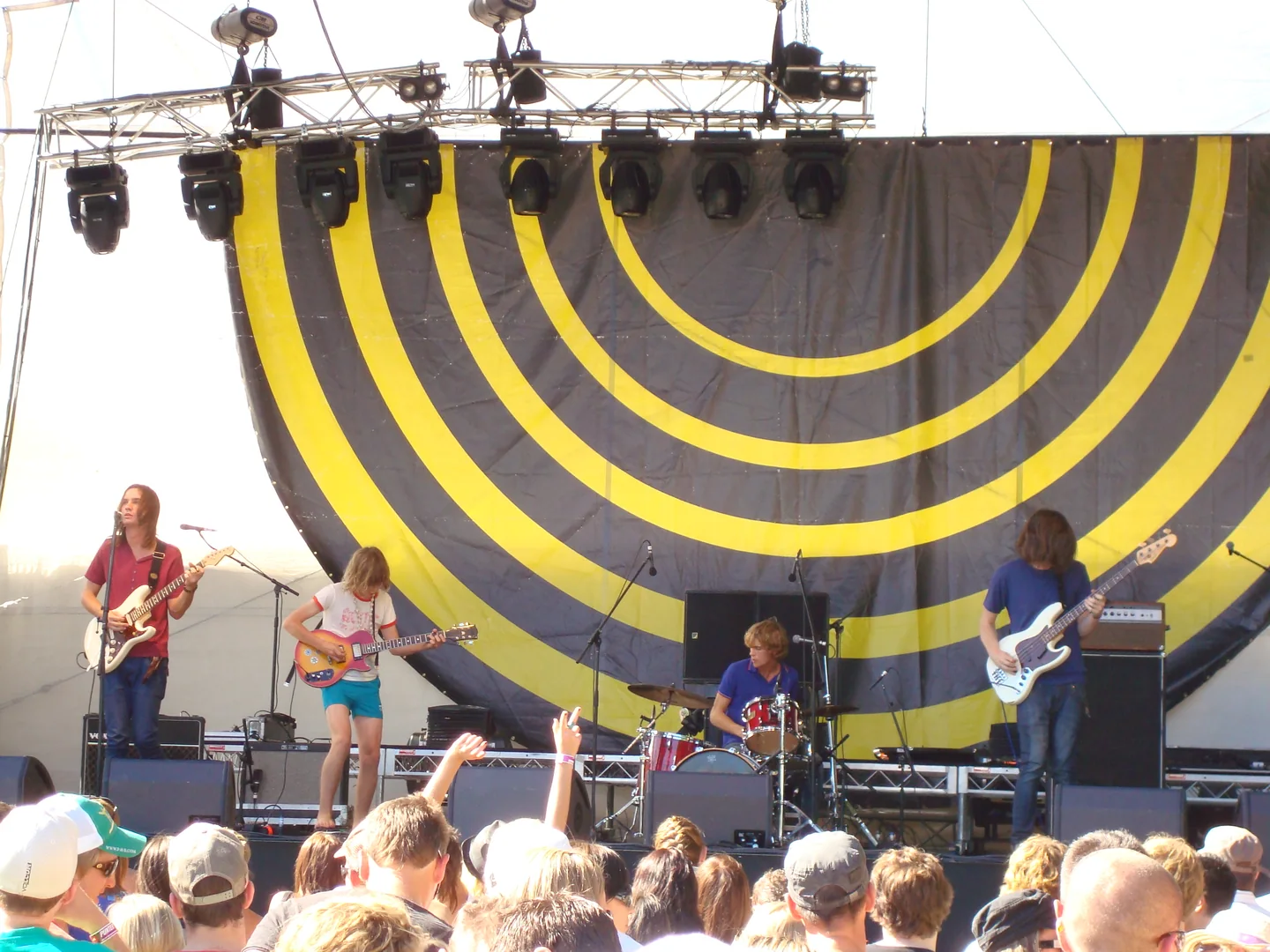
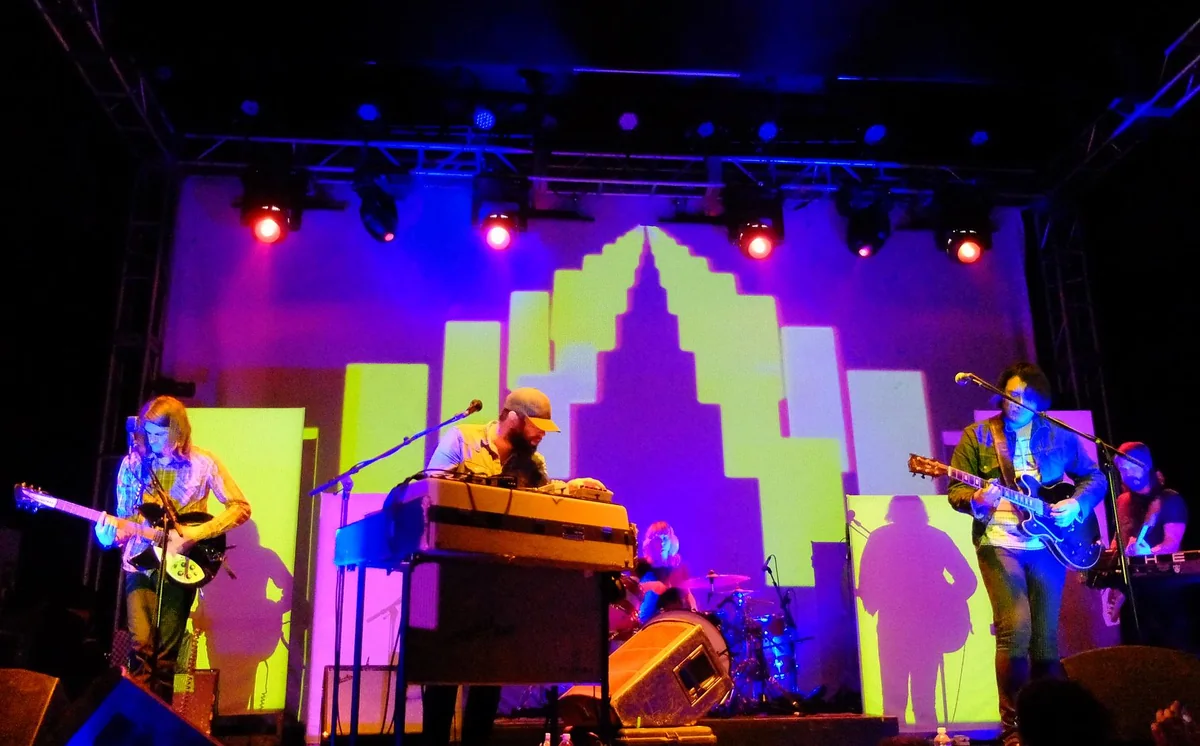
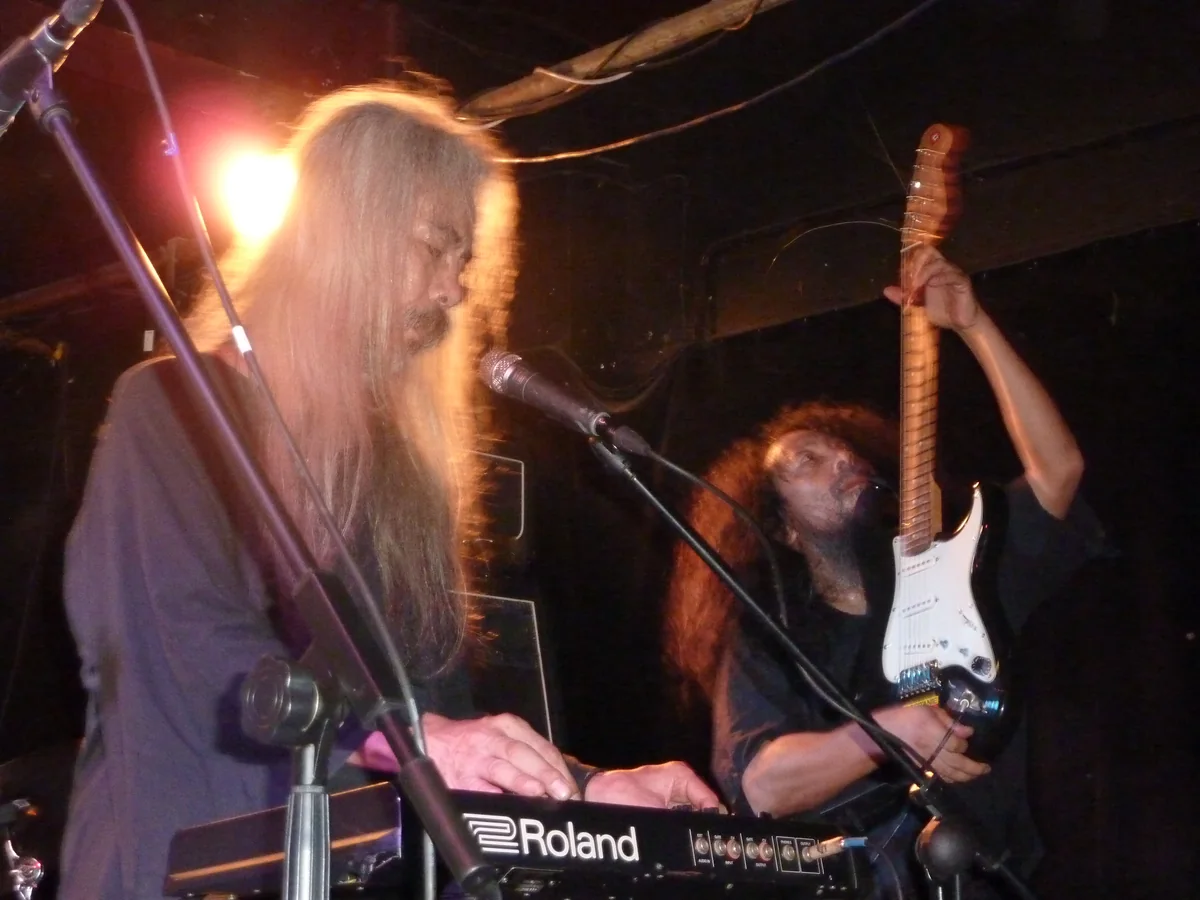
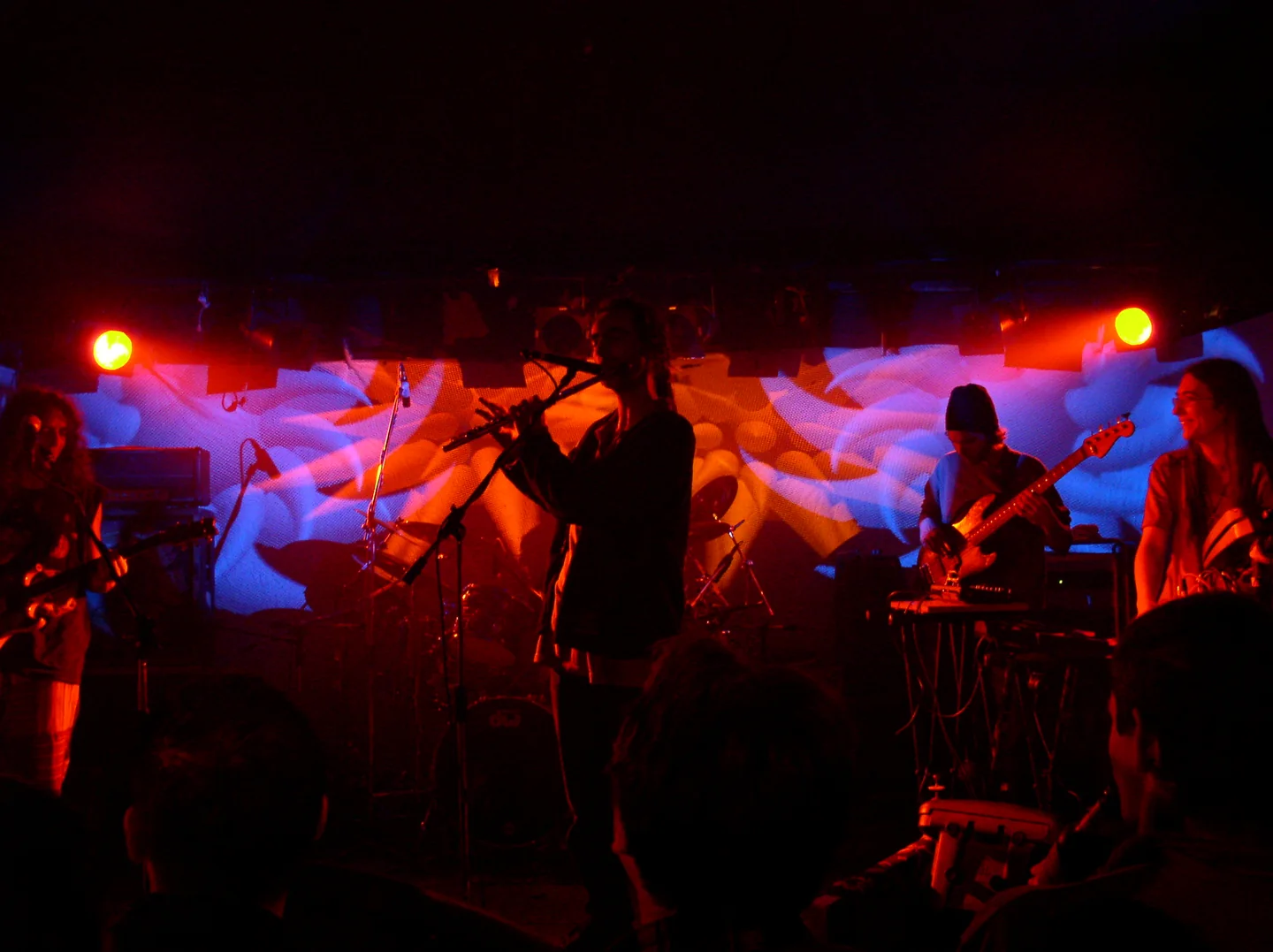
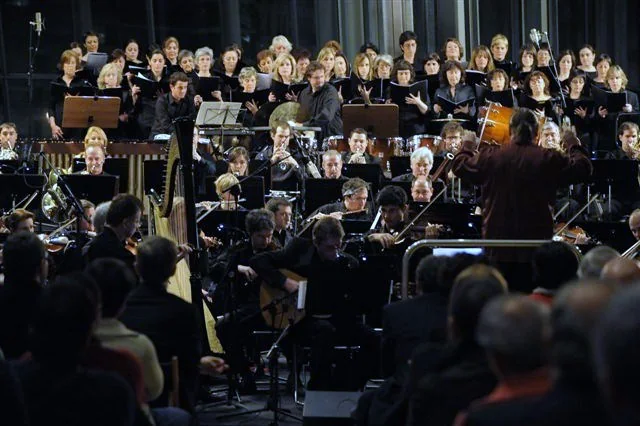
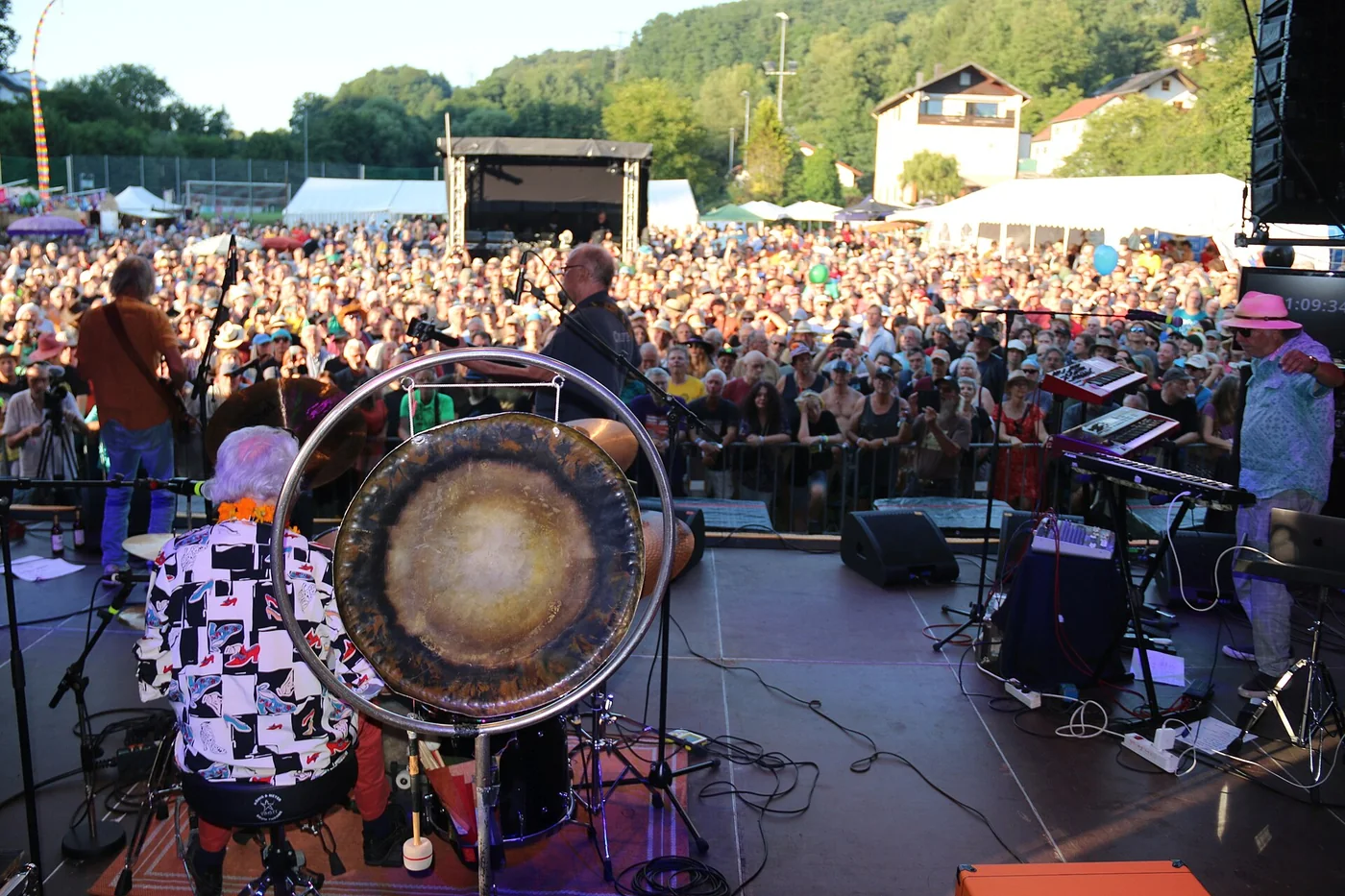
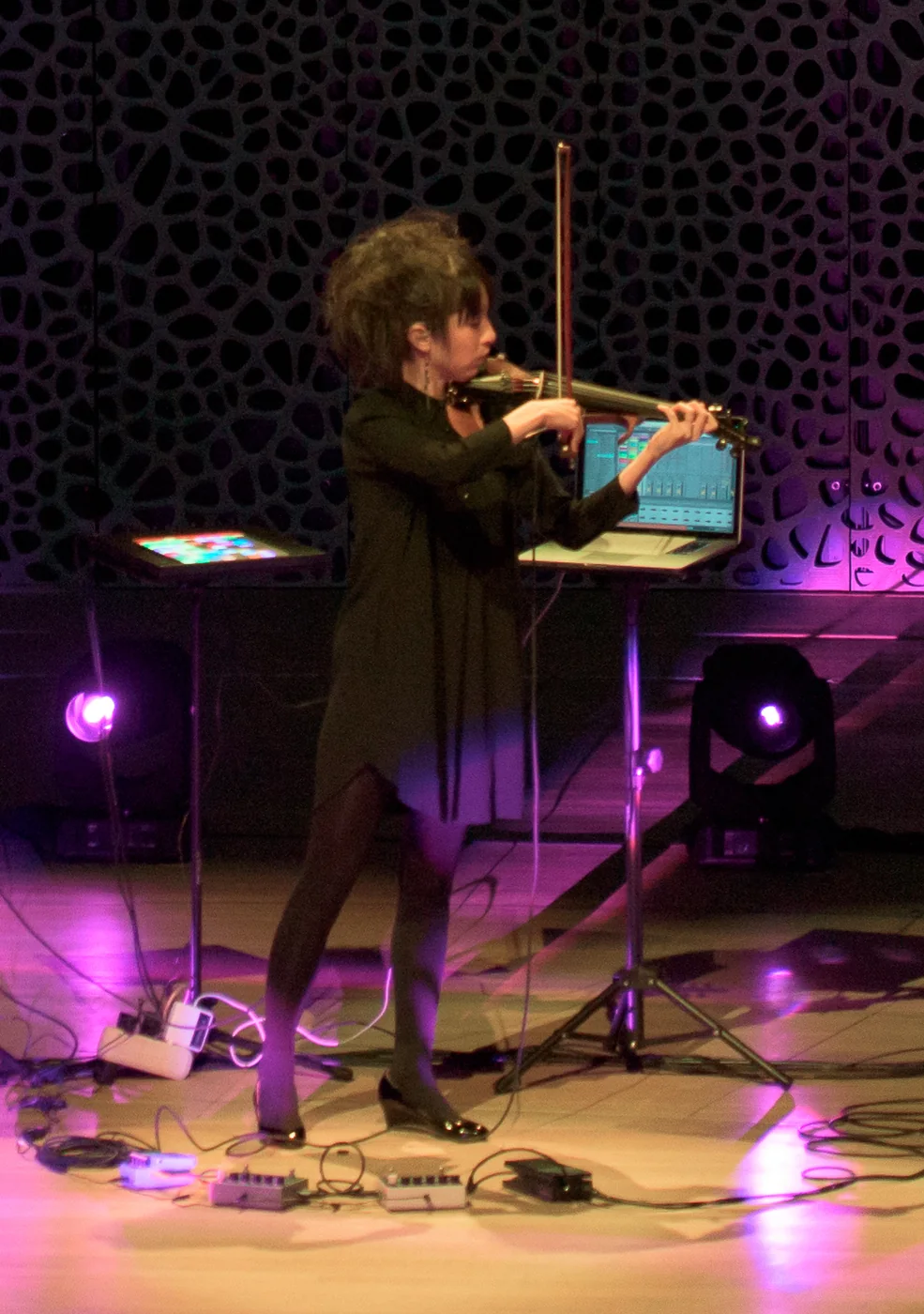
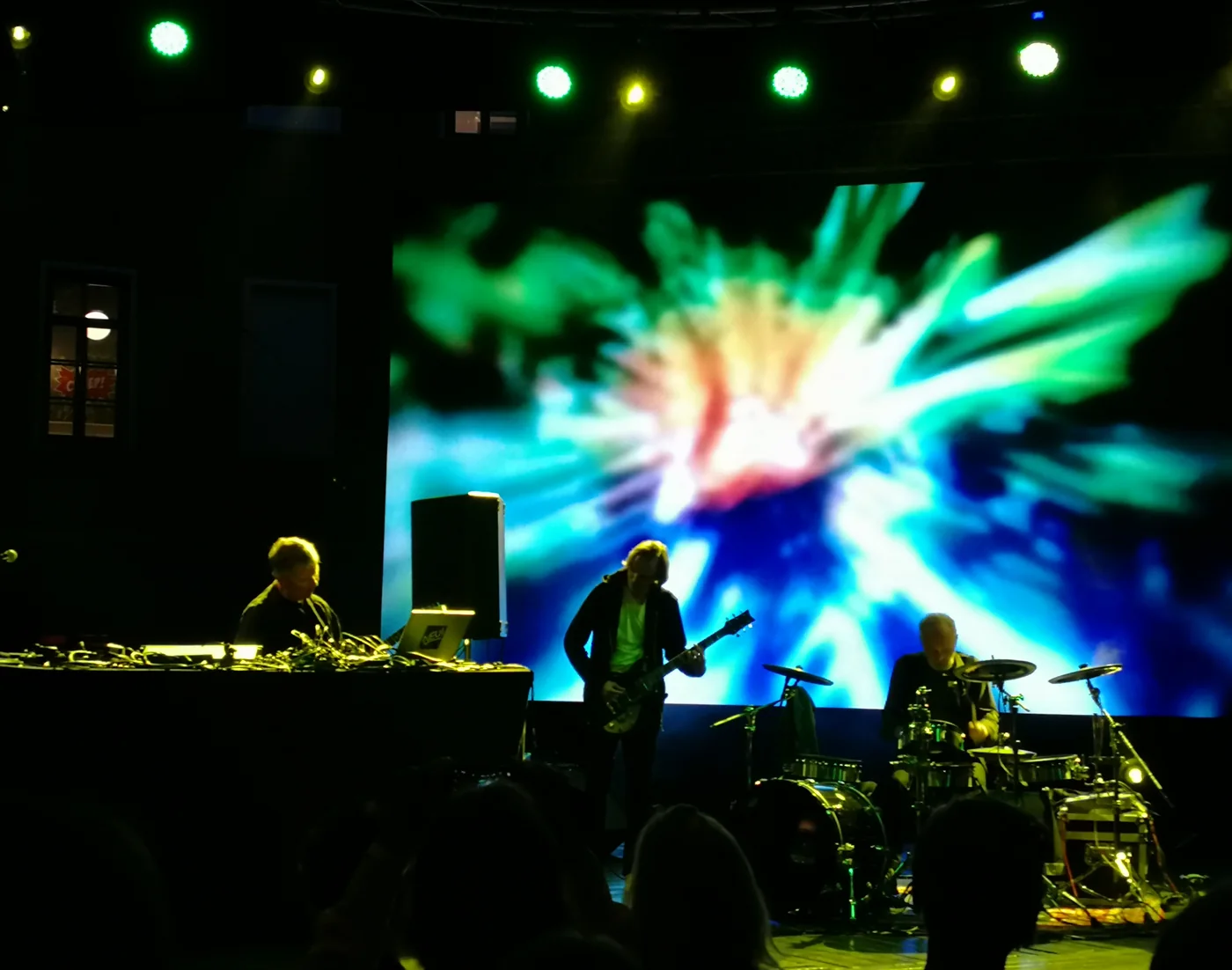
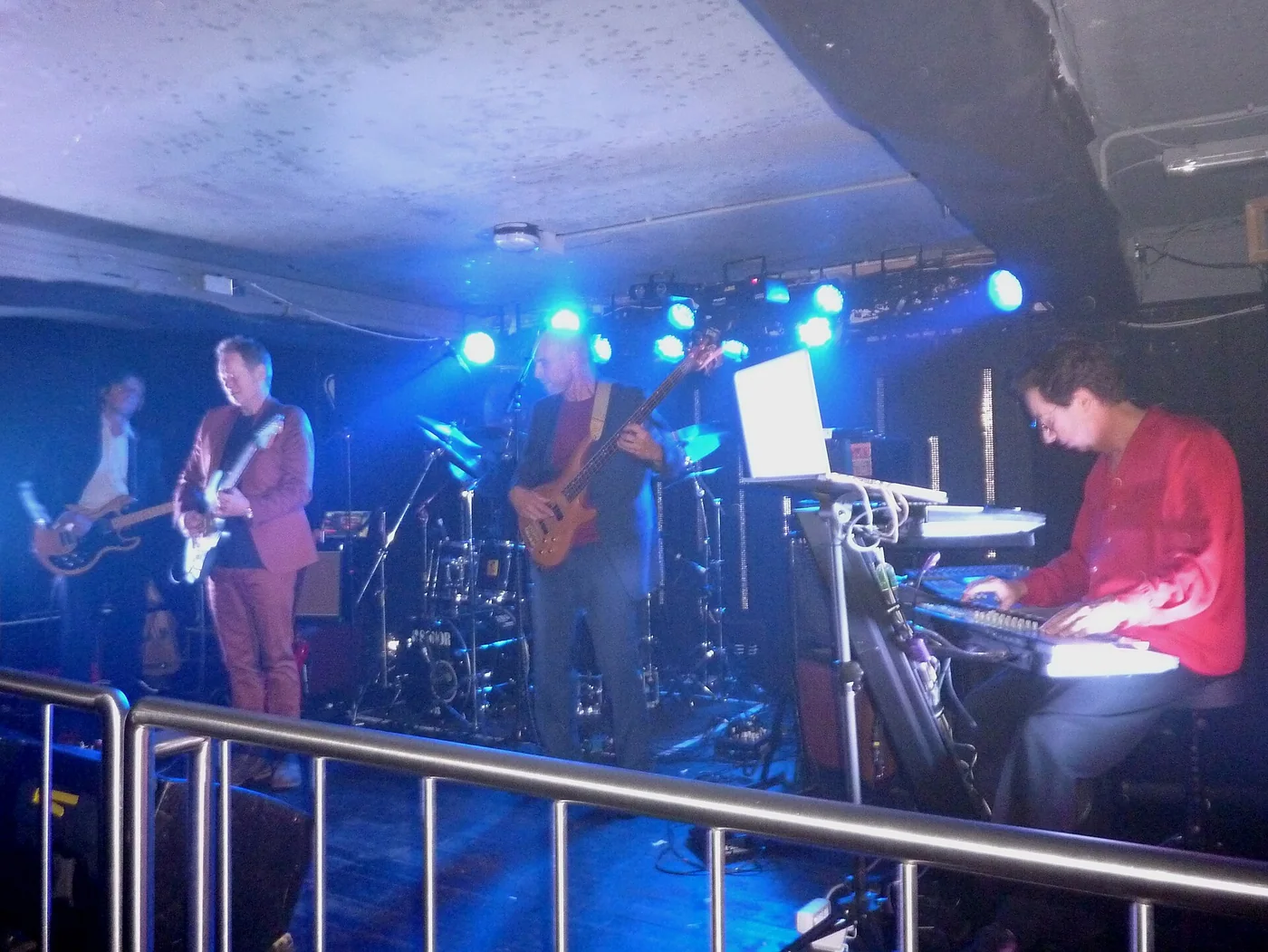
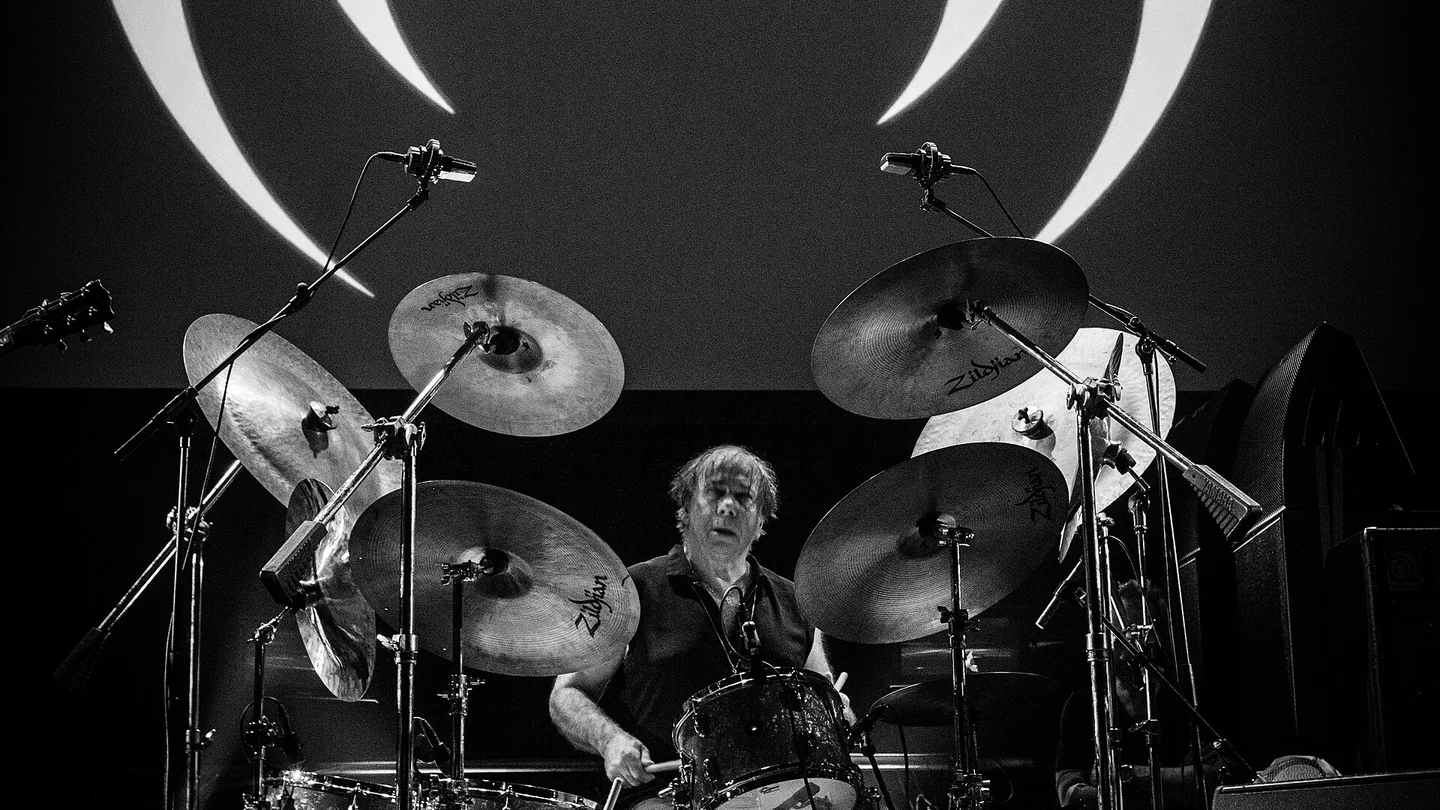
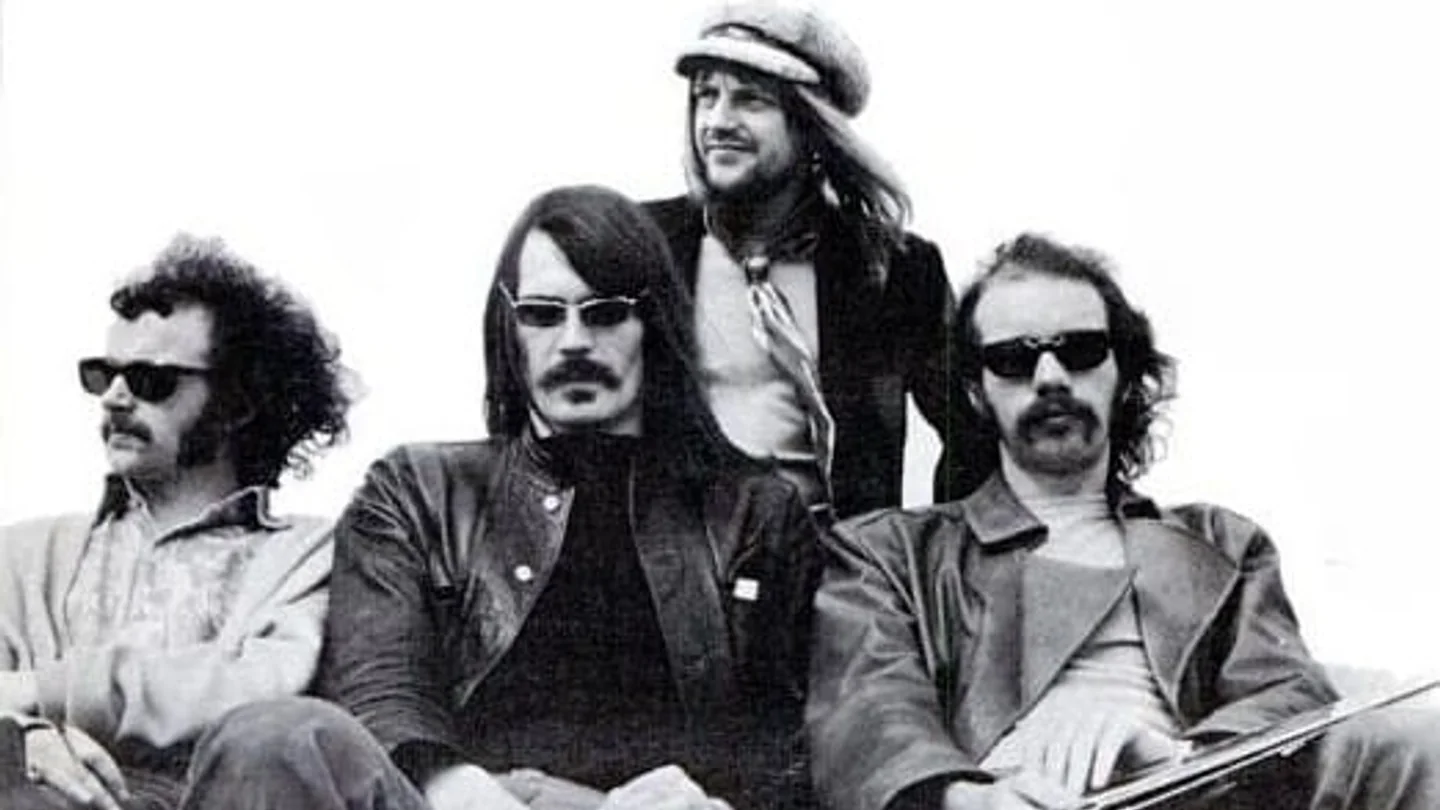
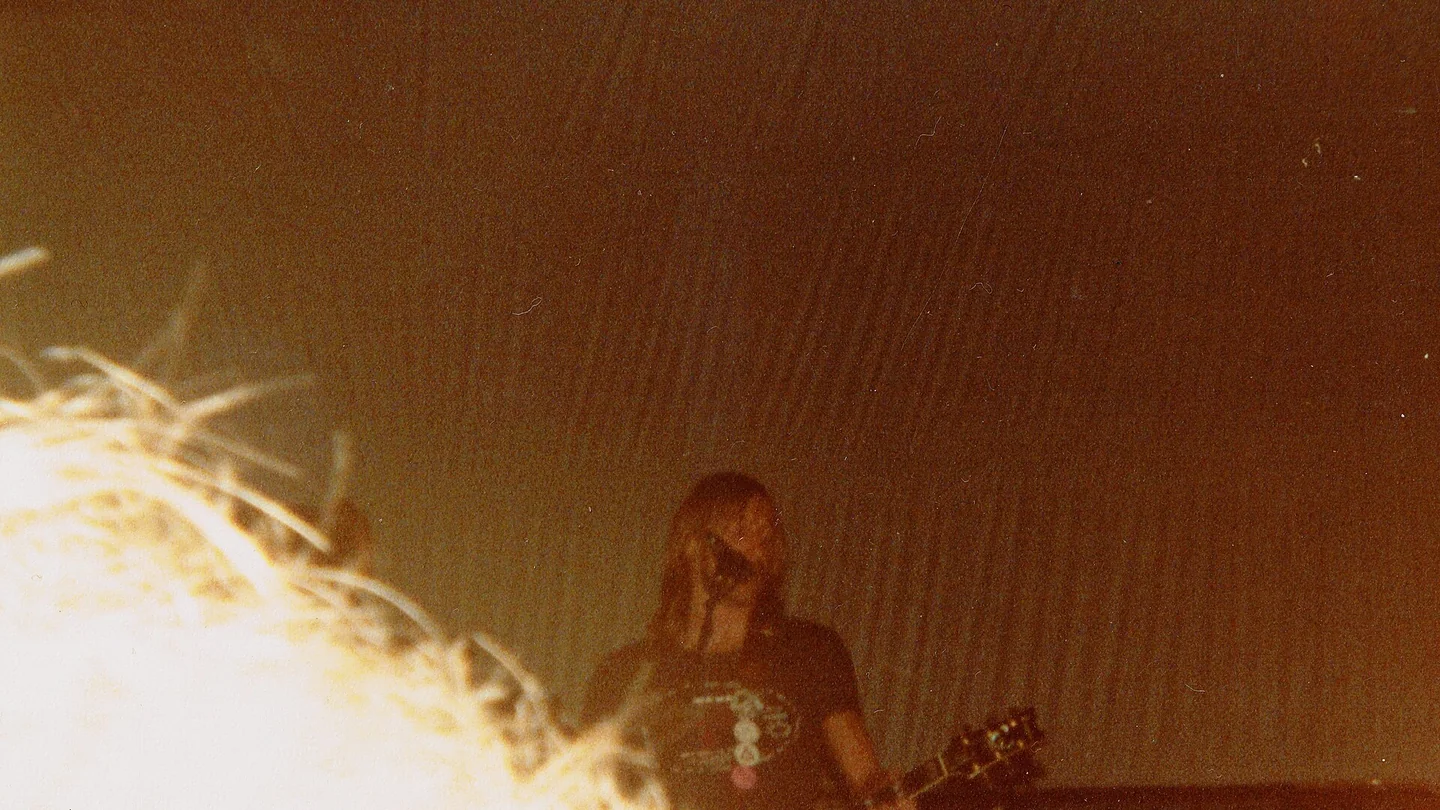
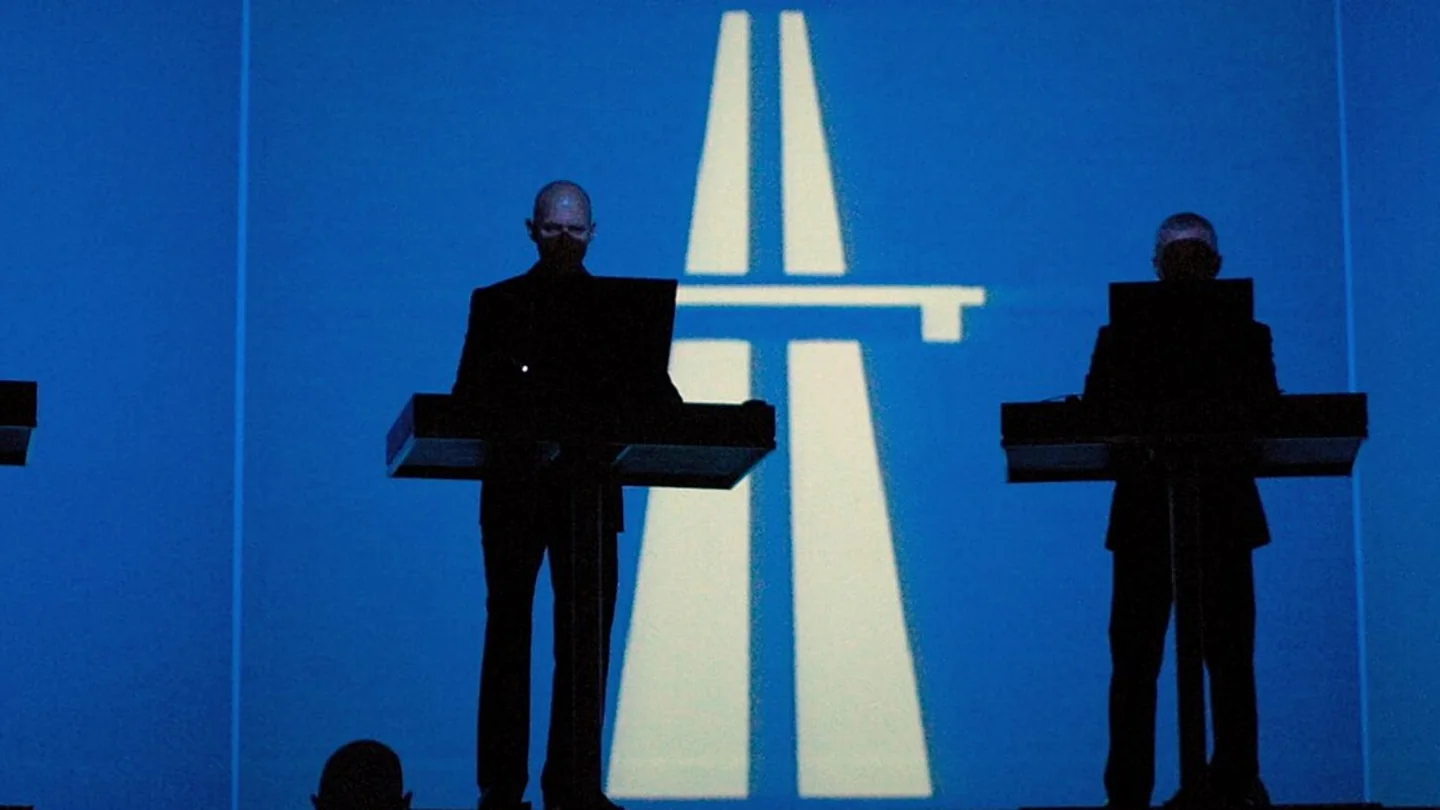
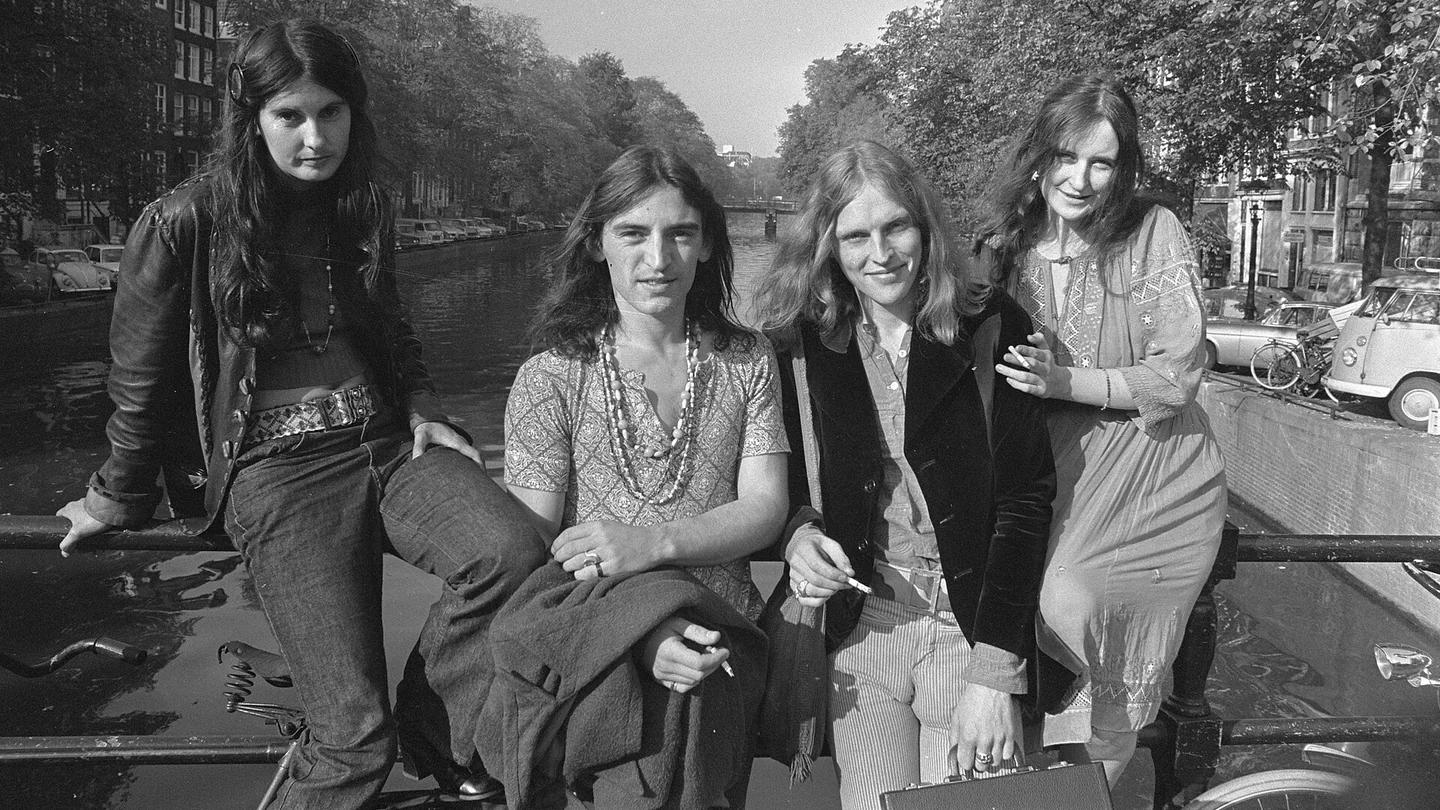
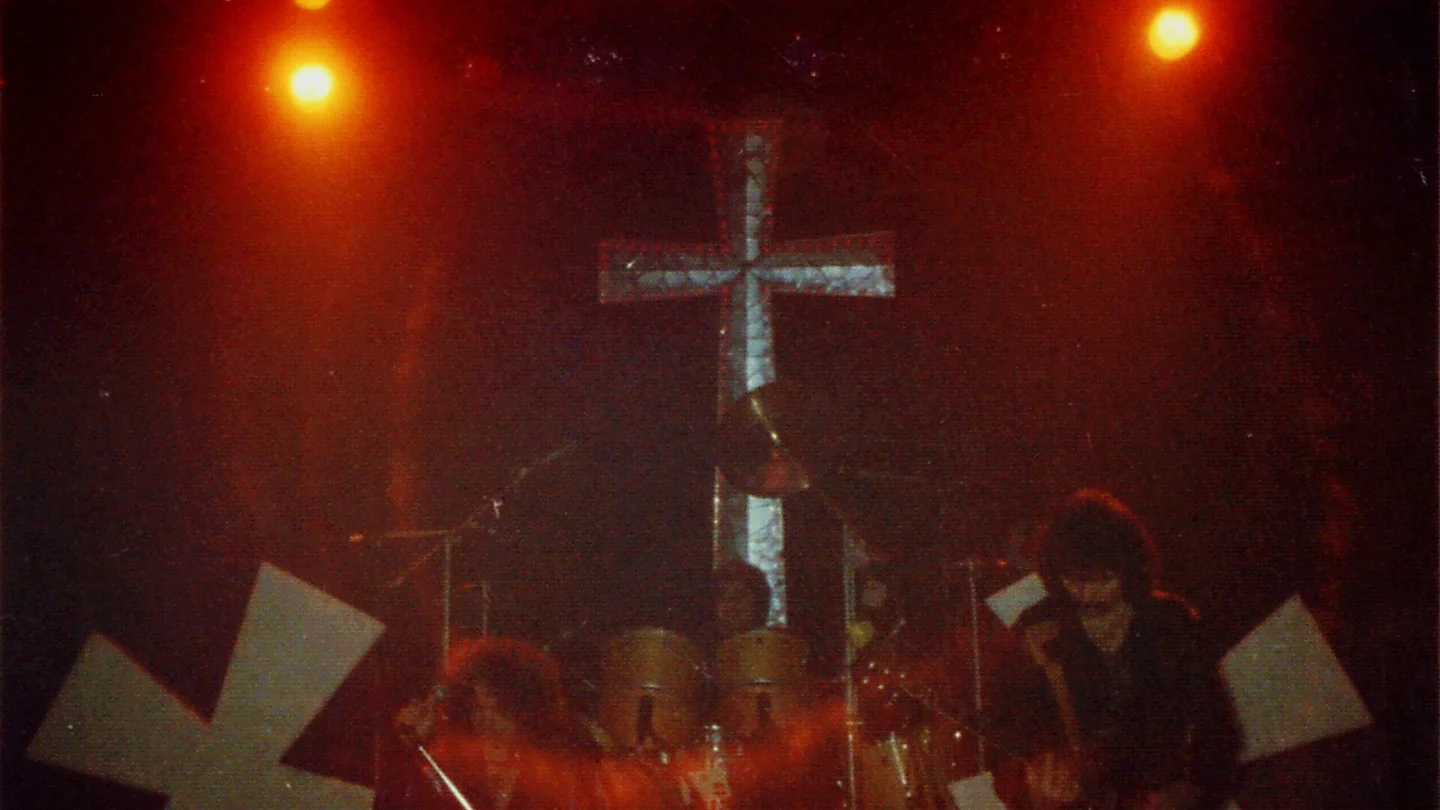
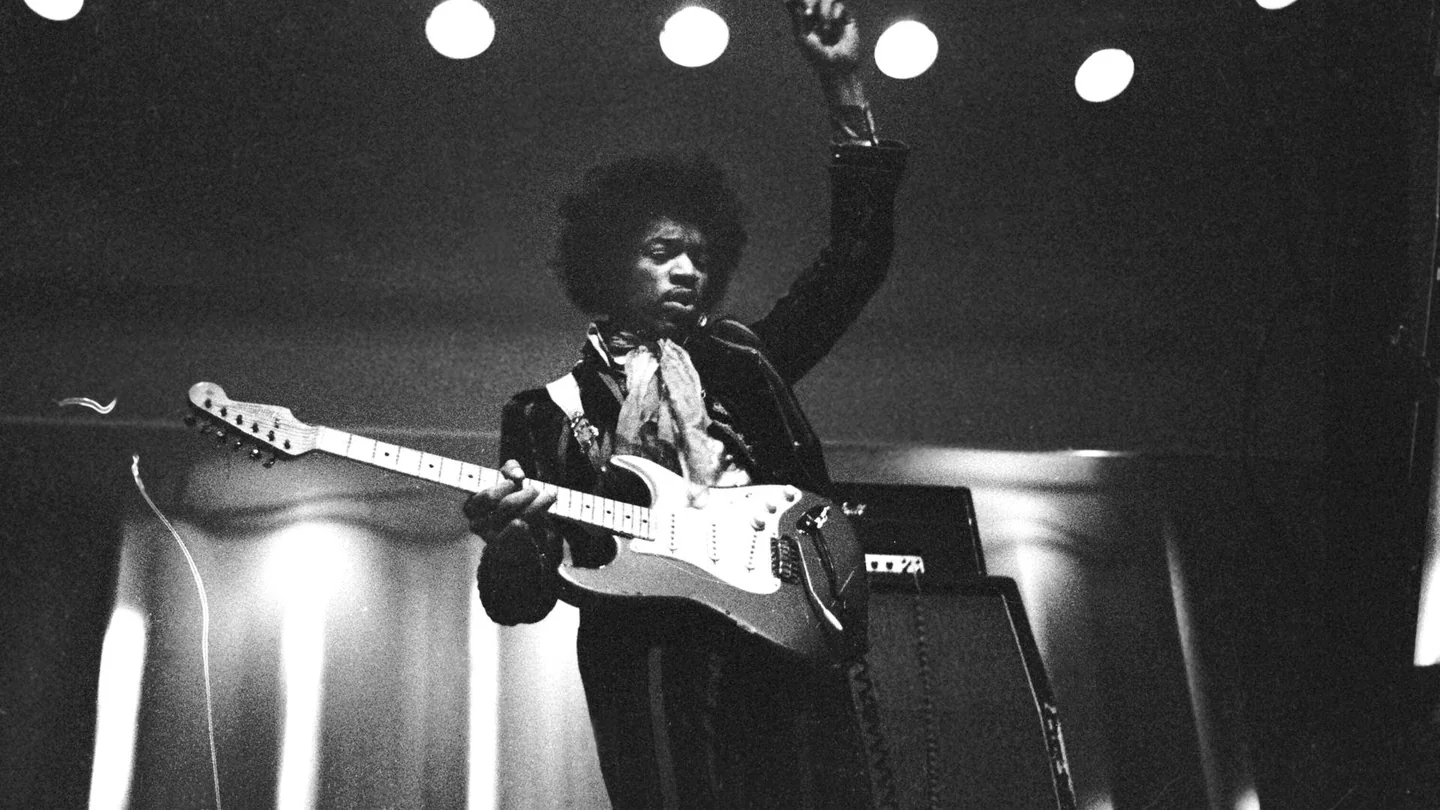
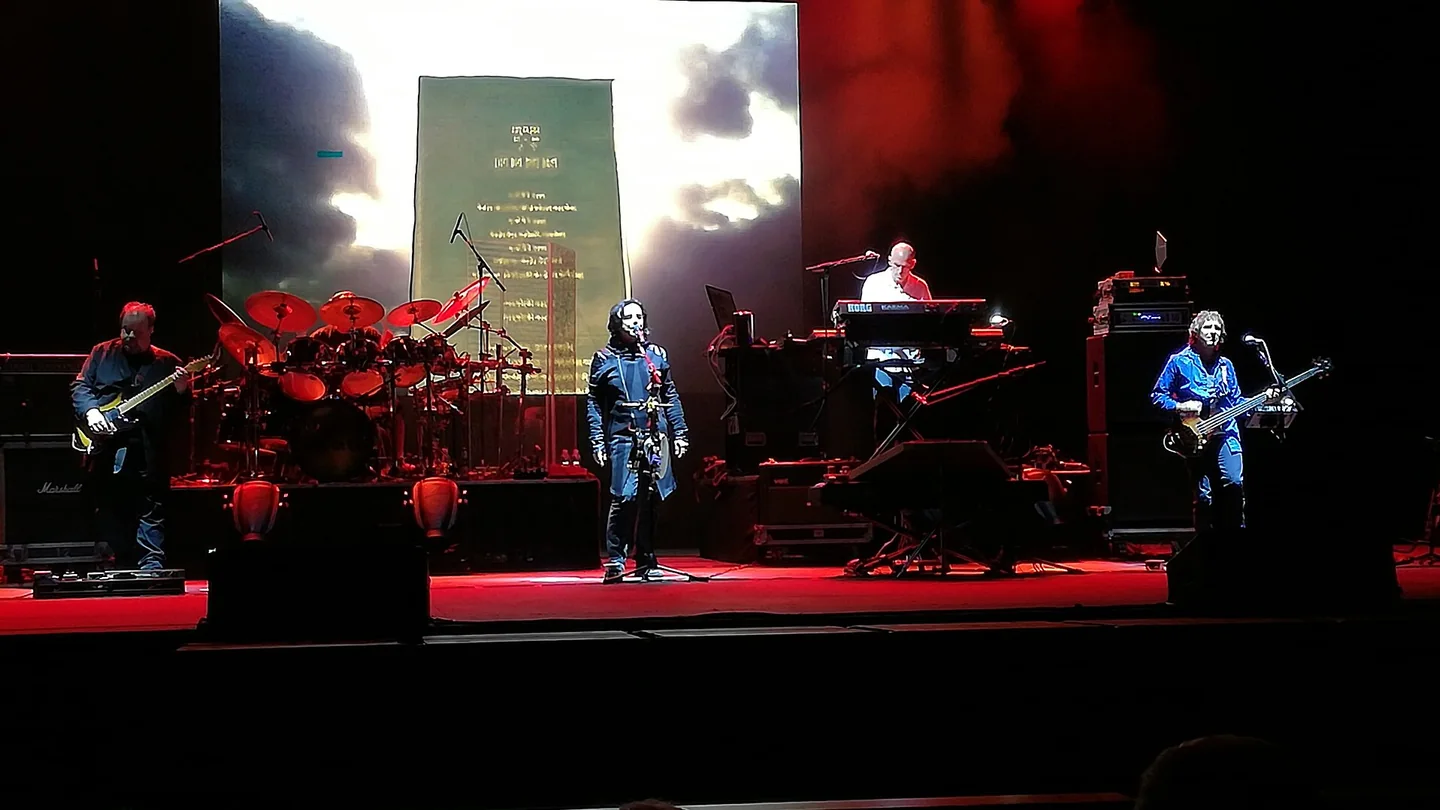
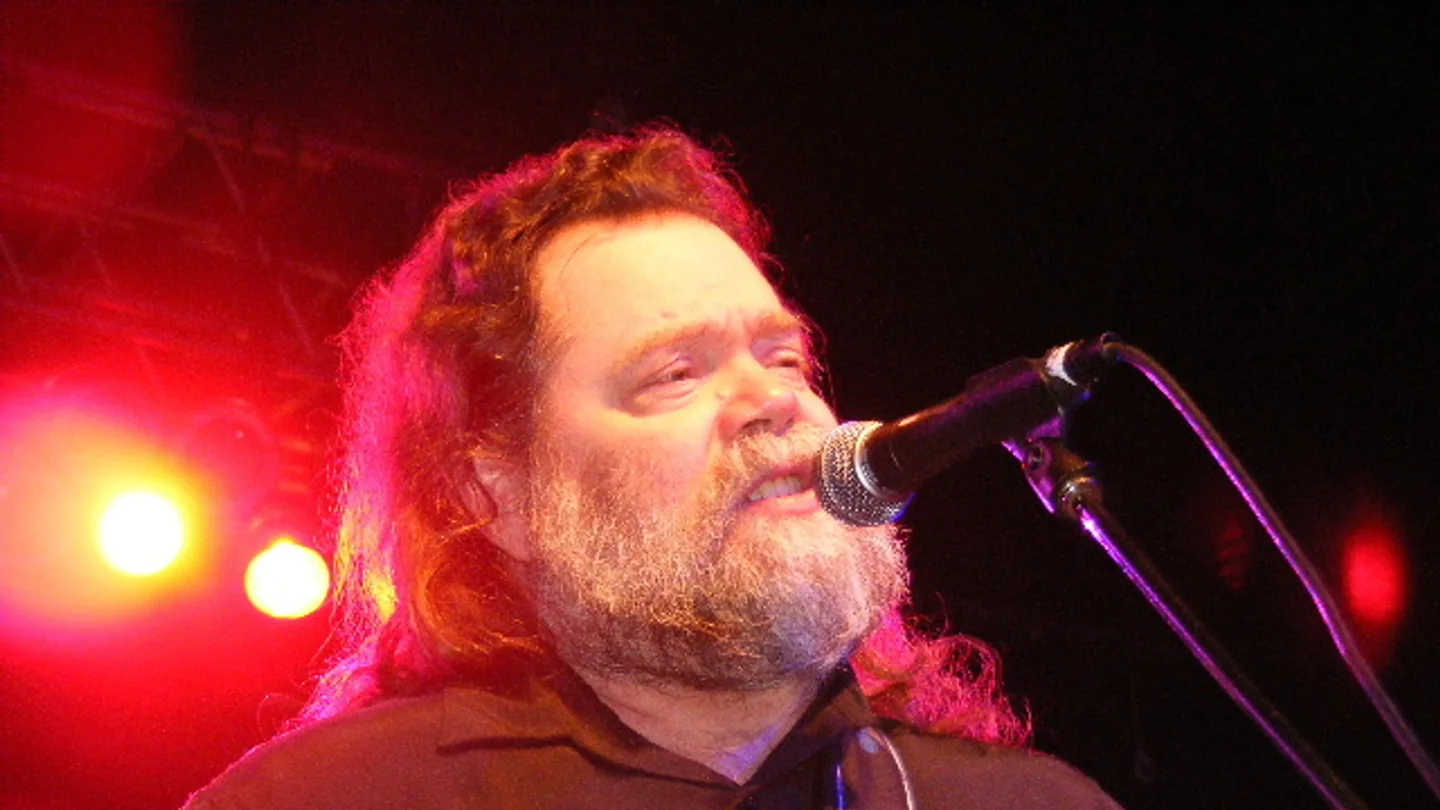
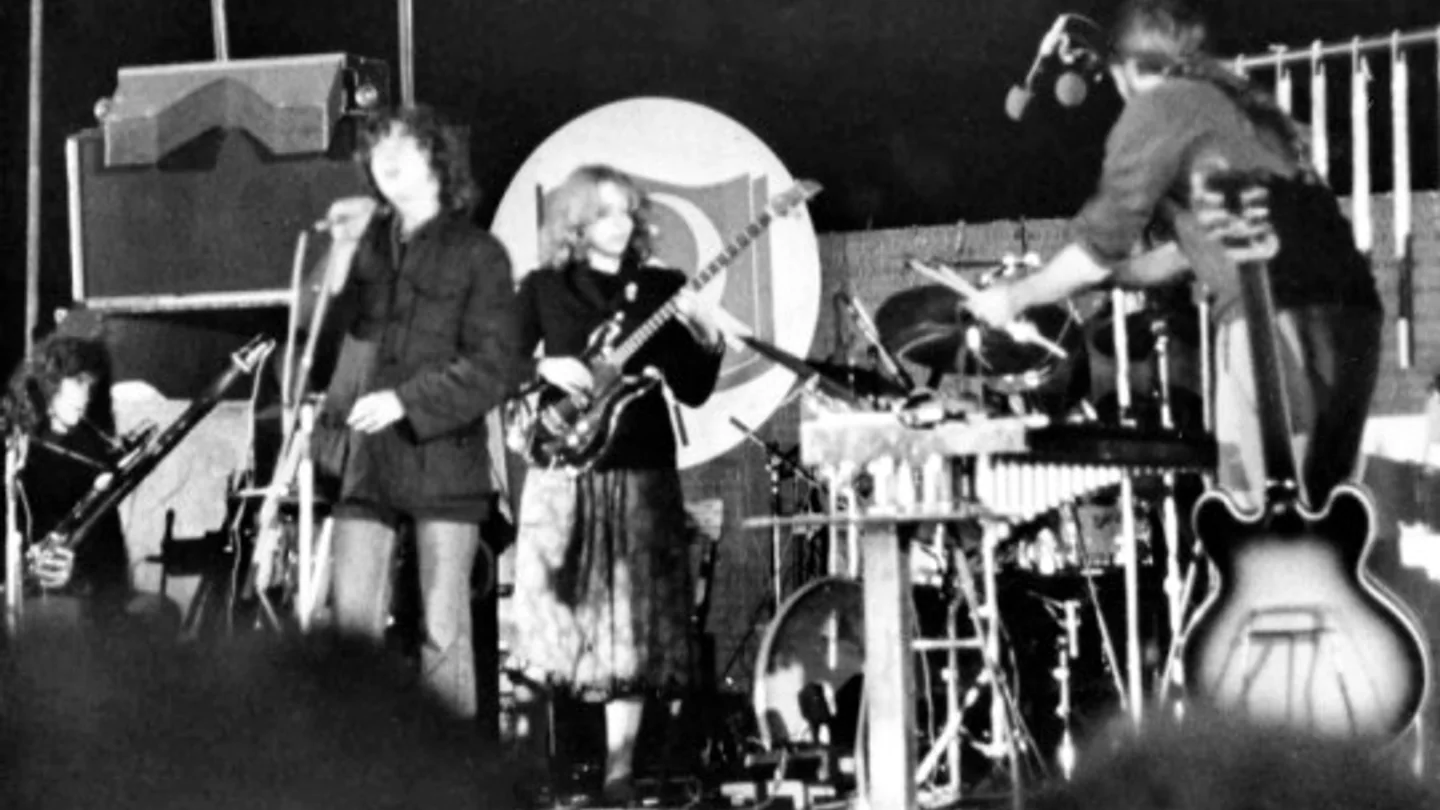
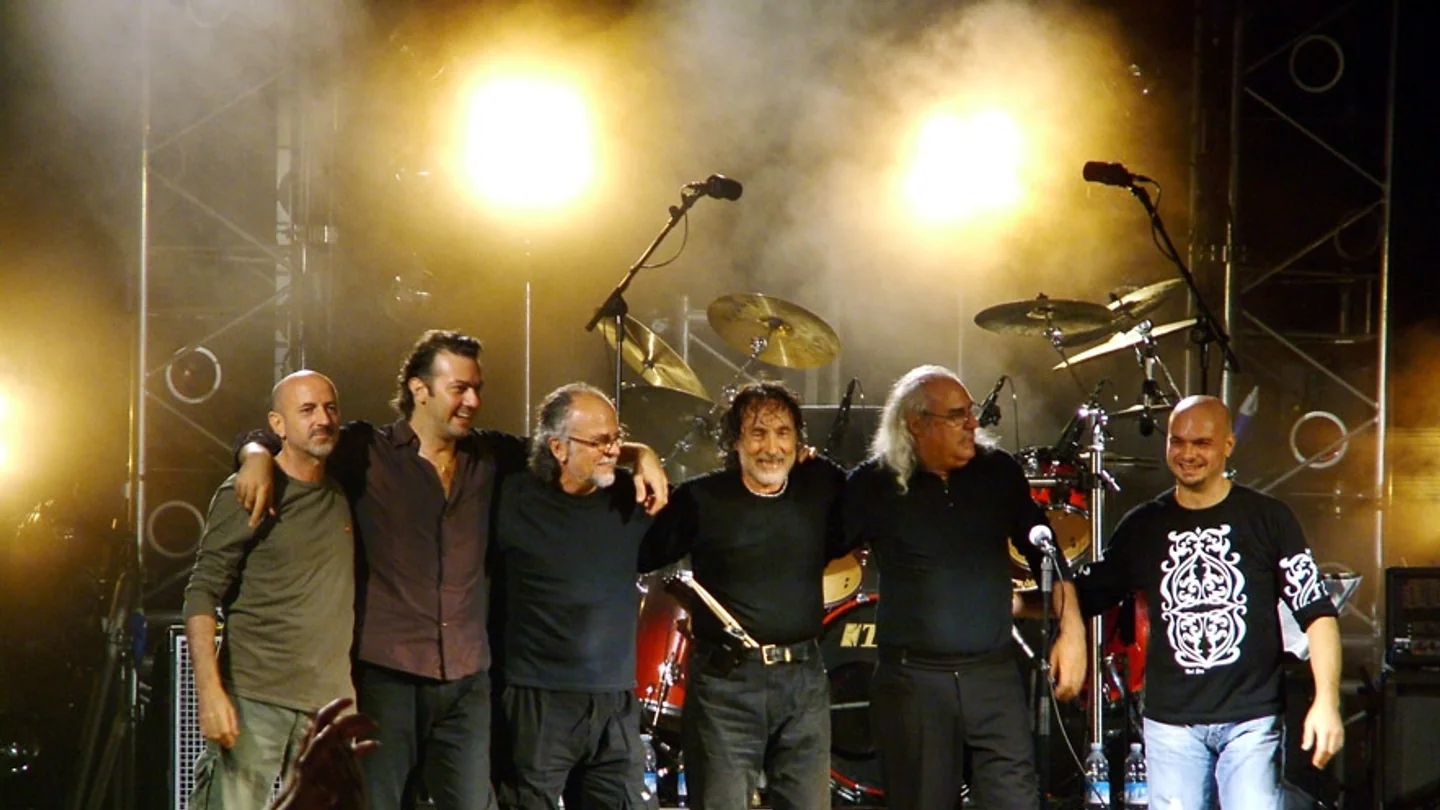
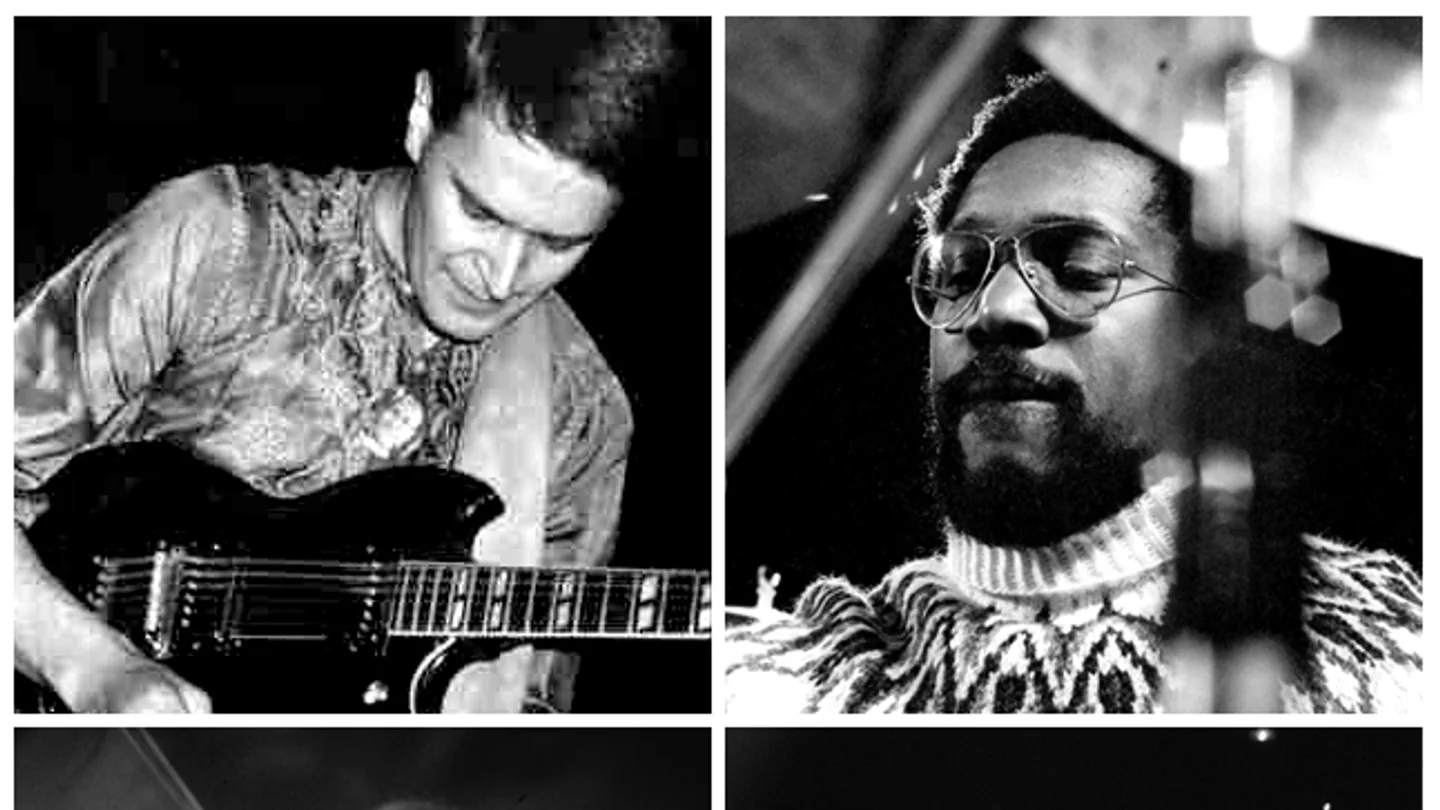
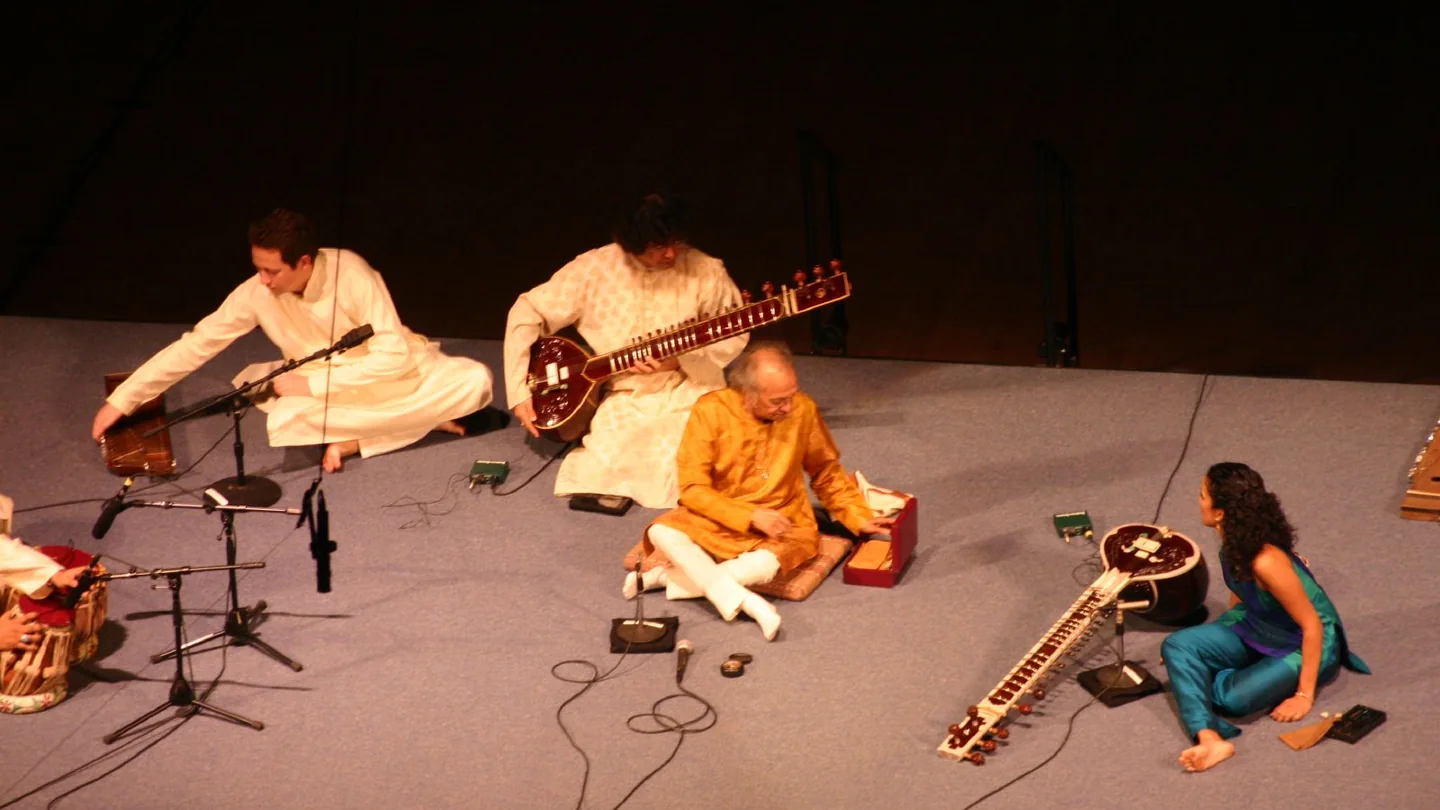
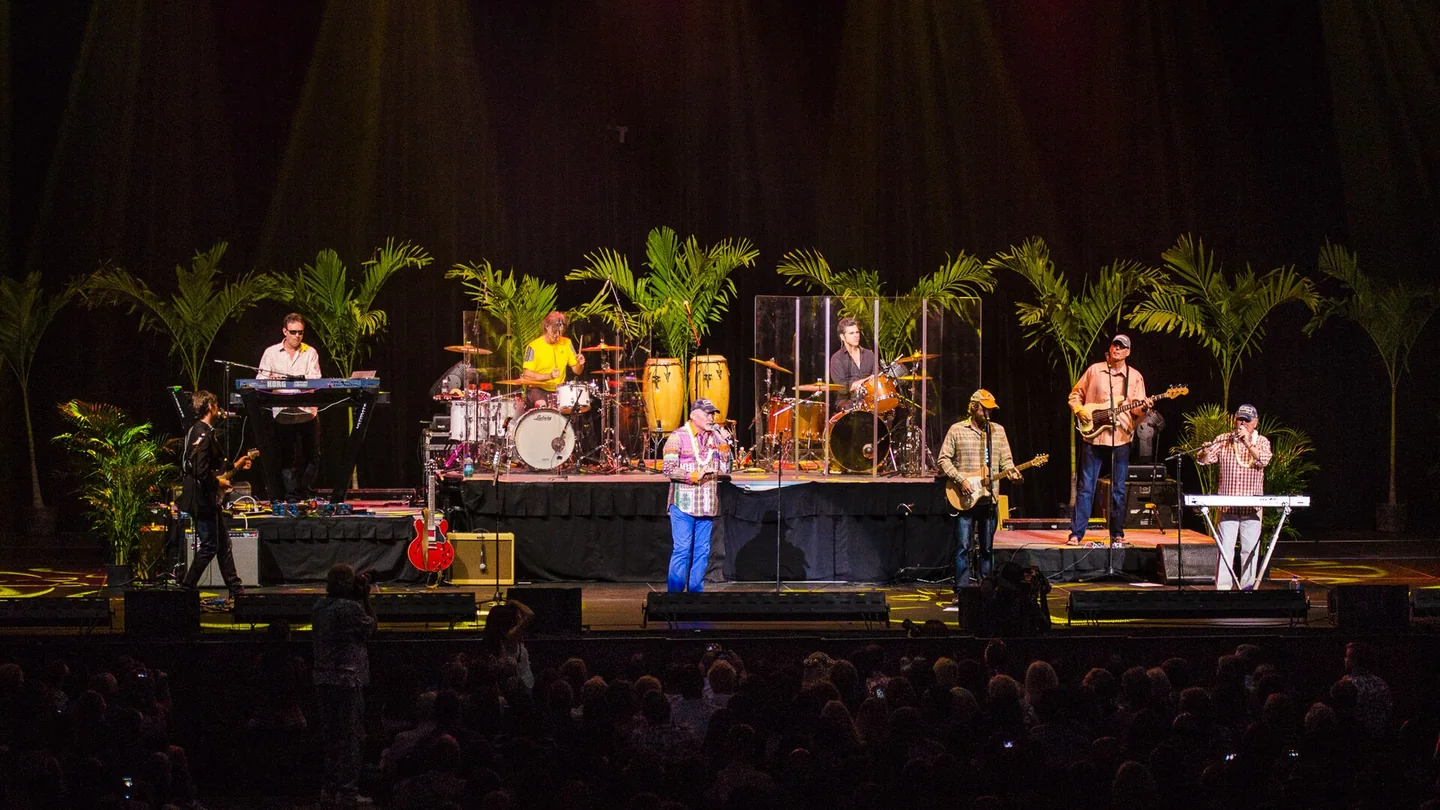
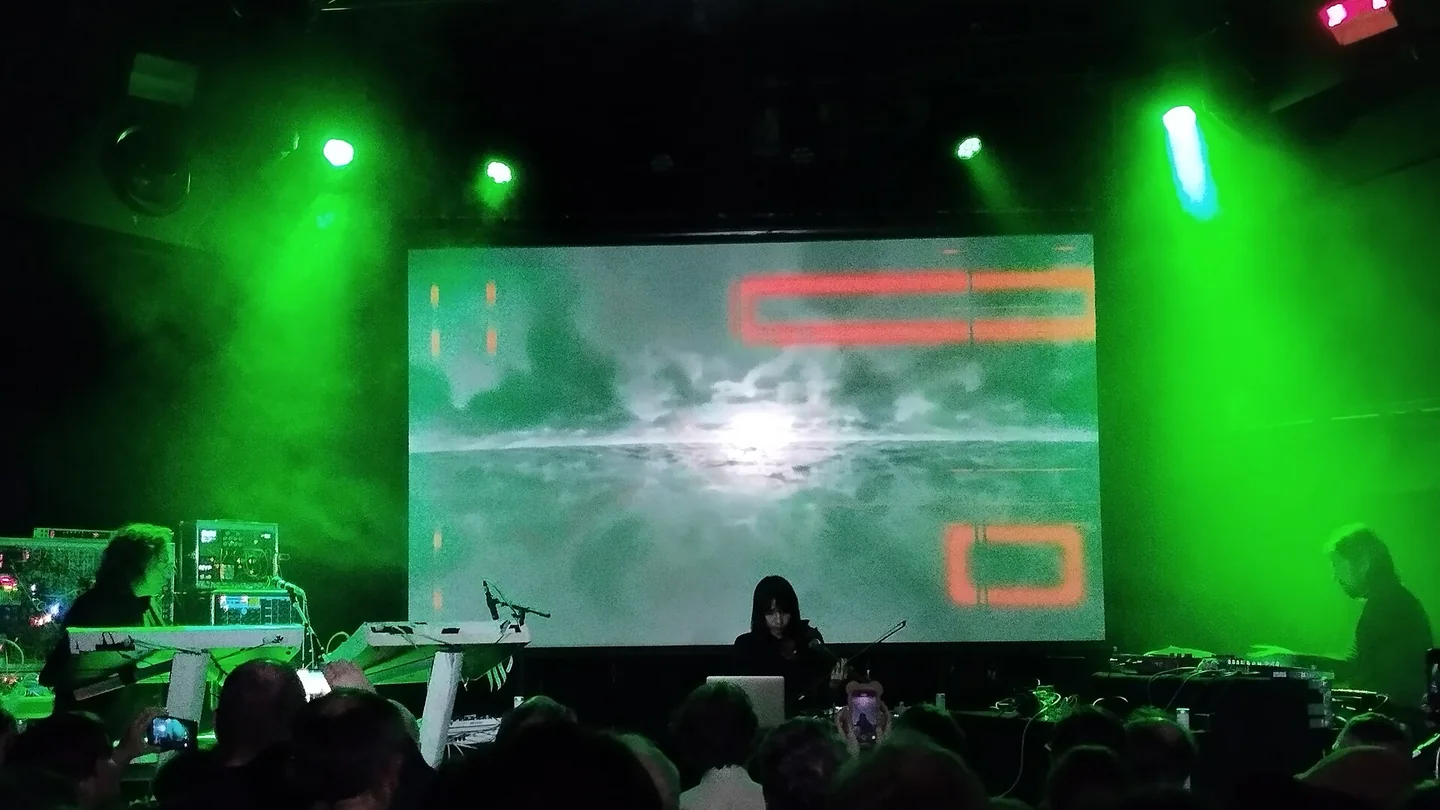
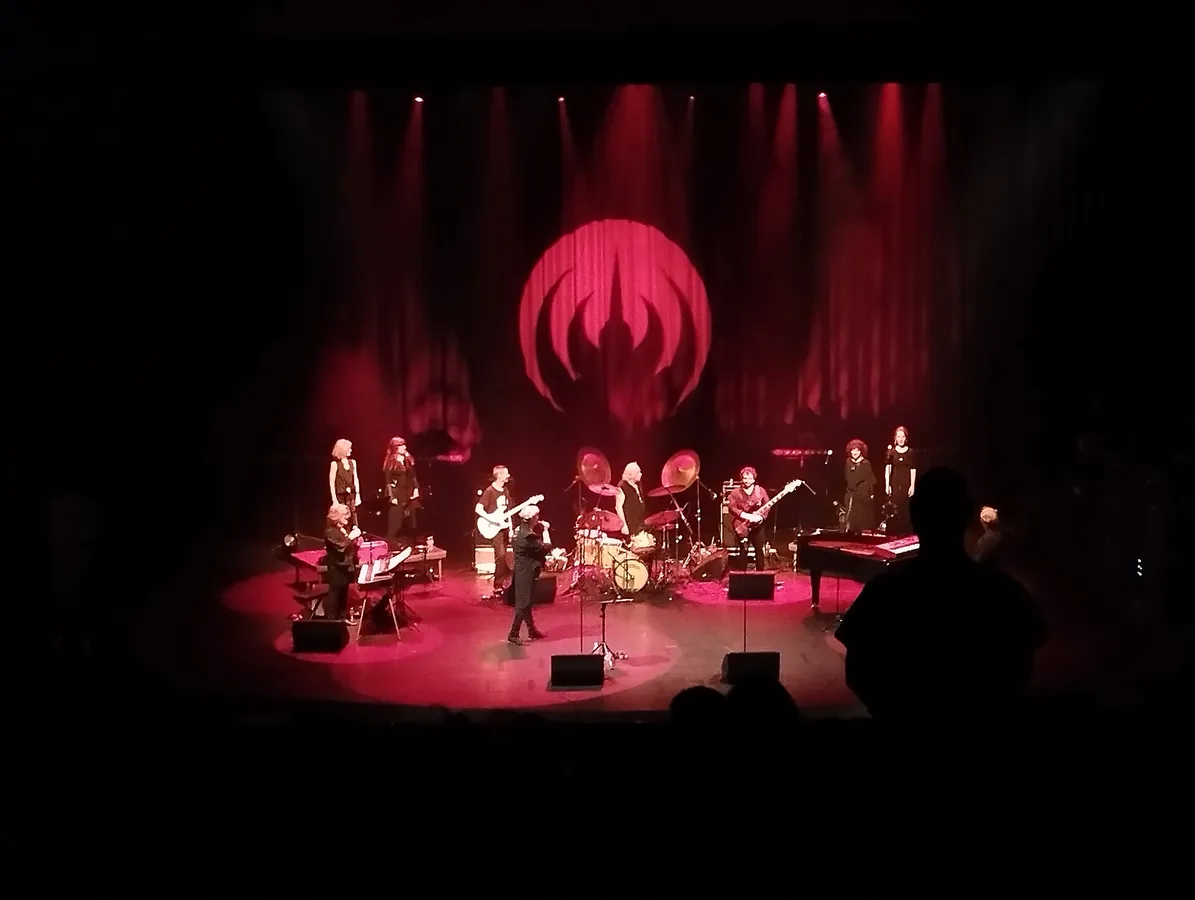
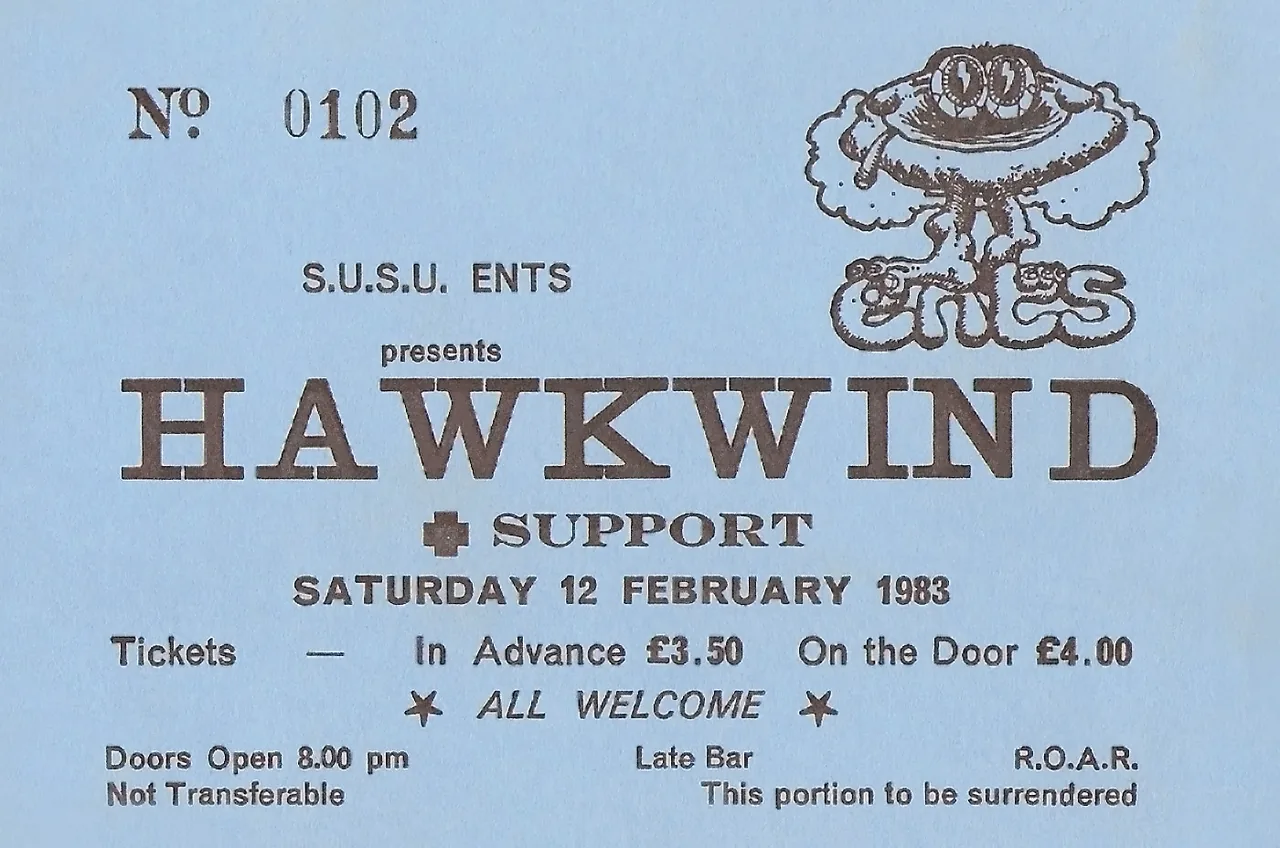
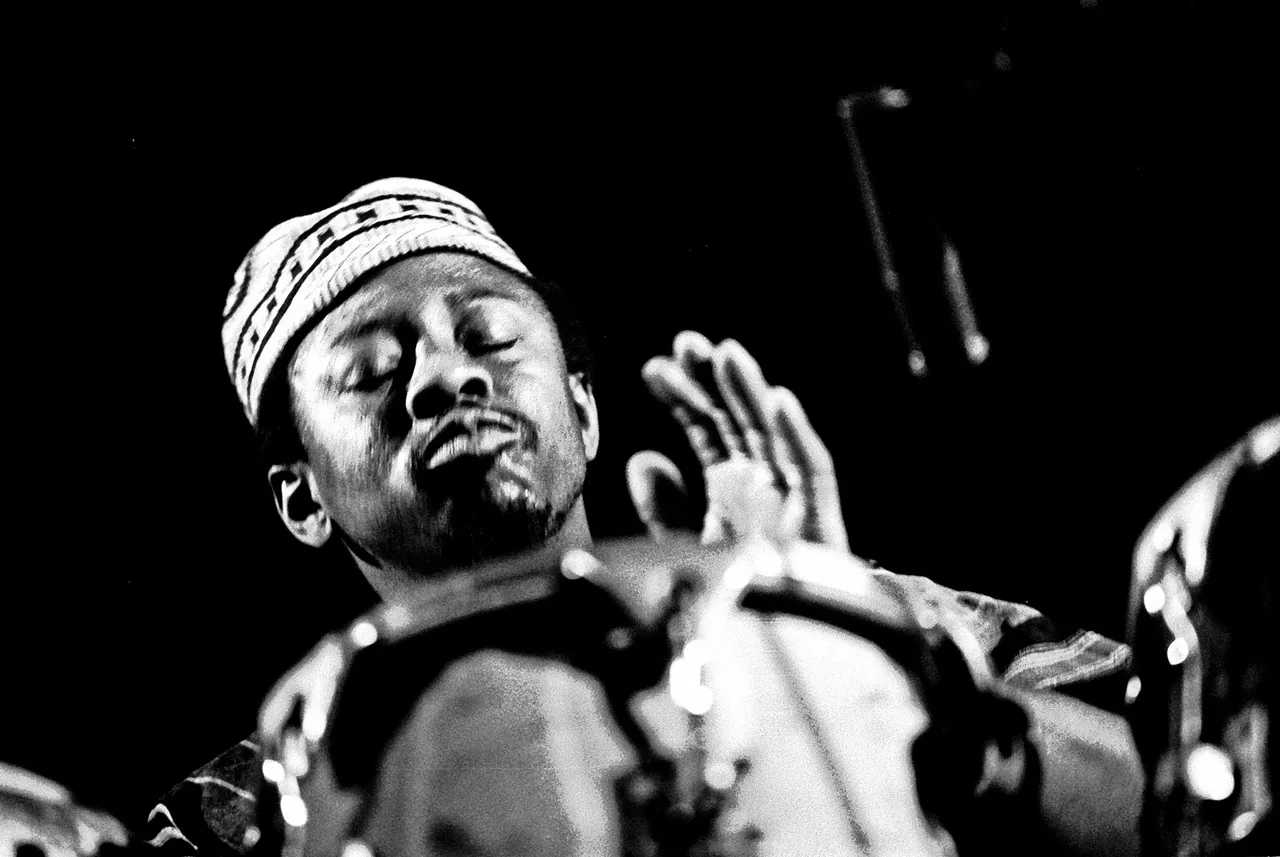
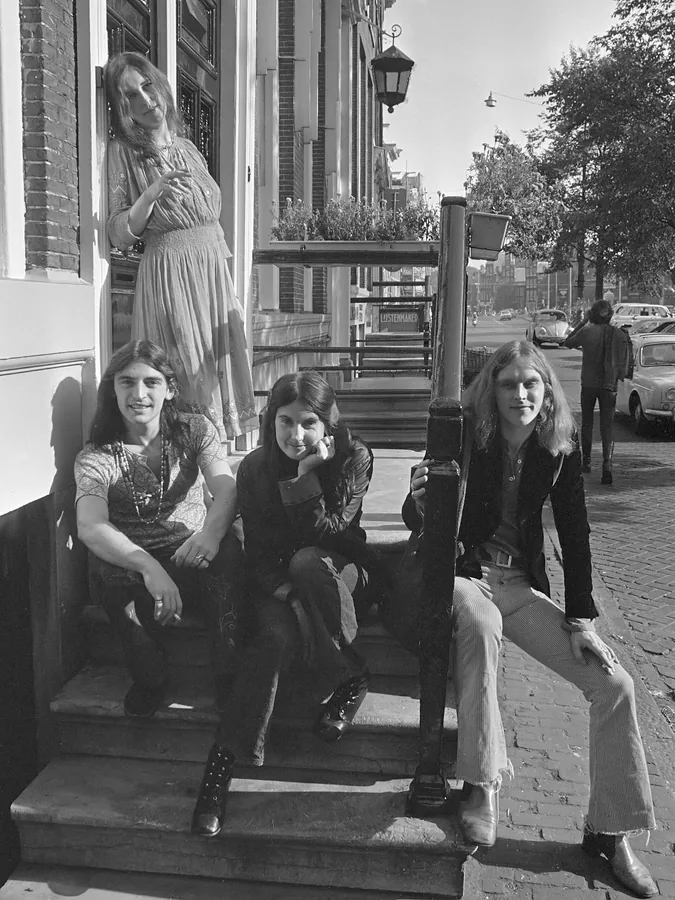
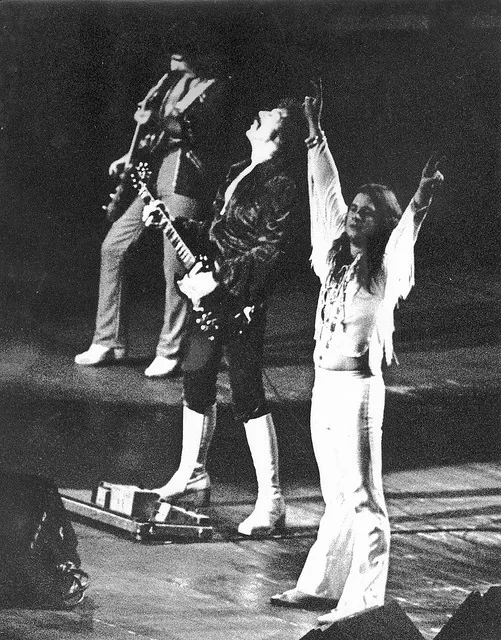
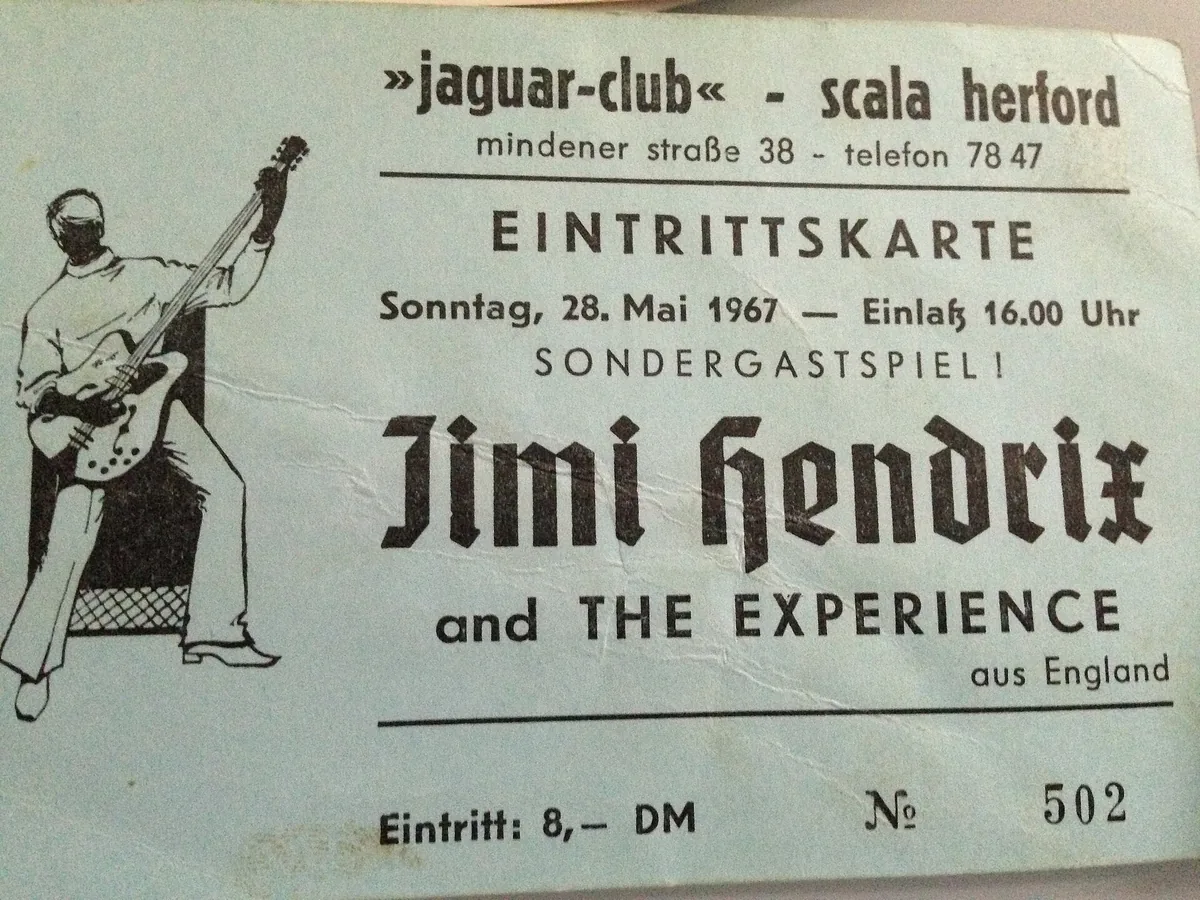
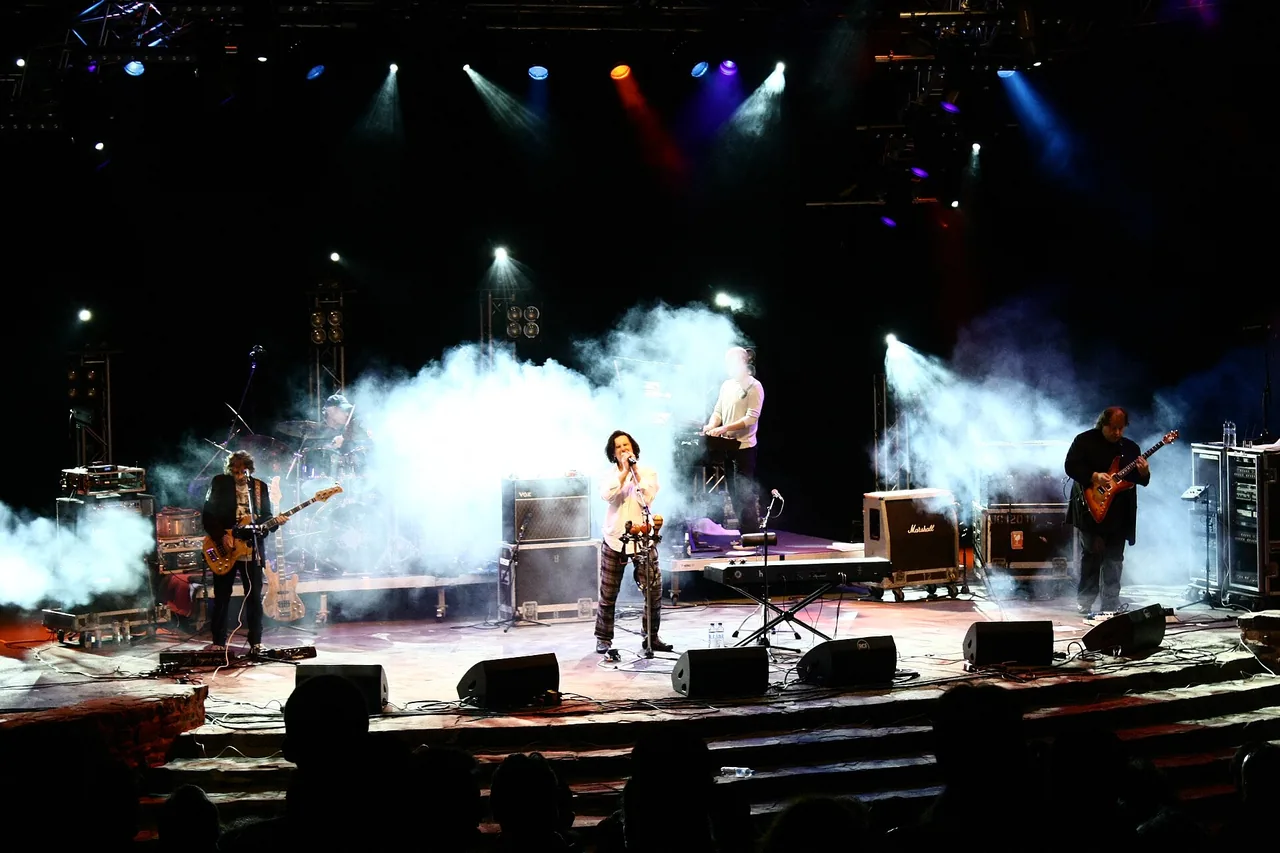
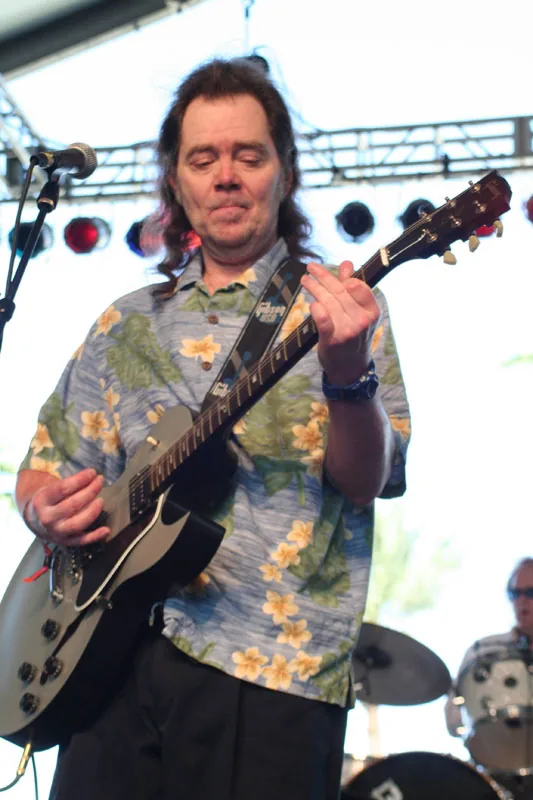
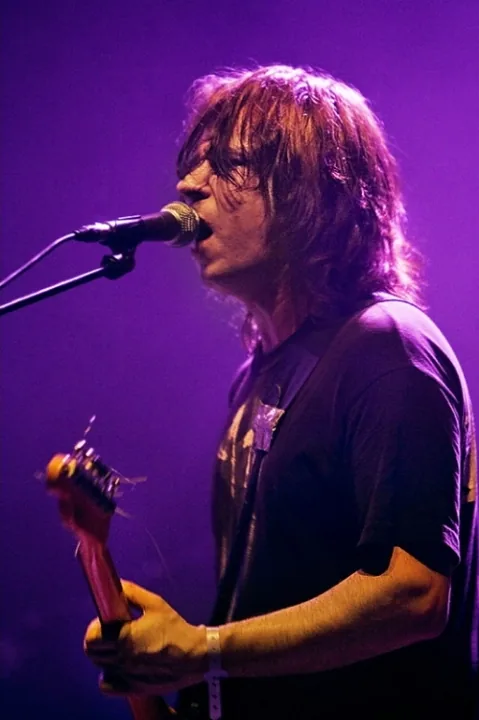
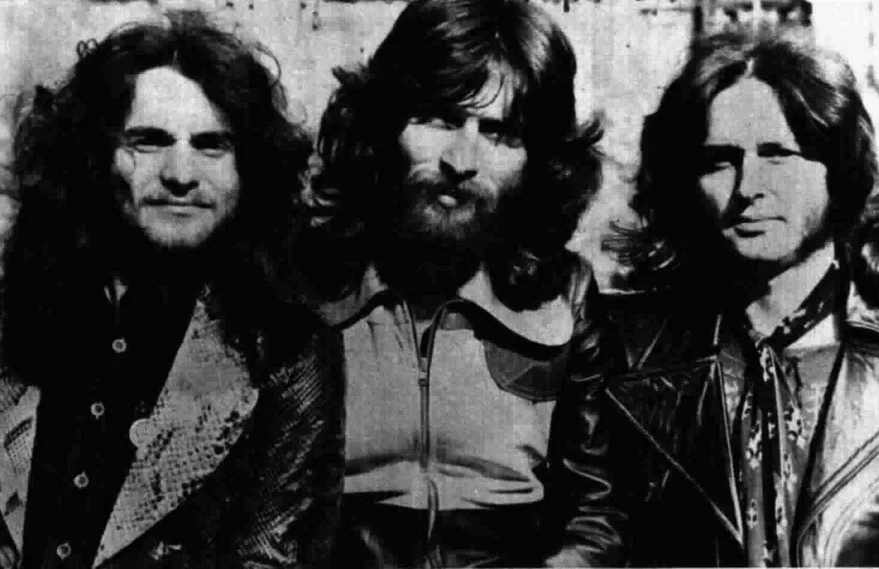
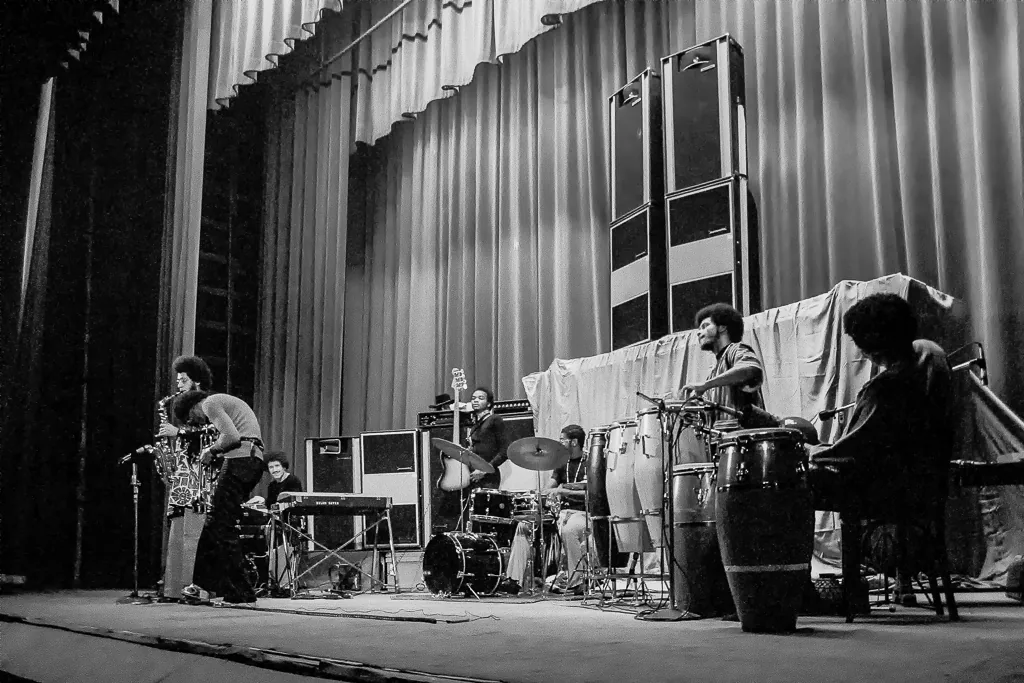
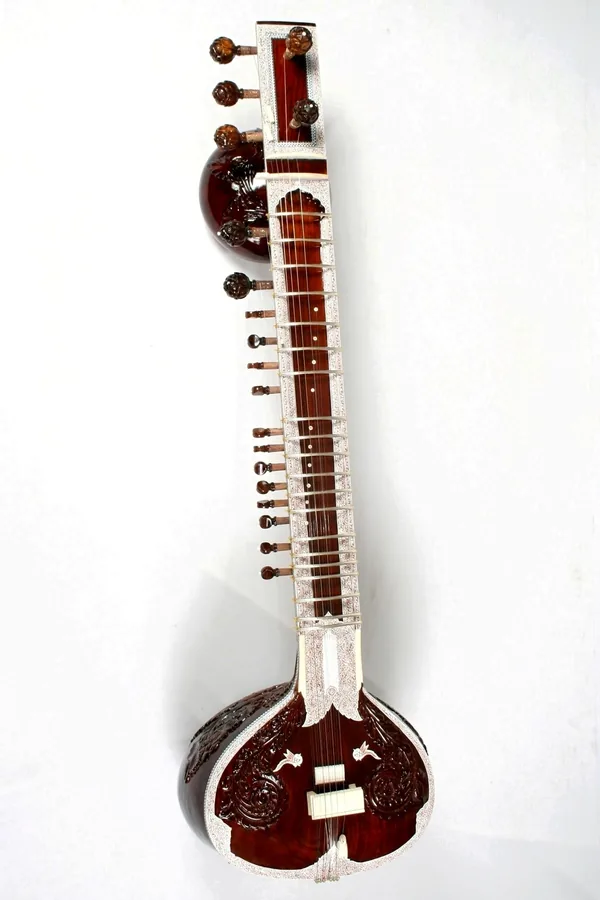
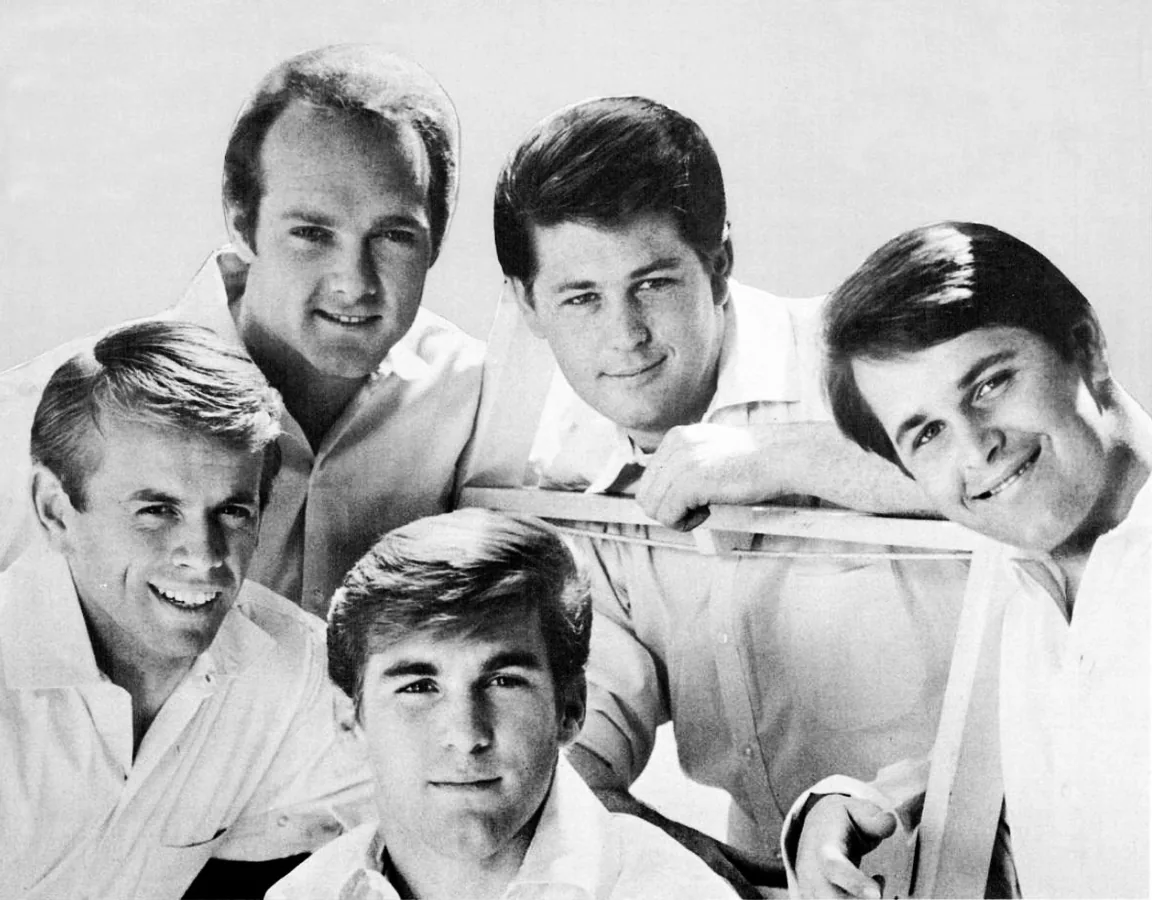
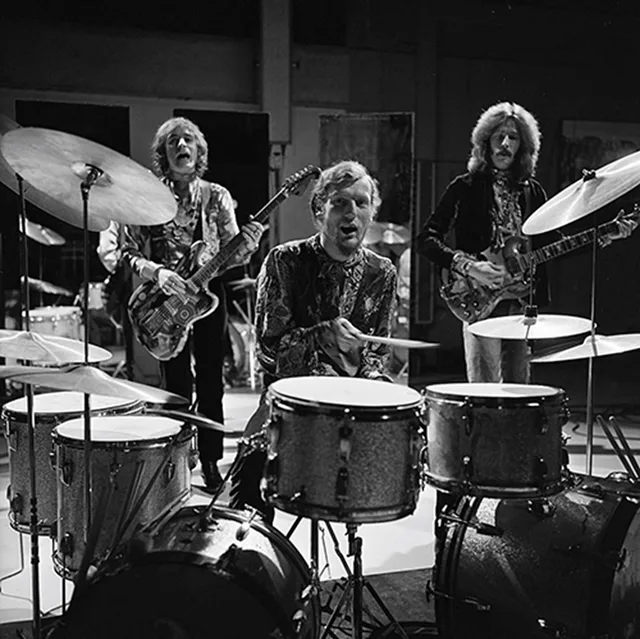
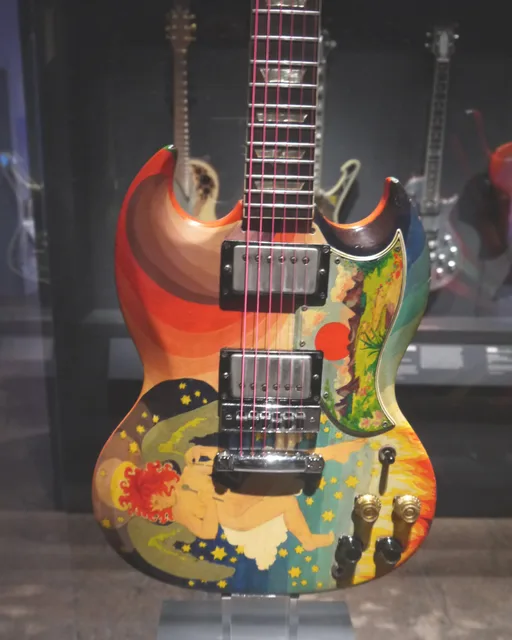
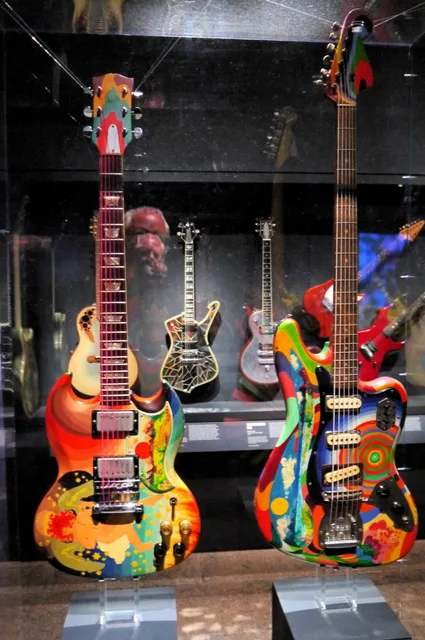
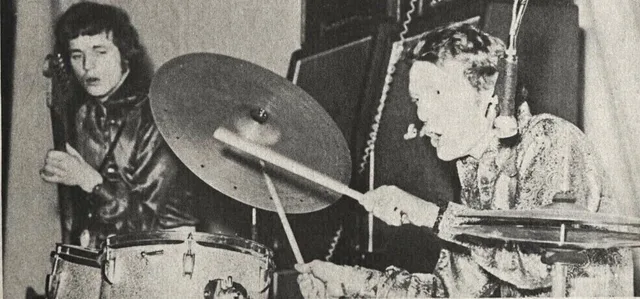
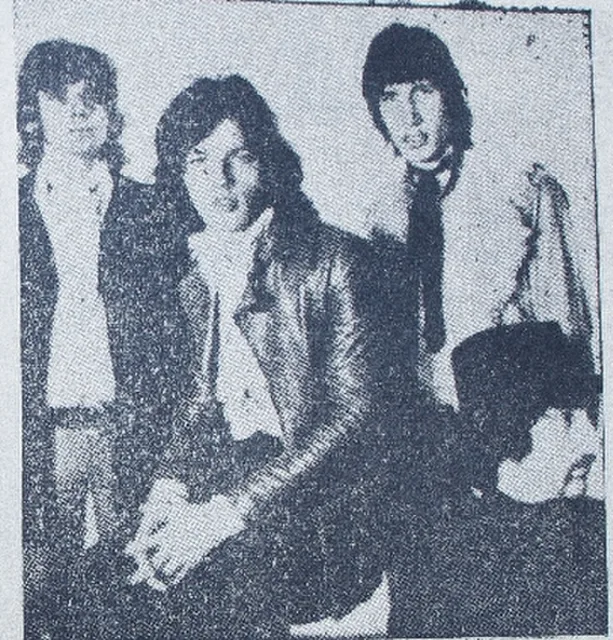
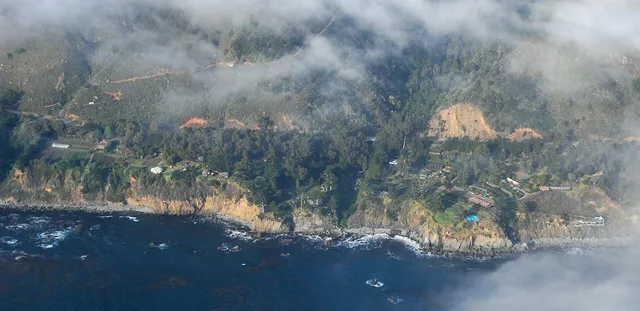
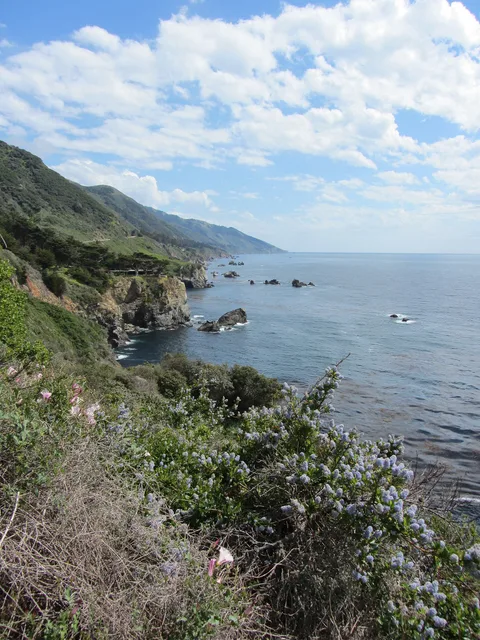
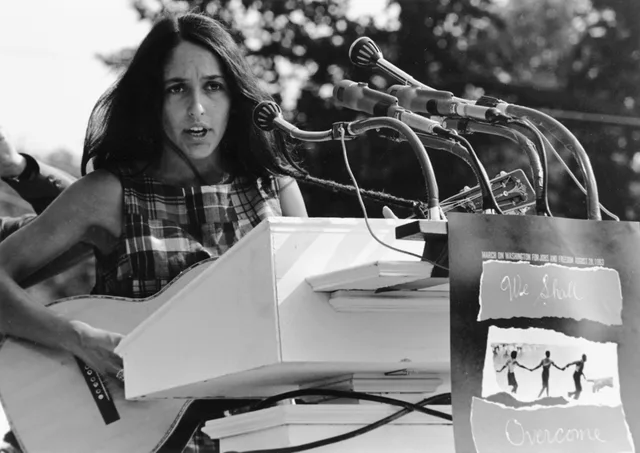
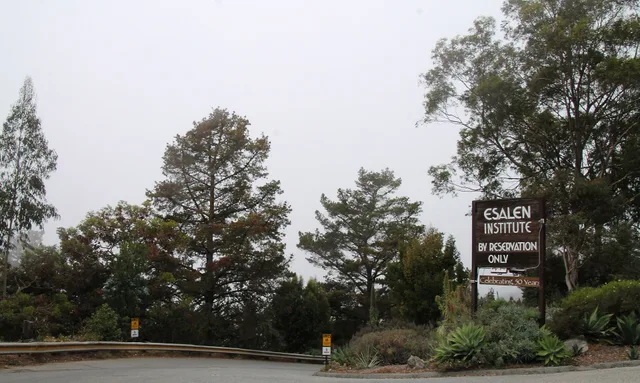
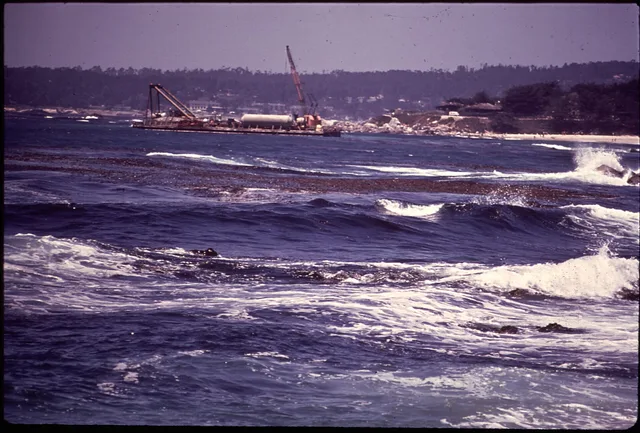
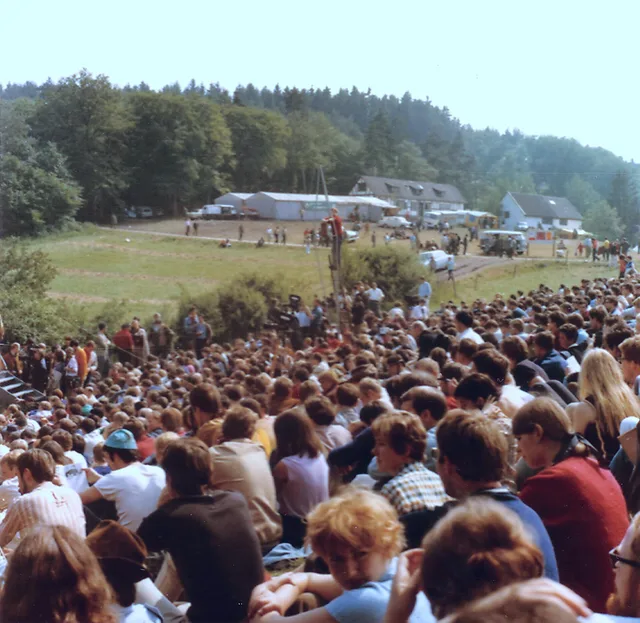
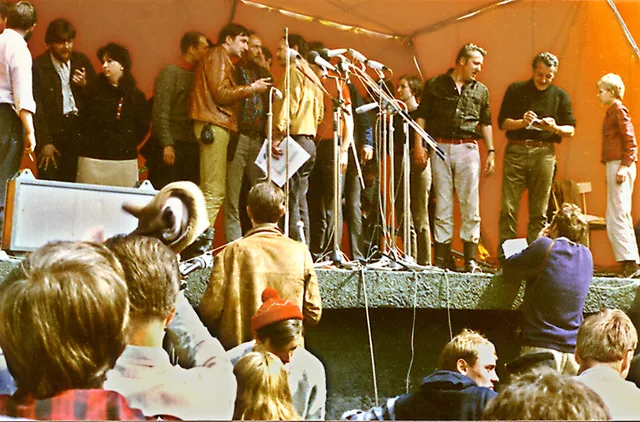
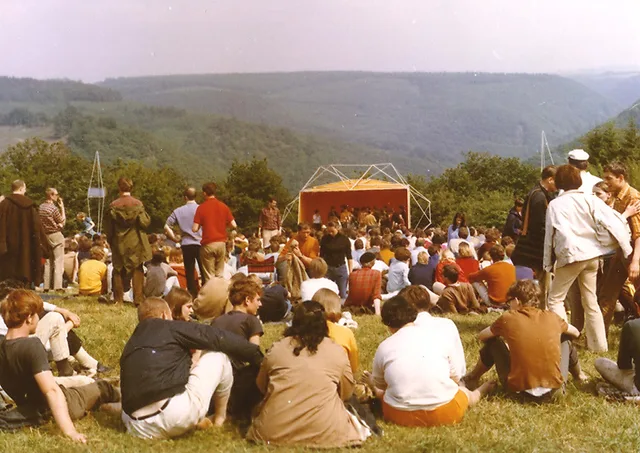
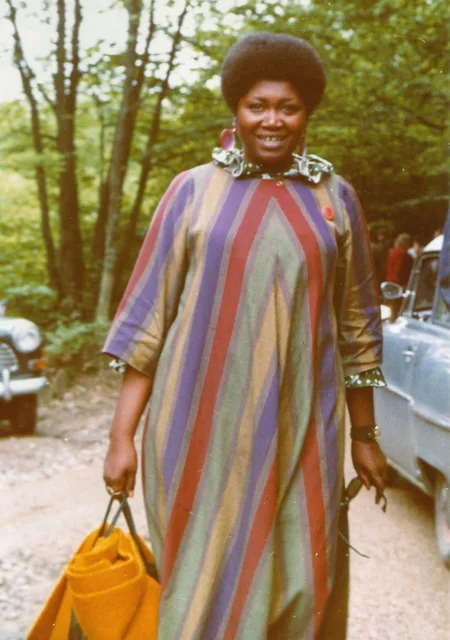
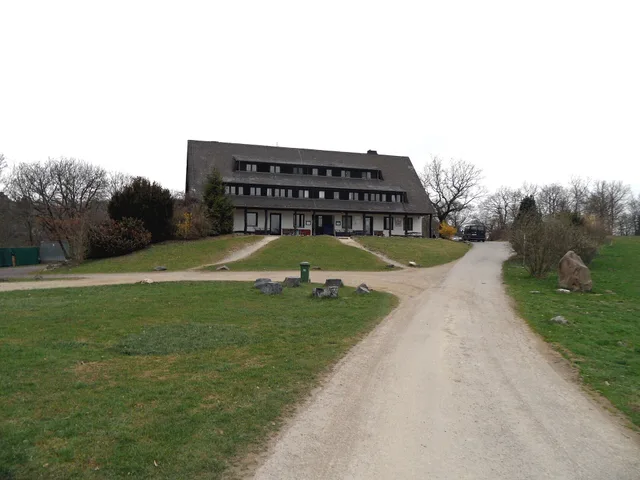
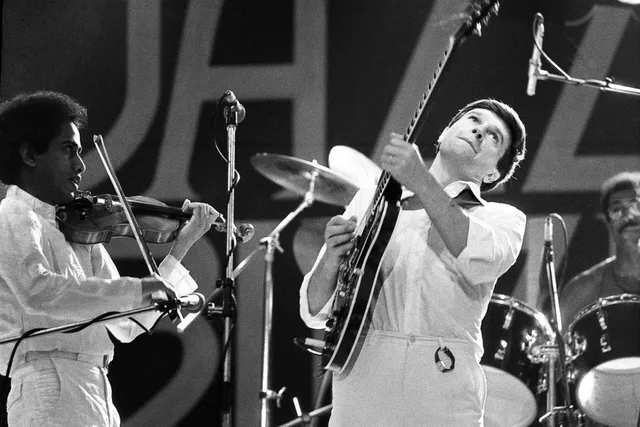
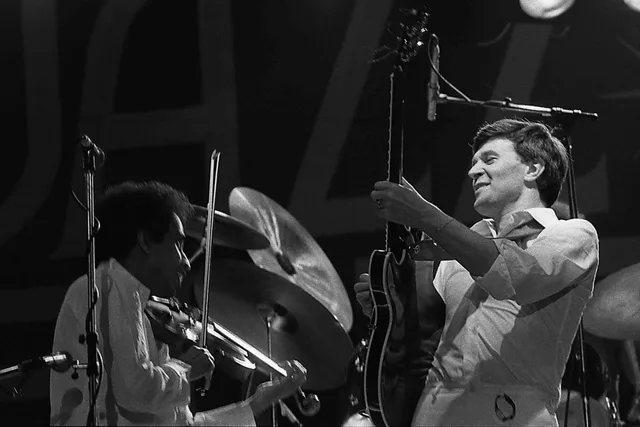
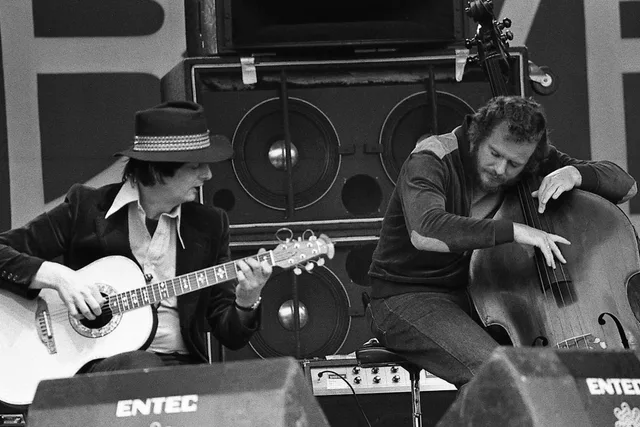
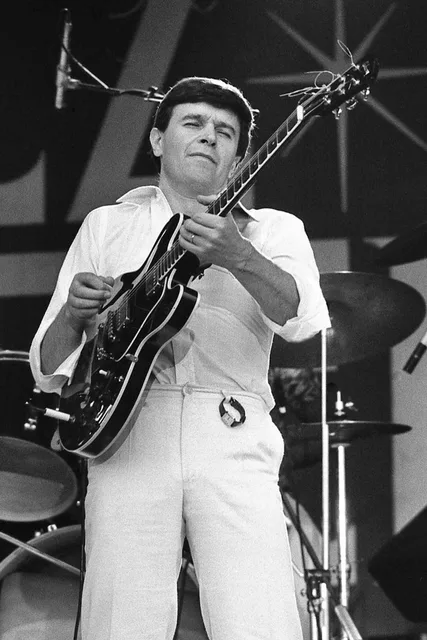
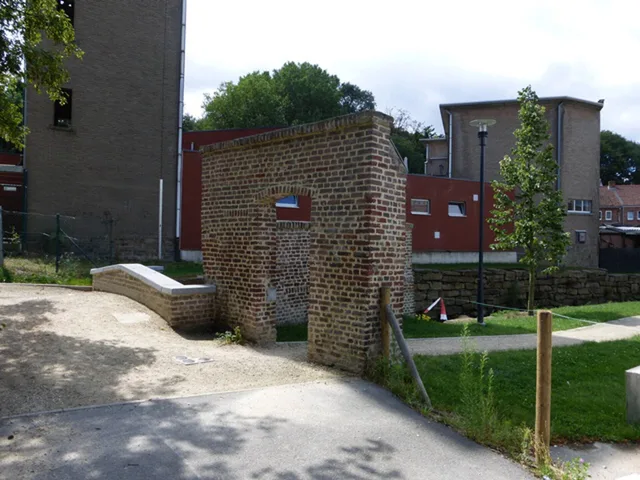
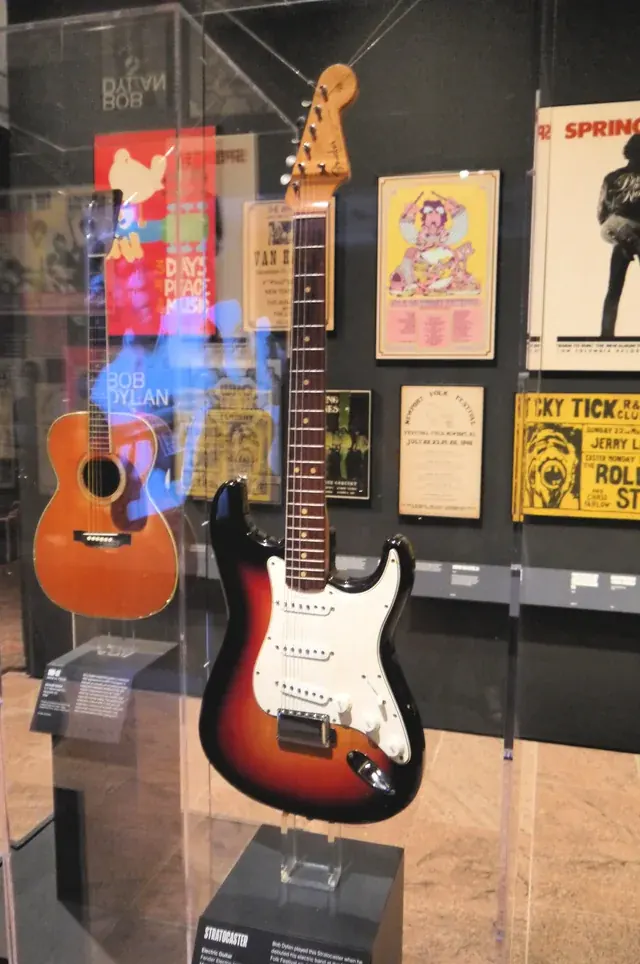
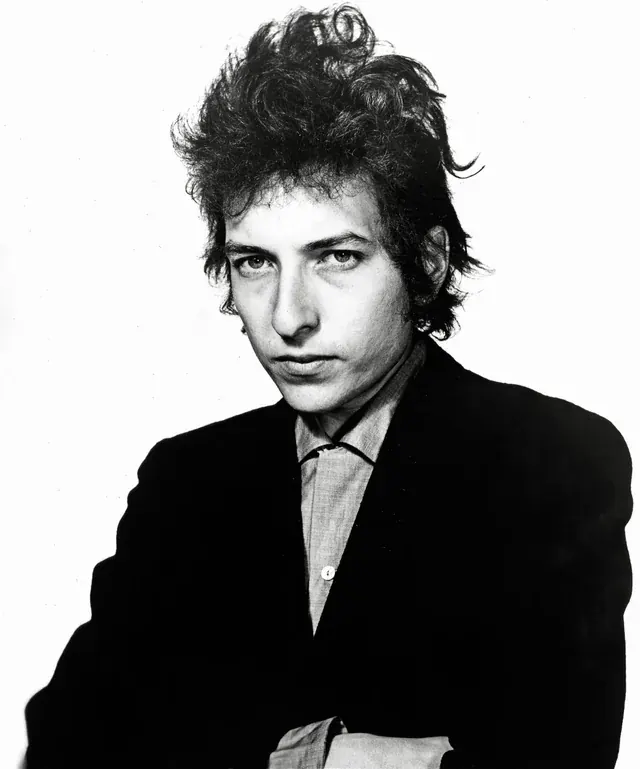
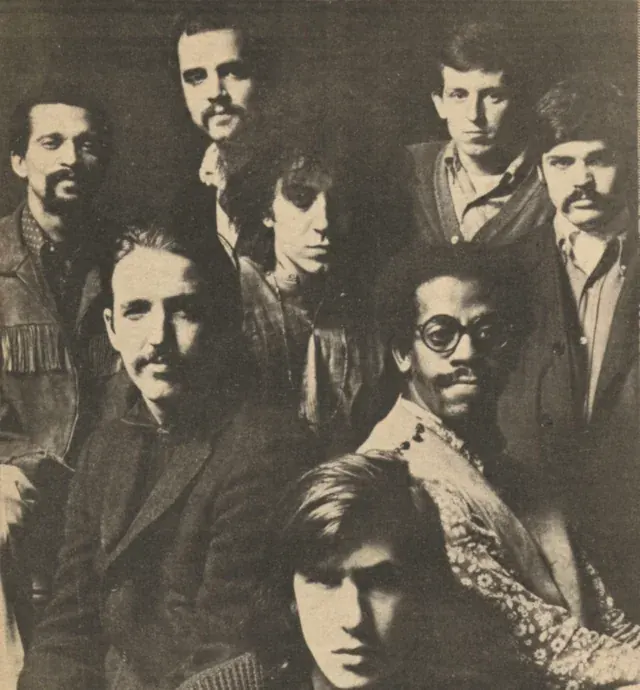
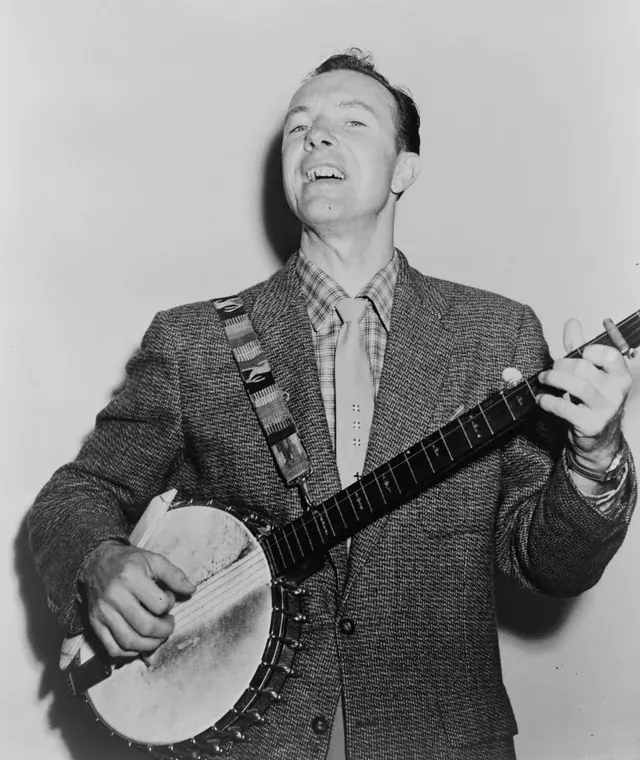
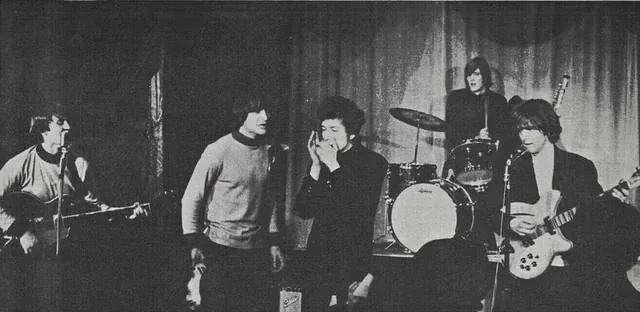
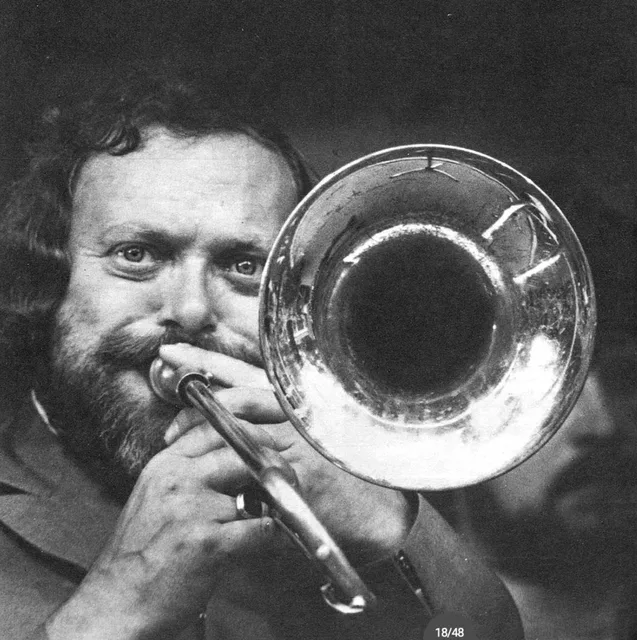
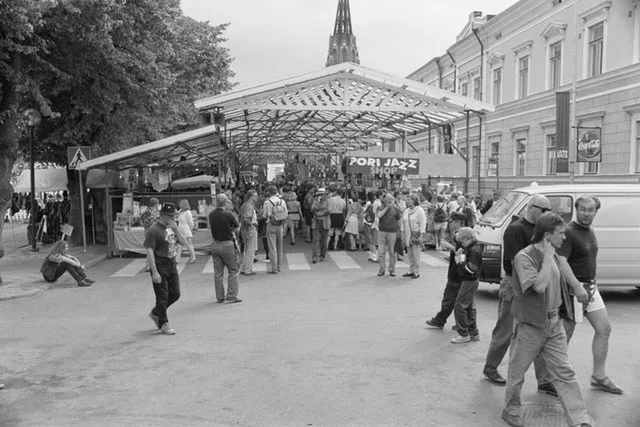
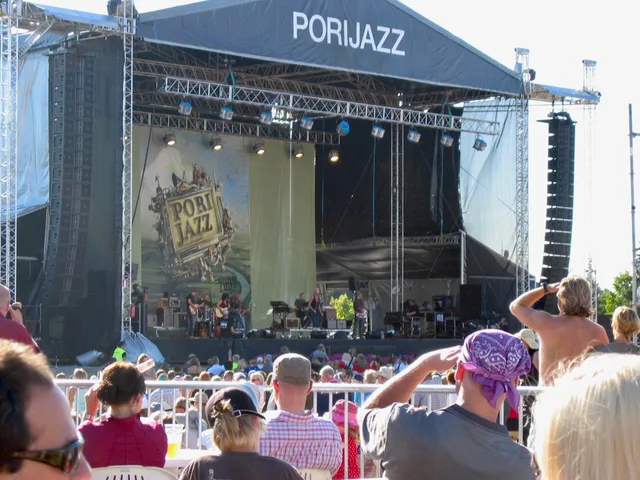
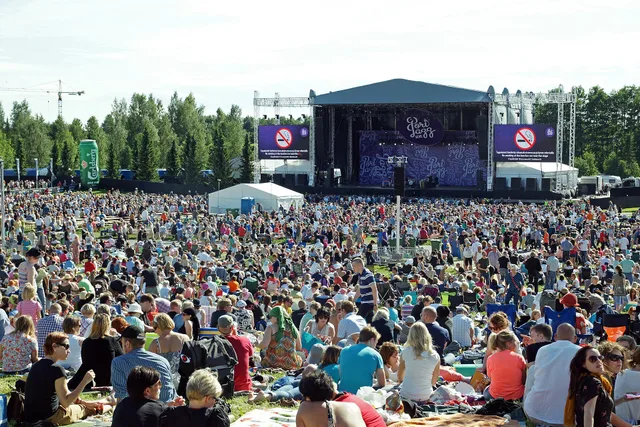
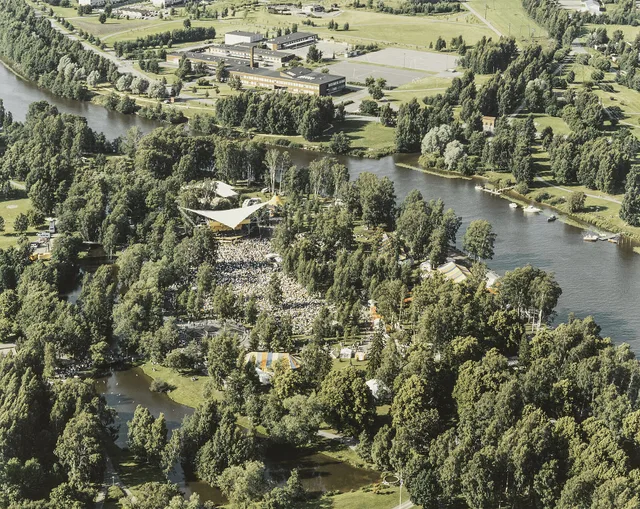
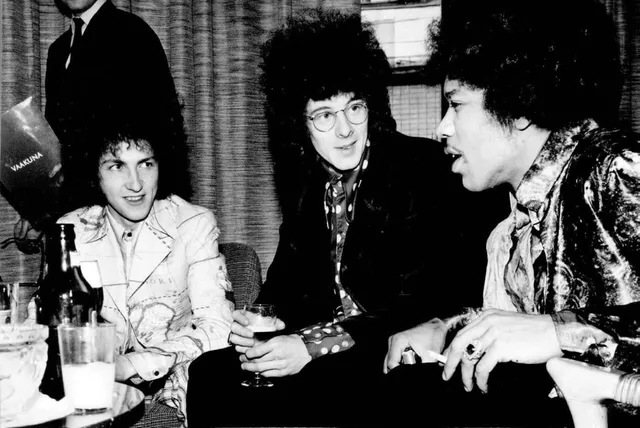
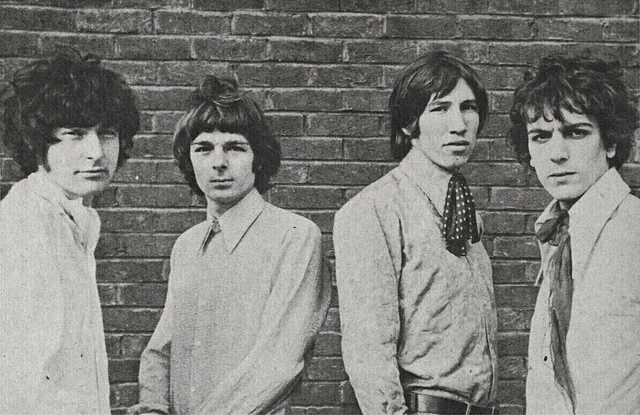
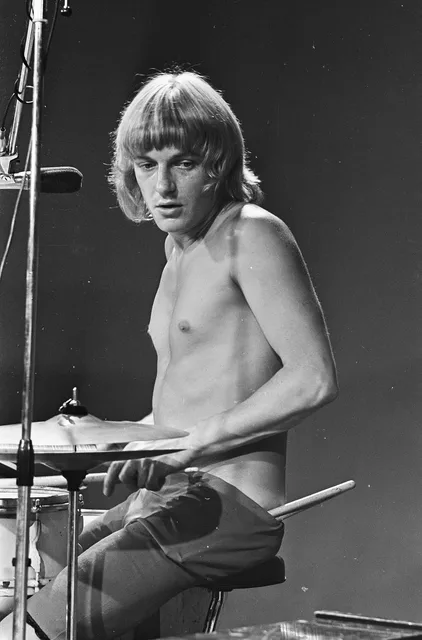
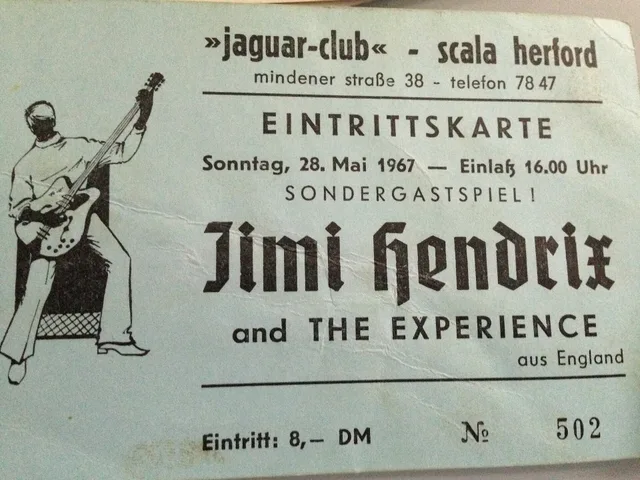
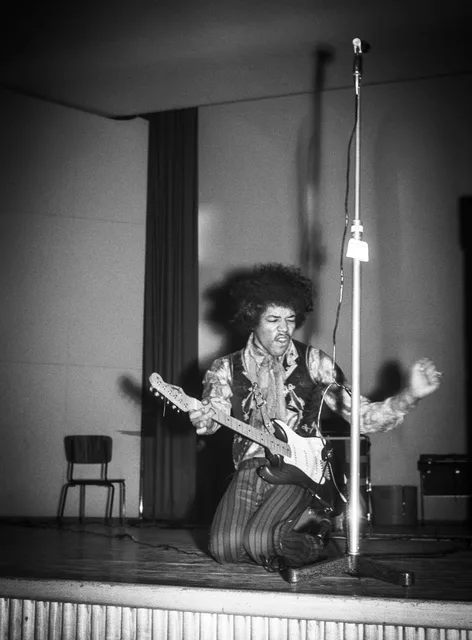
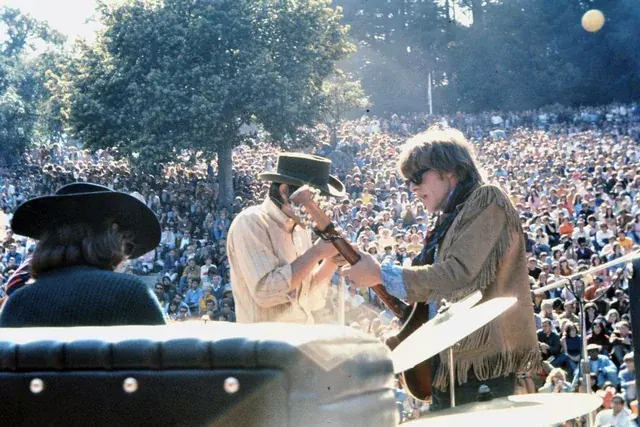
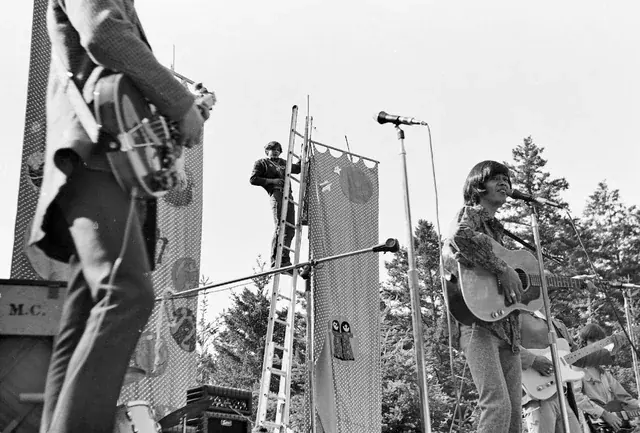
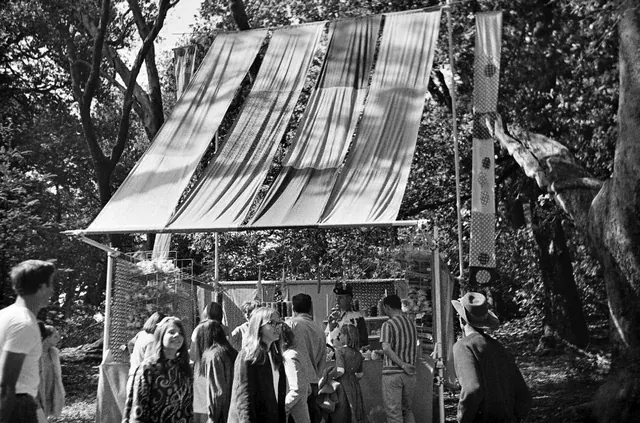
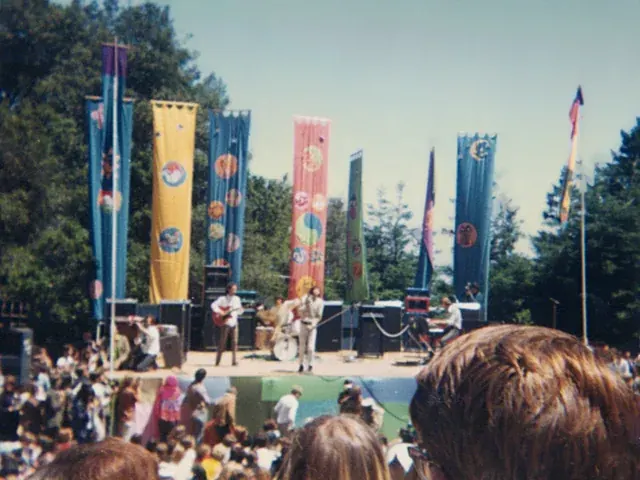
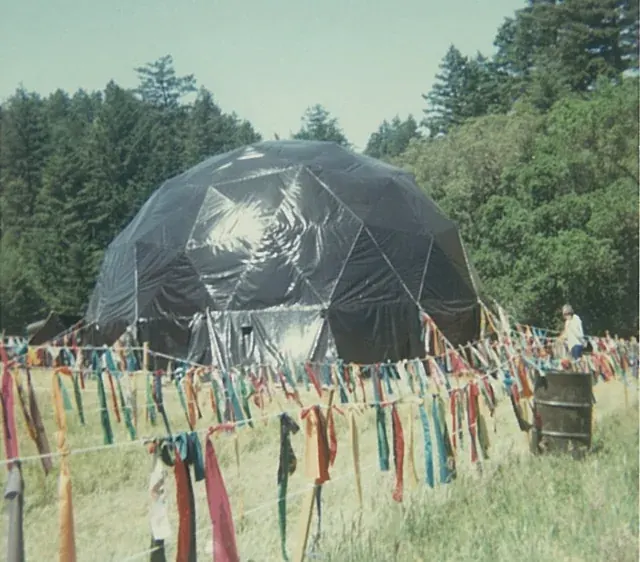
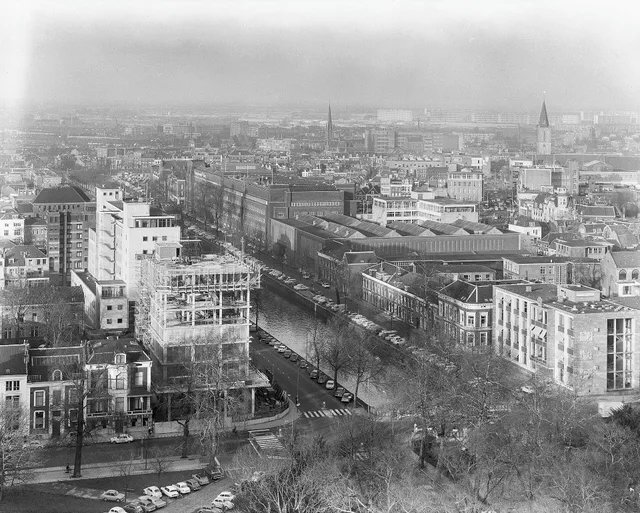
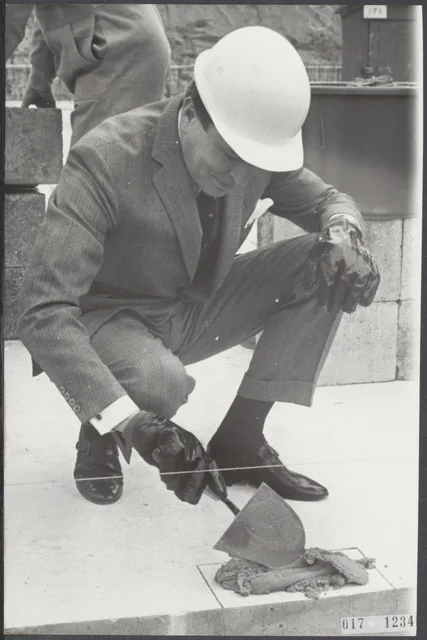
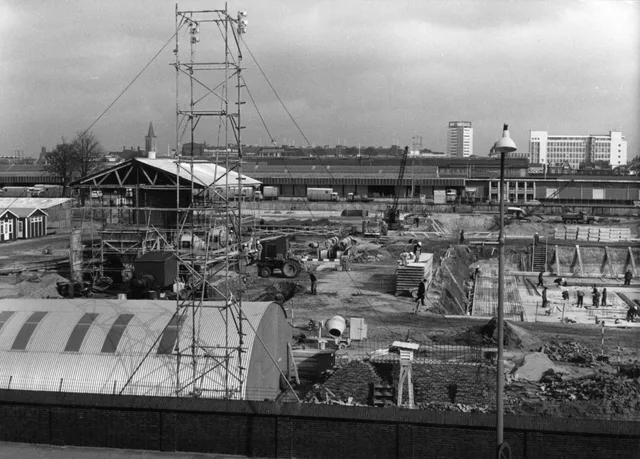
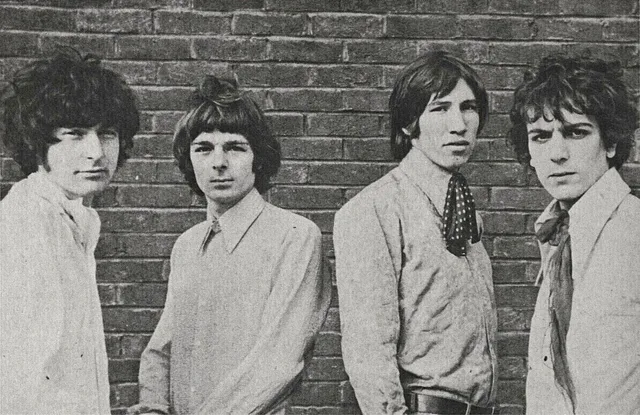
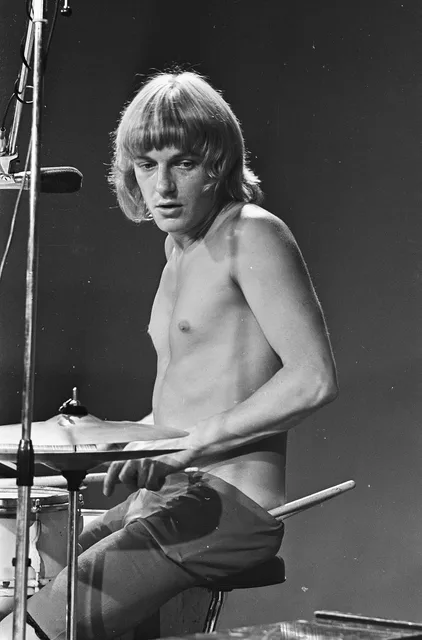
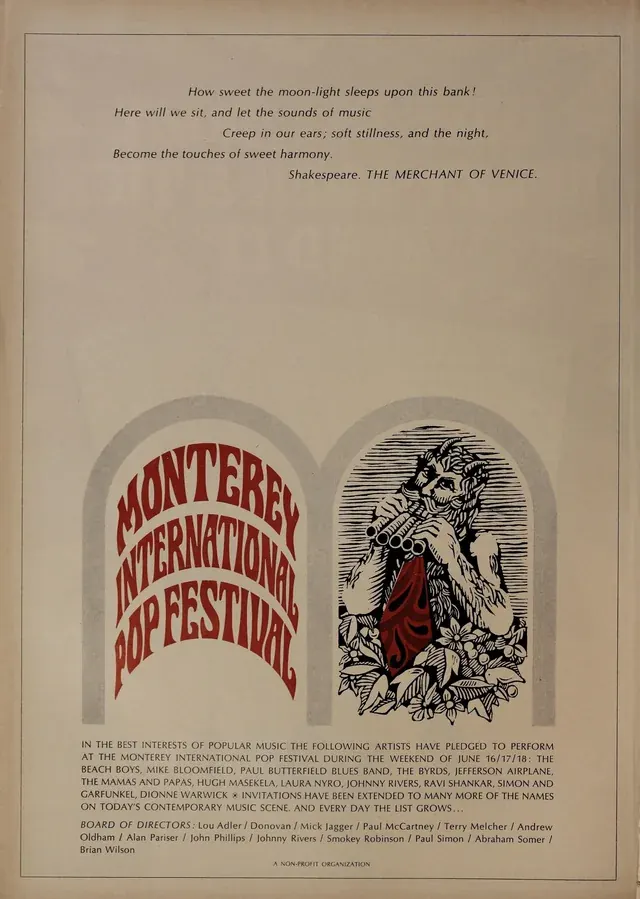
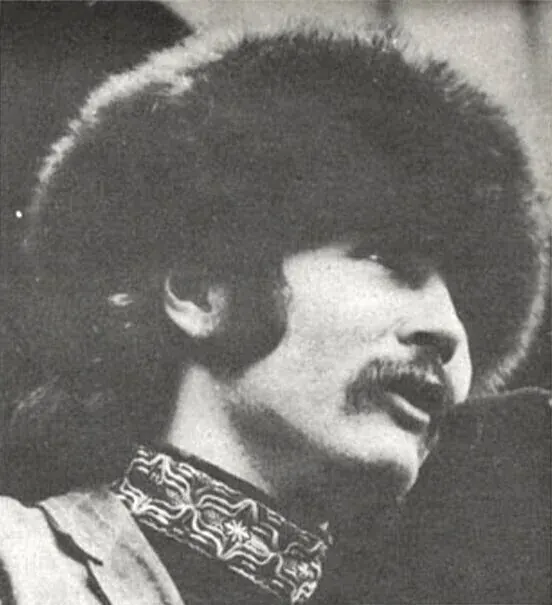
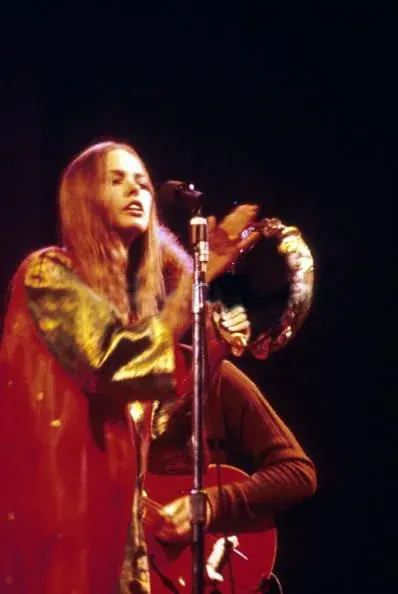
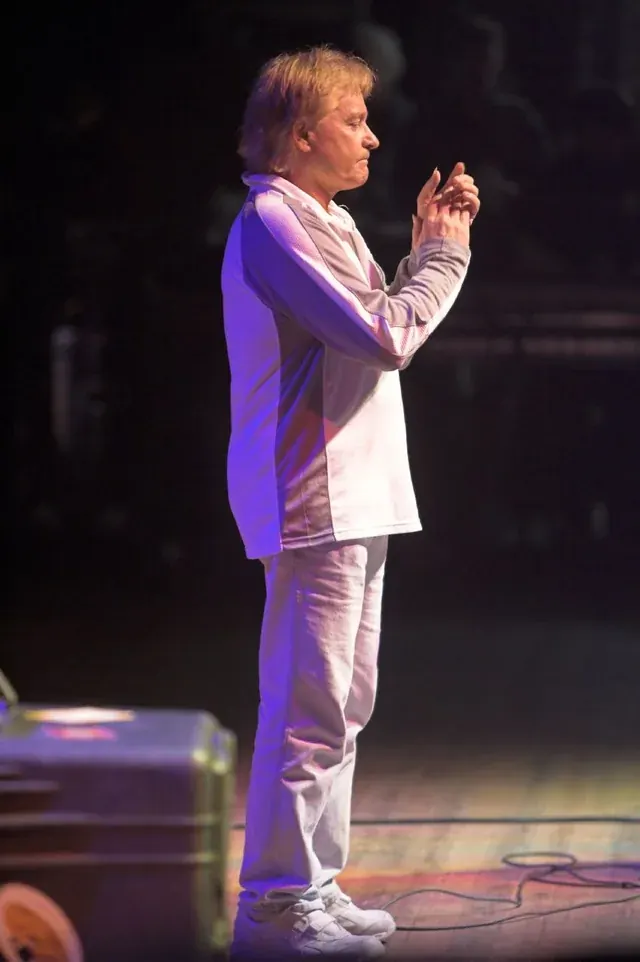
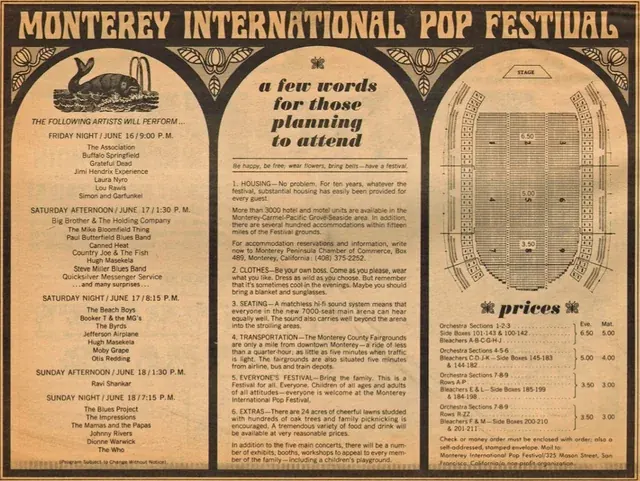
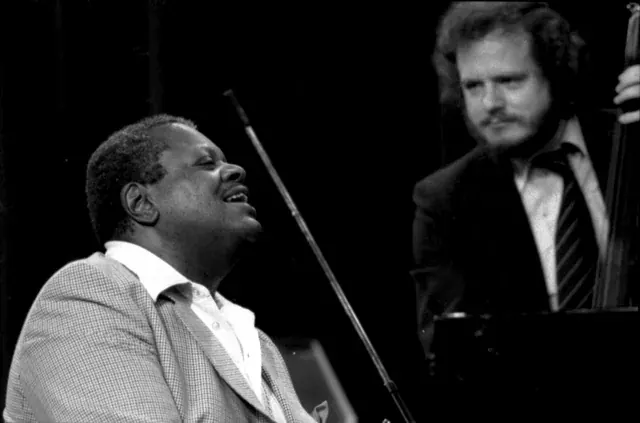
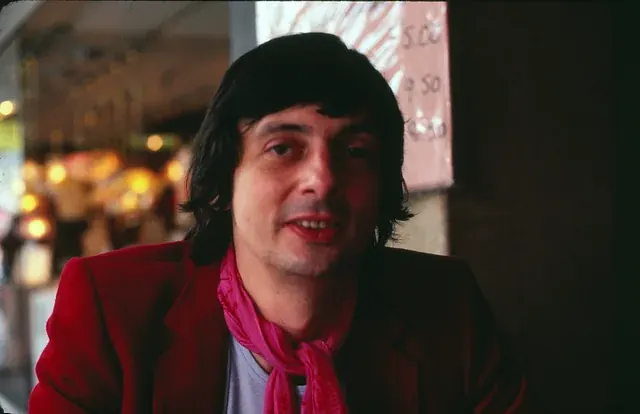
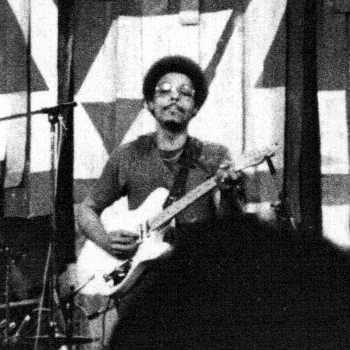
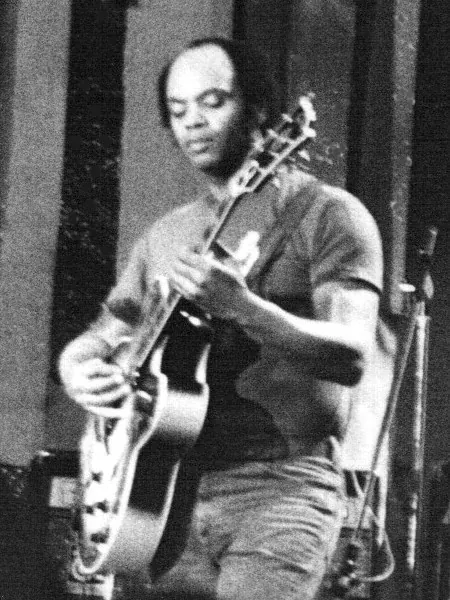
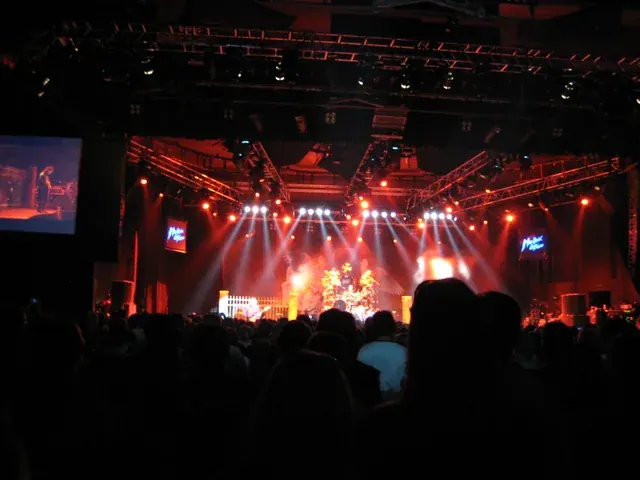
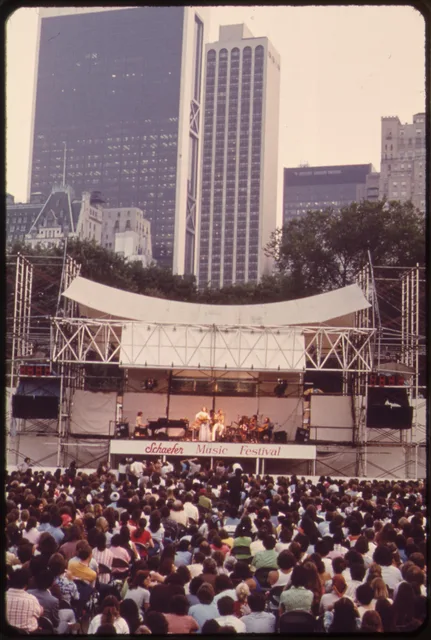
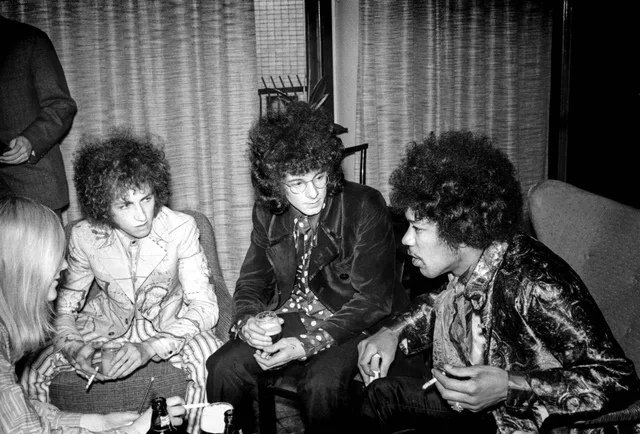
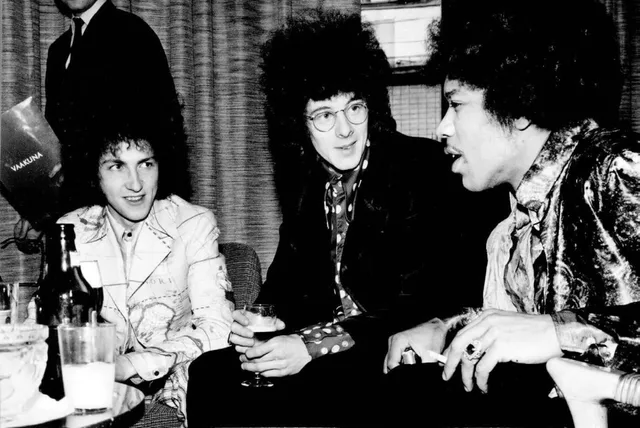
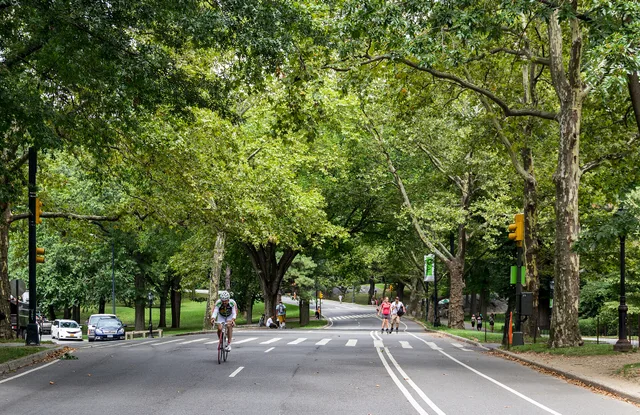
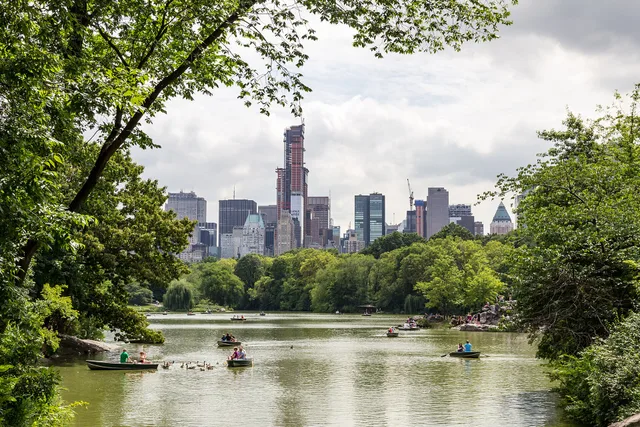
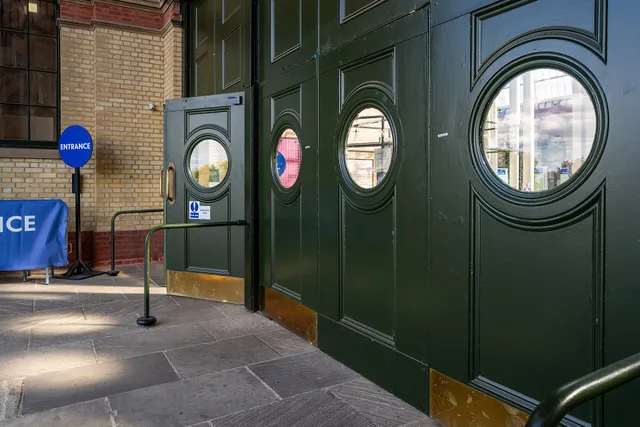
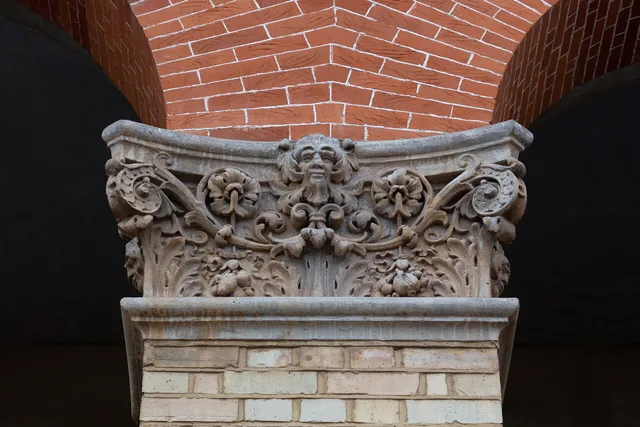
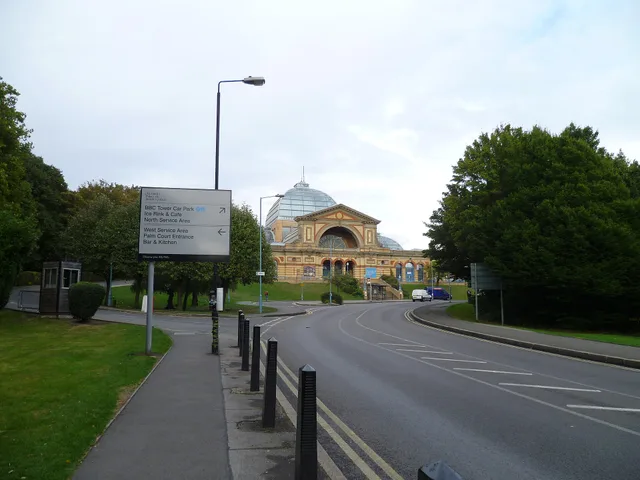
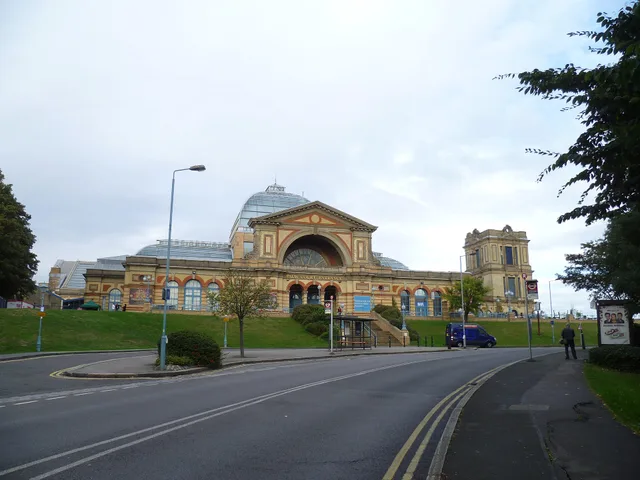
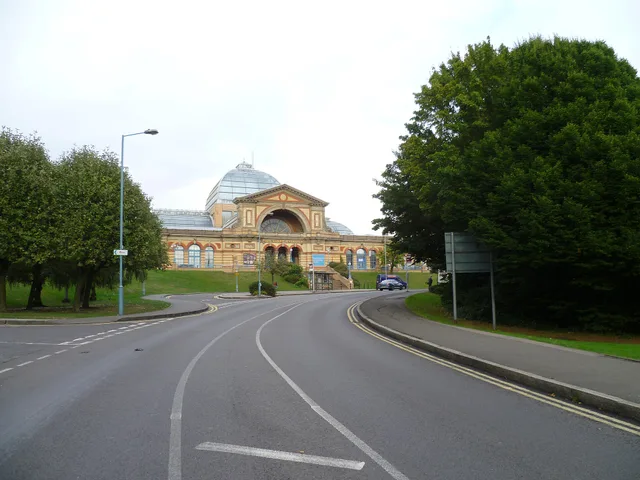
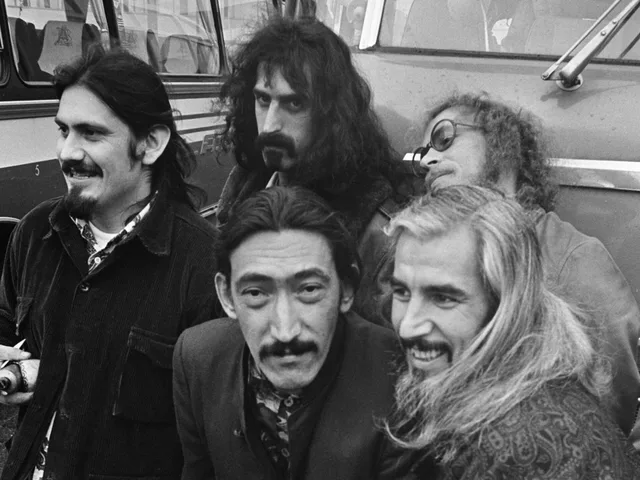
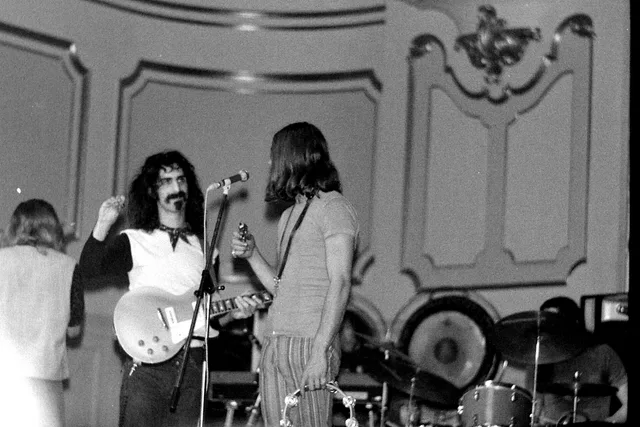
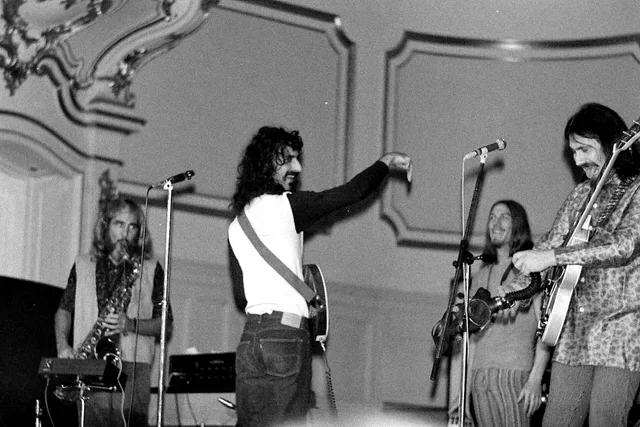
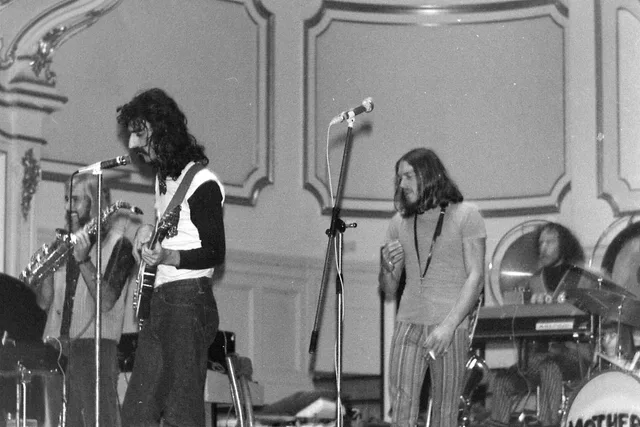
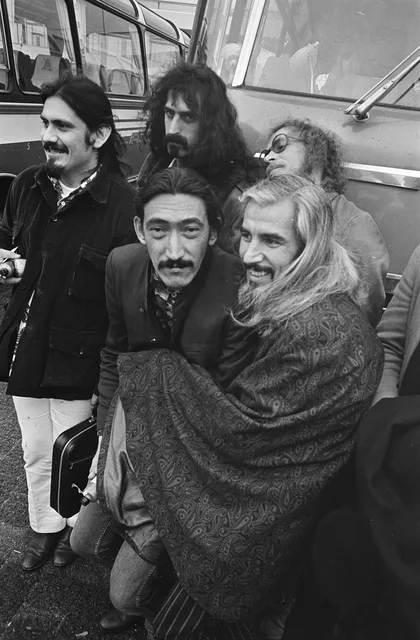
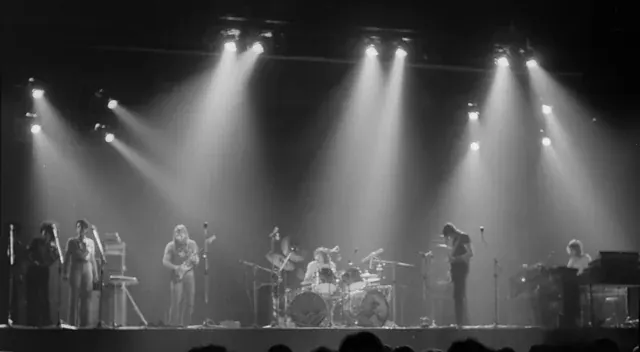
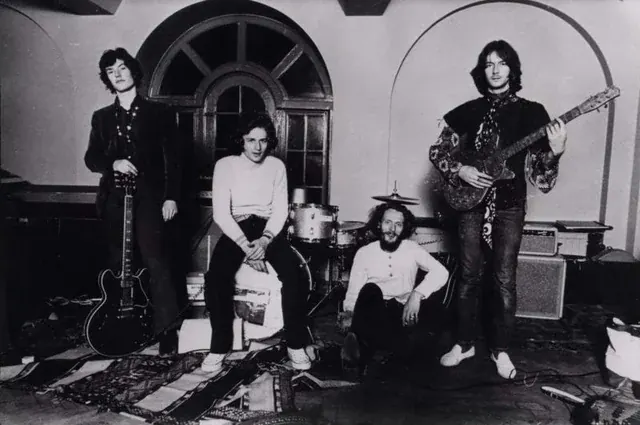
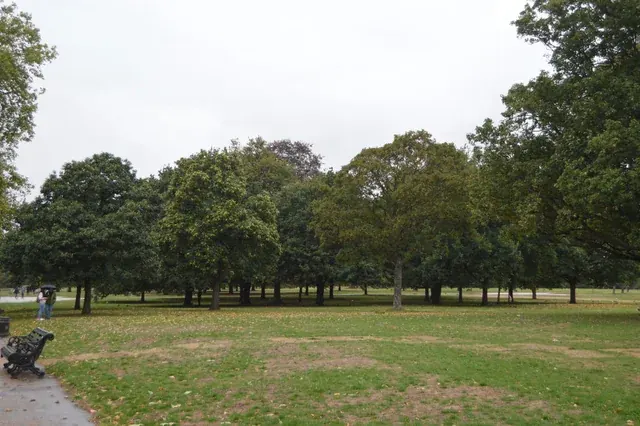
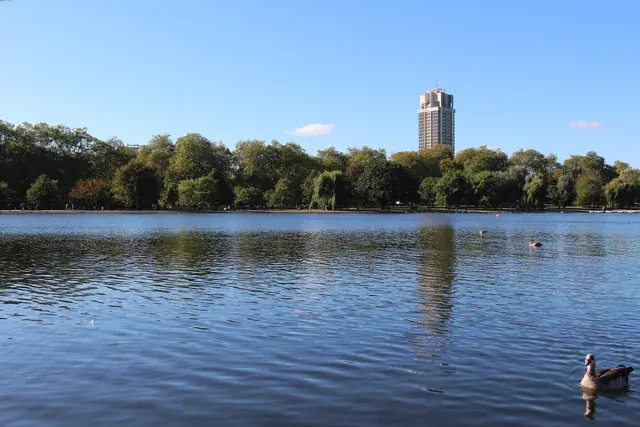
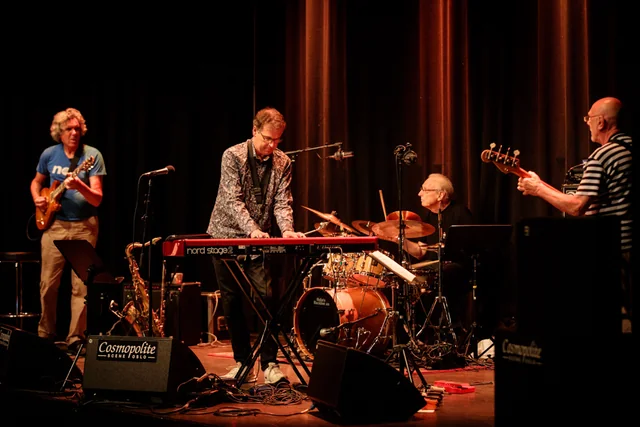
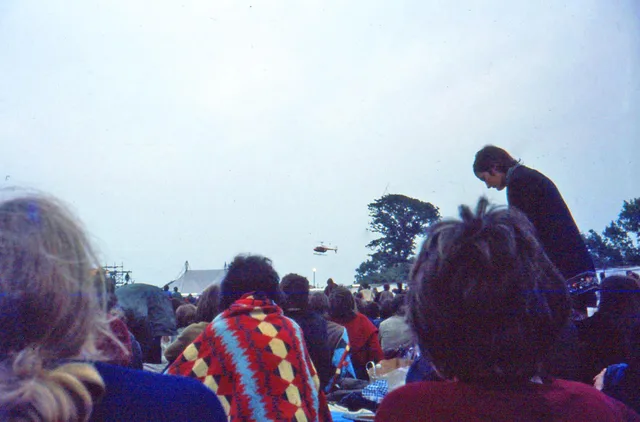
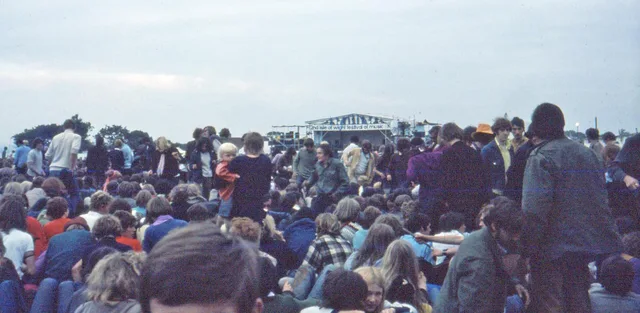
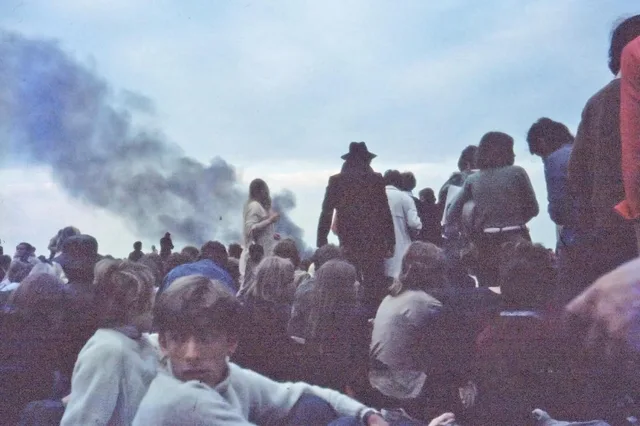
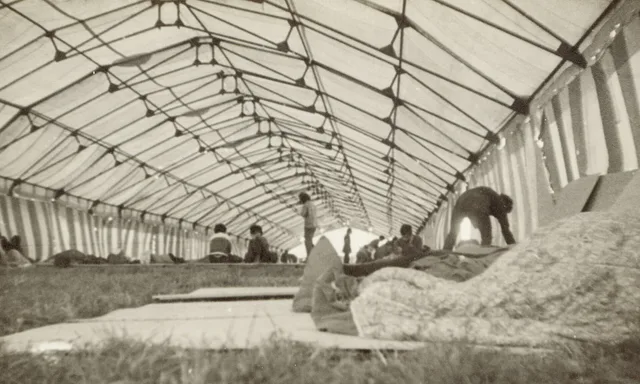
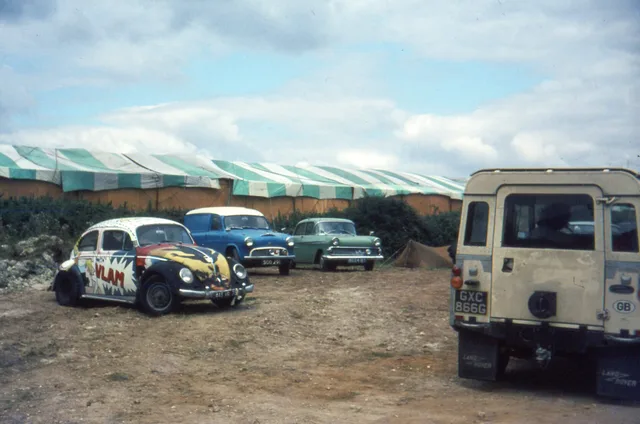
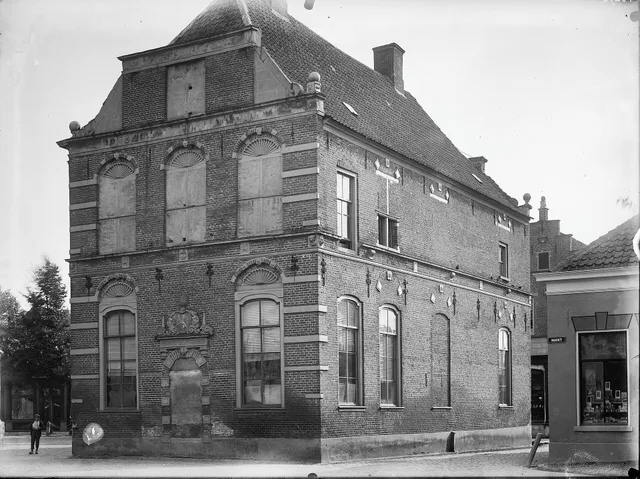
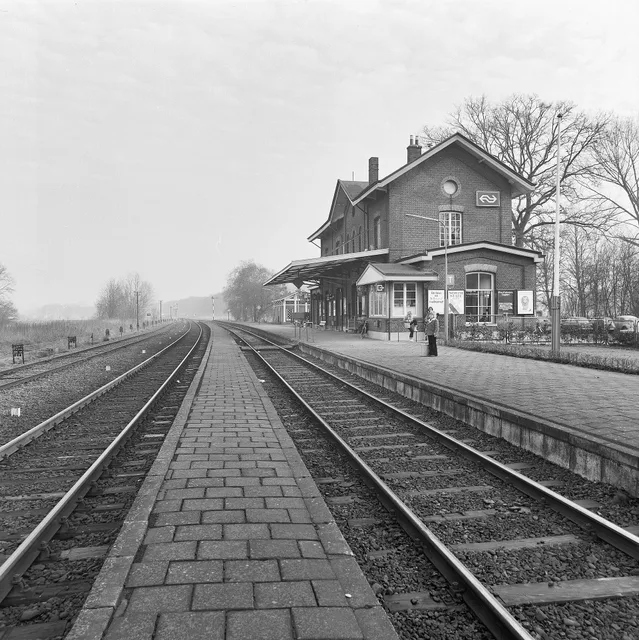
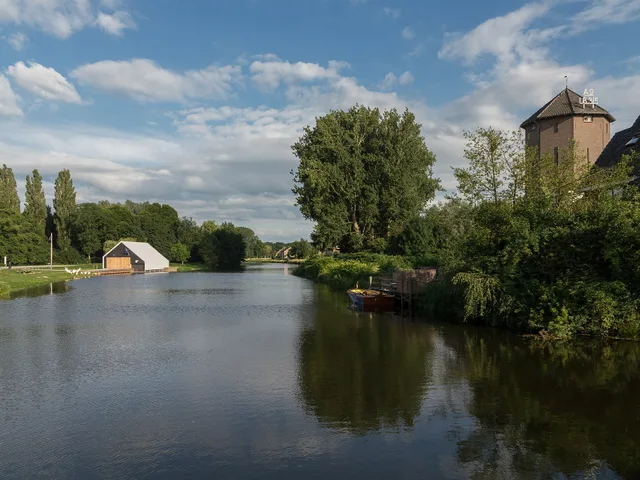
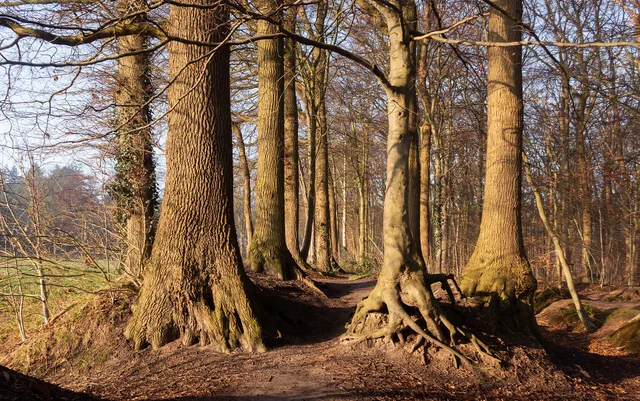
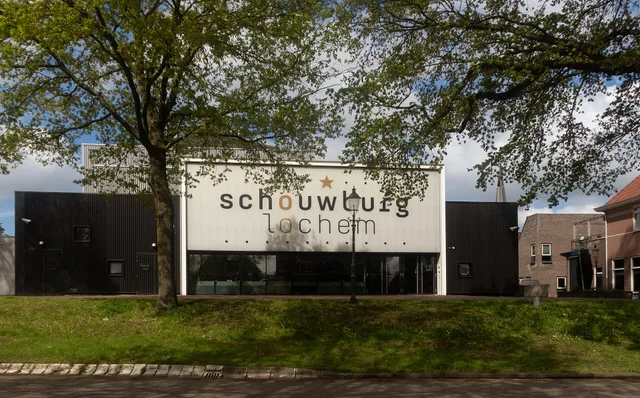
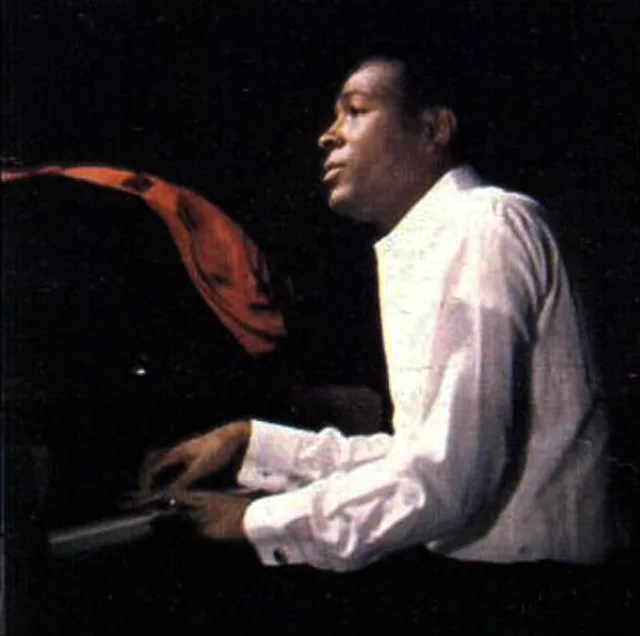
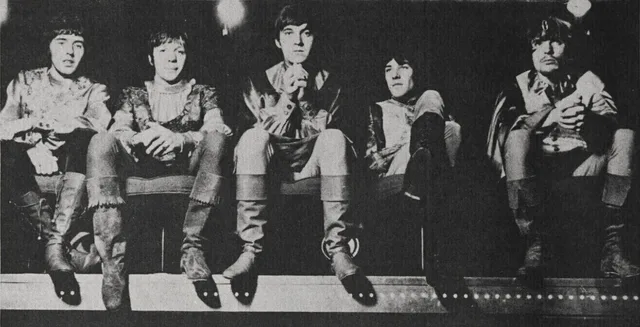
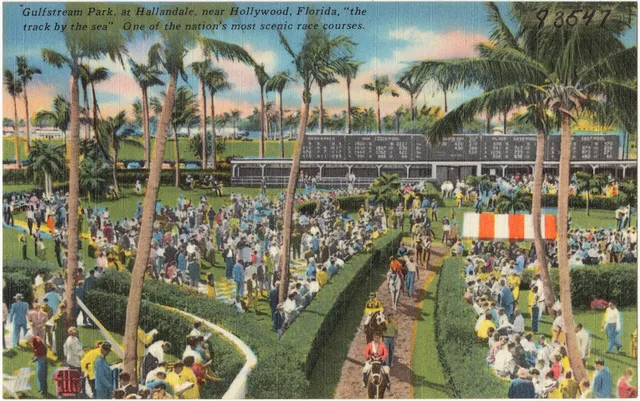
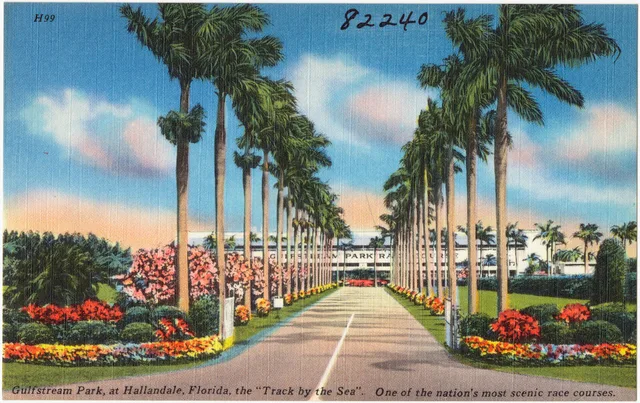
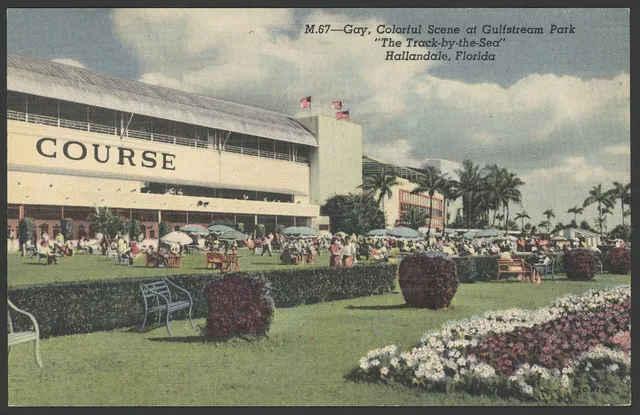
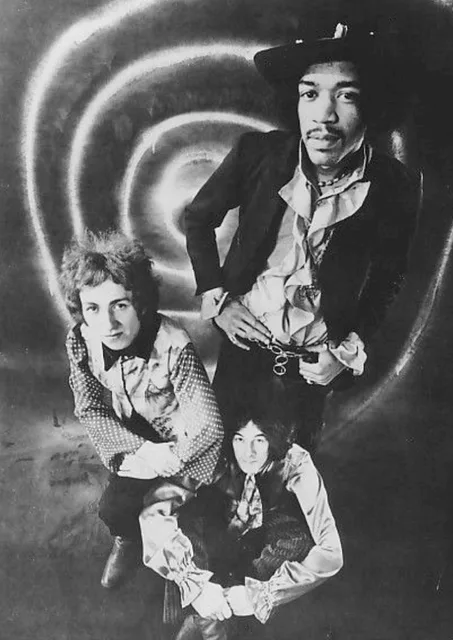
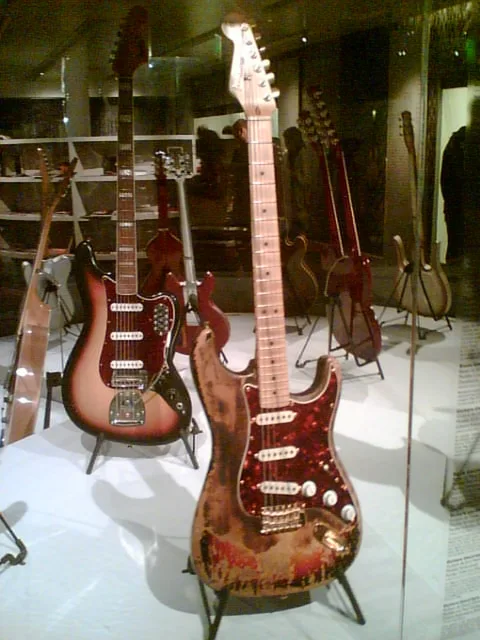
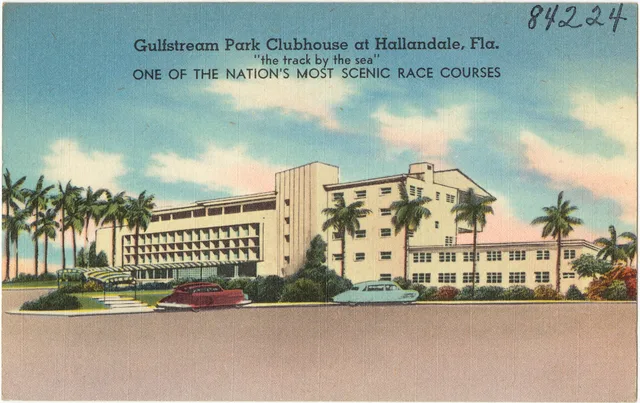
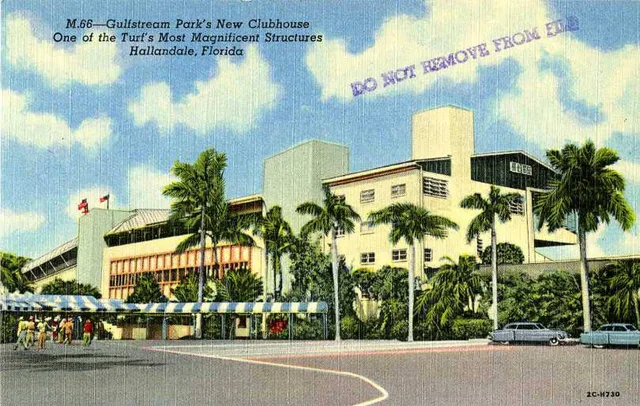
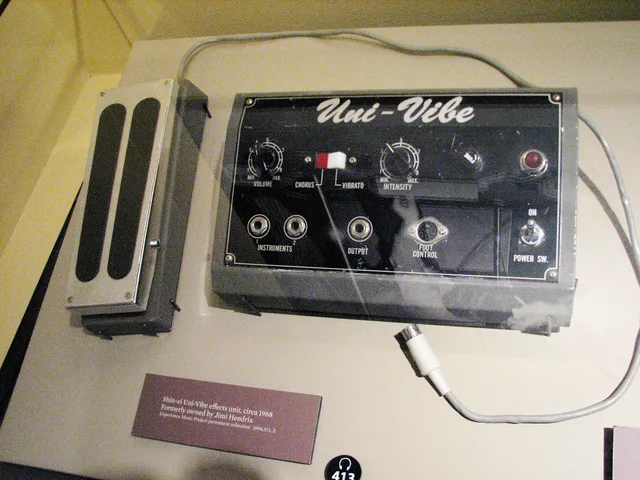
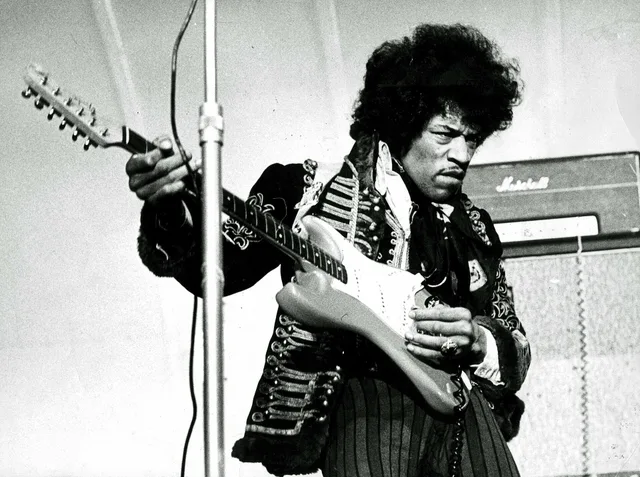
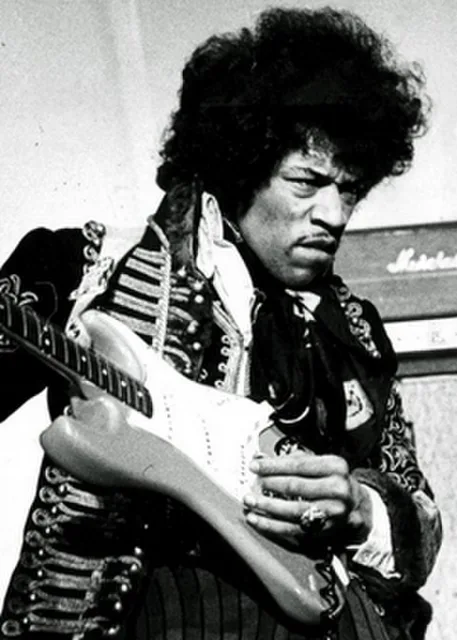
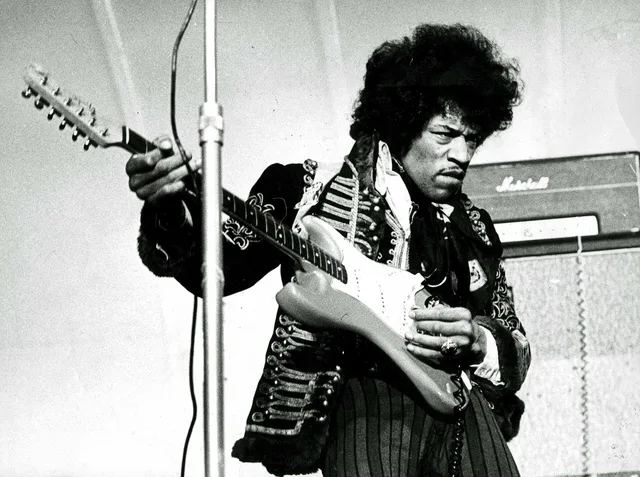
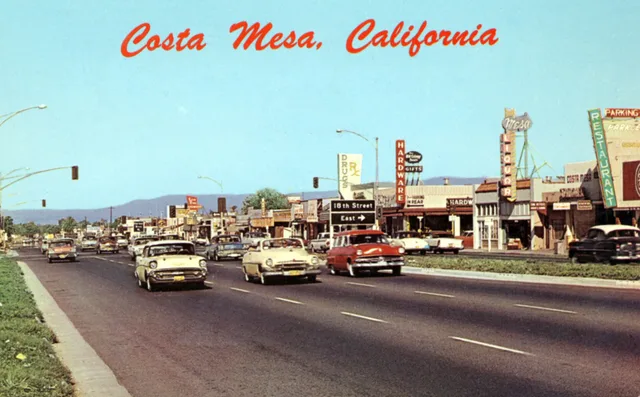
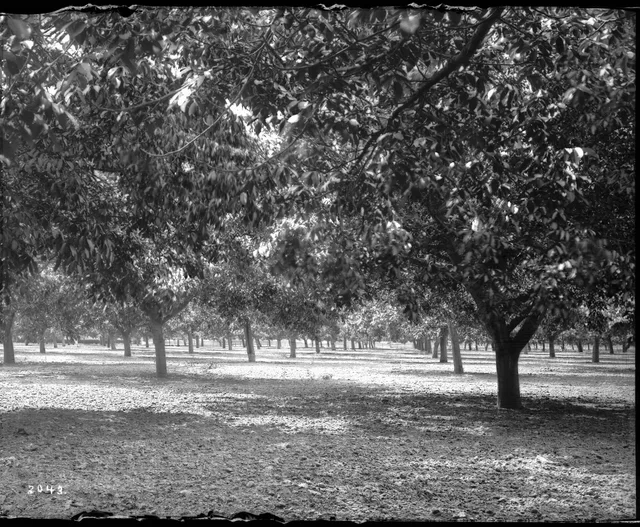
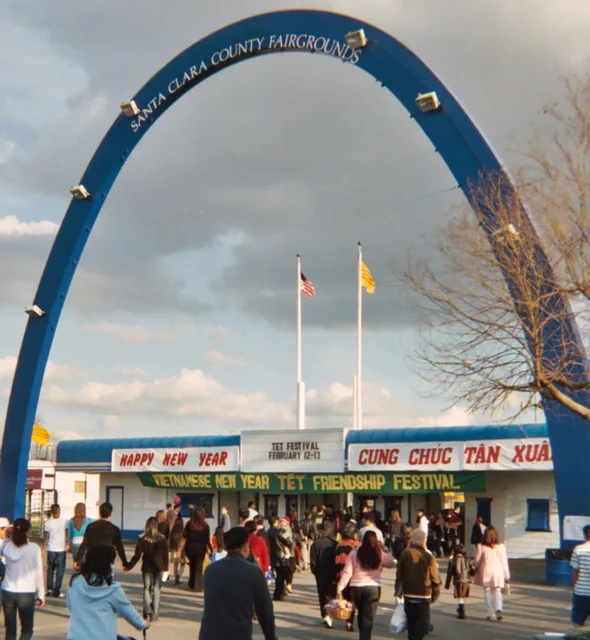
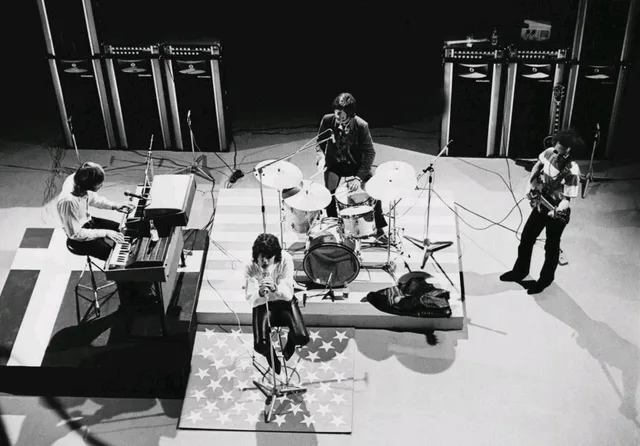
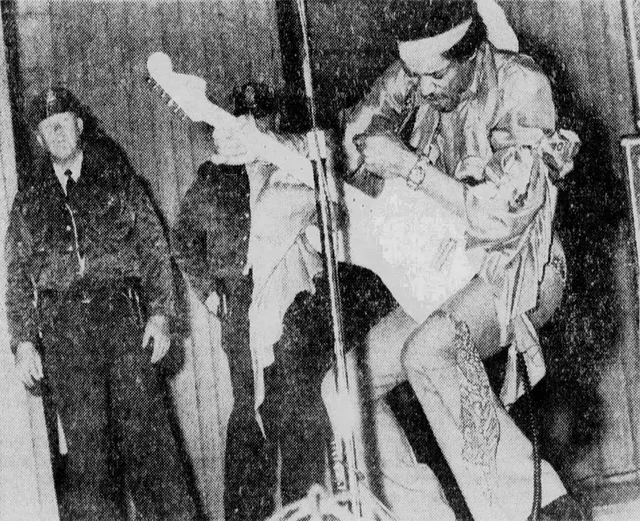
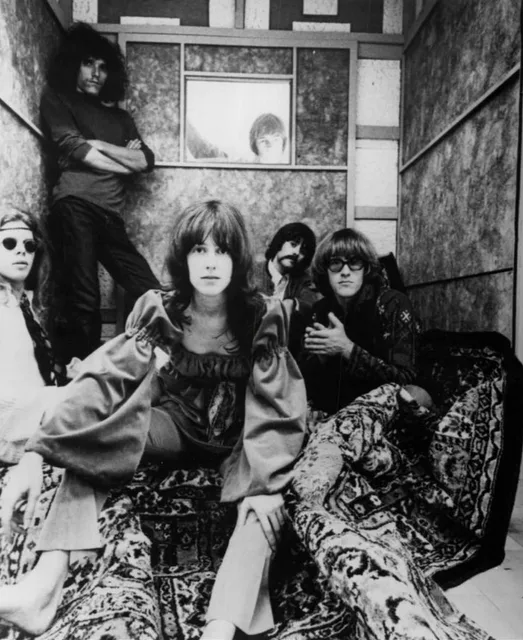
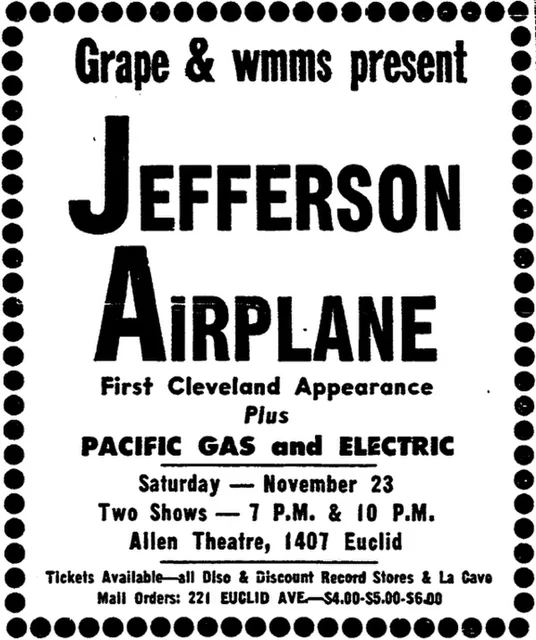
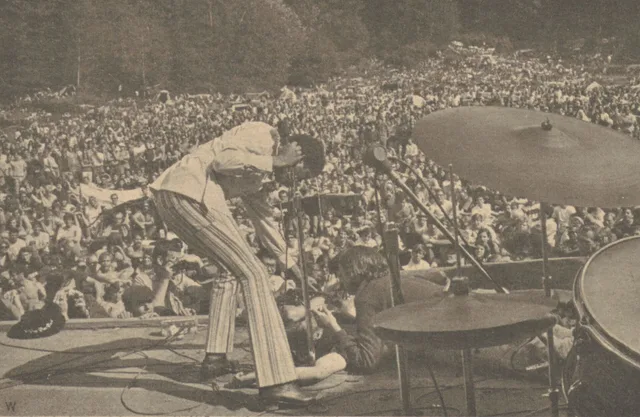
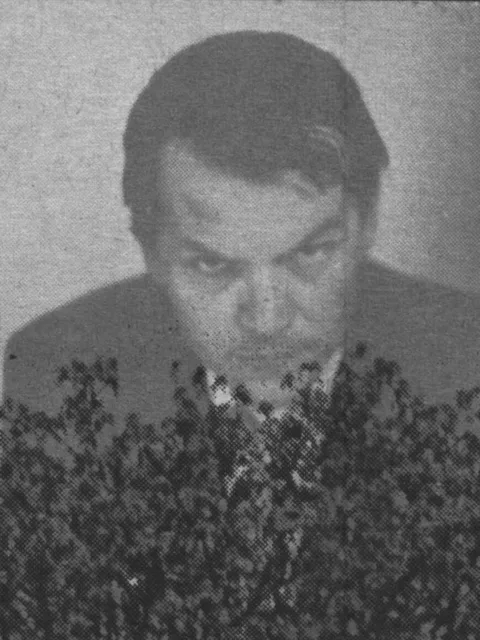
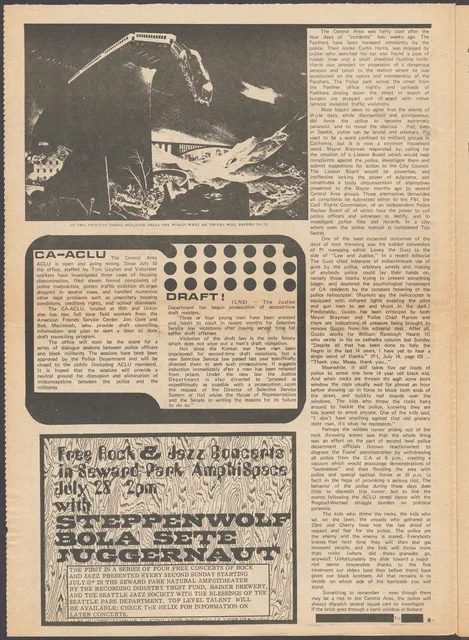
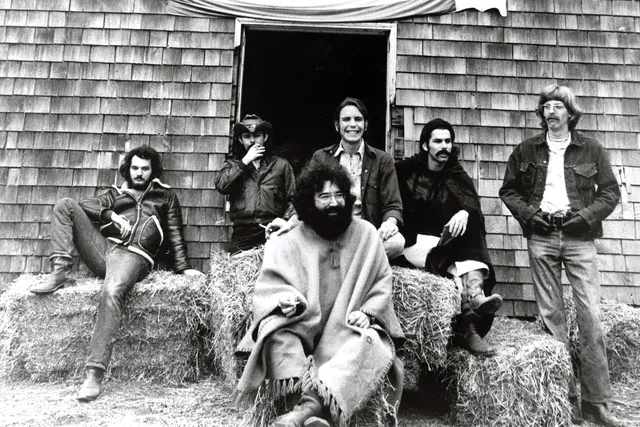
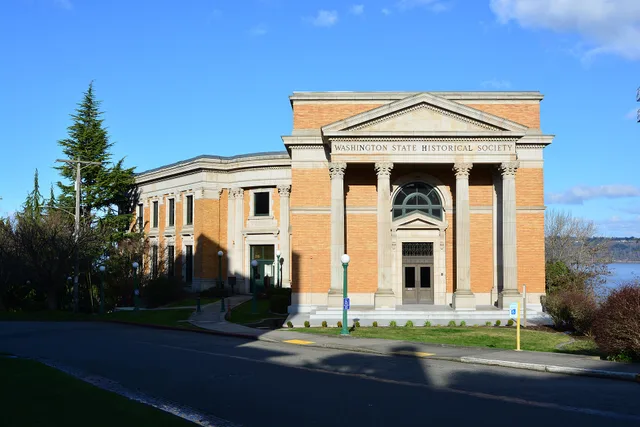
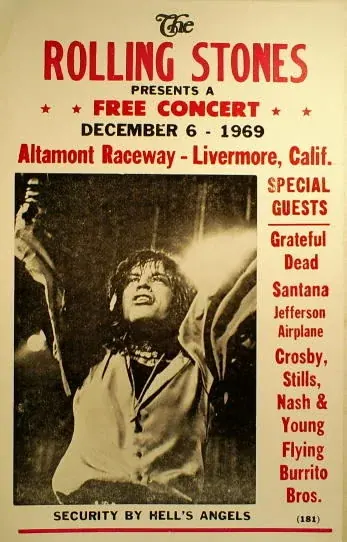
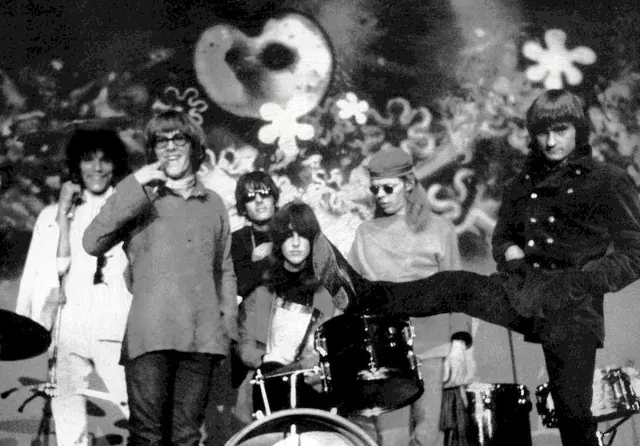
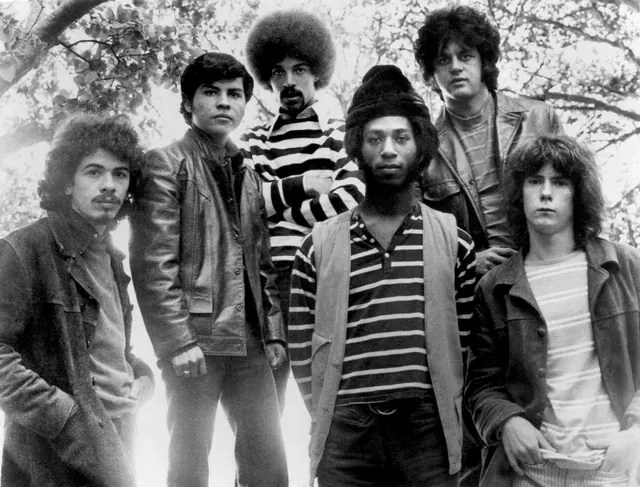
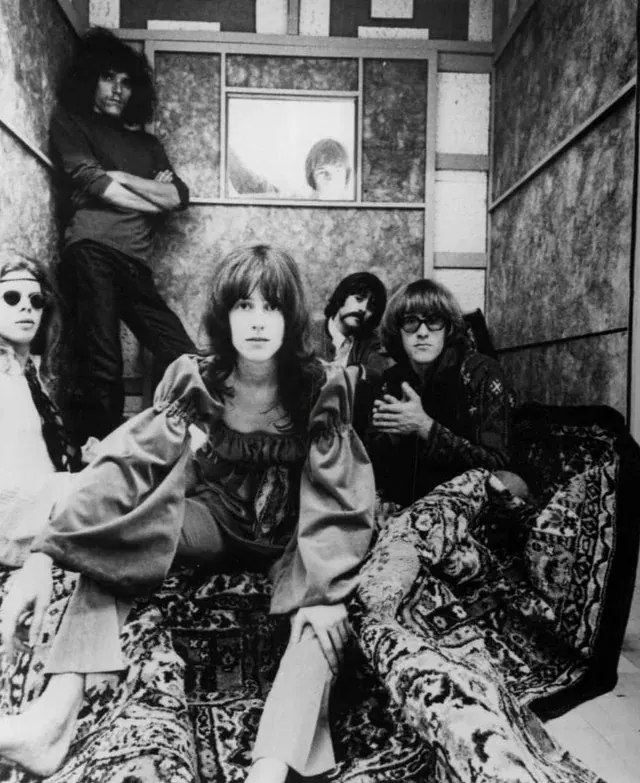
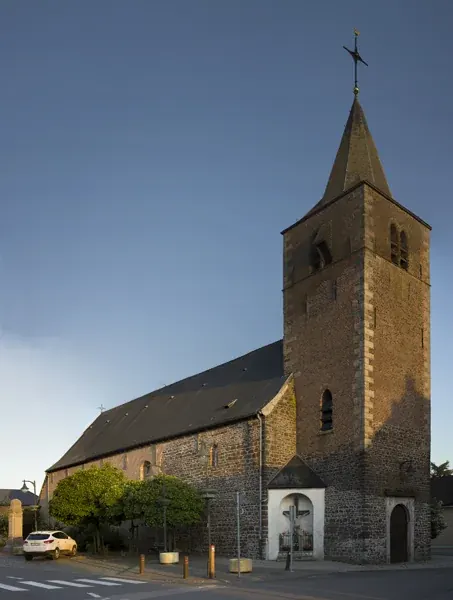
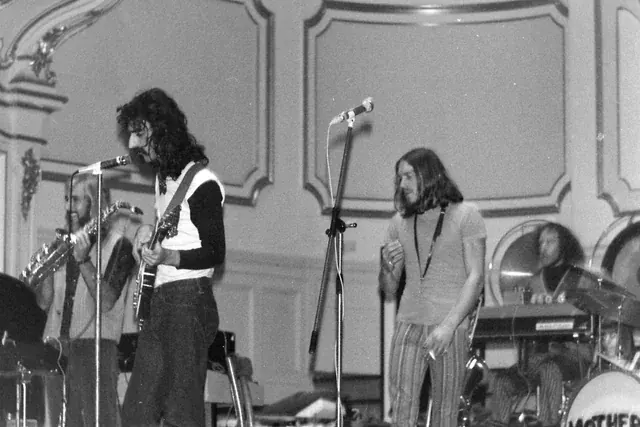
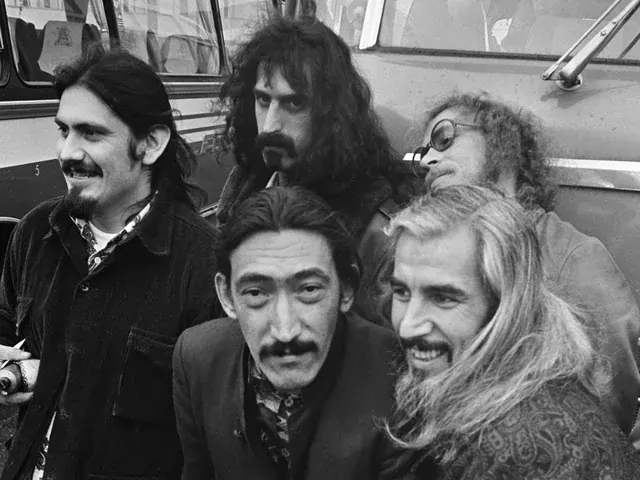
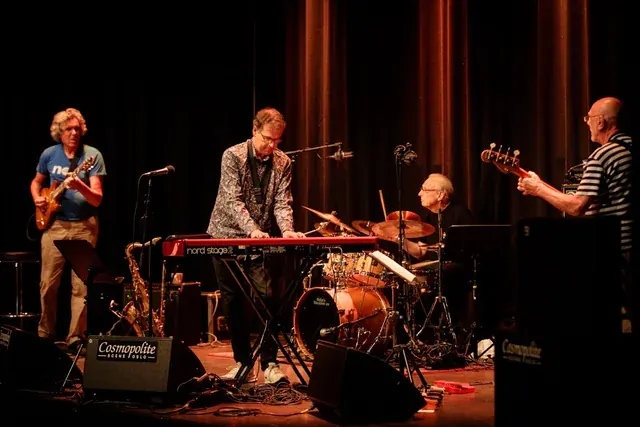
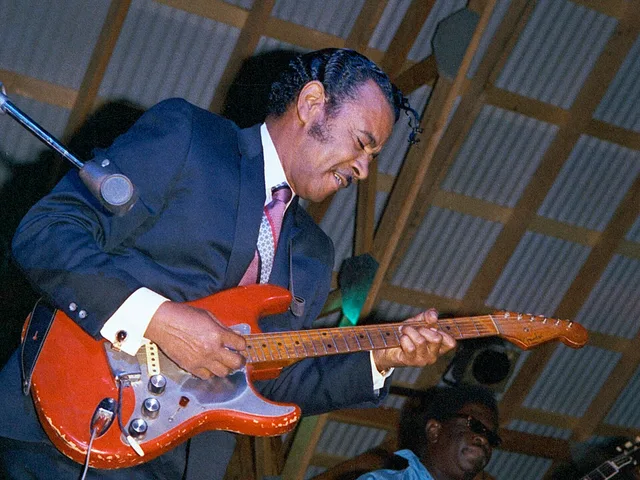
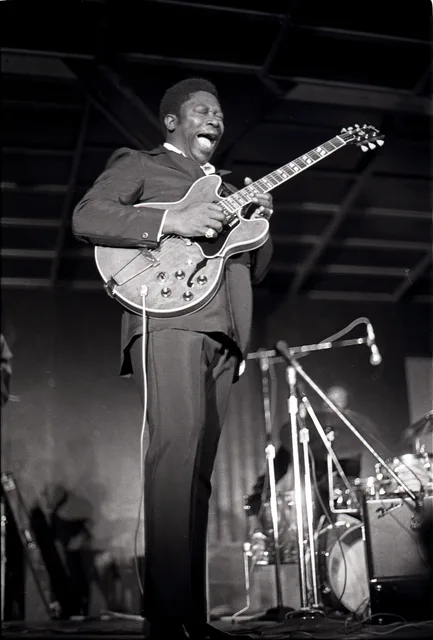
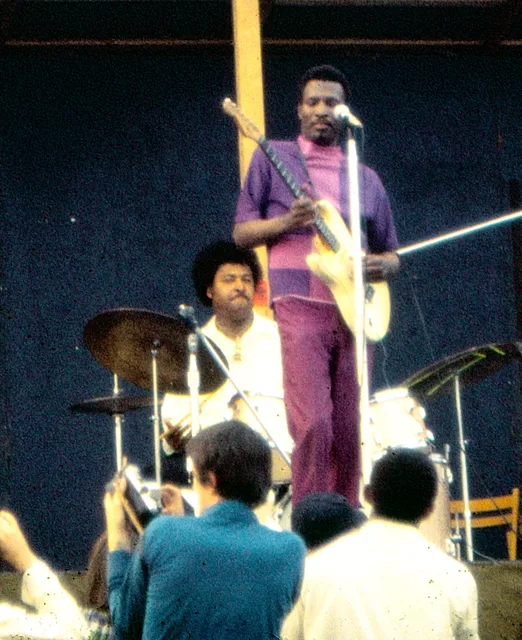
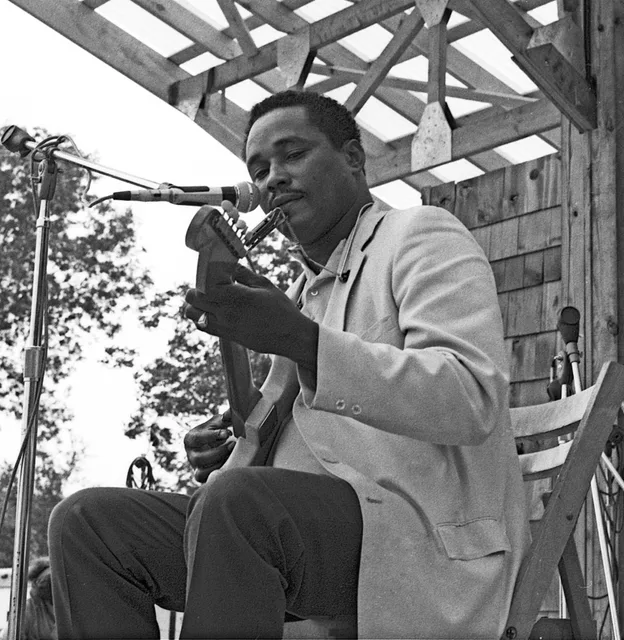
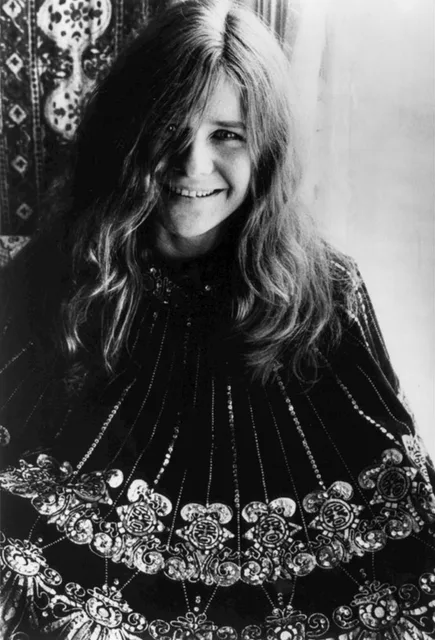
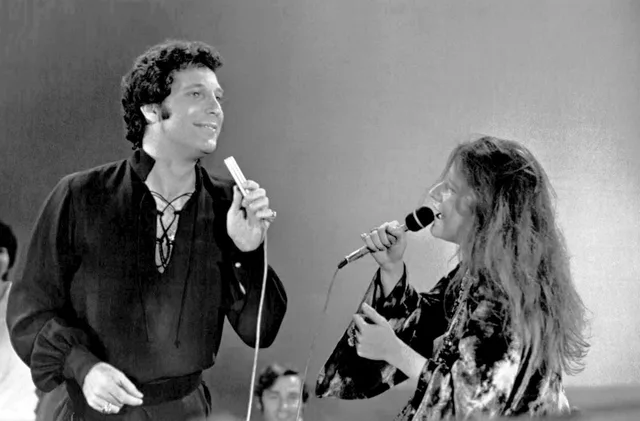
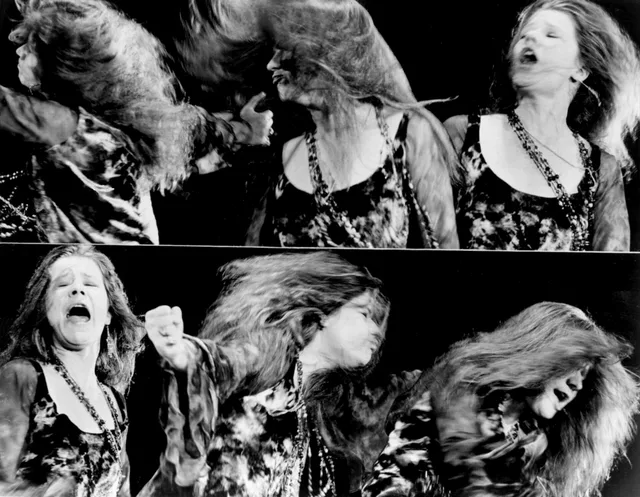
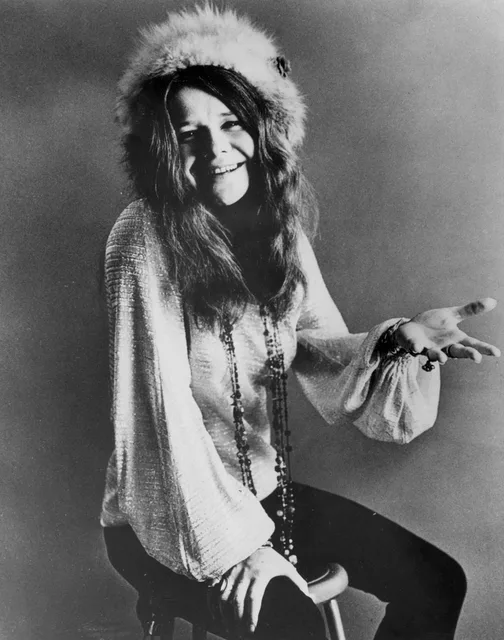
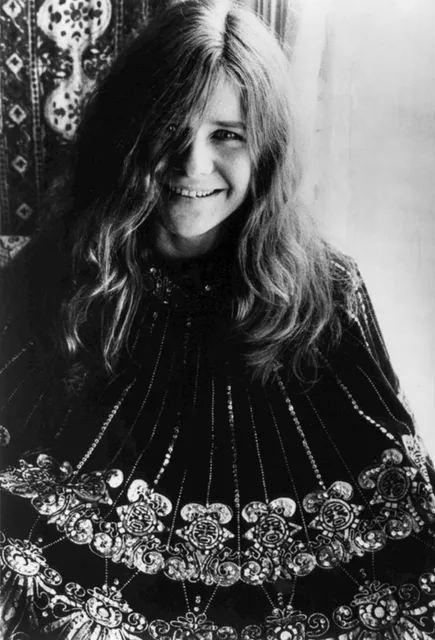
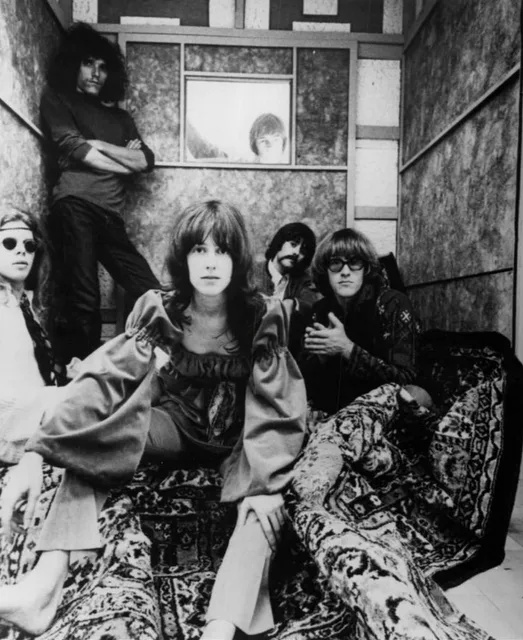
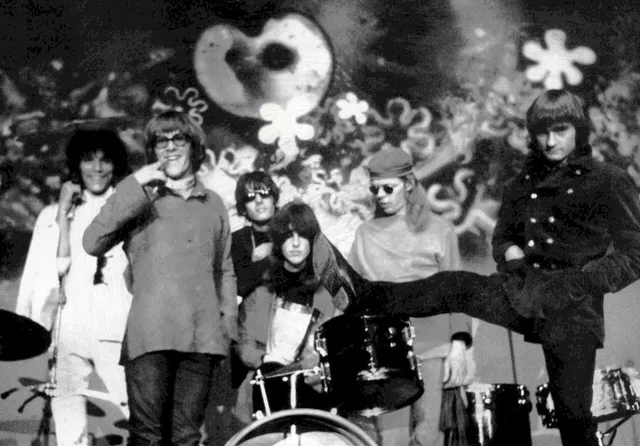
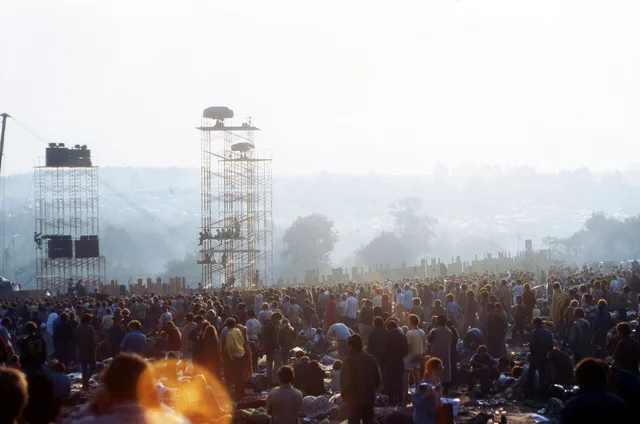
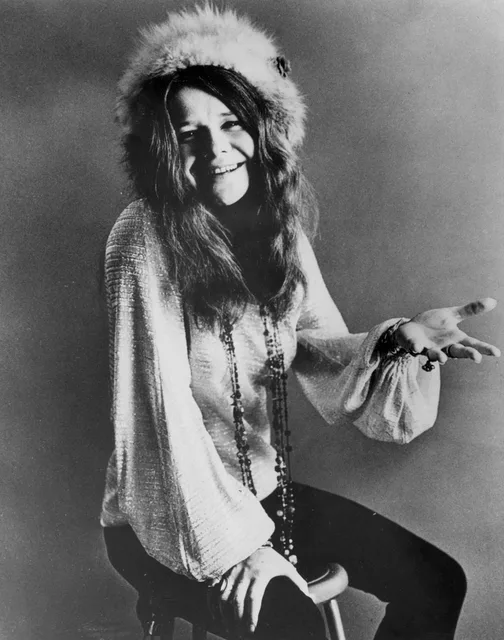
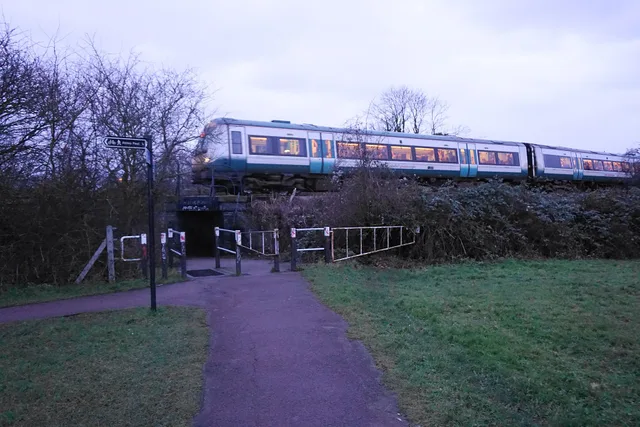
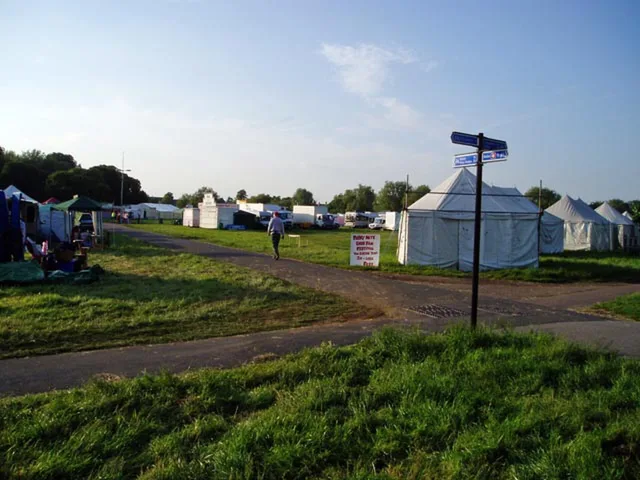
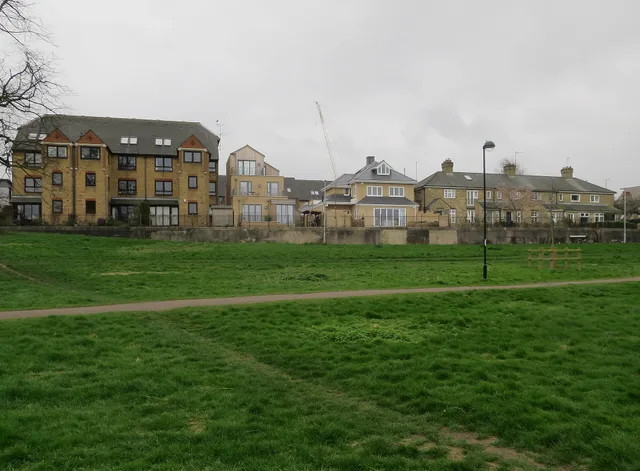
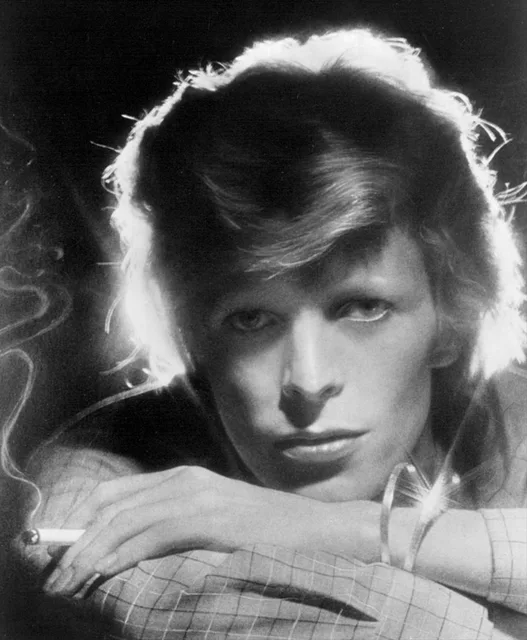
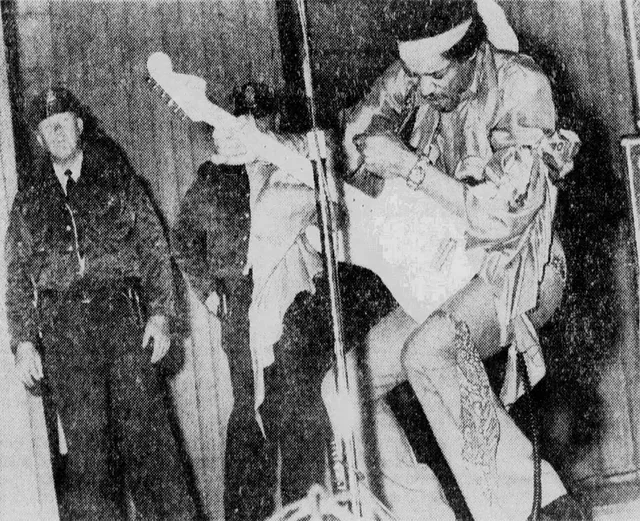
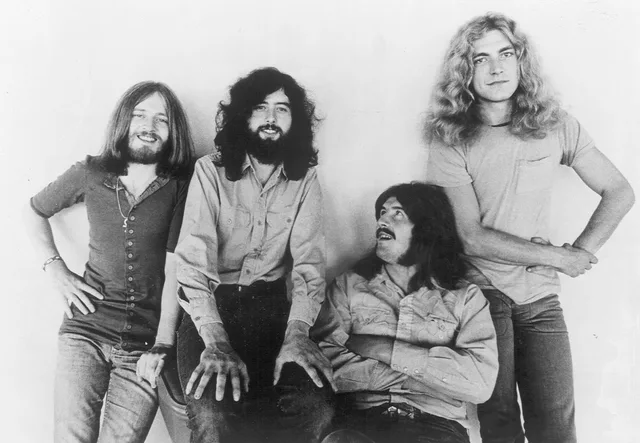
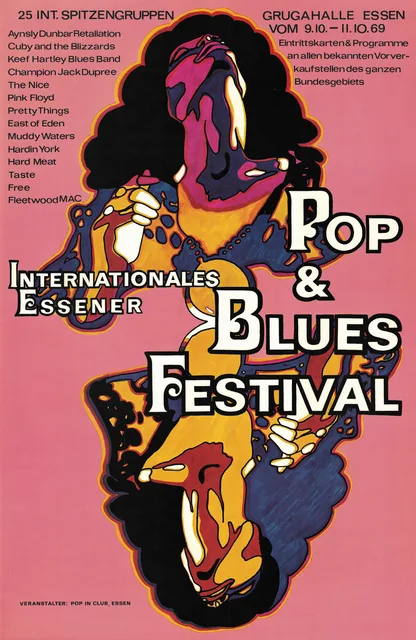
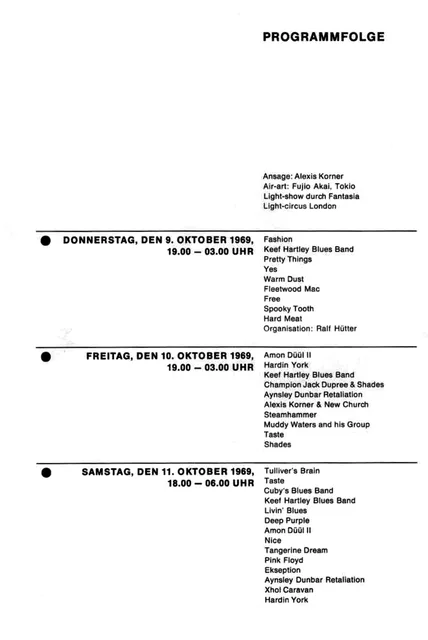
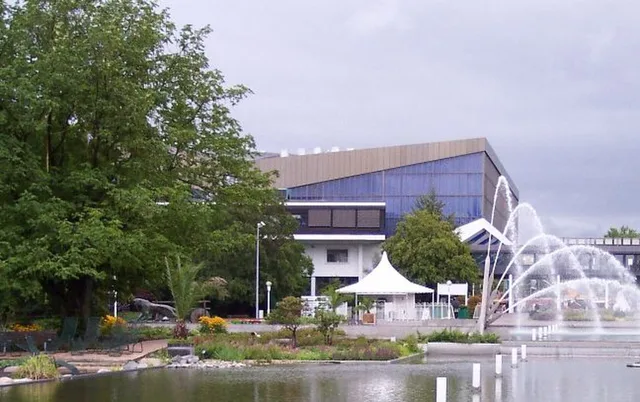
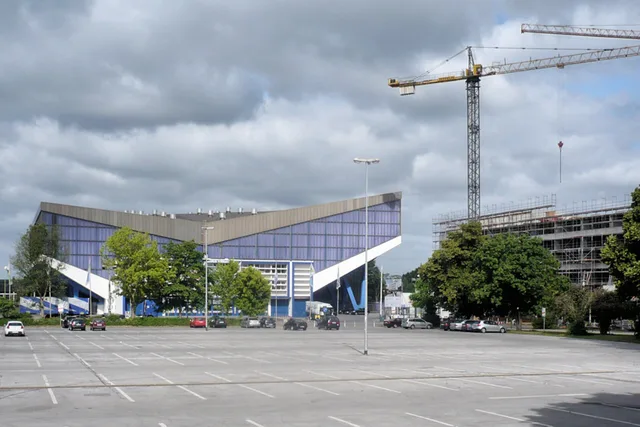
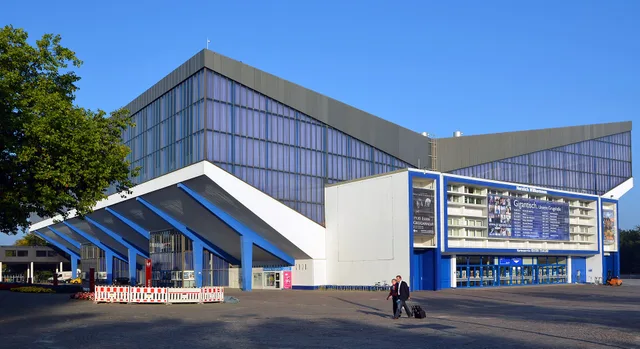
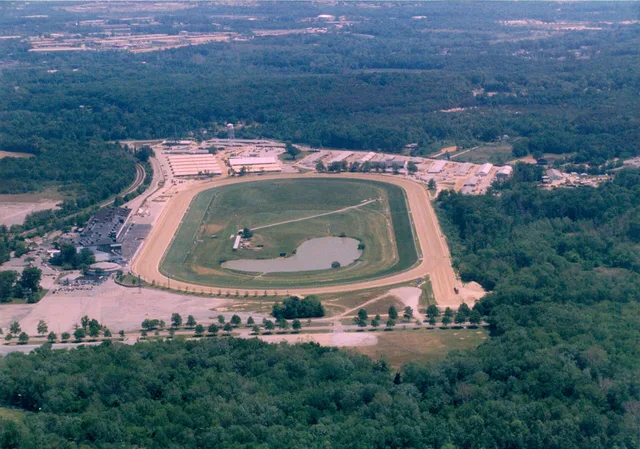
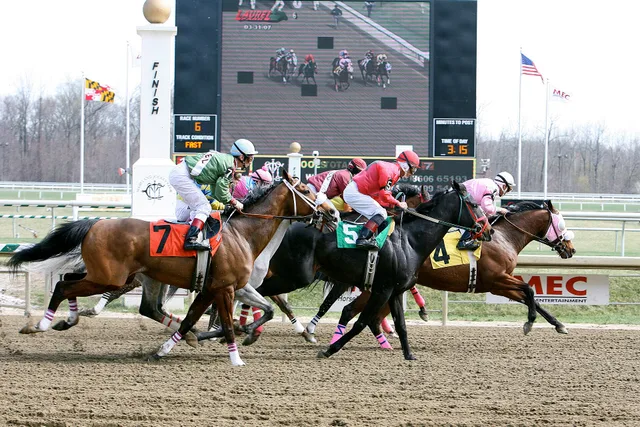
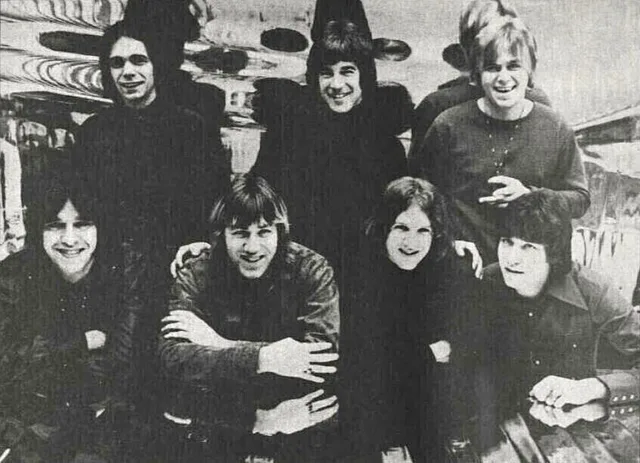
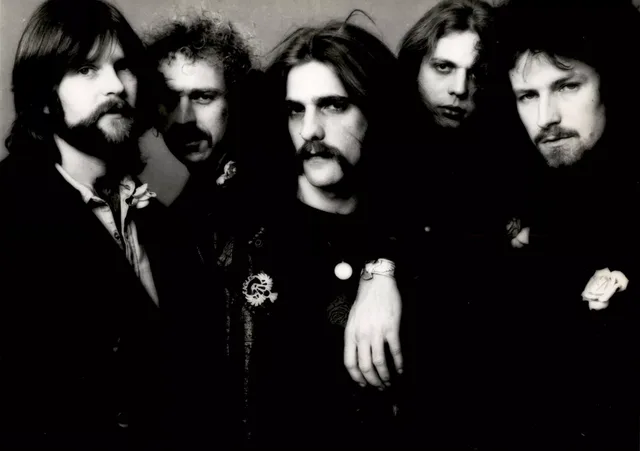
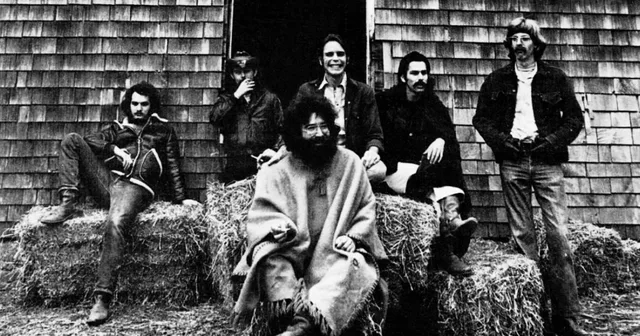
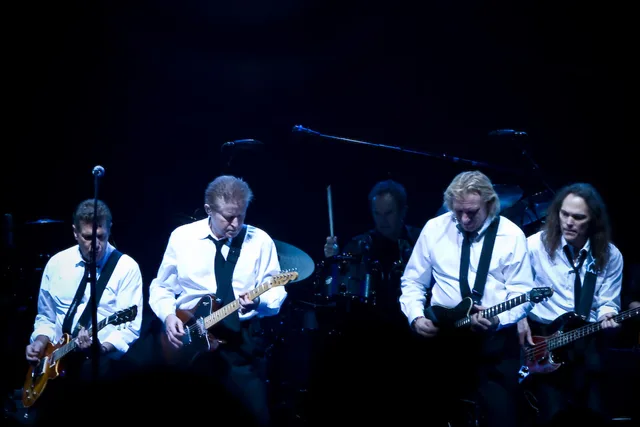
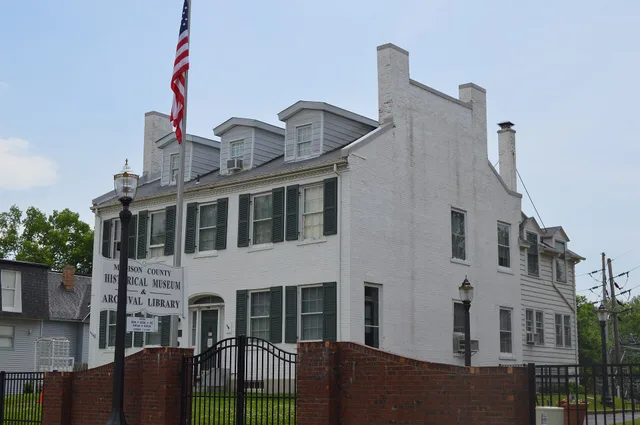
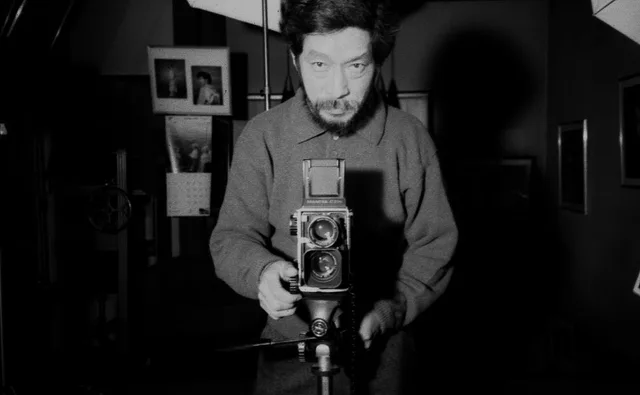
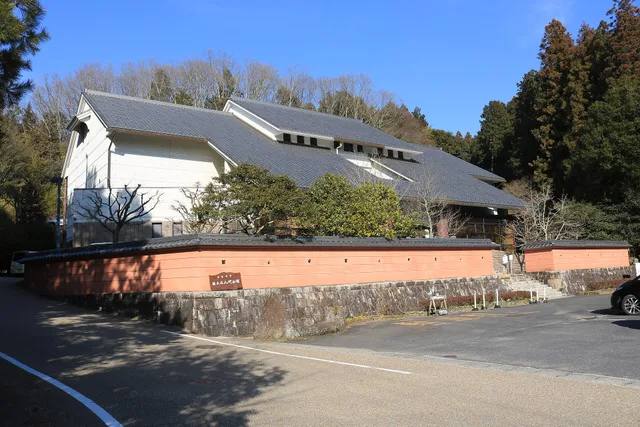
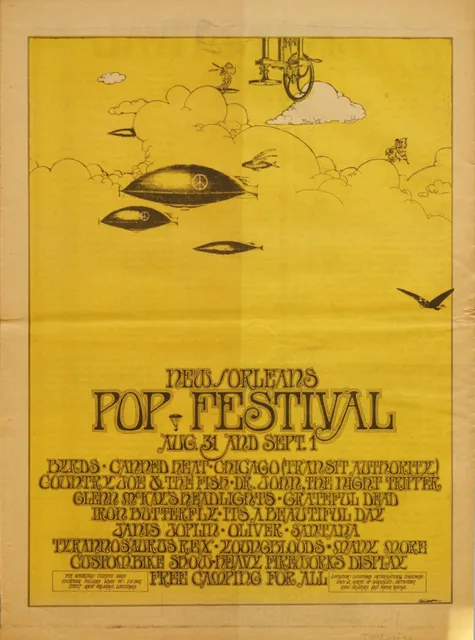
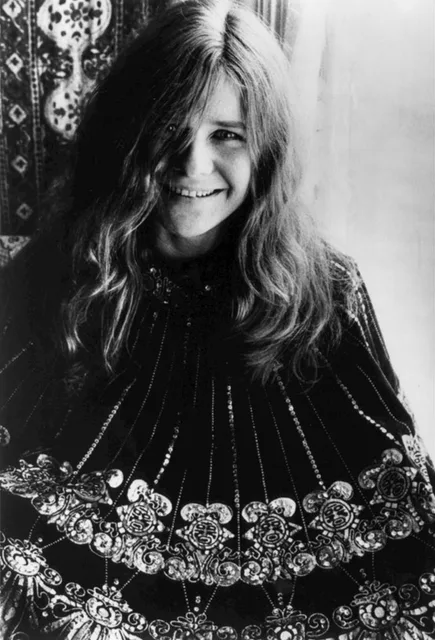
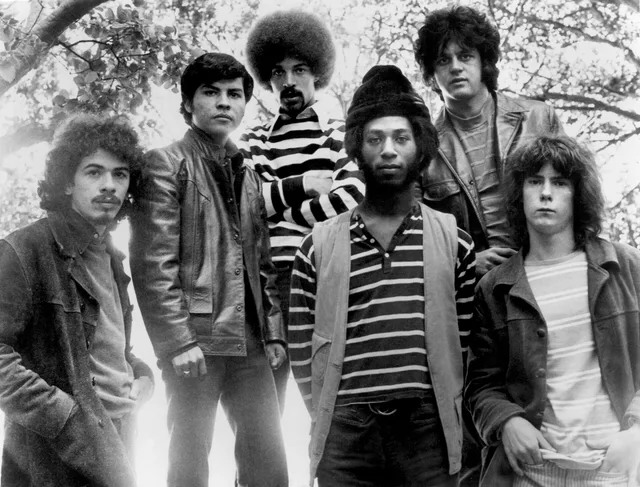
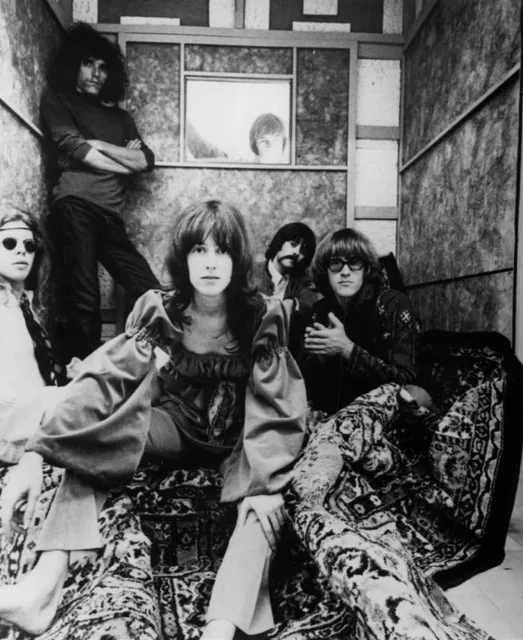
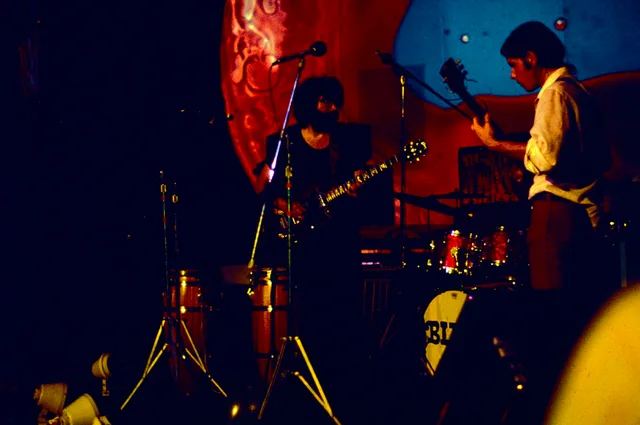
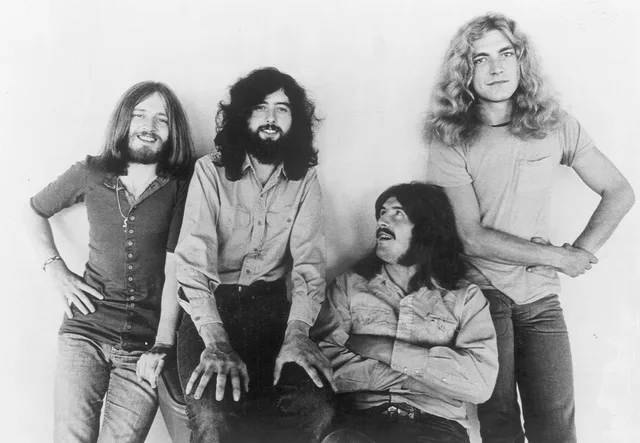
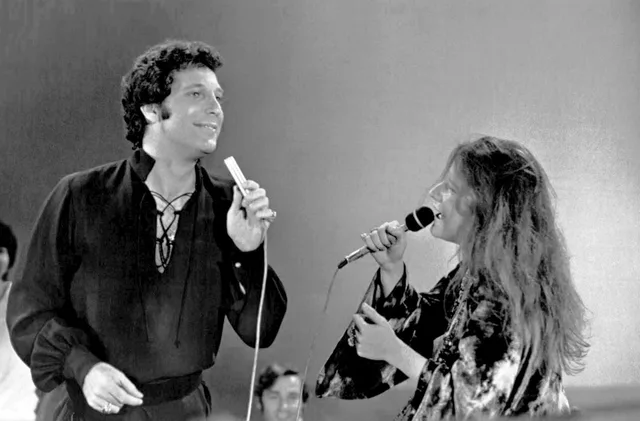
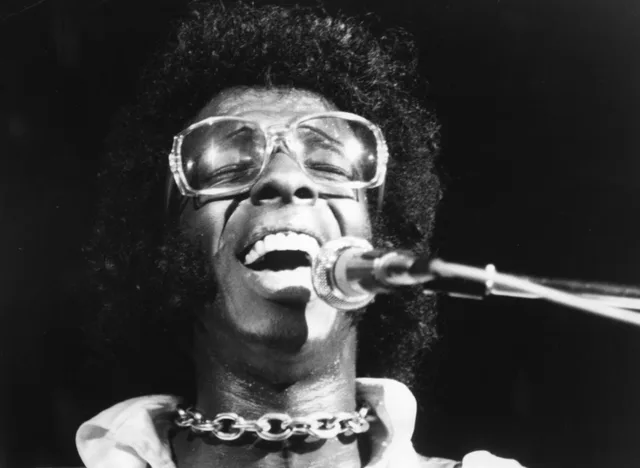
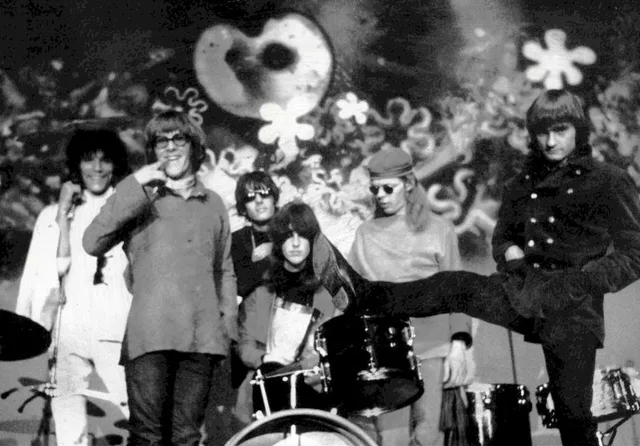
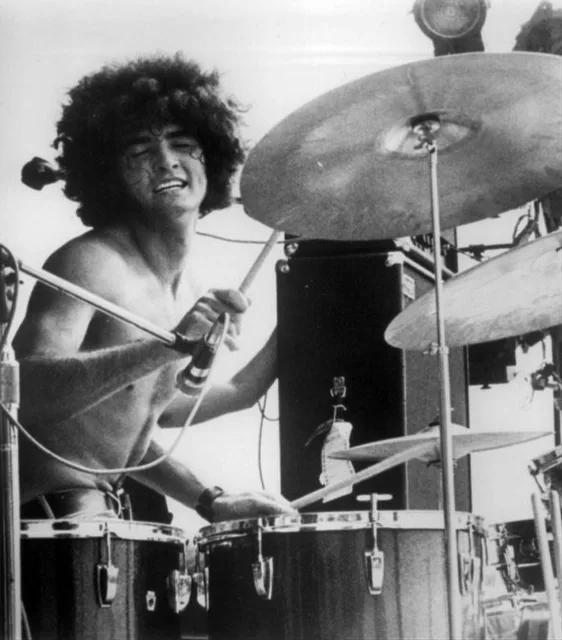
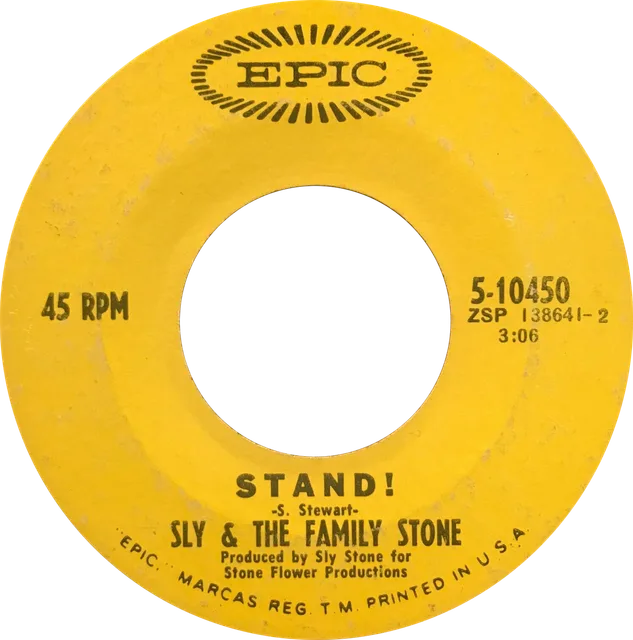
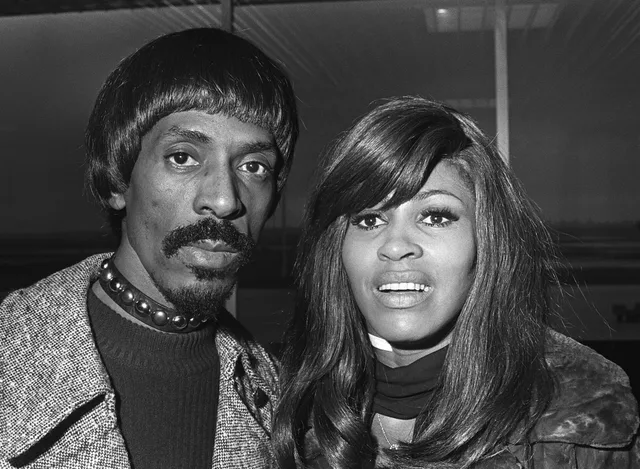
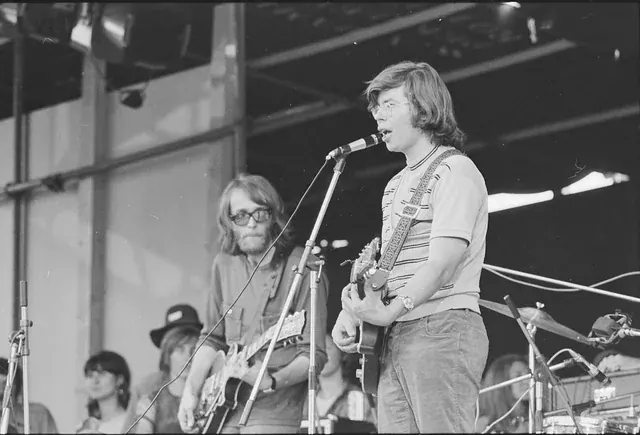
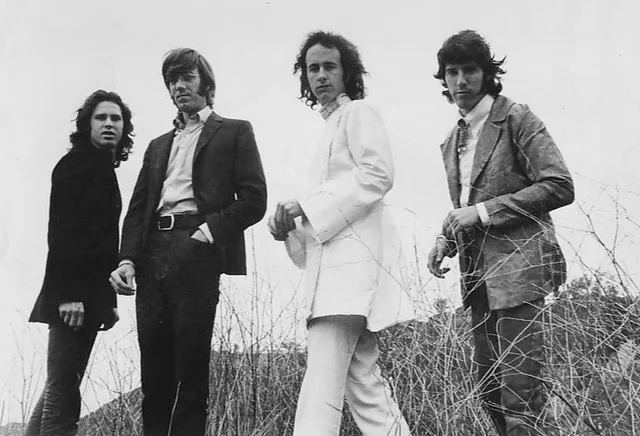
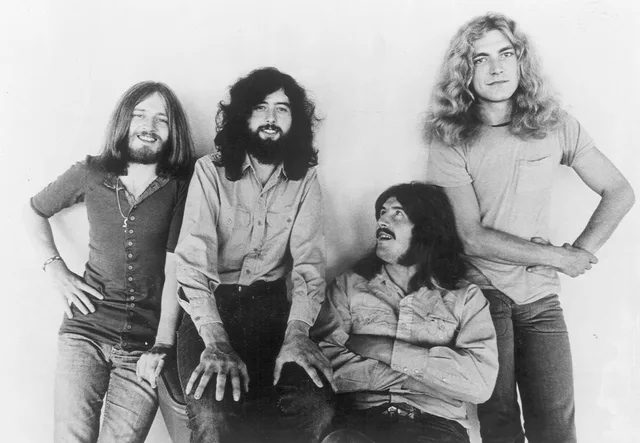
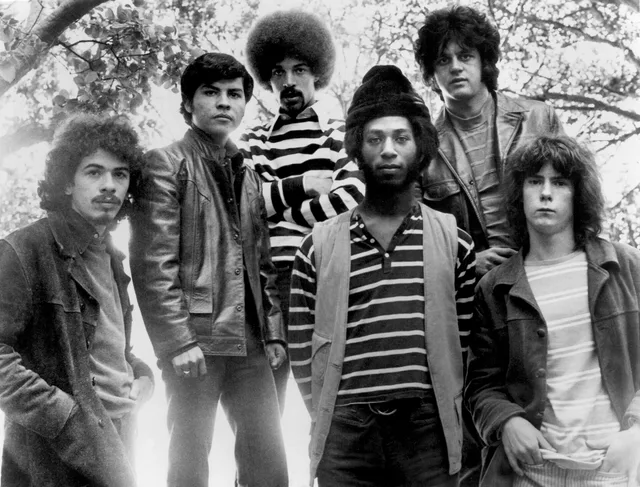
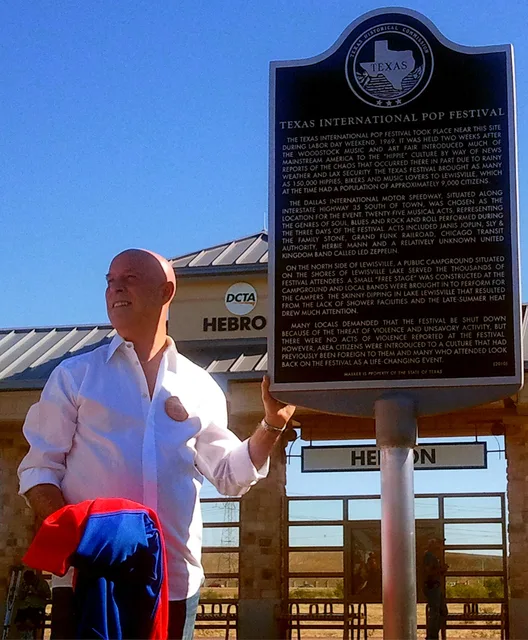
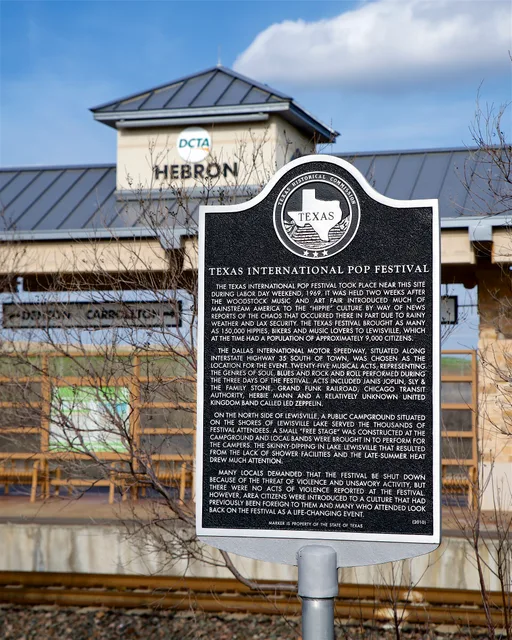
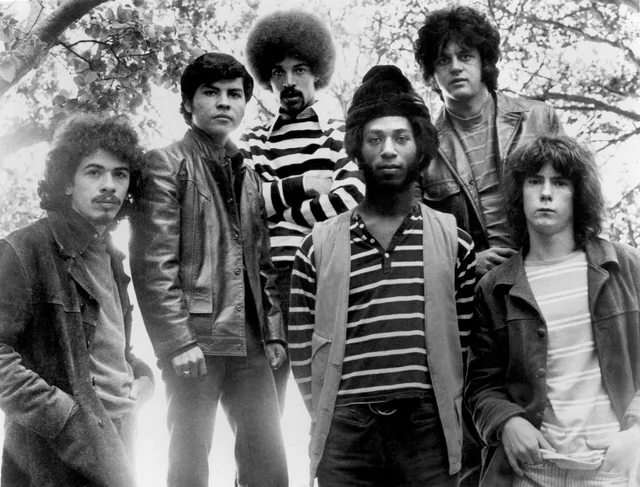
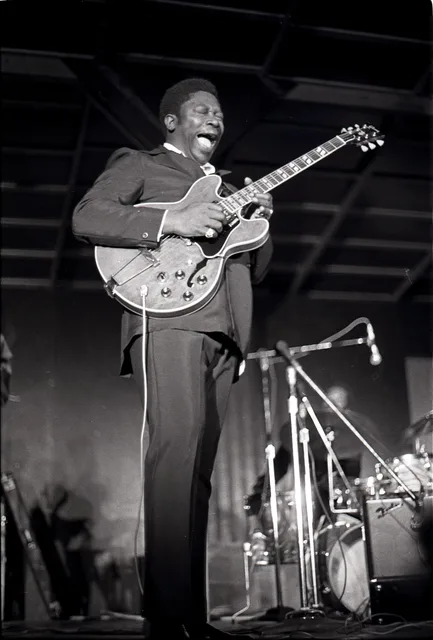

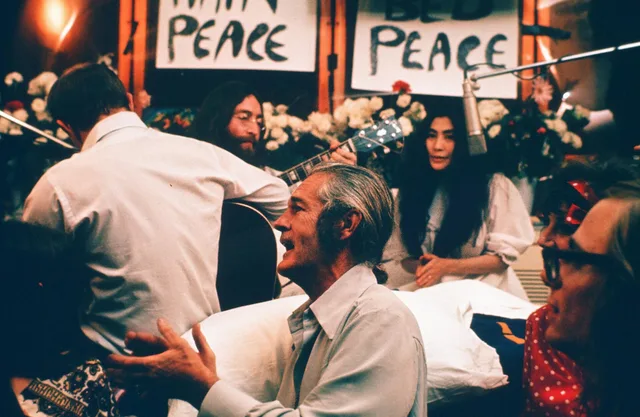
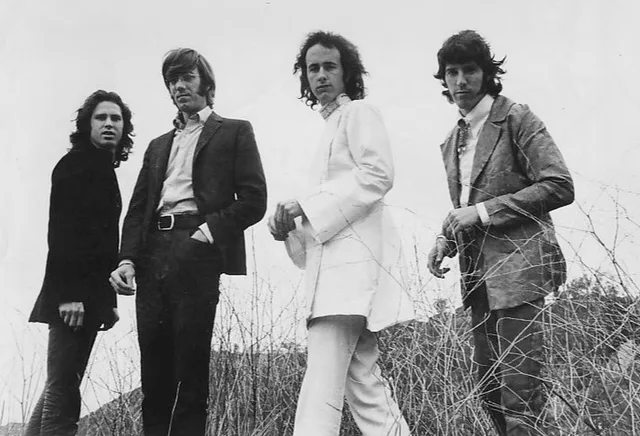
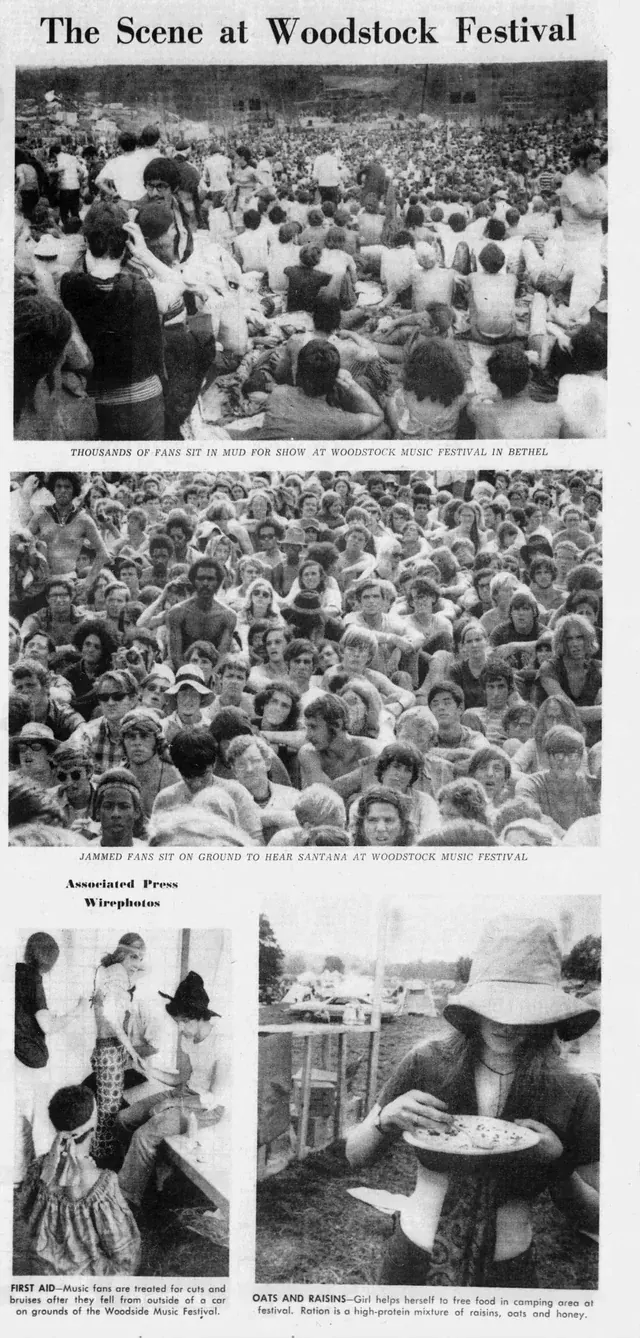
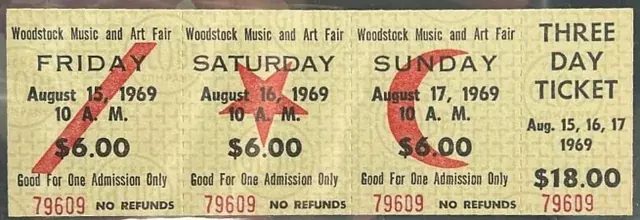
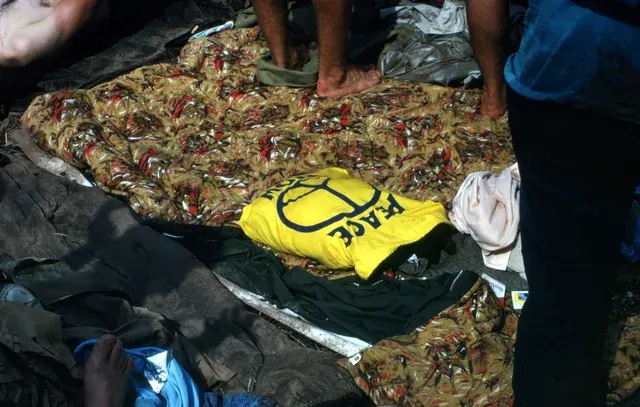
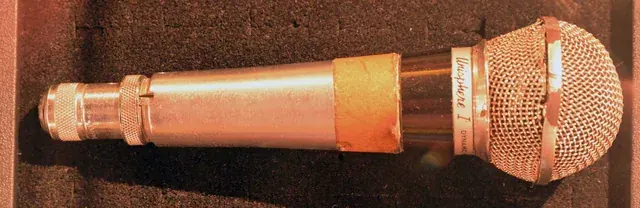
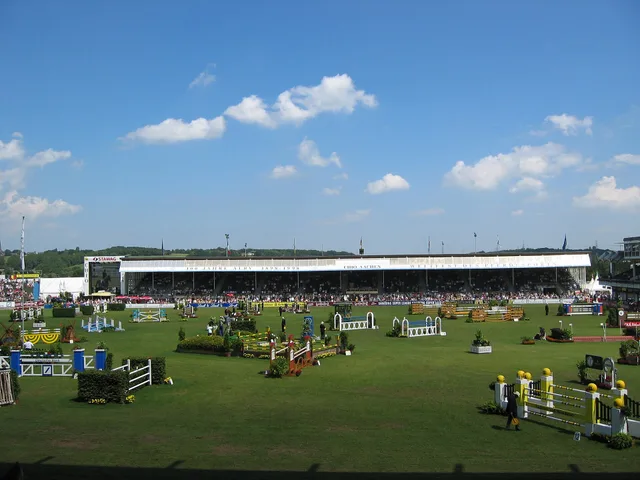
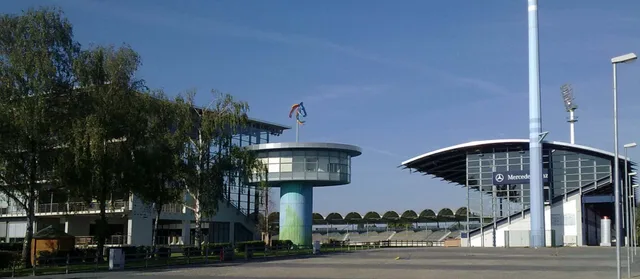
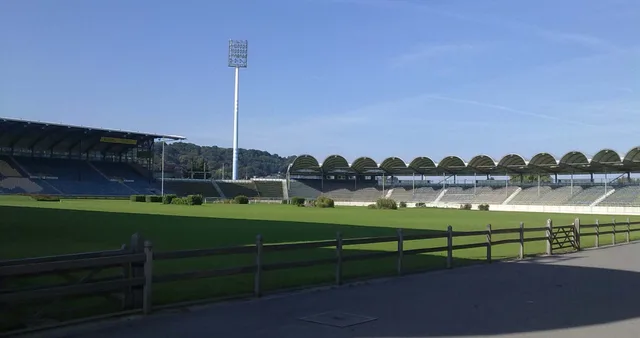
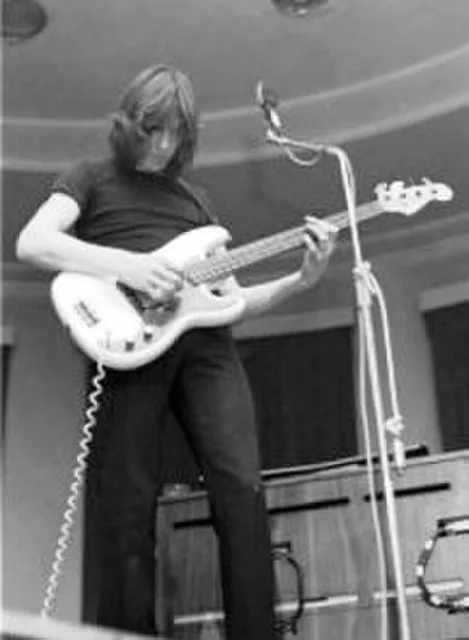
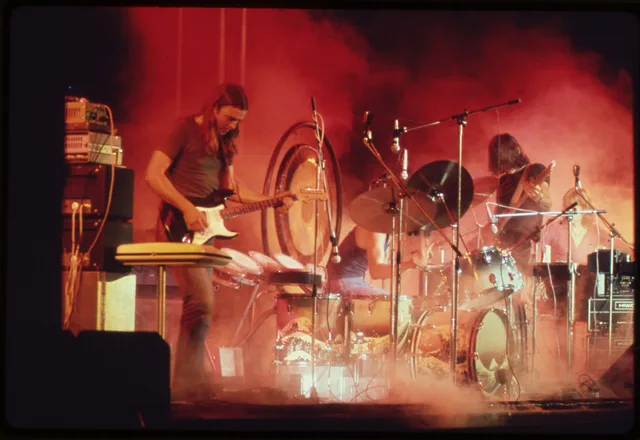
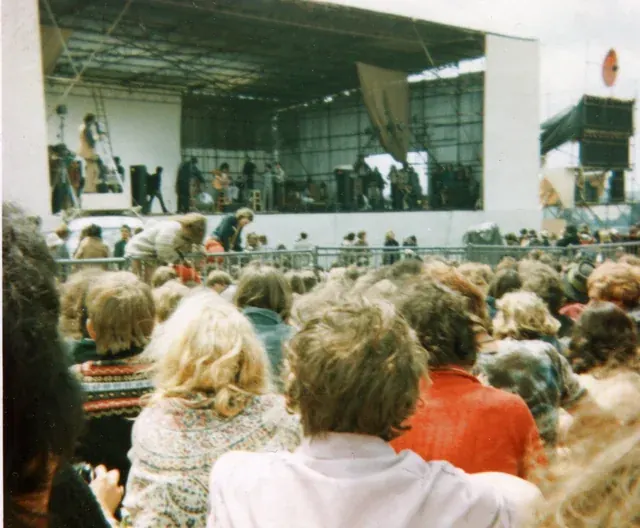
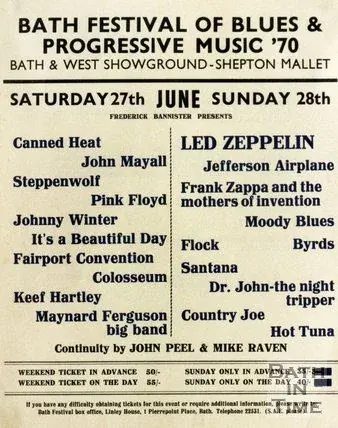
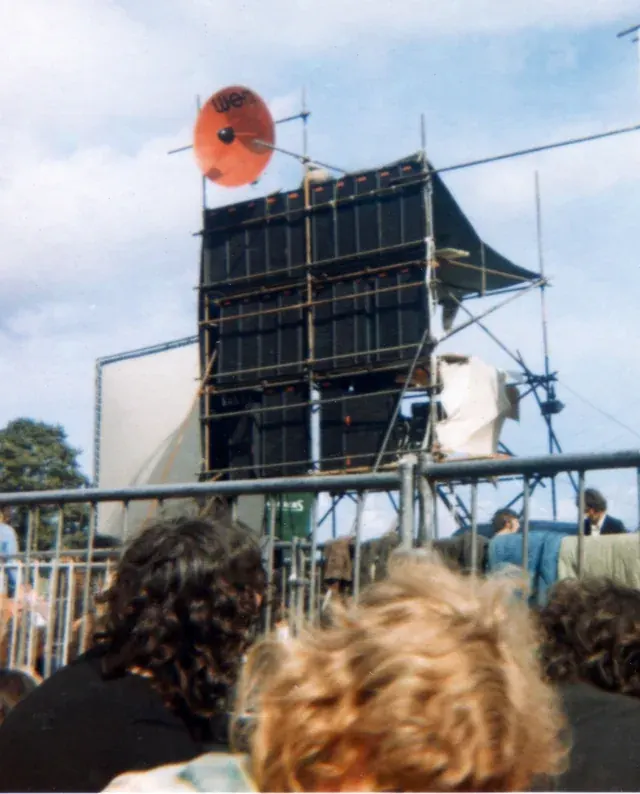
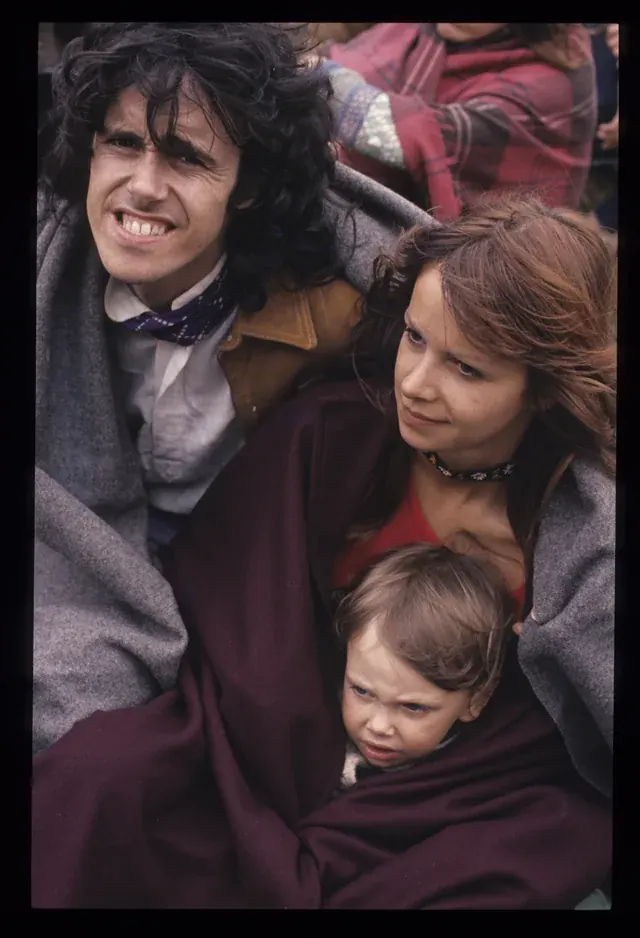
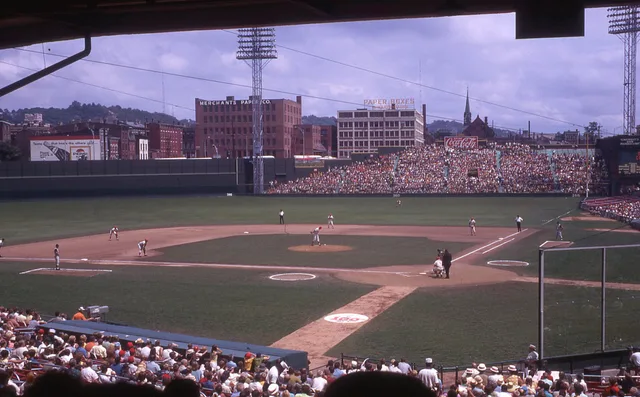
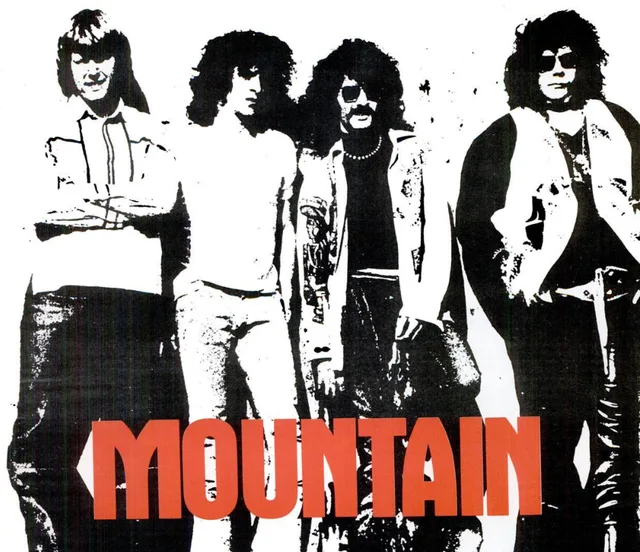
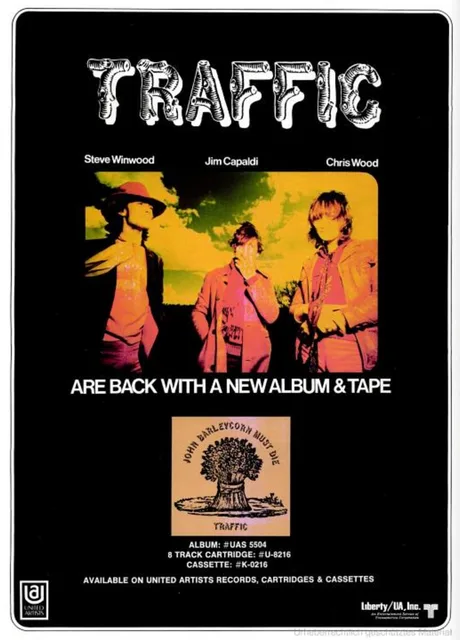
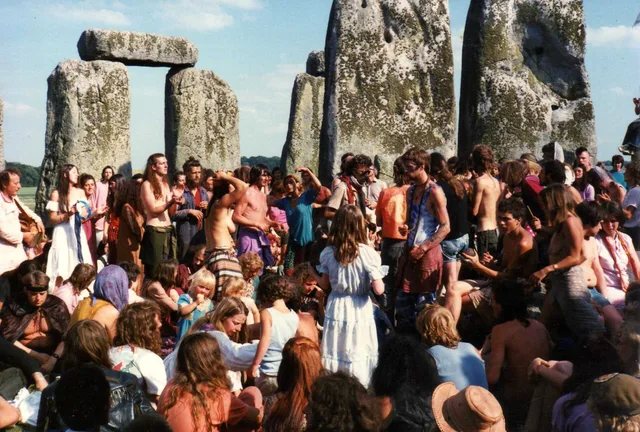
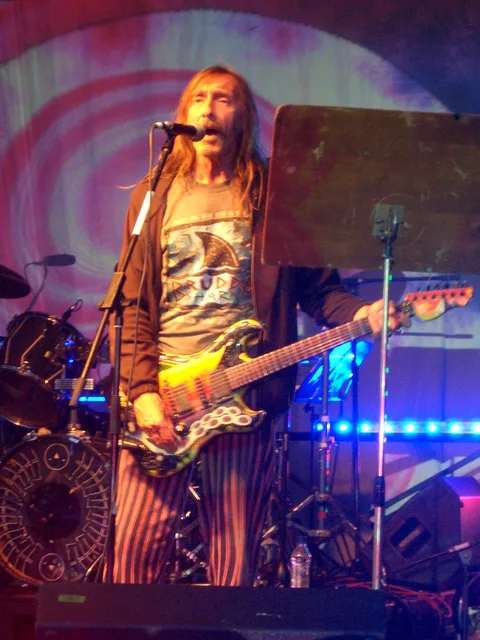
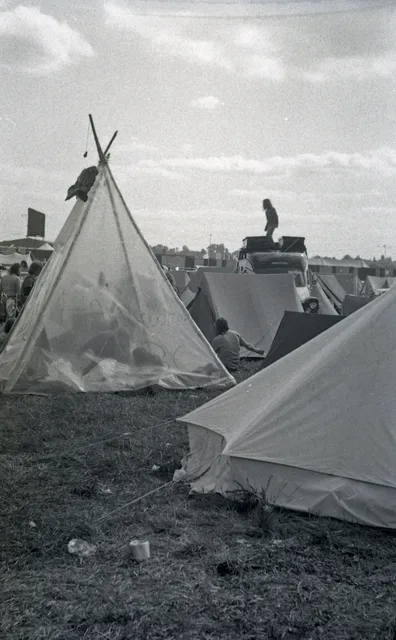
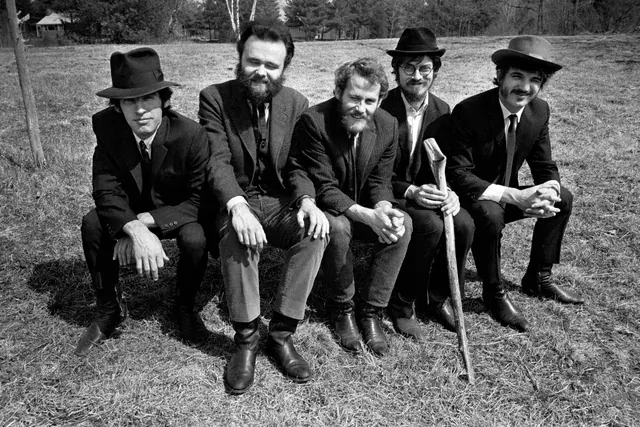
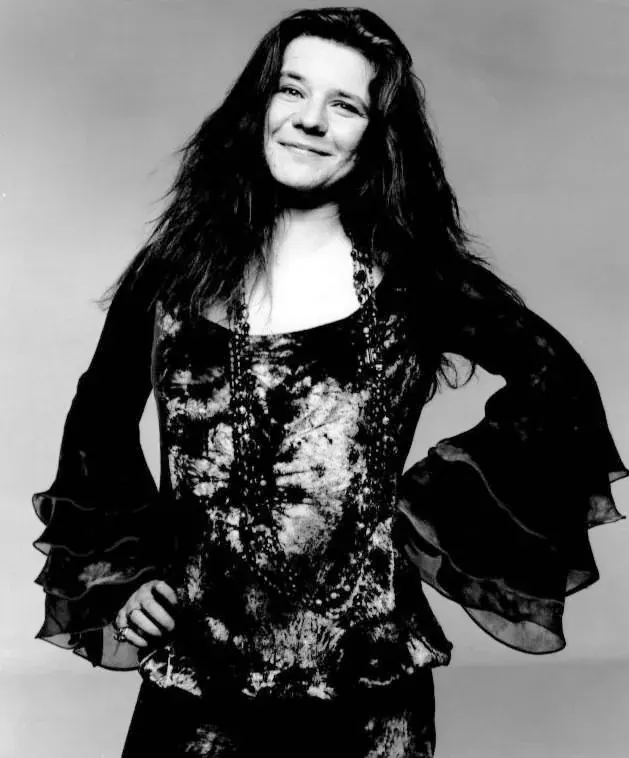
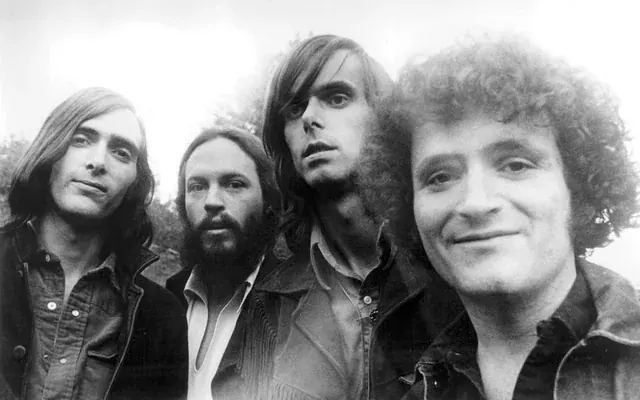
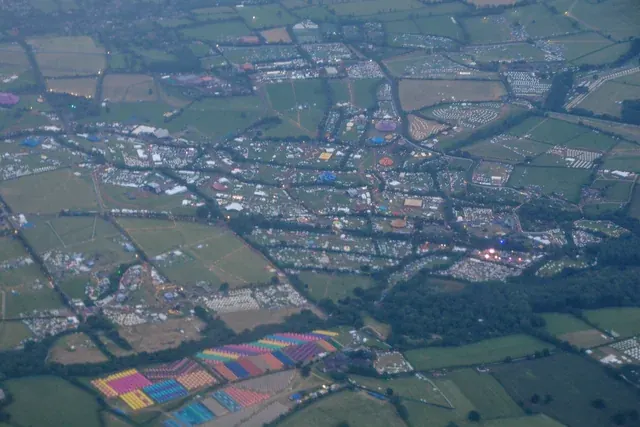
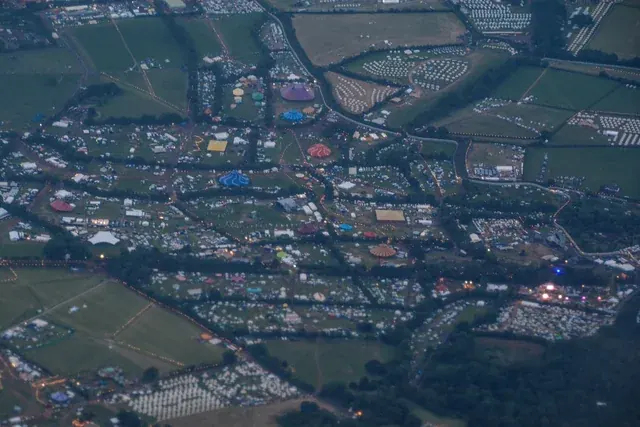
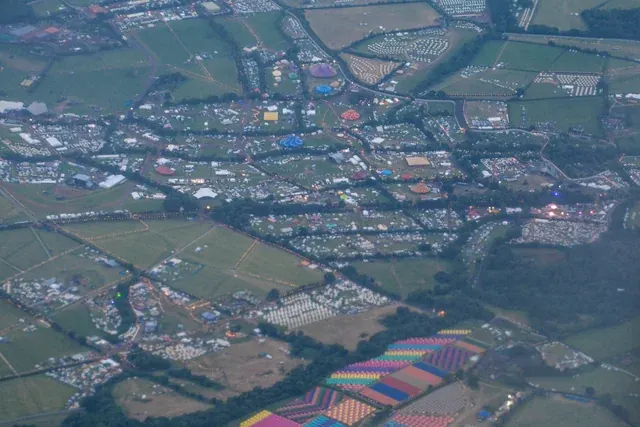
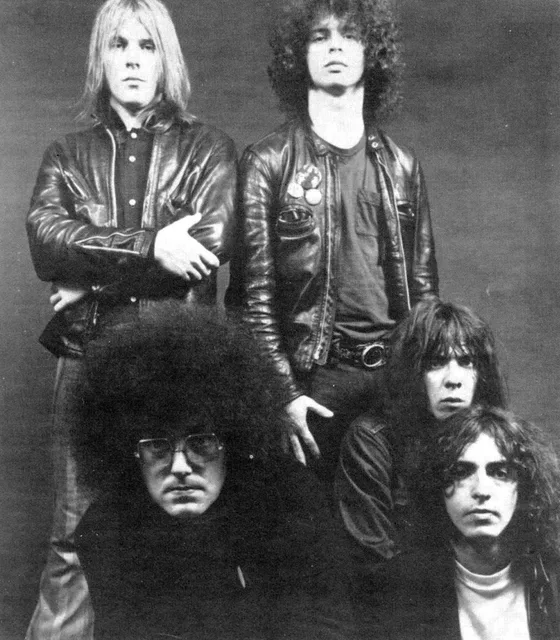
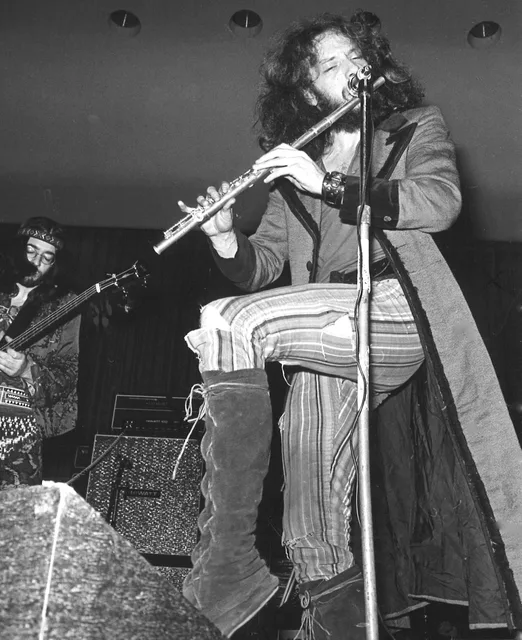
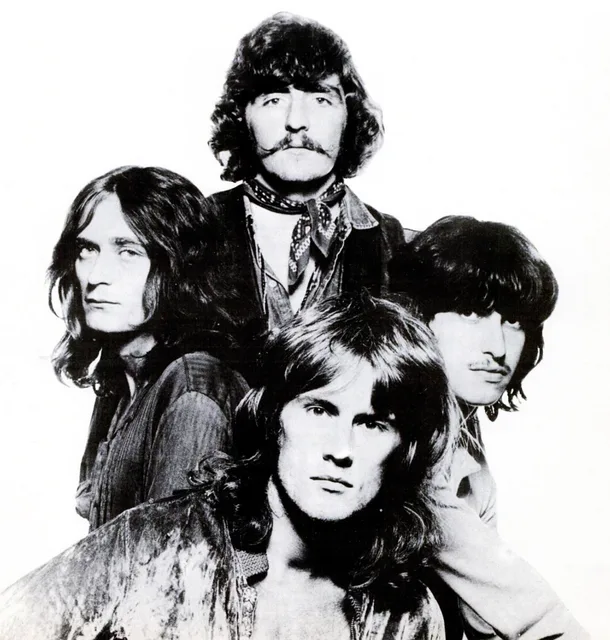
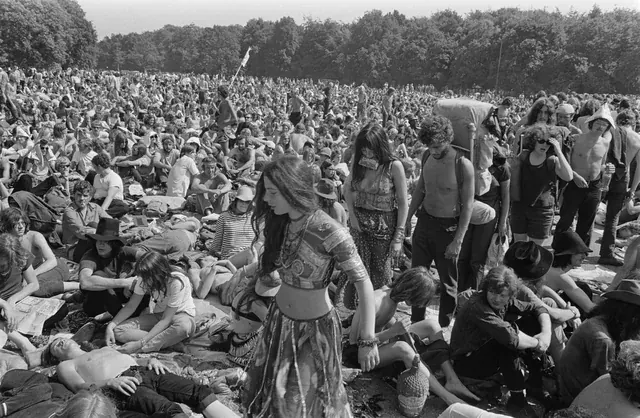
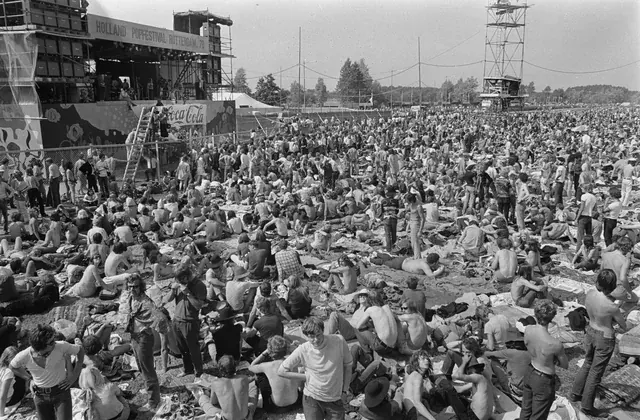
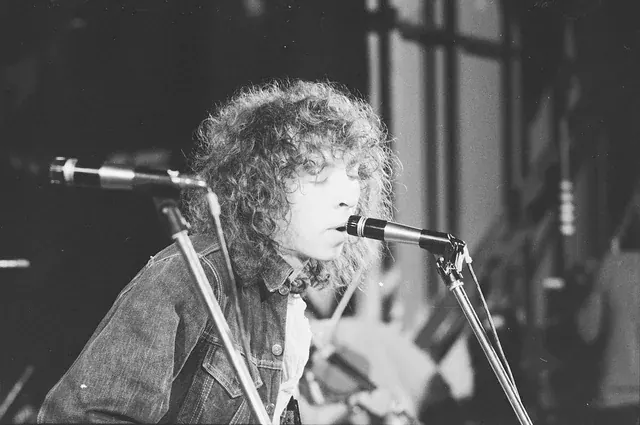
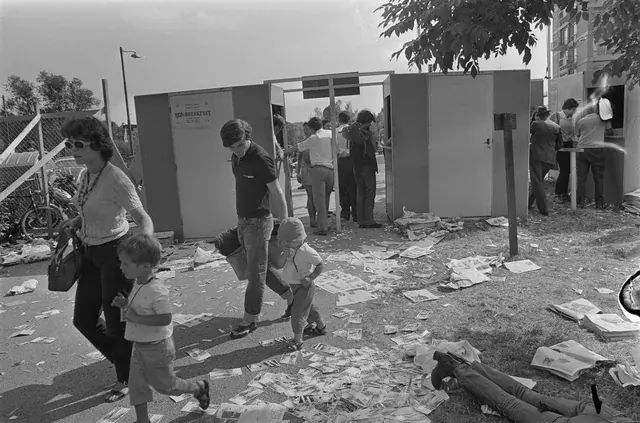
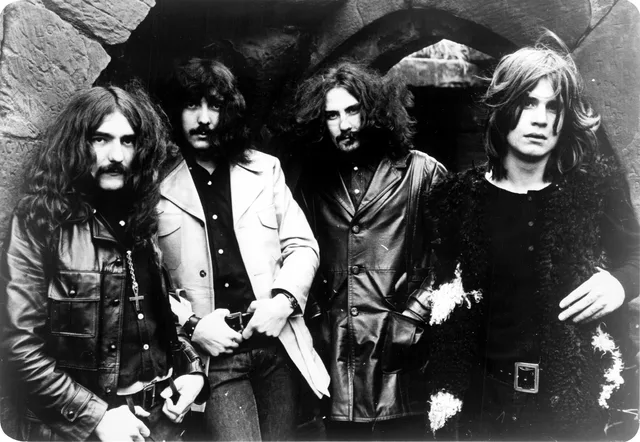
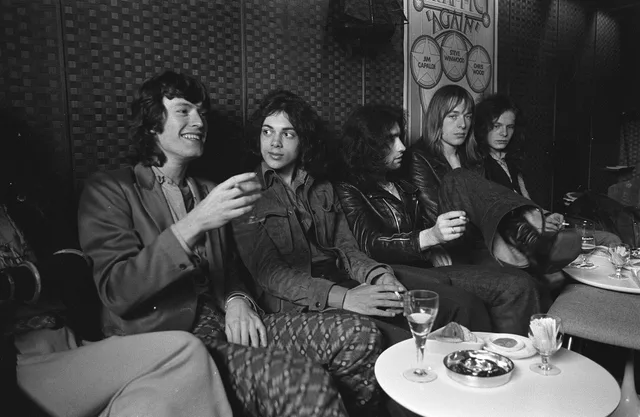
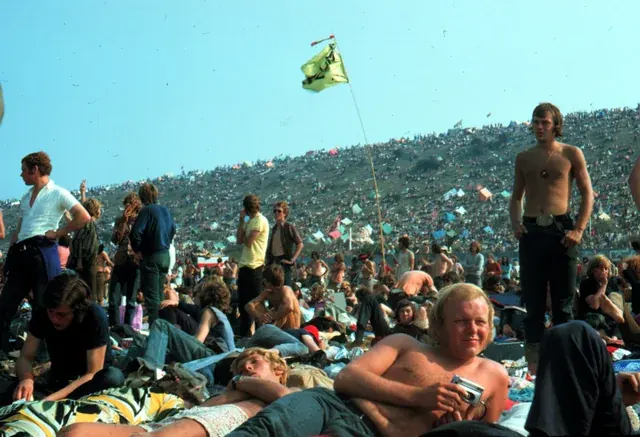
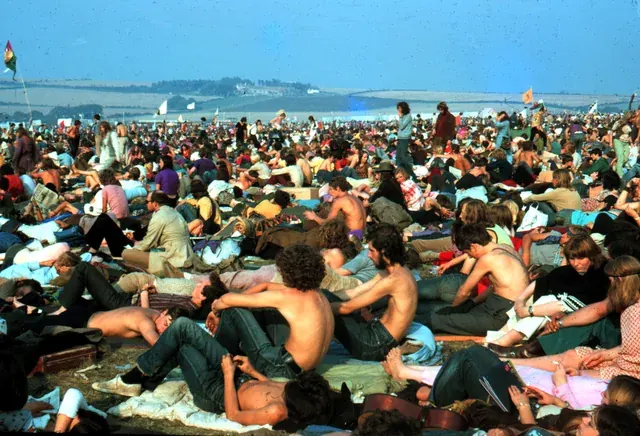
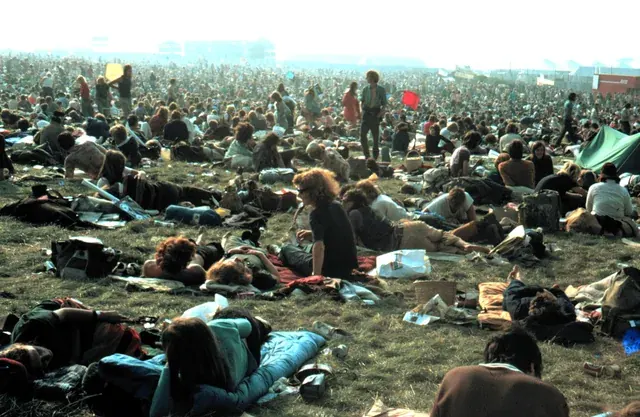
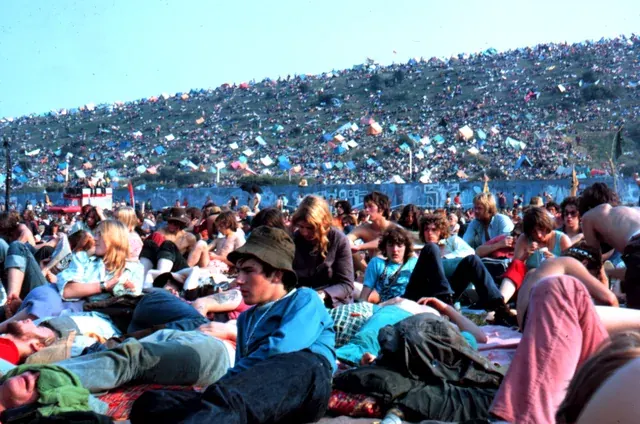
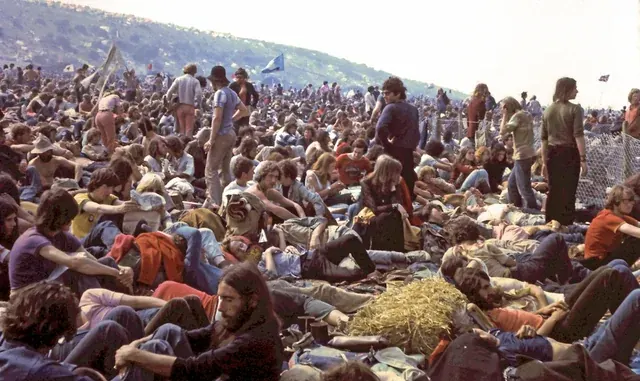
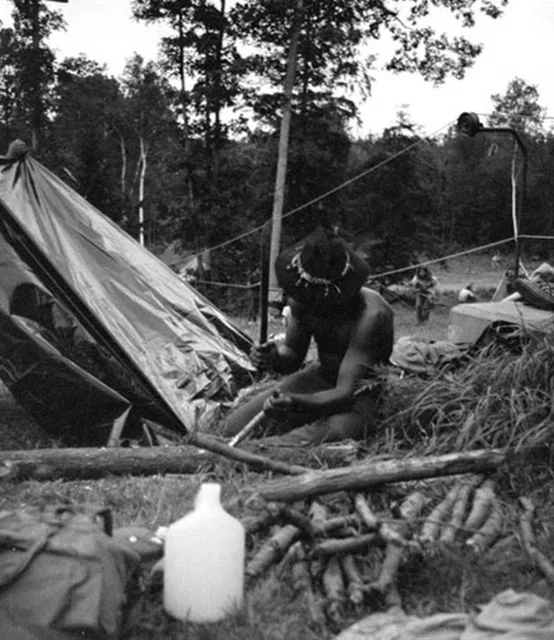
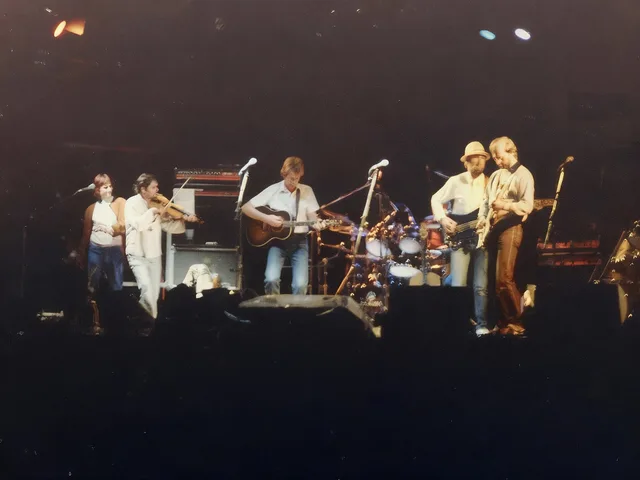
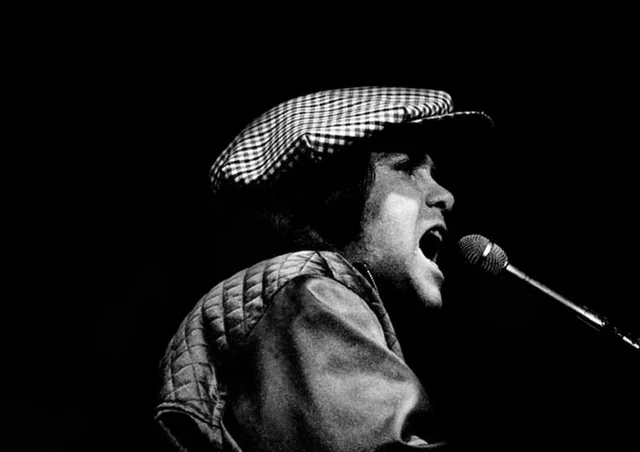
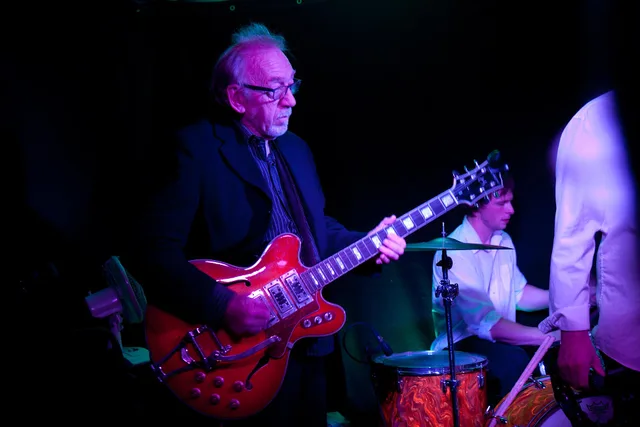
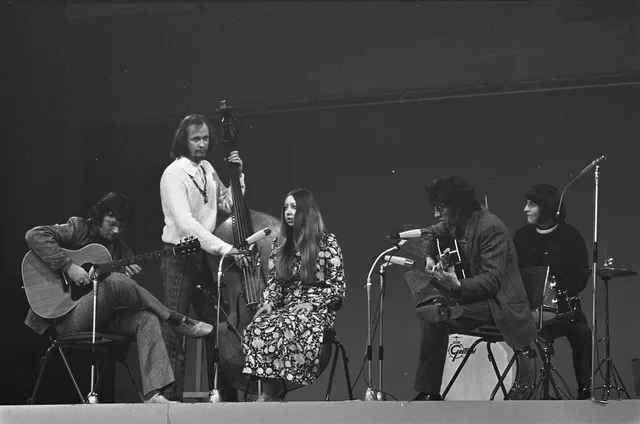
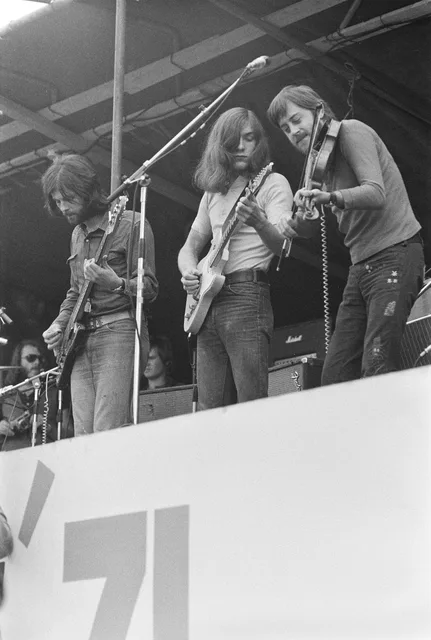
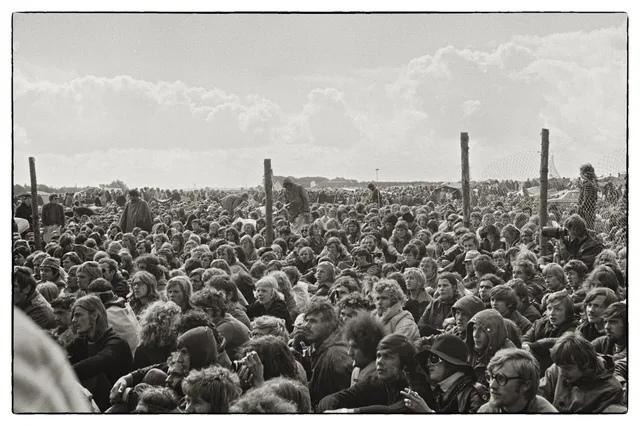
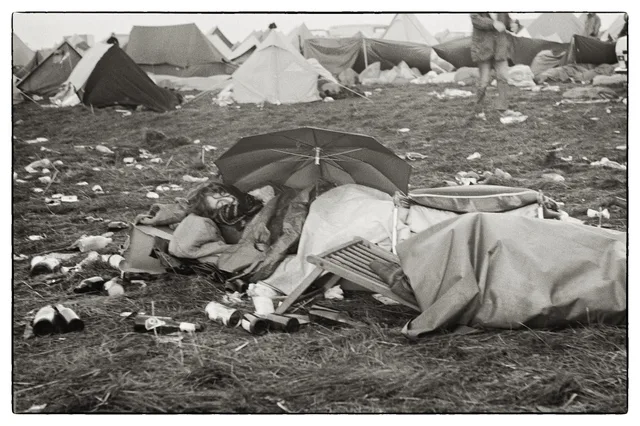
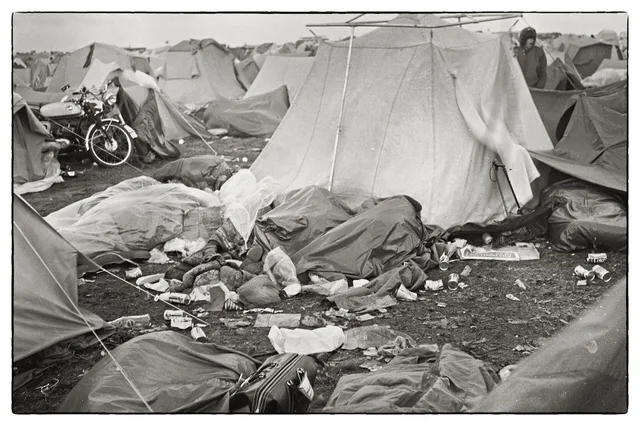
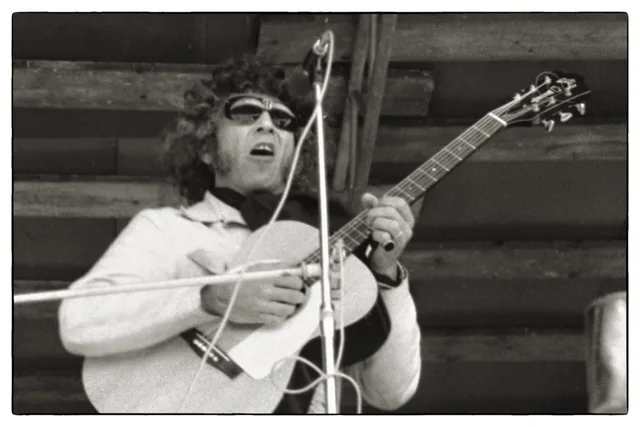
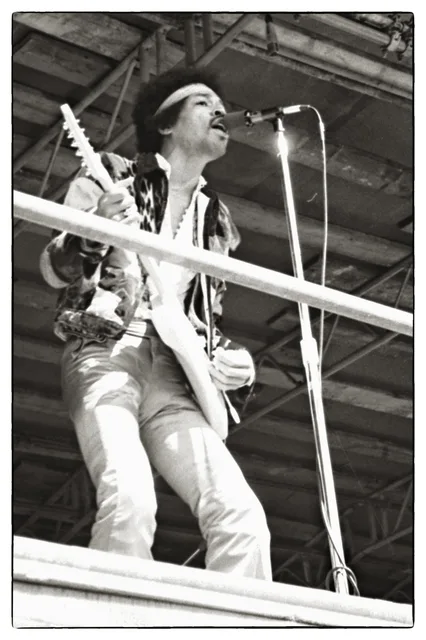
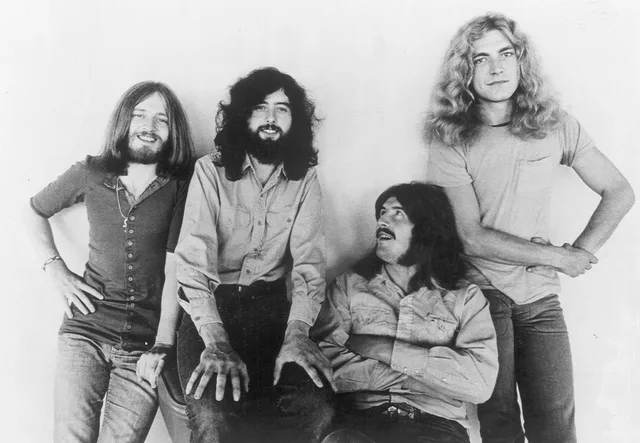
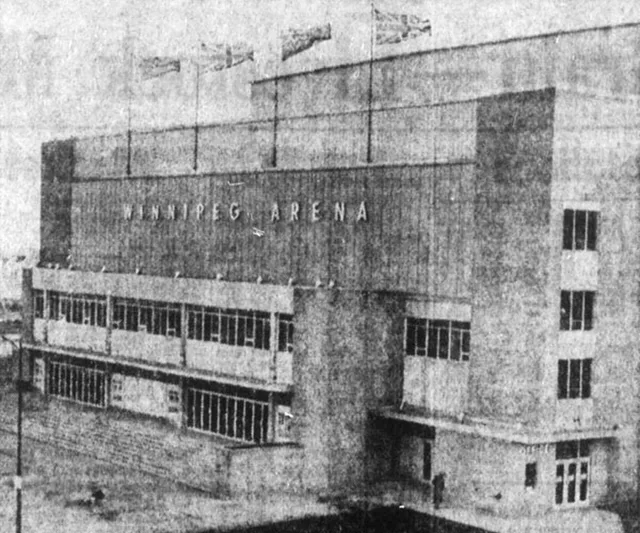
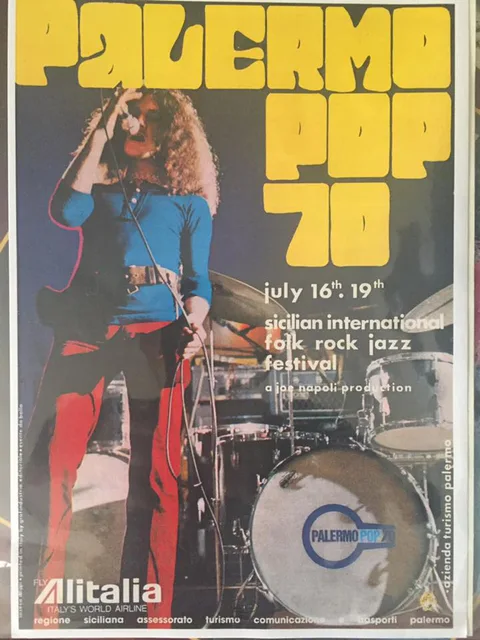
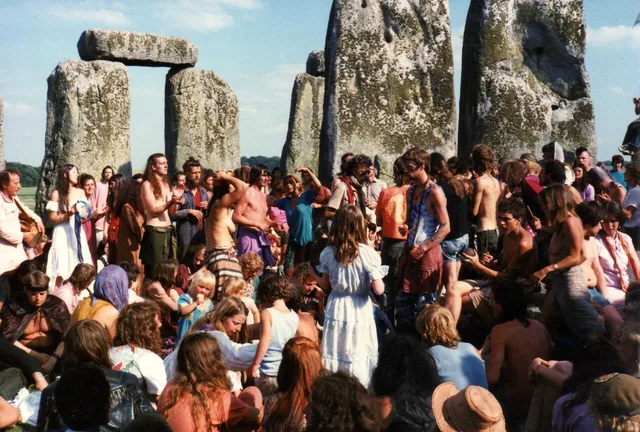
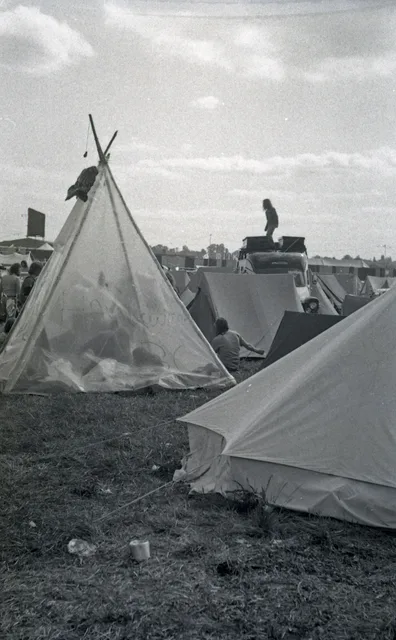
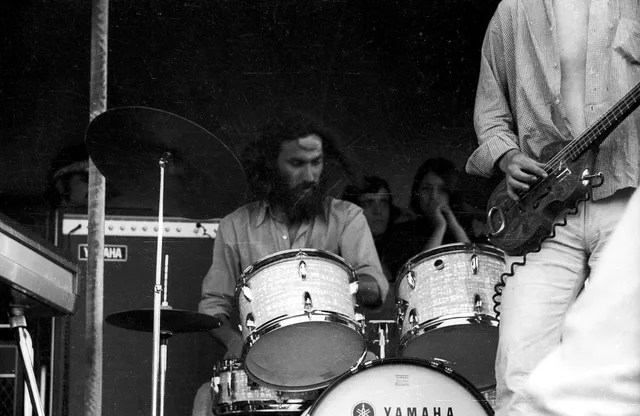
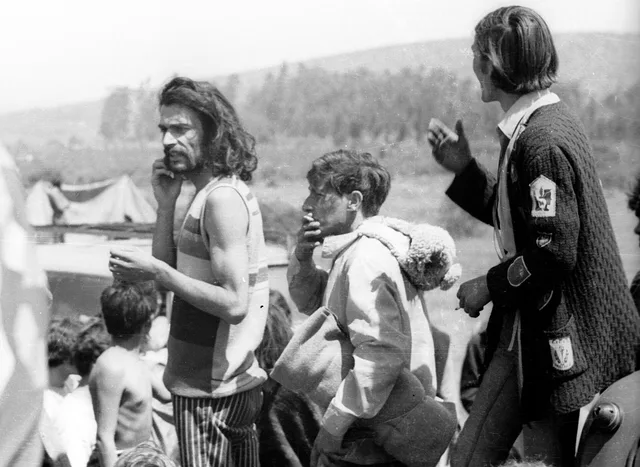
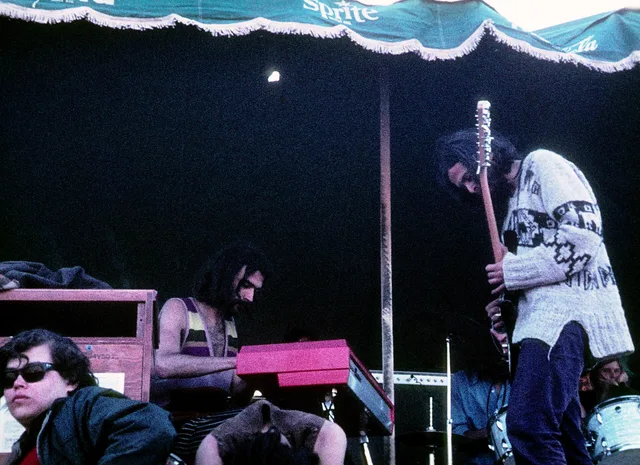
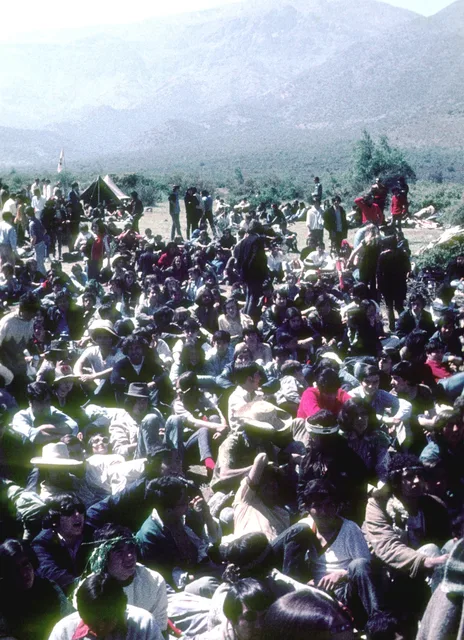
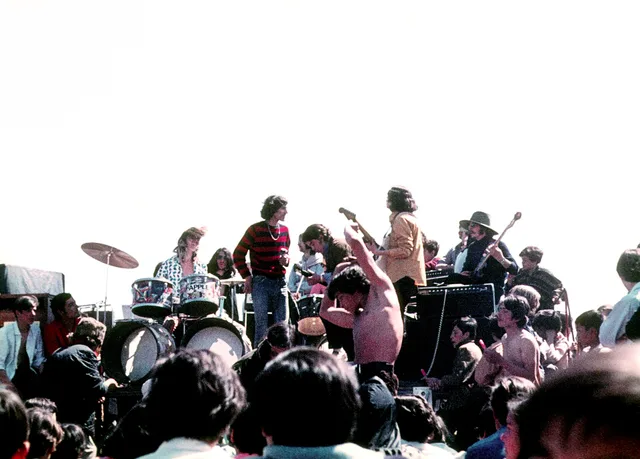
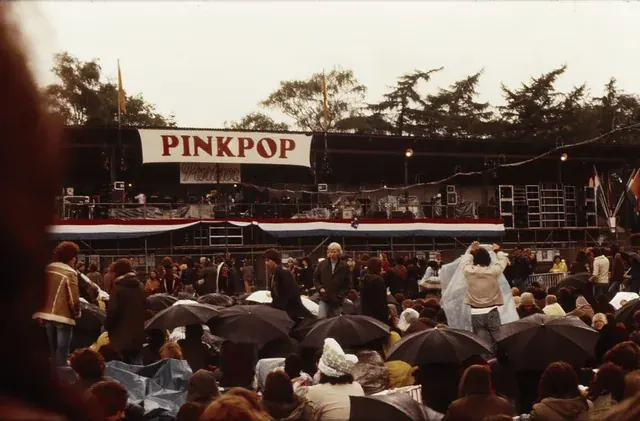
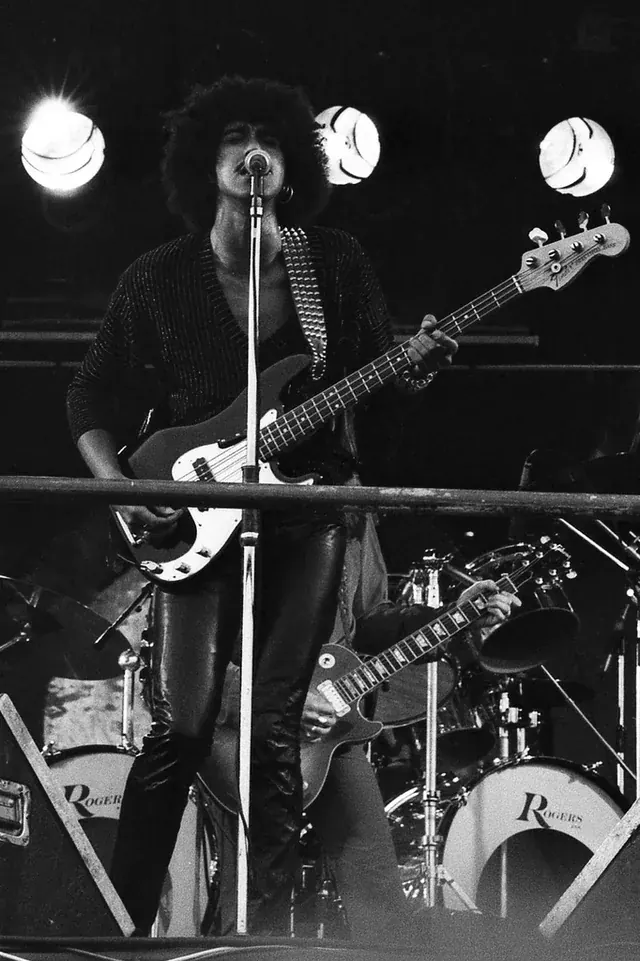
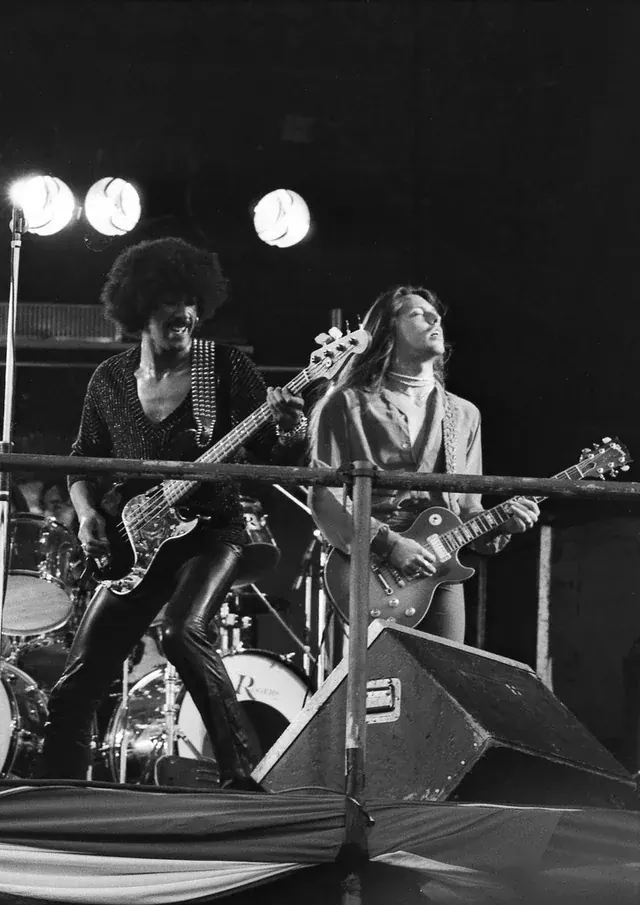
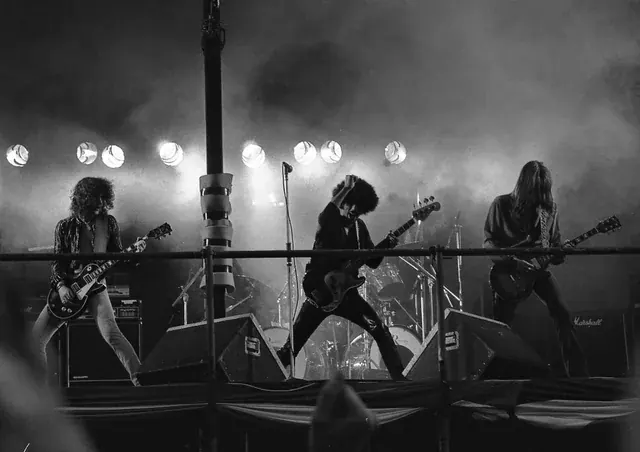
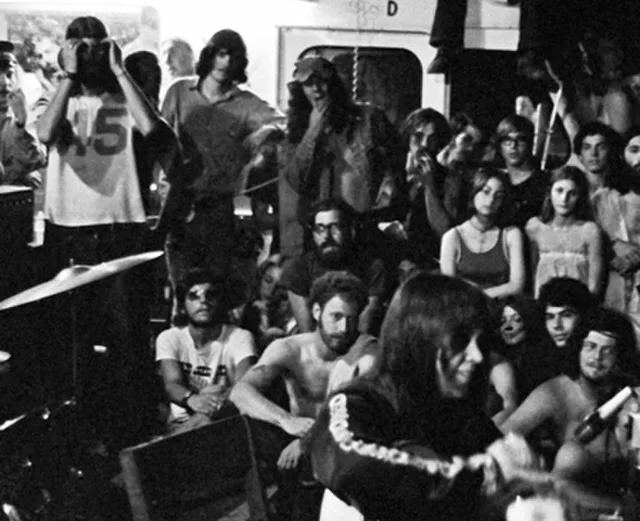
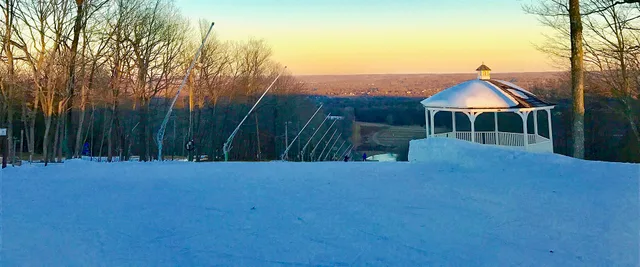
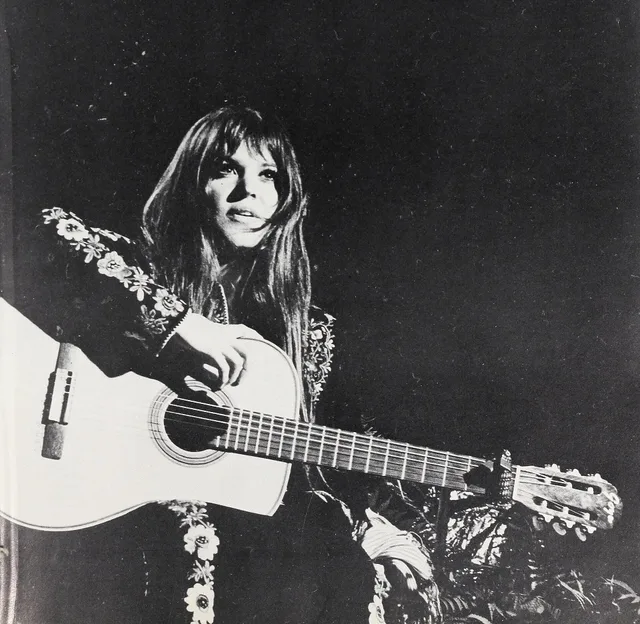
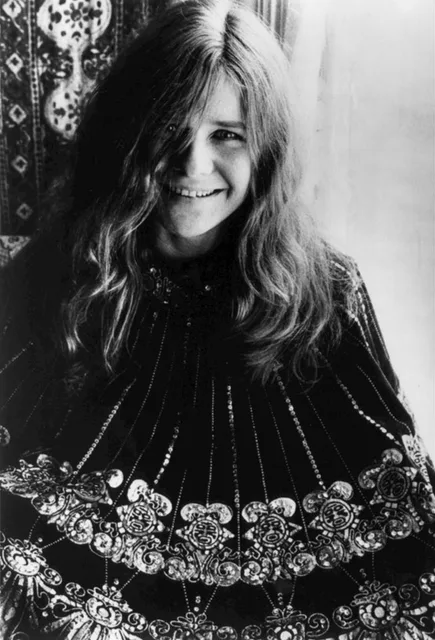
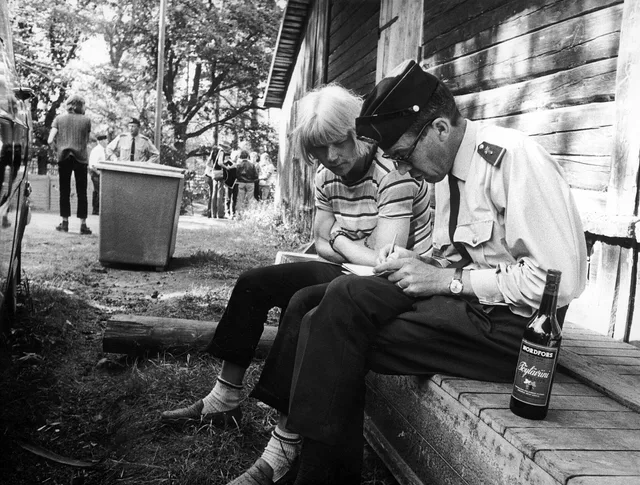
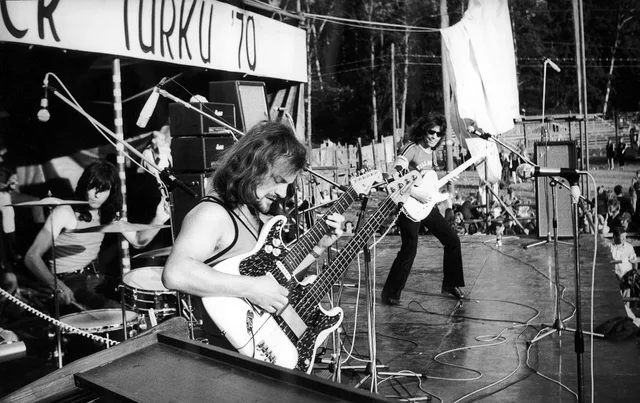
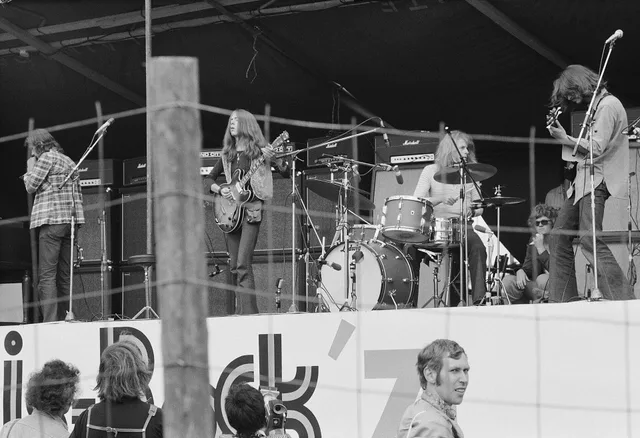
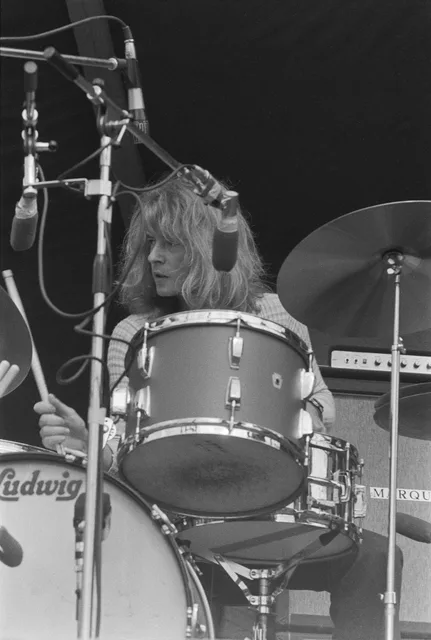
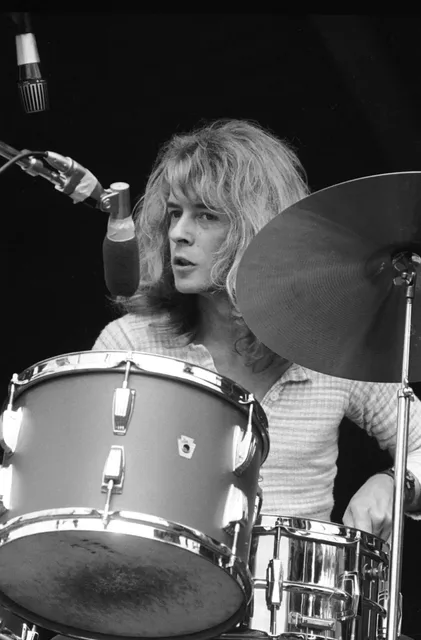
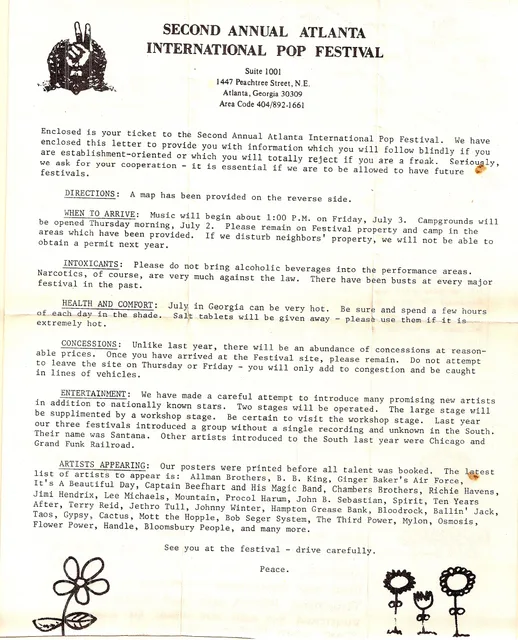
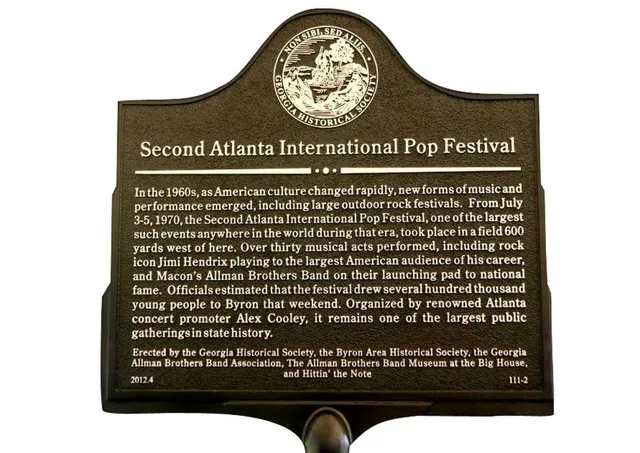
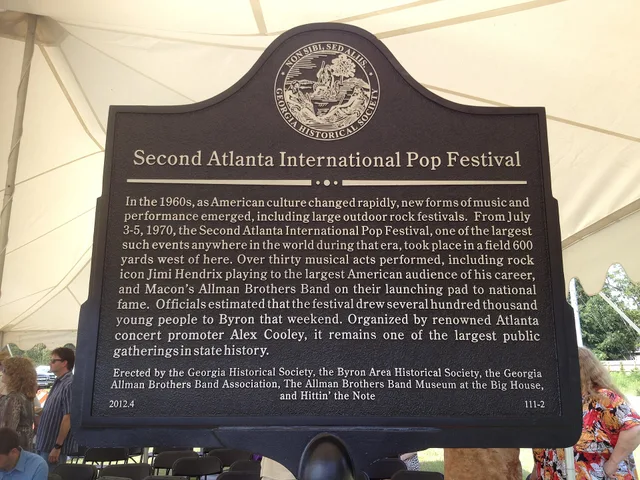
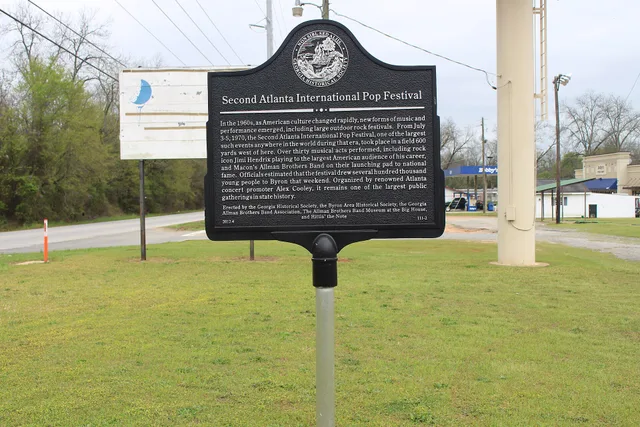
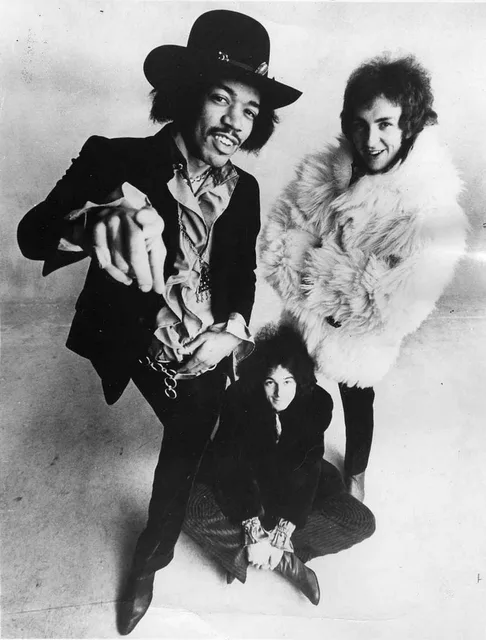
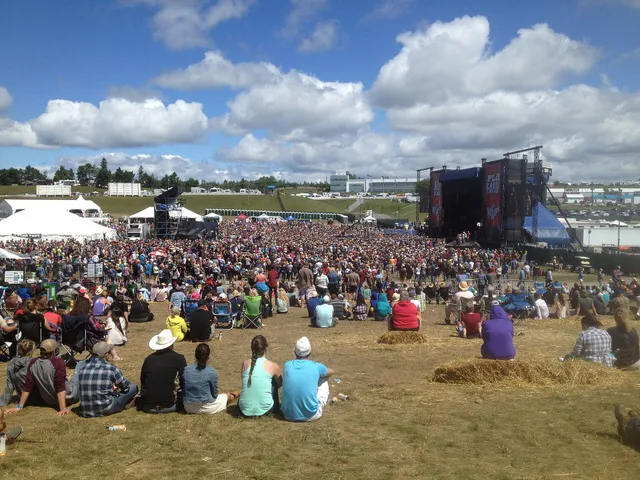
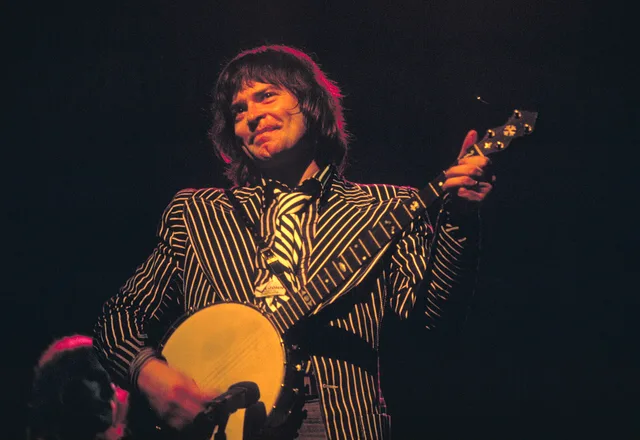
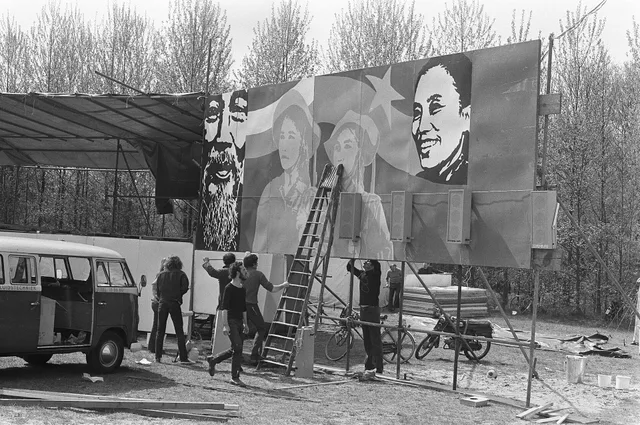
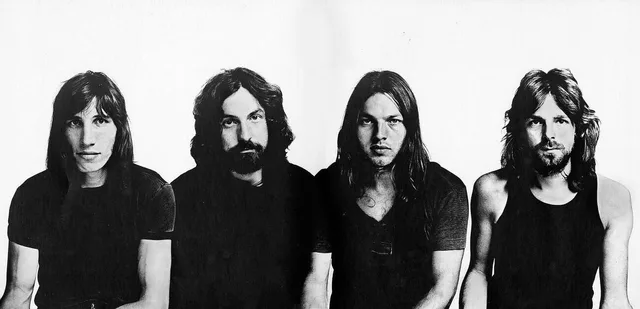
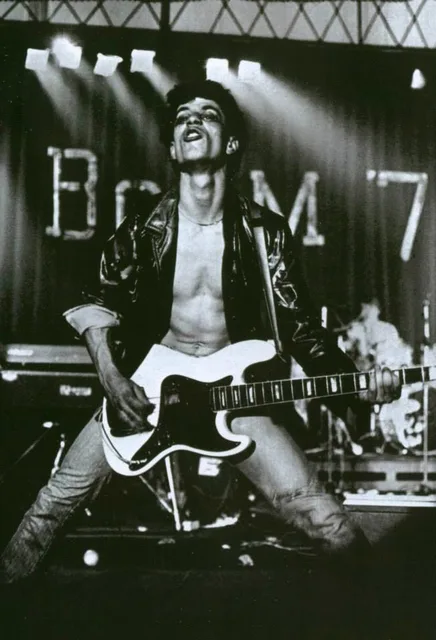
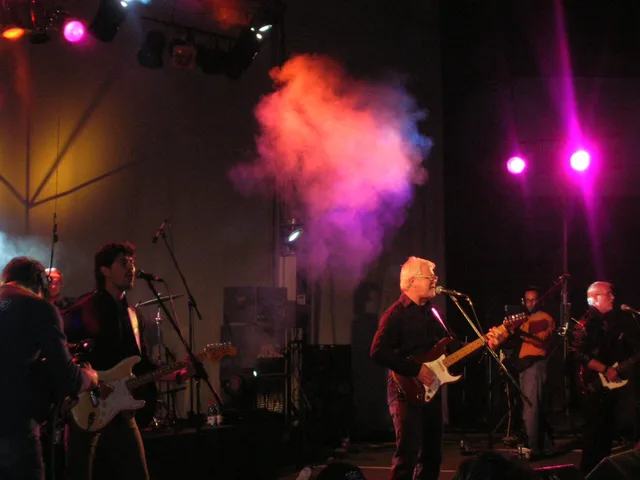
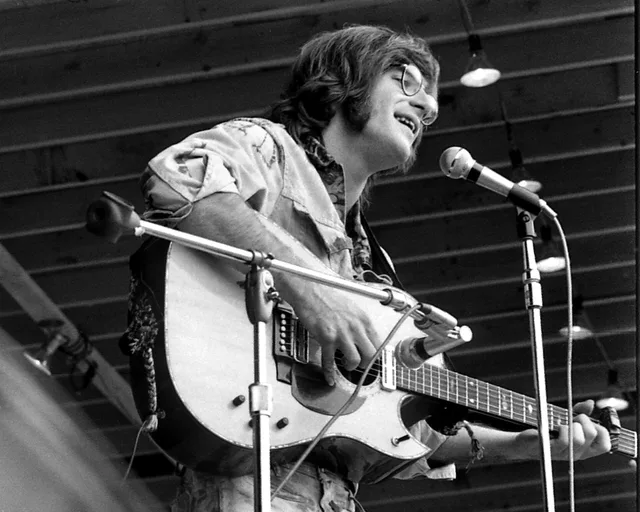
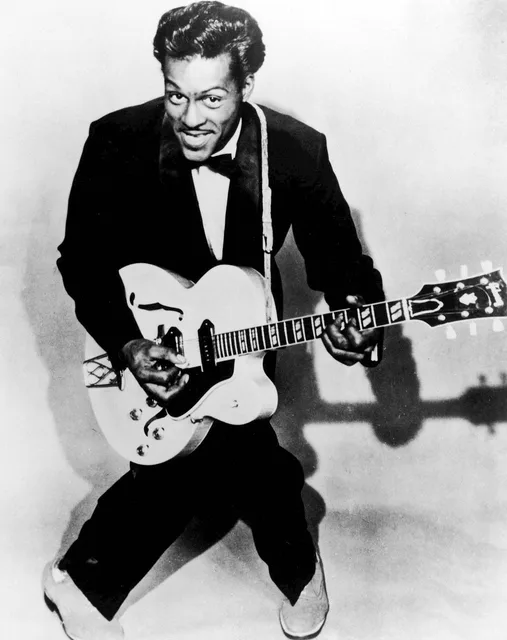
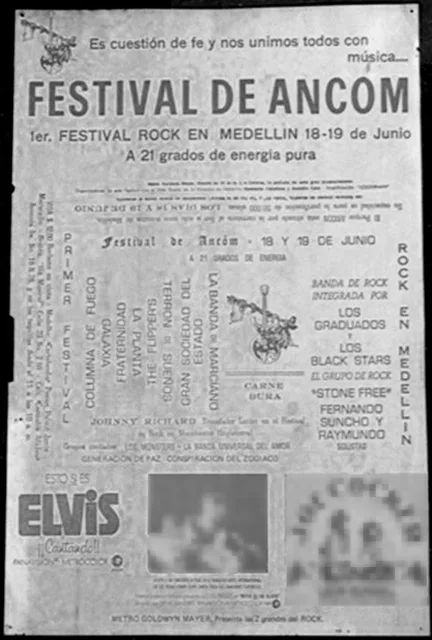
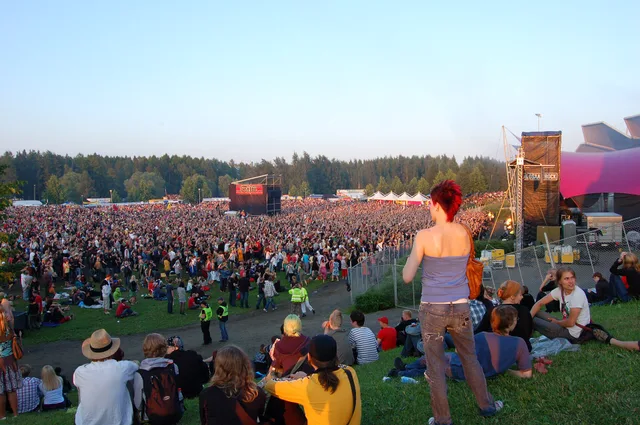
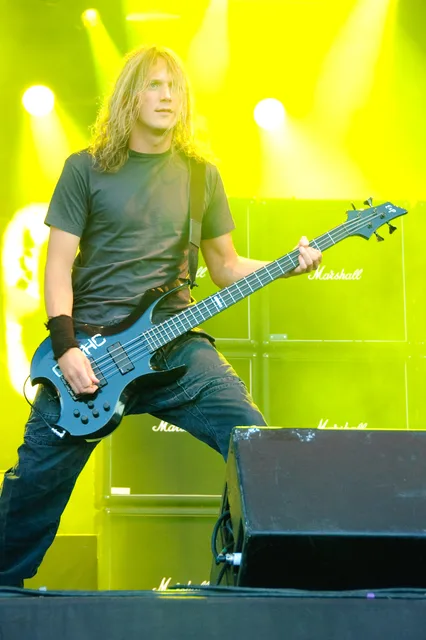
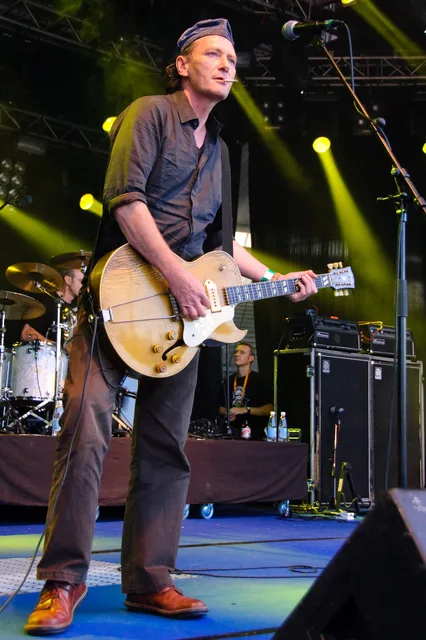
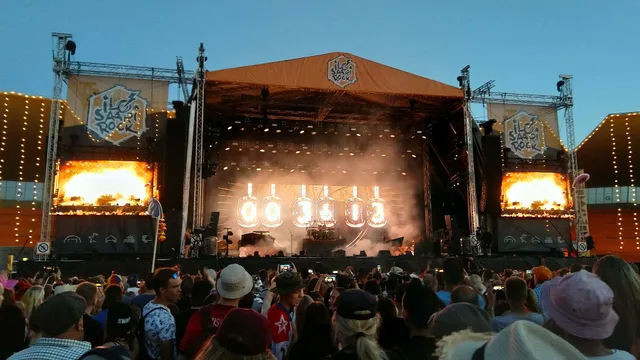
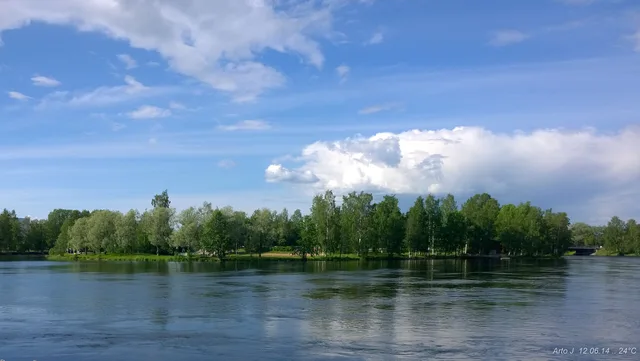
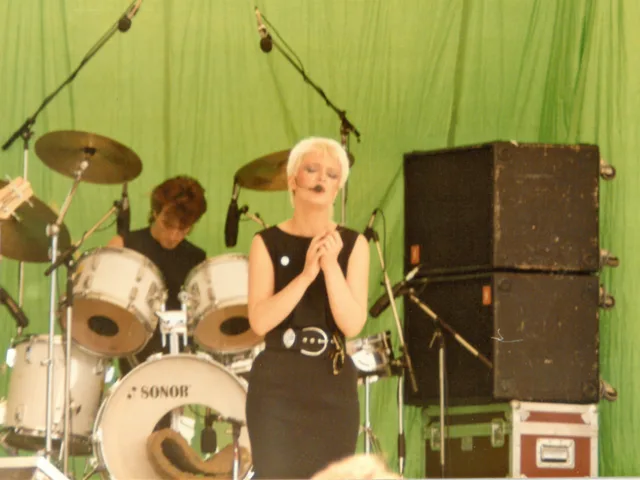
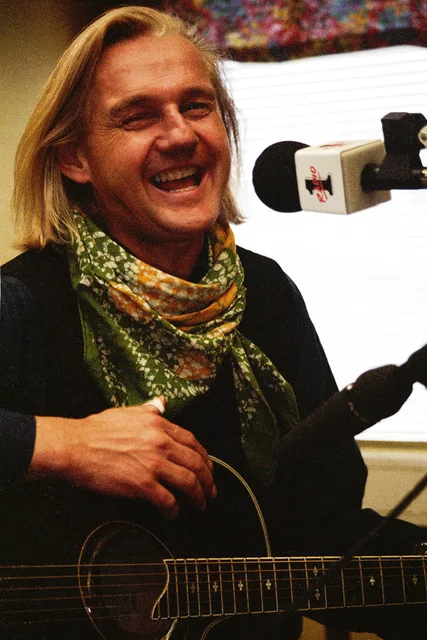
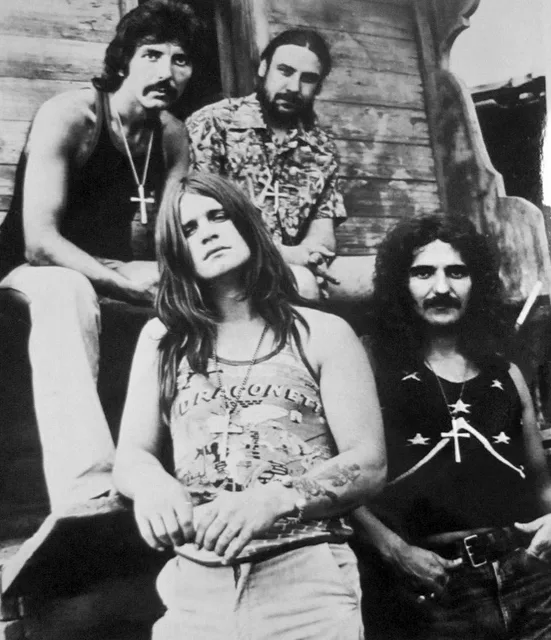
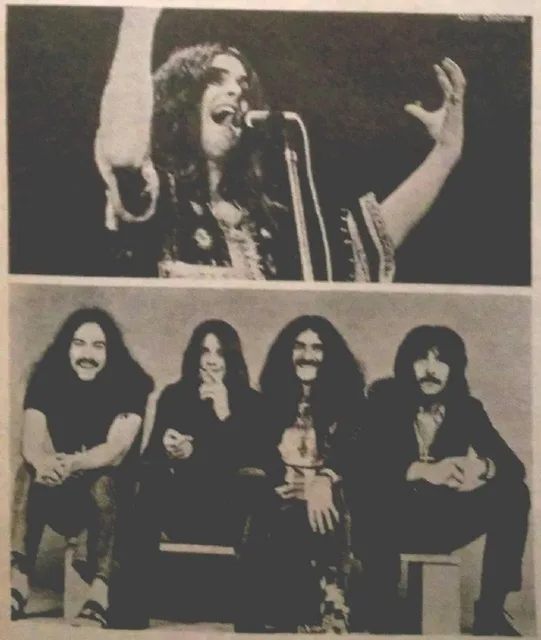
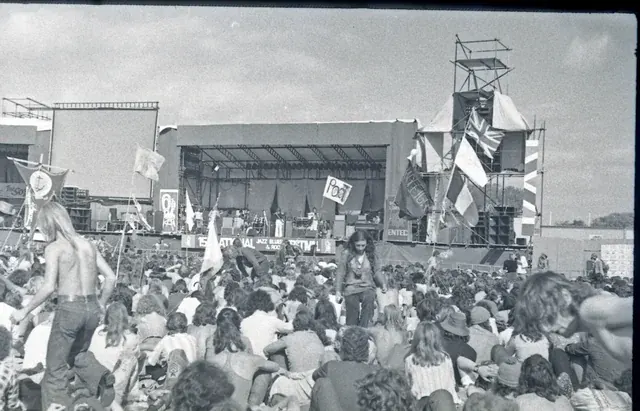
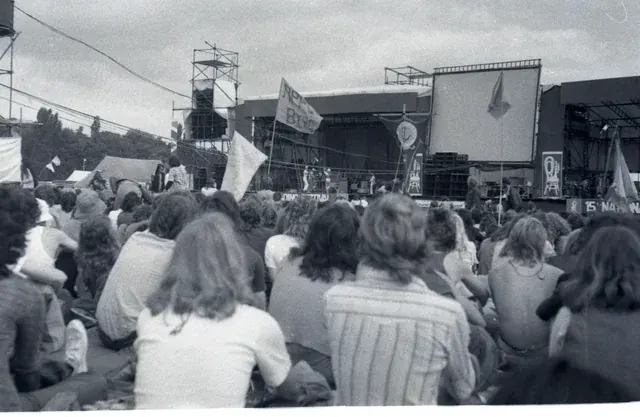
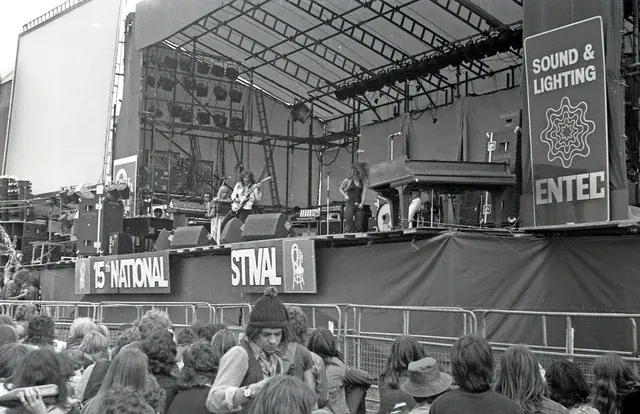
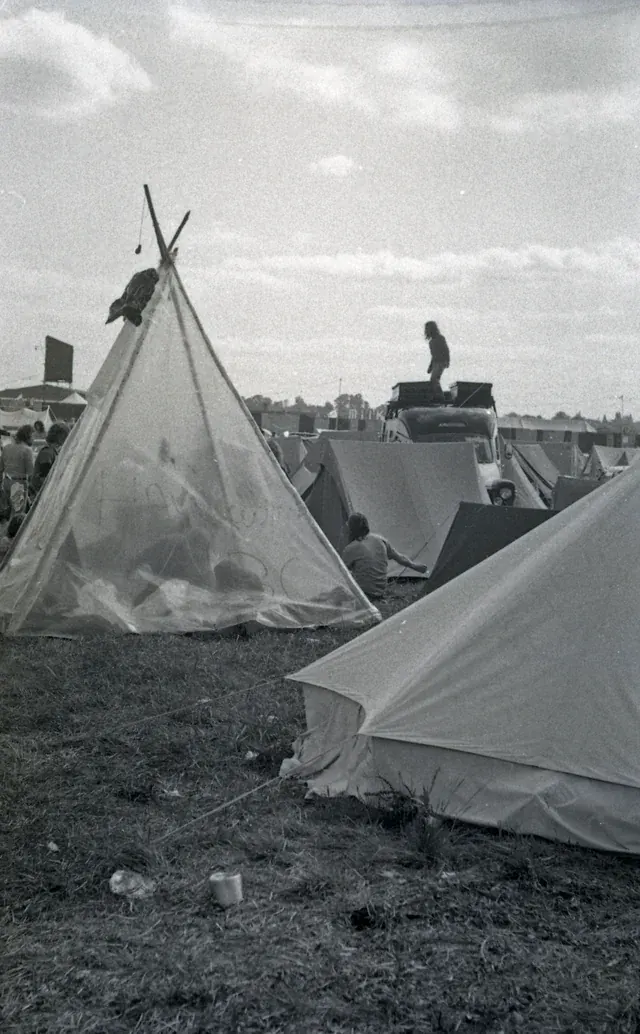
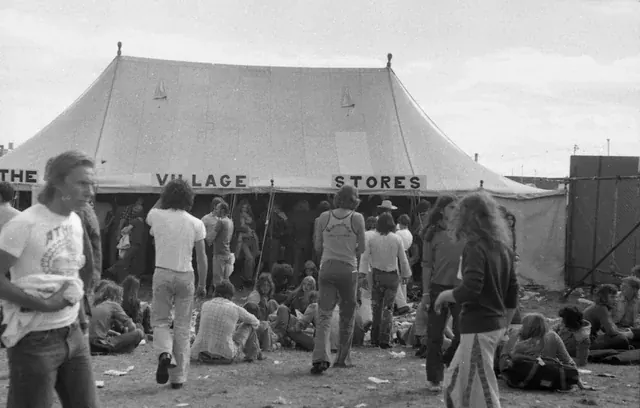
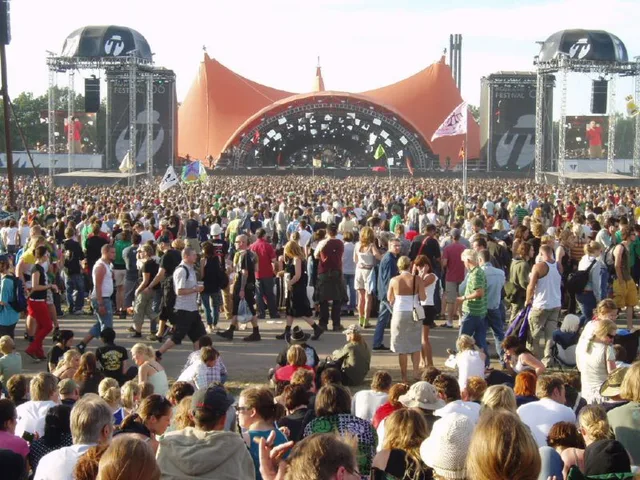
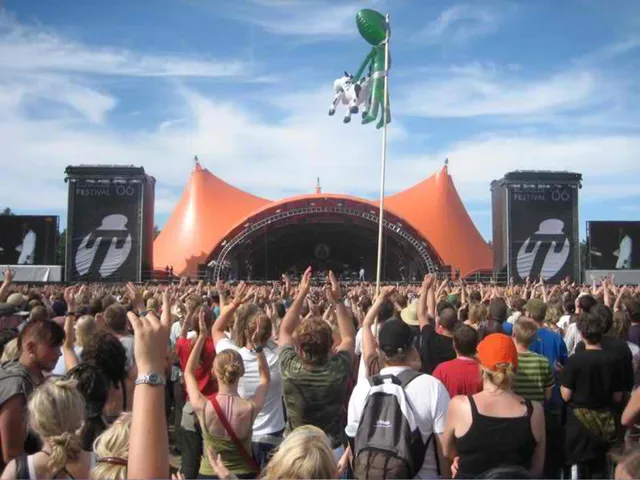
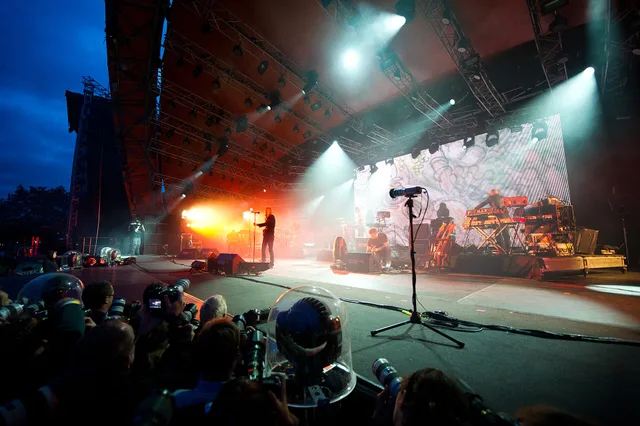
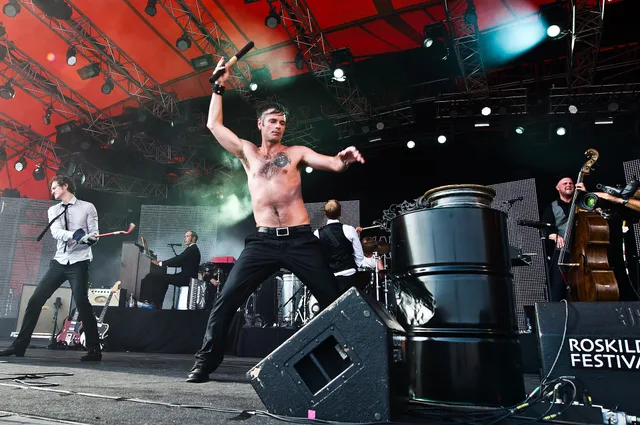
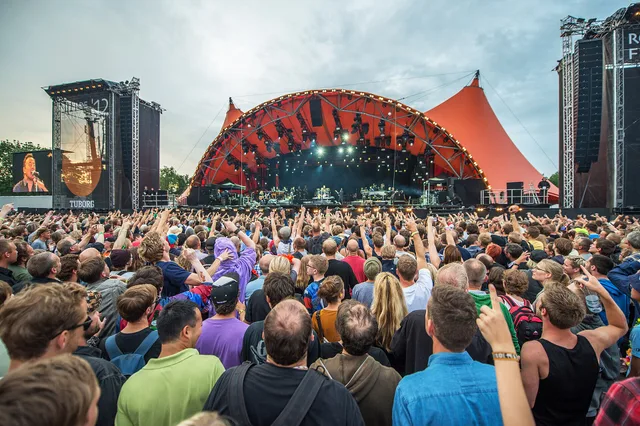
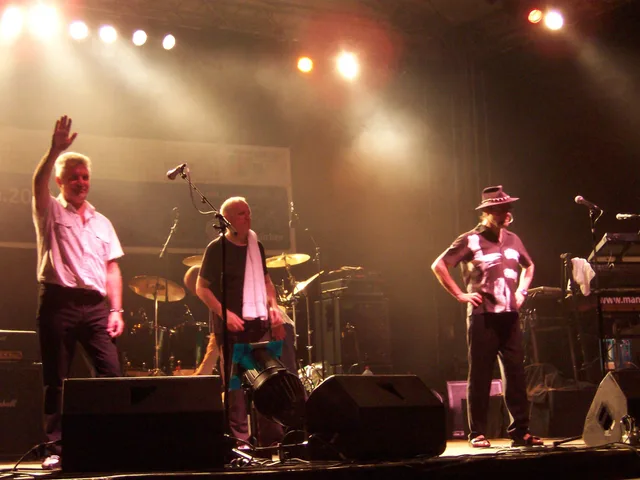
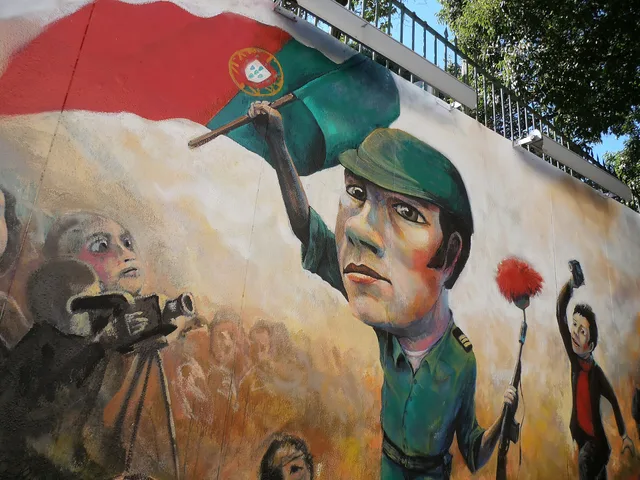
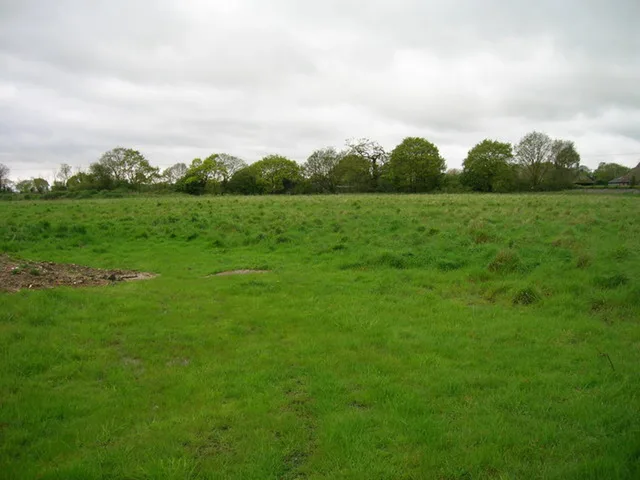
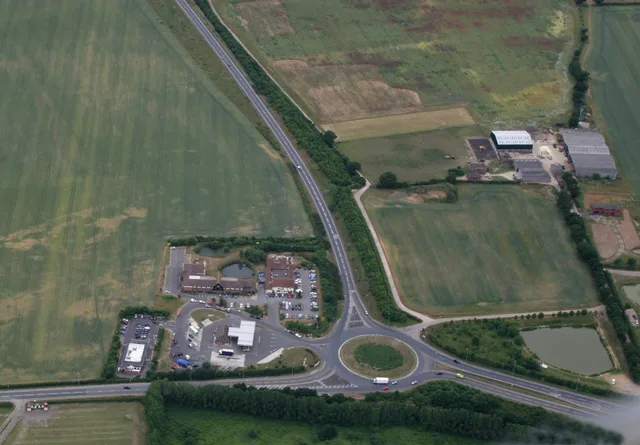
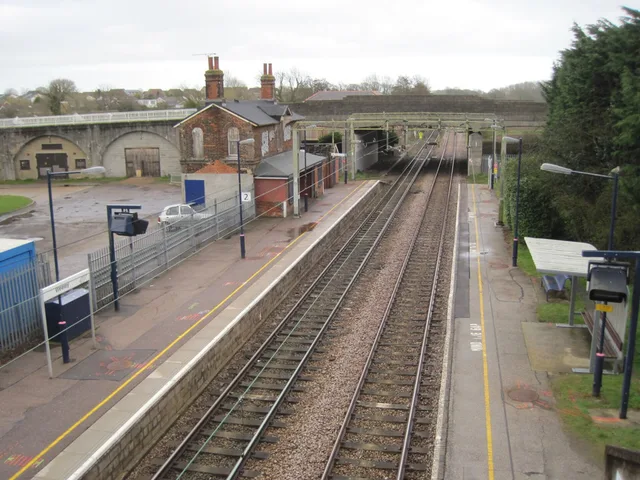
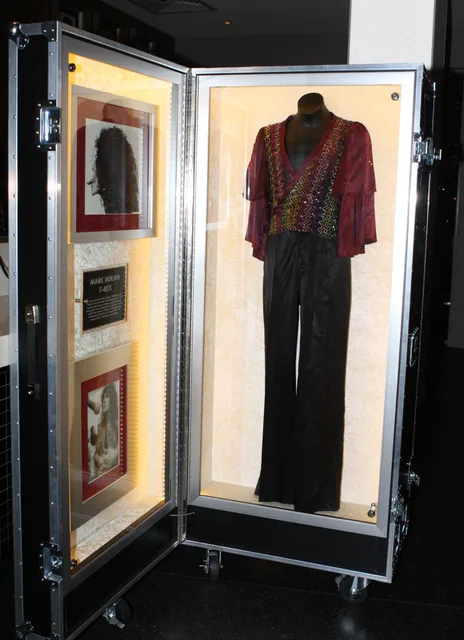
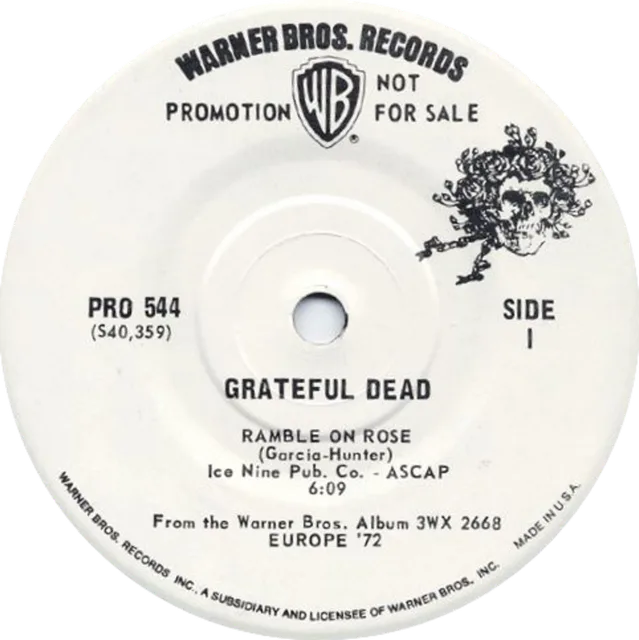
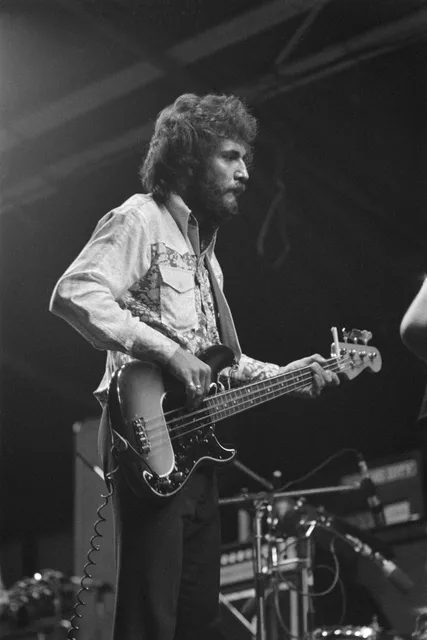
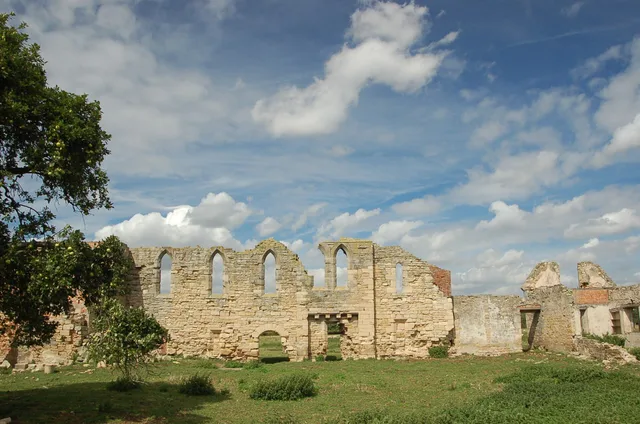
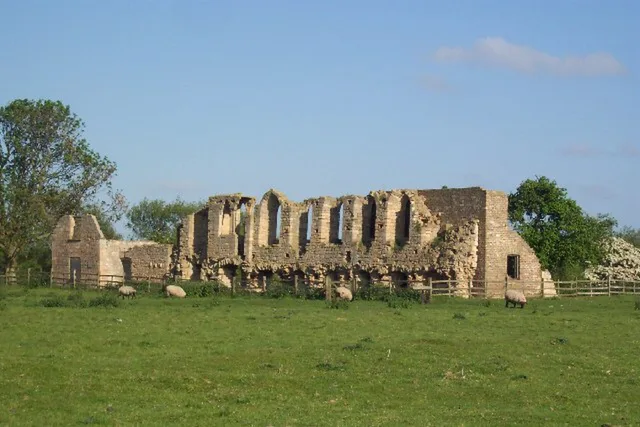
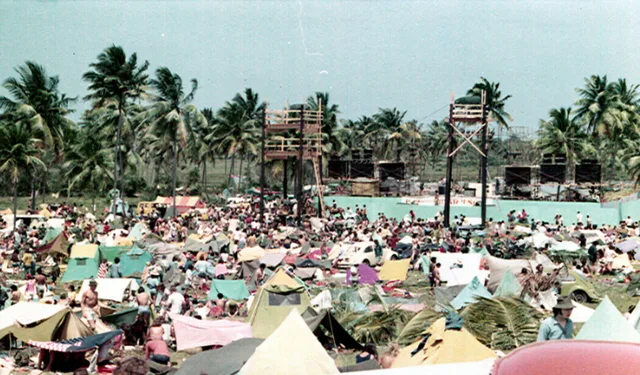
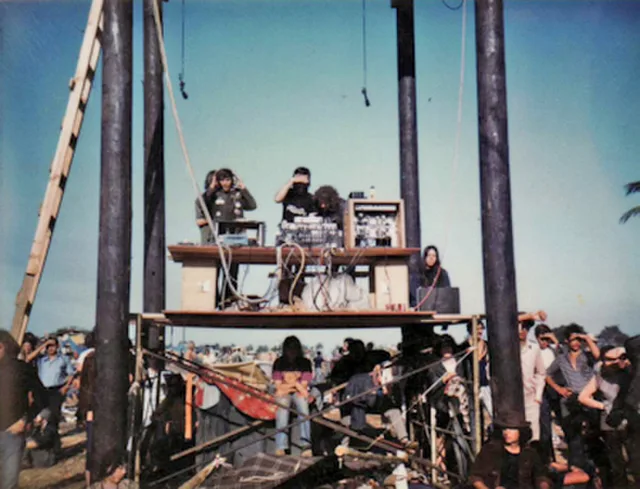
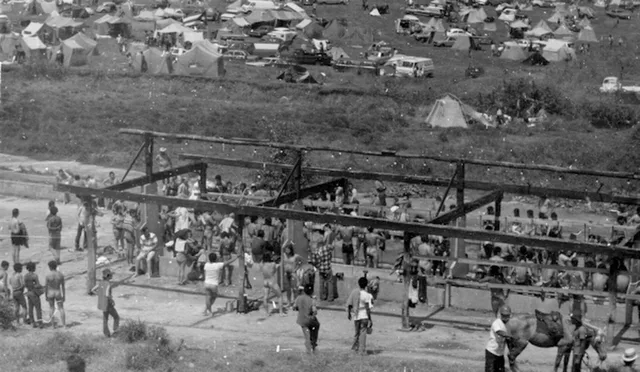
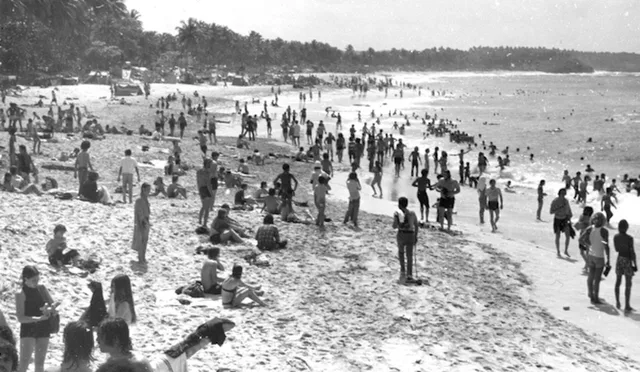
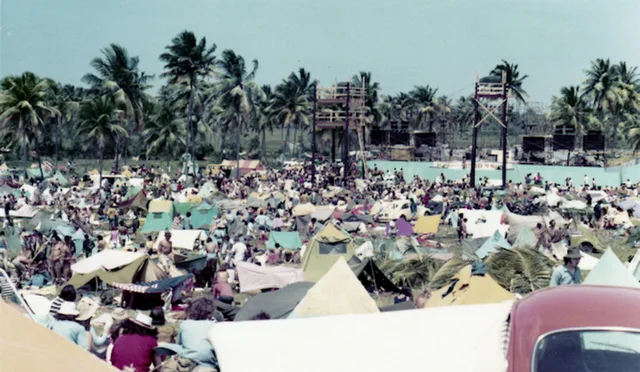
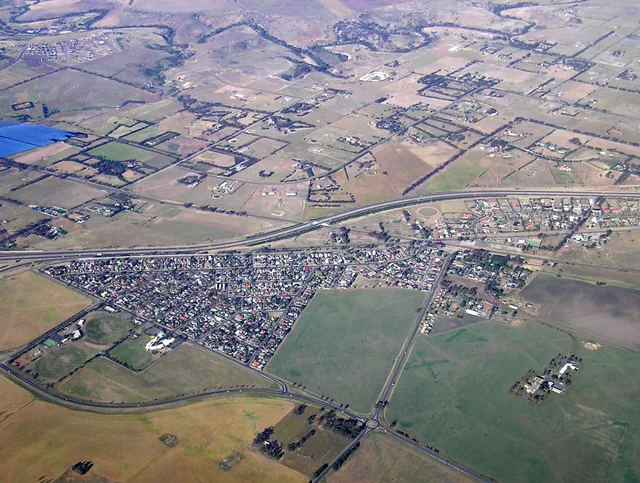
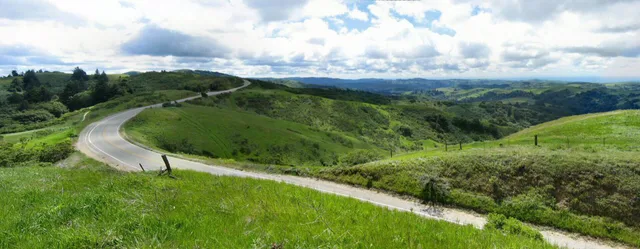
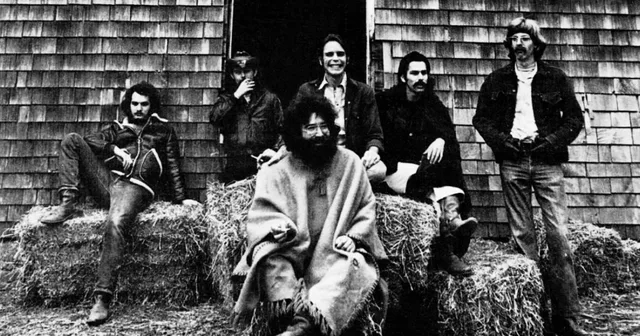
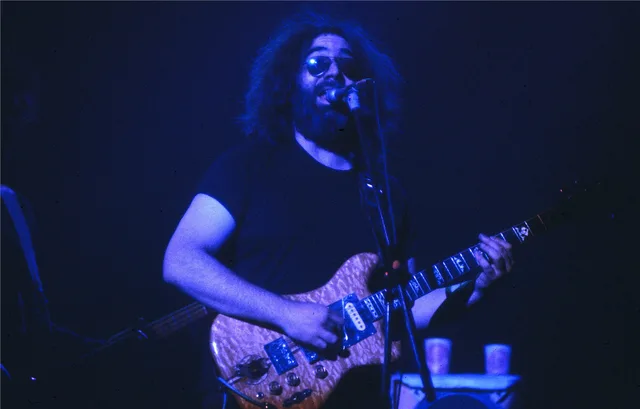
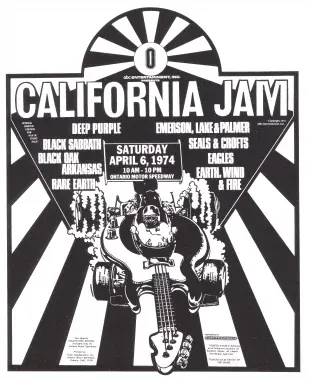
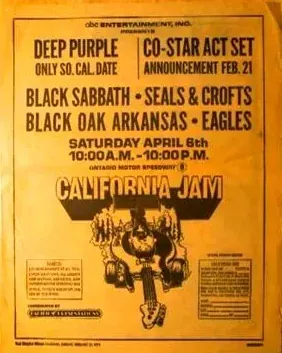
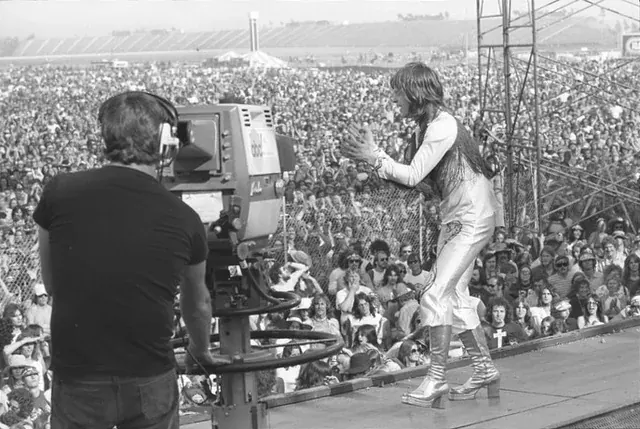
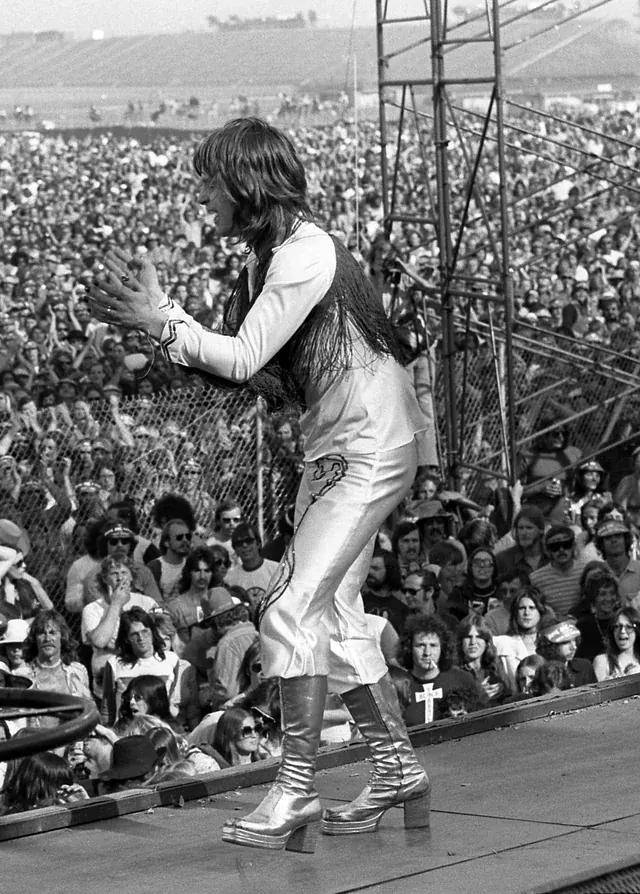
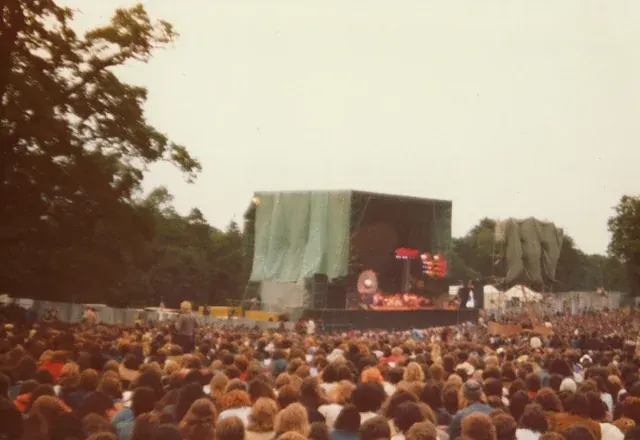
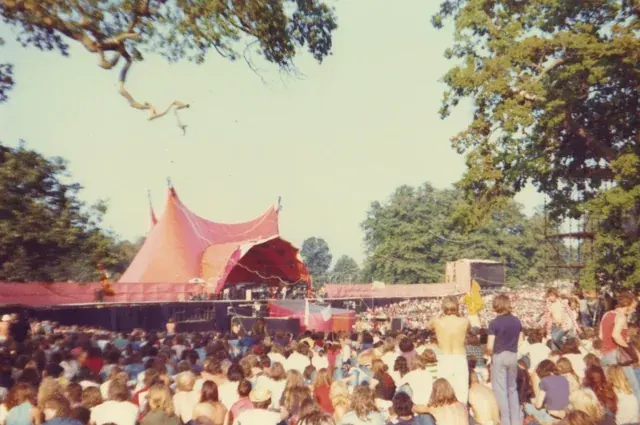
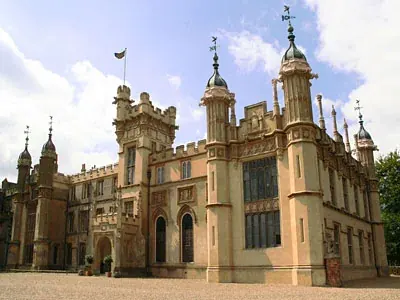
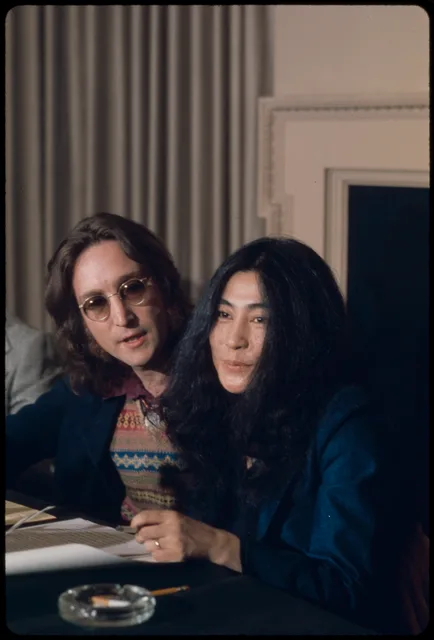
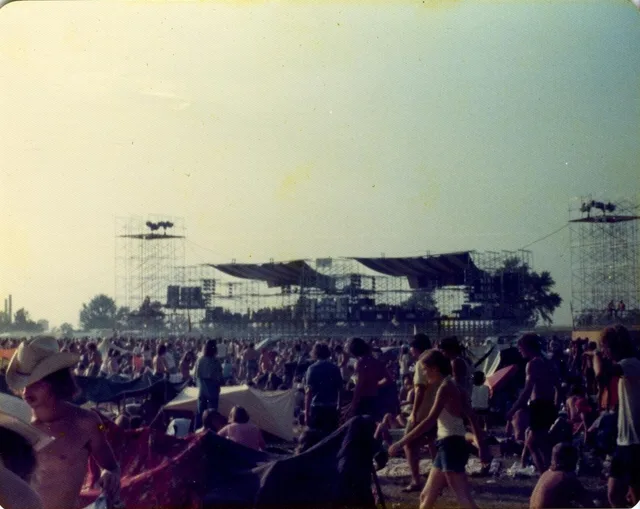
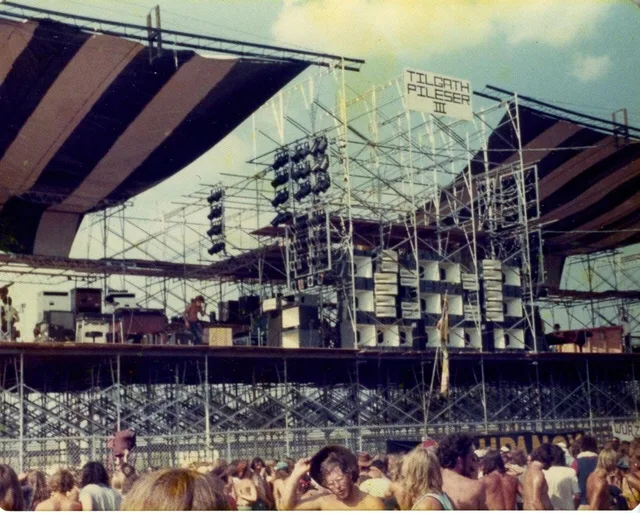
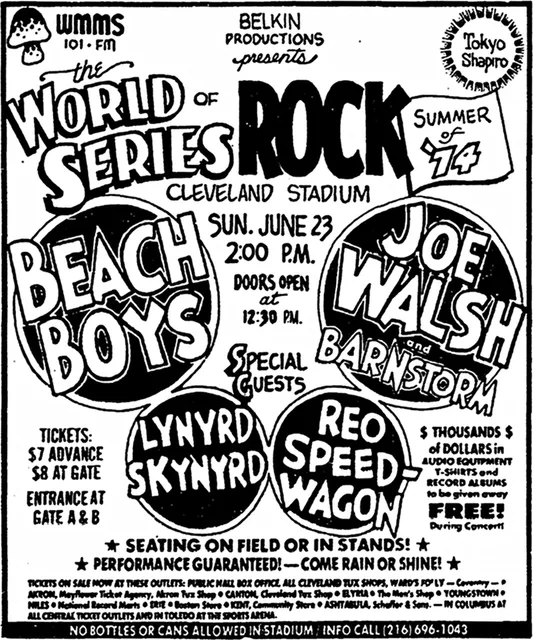
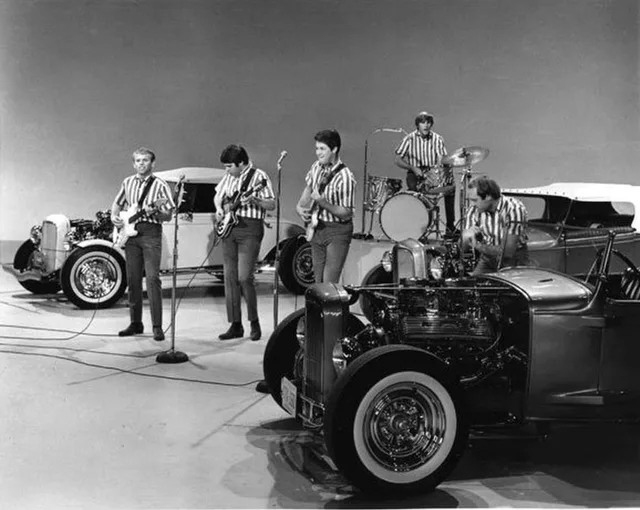
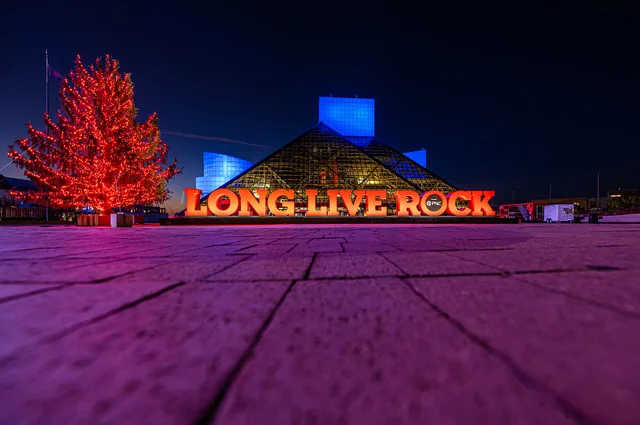
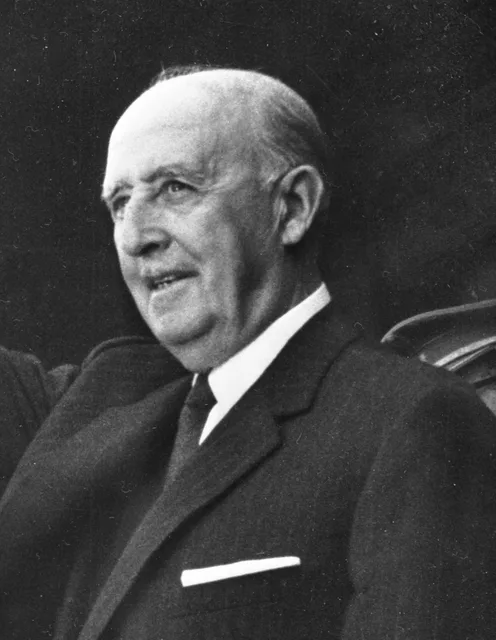
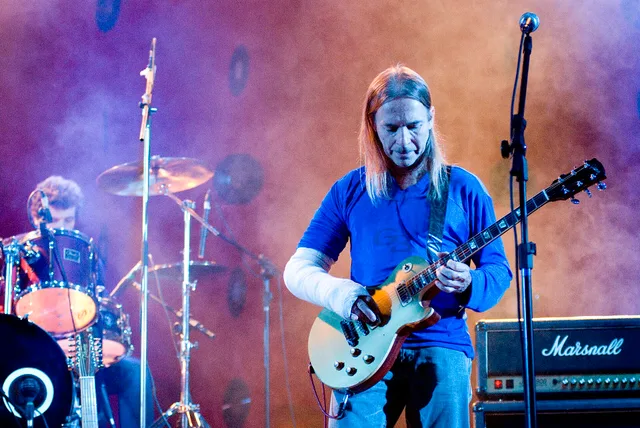

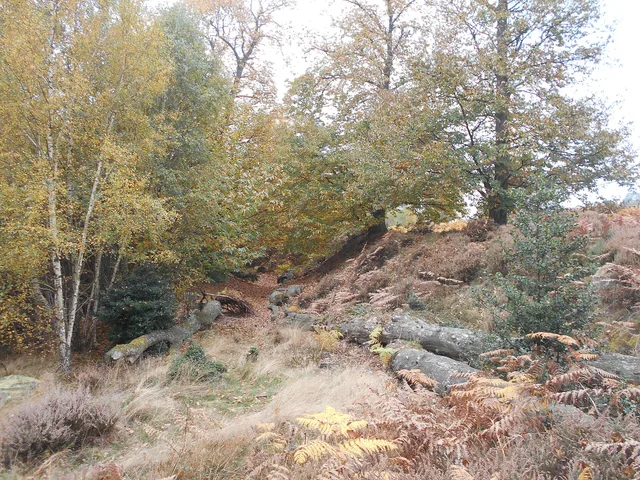
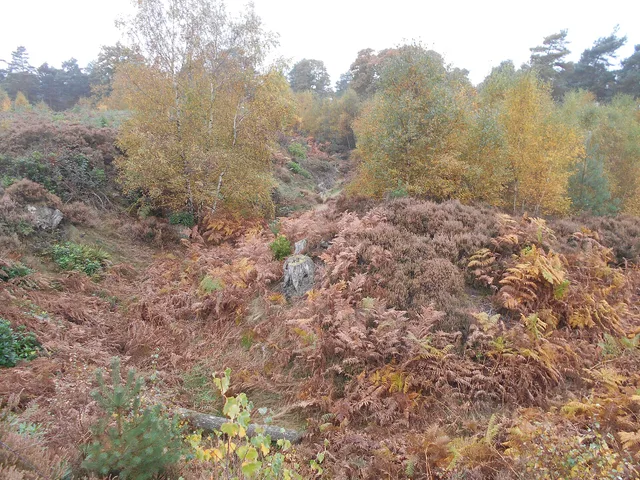
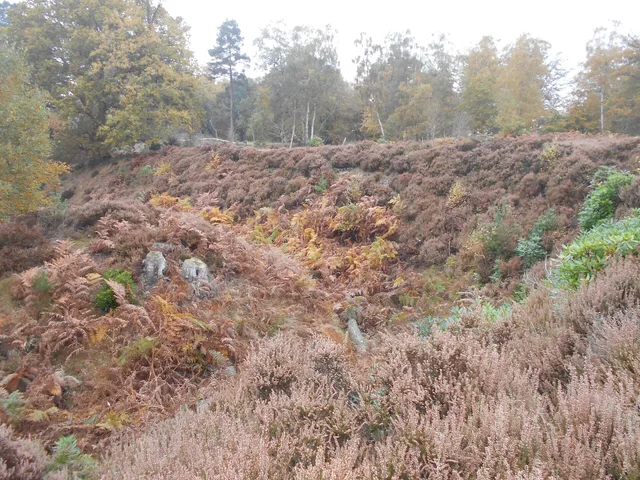
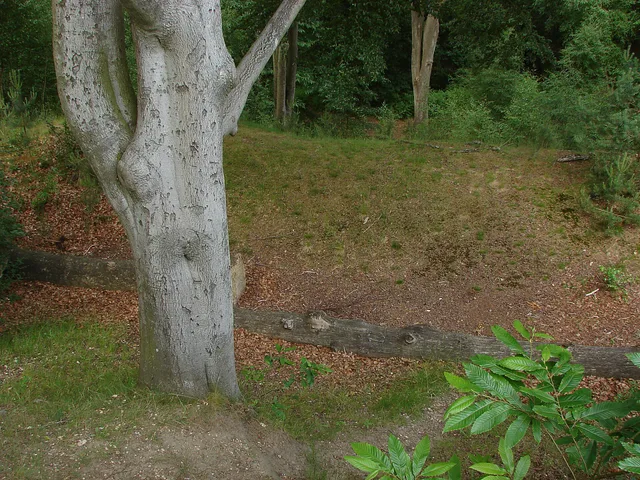
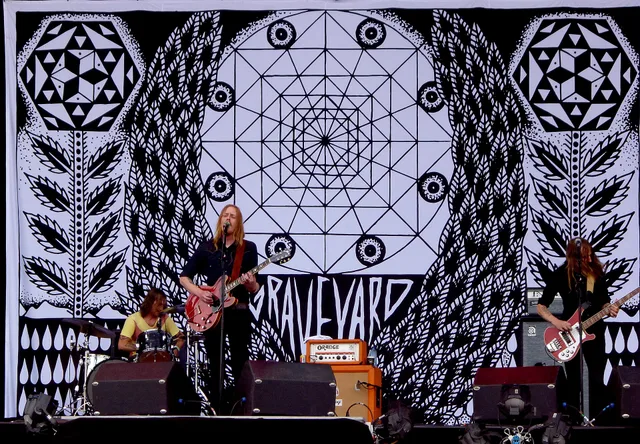
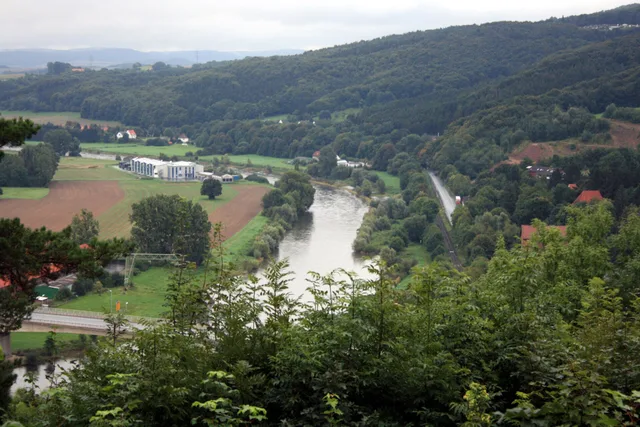
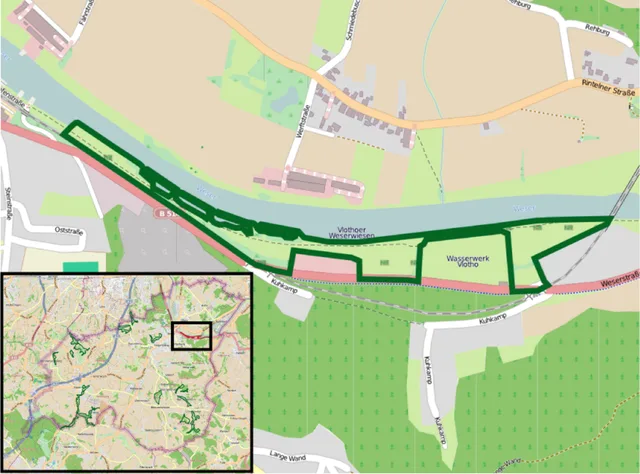
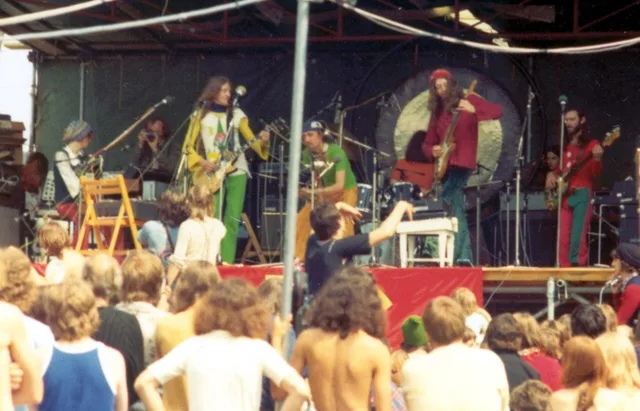
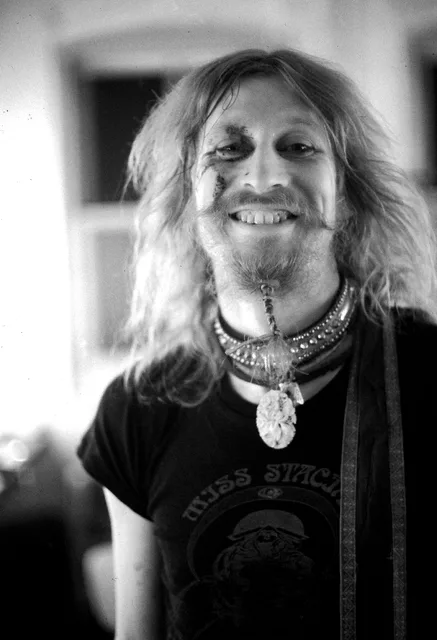
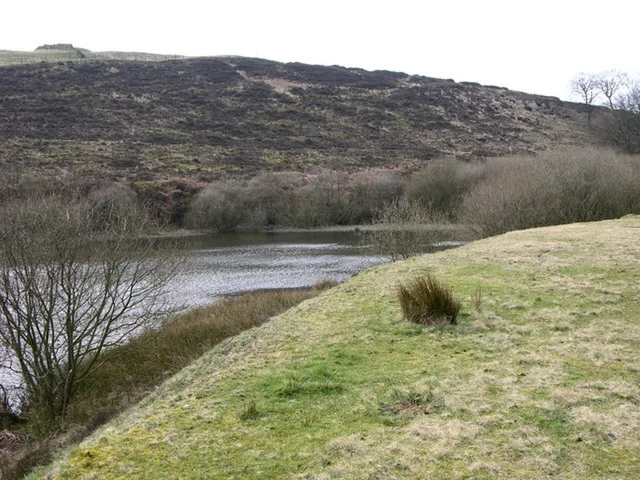
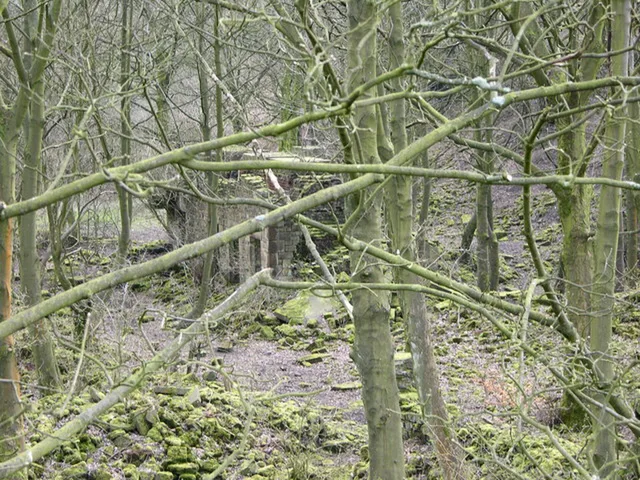
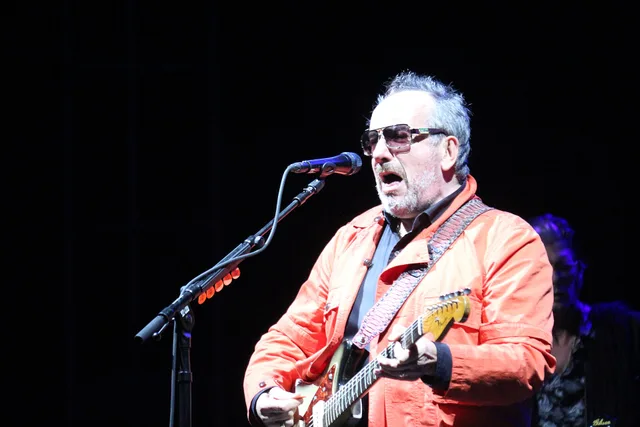
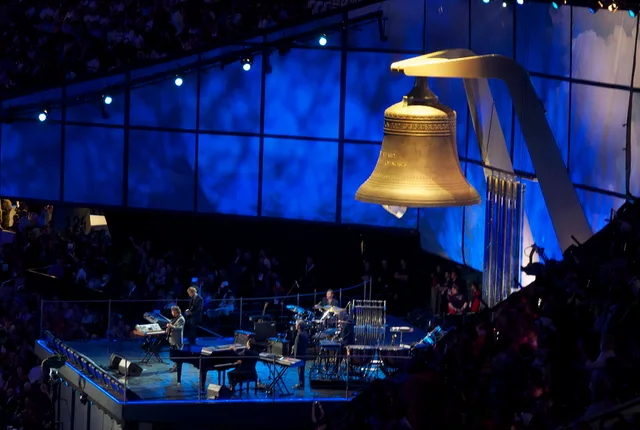
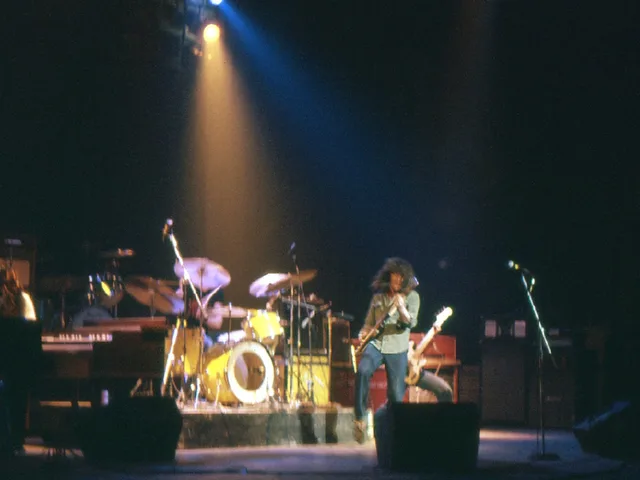
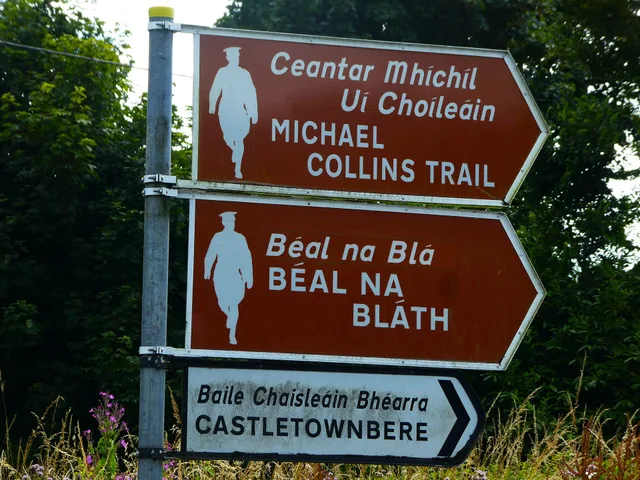
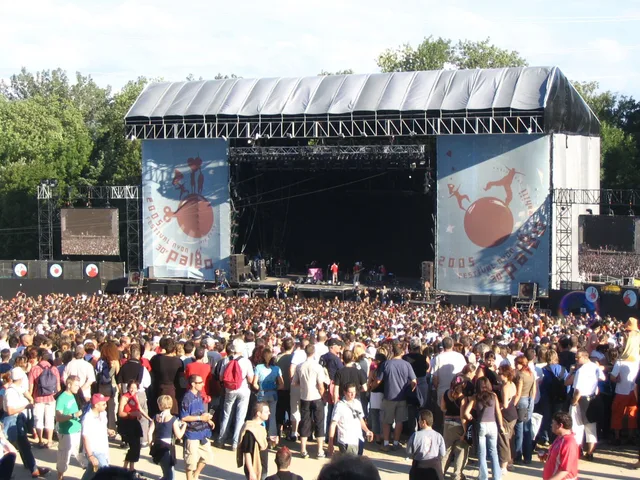

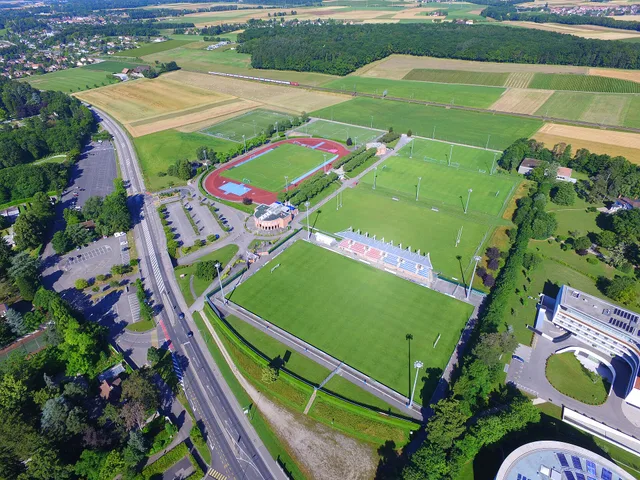
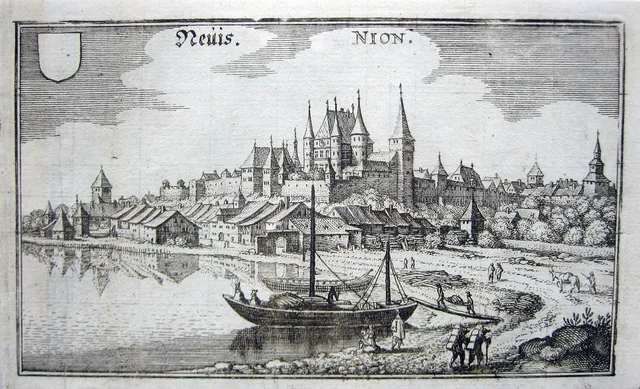
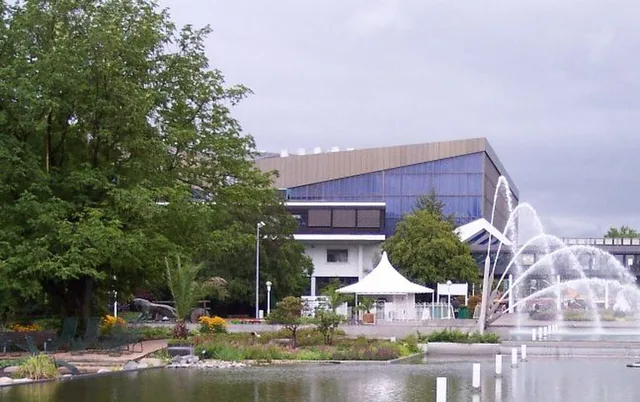
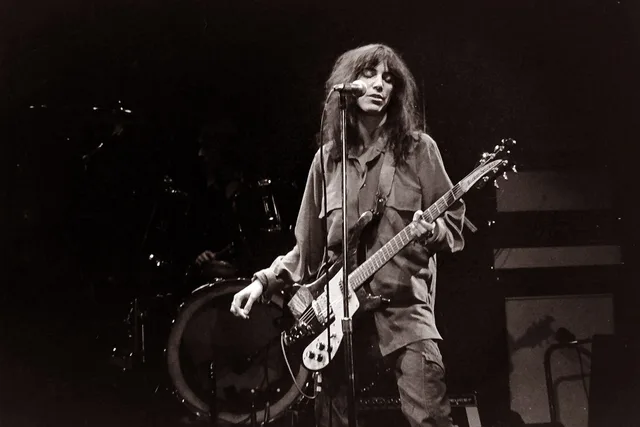
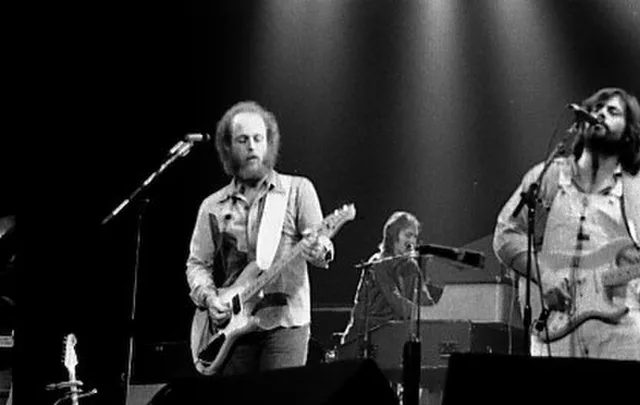
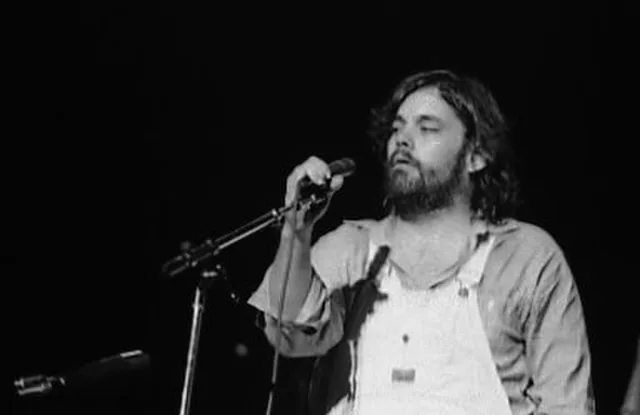
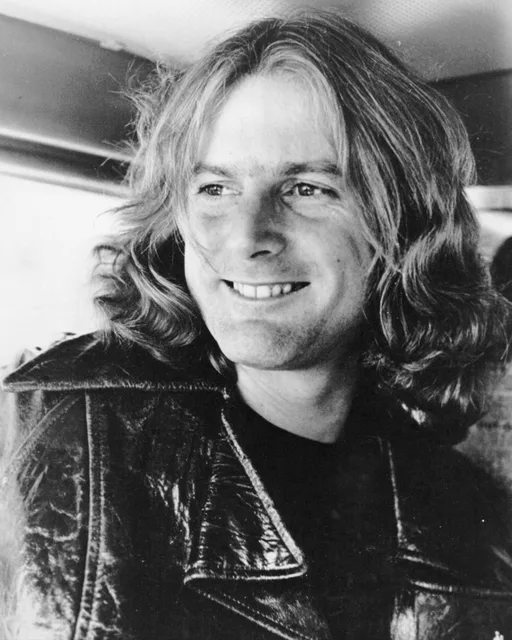
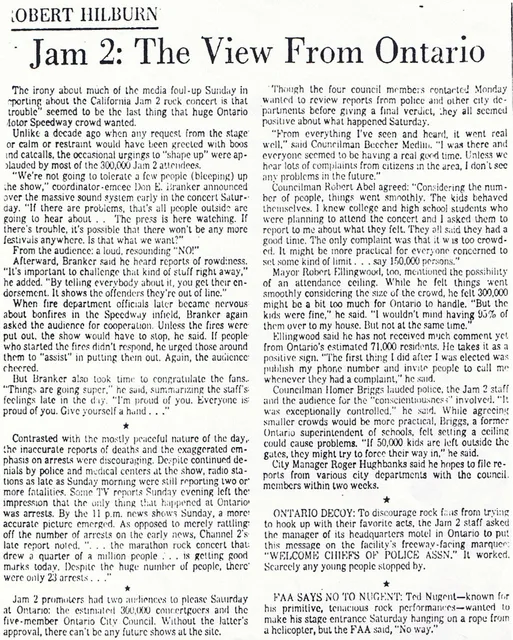
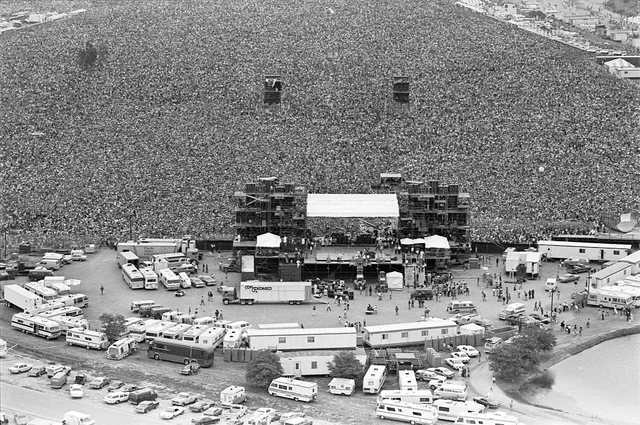
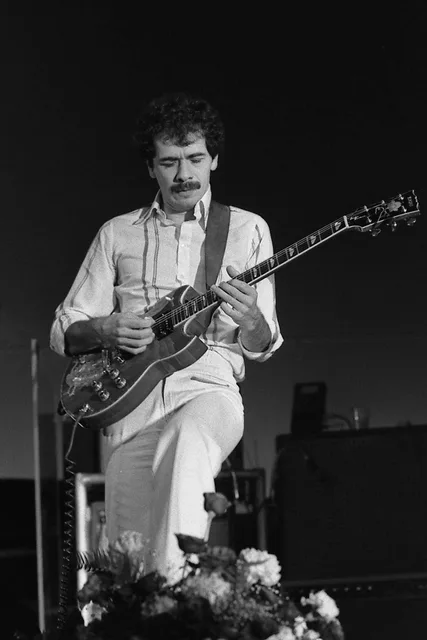
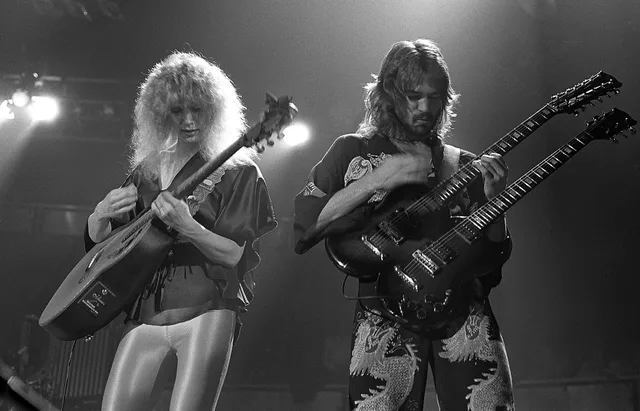
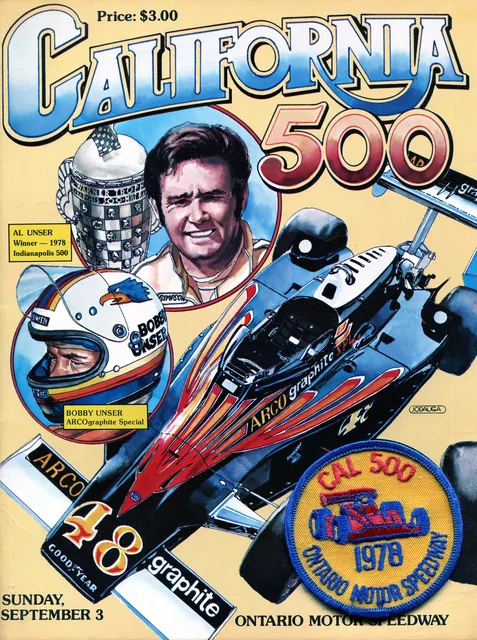
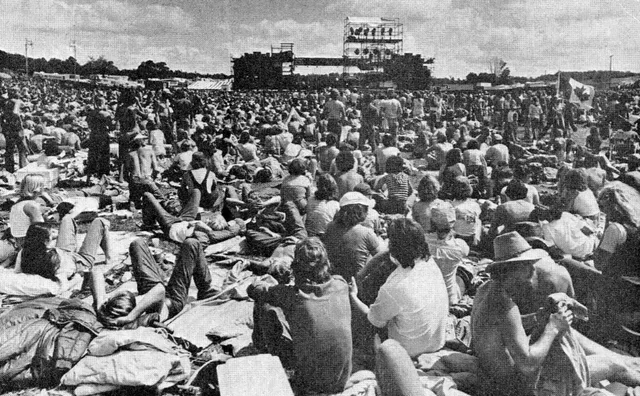
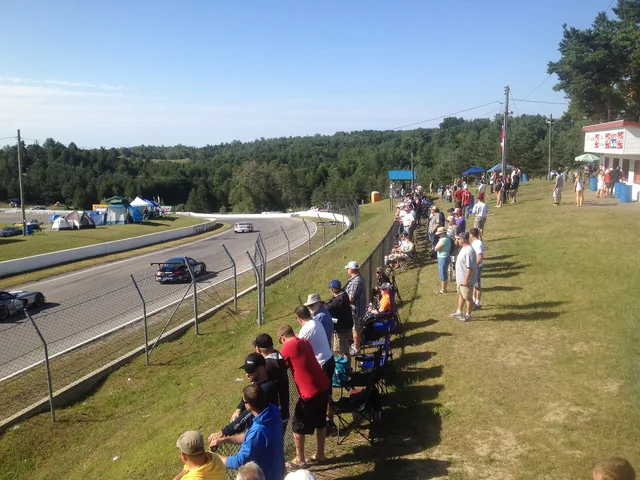
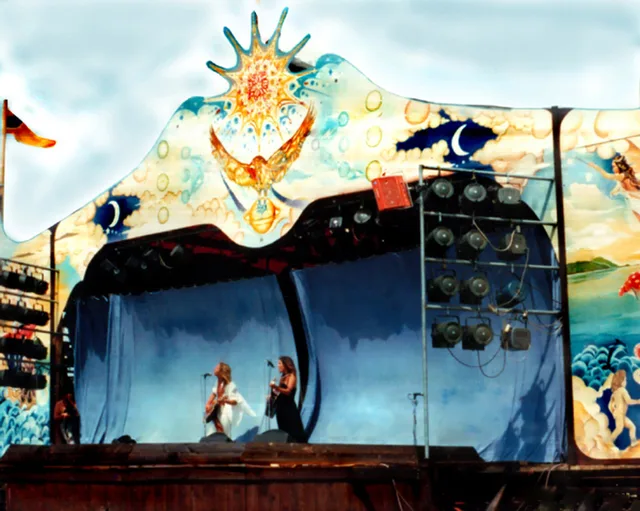
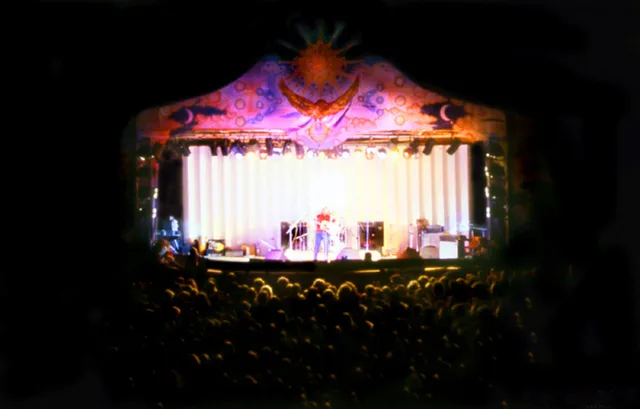
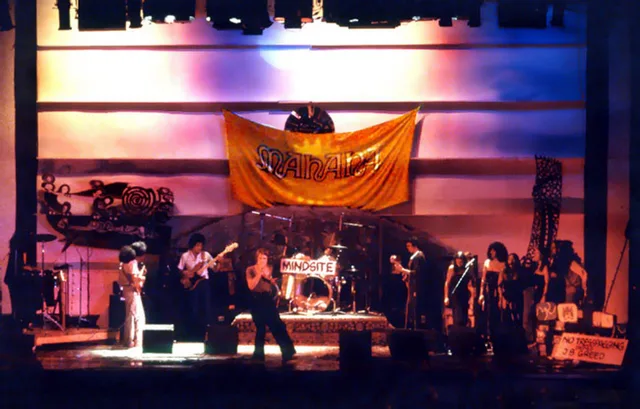
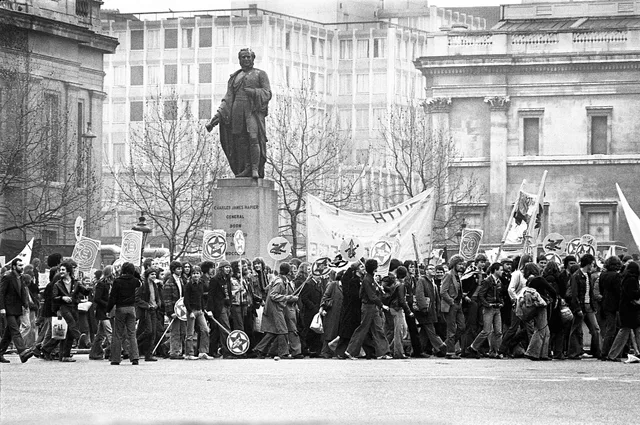
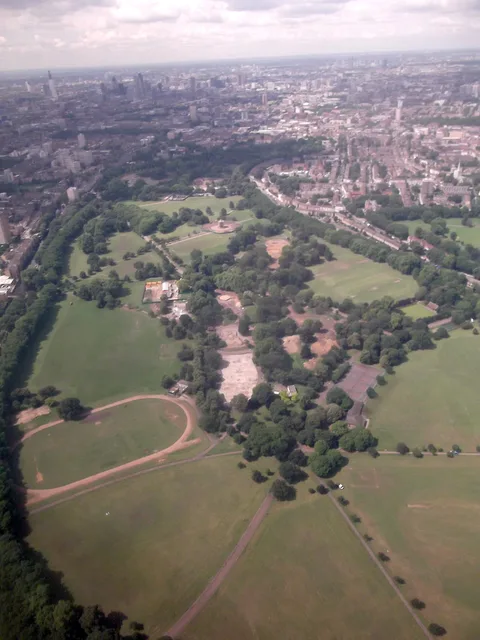
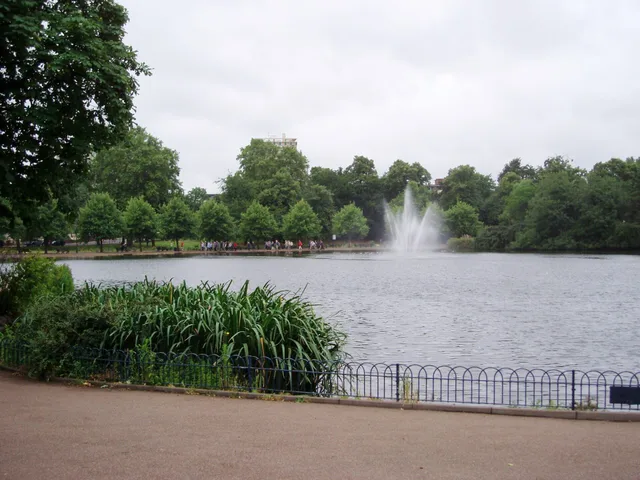
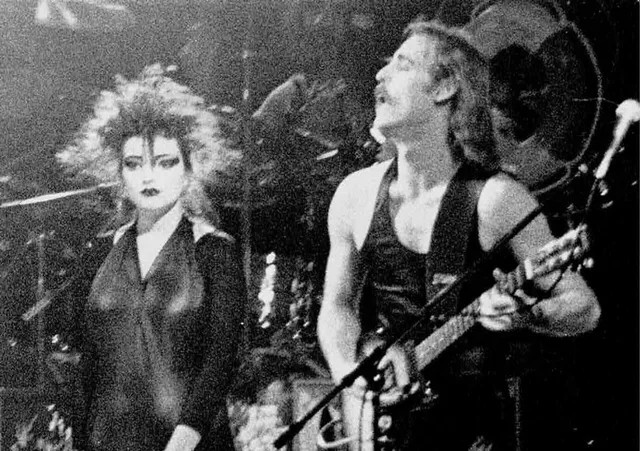
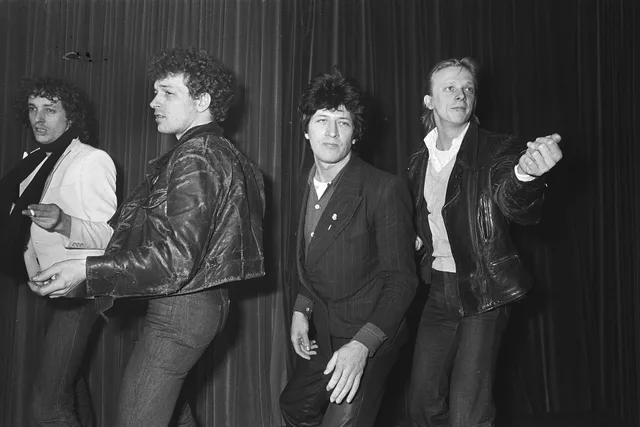
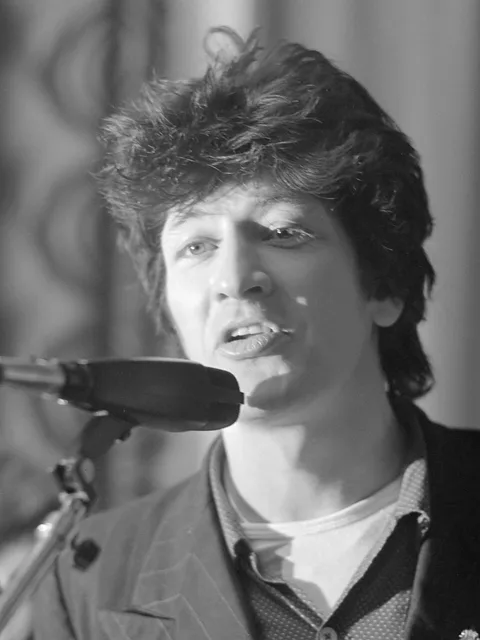
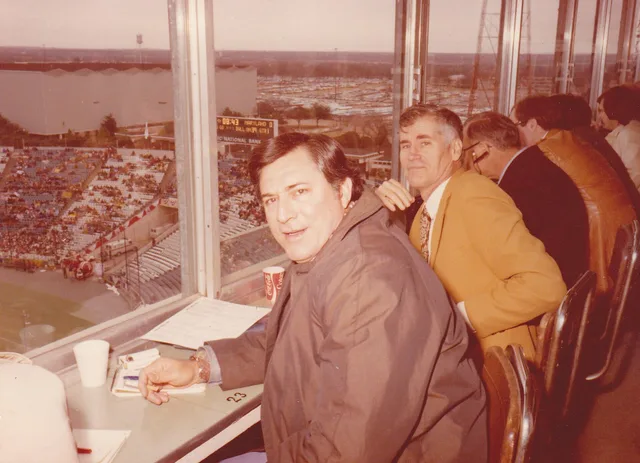
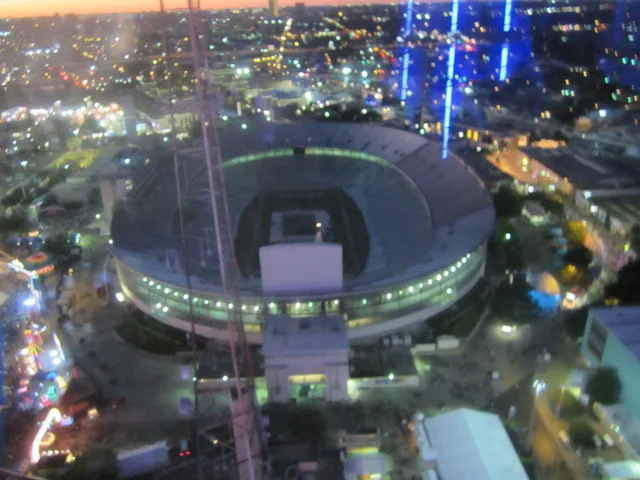
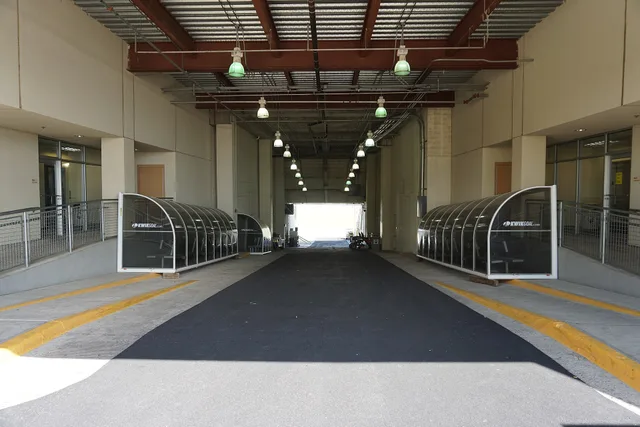
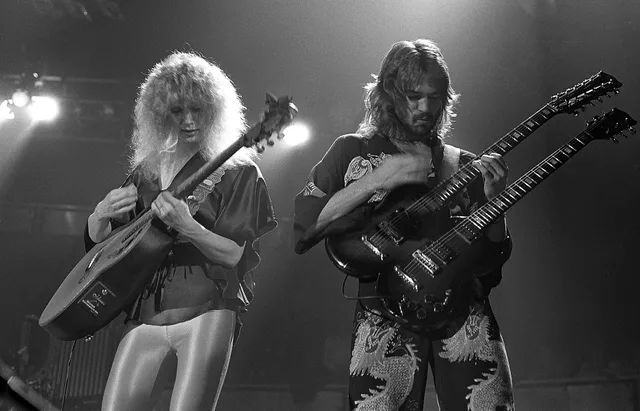
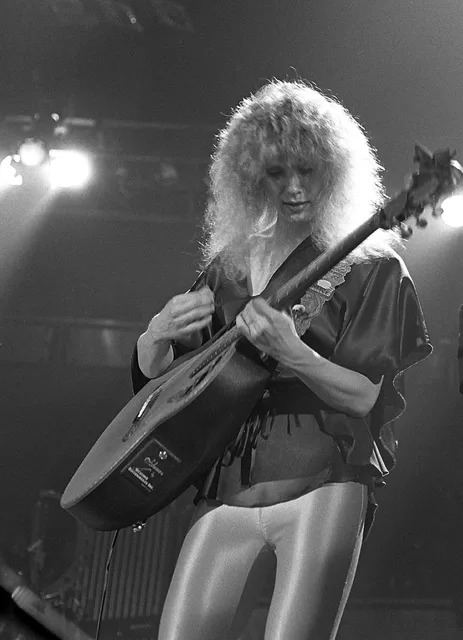
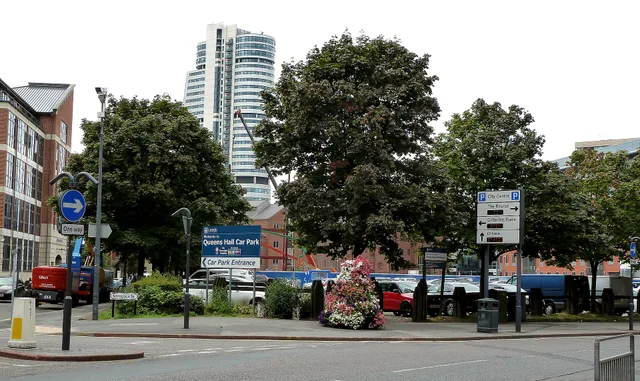
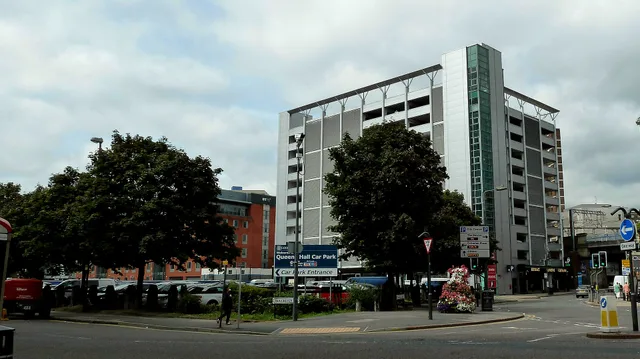
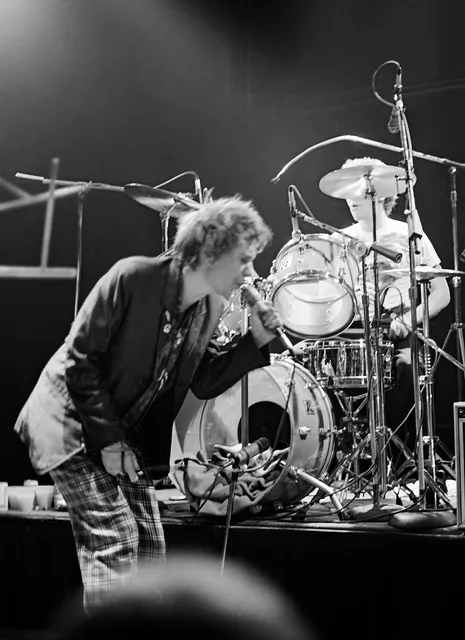
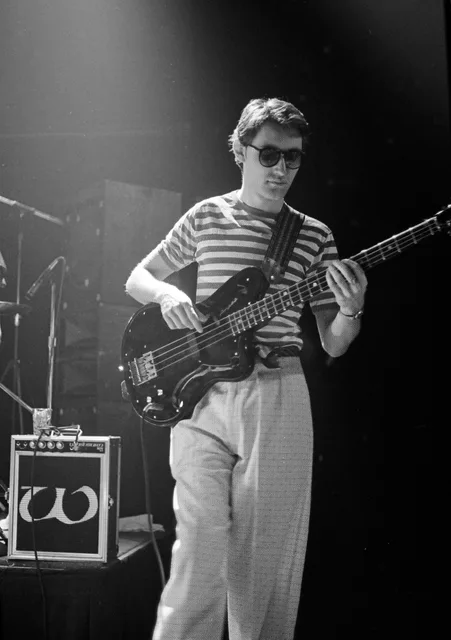
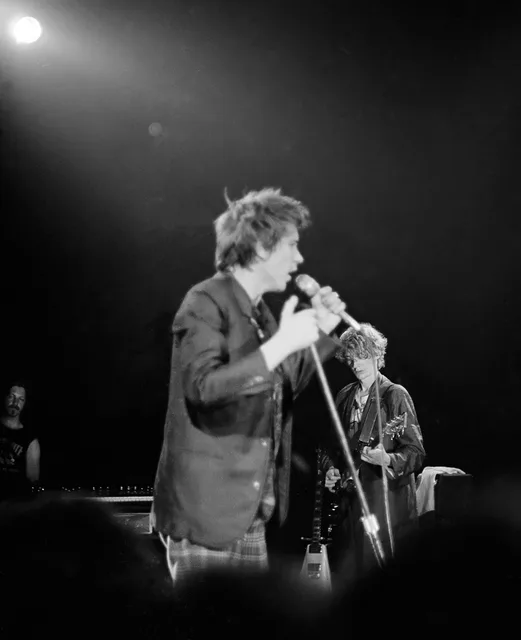
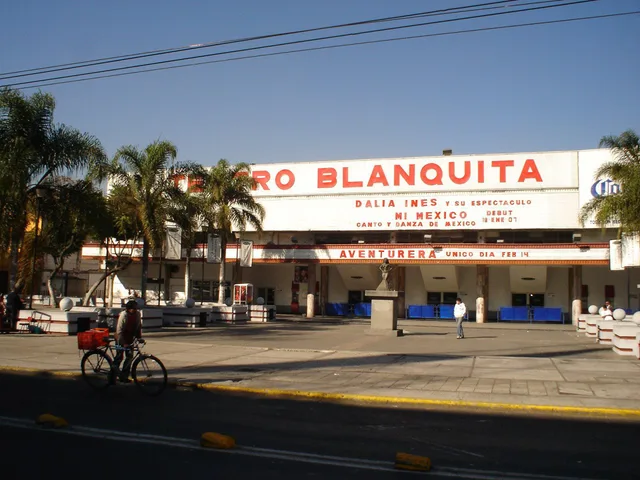
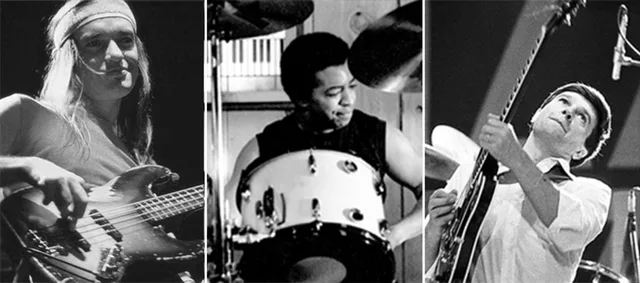
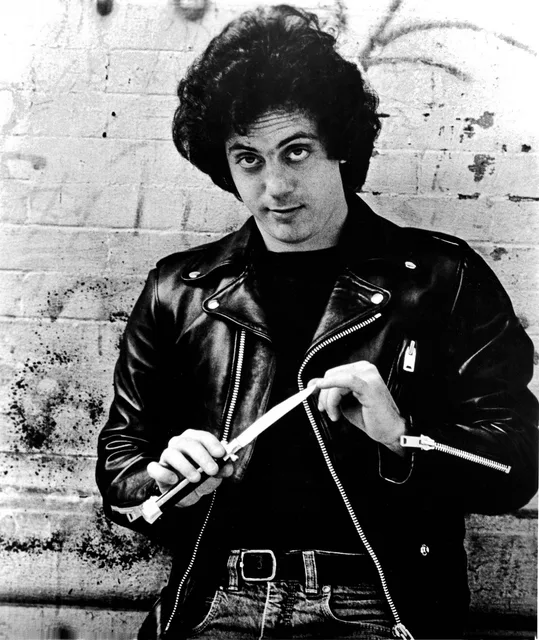
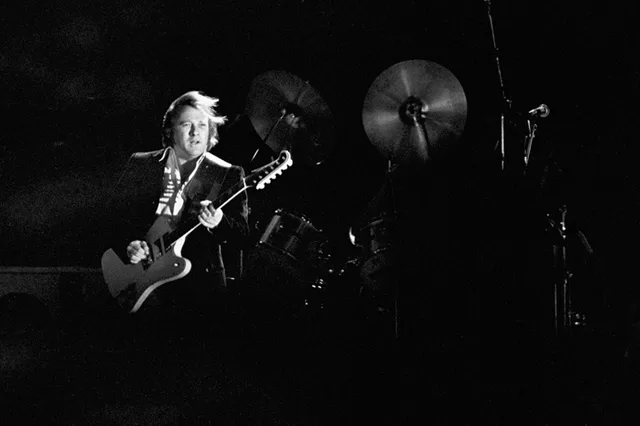
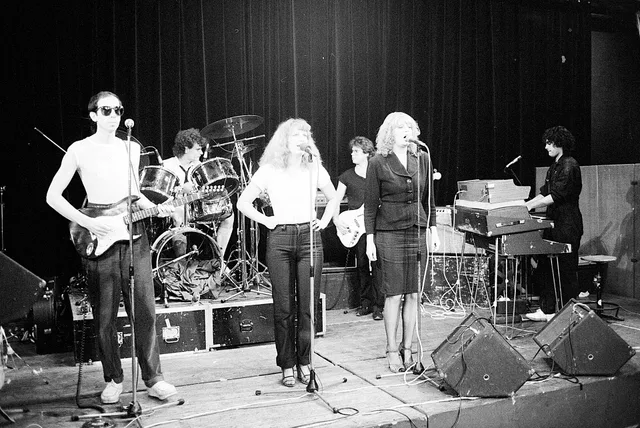
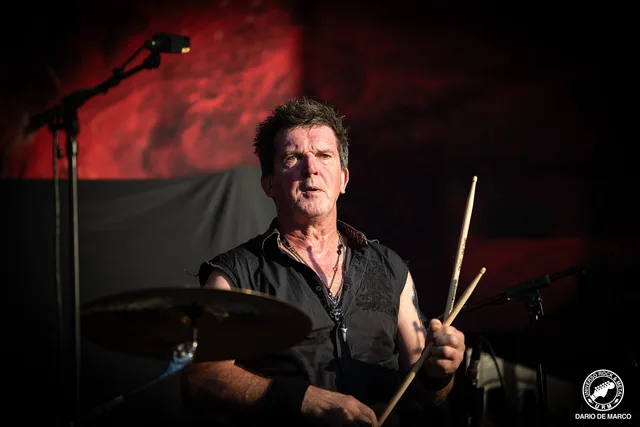
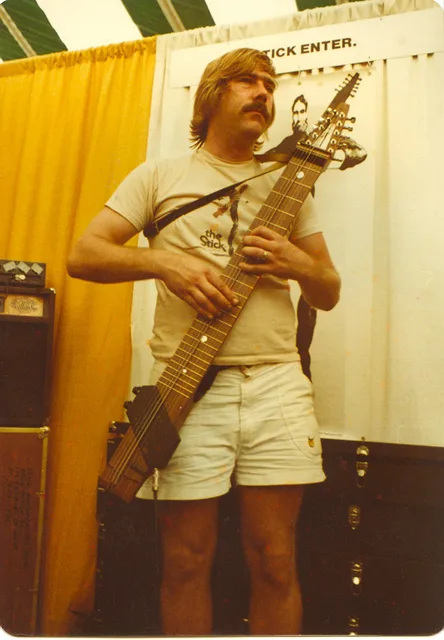

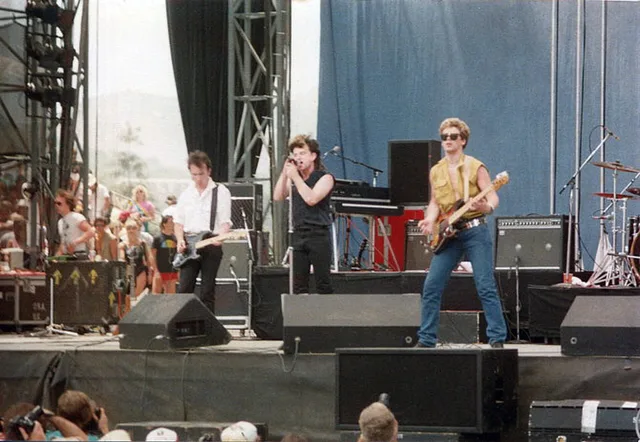
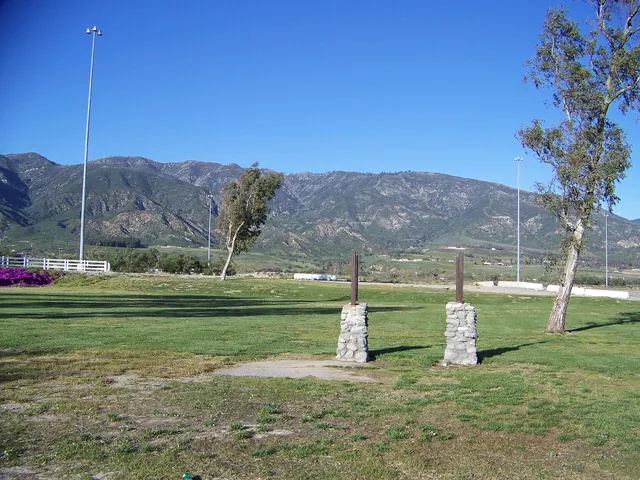
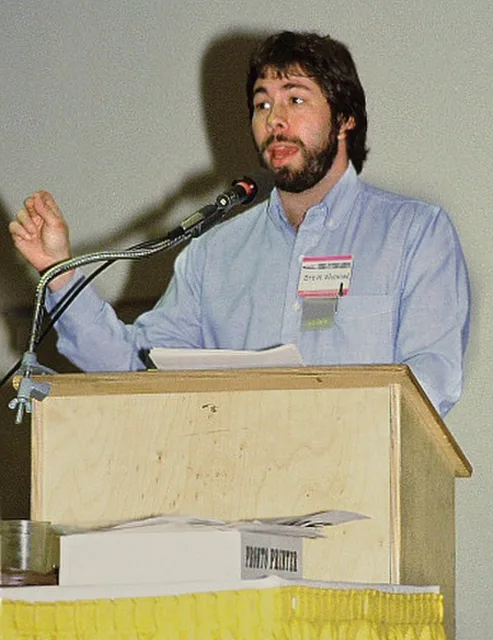
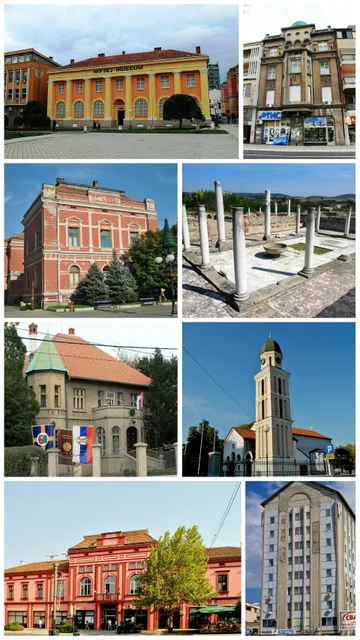
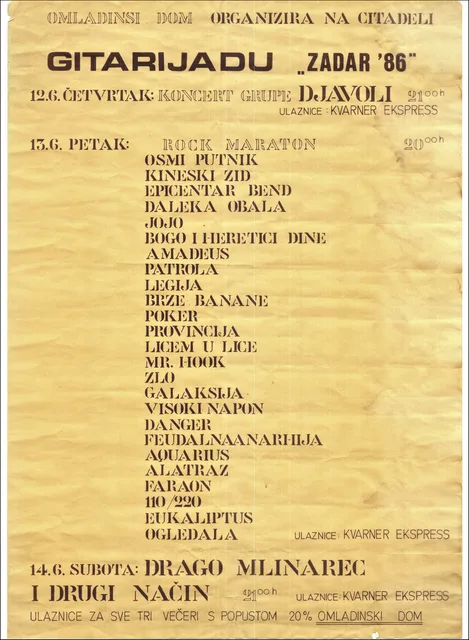
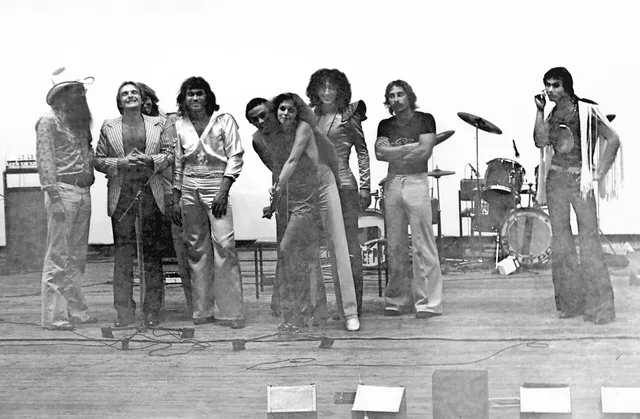
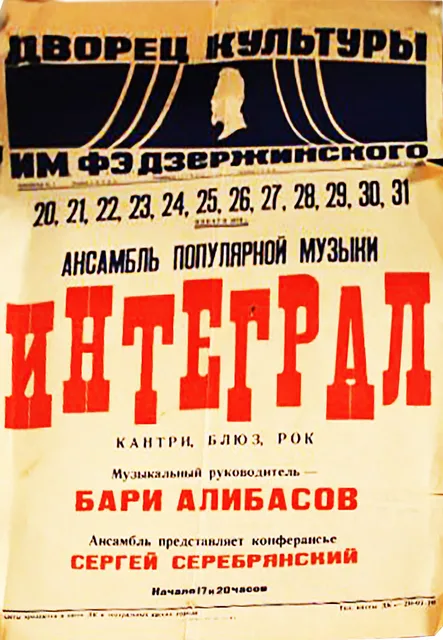
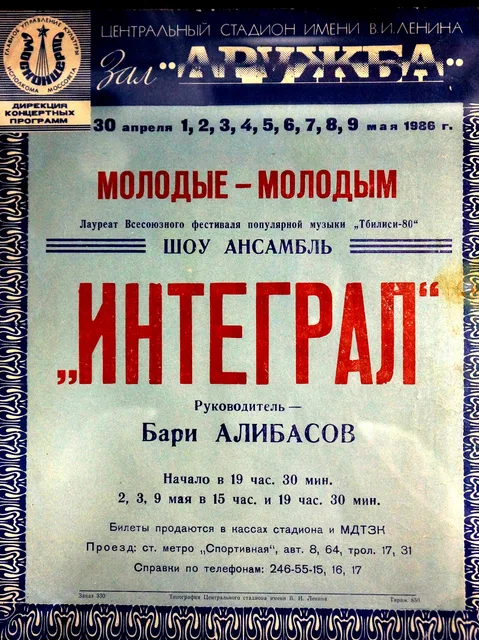
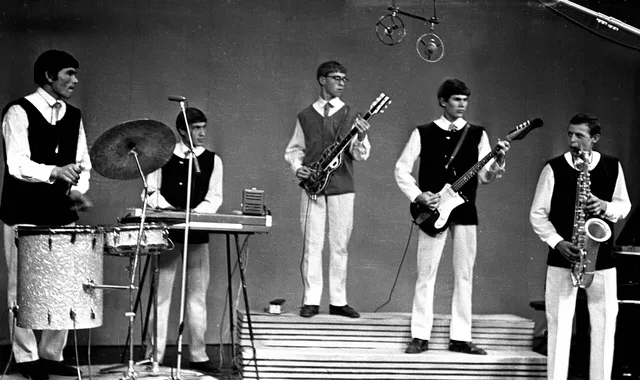
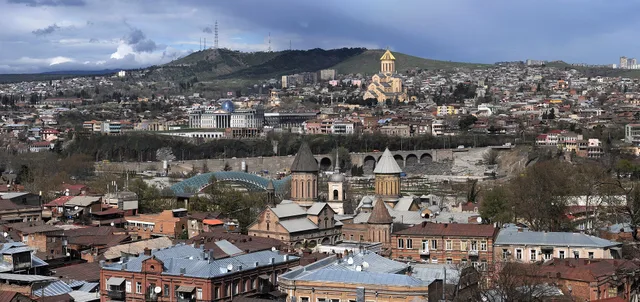


.jpg)


.jpg)


.jpg)
.JPG)


.jpg)


.png)


_played_by_Eric_Clapton_(Cream),_present_from_George_Harrison_to_Eric_Clapton_(Cream),_painted_in_1967_by_The_Fool_Collective_-_Play_It_Loud._MET_(2019-05-13_19.29.10_by_Eden,_Janine_and_Jim).jpg)
_played_by_Eric_Clapton,_and_The_Fool_Bass_VI_(1962_Fender_Bass_VI)_played_by_Jack_Bruce_-_both_painted_in_1967_by_The_Fool_Collective_-_Play_It_Loud._MET_(2019-05-13_19.29.06_by_Eden,_Janine_and_Jim).jpg)

_Aktuil-031-1969.jpg)

.jpg)


.jpg)


_in_3_tone_sunburst%2C_played_when_Dylan_Goes_Electric_at_Newport_Folk_Festival_on_July_25%2C_1965._Lost_ca.1965%2C_rediscovered_in_2012_-_Play_It_Loud._MET_(2019-05-13_19.42.45_by_Eden%2C_Janine_and_Jim).jpg)
.jpg)


,_Central_Park_--_2012_--_6725.jpg)
,_Central_Park_--_2012_--_6731.jpg)


.jpg)


.jpg)


.jpg)


_%E2%80%93_Gay,_Colorful_Scene_at_Gulfstream_Park,_Hallandale,_Florida_front.jpg)


.jpg)
,_Jimi_Hendrix,_EMP_Museum.jpg)


.jpg)


.jpg)


.jpg)
_(high_quality).png)


.jpg)
.jpg)


.jpg)


.jpg)


_circa_1969.jpg)

.png)


.jpg)


_(cropped).jpg)


.jpg)
.jpg)
.jpg)


.jpg)

.jpg)


.png)


.jpg)


_-_NARA_-_553890.jpg)


.jpg)


.jpg)


.jpg)

.png)
.png)


.png)


.jpg)


.jpg)


.jpg)
.jpg)


.jpg)


_-_01.jpg)
_-_03.jpg)

.jpg)


.jpg)


.JPG)

.jpeg)

.jpg)
.jpg)
.jpg)


,_Biblioteca_Municipal_de_Torres_Vedras,_06.jpg)
.jpg)
.jpg)


.jpg)
.jpg)


.jpg)


.JPG)


.jpg)


.png)
.jpg)


.jpg)


.jpg)
.jpg)
.jpg)

_2010.jpg)


.jpg)
.jpg)


.jpg)


.jpg)


.jpg)


.jpg)

.jpg)
.jpg)


.png)
.jpg)


.jpg)

.jpg)

.jpg)


.jpg)


