

Edition timeline
Academic research by Ian Trowell documents Futurama as a five-festival sequence from 1979 through 1983.
Academic research by Ian Trowell documents Futurama as a five-festival sequence from 1979 through 1983.
Promoter John Keenan launched the first event at Leeds Queens Hall in September 1979 and billed it as the World's First Science-Fiction Music Festival.
Promoter John Keenan launched the first event at Leeds Queens Hall in September 1979 and billed it as the World's First Science-Fiction Music Festival.
The inaugural bill brought together acts including Joy Division, Cabaret Voltaire, OMD, The Fall, Echo & the Bunnymen, A Certain Ratio, Public Image Ltd and others.
The inaugural bill brought together acts including Joy Division, Cabaret Voltaire, OMD, The Fall, Echo & the Bunnymen, A Certain Ratio, Public Image Ltd and others.
The series later moved through Stafford Bingley Hall and Deeside Leisure Centre before returning to Leeds.
The series later moved through Stafford Bingley Hall and Deeside Leisure Centre before returning to Leeds.
Scholarly interpretation explicitly frames Futurama as an 'anti-festival': indoors, industrial, northern, abrasive and culturally distinct from hippie-derived festival traditions.
Scholarly interpretation explicitly frames Futurama as an 'anti-festival': indoors, industrial, northern, abrasive and culturally distinct from hippie-derived festival traditions.
Why this event matters
Futurama is what happens when a generation shaped by punk inherits the festival form but rejects the field, the pastoral ideal and the soft-focus mythology around communal rock culture. Academic research by Ian Trowell documents Futurama as a five-festival sequence from 1979 through 1983.

Place, site and audience
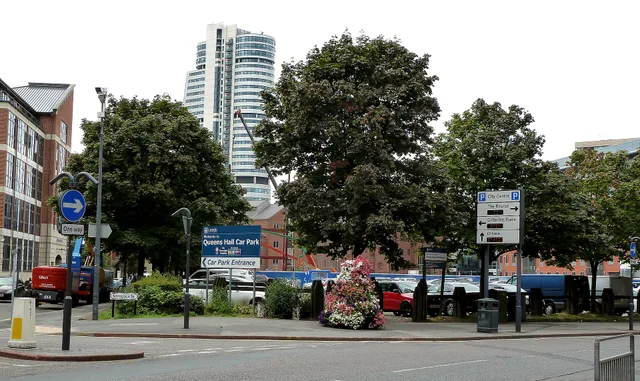
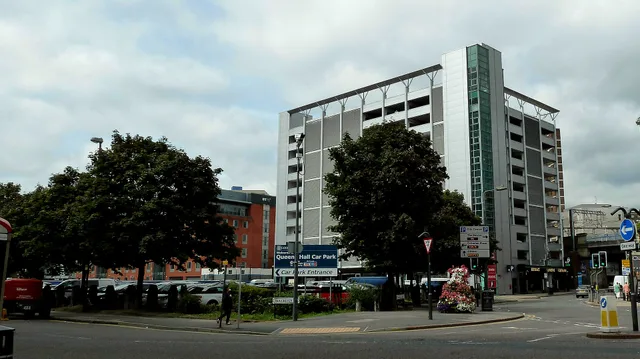
Promoter John Keenan launched the first event at Leeds Queens Hall in September 1979 and billed it as the World's First Science-Fiction Music Festival. The inaugural bill brought together acts including Joy Division, Cabaret Voltaire, OMD, The Fall, Echo & the Bunnymen, A Certain Ratio, Public Image Ltd and others.
What the audience experienced
The series later moved through Stafford Bingley Hall and Deeside Leisure Centre before returning to Leeds. Scholarly interpretation explicitly frames Futurama as an 'anti-festival': indoors, industrial, northern, abrasive and culturally distinct from hippie-derived festival traditions.

What happened afterward
Futurama Festival 1979–1983 is followed through later editions, institutional change and its documented endpoint.


Follow the festival beyond the field
Timeline
Related genres
More routes will be connected as the archive grows.
Related band guides
More routes will be connected as the archive grows.
Explore by sound
More routes will be connected as the archive grows.
Essential listening
Sources and further reading
- White Rose Research – Hard floors, harsh sounds and the northern anti-festivalEditorial source spine · accessed 23 July 2026
- Electronic Sound – Futurama Festival historyEditorial source spine · accessed 23 July 2026
Image credits5 licensed images
The former Queens Hall site in Leeds in a later photograph, used to locate Futurama's first venue — Linda Spashett Storye book — Wikimedia Commons — CC BY 3.0 · source record · CC BY 3.0
Converted to WebP and resized; no generative or compositional alterations.
A second later view of the former Queens Hall site. The later date is explicit and no event-photograph claim is made — Linda Spashett Storye book — Wikimedia Commons — CC BY 3.0 · source record · CC BY 3.0
Converted to WebP and resized; no generative or compositional alterations.
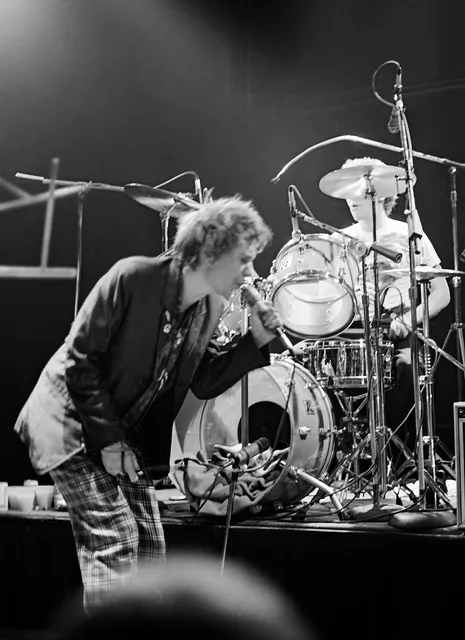
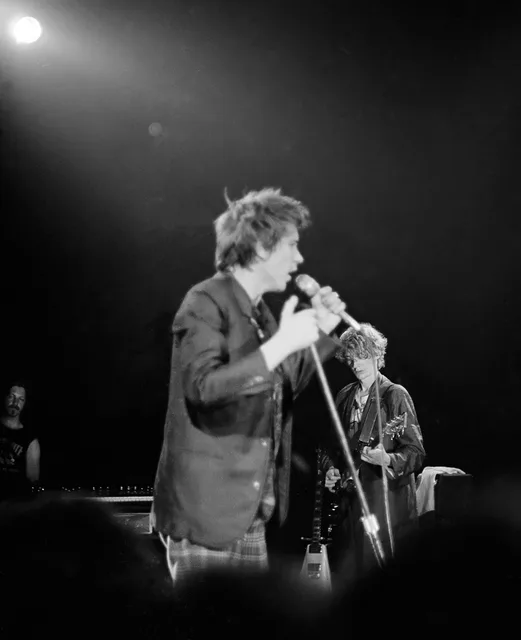
John Lydon with Public Image Ltd in 1980, artist context for Futurama's documented post-punk network and not a Leeds performance photograph — Acroterion — Wikimedia Commons — CC BY-SA 4.0 · source record · CC BY-SA 4.0
Converted to WebP and resized; no generative or compositional alterations.
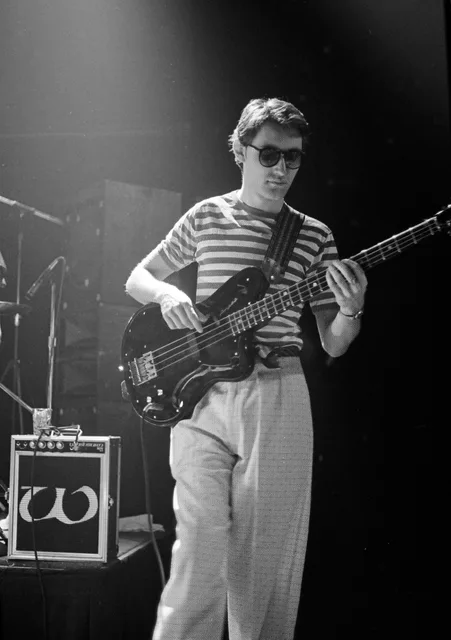
Jah Wobble with Public Image Ltd in 1980, period artist context for the Futurama programme rather than event documentation — Acroterion — Wikimedia Commons — CC BY-SA 4.0 · source record · CC BY-SA 4.0
Converted to WebP and resized; no generative or compositional alterations.
John Lydon and Keith Levene with Public Image Ltd in 1980. The separate Atlanta performance is clearly labelled as artist context — Acroterion — Wikimedia Commons — CC BY-SA 4.0 · source record · CC BY-SA 4.0
Converted to WebP and resized; no generative or compositional alterations.