

Edition timeline
The first Texxas Jam fills the Cotton Bowl
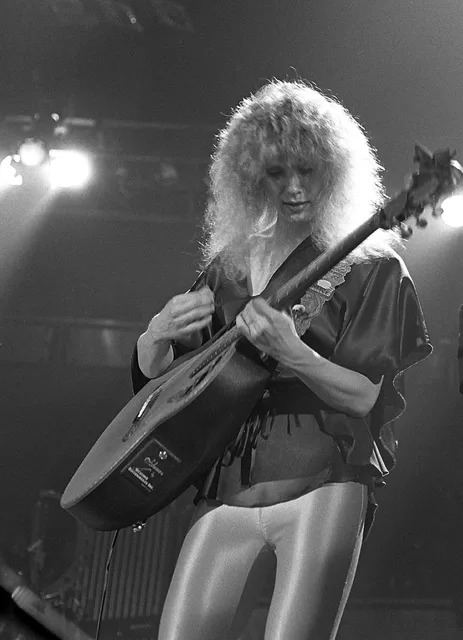
Aerosmith, Ted Nugent, Heart and other acts define the stadium-rock format.
The annual identity consolidates
Repeat production turns extreme heat and all-day bills into part of the brand.
Metal and arena rock reshape the programme
Changing touring priorities move the series deeper into the MTV-era stadium circuit.
The series continues beyond this guide
Later editions preserve the name before the annual run ends.
Why this event matters
Texxas Jam made the summer festival an annual stadium ritual built for hard rock, heavy metal and the physical endurance of a full day under the Dallas sun. Arena-scale touring and the success of one-day mega-concerts created the commercial conditions for a recurring Texas event rather than a countercultural camping festival. The Cotton Bowl supplied fixed capacity, gates, stands and urban infrastructure, but its exposed field and black protective surface intensified heat at audience level. Across the series, major hard-rock and arena acts appeared beside emerging metal and regional favourites. Edition-by-edition evidence is kept separate from memories of the series as a whole.
.jpg)
What the audience experienced
Long queues, intense heat, packed grandstands and hours of amplified music made endurance part of the Texxas Jam identity. Not every part of the stadium offered the same conditions. A single stadium stage demanded rapid changeovers, wide sound coverage and radio or television coordination. Technical repetition helped turn a one-off spectacle into a recognisable series. The protected playing surface, barriers, water provision and access routes were not background details. They determined how safely tens of thousands could occupy a football stadium. The series continued through 1988, but this guide concentrates on 1978–1984 to examine its formative and peak stadium-rock period.
.jpg)
Films, recordings and surviving documents
Broadcasts, photographs, ticket stubs, advertisements and artist archives preserve individual editions unevenly. A recording confirms a set more reliably than a composite fan-made line-up. Texxas Jam was shaped by a climate and a stadium surface that changed the physical cost of attendance. Environmental conditions became part of the event’s mythology and risk. The series demonstrates how festival culture moved from open fields into repeatable urban stadium production while retaining the promise of an exceptional all-day bill.


Follow the festival beyond the field
Timeline
Related genres
Related band guides
More routes will be connected as the archive grows.
Explore by sound
Essential listening
Sources and further reading
- Cotton Bowl historyFair Park Dallas · accessed 23 July 2026
- Fair Park National Historic Landmark documentationNational Park Service · accessed 23 July 2026
- Contemporary music trade archiveWorld Radio History · accessed 23 July 2026
- Licensed venue and artist imagesWikimedia Commons · accessed 23 July 2026
Image credits5 licensed images
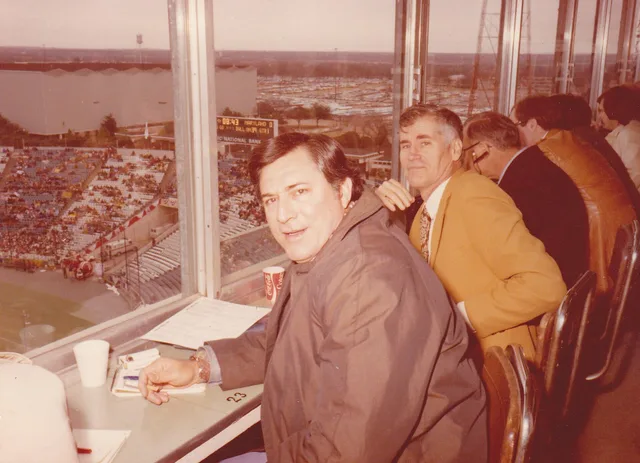
The Cotton Bowl in 1977, one year before the first Texxas Jam, showing the stadium structure that framed the annual event — Prebbleqram — Wikimedia Commons — CC BY-SA 4.0 · source record · CC BY-SA 4.0
Converted to WebP and resized; no generative or compositional alterations.
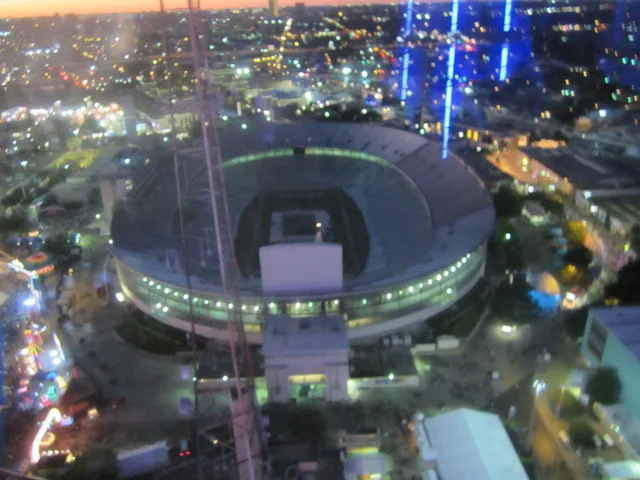
A later aerial view of the Cotton Bowl, used to explain the enclosed scale of the Texxas Jam venue — Luis Tamayo from Dallas, Texas, USA, USA — Wikimedia Commons — CC BY-SA 2.0 · source record · CC BY-SA 2.0
Converted to WebP and resized; no generative or compositional alterations.
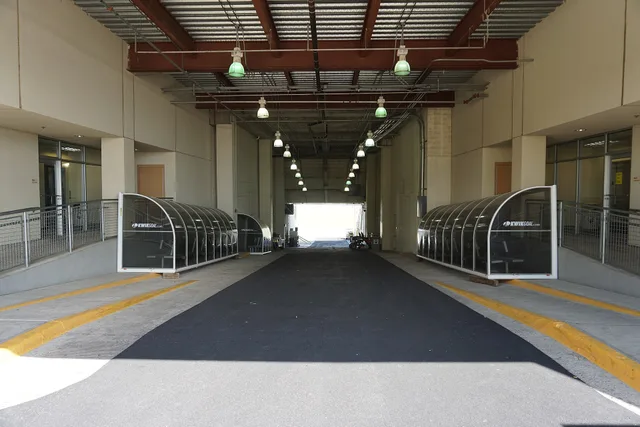
The Cotton Bowl in a modern Fair Park photograph, documenting the surviving venue rather than a Texxas Jam edition — Michael Barera — Wikimedia Commons — CC BY-SA 4.0 · source record · CC BY-SA 4.0
Converted to WebP and resized; no generative or compositional alterations.
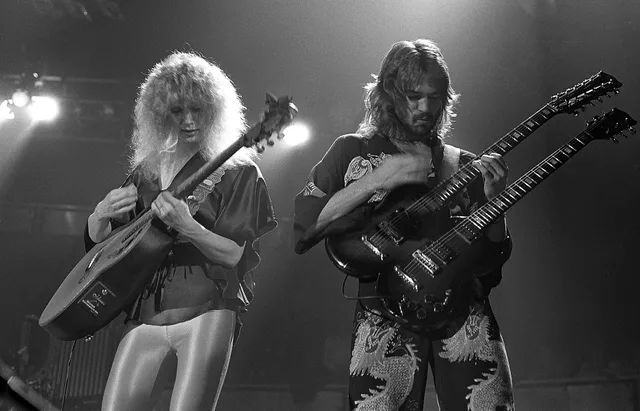
Nancy Wilson and Roger Fisher of Heart in 1978, period performer context for the first Texxas Jam — Jim Summaria, http://jimsummariaphoto.com — Wikimedia Commons — CC BY-SA 3.0 · source record · CC BY-SA 3.0
Converted to WebP and resized; no generative or compositional alterations.
Nancy Wilson of Heart in 1978. This is close-period artist context, not a photograph of the Cotton Bowl set — Jim Summaria, http://www.jimsummariaphoto.com/ — Wikimedia Commons — CC BY-SA 3.0 · source record · CC BY-SA 3.0
Converted to WebP and resized; no generative or compositional alterations.