

Edition timeline
CBS and Cuban partners organise the exchange
A rare diplomatic opening permits a large American musical delegation to travel.
The three-night programme begins
Cuban and American artists share the Karl Marx Theatre stage.
Fusion, salsa, rock and nueva trova cross paths
Recordings capture selected performances from a much broader live programme.
The exchange remains exceptional
Albums circulate internationally while regular US–Cuba cultural traffic remains constrained.
Why this event matters
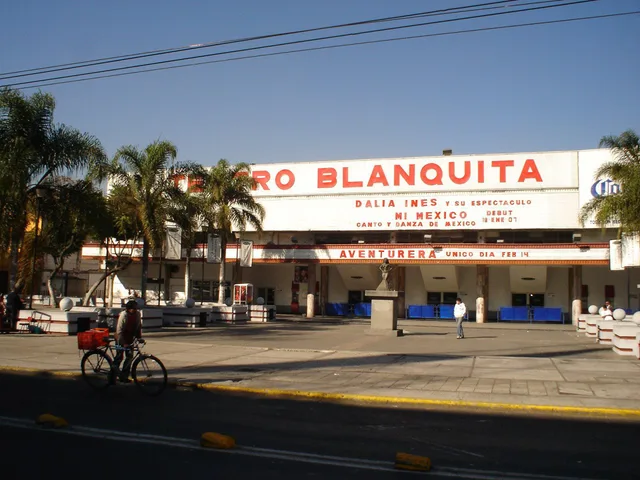
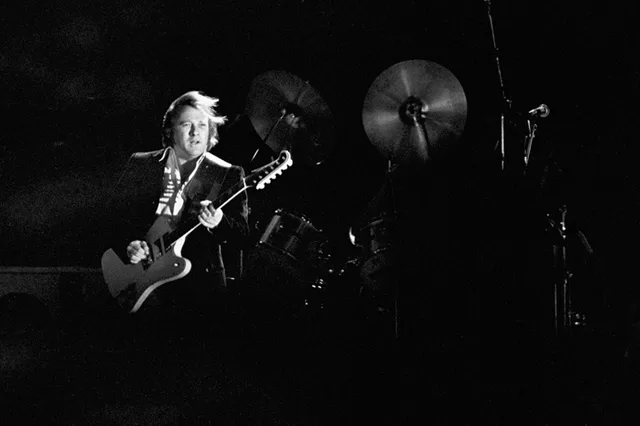
Havana Jam created a rare musical meeting across the Cold War divide. American jazz, rock and salsa musicians shared a Cuban stage with artists whose work was barely accessible through the United States embargo. A brief diplomatic thaw and CBS Records’ international ambitions made the exchange possible, but normal cultural traffic between the United States and Cuba remained heavily constrained. The large Havana theatre concentrated the event inside a controlled indoor space. It was a different physical and political proposition from an open-field rock festival. Weather Report, Trio of Doom, Billy Joel, Stephen Stills and the Fania All-Stars met Irakere, Orquesta Aragón, Pablo Milanés and other Cuban performers across three nights.

What the audience experienced
Invited Cuban audiences encountered rapid transitions between jazz fusion, salsa, nueva trova, rock and Cuban dance traditions. The event was cultural exchange but not unrestricted public diplomacy. CBS built the programme for live performance and documentation. Multitrack recording turned selected sets into albums while inevitably narrowing the event to what producers chose to preserve. The exchange did not erase the embargo or the unequal ability of musicians and recordings to cross borders. Official permission enabled the meeting and defined its boundaries. The short diplomatic opening did not become a regular festival route. Participants carried musical connections onward, while US–Cuba relations soon hardened again.
.png)
Films, recordings and surviving documents
Havana Jam I and Havana Jam II are curated documents rather than complete nightly transcripts. Credits, tapes, press reports and artist archives must be read together. The festival’s deepest subject is circulation: who could travel, who could be heard, and which performances could become internationally distributed records. Havana Jam remains a striking example of record-industry infrastructure being used for cultural diplomacy without resolving the political structure that made the meeting exceptional.
.jpg)

Follow the festival beyond the field
Timeline
Related genres
Related band guides
More routes will be connected as the archive grows.
Explore by sound
Essential listening
Sources and further reading
- Latin Jazz historySmithsonian National Museum of American History · accessed 23 July 2026
- Havana Jam recording catalogueSmithsonian Libraries and Archives · accessed 23 July 2026
- Cuban music collectionsLibrary of Congress · accessed 23 July 2026
- Licensed venue and performer imagesWikimedia Commons · accessed 23 July 2026
Image credits5 licensed images
The Havana theatre originally known as Teatro Blanquita and later as the Karl Marx Theatre, venue for Havana Jam in 1979 — No machine-readable author provided. JEDIKNIGHT1970 assumed (based on copyright claims). — Wikimedia Commons — CC BY 2.5 · source record · CC BY 2.5
Converted to WebP and resized; no generative or compositional alterations.
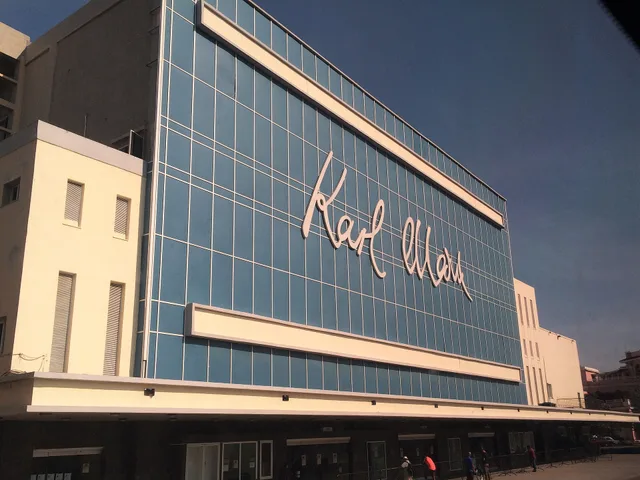
A later view of the Karl Marx Theatre, used to document the surviving venue rather than the 1979 stage configuration — Mosbo6 — Wikimedia Commons — CC BY-SA 4.0 · source record · CC BY-SA 4.0
Converted to WebP and resized; no generative or compositional alterations.
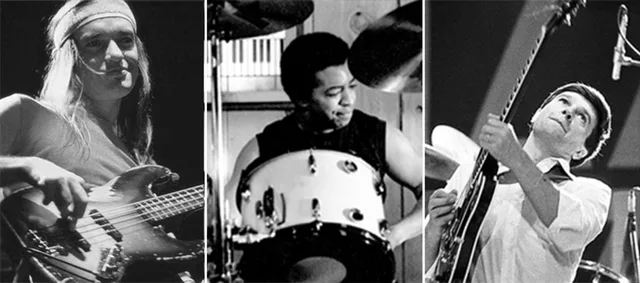
Trio of Doom, one of the American ensembles assembled for Havana Jam, in a reusable period image — Chris Hakkens and Brian McMillen (original photos), Misterpither (compilation) — Wikimedia Commons — CC BY-SA 2.0 · source record · CC BY-SA 2.0
Converted to WebP and resized; no generative or compositional alterations.
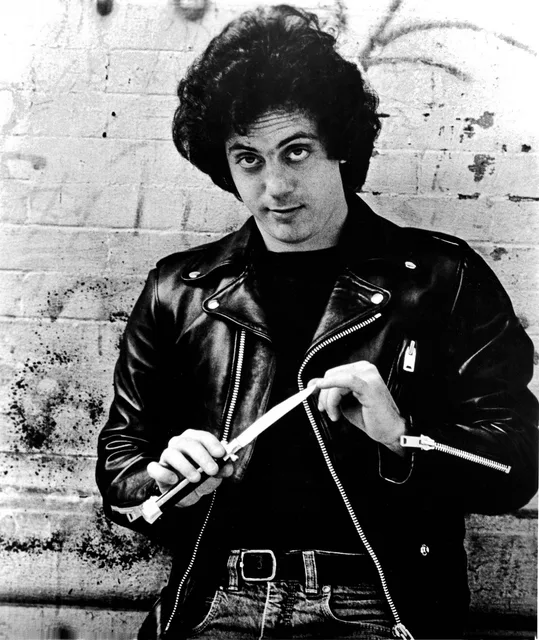
Billy Joel in 1978, close-period performer context for his Havana Jam appearance — Distributed by Columbia Records — Wikimedia Commons — Public domain · source record · Public domain
Converted to WebP and resized; no generative or compositional alterations.
Stephen Stills at the Woodstock Reunion in 1979. The exact event is identified because this provides period context, not a Havana performance image — Bob Sanderson ( User:Rtsanderson ) — Wikimedia Commons — CC BY 2.0 · source record · CC BY 2.0
Converted to WebP and resized; no generative or compositional alterations.