

Edition timeline
Paléo's official history identifies the First Folk Festival on 2–4 April 1976 in an old village hall in Nyon, with about 1,800 attendees.
Paléo's official history identifies the First Folk Festival on 2–4 April 1976 in an old village hall in Nyon, with about 1,800 attendees.
In 1977 the event moved outdoors to Colovray on the shore of Lake Geneva as the Nyon Folk Festival and drew about 17,000 spectators.
In 1977 the event moved outdoors to Colovray on the shore of Lake Geneva as the Nyon Folk Festival and drew about 17,000 spectators.
The official chronology gives 32,000 in 1978, when a second covered stage was introduced, and documents continued expansion thereafter.
The official chronology gives 32,000 in 1978, when a second covered stage was introduced, and documents continued expansion thereafter.
The event gradually adopted the Paléo Folk Festival and later Paléo Festival Nyon names while becoming more eclectic and professional.
The event gradually adopted the Paléo Folk Festival and later Paléo Festival Nyon names while becoming more eclectic and professional.
Because the official chronology is unusually detailed, this page can use year-specific crowd and infrastructure figures more confidently than many festival guides.
Because the official chronology is unusually detailed, this page can use year-specific crowd and infrastructure figures more confidently than many festival guides.
Why this event matters
Use Paléo as a controlled-growth story. The page should show how infrastructure, staging and audience scale evolve year by year, making it almost a textbook contrast to festivals that tried to become enormous in a single leap. Paléo's official history identifies the First Folk Festival on 2–4 April 1976 in an old village hall in Nyon, with about 1,800 attendees.

Place, site and audience
In 1977 the event moved outdoors to Colovray on the shore of Lake Geneva as the Nyon Folk Festival and drew about 17,000 spectators. The official chronology gives 32,000 in 1978, when a second covered stage was introduced, and documents continued expansion thereafter.
What the audience experienced
The event gradually adopted the Paléo Folk Festival and later Paléo Festival Nyon names while becoming more eclectic and professional. Because the official chronology is unusually detailed, this page can use year-specific crowd and infrastructure figures more confidently than many festival guides.


What happened afterward
Nyon Folk / Paléo Festival 1976–1984 is followed through later editions, institutional change and its documented endpoint.


Follow the festival beyond the field
Timeline
Related genres
More routes will be connected as the archive grows.
Related band guides
More routes will be connected as the archive grows.
Explore by sound
More routes will be connected as the archive grows.
Essential listening
Sources and further reading
- Paléo official historyEditorial source spine · accessed 23 July 2026
- Paléo official chronology PDFEditorial source spine · accessed 23 July 2026
Image credits5 licensed images
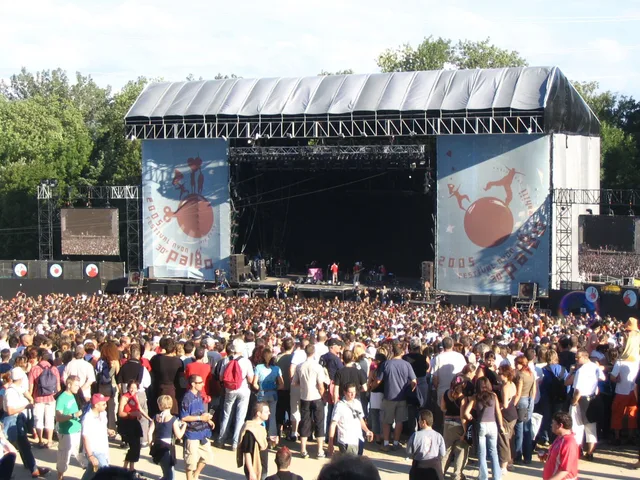
A later Paléo Festival scene in Nyon, used to show the institution's continuity beyond this guide's 1976–1984 window — Unknown creator — Wikimedia Commons — CC BY-SA 3.0 · source record · CC BY-SA 3.0
Converted to WebP and resized; no generative or compositional alterations.
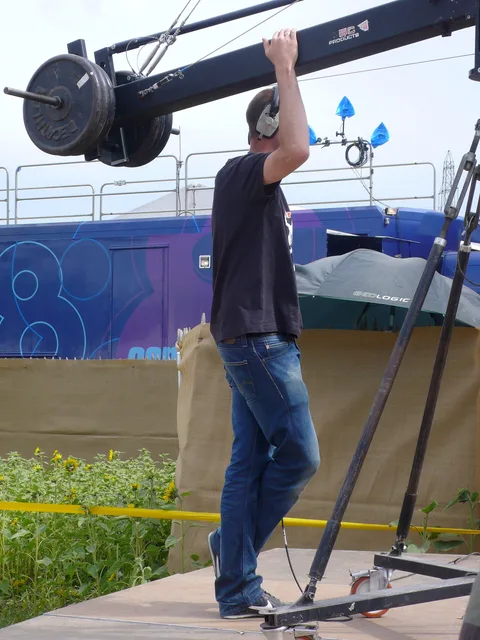
Later production work at Paléo Festival, explicitly used as continuity and infrastructure context rather than early-edition documentation — Manuguf — Wikimedia Commons — CC BY-SA 3.0 · source record · CC BY-SA 3.0
Converted to WebP and resized; no generative or compositional alterations.
A later Paléo Festival image from Nyon, clearly separated from the formative 1976–1984 editions — Marc Mongenet — Wikimedia Commons — CC BY-SA 4.0 · source record · CC BY-SA 4.0
Converted to WebP and resized; no generative or compositional alterations.
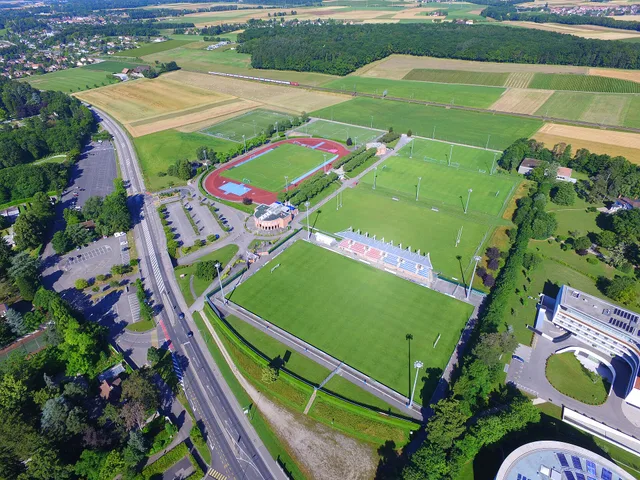
An aerial view of the Colovray site in Nyon, used as later venue geography and not as festival photography — Alexey M. — Wikimedia Commons — CC BY-SA 4.0 · source record · CC BY-SA 4.0
Converted to WebP and resized; no generative or compositional alterations.
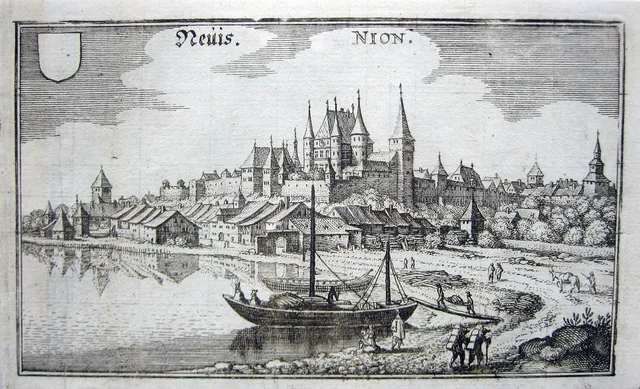
A historical view of Nyon from the southwest, providing city and lakeside context for the festival's origins — Matthäus Merian / Joseph Plepp — Wikimedia Commons — Public domain · source record · Public domain
Converted to WebP and resized; no generative or compositional alterations.