

Edition timeline
The first Rocknacht broadcasts live
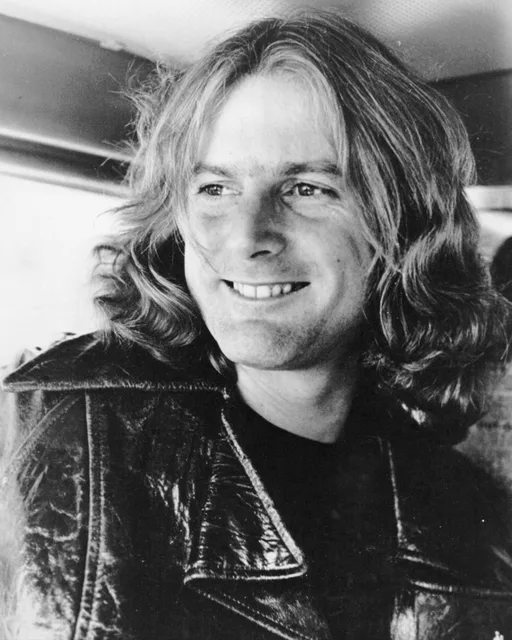
Rory Gallagher, Little Feat and Roger McGuinn establish the overnight format.
The series becomes a European institution
Live pictures and radio stereo reach viewers across national borders.
The archive widens stylistically
Established rock, new wave, funk and other touring routes share the format.
The classic Essen run continues
Later Rocknächte extend beyond this guide’s period.
Why this event matters
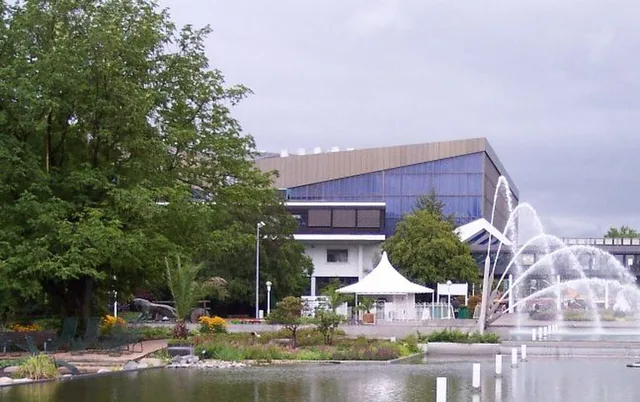
The Rockpalast Nights transformed an all-night concert in Essen into a live European television event and, over time, into an exceptional audiovisual archive of touring music. WDR had already experimented with live music television, but an uninterrupted overnight broadcast demanded a new level of confidence in performers, crews and distribution. The Grugahalle combined arena capacity with the access needed for cameras, mobile control rooms, radio equipment and fast backstage movement. The venue became part of the programme’s identity. The first night joined Rory Gallagher, Little Feat and Roger McGuinn’s Thunderbyrd. Later editions widened the archive across blues, rock, punk, reggae, funk and emerging new wave.
.jpg)
What the audience experienced
The hall audience lived through concerts and long changeovers while viewers stayed awake across Europe. Each group witnessed parts of the production the other could not see. Television pictures and FM radio stereo sound were coordinated live. Camera rehearsal, stage reset and sound checking became visible risks rather than material removed in post-production. An all-night simulcast could not hide weak sets, delay or technical failure. That vulnerability created the sense of a shared live event and placed unusual pressure on every crew. The Essen Rocknächte continued beyond 1984 through 1986, while Rockpalast expanded into other venues, formats and later festival broadcasts.

Films, recordings and surviving documents
WDR’s preserved masters support rebroadcasts and licensed releases, but surviving editions vary in completeness and rights status. Broadcast date and recording date must remain distinct. Rockpalast treated the normally hidden interval between bands as part of live duration. The programme’s honesty came from exposing production time rather than pretending it did not exist. The archive preserves artists who received little comparable European television coverage and demonstrates how public broadcasting could create a transnational live-music commons.


Follow the festival beyond the field
Timeline
Related genres
Related band guides
More routes will be connected as the archive grows.
Explore by sound
Essential listening
Sources and further reading
- Rockpalast official programmeWDR · accessed 23 July 2026
- Rockpalast concert archiveWDR · accessed 23 July 2026
- Rockpalast Nights chronologyRockpalast Archiv · accessed 23 July 2026
- Licensed venue and performer imagesWikimedia Commons · accessed 23 July 2026
Image credits5 licensed images
A later exterior view of the Grugahalle, the broadcast venue that became synonymous with the Rockpalast Nights — Unknown creator — Wikimedia Commons — CC BY-SA 3.0 · source record · CC BY-SA 3.0
Converted to WebP and resized; no generative or compositional alterations.
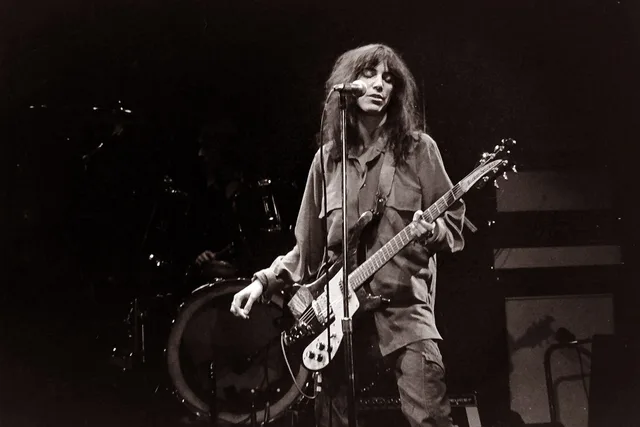
Patti Smith in a documented 1979 Rockpalast performance at Essen, a contemporary image of the series itself — Bodow — Wikimedia Commons — CC BY-SA 4.0 · source record · CC BY-SA 4.0
Converted to WebP and resized; no generative or compositional alterations.
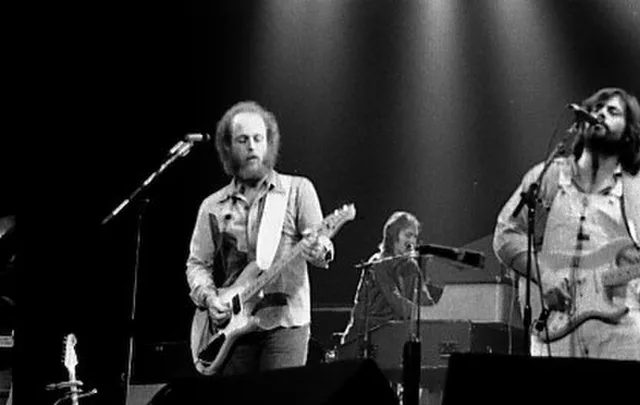
Paul Barrere and Lowell George of Little Feat, period artist context for the first Rocknacht in July 1977 — Jean-Luc — Wikimedia Commons — CC BY-SA 2.0 · source record · CC BY-SA 2.0
Converted to WebP and resized; no generative or compositional alterations.
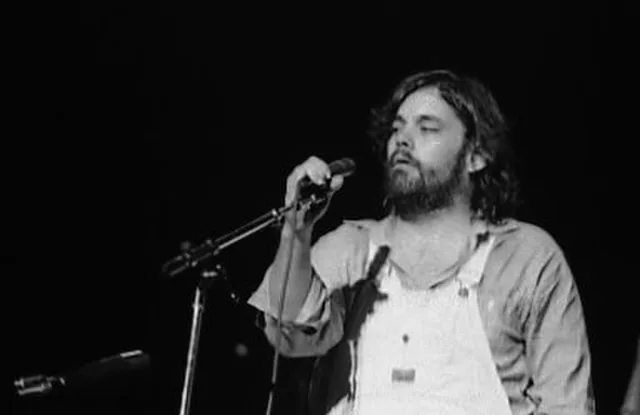
Lowell George of Little Feat, whose appearance helped establish the first all-night Rockpalast broadcast — Jean-Luc — Wikimedia Commons — CC BY-SA 2.0 · source record · CC BY-SA 2.0
Converted to WebP and resized; no generative or compositional alterations.
Roger McGuinn in 1976, close-period performer context for the inaugural Rocknacht — Columbia Records — Wikimedia Commons — Public domain · source record · Public domain
Converted to WebP and resized; no generative or compositional alterations.