
.jpg)
Edition timeline
Rock Werchter's official history begins with the Rock & Blues Festival Werchter in 1975.
Rock Werchter's official history begins with the Rock & Blues Festival Werchter in 1975.
The 1975 bill was still heavily Belgian; the official archive lists acts including Banzai, Kandahar, Stormy Monday and others.
The 1975 bill was still heavily Belgian; the official archive lists acts including Banzai, Kandahar, Stormy Monday and others.
In 1977 the format expanded into the paired Woodland Festival Torhout / Rock & Blues Festival Werchter model, with the same core programme moving between two locations.
In 1977 the format expanded into the paired Woodland Festival Torhout / Rock & Blues Festival Werchter model, with the same core programme moving between two locations.
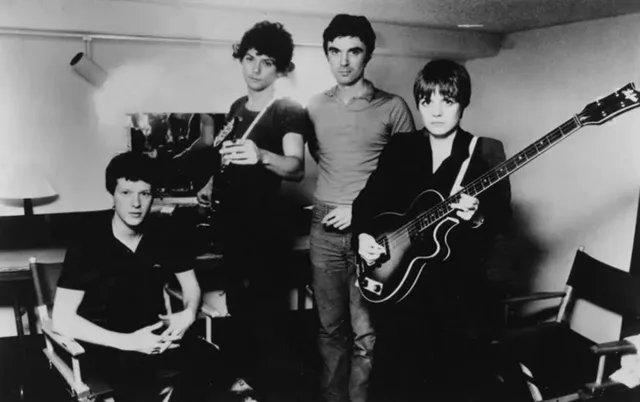
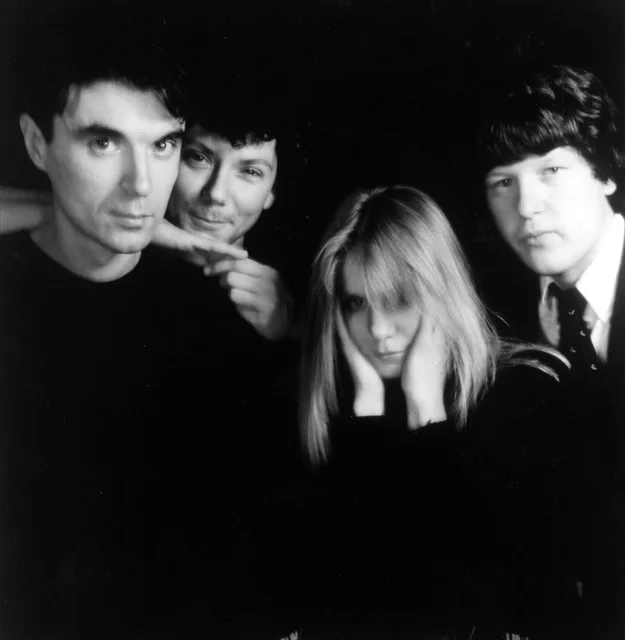
By 1978 Talking Heads had appeared, signalling the festival's growing international and stylistic reach.
By 1978 Talking Heads had appeared, signalling the festival's growing international and stylistic reach.
The series continued and expanded far beyond 1984.
The series continued and expanded far beyond 1984.
Why this event matters
The story is institutional growth. Werchter matters because it demonstrates how a modest local festival can become durable by professionalising gradually rather than exploding into one unsustainable megagathering. Rock Werchter's official history begins with the Rock & Blues Festival Werchter in 1975.
.jpg)
Place, site and audience
The 1975 bill was still heavily Belgian; the official archive lists acts including Banzai, Kandahar, Stormy Monday and others. In 1977 the format expanded into the paired Woodland Festival Torhout / Rock & Blues Festival Werchter model, with the same core programme moving between two locations.
What the audience experienced
By 1978 Talking Heads had appeared, signalling the festival's growing international and stylistic reach. The series continued and expanded far beyond 1984.

Problems, conflict and practical limits
Year-specific branding changed. Year-specific branding changed.


Follow the festival beyond the field
Timeline
Related genres
More routes will be connected as the archive grows.
Related band guides
More routes will be connected as the archive grows.
Explore by sound
More routes will be connected as the archive grows.
Essential listening
Sources and further reading
- Rock Werchter official history – 1975Editorial source spine · accessed 23 July 2026
- Rock Werchter official history – 1977 Torhout/WerchterEditorial source spine · accessed 23 July 2026
Image credits5 licensed images
Talking Heads in a 1979 publicity photograph, close-period artist context for their documented 1978 Werchter appearance — Ron Pownall; Distributed by Sire Records — Wikimedia Commons — Public domain · source record · Public domain
Converted to WebP and resized; no generative or compositional alterations.
Talking Heads in 1980, used as period artist context rather than Torhout or Werchter event photography — Distributed by Sire Records . Photographer uncredited. — Wikimedia Commons — Public domain · source record · Public domain
Converted to WebP and resized; no generative or compositional alterations.
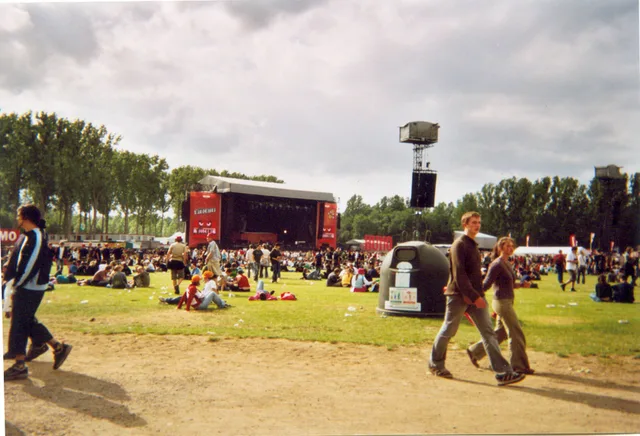
The Werchter festival field in a later photograph, used to locate the long-running event's site — No machine-readable author provided. Matriochka~commonswiki assumed (based on copyright claims). — Wikimedia Commons — CC BY-SA 3.0 · source record · CC BY-SA 3.0
Converted to WebP and resized; no generative or compositional alterations.
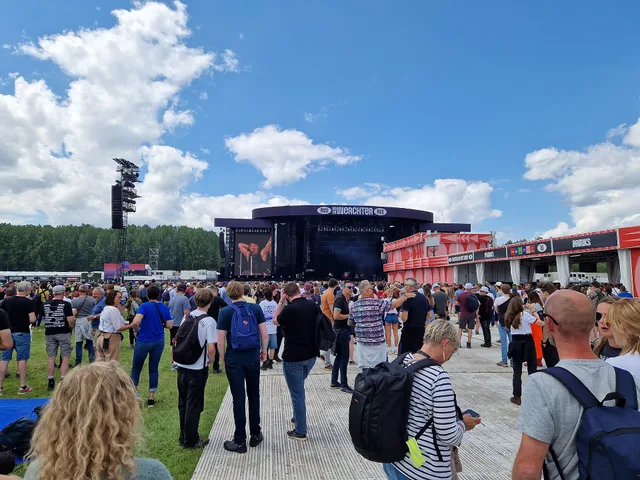
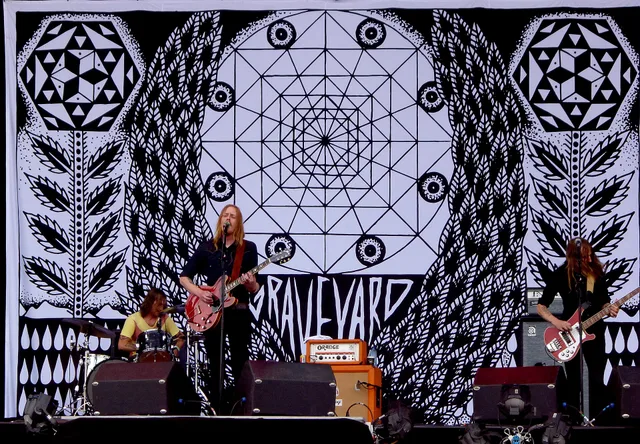
A modern Rock Werchter stage, explicitly used to show the later scale of the institution rather than its formative decade — Haggis MacHaggis — Wikimedia Commons — CC0 · source record · CC0
Converted to WebP and resized; no generative or compositional alterations.
A later view in Werchter, used as local context without presenting it as a historical festival scene — DirkVE — Wikimedia Commons — CC BY-SA 3.0 · source record · CC BY-SA 3.0
Converted to WebP and resized; no generative or compositional alterations.