

Edition timeline
BOOM Festival ran annually across Yugoslavia from 1971 to 1978, beginning in Maribor and later moving through Ljubljana, Zagreb, Belgrade and Novi Sad.
BOOM Festival ran annually across Yugoslavia from 1971 to 1978, beginning in Maribor and later moving through Ljubljana, Zagreb, Belgrade and Novi Sad.
An academic study based on Yugoslav archival and press material examines the League of Socialist Youth's changing relationship with the festival.
An academic study based on Yugoslav archival and press material examines the League of Socialist Youth's changing relationship with the festival.
Multiple live albums were recorded at BOOM editions, making recording culture part of the festival's historical significance.
Multiple live albums were recorded at BOOM editions, making recording culture part of the festival's historical significance.
The programme featured major Yugoslav rock acts and helped create a cross-republic stage for progressive, hard-rock and emerging punk/new-wave currents.
The programme featured major Yugoslav rock acts and helped create a cross-republic stage for progressive, hard-rock and emerging punk/new-wave currents.
Most editions were associated with or supported by the League of Socialist Youth, but the relationship was not simple state control; archival scholarship documents negotiation, criticism and ideological correction.
Most editions were associated with or supported by the League of Socialist Youth, but the relationship was not simple state control; archival scholarship documents negotiation, criticism and ideological correction.
Why this event matters
Write BOOM as federal cultural infrastructure. In a multinational socialist state, a travelling rock festival created a temporary map of Yugoslav youth music that crossed republic borders while remaining entangled with official institutions. BOOM Festival ran annually across Yugoslavia from 1971 to 1978, beginning in Maribor and later moving through Ljubljana, Zagreb, Belgrade and Novi Sad.

Place, site and audience
An academic study based on Yugoslav archival and press material examines the League of Socialist Youth's changing relationship with the festival. Multiple live albums were recorded at BOOM editions, making recording culture part of the festival's historical significance.
What the audience experienced
The programme featured major Yugoslav rock acts and helped create a cross-republic stage for progressive, hard-rock and emerging punk/new-wave currents. Most editions were associated with or supported by the League of Socialist Youth, but the relationship was not simple state control; archival scholarship documents negotiation, criticism and ideological correction.

What happened afterward
BOOM Festival 1971–1978 is followed through later editions, institutional change and its documented endpoint.


Follow the festival beyond the field
Timeline
Related genres
More routes will be connected as the archive grows.
Related band guides
More routes will be connected as the archive grows.
Explore by sound
More routes will be connected as the archive grows.
Essential listening
Sources and further reading
- Academic study – League of Socialist Youth and BOOM Festival 1971–1978Editorial source spine · accessed 23 July 2026
- General year-by-year cross-check – BOOM FestivalEditorial source spine · accessed 23 July 2026
Image credits5 licensed images
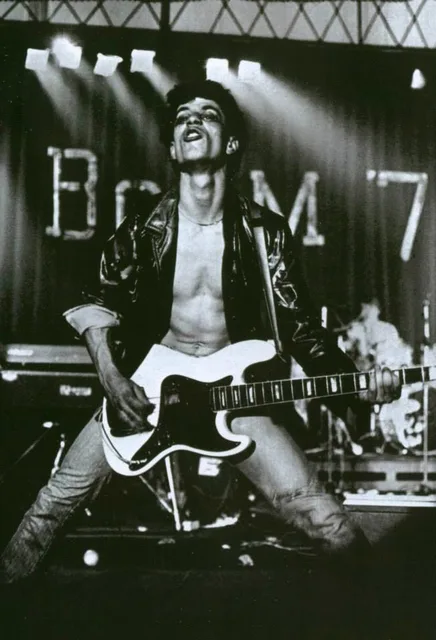
Paraf at BOOM Festival in Novi Sad in 1978, directly identified by the Wikimedia Commons item record — Selver88 — Wikimedia Commons — CC BY-SA 4.0 · source record · CC BY-SA 4.0
Converted to WebP and resized; no generative or compositional alterations.
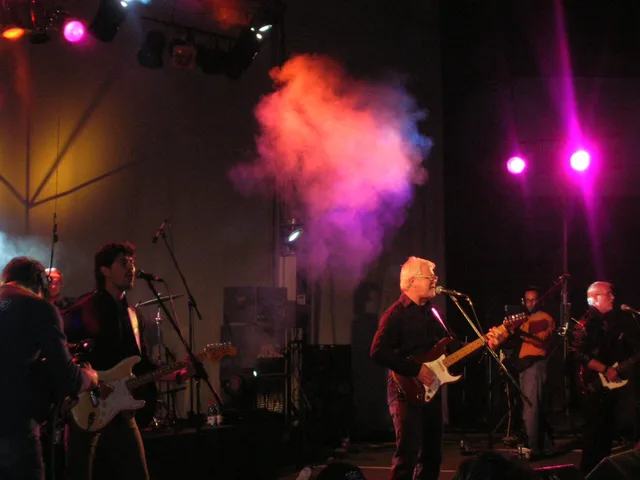
YU Grupa at a later performance, clearly labelled as artist context for Yugoslav rock rather than BOOM documentation — Mirjana Tomić — Wikimedia Commons — Public domain · source record · Public domain
Converted to WebP and resized; no generative or compositional alterations.
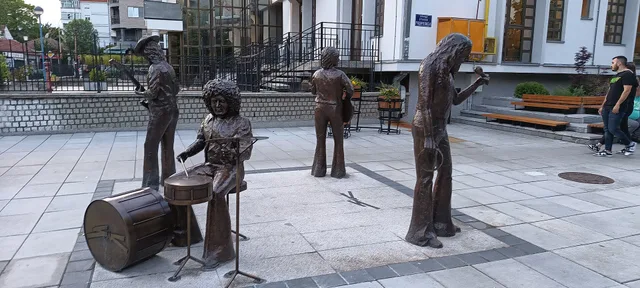
A monument to the Yugoslav rock group Smak, used as later cultural-memory context rather than a festival photograph — Miomir Magdevski — Wikimedia Commons — CC BY-SA 4.0 · source record · CC BY-SA 4.0
Converted to WebP and resized; no generative or compositional alterations.
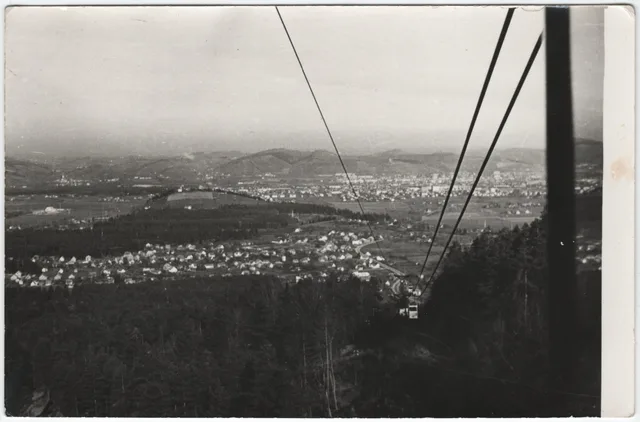
Maribor in a 1963 archival image, used as pre-festival city context for BOOM's first host location — Roko Čupić, Scanned by RokTheCroat — Wikimedia Commons — Public domain · source record · Public domain
Converted to WebP and resized; no generative or compositional alterations.
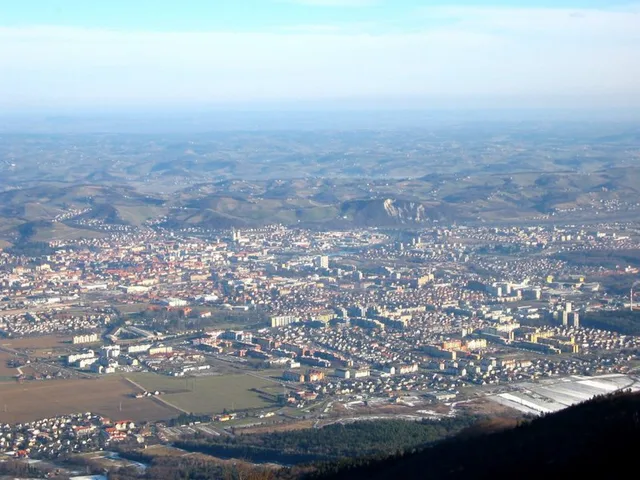
A later view of Maribor from Pohorje, used to locate the travelling festival's first city without implying event documentation — Unknown creator — Wikimedia Commons — CC BY-SA 3.0 · source record · CC BY-SA 3.0
Converted to WebP and resized; no generative or compositional alterations.