

Edition timeline
Promoters lose proposed sites
Legal conflict pushes the eight-day plan toward Cypress Pointe Plantation.
Opening is delayed
The crowd gathers while legal and production work prevents the advertised start.
Several days of performances occur
A confirmed bill plays amid heat, shortages, danger and inadequate services.
The eight-day promise collapses
Contemporary coverage presents McCrea as a warning about the giant festival model.
Why this event matters
Celebration of Life exposes the distance between an advertised festival and the event that actually occurred. The page separates the fantasy bill from performers documented at McCrea. The operating festival ran from 24 to 27 June 1971 after legal delays reduced the planned eight-day event. Promoters lost earlier proposed sites, fought legal battles and finally leased Cypress Pointe Plantation. Repeated relocation left too little time to build a stable eight-day temporary city. McCrea1971 reports more than 60,000 attendees while contemporary TIME coverage estimated about 50,000. The Atchafalaya offered relief from severe heat but also created lethal risk. The plantation’s open ground, humidity, dust and lack of shade shaped every part of audience life. The site was Cypress Pointe Plantation beside the Atchafalaya River near McCrea. The modern McCrea1971 archive reconstructs a performer list from recordings, photographs and testimony. Famous names on advertising are not treated as performers without supporting evidence. Several deaths occurred, but sources differ on the total and circumstances.

What the audience experienced
Heat, humidity, shortages, inadequate sanitation and limited medical provision overwhelmed the promised utopia. Music occupied only one part of a daily struggle for water, food, shade and safety. The operating festival ran from 24 to 27 June 1971 after legal delays reduced the planned eight-day event. Legal delay compressed the build and left the production operating under severe stress. The stage could host documented sets without the wider festival system ever becoming adequate for the crowd. McCrea1971 reports more than 60,000 attendees while contemporary TIME coverage estimated about 50,000. Sources document drownings in the Atchafalaya and other fatalities while disagreeing about totals and circumstances. Allegations of security violence likewise remain attributed to the records that make them. The site was Cypress Pointe Plantation beside the Atchafalaya River near McCrea. The eight-day plan ended after several days of performance. Contemporary coverage treated McCrea as a warning that the giant, lightly regulated American festival model had reached a breaking point. Several deaths occurred, but sources differ on the total and circumstances.
.jpg)
Films, recordings and surviving documents
McCrea1971 brings film, photographs, recordings and participant testimony together with contemporary press. Each form answers different questions and none turns the original poster into a performed lineup. The operating festival ran from 24 to 27 June 1971 after legal delays reduced the planned eight-day event. The difference between a poster and a festival is the central historical subject. Advertising mobilised the crowd; the lived event was defined by who arrived, what worked and what failed. McCrea1971 reports more than 60,000 attendees while contemporary TIME coverage estimated about 50,000. Connections to neighbouring festivals reveal how promoters, audiences, public authorities and touring musicians carried lessons between events. Internal routes make those comparisons part of the historical argument rather than a list of recommendations. The site was Cypress Pointe Plantation beside the Atchafalaya River near McCrea. Celebration of Life became a major turning point in the collapse of confidence in unbounded American mega-festivals. Its archive now allows that failure to be studied rather than merely sensationalised. Several deaths occurred, but sources differ on the total and circumstances.


Follow the festival beyond the field
Timeline
Related genres
Related band guides
More routes will be connected as the archive grows.
Explore by sound
Essential listening
Sources and further reading
- McCrea 1971 historical archiveMcCrea1971 · accessed 23 July 2026
- Participant recollectionsMcCrea1971 · accessed 23 July 2026
- Contemporary TIME account reproduced with contextStereo Cafe archive · accessed 23 July 2026
- Atchafalaya and period artist image sourcesWikimedia Commons · accessed 23 July 2026
Image credits5 licensed images
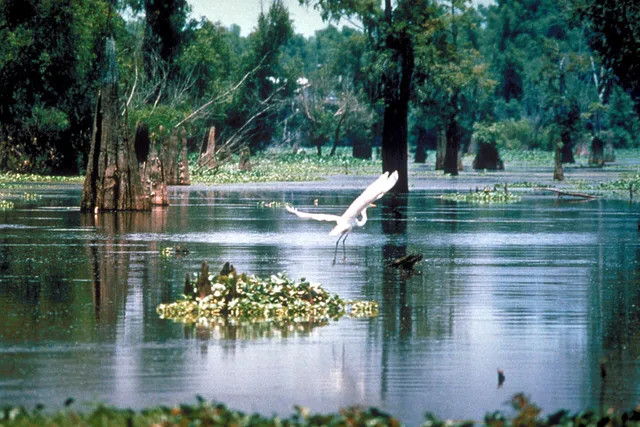
The Atchafalaya Basin in a public-domain government photograph. It documents the river landscape near McCrea, not the festival site itself — U.S. Army Corps of Engineers — Wikimedia Commons — Public domain · source record · Public domain
Converted to WebP and resized; no generative or compositional alterations.
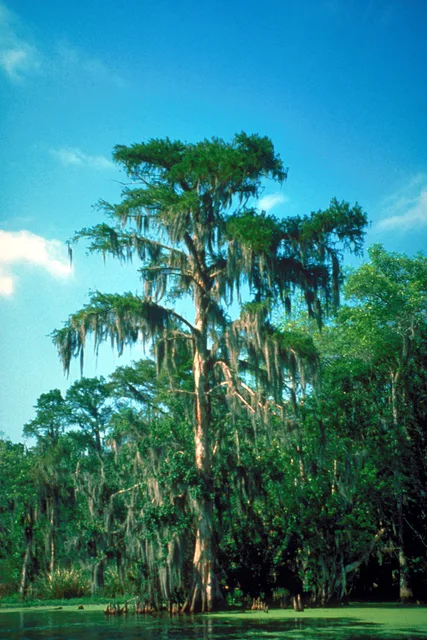
Bald cypress in the Atchafalaya Basin, showing the wet Louisiana environment that framed the Celebration of Life — U.S. Army Corps of Engineers — Wikimedia Commons — Public domain · source record · Public domain
Converted to WebP and resized; no generative or compositional alterations.
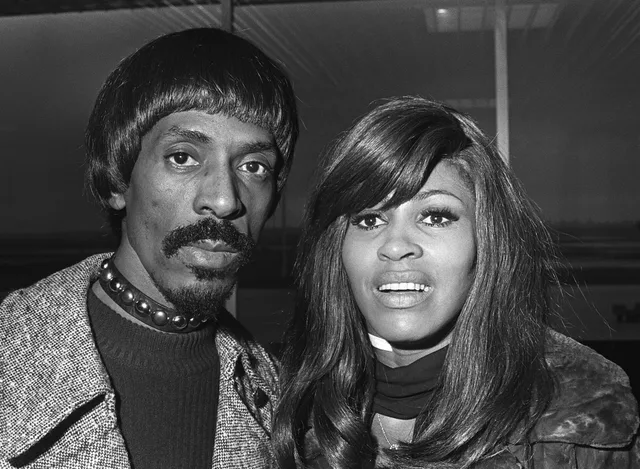
Ike and Tina Turner in 1971. This rights-cleared photograph provides period artist context and is not presented as a McCrea stage image — Rob Mieremet / Adam Cuerden — Wikimedia Commons — CC0 · source record · CC0
Converted to WebP and resized; no generative or compositional alterations.
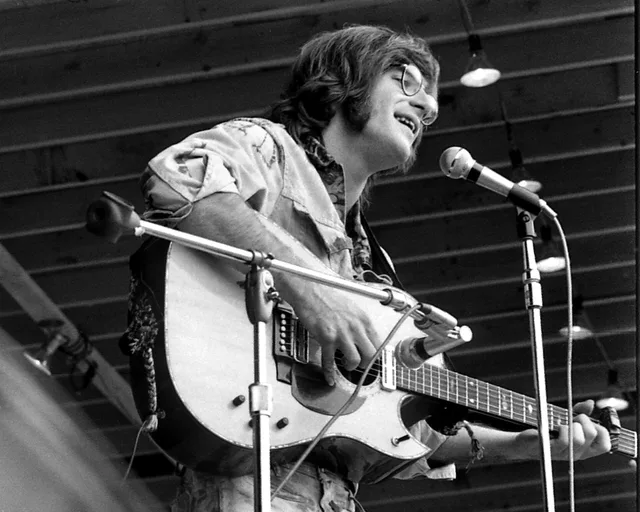
John Sebastian performing in East Lansing in 1970. The location is stated because this is close-period artist context, not Celebration of Life documentation — Jim McClear — Wikimedia Commons — CC BY-SA 2.0 · source record · CC BY-SA 2.0
Converted to WebP and resized; no generative or compositional alterations.
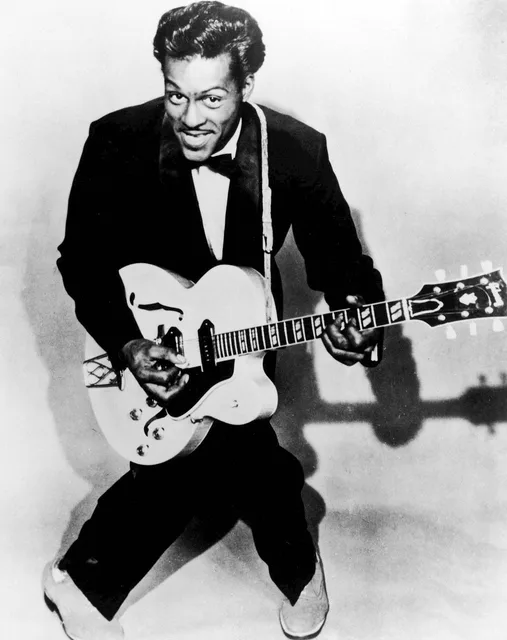
Chuck Berry in a public-domain publicity portrait, included as artist context for a performer confirmed by the McCrea research archive — Universal Attractions (management) — Wikimedia Commons — Public domain · source record · Public domain
Converted to WebP and resized; no generative or compositional alterations.