

Edition timeline
The Burg Waldeck festivals ran from 1964 to 1969 and are widely described in German historical literature as foundational open-air music festivals in West Germany.
The Burg Waldeck festivals ran from 1964 to 1969 and are widely described in German historical literature as foundational open-air music festivals in West Germany.
The events emerged from the Arbeitsgemeinschaft Burg Waldeck and youth-movement networks rather than a commercial rock-promotion company.
The events emerged from the Arbeitsgemeinschaft Burg Waldeck and youth-movement networks rather than a commercial rock-promotion company.
They were crucial to the revival of politically engaged German-language song, chanson and folk.
They were crucial to the revival of politically engaged German-language song, chanson and folk.
Artists associated with Waldeck include Franz Josef Degenhardt, Reinhard Mey, Hannes Wader, Walter Mossmann and others.
Artists associated with Waldeck include Franz Josef Degenhardt, Reinhard Mey, Hannes Wader, Walter Mossmann and others.
By 1969 the balance had shifted toward rock, radical politics and conflict, helping bring the original festival sequence to an end.
By 1969 the balance had shifted toward rock, radical politics and conflict, helping bring the original festival sequence to an end.
Why this event matters
Its real importance is linguistic and political: before German rock found its own sound, Waldeck helped a younger generation reclaim the German song as a vehicle for criticism. The Burg Waldeck festivals ran from 1964 to 1969 and are widely described in German historical literature as foundational open-air music festivals in West Germany.

Place, site and audience
The events emerged from the Arbeitsgemeinschaft Burg Waldeck and youth-movement networks rather than a commercial rock-promotion company. They were crucial to the revival of politically engaged German-language song, chanson and folk.
What the audience experienced
Artists associated with Waldeck include Franz Josef Degenhardt, Reinhard Mey, Hannes Wader, Walter Mossmann and others. By 1969 the balance had shifted toward rock, radical politics and conflict, helping bring the original festival sequence to an end.

What happened afterward
Multiple German television documentaries preserve the festival's history.
.jpg)

Follow the festival beyond the field
Timeline
Related genres
More routes will be connected as the archive grows.
Related band guides
More routes will be connected as the archive grows.
Explore by sound
More routes will be connected as the archive grows.
Essential listening
Sources and further reading
- General historical cross-check – Burg-Waldeck-FestivalsEditorial source spine · accessed 23 July 2026
- Arbeitsgemeinschaft Burg WaldeckEditorial source spine · accessed 23 July 2026
Image credits5 licensed images
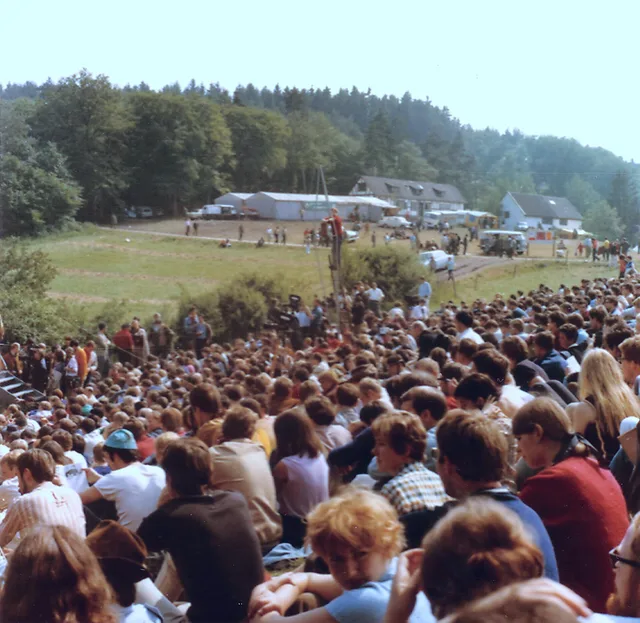
An archival photograph in the Wikimedia Commons Burg Waldeck festival series, retained with its item-level credit — Mirdsson2 — Wikimedia Commons — CC BY-SA 3.0 · source record · CC BY-SA 3.0
Converted to WebP and resized; no generative or compositional alterations.
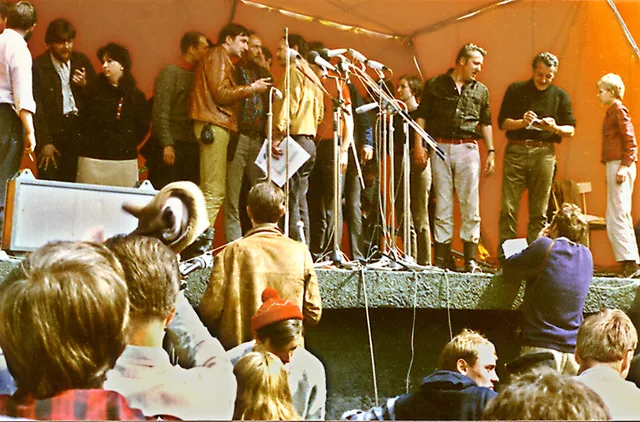
A second archival photograph in the Burg Waldeck festival series, documenting the event's physical and social setting — Mirdsson2 — Wikimedia Commons — CC BY-SA 3.0 · source record · CC BY-SA 3.0
Converted to WebP and resized; no generative or compositional alterations.
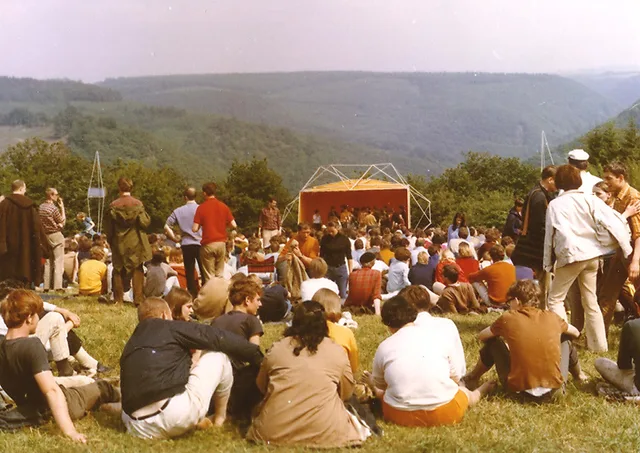
A third licensed archival view associated directly with the Burg Waldeck festival series — Mirdsson2 — Wikimedia Commons — CC BY-SA 3.0 · source record · CC BY-SA 3.0
Converted to WebP and resized; no generative or compositional alterations.
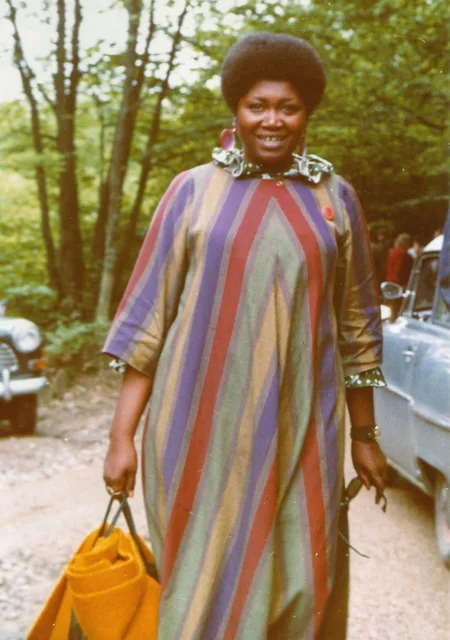
Odetta at the Burg Waldeck Festival in 1968, directly identified by the item-level source record — Sverrir Mirdsson — Wikimedia Commons — CC BY-SA 3.0 · source record · CC BY-SA 3.0
Converted to WebP and resized; no generative or compositional alterations.
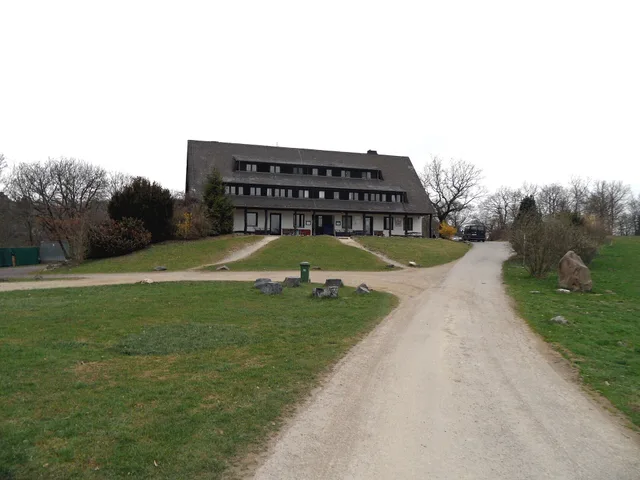
The Burg Waldeck meeting house in a later photograph, used as clearly dated site context — onnola — Wikimedia Commons — CC BY-SA 2.0 · source record · CC BY-SA 2.0
Converted to WebP and resized; no generative or compositional alterations.