

Edition timeline
The phrase 'Umsonst und draußen' became a recognised German term for free-admission open-air festivals during the 1970s.
The phrase 'Umsonst und draußen' became a recognised German term for free-admission open-air festivals during the 1970s.
Historical summaries trace the phrase to a 1970 event in Bünde and note its reuse at Vlotho in 1975.
Historical summaries trace the phrase to a 1970 event in Bünde and note its reuse at Vlotho in 1975.
The Vlotho/Porta Westfalica free-festival tradition belongs to a wider German movement that also included later events such as Stemweder Open Air and Wutzrock.
The Vlotho/Porta Westfalica free-festival tradition belongs to a wider German movement that also included later events such as Stemweder Open Air and Wutzrock.
The cultural argument centred on access, self-organisation and resistance to the commercialisation of rock culture.
The cultural argument centred on access, self-organisation and resistance to the commercialisation of rock culture.
Why this event matters
The words themselves are part of the history. 'Umsonst & Draußen' became a portable cultural slogan, turning a practical description into a political programme for how rock should circulate. The phrase 'Umsonst und draußen' became a recognised German term for free-admission open-air festivals during the 1970s.

Place, site and audience
Historical summaries trace the phrase to a 1970 event in Bünde and note its reuse at Vlotho in 1975. The Vlotho/Porta Westfalica free-festival tradition belongs to a wider German movement that also included later events such as Stemweder Open Air and Wutzrock.
What the audience experienced
The cultural argument centred on access, self-organisation and resistance to the commercialisation of rock culture. Temporary sound, power, stage access and changeovers determined how the advertised programme became a live event.

Problems, conflict and practical limits
This guide needs stronger local Vlotho/Porta archives for precise year-by-year lineups and locations. This guide needs stronger local Vlotho/Porta archives for precise year-by-year lineups and locations.


Follow the festival beyond the field
Timeline
Related genres
More routes will be connected as the archive grows.
Related band guides
More routes will be connected as the archive grows.
Explore by sound
More routes will be connected as the archive grows.
Essential listening
Sources and further reading
- General history – Umsonst und draußenEditorial source spine · accessed 23 July 2026
Image credits5 licensed images
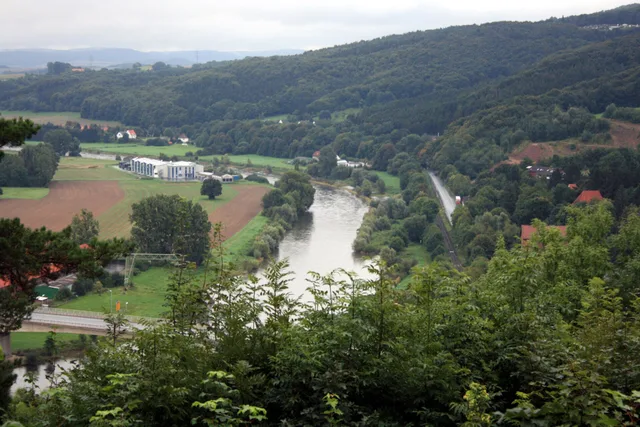
A later view over the Weser landscape at Vlotho, used as regional site context and not as a festival photograph — BangertNo — Wikimedia Commons — CC BY 3.0 · source record · CC BY 3.0
Converted to WebP and resized; no generative or compositional alterations.
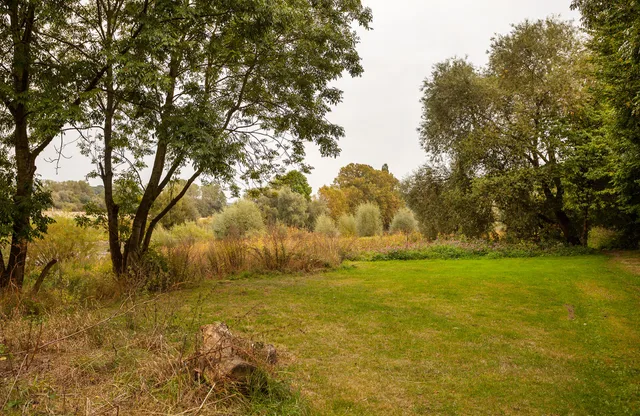
The Weser meadows at Vlotho in a later photograph, clearly presented as site context for the free-festival story — Grugerio — Wikimedia Commons — CC BY-SA 3.0 · source record · CC BY-SA 3.0
Converted to WebP and resized; no generative or compositional alterations.
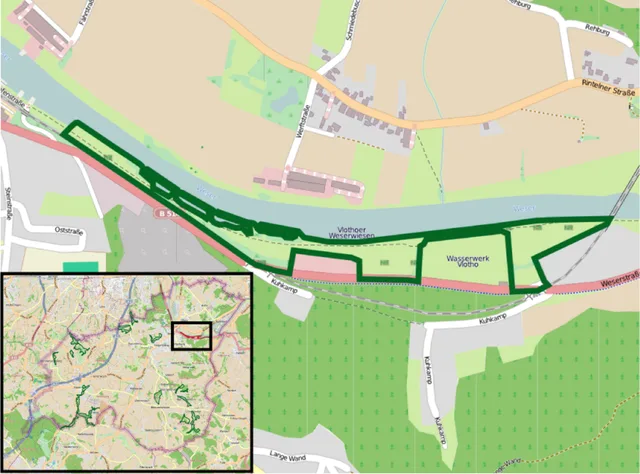
A map of the protected Weser meadows at Vlotho, used to orient the reader geographically — Own work — Wikimedia Commons — CC0 · source record · CC0
Converted to WebP and resized; no generative or compositional alterations.
Members of Bröselmaschine, used as performer context for the German free-festival network and not as a Vlotho stage photograph — Rumpelwicht — Wikimedia Commons — Public domain · source record · Public domain
Converted to WebP and resized; no generative or compositional alterations.
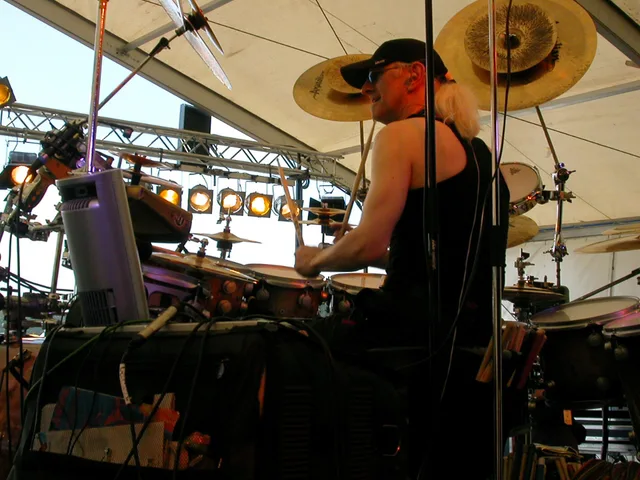
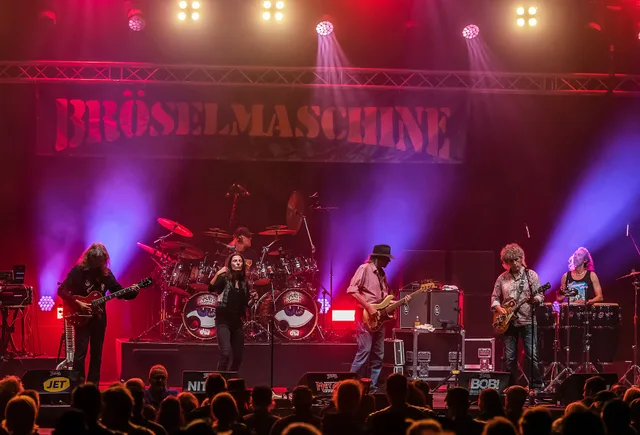
Bröselmaschine at a much later performance, explicitly labelled as artist context rather than 1970s event documentation — Frank Schwichtenberg — Wikimedia Commons — CC BY-SA 4.0 · source record · CC BY-SA 4.0
Converted to WebP and resized; no generative or compositional alterations.