
Edition timeline
Catalan democratic-memory documentation dates the first Canet Rock to 26–27 July 1975.
Catalan democratic-memory documentation dates the first Canet Rock to 26–27 July 1975.
The festival emerged from the same Canet cultural environment as the Sis Hores de Cançó but developed a more rock-oriented, countercultural identity.
The festival emerged from the same Canet cultural environment as the Sis Hores de Cançó but developed a more rock-oriented, countercultural identity.
The first edition occurred only months before Francisco Franco's death, making censorship, Catalan identity and political transition unavoidable context.
The first edition occurred only months before Francisco Franco's death, making censorship, Catalan identity and political transition unavoidable context.
The series continued through the later 1970s and became associated with Catalan progressive rock and the broader 'rock laietà' / counterculture milieu.
The series continued through the later 1970s and became associated with Catalan progressive rock and the broader 'rock laietà' / counterculture milieu.
Why this event matters
This cannot be reduced to 'Spanish Woodstock'. Centre Catalonia, language, dictatorship and transition. The festival matters because cultural freedom was being practised before political freedom was settled. Catalan democratic-memory documentation dates the first Canet Rock to 26–27 July 1975.

Place, site and audience
The festival emerged from the same Canet cultural environment as the Sis Hores de Cançó but developed a more rock-oriented, countercultural identity. The first edition occurred only months before Francisco Franco's death, making censorship, Catalan identity and political transition unavoidable context.
What the audience experienced
The series continued through the later 1970s and became associated with Catalan progressive rock and the broader 'rock laietà' / counterculture milieu. Temporary sound, power, stage access and changeovers determined how the advertised programme became a live event.

What happened afterward
Canet Rock 1975–1978 is followed through later editions, institutional change and its documented endpoint.


Follow the festival beyond the field
Timeline
Related genres
More routes will be connected as the archive grows.
Related band guides
More routes will be connected as the archive grows.
Explore by sound
More routes will be connected as the archive grows.
Essential listening
Sources and further reading
- Memorial Democràtic – chronological reference to Canet Rock 1975Editorial source spine · accessed 23 July 2026
Image credits5 licensed images
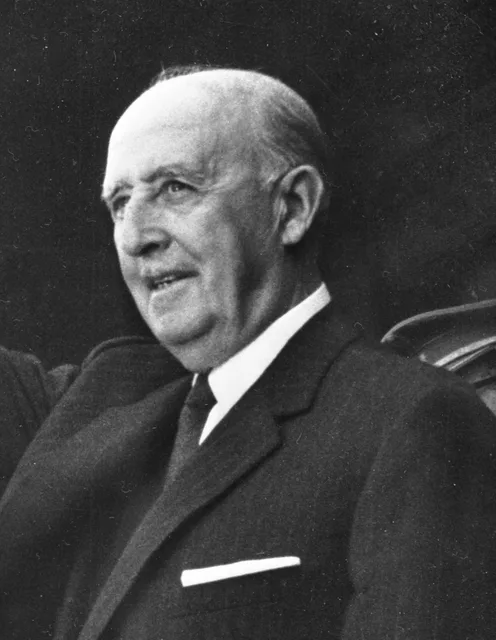
Francisco Franco in 1968, used as political context for the dictatorship under which the first Canet Rock was organised — Anonymous Unknown author — Wikimedia Commons — CC BY-SA 4.0 · source record · CC BY-SA 4.0
Converted to WebP and resized; no generative or compositional alterations.
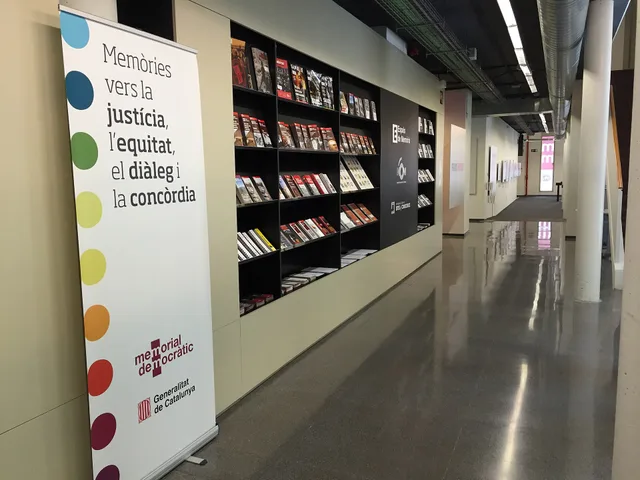
A Memorial Democràtic exhibition space, used as later public-memory context for Catalonia's democratic transition — Kippelboy — Wikimedia Commons — CC0 · source record · CC0
Converted to WebP and resized; no generative or compositional alterations.
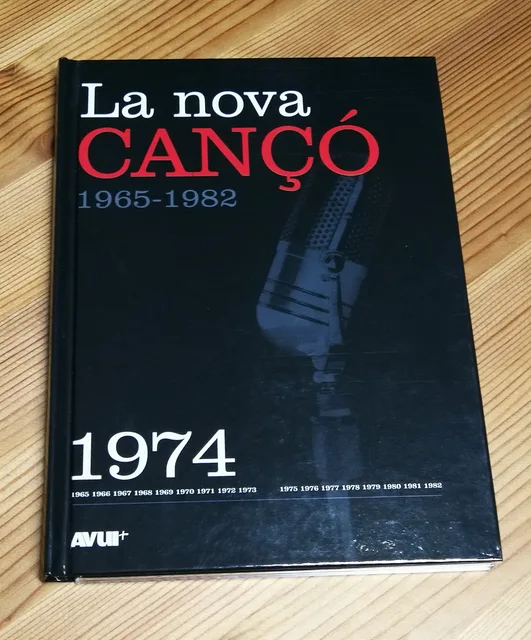
Material connected with the Nova Cançó movement, used as cultural context for Canet Rock's Catalan programme — Own work — Wikimedia Commons — CC BY-SA 4.0 · source record · CC BY-SA 4.0
Converted to WebP and resized; no generative or compositional alterations.
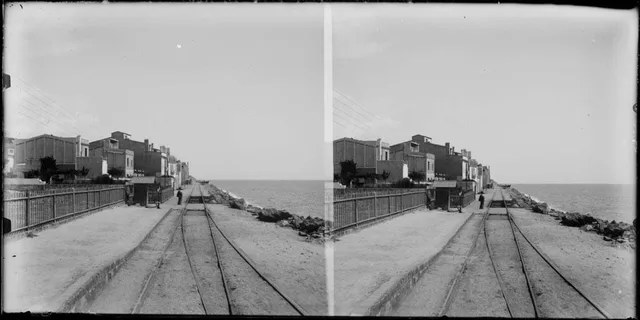
Canet de Mar railway station, used to locate the coastal town and audience journey rather than as festival documentation — Frederic Bordas Altarriba — Wikimedia Commons — Public domain · source record · Public domain
Converted to WebP and resized; no generative or compositional alterations.
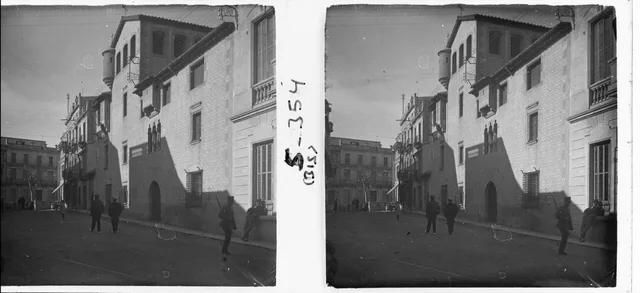
A historic square and defensive tower in Canet de Mar, used as town context without claiming to depict the festival — Josep Salvany i Blanch — Wikimedia Commons — Public domain · source record · Public domain
Converted to WebP and resized; no generative or compositional alterations.