
.jpg)
Edition timeline
Brazilian National Library and municipal material confirm that Festival de Águas Claras had four editions: 1975, 1981, 1983 and 1984, centred on Fazenda Santa Virgínia in Iacanga, São Paulo state.
Brazilian National Library and municipal material confirm that Festival de Águas Claras had four editions: 1975, 1981, 1983 and 1984, centred on Fazenda Santa Virgínia in Iacanga, São Paulo state.
The first edition ran 17–19 January 1975.
The first edition ran 17–19 January 1975. Biblioteca Nacional gives an estimated 15,000 attendees, while later participant/press histories sometimes report closer to 20,000–30,000.
Antônio Checchin Júnior ('Leivinha') was the principal creator/organising figure, using his family's Fazenda Santa Virgínia.
Antônio Checchin Júnior ('Leivinha') was the principal creator/organising figure, using his family's Fazenda Santa Virgínia.
Biblioteca Nacional describes a comparatively improvised infrastructure in 1975 and notes that some advertised names did not appear; confirmed/strongly documented performers included Brazilian progressive and rock acts such as Som Nosso de Cada Dia, Terreno Baldio, Moto Perpétuo and O Terço.
Biblioteca Nacional describes a comparatively improvised infrastructure in 1975 and notes that some advertised names did not appear; confirmed/strongly documented performers included Brazilian progressive and rock acts such as Som Nosso de Cada Dia, Terreno Baldio, Moto Perpétuo and O Terço.
The later editions in 1981, 1983 and 1984 broadened the musical palette across Brazilian rock, MPB, jazz and regional styles.
The later editions in 1981, 1983 and 1984 broadened the musical palette across Brazilian rock, MPB, jazz and regional styles. Edition-specific crowd numbers vary and are attributed.
Why this event matters
Use that nickname only as reception history. The real story is how a rural Brazilian festival created cultural breathing room across four irregular editions under changing political conditions. Brazilian National Library and municipal material confirm that Festival de Águas Claras had four editions: 1975, 1981, 1983 and 1984, centred on Fazenda Santa Virgínia in Iacanga, São Paulo state.
.jpg)
Place, site and audience
The first edition ran 17–19 January 1975. Antônio Checchin Júnior ('Leivinha') was the principal creator/organising figure, using his family's Fazenda Santa Virgínia.
What the audience experienced
Biblioteca Nacional describes a comparatively improvised infrastructure in 1975 and notes that some advertised names did not appear; confirmed/strongly documented performers included Brazilian progressive and rock acts such as Som Nosso de Cada Dia, Terreno Baldio, Moto Perpétuo and O Terço. The later editions in 1981, 1983 and 1984 broadened the musical palette across Brazilian rock, MPB, jazz and regional styles.
.jpg)
Problems, conflict and practical limits
Attendance and edition-specific lineups vary by source. A 2025 Iacanga municipal document explicitly remembers the 1975 festival, its 17 January start and the fact that it proceeded without the required authorisation, after which authorities reacted against large open-air events.

_2010.jpg)
Follow the festival beyond the field
Timeline
Related genres
More routes will be connected as the archive grows.
Related band guides
More routes will be connected as the archive grows.
Explore by sound
More routes will be connected as the archive grows.
Essential listening
Sources and further reading
- Biblioteca Nacional do Brasil – Woodstock no Brasil? / Festival de Águas Claras 1975Editorial source spine · accessed 23 July 2026
- Iacanga municipal historical/planning documentation mentioning the 1975 festival and its regulatory aftermathEditorial source spine · accessed 23 July 2026
- 81 em Iacanga documentary/archive project for surviving moving-image historyEditorial source spine · accessed 23 July 2026
- Contemporary Brazilian press and edition-specific programmes for 1981, 1983 and 1984Editorial source spine · accessed 23 July 2026
Image credits5 licensed images
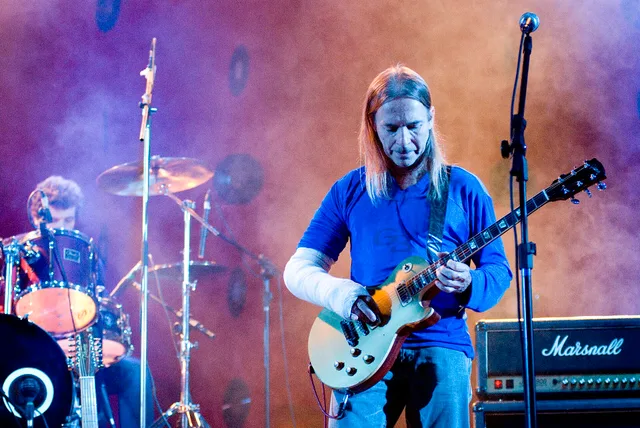
Brazilian progressive rock group O Terço, a documented Águas Claras act; this separate image supplies artist context — As fotos da Virada! — Wikimedia Commons — CC BY-SA 2.0 · source record · CC BY-SA 2.0
Converted to WebP and resized; no generative or compositional alterations.
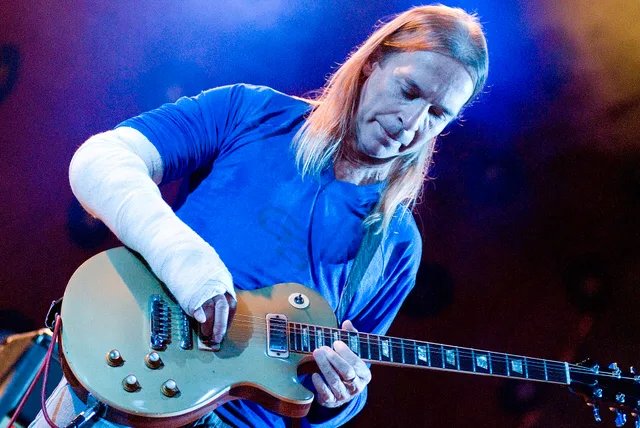
A second licensed image of O Terço, used as performer context rather than festival photography — As fotos da Virada! — Wikimedia Commons — CC BY-SA 2.0 · source record · CC BY-SA 2.0
Converted to WebP and resized; no generative or compositional alterations.
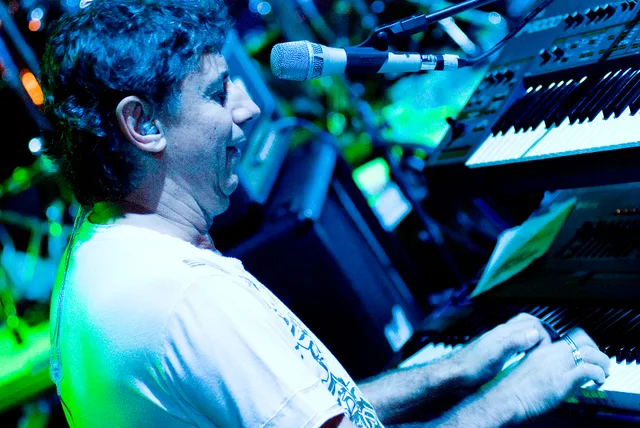
O Terço at a later performance, clearly labelled as artist context for the Águas Claras programme — As fotos da Virada! — Wikimedia Commons — CC BY-SA 2.0 · source record · CC BY-SA 2.0
Converted to WebP and resized; no generative or compositional alterations.
The coat of arms of Iacanga, used as municipal context for the festival's host area — Unknown creator — Wikimedia Commons — Public domain · source record · Public domain
Converted to WebP and resized; no generative or compositional alterations.
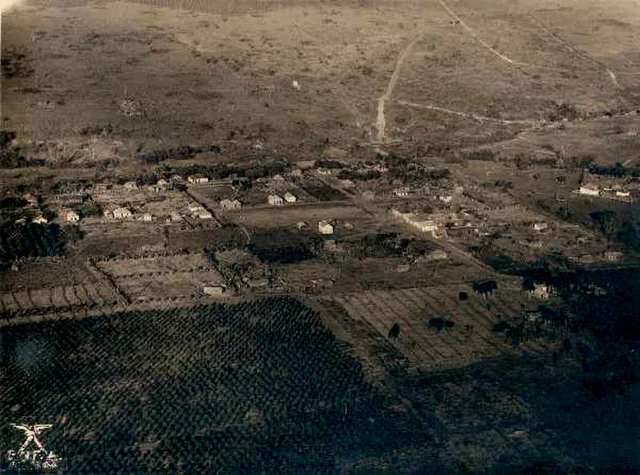
A later view in the municipality of Iacanga, used as regional context and not as festival documentation — Trabalho realizado pela ENFA (Empresa Nacional de Fotos Aéreas) sob supervisão do IGG — Wikimedia Commons — Public domain · source record · Public domain
Converted to WebP and resized; no generative or compositional alterations.