

Edition timeline
Vilar de Mouros began as a folk-oriented event in the mid-1960s under founder António Barge.
Vilar de Mouros began as a folk-oriented event in the mid-1960s under founder António Barge.
The 1971 edition expanded radically and is widely treated as Portugal's foundational rock-festival moment.
The 1971 edition expanded radically and is widely treated as Portugal's foundational rock-festival moment.
The 1971 programme unfolded across three weekends, with rock concerts concentrated on 7–8 August and international names including Elton John and Manfred Mann's Earth Band.
The 1971 programme unfolded across three weekends, with rock concerts concentrated on 7–8 August and international names including Elton John and Manfred Mann's Earth Band.
At least 30,000 attendees are commonly reported for 1971, but use the figure as an estimate.
At least 30,000 attendees are commonly reported for 1971, but use the figure as an estimate.
Portugal was still under the Estado Novo dictatorship; secret-police surveillance and censorship form an essential part of the context.
Portugal was still under the Estado Novo dictatorship; secret-police surveillance and censorship form an essential part of the context.
Why this event matters
The political contrast is the page. Same village, different Portugal: 1971's counterculture under authoritarianism versus the 1982 revival after democratic transformation. Vilar de Mouros began as a folk-oriented event in the mid-1960s under founder António Barge.

Place, site and audience
The 1971 edition expanded radically and is widely treated as Portugal's foundational rock-festival moment. The 1971 programme unfolded across three weekends, with rock concerts concentrated on 7–8 August and international names including Elton John and Manfred Mann's Earth Band.
What the audience experienced
At least 30,000 attendees are commonly reported for 1971, but use the figure as an estimate. Portugal was still under the Estado Novo dictatorship; secret-police surveillance and censorship form an essential part of the context.
,_Biblioteca_Municipal_de_Torres_Vedras,_06.jpg)
What happened afterward
Vilar de Mouros 1971 & 1982 is followed through later editions, institutional change and its documented endpoint.
.jpg)
.jpg)
Follow the festival beyond the field
Timeline
Related genres
More routes will be connected as the archive grows.
Related band guides
More routes will be connected as the archive grows.
Explore by sound
More routes will be connected as the archive grows.
Essential listening
Sources and further reading
- RTP / Portuguese public-broadcast historical chronology for Vilar de MourosEditorial source spine · accessed 23 July 2026
- Portuguese municipal / national press archives for 1971 and 1982Editorial source spine · accessed 23 July 2026
- Dated programmes and artist archives for the three-weekend 1971 scheduleEditorial source spine · accessed 23 July 2026
Image credits5 licensed images
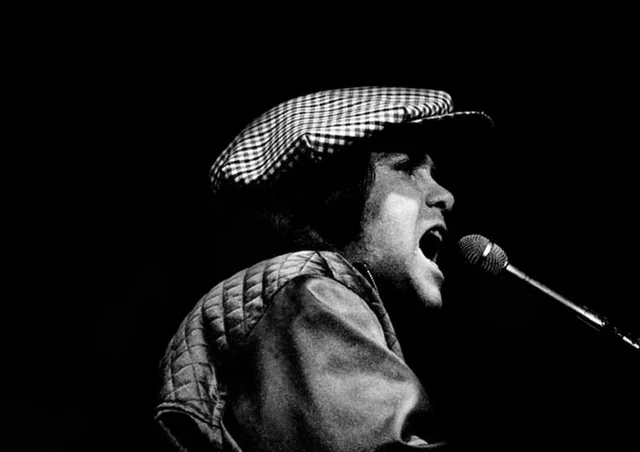
Elton John in a period performance photograph. He is documented at Vilar de Mouros in 1971; this is artist context rather than event photography — Eddie — Wikimedia Commons — CC BY-SA 2.0 · source record · CC BY-SA 2.0
Converted to WebP and resized; no generative or compositional alterations.
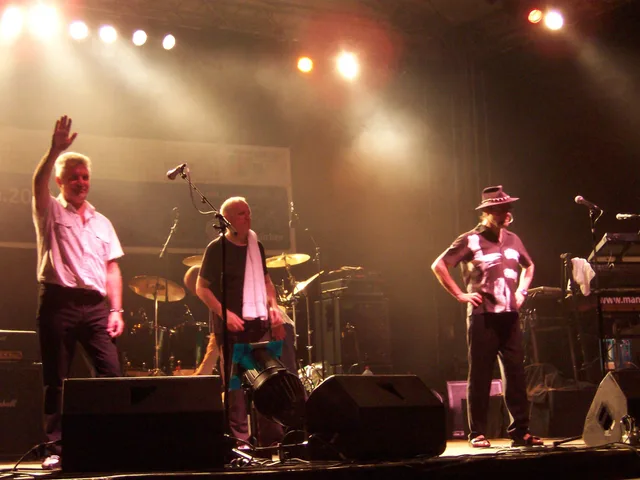
Manfred Mann's Earth Band at a later performance, used as artist context for the documented 1971 programme — Moehre1992 — Wikimedia Commons — CC BY-SA 3.0 · source record · CC BY-SA 3.0
Converted to WebP and resized; no generative or compositional alterations.
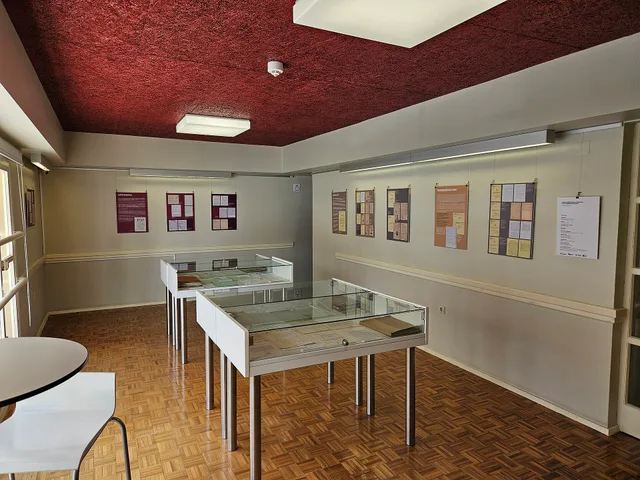
An exhibition about censorship and public opinion under Estado Novo, used as political context rather than festival imagery — GualdimG — Wikimedia Commons — CC BY-SA 4.0 · source record · CC BY-SA 4.0
Converted to WebP and resized; no generative or compositional alterations.
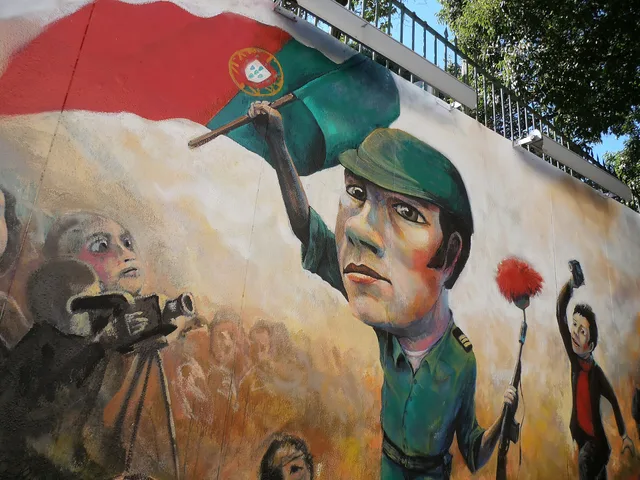
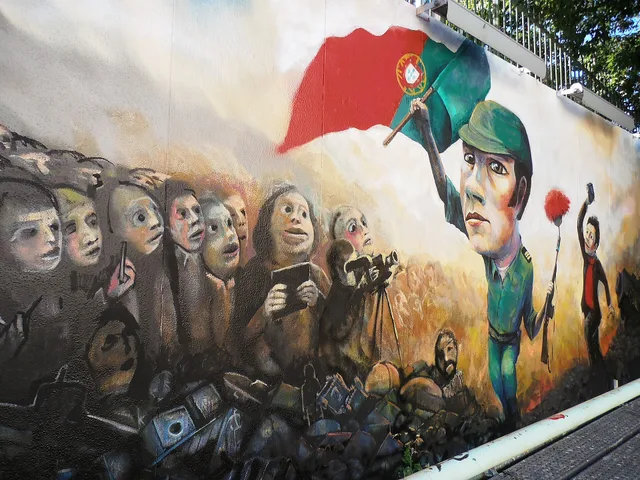
Carnation Revolution memory in Lisbon, used to explain the transformed political context of the 1982 revival — Jeanne Menjoulet from Paris, France — Wikimedia Commons — CC BY 2.0 · source record · CC BY 2.0
Converted to WebP and resized; no generative or compositional alterations.
A second Lisbon image connected with Carnation Revolution memory, clearly presented as political context — Jeanne Menjoulet from Paris, France — Wikimedia Commons — CC BY 2.0 · source record · CC BY 2.0
Converted to WebP and resized; no generative or compositional alterations.