
.jpg)
Edition timeline
Bill Graham Presents launched the Day on the Green concert tradition in the Bay Area in 1973, with the Oakland-Alameda County Coliseum becoming its defining home.
Bill Graham Presents launched the Day on the Green concert tradition in the Bay Area in 1973, with the Oakland-Alameda County Coliseum becoming its defining home.
The format was recurring, single-day, multi-act stadium programming rather than one annual fixed-date festival.
The format was recurring, single-day, multi-act stadium programming rather than one annual fixed-date festival.
Across the 1970s and early 1980s the series featured many of the era's dominant touring rock acts and became a model of professionalised stadium promotion.
Across the 1970s and early 1980s the series featured many of the era's dominant touring rock acts and became a model of professionalised stadium promotion.
Bill Graham's production discipline, the Coliseum setting and Bay Area concert culture distinguish it sharply from the improvised field festivals of 1968–70.
Bill Graham's production discipline, the Coliseum setting and Bay Area concert culture distinguish it sharply from the improvised field festivals of 1968–70.
Why this event matters
Day on the Green shows the festival idea becoming infrastructure. Graham takes the social appetite for all-day outdoor rock and folds it into repeatable stadium logistics, branding and professional touring economics. Bill Graham Presents launched the Day on the Green concert tradition in the Bay Area in 1973, with the Oakland-Alameda County Coliseum becoming its defining home.

Place, site and audience
Oakland Coliseum, California shaped access, movement and the relationship between the gathering and its neighbours. The format was recurring, single-day, multi-act stadium programming rather than one annual fixed-date festival.
What the audience experienced
Across the 1970s and early 1980s the series featured many of the era's dominant touring rock acts and became a model of professionalised stadium promotion. Bill Graham's production discipline, the Coliseum setting and Bay Area concert culture distinguish it sharply from the improvised field festivals of 1968–70.

Problems, conflict and practical limits
Guide scope ends in 1984 for RetroForge chronology; the original series continued beyond that date. Guide scope ends in 1984 for RetroForge chronology; the original series continued beyond that date.


Follow the festival beyond the field
Timeline
Related genres
More routes will be connected as the archive grows.
Related band guides
More routes will be connected as the archive grows.
Explore by sound
More routes will be connected as the archive grows.
Essential listening
Sources and further reading
- General series cross-check – Day on the GreenEditorial source spine · accessed 23 July 2026
- Bill Graham archival collections / Wolfgang's as research leadEditorial source spine · accessed 23 July 2026
Image credits5 licensed images
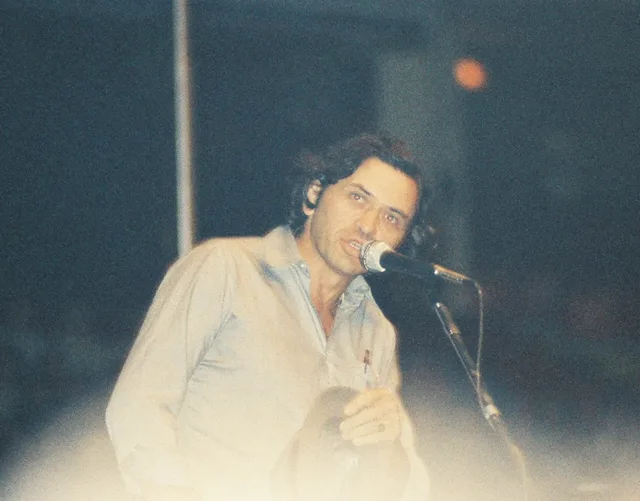
Bill Graham in 1974, direct organiser context for the Day on the Green series he launched in the Bay Area — Tony Morelli — Wikimedia Commons — CC BY 2.0 · source record · CC BY 2.0
Converted to WebP and resized; no generative or compositional alterations.
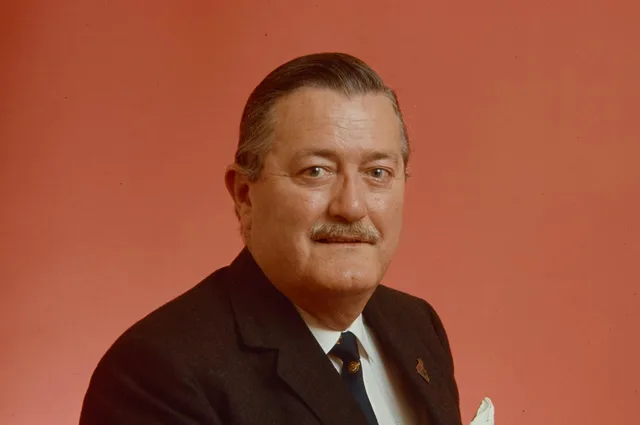
A second 1974 photograph of Bill Graham, used to tell the series' production and promotion history rather than to imply an Oakland stage location — Australian Information Service — Wikimedia Commons — Public domain · source record · Public domain
Converted to WebP and resized; no generative or compositional alterations.
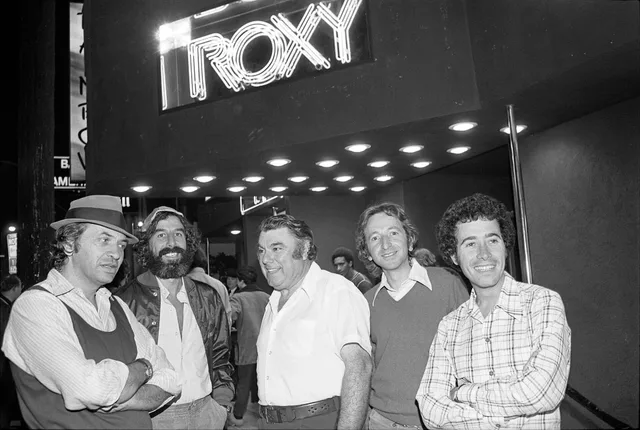
Bill Graham with other American music-industry figures, illustrating the professional promotion network around stadium-era rock — Tony Barnard, Los Angeles Times — Wikimedia Commons — CC BY 4.0 · source record · CC BY 4.0
Converted to WebP and resized; no generative or compositional alterations.
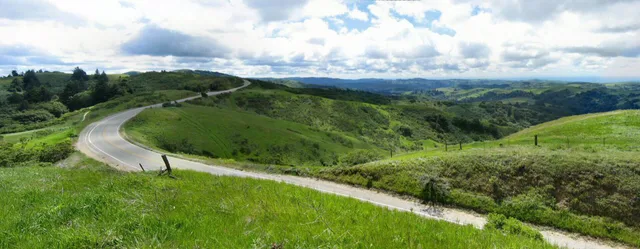
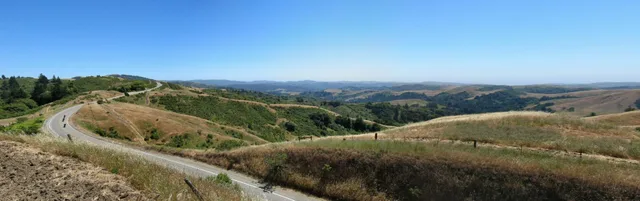
A Bay Area landscape used to establish regional context for the Oakland series. It is not a Day on the Green audience photograph — Jawed Karim ( talk · contribs ) — Wikimedia Commons — CC BY-SA 3.0 · source record · CC BY-SA 3.0
Converted to WebP and resized; no generative or compositional alterations.
A second Bay Area view, used as licensed geographic context and explicitly not as historical concert documentation — Jawed Karim ( talk · contribs ) — Wikimedia Commons — CC BY-SA 3.0 · source record · CC BY-SA 3.0
Converted to WebP and resized; no generative or compositional alterations.