
Edition timeline
A few hundred establish a claim
The “People’s Free Festival” combines music, squatting politics and unauthorised use of Windsor Great Park.
The gathering grows
Thousands arrive and authorities recognise that the movement is no longer self-limiting.
Police clear the encampment
Thames Valley Police remove the remaining participants in a nationally controversial operation.
Watchfield becomes the alternative
Government toleration of a former airfield seeks to prevent another Windsor confrontation.
Why this series matters
At Windsor, the free festival became a national dispute about land, assembly, policing and alternative community. Music remained essential, but no ticket contract separated audience from organiser or legitimised the occupation to the landowner. The 1974 clearance generated press controversy, parliamentary scrutiny and government attempts to find another site. Few festival histories move so directly from camp life into Home Office policy, which makes Windsor one of RetroForge’s most consequential culture pages. Ubi Dwyer, Sid Rawle and related squatting or commune networks questioned the commercial assumptions of mainstream festivals. The early gathering was remembered under political titles including “Rent Strike: The People’s Free Festival.” Rejecting fences and admission prices made participation more porous, but also removed conventional contracts, audited counts and funded services. Infrastructure depended on improvisation, contribution and negotiation rather than a promoter with secure control over land and suppliers. Windsor Great Park carried symbolic force because it was associated with the Crown and tightly managed property. Camping and amplified music without normal permission transformed cultural practice into an argument about who could use nationally resonant land. “The Queen’s back garden” was movement shorthand, but the historical issue was serious: participants imagined access as a public right, while estate managers and authorities understood prolonged encampment as trespass, damage and a challenge to lawful control. The first event drew only a few hundred; retrospective accounts range roughly from 200 to 700, so no exact count is chosen. Its importance was repetition and claim, not size. By 1973 attendance had grown into the thousands and the free-festival network could mobilise travellers, musicians and supplies more effectively. Authorities could now see that the gathering would not simply exhaust itself, while participants saw continuity as evidence of legitimacy.

1974: the disputed encampment
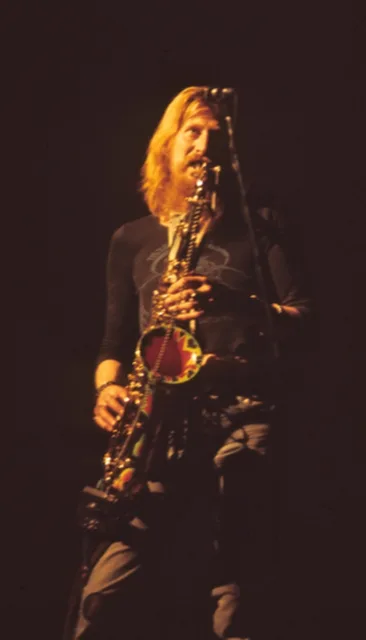
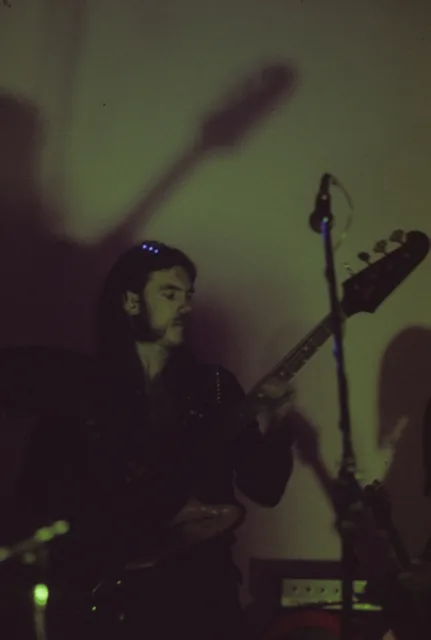
The final festival was intended to last about ten days. Parliament later referred to more than 7,000 attendees, while participant publications proposed figures as high as 25,000. These may describe different moments and political perspectives; neither becomes an audited universal total. Water, sanitation, food, searches, surveillance and communal decision-making appear differently in official and participant sources. The conflict between records is itself evidence of a site understood through incompatible ideas of order. Windsor cannot be reconstructed like Reading. Programming was fluid, performers could arrive through networks and documentation lacks one authoritative commercial schedule. The page therefore avoids a seductive decade-spanning lineup. Hawkwind imagery is used as period context for the wider free-festival orbit, not proof of a particular Windsor set. Music functioned alongside meetings, camps and political discussion rather than as a product delivered to a clearly bounded paying audience. Stages, generators, sound, food and welfare emerged through decentralised contributions. This reduced the distance between performer, resident, worker and audience, expressing the movement’s politics in physical organisation. It also left sanitation, safety and conflict resolution vulnerable when participation expanded. Improvisation should be neither dismissed as incompetence nor romanticised as effortless community. It was a deliberate social form carrying real practical costs. Thames Valley Police entered and removed the remaining encampment on 28 August. Participants, journalists and official accounts sharply disagreed about responsibility and the degree of force. Seven national newspapers called for an inquiry according to later summaries, while police defended the operation as enforcement. A responsible history places Hansard, the Chief Constable’s report, contemporary press and movement testimony beside one another without converting allegation into fact or official language into the only permissible view.

The political aftermath
Home Secretary Roy Jenkins considered the Chief Constable’s report and requests for a public inquiry. On 14 November he declined to order one, while emphasising prevention and more acceptable arrangements. A December Commons debate widened Windsor into a national law-enforcement issue. National Archives selection policy later called Crown Estate files historically significant and records more than 500 prosecutions arising from the police action. The archive continued long after the music stopped. Authorities recognised that prohibition alone would not dissolve the free-festival network. In 1975 a former airfield at Watchfield became an officially tolerated alternative site with basic public support. Jenkins later said this was intended to avoid the violence and rising police costs seen at Windsor. The experiment did not settle every conflict, but it shows government moving from eviction toward managed accommodation because the social demand to gather could not simply be legislated out of existence. Windsor forces a question conventional festivals answer through contracts: who may occupy land, for how long and under whose rules? Participants treated communal presence and free culture as claims to public space. Estate managers and police answered through property law, conservation and public order. Neither perspective makes music incidental. Amplified performance and a multi-day camp made the abstract dispute visible, audible and impossible for national institutions to ignore. Windsor’s aftermath runs directly to Watchfield and strengthens the British free-festival and traveller network associated with Stonehenge. Chronology matters: the first recognised Stonehenge gathering and final Windsor edition both occurred in 1974, so Windsor did not create Stonehenge in a neat succession. Its violent ending redirected cultural gravity and state attention. The enduring legacy is a debate about assembly and public land that extended far beyond one festival programme.


Follow the festival beyond the field
Timeline
Related genres
Related band guides
More routes will be connected as the archive grows.
Explore by sound
Essential listening
Sources and further reading
- Windsor Free Festival statementUK Parliament Hansard · accessed 23 July 2026
- Law Enforcement debateUK Parliament Hansard · accessed 23 July 2026
- Crown Estate record-selection policyThe National Archives · accessed 23 July 2026
- Pop Festival, WatchfieldUK Parliament Hansard · accessed 23 July 2026
- Contemporary Watchfield alternative-site reportNew Musical Express archive · accessed 23 July 2026
Image credits5 licensed images
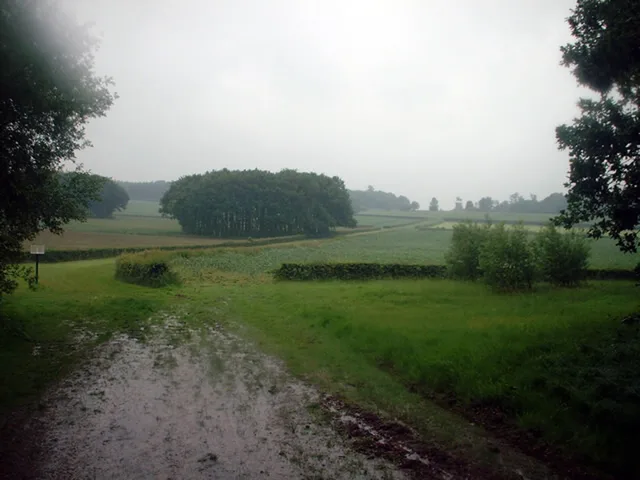
Windsor Great Park in a modern landscape photograph. The image documents place, not a historical encampment — Peter Jordan — Wikimedia Commons — CC BY-SA 2.0 · source record · CC BY-SA 2.0
Converted to WebP and resized; no generative or compositional alterations.
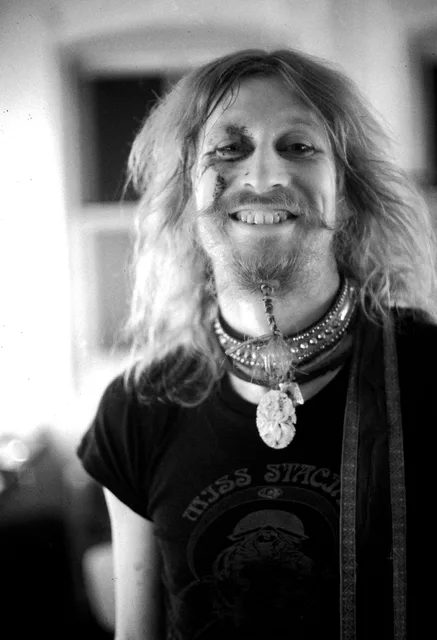
Nik Turner with Hawkwind in 1974, providing period artist context for Britain’s free-festival network — Jim Summaria — Wikimedia Commons — CC BY-SA 3.0 · source record · CC BY-SA 3.0
Converted to WebP and resized; no generative or compositional alterations.
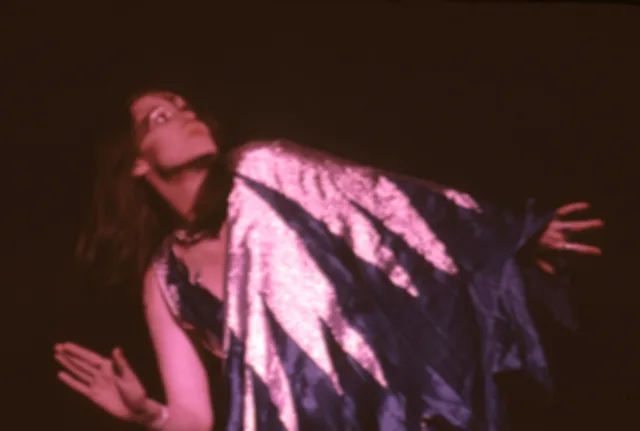
Stacia with Hawkwind during the 1974 Hall of the Mountain Grill tour. This is period context, not a Windsor stage photograph — David W. Lawrence — Wikimedia Commons — CC BY-SA 4.0 · source record · CC BY-SA 4.0
Converted to WebP and resized; no generative or compositional alterations.
Nik Turner on stage in 1974, illustrating the sound-and-light culture linked to free festivals — David W. Lawrence — Wikimedia Commons — CC BY-SA 4.0 · source record · CC BY-SA 4.0
Converted to WebP and resized; no generative or compositional alterations.
Lemmy with Hawkwind in 1974. The image provides close-period artist context and does not depict Windsor — David W. Lawwrence — Wikimedia Commons — CC BY-SA 4.0 · source record · CC BY-SA 4.0
Converted to WebP and resized; no generative or compositional alterations.