.png)
Edition timeline
The Great Western Express Festival ran 26–29 May 1972 near Bardney, Lincolnshire, on land by Tupholme Abbey.
The Great Western Express Festival ran 26–29 May 1972 near Bardney, Lincolnshire, on land by Tupholme Abbey.
Lincolnshire heritage material gives an attendance of about 30,000 and notes that poor weather contributed to financial losses.
Lincolnshire heritage material gives an attendance of about 30,000 and notes that poor weather contributed to financial losses.
The broad programme included Rod Stewart and Faces, The Beach Boys, Rory Gallagher, Humble Pie, Status Quo, Roxy Music and many others.
The broad programme included Rod Stewart and Faces, The Beach Boys, Rory Gallagher, Humble Pie, Status Quo, Roxy Music and many others.
Specialist archive material documents surviving recordings, programmes, contemporary press and extensive eyewitness recollections.
Specialist archive material documents surviving recordings, programmes, contemporary press and extensive eyewitness recollections.
The event did not become the repeat festival its organisers publicly imagined.
The event did not become the repeat festival its organisers publicly imagined.
Why this event matters
This is a useful bridge between chaotic 1970 festivals and the more mature mid-1970s circuit. Production functioned, bands largely appeared, security remained present—yet weather and economics could still wipe out the business case. The Great Western Express Festival ran 26–29 May 1972 near Bardney, Lincolnshire, on land by Tupholme Abbey.

Place, site and audience
Lincolnshire heritage material gives an attendance of about 30,000 and notes that poor weather contributed to financial losses. The broad programme included Rod Stewart and Faces, The Beach Boys, Rory Gallagher, Humble Pie, Status Quo, Roxy Music and many others.
What the audience experienced
Specialist archive material documents surviving recordings, programmes, contemporary press and extensive eyewitness recollections. The event did not become the repeat festival its organisers publicly imagined.

What happened afterward
Great Western Express Festival 1972 is followed through later editions, institutional change and its documented endpoint.


Follow the festival beyond the field
Timeline
Related genres
More routes will be connected as the archive grows.
Related band guides
More routes will be connected as the archive grows.
Explore by sound
More routes will be connected as the archive grows.
Essential listening
Sources and further reading
- Lincolnshire Life – Tupholme / Bardney festival contextEditorial source spine · accessed 23 July 2026
- UK Rock Festivals – Great Western Express archiveEditorial source spine · accessed 23 July 2026
Image credits5 licensed images
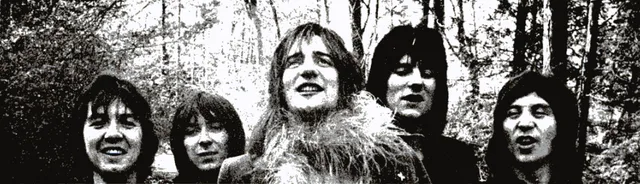
The Faces with Rod Stewart in 1970, close-period artist context for the documented Bardney programme and not a festival photograph — Warner Bros. Records — Wikimedia Commons — Public domain · source record · Public domain
Converted to WebP and resized; no generative or compositional alterations.
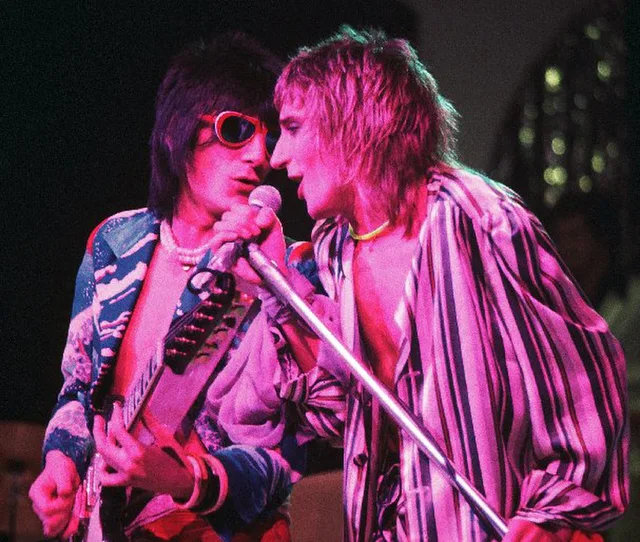
Rod Stewart and Ron Wood with the Faces in 1975. The later performance supplies artist context for their 1972 Bardney appearance — Jim Summaria, http://www.jimsummariaphoto.com/ — Wikimedia Commons — CC BY-SA 3.0 · source record · CC BY-SA 3.0
Converted to WebP and resized; no generative or compositional alterations.
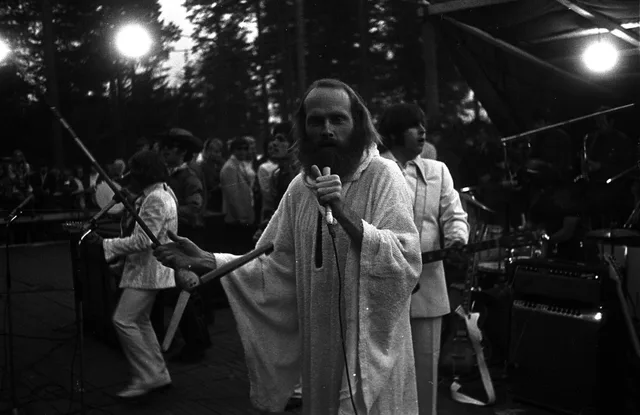
The Beach Boys in Finland in 1969, close-period context for their documented Great Western Express appearance and not a Bardney image — Olin, Rafael — Wikimedia Commons — CC BY 4.0 · source record · CC BY 4.0
Converted to WebP and resized; no generative or compositional alterations.
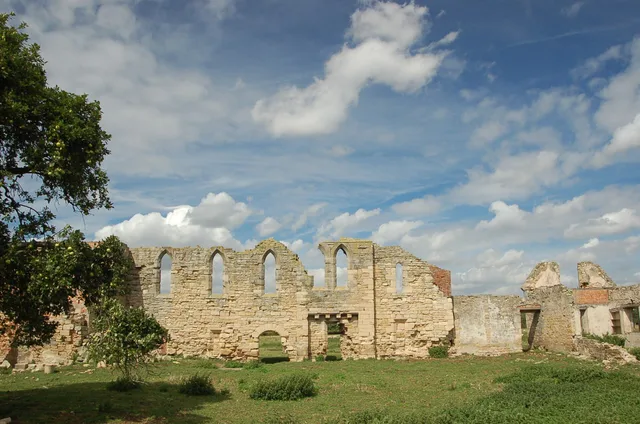
Tupholme Abbey near the 1972 festival land, used as later site context rather than event documentation — Gary Brothwell — Wikimedia Commons — CC BY-SA 2.0 · source record · CC BY-SA 2.0
Converted to WebP and resized; no generative or compositional alterations.
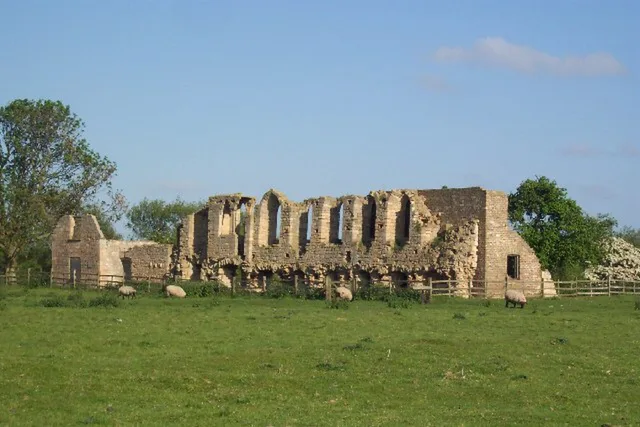
A second licensed view of Tupholme Abbey, locating the Bardney setting without claiming to show the festival — Ron Strutt — Wikimedia Commons — CC BY-SA 2.0 · source record · CC BY-SA 2.0
Converted to WebP and resized; no generative or compositional alterations.