

Edition timeline
A larger sequel is promoted
Duncan and Alexander build on a smaller Evansville event while venue opposition grows.
Indiana sites are blocked
Court action repeatedly displaces the festival until Bull Island is selected.
Hundreds of thousands reach the borderland site
Rain and scale overwhelm food, water, sanitation, access and security.
Fire and legal aftermath follow
The burned stage becomes the visual endpoint of a much wider civic and legal failure.
Why this event matters
Bull Island is a closing chapter in the American mega-festival backlash. Regulation displaced the event until promoters found a borderland site that was legal long enough to open but incapable of supporting the crowd. The festival ran from 2 to 4 September 1972 over Labor Day weekend. Tom Duncan and Bob Alexander moved from a successful smaller Evansville event to a far larger plan. Court orders and local opposition repeatedly blocked proposed Indiana sites while publicity continued. Bull Island is in White County, Illinois, but is reached from near Griffin on the Indiana side of the Wabash. Bull Island lies in Illinois but is reached from the Indiana side of the Wabash near Griffin. The unusual river boundary explains persistent location confusion and complicated jurisdiction. Published attendance estimates commonly range from 200,000 to 300,000 and cannot be audited. The ambitious poster is evidence of promised billing, not a performance record. Contemporary reporting and artist archives support a smaller list of acts that actually reached the stage. Heavy rain, shortages and crowd scale overwhelmed the site.
.JPG)
What the audience experienced
Rain, shortages, crowding and failing sanitation made ordinary festival services feel absent. The audience was several times larger than the site and production had been designed to carry. The festival ran from 2 to 4 September 1972 over Labor Day weekend. A site planned around roughly 55,000 people confronted estimates in the hundreds of thousands. Water, food, toilets, access and stage operations could not be scaled after the population had already arrived. Bull Island is in White County, Illinois, but is reached from near Griffin on the Indiana side of the Wabash. Law-enforcement jurisdiction and the scale of the gathering left large areas without effective control. Crime and violence claims are kept tied to contemporary or official evidence rather than later lists of horrors. Published attendance estimates commonly range from 200,000 to 300,000 and cannot be audited. Parts of the site, including the stage, burned during unrest after the programme. Lawsuits, investigations and public memory extended the consequences well beyond Labor Day weekend. Heavy rain, shortages and crowd scale overwhelmed the site.

Films, recordings and surviving documents
Regional newspaper archives, Indiana state records, police material, posters and artist histories reconstruct the event from different institutional viewpoints. Poster billing remains separate from confirmed performance. The festival ran from 2 to 4 September 1972 over Labor Day weekend. Bull Island was a festival looking for somewhere it was allowed to exist. The final location solved an immediate legal problem while magnifying nearly every practical one. Bull Island is in White County, Illinois, but is reached from near Griffin on the Indiana side of the Wabash. Connections to neighbouring festivals reveal how promoters, audiences, public authorities and touring musicians carried lessons between events. Internal routes make those comparisons part of the historical argument rather than a list of recommendations. Published attendance estimates commonly range from 200,000 to 300,000 and cannot be audited. The disaster strengthened the case of municipalities that feared unbounded mass rock events. It belongs to the end of the classic American open-field boom rather than to a simple catalogue of festival chaos. Heavy rain, shortages and crowd scale overwhelmed the site.


Follow the festival beyond the field
Timeline
Related genres
Related band guides
More routes will be connected as the archive grows.
Explore by sound
Essential listening
Sources and further reading
- Bull Island retrospectiveEvansville Living Magazine · accessed 23 July 2026
- Festival FiascoEvansville Living Magazine · accessed 23 July 2026
- Indiana public-record opinion concerning festival filesIndiana Public Access Counselor · accessed 23 July 2026
- Contemporary Cash Box previewWorld Radio History · accessed 23 July 2026
- Period artist image sourcesWikimedia Commons · accessed 23 July 2026
Image credits5 licensed images
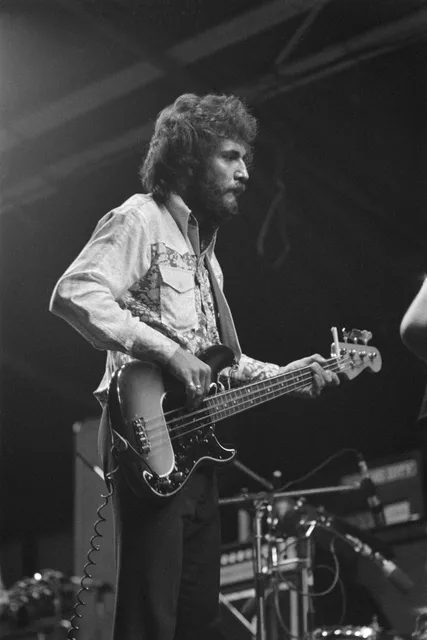
Canned Heat at Ruisrock in 1971. The exact event is identified because the photograph provides close-period artist context for Bull Island — Heikki Innanen / Museovirasto — Wikimedia Commons — CC BY 4.0 · source record · CC BY 4.0
Converted to WebP and resized; no generative or compositional alterations.
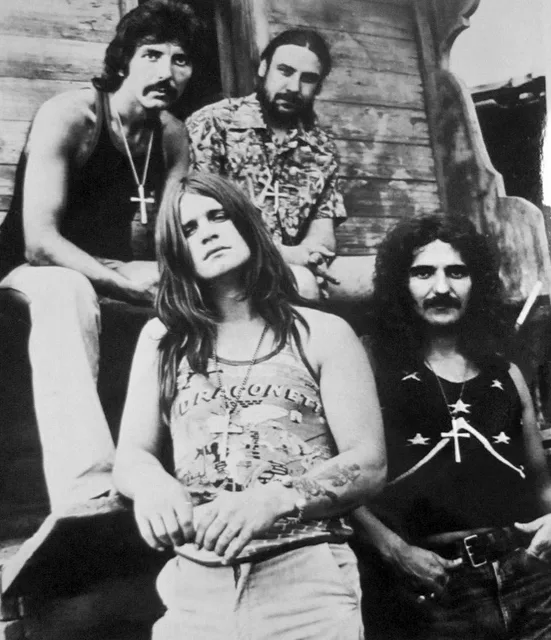
Black Sabbath in a public-domain publicity photograph. The group was advertised for Bull Island; the image does not prove a performance there — Warner Bros. Records — Wikimedia Commons — Public domain · source record · Public domain
Converted to WebP and resized; no generative or compositional alterations.
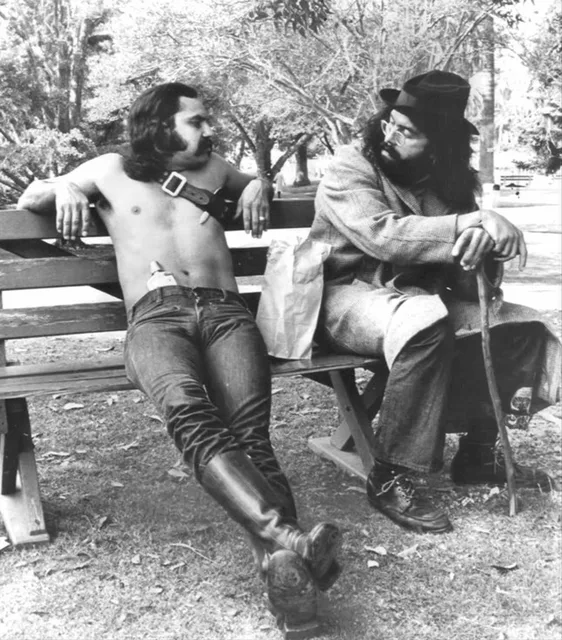
Cheech and Chong in a 1972 publicity photograph, providing period context for their documented Bull Island appearance — William Morris Agency (management) — Wikimedia Commons — Public domain · source record · Public domain
Converted to WebP and resized; no generative or compositional alterations.
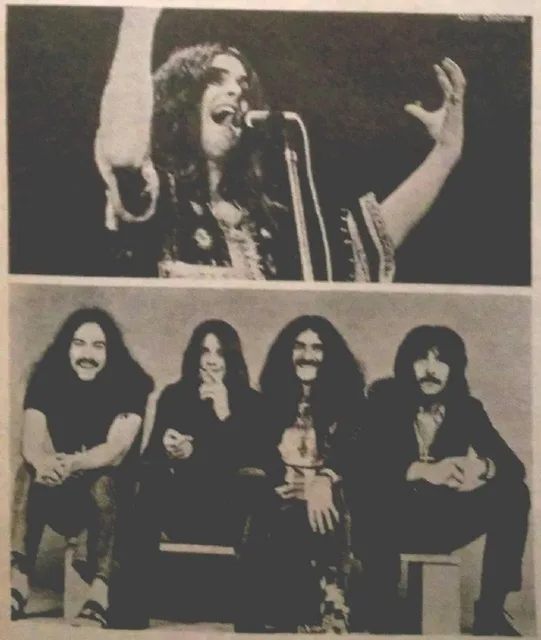
Ozzy Osbourne in a 1972 music magazine. Black Sabbath was advertised for Bull Island, but this image does not prove that the group performed — Majalah Varianada — Wikimedia Commons — Public domain · source record · Public domain
Converted to WebP and resized; no generative or compositional alterations.
Black Sabbath in a 1972 music magazine. The group is part of the advertised programme, which remains separate from the confirmed performance record — Majalah Varianada — Wikimedia Commons — Public domain · source record · Public domain
Converted to WebP and resized; no generative or compositional alterations.