
_circa_1969.jpg)
Edition timeline
Southern Illinois University Edwardsville presented the Mississippi River Festival from 1969 through 1980.
Southern Illinois University Edwardsville presented the Mississippi River Festival from 1969 through 1980.
SIUE's archive preserves a year-by-year virtual museum, performer lists, photographs and institutional material, making this one of the strongest-documented series in this batch.
SIUE's archive preserves a year-by-year virtual museum, performer lists, photographs and institutional material, making this one of the strongest-documented series in this batch.
The programme ranged across rock, folk, bluegrass, jazz and classical music rather than functioning as a single-genre rock festival.
The programme ranged across rock, folk, bluegrass, jazz and classical music rather than functioning as a single-genre rock festival.
SIUE materials document artists including The Who, Chicago, Eagles, Grateful Dead, Joni Mitchell, Harry Chapin, Linda Ronstadt, James Taylor and orchestral programmes.
SIUE materials document artists including The Who, Chicago, Eagles, Grateful Dead, Joni Mitchell, Harry Chapin, Linda Ronstadt, James Taylor and orchestral programmes.
The festival's later relationship with the Nederlander Organization and the breakdown over programming/management provide a strong institutional ending.
The festival's later relationship with the Nederlander Organization and the breakdown over programming/management provide a strong institutional ending.
Why this event matters
The central story is durability: how a university, a purpose-built/tented venue and professional programming turned festival culture into a recurring civic institution. Southern Illinois University Edwardsville presented the Mississippi River Festival from 1969 through 1980.

Place, site and audience
SIUE's archive preserves a year-by-year virtual museum, performer lists, photographs and institutional material, making this one of the strongest-documented series in this batch. The programme ranged across rock, folk, bluegrass, jazz and classical music rather than functioning as a single-genre rock festival.
What the audience experienced
SIUE materials document artists including The Who, Chicago, Eagles, Grateful Dead, Joni Mitchell, Harry Chapin, Linda Ronstadt, James Taylor and orchestral programmes. The festival's later relationship with the Nederlander Organization and the breakdown over programming/management provide a strong institutional ending.
.png)
What happened afterward
Mississippi River Festival 1969–1980 is followed through later editions, institutional change and its documented endpoint.


Follow the festival beyond the field
Timeline
Related genres
More routes will be connected as the archive grows.
Related band guides
More routes will be connected as the archive grows.
Explore by sound
More routes will be connected as the archive grows.
Essential listening
Sources and further reading
- SIUE – Mississippi River Festival archive referenceEditorial source spine · accessed 23 July 2026
- SIUE – 50th anniversary materialEditorial source spine · accessed 23 July 2026
Image credits5 licensed images
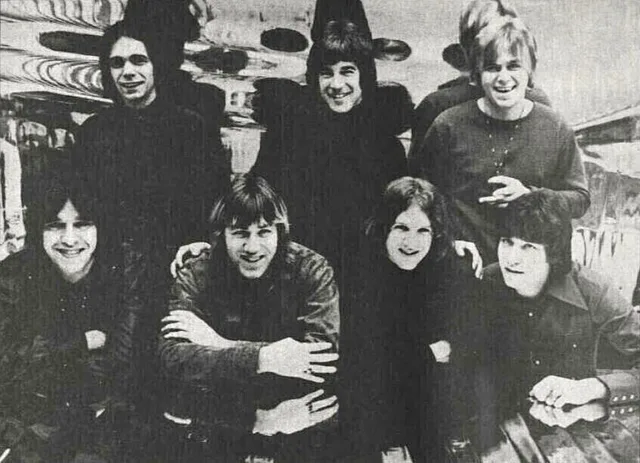
Chicago Transit Authority around 1969. SIUE's archive documents Chicago in the Mississippi River Festival programme; this is artist context rather than an SIUE stage photograph — Hit Parader magazine This is a retouched picture , which means that it has been digitally altered from its original version. Modifications made by Dcameron814 . — Wikimedia Commons — Public domain · source record · Public domain
Converted to WebP and resized; no generative or compositional alterations.
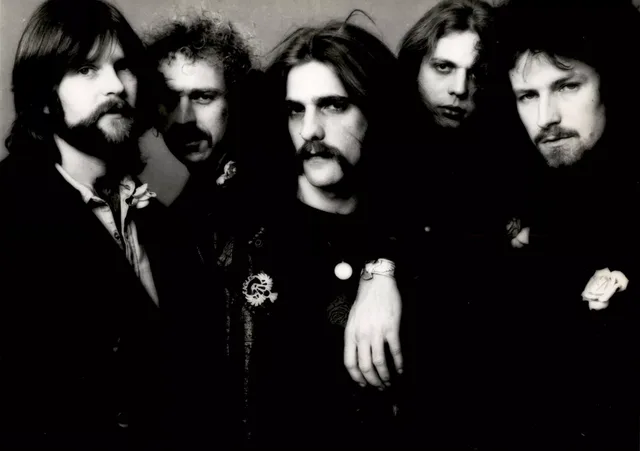
The Eagles in a 1975 press photograph. SIUE's archive documents the band in the festival series; this is artist context rather than an Edwardsville stage image — Distributed by Asylum Records — Wikimedia Commons — Public domain · source record · Public domain
Converted to WebP and resized; no generative or compositional alterations.
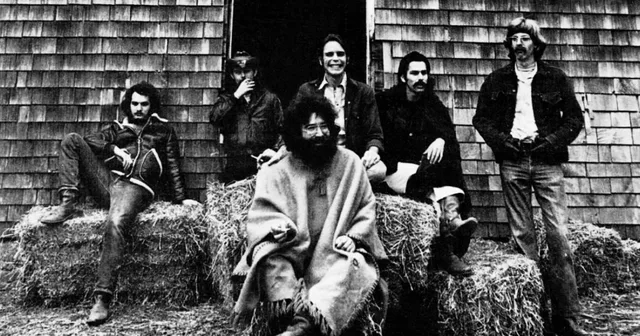
The Grateful Dead in 1970. SIUE documents the group in the series; this is close-period artist context rather than festival photography — Herb Greene — Wikimedia Commons — Public domain · source record · Public domain
Converted to WebP and resized; no generative or compositional alterations.
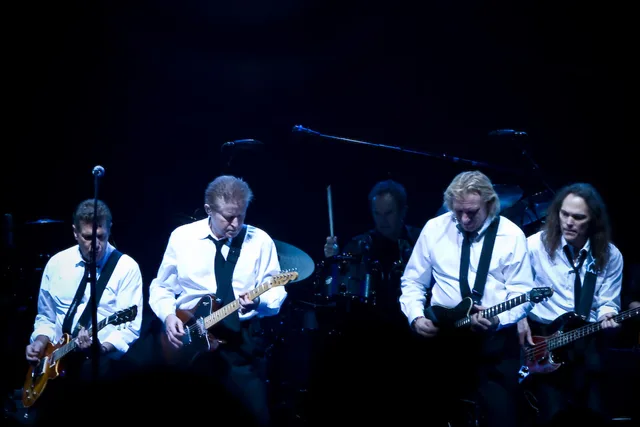
The Eagles in a later performance photograph. It identifies one documented festival-series artist while making the later date and different venue explicit — Steve Alexander — Wikimedia Commons — CC BY-SA 2.0 · source record · CC BY-SA 2.0
Converted to WebP and resized; no generative or compositional alterations.
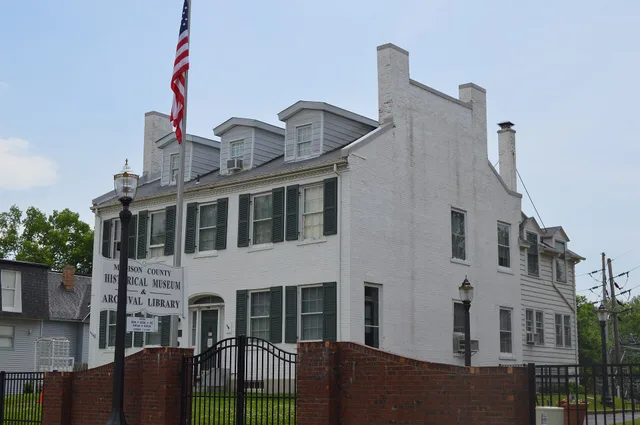
A historic Edwardsville landmark used as regional context for SIUE's festival series. It is not the tented festival venue — Nyttend — Wikimedia Commons — Public domain · source record · Public domain
Converted to WebP and resized; no generative or compositional alterations.