
.jpg)
Edition timeline
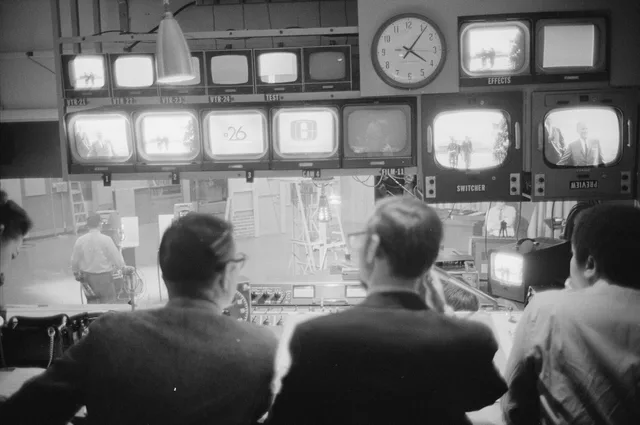
WETA documents the festival at Laurel Race Course on 11–12 July 1969.
WETA documents the festival at Laurel Race Course on 11–12 July 1969.
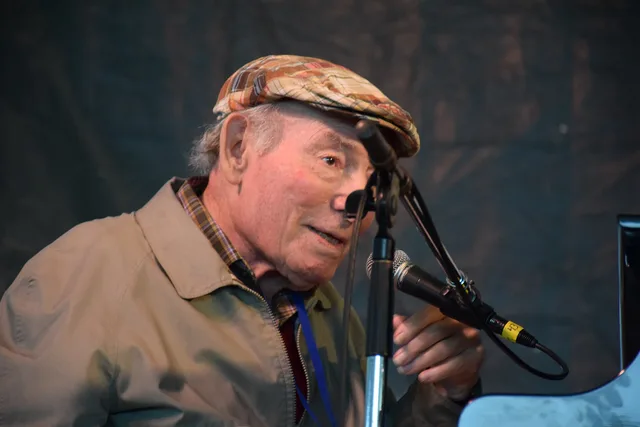
Promoters Elzie Street and James Scott worked with George Wein; the pop event grew from the context of Wein's Laurel Jazz Festival.
Promoters Elzie Street and James Scott worked with George Wein; the pop event grew from the context of Wein's Laurel Jazz Festival.
Local-history material places attendance around 15,000, much lower than some later inflated retellings.
Local-history material places attendance around 15,000, much lower than some later inflated retellings.
Confirmed acts included Led Zeppelin, Johnny Winter, Jethro Tull, Buddy Guy, Al Kooper, Edwin Hawkins Singers, Jeff Beck Group, Ten Years After, Sly and the Family Stone, Mothers of Invention and The Guess Who.
Confirmed acts included Led Zeppelin, Johnny Winter, Jethro Tull, Buddy Guy, Al Kooper, Edwin Hawkins Singers, Jeff Beck Group, Ten Years After, Sly and the Family Stone, Mothers of Invention and The Guess Who.
Heavy rain delayed the second night; Savoy Brown was billed but did not perform, making this a useful case for advertised-versus-performed discipline.
Heavy rain delayed the second night; Savoy Brown was billed but did not perform, making this a useful case for advertised-versus-performed discipline.
Why this event matters
The history contrasts the prestige of the bill with the event's relative disappearance from collective memory. It is also an excellent example of why posters cannot be treated as performed lineups. WETA documents the festival at Laurel Race Course on 11–12 July 1969.

Place, site and audience
Promoters Elzie Street and James Scott worked with George Wein; the pop event grew from the context of Wein's Laurel Jazz Festival. Local-history material places attendance around 15,000, much lower than some later inflated retellings.
What the audience experienced
Confirmed acts included Led Zeppelin, Johnny Winter, Jethro Tull, Buddy Guy, Al Kooper, Edwin Hawkins Singers, Jeff Beck Group, Ten Years After, Sly and the Family Stone, Mothers of Invention and The Guess Who. Heavy rain delayed the second night; Savoy Brown was billed but did not perform, making this a useful case for advertised-versus-performed discipline.

What happened afterward
Laurel Pop Festival 1969 is followed through later editions, institutional change and its documented endpoint.


Follow the festival beyond the field
Timeline
Related genres
More routes will be connected as the archive grows.
Related band guides
More routes will be connected as the archive grows.
Explore by sound
More routes will be connected as the archive grows.
Essential listening
Sources and further reading
- WETA Boundary Stones – Laurel Pop FestivalEditorial source spine · accessed 23 July 2026
- Laurel History Boys – Laurel Pop FestivalEditorial source spine · accessed 23 July 2026
- Led Zeppelin official – Laurel, July 11 1969Editorial source spine · accessed 23 July 2026
Image credits5 licensed images
George Wein with the Newport All-Stars. Wein worked with Laurel promoters Elzie Street and James Scott; this is organiser context, not a festival-stage photograph — Todd Van Hoosear — Wikimedia Commons — CC BY-SA 2.0 · source record · CC BY-SA 2.0
Converted to WebP and resized; no generative or compositional alterations.
WETA's studio in 1969. The broadcaster's local-history archive is a principal source route for reconstructing Laurel; this photograph does not depict the festival — Warren K. Leffler — Wikimedia Commons — Public domain · source record · Public domain
Converted to WebP and resized; no generative or compositional alterations.
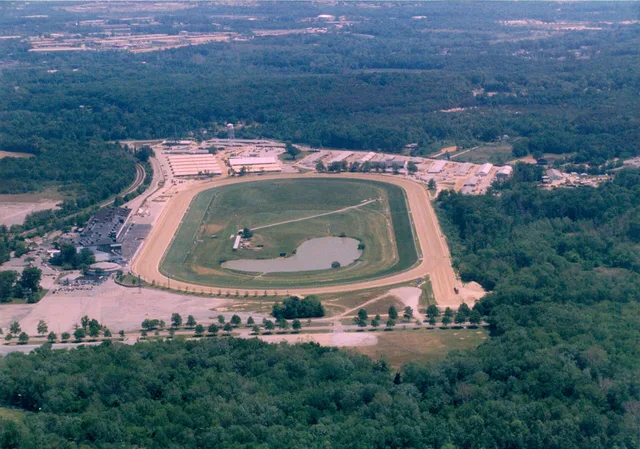
A later view of Laurel Racetrack, the festival site. The later date is explicit and the image is used for venue context only — FlugKerl2 — Wikimedia Commons — CC BY-SA 3.0 · source record · CC BY-SA 3.0
Converted to WebP and resized; no generative or compositional alterations.
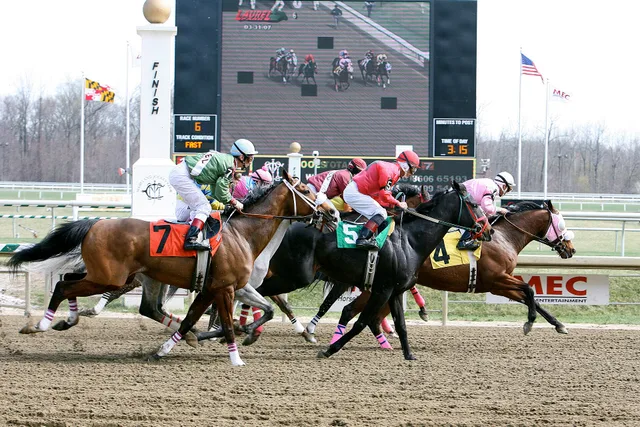
Racing at Laurel Race Track. The licensed venue image explains the site's normal function and is not presented as concert documentation — Keith Allison from Hanover, MD, USA — Wikimedia Commons — CC BY-SA 2.0 · source record · CC BY-SA 2.0
Converted to WebP and resized; no generative or compositional alterations.
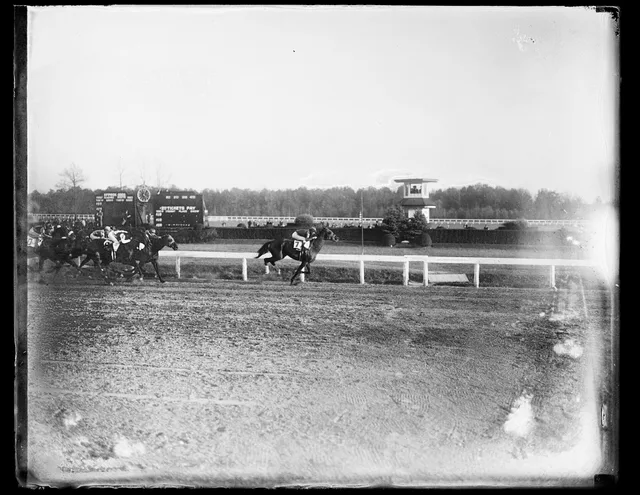
A historical race at Laurel Race Course, used to document the venue's sporting identity before it hosted a pop festival — Harris & Ewing, photographer — Wikimedia Commons — Public domain · source record · Public domain
Converted to WebP and resized; no generative or compositional alterations.