
.jpg)
Edition timeline
The Nakatsugawa Folk Jamboree ran across three editions from 1969 to 1971 and is widely treated as a foundational Japanese outdoor folk event.
The Nakatsugawa Folk Jamboree ran across three editions from 1969 to 1971 and is widely treated as a foundational Japanese outdoor folk event.
The event is associated with the rise of Japanese folk, protest song and singer-songwriter culture during a period of intense student and youth politics.
The event is associated with the rise of Japanese folk, protest song and singer-songwriter culture during a period of intense student and youth politics.
The third edition in 1971 is often remembered as particularly contentious as the boundary between performers, organisers and politicised audiences became unstable.
The third edition in 1971 is often remembered as particularly contentious as the boundary between performers, organisers and politicised audiences became unstable.
The festival's importance is cultural rather than merely numerical: it helped establish the possibility of a large domestic outdoor music gathering before later Japanese rock festivals.
The festival's importance is cultural rather than merely numerical: it helped establish the possibility of a large domestic outdoor music gathering before later Japanese rock festivals.
Why this event matters
The history centres on Japanese context. its musical genealogy comes through domestic folk, protest-song networks, campus politics and changing ideas about authorship and commercial music. The Nakatsugawa Folk Jamboree ran across three editions from 1969 to 1971 and is widely treated as a foundational Japanese outdoor folk event.

Place, site and audience
The event is associated with the rise of Japanese folk, protest song and singer-songwriter culture during a period of intense student and youth politics. The programme connected Japanese Folk, Folk Rock, Protest Song, Singer-Songwriter without making advertised billing identical to confirmed performance.
What the audience experienced
The third edition in 1971 is often remembered as particularly contentious as the boundary between performers, organisers and politicised audiences became unstable. The festival's importance is cultural rather than merely numerical: it helped establish the possibility of a large domestic outdoor music gathering before later Japanese rock festivals.

Problems, conflict and practical limits
English-language sources are thin; final publication needs Japanese primary/heritage sourcing for dates, attendance and performed lineups. English-language sources are thin; final publication needs Japanese primary/heritage sourcing for dates, attendance and performed lineups.

_(cropped).jpg)
Follow the festival beyond the field
Timeline
Related genres
More routes will be connected as the archive grows.
Related band guides
More routes will be connected as the archive grows.
Explore by sound
More routes will be connected as the archive grows.
Essential listening
Sources and further reading
- Japanese National Diet Library / local archive research should be prioritisedEditorial source spine · accessed 23 July 2026
- General cross-check – Nakatsugawa Folk JamboreeEditorial source spine · accessed 23 July 2026
Image credits5 licensed images
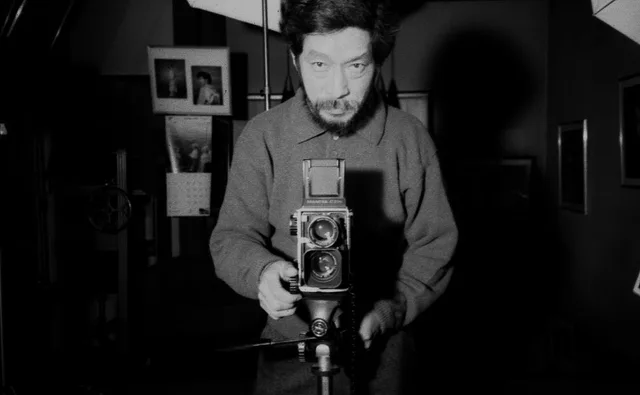
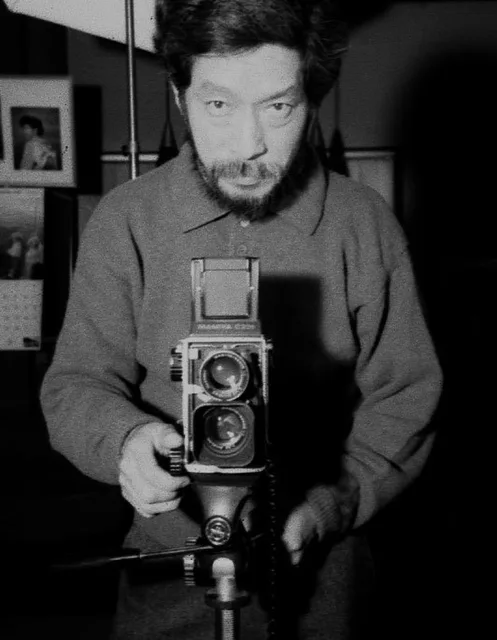
Japanese folk singer Wataru Takada, used as artist context for the era and not as a Nakatsugawa stage photograph — Masao Nakagami — Wikimedia Commons — CC BY-SA 2.0 · source record · CC BY-SA 2.0
Converted to WebP and resized; no generative or compositional alterations.
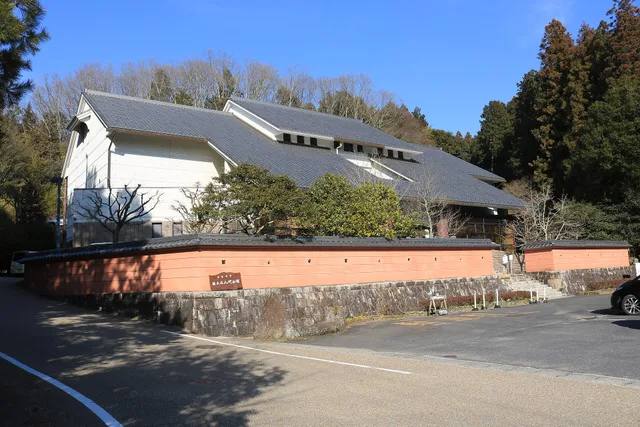
Naegi Toyama Historical Museum in Nakatsugawa, used as local history context rather than festival documentation — Alpsdake — Wikimedia Commons — CC BY-SA 4.0 · source record · CC BY-SA 4.0
Converted to WebP and resized; no generative or compositional alterations.
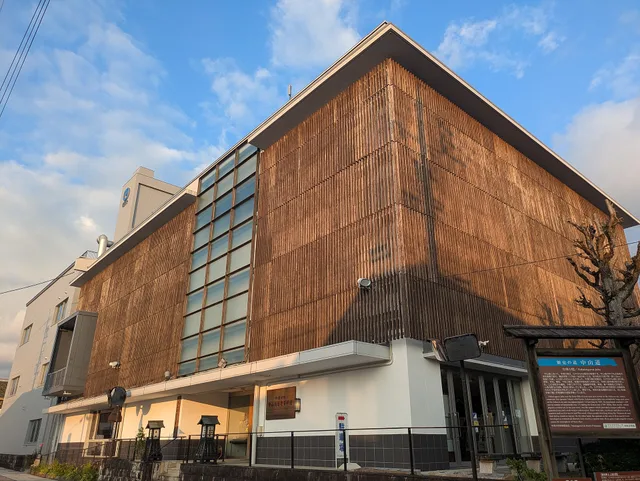
Nakatsugawa City Nakasendo Historical Museum, used to locate the festival's regional setting — Suikotei — Wikimedia Commons — CC BY 4.0 · source record · CC BY 4.0
Converted to WebP and resized; no generative or compositional alterations.
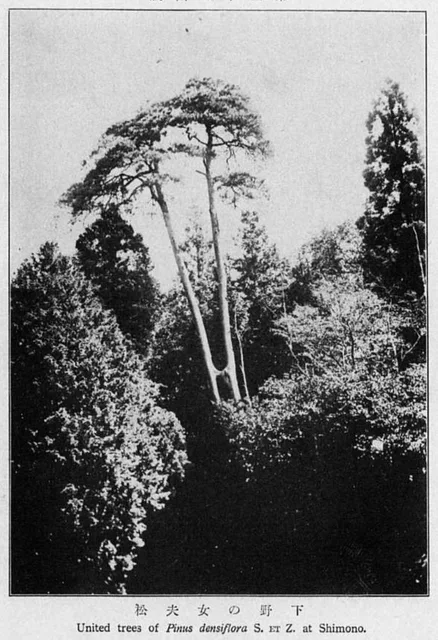
Red pine trees in the Nakatsugawa region, used as landscape context without claiming to show the festival site — Ministry of Education, Science and Culture of Japan. — Wikimedia Commons — Public domain · source record · Public domain
Converted to WebP and resized; no generative or compositional alterations.
A second licensed portrait of Wataru Takada, retained as artist context for Japan's folk movement — Masao Nakagami — Wikimedia Commons — CC BY-SA 2.0 · source record · CC BY-SA 2.0
Converted to WebP and resized; no generative or compositional alterations.