

Edition timeline
A free Saturday programme opens the site
The added evening complicates the usual description of a simple two-day ticket festival.
The ticketed festival reaches its main scale
Food, water, camping and the double stage are tested by a large Deep South audience.
The programme continues through Labor Day
Woodstock veterans and regional acts share the Prairieville speedway.
Kapelow helps mount Celebration of Life
The later Louisiana disaster provides a sharp contrast with Prairieville’s relative functionality.
Why this event matters
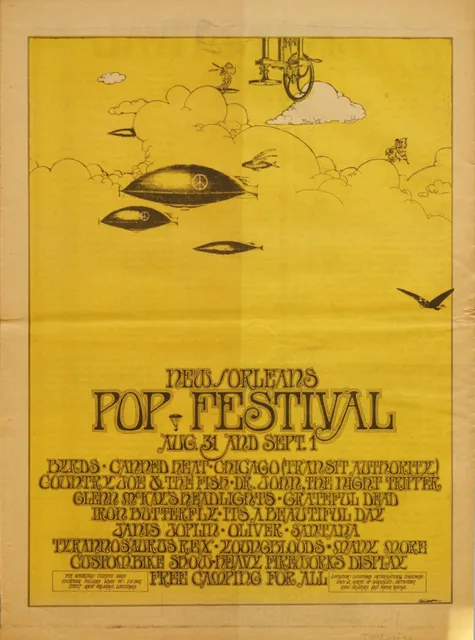
New Orleans Pop is valuable because it shows promoters learning from other festivals in real time. It was neither Woodstock-scale nor a disaster; it was a practical attempt to make the new festival form work. The documented anchor for this section is Held 30 August–1 September 1969 at Pelican / Louisiana International Speedway in Prairieville, Louisiana. That fact is kept separate from later legend, because programmes, press reports, film and participant memory answer different questions. Steve Kapelow and his colleagues studied earlier pop festivals before opening the Prairieville site. Their preparation was deliberate rather than improvised. The documented anchor for this section is Promoter Steve Kapelow and Kesi, Inc. are central to the event’s organisation. That fact is kept separate from later legend, because programmes, press reports, film and participant memory answer different questions. The grandstand, infield, stage position and festival camp turned a motor-racing site into temporary music infrastructure. Its dual-system stage was a specific response to slow changeovers. The documented anchor for this section is Contemporary reporting preserves a useful split: law enforcement estimated the Sunday peak at roughly 20,000–25,000, while promoters gave about 30,000–35,000. That fact is kept separate from later legend, because programmes, press reports, film and participant memory answer different questions. Woodstock veterans formed a conspicuous part of the programme, but Southern and local connections gave the bill an identity of its own. The documented anchor for this section is More than 26 bands performed; seven had also appeared at Woodstock two weeks earlier. That fact is kept separate from later legend, because programmes, press reports, film and participant memory answer different questions.

What the audience experienced
Food, water and sanitation were unusually well planned for 1969, according to contemporary reporting. That does not mean there were no drugs, medical problems or discomfort. The documented anchor for this section is The programme included Janis Joplin, Santana, Jefferson Airplane, Grateful Dead, Canned Heat, Chicago Transit Authority, Country Joe and the Fish, The Byrds and numerous others. That fact is kept separate from later legend, because programmes, press reports, film and participant memory answer different questions. Two independent light-and-sound systems on a double-width stage were designed to reduce delays between acts. Contemporary descriptions support the arrangement without requiring speculative engineering detail. The documented anchor for this section is The stage used two separate light/sound systems to reduce changeover delays and enable complex scheduling. That fact is kept separate from later legend, because programmes, press reports, film and participant memory answer different questions. The festival took place while the surrounding region faced school-integration conflict and curfews. The coexistence is historically important without implying that the gathering resolved those wider tensions. The documented anchor for this section is Promoters deliberately stocked large quantities of food, drink, toilets and water after studying other festivals. That fact is kept separate from later legend, because programmes, press reports, film and participant memory answer different questions. Kapelow later became involved in the disastrous Celebration of Life 1971, making the contrast between these two Louisiana events useful. The documented anchor for this section is Law enforcement largely limited uniformed presence to traffic while undercover narcotics officers operated inside. That fact is kept separate from later legend, because programmes, press reports, film and participant memory answer different questions.

Films, recordings and surviving documents
Detailed coverage in Baton Rouge and New Orleans newspapers provides unusually strong contemporary evidence alongside posters, recordings and later recollections. The documented anchor for this section is The surrounding region was experiencing serious racial tension and local curfews connected to school integration, but the festival site was treated separately. That fact is kept separate from later legend, because programmes, press reports, film and participant memory answer different questions. A large integrated youth gathering operated inside a region under curfew and racial tension. That setting makes the festival’s relative order more complex than a simple counterculture success story. The documented anchor for this section is Held 30 August–1 September 1969 at Pelican / Louisiana International Speedway in Prairieville, Louisiana. That fact is kept separate from later legend, because programmes, press reports, film and participant memory answer different questions. New Orleans Pop shows that 1969 festival organisers were already experimenting technically, not merely copying Monterey. Its relatively ambitious changeover system belongs in the same innovation story as Goose Lake's later infrastructure and Rockpalast's broadcast engineering. The documented anchor for this section is Promoter Steve Kapelow and Kesi, Inc. are central to the event’s organisation. That fact is kept separate from later legend, because programmes, press reports, film and participant memory answer different questions. The event remains an underremembered case of competent 1969 festival planning and an important chapter in Louisiana counterculture history. The documented anchor for this section is Contemporary reporting preserves a useful split: law enforcement estimated the Sunday peak at roughly 20,000–25,000, while promoters gave about 30,000–35,000. That fact is kept separate from later legend, because programmes, press reports, film and participant memory answer different questions.


Follow the festival beyond the field
Timeline
Related genres
More routes will be connected as the archive grows.
Related band guides
More routes will be connected as the archive grows.
Explore by sound
More routes will be connected as the archive grows.
Essential listening
Sources and further reading
- New Orleans’s Summer of LoveHistoric New Orleans Collection · accessed 23 July 2026
- The New Orleans Pop Festival64 Parishes · accessed 23 July 2026
- Remembering the Woodstock of Louisiana225 Baton Rouge · accessed 23 July 2026
- Billboard, 30 August 1969Billboard archive · accessed 23 July 2026
- New Orleans Pop Festival poster sourceWikimedia Commons · accessed 23 July 2026
Image credits5 licensed images
A surviving New Orleans Pop Festival poster. It is used as billing and design evidence; listed acts still require confirmation against contemporary performance reports — Stephen St. Germain — Wikimedia Commons — Public domain · source record · Public domain
Converted to WebP and resized; no generative or compositional alterations.
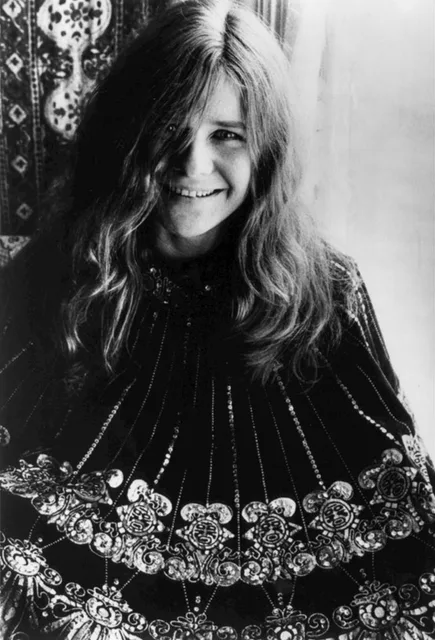
Janis Joplin in a 1969 publicity photograph. The period portrait provides artist context and is not presented as a Prairieville stage image — Ashley Famous Agency/Albert B. Grossman-management — Wikimedia Commons — Public domain · source record · Public domain
Converted to WebP and resized; no generative or compositional alterations.
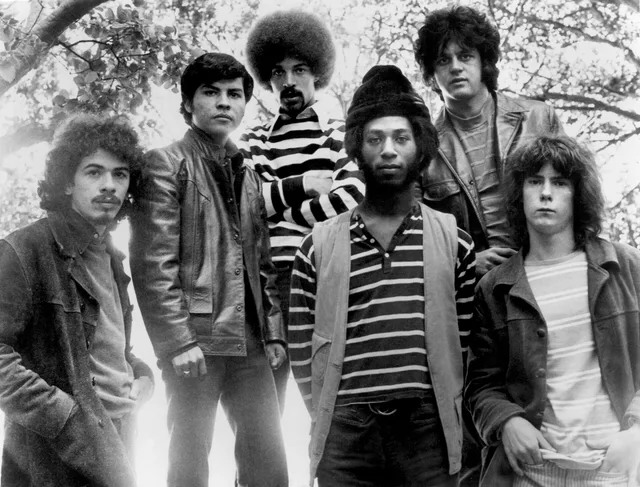
Santana in a 1969 press photograph. The classic lineup connects New Orleans Pop to the rapidly moving post-Woodstock circuit without implying this photograph was taken in Louisiana — Distributed by Columbia Records — Wikimedia Commons — Public domain · source record · Public domain
Converted to WebP and resized; no generative or compositional alterations.
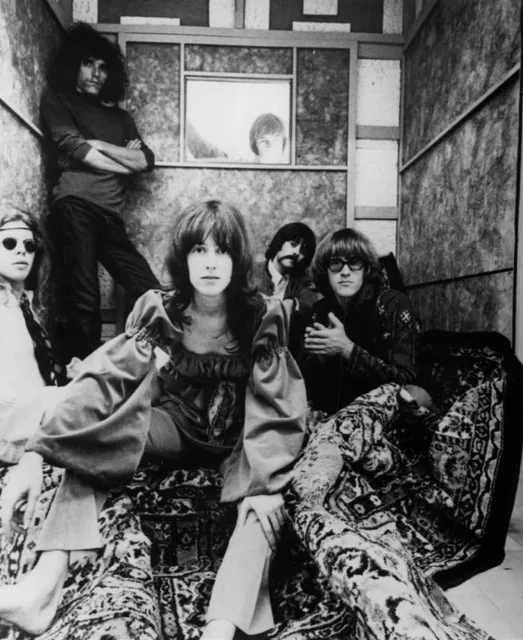
Jefferson Airplane in a 1967 publicity photograph. This label-issued image supplies lineup context rather than direct documentation of the New Orleans Pop Festival — RCA Records/photographer: Herb Greene — Wikimedia Commons — Public domain · source record · Public domain
Converted to WebP and resized; no generative or compositional alterations.
The Grateful Dead at Chicago's Kinetic Playground. The separate venue photograph shows the band's indoor touring world and is not identified as their Prairieville performance — Lvaughn7 — Wikimedia Commons — CC BY-SA 4.0 · source record · CC BY-SA 4.0
Converted to WebP and resized; no generative or compositional alterations.