
앨범 소개
The Price of Light는 물이 오기 전에 시작한다. 영국 고지대의 이름 없는 가상 계곡에는 아직 농사를 짓는 농장과 돌집, 좁은 길, 교회, 묘지가 있다. 측량 말뚝 네 개만으로 익숙한 땅은 남을 수 있는 것과 떠나야 하는 것으로 나뉜다.
수력발전 사업은 성공한다. 전기는 실제 필요를 충족하고, 건설하는 사람들도 단순한 악역으로 그려지지 않는다. 앨범은 그 성공에 필요한 일들을 따라간다. 감정평가, 갈라진 회의, 집과의 작별, 콘크리트 공사, 그리고 주변 장소는 구할 수 없는 물건들을 조심스레 옮기는 일이다.
전반부는 주민들 곁에 머문다. 이후 노동의 리듬과 수압을 제어하는 설비가 전면에 나오고, «Sluice»에서는 사람의 말이 드물어진다. 마지막 곡은 계곡을 떠나 그곳의 전기로 밝아진 방을 찾는다. 효용도 파괴도 서로를 없던 일로 만들지 못한다.
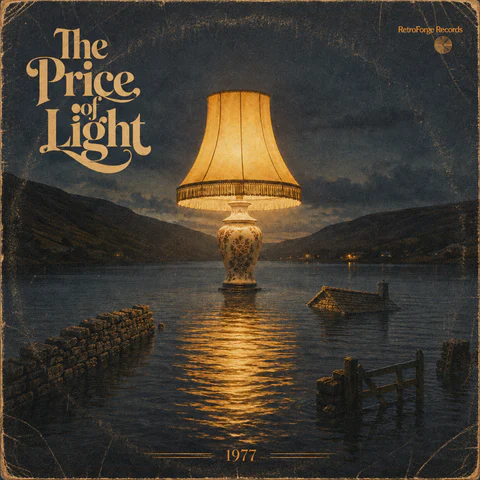
1977년은 가상의 아카이브 설정과 소리의 미학을 뜻하며 실제 녹음 연도가 아니다. 이 작품은 독립적인 허구의 앨범으로, 기록된 저수지 재난을 재현한 이야기가 아니다.
트랙 목록
- 1Pegs in the Lower Field05:02
- 2Compensation Day04:42
- 3Against the Motion05:17
- 4Rooms Without Curtains03:52
- 5Aggregate04:09
- 6Below the Red Line05:19
- 7Sluice05:04
- 8Lights Beyond the Ridge04:48
음악 총 재생 시간: 38:13. 여덟 곡 모두 보컬이 있으며, «Sluice»는 기악의 비중이 특히 높다.
트랙별 해설
1. Pegs in the Lower Field
붉은 측량 말뚝 네 개가 아직 풍경을 바꾸지 않은 변화를 알린다. 타자로 친 통지서는 주민 이름을 정확히 적지만 밭은 숫자로만 설명한다. 말뚝을 그대로 두라는 지시는 정보를 기다리는 단계에서 그 정보의 의미를 알아차리는 단계로 달라진다.
2. Compensation Day
행정 언어는 쉽게 답하지 못하는 질문들과 만난다. 과수원도 포함되는가, 20년의 임대료는 무엇을 뜻하는가, 피아노는 누가 옮기는가. 방 안이 술렁여도 서류는 태연하다. 돈은 필요하지만 평가액으로 포기하는 모든 것을 설명할 수는 없다.
3. Against the Motion
주민 회의는 단결의 호소 아래 서로 다른 이해관계가 있음을 드러낸다. 예정 수위 위에 사는 사람들은 이미 짐을 싸는 이들에게는 허락되지 않는 저항을 감당할 수 있다. 무덤에 관한 질문이 잠시 논쟁을 멈춘다. 투표는 결과를 남길 수 있어도 불일치를 해결하지는 못한다.
4. Rooms Without Curtains
시선은 거의 비어 있는 집으로 좁아진다. 드러난 벽과 익숙한 소리, 이가 나간 찻잔이 보상표에 담을 수 없던 슬픔을 짊어진다. 길고 대화 같은 문장이 떠남을 늦추고, 마지막으로 열쇠를 돌리는 동작에는 결정만큼이나 습관이 배어 있다.
5. Aggregate
앨범에서 육체적 무게가 가장 큰 순간이 건설 현장에 고유한 작업 언어를 부여한다. 호퍼, 거푸집, 믹서, 손짓이 회의의 말을 대신한다. 노동자들은 실제 재료를 다루는 숙련자다. 불편함은 그들의 효과적인 노동이 무엇을 가능하게 하는지에서 생긴다.
6. Below the Red Line
반출은 가축과 도구에서 교회 집기와 묘비로 이어진다. 돌이킬 수 없는 결정 안에도 실질적인 배려가 남는다. 금 간 묘비는 이름이 아직 읽히기에 보관한다. 종은 들어 올릴 수 있지만, 그 종에 자리를 주었던 공동체는 트럭에 실을 수 없다.
7. Sluice
드문 기록문 같은 보컬이 거대한 건축적 절정에 공간을 내준다. 수문과 압력, 계기가 순서를 정하는 동안 물은 길과 담, 과수원을 덮는다. 시설이 고장 나는 것이 아니다. 마지막 붉은 표시가 사라지는 이유는 시스템이 설계된 대로 작동하기 때문이다.
8. Lights Beyond the Ridge
마지막 곡은 전기를 받는 부엌과 작업장, 평범한 거리로 이동한다. 그곳 사람들을 비난하거나 한 번도 몰랐던 계곡의 증인으로 만들지 않는다. 등불 덕에 누군가 일을 마친다. 산등성이 뒤에는 상실이 남는다. 전류가 유용하다는 사실만으로 그 대가는 정리되지 않는다.
사운드 팔레트
목가적 프로그레시브 록이 농촌의 친밀함을 만들고, 심포닉 프로그레시브 록이 건설과 수몰에 규모를 부여한다. 홀수 박자와 속도 변화는 끊임없이 기교를 과시하는 대신 사건의 흐름을 따른다.
피아노가 반복해서 등장하는 연결 고리다. 해먼드 오르간은 절제된 강조에서 넓은 건축적 구간으로 움직이고, 멜로트론은 신중히 배분된 등장으로 차가운 색을 더한다. 아날로그 신시사이저는 아껴 쓴다. 첼로와 제한적인 클라리넷 또는 색소폰의 색채가 건반 팔레트에 또 하나의 인간적인 음역을 보탠다.
손가락으로 뜯는 어쿠스틱 기타와 12현 기타가 맑은 일렉트릭 기타 음형, 각진 대위법, 지속음, 선택적으로 포화시킨 무거운 연주와 나란히 놓인다. 베이스는 선율적이고 중음역에서 또렷하며, 서정적인 움직임에서 공사의 작업 리듬으로 옮겨 간다. 자연스러운 어쿠스틱 드럼은 강약과 공간의 성격을 보존한다.
남성 주 보컬은 상황에 따라 변한다. 관찰, 짧고 건조한 절차, 논쟁하는 앙상블, 대화에 가까운 노래, 단단한 건설 노동의 노래다. 1970년대 후반에서 영감을 얻은 아날로그 온기와 포화, 선택적인 딜레이, 플레이트 또는 챔버 잔향이 악기 분리를 지우지 않고 이 접근들을 잇는다.
아카이브 노트
선은 처음에 측량 말뚝 사이의 띠로 나타난다. 행정 경계와 반출 지시가 되고, 마침내 물에 잠기는 표시가 된다. 풍경이 처음 숫자로 설명될 때에는 아직 변하지 않았다. 끝에 이르면 그 숫자들이 무엇을 눈에 남길지 결정하는 데 일조한다.
돌도 기능을 바꾼다. 담과 집은 평가되는 재산이 되고, 골재와 콘크리트는 강물을 가둘 힘을 얻는다. 묘비는 특히 조심스럽게 옮긴다. 주변 장소가 살아남지 못해도 읽을 수 있는 이름은 구체적인 무언가를 지킨다.
«Rooms Without Curtains»는 «Aggregate»에 앞선 내밀한 수축이다. 찻잔은 값비싸서가 아니라 남겨지기에 중요하다. «Aggregate»가 물리적 무게를 만들고, «Sluice»가 그것을 건축으로 바꾼다. 물은 이 늦은 단계에 와서야 지배적인 이미지가 되며, 빛 또한 결말을 위해 아껴 둔다.
표지는 그 관계를 저수지 물속에서 빛나는 거대한 가정용 램프로 압축한다. 앞에는 잠긴 담과 문, 지붕선이 있고 산등성이 너머에는 먼 불빛이 있다. 닳고 무광인 슬리브 질감은 상상한 1970년대식 포장에 속한다. 거대한 램프는 표지의 상징이지 서사 속 초자연적 사건이 아니다.
가사
영어 원문 가사를 절 구분이나 연주 지시를 추가하지 않고 수록했습니다.
01 · Pegs in the Lower Field
There are four red pegs in the lower field,
two by the ditch and two beyond the gate.
I nearly pulled the first one with my boot
before I saw the tape stretched through the grass
and the tripod standing where the cattle turn.

They have chalk on their sleeves and mud on their knees.
One of them asks which fence is ours.
I point to the wall, then farther down
where the hedge has grown through the wire,
and he writes something without looking up.

Leave them where they stand.
Leave them there until we know.

By dinner the men have crossed to the far side.
A white card is tied beneath the gate latch.
My name is typed correctly.
The field is described in numbers,
though nothing in it has moved.

I walk the line again before dark,
past the patch where the ground stays wet,
past the broken post we keep meaning to mend,
past the place the river shows between the alders.

Leave them where they stand.
Now we know enough.
02 · Compensation Day
Property to be acquired.
Access to be retained.
Fixtures by separate schedule.
Outbuildings subject to inspection.

A hand turns the page.
From the second row: does the orchard count?
At the back, twenty years of rent
is placed on the table as if it ought to count for something.

Reasonable costs of removal.
Alternative accommodation where applicable.
Livestock transport to be assessed.
Existing rights to be extinguished.

A chair scrapes back.
A man beside the window says,
“If you mean the house, say house.”
Nobody writes that sentence down.

Sign here.
Initial there.
Take a copy home.

Market value at the appointed date.
No allowance for attachment.
No allowance for expectation.
No allowance for inconvenience beyond the terms stated.

One family whispers over debts.
Another folds the paper twice.
Across the aisle comes the remark
that accepting early makes it easier for them.

Property to be acquired.
Access to be retained.
The same words return,
but the room has changed around them.

A woman asks who moves the piano.
Laughter breaks too loudly near the door.
Another form slides across the table.

Sign here.
Keep your copy.

Next.
03 · Against the Motion
Put it to the room, then.
Put the paper down where everyone can see it.
You say refusal keeps the road open.
He says refusal only changes the date.
From the back comes: the churchyard first,
and three people answer before the chair can call order.

We came here together.
That lasted ten minutes.

You call it surrender.
I call it knowing what comes next.
You have land above the line.
We do not.
You can wait another winter.
We have already packed the upstairs rooms.

No, that is not what I said.
No, don't tidy it for me.
If the offer stands, I take it.
If you want to hate me for that,
use my name when you do it.

The chairman asks for order.
The chairman asks again.

A hand rises slowly near the wall:
What happens to the graves?

For once,
nobody answers at once.

Against the motion.
For the motion.
Abstain if you must.

A vote is a useful thing
when the question fits inside it.

This one does not.

From the left: we should stand as one.
From the doorway: we stopped doing that
the moment the first figure arrived.

Count the hands.
Count them twice.
Record the result.

Then meet your neighbor's eyes.
04 · Rooms Without Curtains
The curtains went yesterday, and without them the front room looks taller than it ever did when the table was under the window and the kettle could be heard from the hall.

There are pale squares above the mantel where the pictures hung,
and two clean strips on the floor where the cabinet stood,
and one bent hook by the door that I leave in place because removing it would be more deliberate than I can manage today.

We carry the last boxes down the stairs slowly, not because they are heavy but because there is no reason to hurry anymore, and the sound of our shoes travels farther through the house than it used to.

In the kitchen a cup has been left behind.
Not the good one.
Not anyone's favorite.
Just a chipped brown cup at the back of the shelf.

I put it in a box anyway.

You have the keys in your coat pocket, and I still reach for mine when I come through the passage, which makes us both laugh once, briefly, before neither of us knows what to say after it.

The bedroom door catches at the same place.
The third stair still complains.
There is dust under the bedstead and a nail in the wall we never used.

Everything is exactly where the house left it.

Except us.

At the gate I turn the key until the lock takes,
then try the handle twice from habit.

We walk to the road.

I do not look back again.
05 · Aggregate
Stone through the hopper.
Dust whitening the road.
A loaded lorry crawls
where the sheep track ran.

Check the grade.
Brace the shuttering.
Wave the mixer forward.
The chute swings over the timber.

Crush it.
Grade it.
Pour it.
Hold.

Boots on wet boards.
Cable drawn taut.
A banksman lifts one arm
through the engine noise.

The drum turns.
The barrows queue.
A shovel works the corners
before the mix can stiffen.

By noon the forms are full.
Cement dries grey across the gloves.
A man knocks each board with his hammer,
listens,
then moves to the next.

Another lorry backs into place.

Crush it.
Grade it.
Pour it.

Hold.
06 · Below the Red Line
The cattle go first to the upper farm.
Tools are tagged and loaded by the shed.
Two pews leave through the vestry door.
The brass cross travels wrapped in blankets.
A crate is marked for books,
another for the kitchen things no one has claimed.

Take what can be carried.
Leave the rest below the red line.

The gate comes off its hinges.
Useful timber is stacked by the road.
A stone trough takes four men and a chain.
The old mower will not start,
so they drain it, curse it,
and winch it onto the lorry anyway.

Move what can be moved.
Mark the rest below the red line.

Names are copied from the grave markers.
Numbers are checked against a list.
Soil is lifted carefully.
Families stand farther back than they expected to.
The small stones travel with the large ones.
The cracked one is kept because the name can still be read.

At the church door
someone asks whether the bell is coming.

It is.

Raise what can be raised.
Close the road below the red line.

By evening there are fewer reasons to return.
One crate waits without a label.
One gate stands open.
One room still has a broom against the wall.

Nobody needs it.

Take what can be carried.
The line has already decided the rest.
07 · Sluice
The gate is checked.
The channel is clear.
Pressure holds where the concrete joins.
A hand signal passes down the platform.

Close.

The current turns.
The intake takes it.
Levels climb past marks
painted months before.

By noon the lower road
ends in brown water.

Road below.
Wall below.
Orchard below.

The gauge moves.

Water finds the contour.
Concrete holds.
At the spillway the needles settle.
Beyond the wall,
the river runs narrow.

One level.
Then another.

The last red mark
goes under.
08 · Lights Beyond the Ridge
Lights beyond the ridge,
warm in rooms we never see.
A hand finds the switch,
and evening changes quietly.

A kettle starts in a kitchen.
A workshop keeps one bench alive.
Street lamps take the corner one by one.
Pages turn beneath a shaded bulb.
At closing time a sign stays burning
above a door on the high street.

Nothing in those rooms is extraordinary.

Lights beyond the ridge,
steady along the road.
Current through the wire,
ordinary as being home.

You do not know the lower field.
You have no reason to.
You do not know which house had curtains
or who carried the bell uphill.

You turn the lamp toward the table.
You finish what you were doing.
Outside, the line runs over the ridge
and disappears from view.

Lights beyond the ridge,
small and warm and clear.
The wire drops behind the hill.
Work goes on till late.
더 둘러보기
1970년대 영국풍 프로그레시브 록, 서사적인 콘셉트 앨범, 목가적 편곡, 아날로그 건반 중심 록을 좋아하는 청자를 위해.
다음 감상 후보로 소개하는 RetroForge의 다른 프로그레시브 록 앨범들입니다. 같은 이야기를 공유한다는 뜻은 아닙니다.