

Edition timeline
Erfgoed Lochem states that a pop festival was held annually in Lochem from 1968 through 1986.
Erfgoed Lochem states that a pop festival was held annually in Lochem from 1968 through 1986.
The first Popmeeting grew from a traditional Ascension Day event; Joost and Paul Carlier took over organisation while still very young.
The first Popmeeting grew from a traditional Ascension Day event; Joost and Paul Carlier took over organisation while still very young.
Erfgoed Lochem gives around 2,000 visitors for the first edition, while an Andere Tijden recollection gives roughly 3,000.
Erfgoed Lochem gives around 2,000 visitors for the first edition, while an Andere Tijden recollection gives roughly 3,000.
The series became nationally important and hosted Dutch and international acts across nearly two decades.
The series became nationally important and hosted Dutch and international acts across nearly two decades.
Joost Carlier's practical experience in staging, sanitation and festival logistics later fed into a broader Dutch event-production industry; later Lowlands history also intersects with the Carlier/Lochem infrastructure lineage.
Joost Carlier's practical experience in staging, sanitation and festival logistics later fed into a broader Dutch event-production industry; later Lowlands history also intersects with the Carlier/Lochem infrastructure lineage.
Why this event matters
This is a perfect RetroForge Dutch history page: not mythic because of one weekend, but important because people learned how to build festivals year after year. Make logistics itself part of the cultural legacy. Erfgoed Lochem states that a pop festival was held annually in Lochem from 1968 through 1986.

Place, site and audience
The first Popmeeting grew from a traditional Ascension Day event; Joost and Paul Carlier took over organisation while still very young. Erfgoed Lochem gives around 2,000 visitors for the first edition, while an Andere Tijden recollection gives roughly 3,000.
What the audience experienced
The series became nationally important and hosted Dutch and international acts across nearly two decades. Joost Carlier's practical experience in staging, sanitation and festival logistics later fed into a broader Dutch event-production industry; later Lowlands history also intersects with the Carlier/Lochem infrastructure lineage.

Problems, conflict and practical limits
Correct the earlier planning range: the Lochem series continued through 1986, not 1984. Correct the earlier planning range: the Lochem series continued through 1986, not 1984.


Follow the festival beyond the field
Timeline
Related genres
More routes will be connected as the archive grows.
Related band guides
More routes will be connected as the archive grows.
Explore by sound
More routes will be connected as the archive grows.
Essential listening
Sources and further reading
- Erfgoed Lochem – Lochems PopfestivalEditorial source spine · accessed 23 July 2026
- Andere Tijden – Normaal / Lochem originsEditorial source spine · accessed 23 July 2026
- NPO Radio 5 – Lochem 1968–1986Editorial source spine · accessed 23 July 2026
Image credits5 licensed images
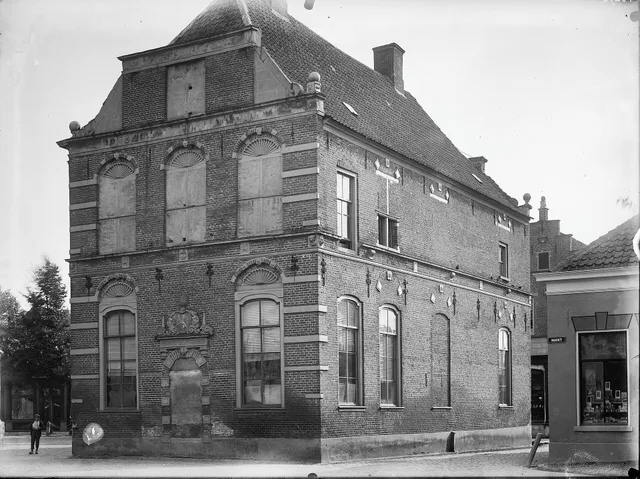
A documented historic exterior in Lochem from the Dutch heritage register, used as regional context and not as festival photography — Unknown author Unknown author — Wikimedia Commons — CC BY-SA 4.0 · source record · CC BY-SA 4.0
Converted to WebP and resized; no generative or compositional alterations.
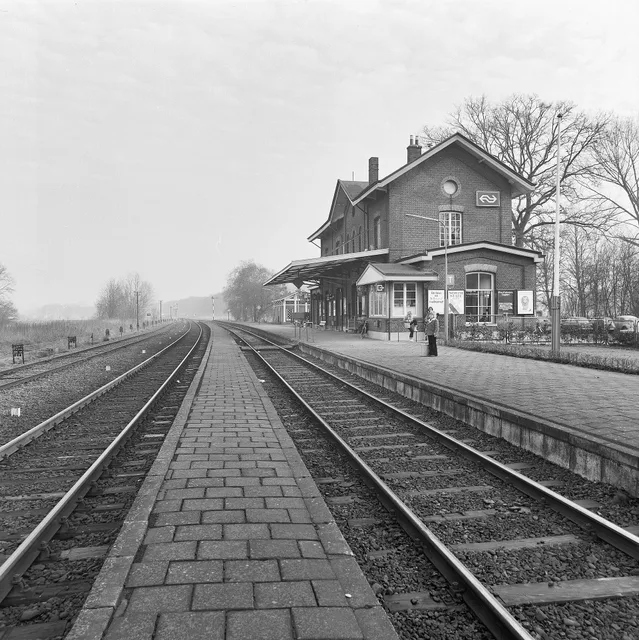
Lochem railway station in a heritage-register photograph, used to establish the town's transport geography without claiming to show Popmeeting — A. J. van der Wal — Wikimedia Commons — CC BY-SA 4.0 · source record · CC BY-SA 4.0
Converted to WebP and resized; no generative or compositional alterations.
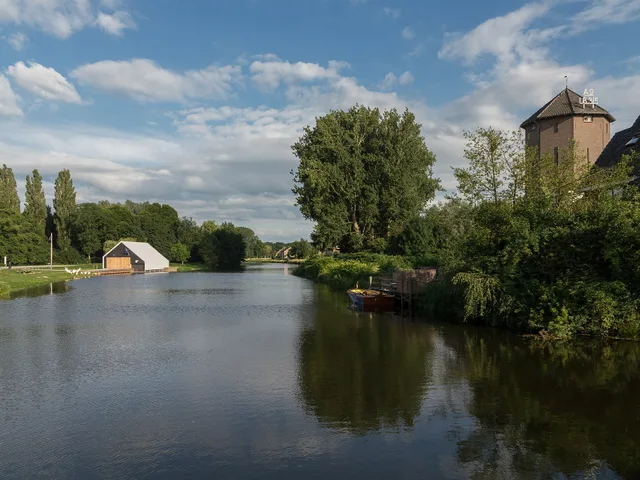
The River Berkel at Lochem in a later photograph, clearly labelled as regional landscape context — Michielverbeek — Wikimedia Commons — CC BY-SA 4.0 · source record · CC BY-SA 4.0
Converted to WebP and resized; no generative or compositional alterations.
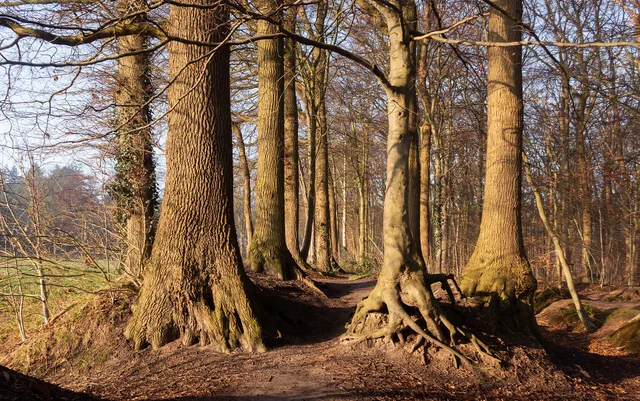
The wooded landscape at Grote Veld near Lochem, used to convey regional setting rather than to represent a historical festival scene — Michielverbeek — Wikimedia Commons — CC BY-SA 4.0 · source record · CC BY-SA 4.0
Converted to WebP and resized; no generative or compositional alterations.
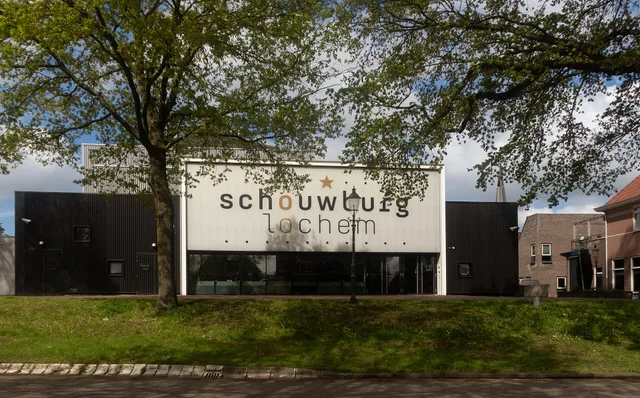
Schouwburg Lochem in a later photograph, used as local live-culture context and not as evidence for Popmeeting's venue — Michielverbeek — Wikimedia Commons — CC BY 4.0 · source record · CC BY 4.0
Converted to WebP and resized; no generative or compositional alterations.