

Edition timeline
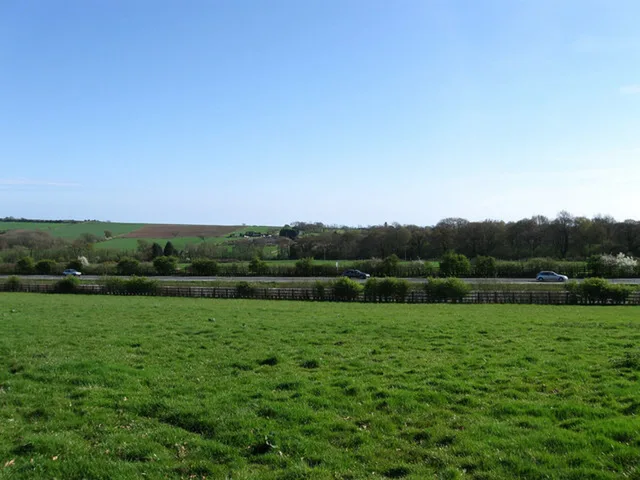
Phun City was held 24–26 July 1970 at Ecclesden Common near Worthing, Sussex.
Phun City was held 24–26 July 1970 at Ecclesden Common near Worthing, Sussex.
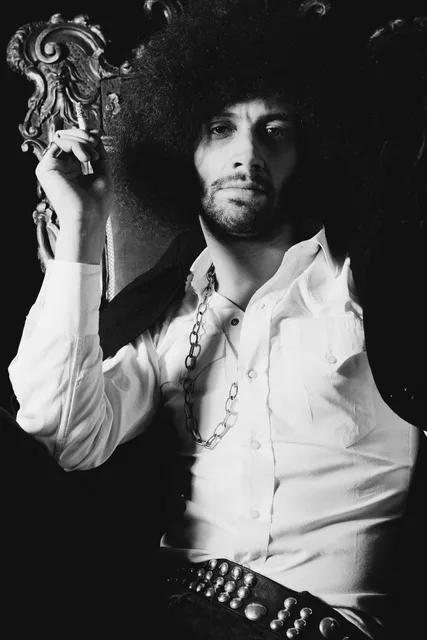
Underground writer and activist Mick Farren was the key organiser; Radio Caroline founder Ronan O'Rahilly provided financial backing before withdrawing it shortly before the festival.
Underground writer and activist Mick Farren was the key organiser; Radio Caroline founder Ronan O'Rahilly provided financial backing before withdrawing it shortly before the festival.
The event became free through organisational crisis rather than as a simple pre-planned ideological gesture.
The event became free through organisational crisis rather than as a simple pre-planned ideological gesture.
Acts that still appeared did so under radically altered financial conditions, making billed-versus-performed verification essential.
Acts that still appeared did so under radically altered financial conditions, making billed-versus-performed verification essential.
Phun City became an important precursor to the British free-festival culture later associated with Windsor, Watchfield and Stonehenge.
Phun City became an important precursor to the British free-festival culture later associated with Windsor, Watchfield and Stonehenge.
Why this event matters
The strongest story is contingency: legal, financial and organisational failure unexpectedly producing a cultural form that later acquired ideological meaning. Phun City was held 24–26 July 1970 at Ecclesden Common near Worthing, Sussex.

Place, site and audience
Underground writer and activist Mick Farren was the key organiser; Radio Caroline founder Ronan O'Rahilly provided financial backing before withdrawing it shortly before the festival. The event became free through organisational crisis rather than as a simple pre-planned ideological gesture.
What the audience experienced
Acts that still appeared did so under radically altered financial conditions, making billed-versus-performed verification essential. Phun City became an important precursor to the British free-festival culture later associated with Windsor, Watchfield and Stonehenge.

What happened afterward
Phun City 1970 is followed through later editions, institutional change and its documented endpoint.


Follow the festival beyond the field
Timeline
Related genres
More routes will be connected as the archive grows.
Related band guides
More routes will be connected as the archive grows.
Explore by sound
More routes will be connected as the archive grows.
Essential listening
Sources and further reading
- General cross-check – Phun CityEditorial source spine · accessed 23 July 2026
- UK Rock Festivals archive – Phun City researchEditorial source spine · accessed 23 July 2026
Image credits5 licensed images
Mick Farren, the underground writer and activist who organised Phun City — keith morris — Wikimedia Commons — CC BY-SA 4.0 · source record · CC BY-SA 4.0
Converted to WebP and resized; no generative or compositional alterations.
A later view of Ecclesden Common, the festival area. The modern date is explicit and the image is used for site context — Simon Carey — Wikimedia Commons — CC BY-SA 2.0 · source record · CC BY-SA 2.0
Converted to WebP and resized; no generative or compositional alterations.
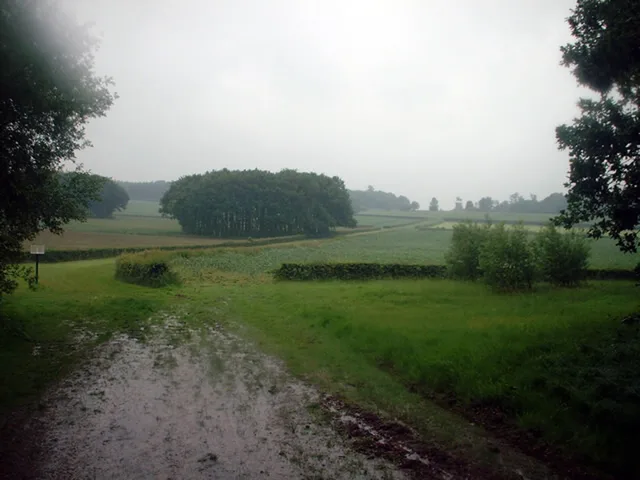
Windsor Great Park, used as comparative context for the later free-festival culture that Phun City helped precede. It is not Phun City — Peter Jordan — Wikimedia Commons — CC BY-SA 2.0 · source record · CC BY-SA 2.0
Converted to WebP and resized; no generative or compositional alterations.
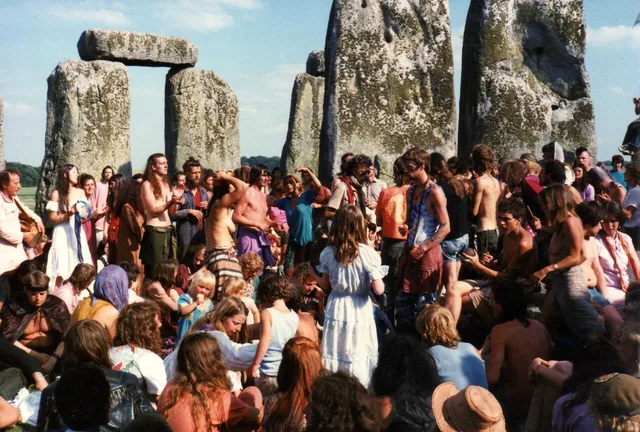
Stonehenge Free Festival in 1984, explicitly used as later comparative evidence for the free-festival lineage rather than Phun City documentation — Salix alba — Wikimedia Commons — CC BY-SA 3.0 · source record · CC BY-SA 3.0
Converted to WebP and resized; no generative or compositional alterations.
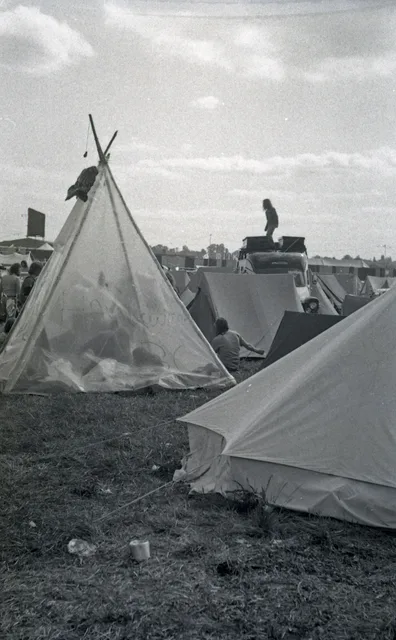
A Hawkwind tent in 1975, comparative visual context for the infrastructure of the later British free-festival network — David Major — Wikimedia Commons — CC BY 2.0 · source record · CC BY 2.0
Converted to WebP and resized; no generative or compositional alterations.