
Edition timeline
Free Stoned Henge begins
Wally Hope and others promote a small solstice gathering beside the monument.
A tradition and a fence
Crowds grow; in 1977 the stone circle is fenced amid conservation pressure.
An encampment becomes a temporary society
The festival can last weeks and absorbs travellers, successive music scenes and improvised sound systems.
The Beanfield aftermath
An injunction prevents a normal festival and police stop a Peace Convoy seven miles from Stonehenge.
Why this series matters
Stonehenge became a temporary society rather than merely a concert. For days or weeks, bands, travellers, communes, traders, poets and sound crews inhabited a landscape that was also an archaeological site and state-managed monument. The gathering connected music to alternative spirituality, mobility, DIY infrastructure and disputes over stewardship, policing and access. Its growth forced Britain to decide how much unregulated communal space it would tolerate around one of its most symbolically charged places. The first recognised Stonehenge gathering and the final Windsor Free Festival both occurred in 1974. There was no formal handover in which Windsor ended and Stonehenge began. The scenes overlapped through people, vehicles, bands and political ideas. After Windsor’s violent clearance, Stonehenge gained importance within the same broad network. Cultural gravity shifted rather than passing through an official succession, which preserves the agency of both histories. English Heritage identifies Wally Hope and others with promoting the 1974 “Free Stoned Henge Festival” around the summer solstice. Hope became a symbolic founder associated with free access, communal space and rejection of conventional ownership. His later life and death attracted an extensive mythology. This page separates securely documented facts from retrospective movement stories while recognising that mythology itself helped successive participants understand why the gathering mattered. There was no normal admission system, stable promoter or trustworthy gate count. People could arrive, leave, stay for weeks, trade, perform, camp and help build. Audience, resident, worker, musician and organiser were overlapping roles. That openness supported long collaboration and made numerical precision impossible. “Tens of thousands” is safer for final years than choosing one disputed estimate, because different observers counted different zones, days and categories of participant.
.jpg)
The solstice landscape
Stonehenge was simultaneously archaeology, tourist destination, ritual symbol and managed heritage asset. English Heritage documents real pressure as numbers grew: erosion, vehicles crossing sensitive ground and latrines dug into prehistoric features. Those concerns deserve seriousness without classifying every participant as a vandal. The conflict joined incompatible ideas of stewardship. One emphasised protected fabric and regulated access; another understood living solstice gathering as a cultural relationship with the landscape. Hawkwind and space rock became strongly associated with Stonehenge, while progressive and underground groups such as Here and Now or The Enid occupied other years. Punk, anarcho-punk, reggae, ska, new wave, poetry and alternative performance entered by the early 1980s. No single decade-long lineup is constructed. The changing programme is the historical point: Stonehenge absorbed successive underground scenes rather than preserving the late 1960s in amber. Stages and systems were assembled through bands, crews, generators and volunteers; different years could look radically different. DIY organisation encouraged long sets and informal collaboration but offered little permanent sanitation or conflict-resolution infrastructure. Many participants experienced an encampment more than a concert weekend: vans, buses, tents, fires, stalls, kitchens and long communal stretches between performances. The festival’s core medium was shared life as much as amplified sound. The following year drew much larger crowds and established a tradition through 1984. By the late 1970s, summer encampments could last weeks. The stone circle was fenced in 1977 as visitor erosion and conservation concerns intensified. Official resistance later extended across surrounding archaeology, roads, vehicles, waste, land ownership and policing. Growth demonstrated demand for non-commercial gathering space while simultaneously making the landscape impacts harder for custodians to tolerate.

1984: the last full festival
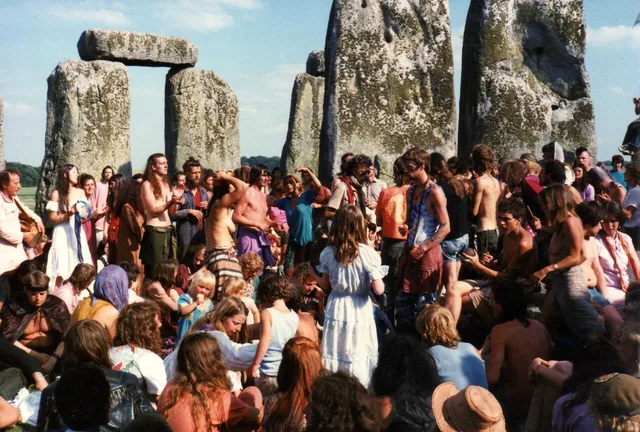
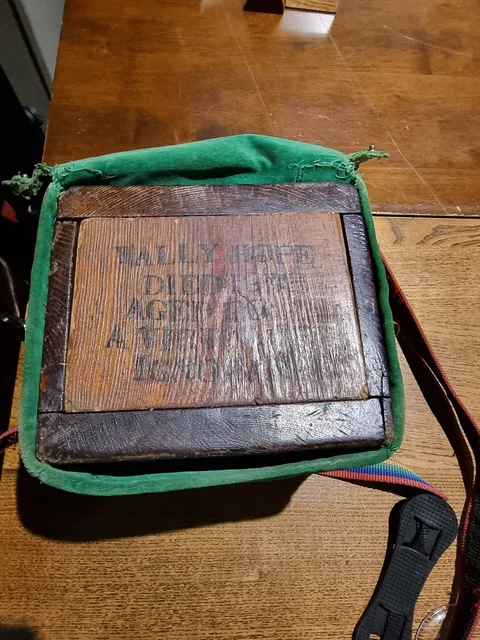
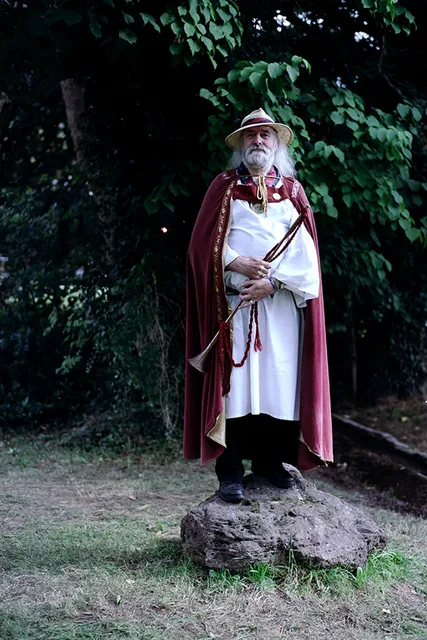
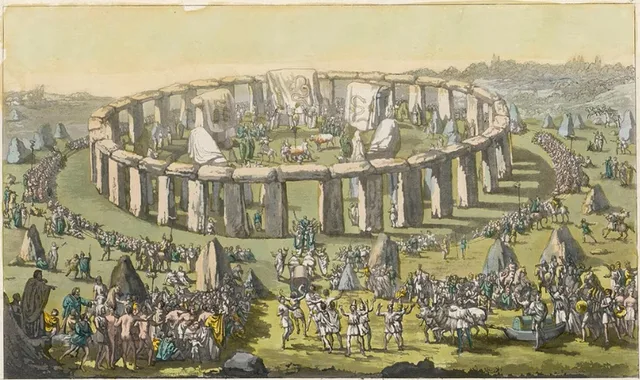
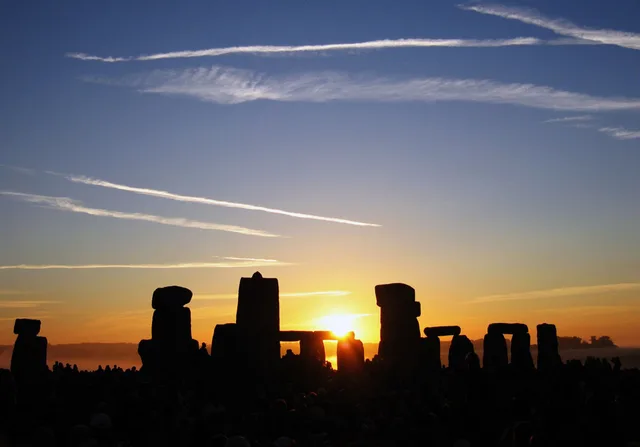
The 1984 gathering was the culmination of a decade’s expansion and the last normal edition. Contemporary imagery shows a temporary settlement at a scale far beyond the first solstice meeting. Published attendance estimates differ widely, so the page uses “tens of thousands” unless attributing a number. The reusable 1984 photograph is genuine event documentation; modern solstice and historical Druidic images are clearly labelled as later or interpretive landscape context. English Heritage and the National Trust obtained a High Court injunction preventing the festival. On 1 June, police stopped a Peace Convoy of roughly 600 people seven miles from Stonehenge. English Heritage records 537 arrests. A parliamentary frame cited in the research master gives 482 on 1 June and 643 across 31 May–27 June. These counts describe different periods and must not be collapsed. Beanfield was political aftermath, not another festival edition. The archive is rich but decentralised: participant photographs, posters, newsletters, stage-manager lists, private tapes, television news, heritage records, court material and later documentaries. UK Rock Festivals offers valuable year-by-year scans, but major claims are cross-checked with English Heritage and parliamentary sources. Rights remain item-specific. The Wally Hope object and Rollo Maughfling portrait on this page carry reusable licences and illuminate memory without claiming to show an undocumented performance. Managed solstice access returned in 2000, but it was not a revival of the free festival. Stonehenge’s legacy runs through New Age Traveller history, DIY festival ethics, free-party logistics, space rock and continuing debates over policing and public land. The festival’s achievement and its problem were the same: a porous temporary society grew too large to remain invisible to heritage and state power. Its ending changed British counterculture far beyond the monument itself.


Follow the festival beyond the field
Timeline
Related genres
Related band guides
More routes will be connected as the archive grows.
Explore by sound
Essential listening
Sources and further reading
- Stonehenge 1965–77English Heritage · accessed 23 July 2026
- Stonehenge 1977–85English Heritage · accessed 23 July 2026
- Stonehenge Free Festival archiveUK Rock Festivals · accessed 23 July 2026
- Stonehenge incident, 22 July 1985UK Parliament Hansard · accessed 23 July 2026
- Free-festival cultural historySolent University Research · accessed 23 July 2026
Image credits5 licensed images
The Stonehenge Free Festival in 1984, the last full edition before access was blocked the following year — Salix alba — Wikimedia Commons — CC BY-SA 3.0 · source record · CC BY-SA 3.0
Converted to WebP and resized; no generative or compositional alterations.
The box that once contained the ashes of Wally Hope, a material link to the founder figure and mythology of the festival — Richard Avery — Wikimedia Commons — CC BY-SA 4.0 · source record · CC BY-SA 4.0
Converted to WebP and resized; no generative or compositional alterations.
Rollo Maughfling, a participant in the alternative spiritual culture surrounding Stonehenge — Simon King — Wikimedia Commons — CC BY-SA 4.0 · source record · CC BY-SA 4.0
Converted to WebP and resized; no generative or compositional alterations.
A public-domain historical illustration of imagined Druidic ceremony, used to show the long prehistory of solstice interpretation rather than the 1970s festival — Charles Hamilton Smith — Wikimedia Commons — Public domain · source record · Public domain
Converted to WebP and resized; no generative or compositional alterations.
The summer-solstice sunrise at Stonehenge in 2005. This later image documents the enduring ritual landscape, not the free festival itself — Unknown creator — Wikimedia Commons — CC BY-SA 2.0 · source record · CC BY-SA 2.0
Converted to WebP and resized; no generative or compositional alterations.