
Which one is "warm"? Probably the second. Which one is more accurate? Probably the first. Which one is better? Now we have a problem. "Warm" is one of the most overloaded words in audio. It is used to describe tape, tubes, vinyl, synthesizers, microphones, amplifiers, mixes, masters and occasionally any recording that happens not to hurt.
The term is vague, but it is not meaningless. Most of the time, listeners are hearing several different phenomena at once and giving the combined impression a single emotional name. So let us take the word apart.
Warmth Has No Single Frequency
If warmth were simply "more bass," the solution would be easy. Turn up the bass knob. Unfortunately, that often produces mud. What listeners describe as warmth frequently involves the low-mid and midrange body of a sound rather than extreme low frequencies. A vocal may feel fuller. A guitar may have more wood and less edge. A bass may feel substantial even without much sub-bass.
The high end matters too. A sound with restrained treble can make the midrange appear richer even if nothing has been boosted. Warmth is therefore often relational. It is not just what is present. It is what is not exaggerated.
The First Ingredient: Harmonics
Run a signal through perfectly linear equipment and the output contains the same frequency components as the input. Real analog circuits can behave nonlinearly. Tubes, transformers, transistors and magnetic tape may introduce additional harmonics, especially as they are driven harder. Those harmonics are mathematically related to the original signal. In small amounts, they can make a tone feel denser or more complex.
This is why saturation can help a bass remain audible on smaller speakers. The fundamental note may be low, but added upper harmonics give the ear more information about that note higher in the spectrum. The same principle can add texture to vocals, drums and keyboards. But there is no universal "analog harmonic." Different devices behave differently.
A tube amplifier, tape machine, transformer-coupled preamp and overdriven transistor circuit do not produce the same distortion pattern. Calling all of them warm is convenient. Technically, it hides the interesting part.
The Second Ingredient: Compression Without a Compressor
Magnetic tape has a celebrated habit when pushed toward saturation. It stops responding linearly to peaks. The louder parts of the signal begin to encounter resistance. Transients can be rounded. Peaks are gently constrained. The body behind the attack becomes relatively more prominent. That can produce a feeling of density. Consider a snare drum. A very sharp, clean transient jumps out and then decays.
Slight tape saturation can shave a little from that initial spike while adding harmonics to the rest of the sound. The snare may feel thicker even though its absolute peak is lower. That is one reason tape is often described with physical words: thick. soft. round. glued. None is a measurement. All are attempts to describe nonlinear behaviour with the vocabulary of touch.
The Third Ingredient: Edges
Our ears react strongly to transients. The opening milliseconds of a sound help us recognise what created it. A pick striking a string. A stick hitting a snare. A hammer hitting a piano string. A consonant at the start of a vocal phrase. Modern digital recording can preserve these attacks with extraordinary precision. Analog systems may soften them depending on the equipment and level.
That softening can reduce the sensation of hardness. But this is where the mythology often goes too far. A classic analog recording can have savage transients. A 1970s drum kit can punch you through the sofa. Warm does not mean blurred. The best recordings keep enough attack to feel alive while preventing every sound from becoming a tiny knife.
The Fourth Ingredient: Things That Refuse to Stay Still
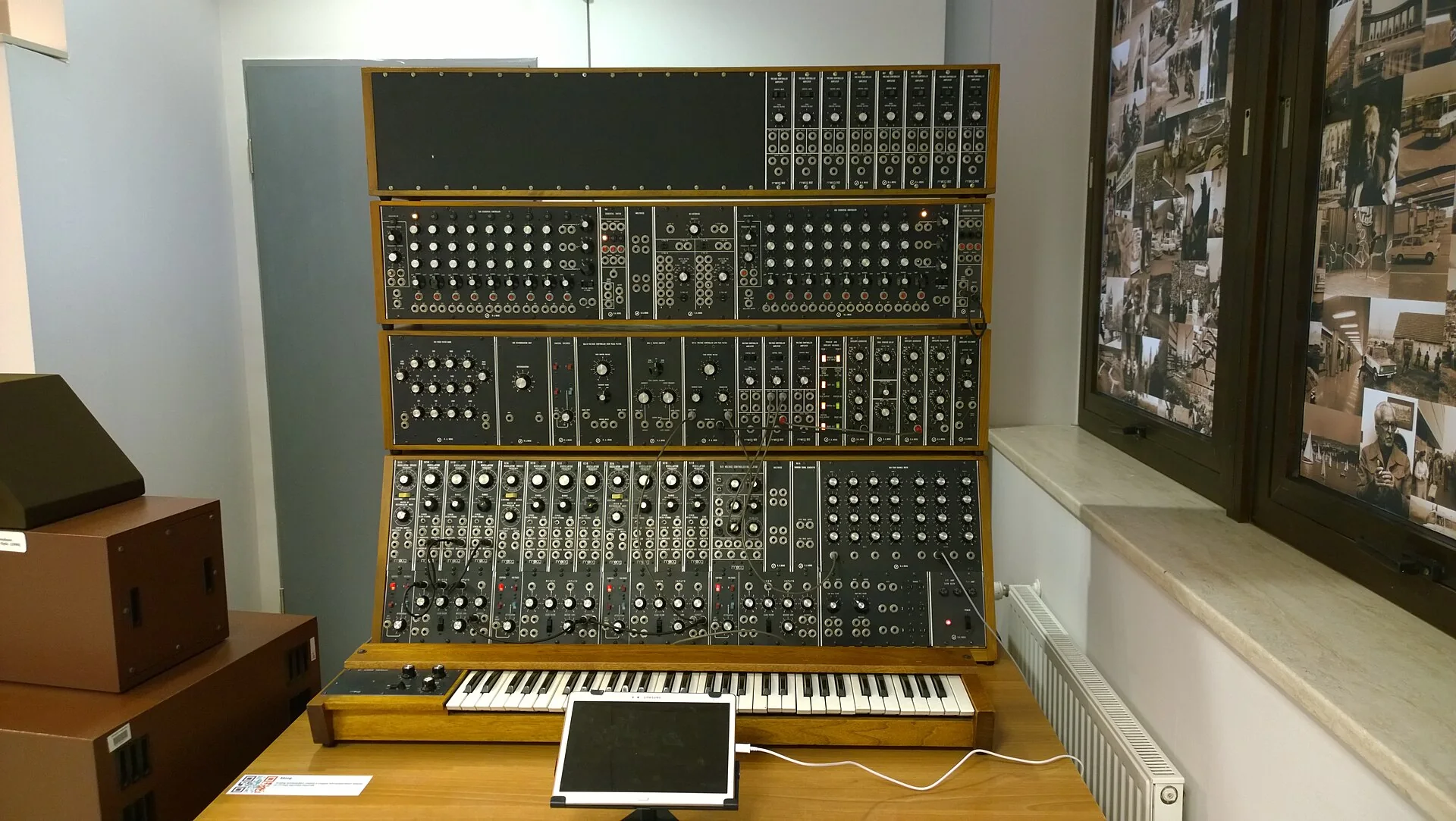
Analog oscillators drift. Tape machines exhibit wow and flutter. Mechanical systems vary. Components respond to temperature and level. None of these behaviours is automatically desirable. But slight instability creates movement. Take two perfectly identical synthesizer oscillators and stack them. If they remain mathematically locked, the combined tone can feel static. Let one drift very slightly and the relationship between them constantly changes.
The tone breathes. This is one reason old polyphonic synthesizers, string machines and modular systems can feel so animated even when playing a simple sustained chord. The movement is not necessarily a modulation someone programmed. It is the machine failing to remain perfect.
The Fifth Ingredient: Bandwidth
One of the stranger facts about many recordings described as "huge and warm" is that they are not huge at the frequency extremes. They may contain less sub-bass than a modern record. They may contain less brilliant top end. Yet they feel substantial. Part of the reason is focus. Older microphones, tape machines, consoles, amplifiers and mastering formats all imposed limits. Multiple tape generations could soften detail further.
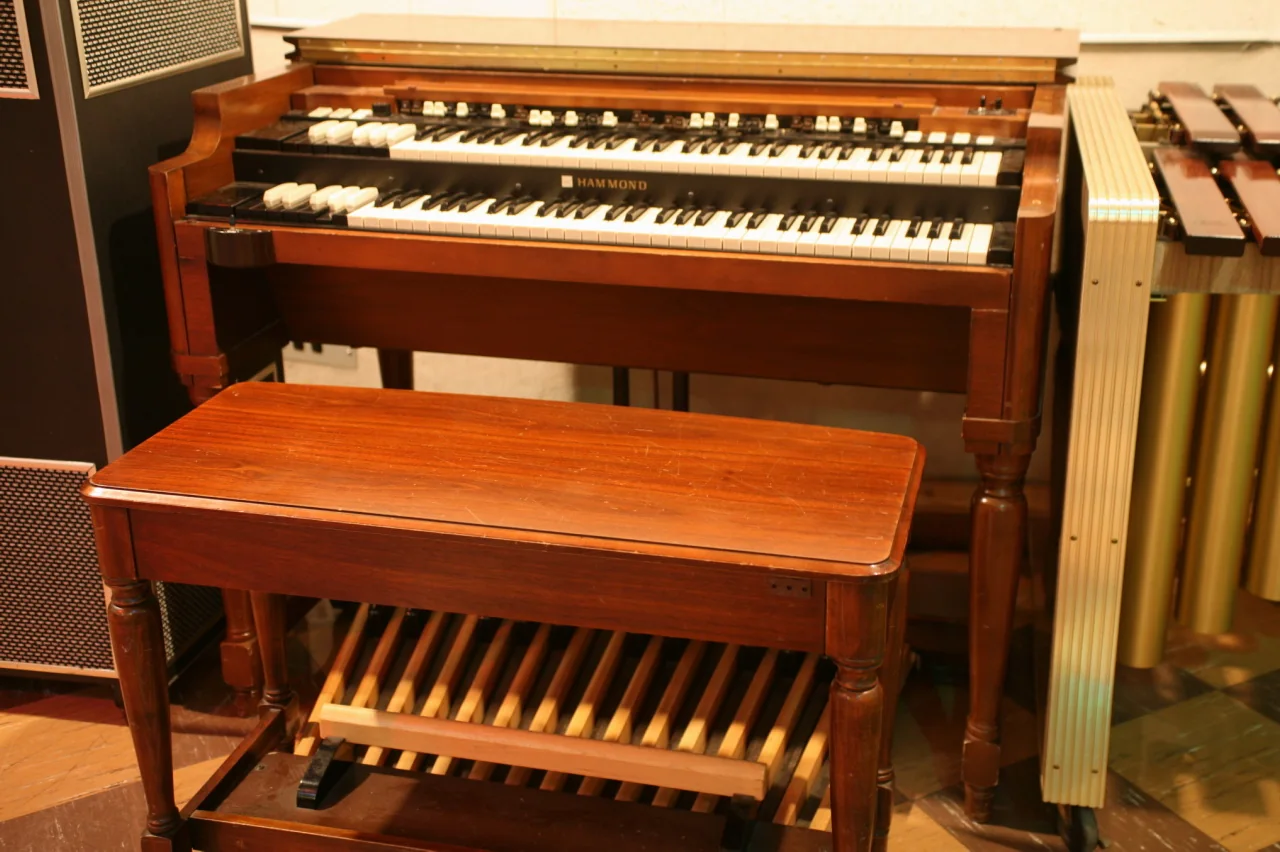
Technically, information disappeared. Musically, space appeared. If the bass does not consume the entire bottom octave and the guitar does not extend into every bright frequency, a Hammond, vocal and cymbal can coexist without each being carved into a tiny slot. A mix can feel broad because the instruments share a sensible middle rather than each trying to occupy infinity.
What About Noise?
Tape hiss is not warm. Hum is not warm. Console noise is not warm. They are noise. Yet the presence of very low-level noise changes the background against which music appears. Digital silence can be essentially absolute. An analog recording often contains a continuous bed of room tone, electronics, amplifier hiss or tape noise. That continuity can make edits and gaps feel less surgically empty.
Modern producers sometimes add vinyl crackle or tape hiss for this reason, though it is easy to turn the effect into costume jewellery. Noise works best when you stop noticing it. The moment hiss announces, "HELLO, I AM VINTAGE," the illusion has probably gone too far.
The Room Is Part of the Answer
Suppose you record a drum kit with close microphones, isolate every element and remove as much spill as possible. Now record the same drummer in a good room with microphones that capture the kit interacting with the space. Even before tape or saturation enters the discussion, the second recording may feel more "warm" because reflections soften boundaries between individual sounds.
The room creates depth. Different frequencies decay at different rates. Reflections arrive after the direct sound. The kit becomes one object with a surrounding acoustic field. You can simulate this digitally. The point is not that a physical room is automatically superior. The point is that warmth is partly spatial, and gear conversations often forget space entirely.
The Music Can Be Warm Before Recording Starts
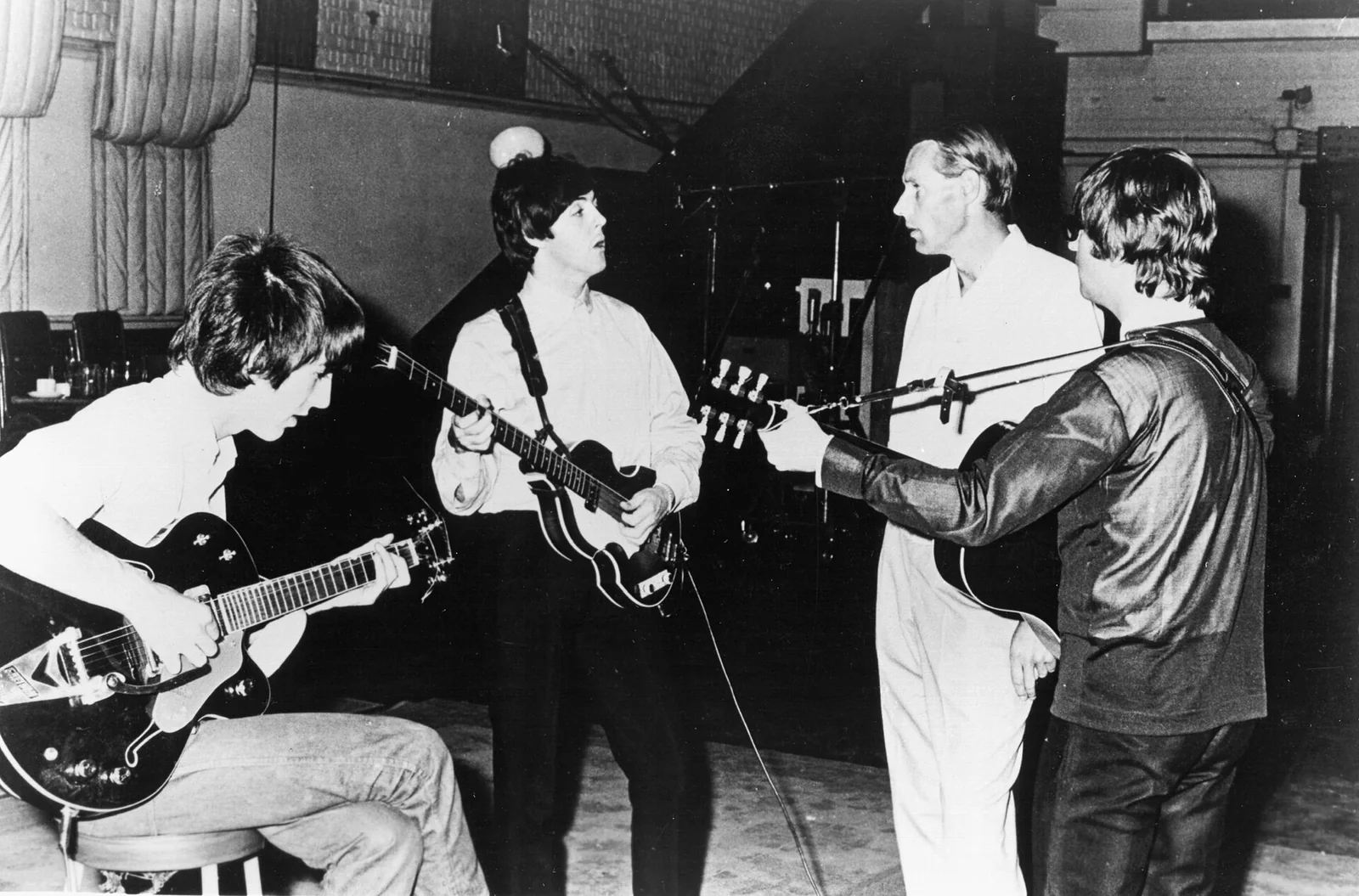
This is where equipment marketing tends to become suspiciously quiet. Arrangement may matter more than the tape machine. A finger-played bass has a different attack from a hard pick. A hollow-body guitar through a small tube amplifier occupies a different spectrum from a heavily processed modern high-gain guitar. A close vocal carries more low-mid proximity.
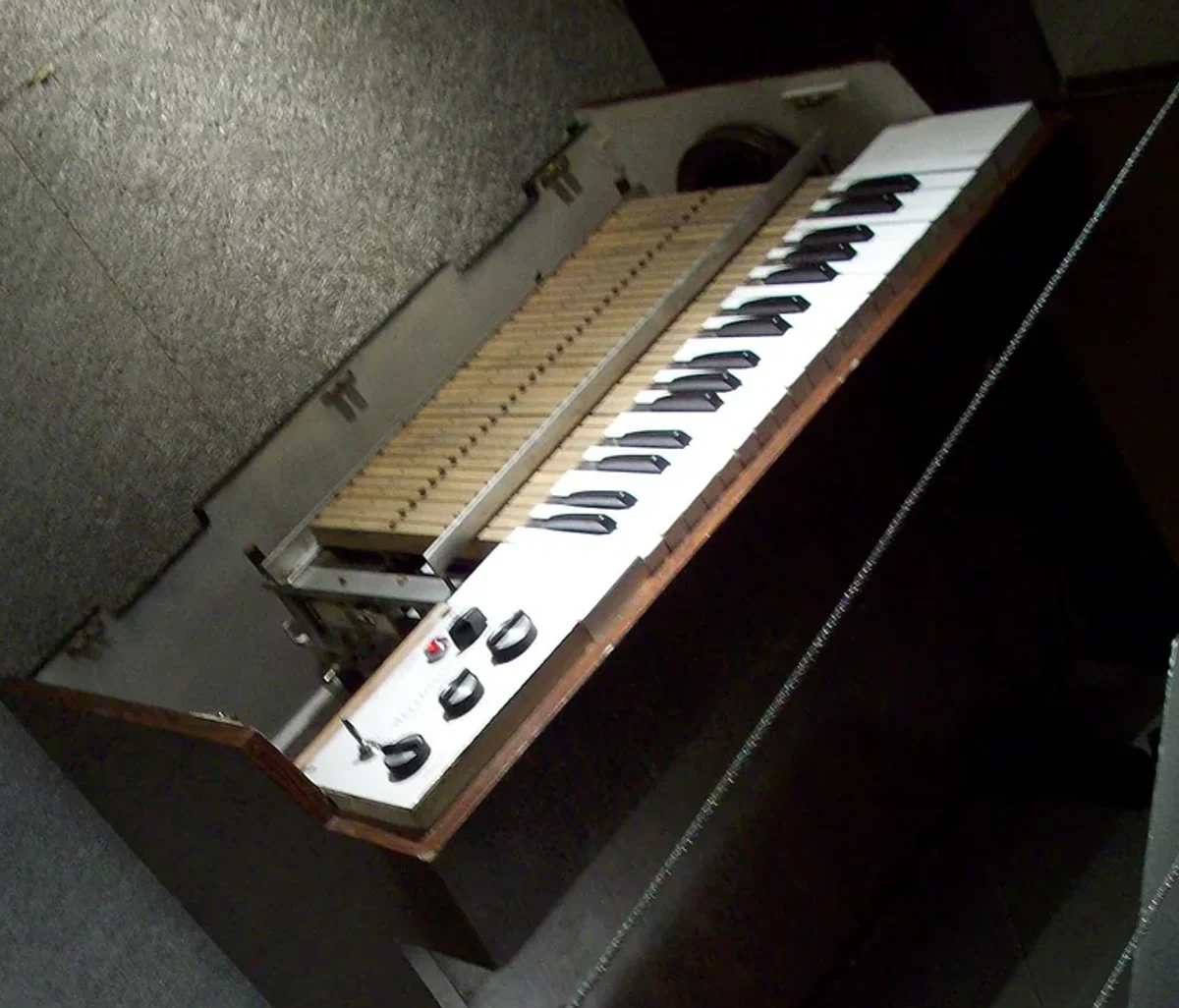
A Hammond organ can fill the centre of an arrangement without extreme treble. Mellotron strings naturally create dense midrange texture. A drummer using darker cymbals changes the entire top end before a microphone is chosen. You can record those sources through a transparent digital system and still create something warm. You can also send a painfully bright, overcrowded arrangement through the most expensive vintage console on Earth and produce beautifully saturated pain. The source still comes first.
Vinyl Is Not a Warmth Button
Vinyl receives credit for almost every pleasant characteristic of old records. Some of that reputation is deserved. Some is mythology. A vinyl record is part of a chain: mastering, lacquer cutting, pressing quality, cartridge, stylus, turntable setup, phono preamp, amplifier and loudspeakers. Different combinations can sound remarkably different. Vinyl playback also introduces distortion and physical limitations, but the warm character of a classic LP often began long before the groove existed.
The microphones may have shaped the top end. The tape may have rounded peaks. The mix may have been less bright. The mastering may have preserved more dynamic range. The arrangement may have been midrange-rich from the start. Then vinyl adds its own behaviour. Calling the entire result "vinyl warmth" gives the final format credit for the whole production.
Analog Can Sound Horrible
This should not need saying, but nostalgia has done strange things to audio discussion. Analog equipment is entirely capable of sounding thin, harsh, noisy, muddy, distorted, unstable or simply broken. A cheap cassette recorded badly is analog. A clipping transistor stage is analog. An amplifier buzzing itself to death is analog. There is nothing inherently tasteful about continuous voltage.
Likewise, digital audio can sound soft, rich, dynamic and deeply natural. A modern converter can capture a beautiful room with astonishing transparency. Digital saturation models can reproduce nonlinear behaviour convincingly. A clean digital workflow can preserve the character of microphones, instruments and performances without adding unwanted colour. "Analog" and "warm" are not synonyms. "Digital" and "cold" are not synonyms either.
Why, Then, Do So Many Old Records Share That Character?
Because several tendencies frequently occurred together. A typical production might involve:
- physical instruments rich in midrange
- microphones with distinctive frequency responses
- transformer- or tube-based circuitry
- magnetic tape
- finite track counts
- musicians playing together
- real room ambience
- less extreme sub-bass
- less aggressive high-frequency mastering
- fewer layers competing for space
- more dynamic contrast
- physical effects such as plate reverb and tape echo
Any one of those can exist in a modern production. Stack many together and the family resemblance becomes strong. That is what people often mean when they hear two seconds of a record and say, "That sounds seventies." They are not hearing a single effect so much as an entire culture of production.
Warm Versus Muddy
If you deliberately chase warmth, the easiest way to ruin a mix is to make every element warm individually. Dark guitar. Dark vocal. Saturated bass. Saturated drums. More low mids. Less treble. Tape on every track. Tape on every bus. Tape on the master. Congratulations. You have invented upholstery. Warmth needs contrast. A warm mix can contain bright tambourine, clear cymbals, an aggressive guitar edge and a vocal with air.
Those elements prevent the richer midrange from becoming opaque. Classic records often feel warm because the bright parts are framed by weight, not because brightness has been removed. If everything is sepia, nothing looks old. It just looks brown.
A Better Vocabulary
Instead of asking whether a sound is warm, try asking: Is the top end restrained? Are the transients sharp or rounded? Is there harmonic saturation? Does the sound become denser when pushed? Is the pitch completely stable? Can you hear the room? Is there low-level noise between phrases? Does the bass live in the sub frequencies or higher up?
Do instruments overlap naturally? How much dynamic contrast survives? Those questions are useful because you can act on the answers. "Make it warmer" is a mood. "Reduce the brittle top end and soften the vocal transient without losing articulation" is a production decision.
So What Does Warm Analog Sound Mean?
There is no meter labelled WARMTH. But a useful working definition might be: A sound with strong midrange body, controlled high-frequency energy, gentle nonlinear distortion, slightly softened peaks, natural or simulated physical space, and enough small variation to avoid feeling completely static. Not every warm recording contains all of those qualities. Not every analog recording contains any of them.
The phrase survives because our ears recognise the combined impression before our technical vocabulary catches up. We hear body. We hear softness around the edges. We hear movement. We hear a medium that leaves a trace of itself. That is the important part. Warmth is not the sound of old equipment being old. It is the sound of imperfection being organised well.
For more routes into the instruments and textures behind these records, visit Explore by Sound.