Concept Before Category
The governing idea determines which musical tools are necessary.

Progressive Rock Family
Rock music treated as a complete artistic object: concept, studio texture, visual identity and performance all serving the same idea.
The Sound
Art rock and progressive rock overlap so heavily that the names are sometimes used as synonyms. The distinction becomes useful when the emphasis shifts. Classic prog often announces itself through extended form, instrumental technique and symphonic development. Art rock can be shorter, stranger and less loyal to any one musical tradition. A three-minute song may qualify if its arrangement, sound design and concept refuse ordinary rock assumptions.
The studio is often part of the composition. Unusual recording spaces, processed voices, found sound, abrupt edits and deliberately artificial textures can matter as much as guitar or keyboard skill. Presentation also counts: artwork, character, staging and the sequence of an album may form one argument rather than separate pieces of packaging.
That breadth makes art rock a useful outer ring around the progressive family. It can touch experimental pop, theatre, electronic music, glam, post-punk or ambient sound without losing its album-minded intent. The label describes an approach more reliably than a fixed list of instruments.
What You’ll Hear
How It Works
Art rock begins with intent rather than a fixed instrumental recipe. A concise song can belong here when arrangement, studio design, visual identity and lyrical perspective are treated as parts of one work. The experiment may be structural, theatrical or technological, but it changes how the song communicates instead of merely decorating it.
Listen for decisions that make familiar rock materials behave differently: a vocal placed like a character inside a scene, a guitar used as texture instead of riff, or a chorus whose return changes the meaning of the verses around it. Art rock often keeps pop’s immediacy while refusing to let familiarity settle into routine.
Useful distinction: Boundary line: progressive rock usually foregrounds development across larger forms; art rock can make its argument inside a three-minute song, an image, a production choice or a complete album concept.
The governing idea determines which musical tools are necessary.
Editing, processing and placement can carry as much meaning as the performance.
Artwork, staging and persona often extend the record’s internal world.
Hooks remain possible, but they are reframed by unusual context or design.
Historical Development
Art rock emerged when musicians began treating recording, visual identity and conceptual framing as parts of composition. The Beatles' studio work, the Velvet Underground's relationship with the art world and late-1960s experiments by producers and songwriters made it possible for a familiar song form to carry unfamiliar ideas.
During the 1970s, Roxy Music, David Bowie, Brian Eno, Peter Gabriel and Kate Bush showed how persona, staging and studio construction could be structural rather than promotional. Art rock could be concise or extended, accessible or abrasive; its unity came from intent rather than a shared instrumental recipe.
The border with progressive rock is porous. Prog usually foregrounds large-scale development and instrumental architecture. Art rock can make an equally radical argument through a three-minute arrangement, an invented character, an edit or the relationship between sound and image.
The Real-World Foundations
Not a ranking: six useful doors into the style.
Glamour, electronics and controlled studio unease turn songs into designed objects.
Fragmented pop and atmospheric instrumentals make production itself the subject.
Song, miniature and studio texture coexist without a conventional rock hierarchy.
Layered rhythm and studio process dissolve the idea of a fixed band performance.
Immediate pop craft and a conceptual album side prove that ambition need not reject melody.
A deliberately altered drum language and dramatic production reshape the singer-songwriter album.
Closest RetroForge Route
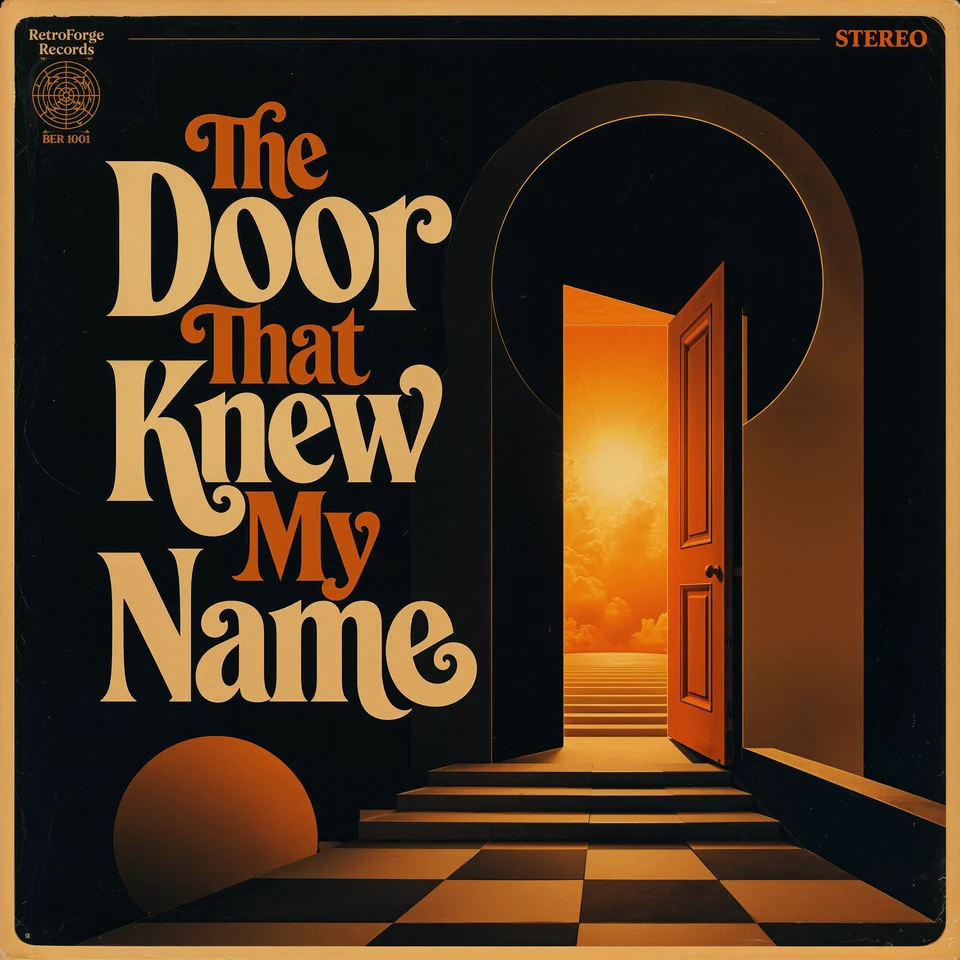
1970s · Atmospheric Progressive Rock
An album where architecture, visual identity and recurring theatrical space matter as much as any single genre marker.
Open the liner notes →Questions from the Record Room
They overlap, but art rock places special weight on concept, production, persona and visual presentation; it does not require long forms.
Yes. A concise song belongs when its structure, sound or presentation is transformed by a governing artistic idea.
Editing, processing and spatial design allow the recording to do work that a straightforward live arrangement cannot.
Research Trail
Related Styles
Deeper Discovery
Start with The River Beneath the World as a RetroForge companion, then return through Progressive Rock to place it inside the wider family.
Curated paths into the people, records, events and ideas that give this subject its wider musical context.