Open Harmonic Space
Chords leave air around melody instead of filling every register.

Progressive Rock Family
Progressive music shaped by landscape, acoustic space and the dramatic power of restraint before the horizon opens.
The Sound
Pastoral progressive rock favours acoustic timbre, open harmony and a sense of place. Twelve-string guitar, flute, piano, soft organ and restrained percussion create room for landscape to become more than lyrical scenery. The arrangement itself seems to breathe with fields, rivers, weather or remembered countryside.
Pastoral does not mean permanently gentle. Its most effective compositions use quiet as stored energy. An acoustic figure can return under Mellotron, electric guitar or a full rhythm section, turning an intimate image into a large structural event. Progressive development remains essential; otherwise the music may simply be folk rock or a soft interlude.
The style overlaps with progressive folk, symphonic prog and the warmer side of Canterbury. Its identity lies in proportion. Virtuosity is present but rarely displayed as conquest, and keyboards colour distance rather than filling every space. The listener is invited to enter the landscape before the music begins changing it.
What You’ll Hear
How It Works
Pastoral prog is more than acoustic guitar and countryside imagery. It creates the sensation of distance, weather and remembered place through spacious arrangement, modal melody and changes that unfold with the patience of a landscape rather than the urgency of a stage.
Listen for the way apparently gentle material is destabilised. A Mellotron choir can place shadow behind an open chord; an irregular metre can make a folk-like melody feel subtly ungrounded; a pastoral interlude may return later as memory rather than refuge.
Useful distinction: Boundary line: softness is not the genre. Pastoral prog depends on the tension between natural imagery, formal development and the awareness that tranquillity may be temporary.
Chords leave air around melody instead of filling every register.
Guitar, flute and piano preserve touch, breath and room sound.
Mellotron and organ turn scenery into memory or unease.
The arrangement changes like light moving across a familiar place.
Historical Development
Pastoral progressive rock grew from the meeting of English folk colour, acoustic songwriting and progressive album form. Early Genesis, Renaissance, Camel and related solo work used twelve-string guitar, flute, piano and open harmony to create music that seemed shaped by landscape and memory.
The style is not simply gentle. Trespass and later Genesis records place unease behind rural imagery; Anthony Phillips turns private acoustic detail into long-form reflection; Harmonium's second album uses seasons and changing instrumentation to make landscape an organising principle.
Pastoral passages also perform structural work inside heavier albums. They establish distance, vulnerability and proportion before the full ensemble returns. Mellotron and organ can make the apparent countryside feel remembered, artificial or threatened rather than comfortably nostalgic.
The Real-World Foundations
Not a ranking: six useful doors into the style.
Twelve-string textures, organ and English landscape imagery establish an early pastoral-prog language.
Piano, acoustic detail and large-scale writing balance intimacy with symphonic reach.
Instrumental themes and spacious arrangement create an entire remembered landscape.
Seasonal form and acoustic ensemble colour make nature part of the architecture.
Layered instruments unfold with the patient scale of terrain rather than song.
Twelve-string guitar and chamber detail turn private memory into a sustained pastoral suite.
Closest RetroForge Route
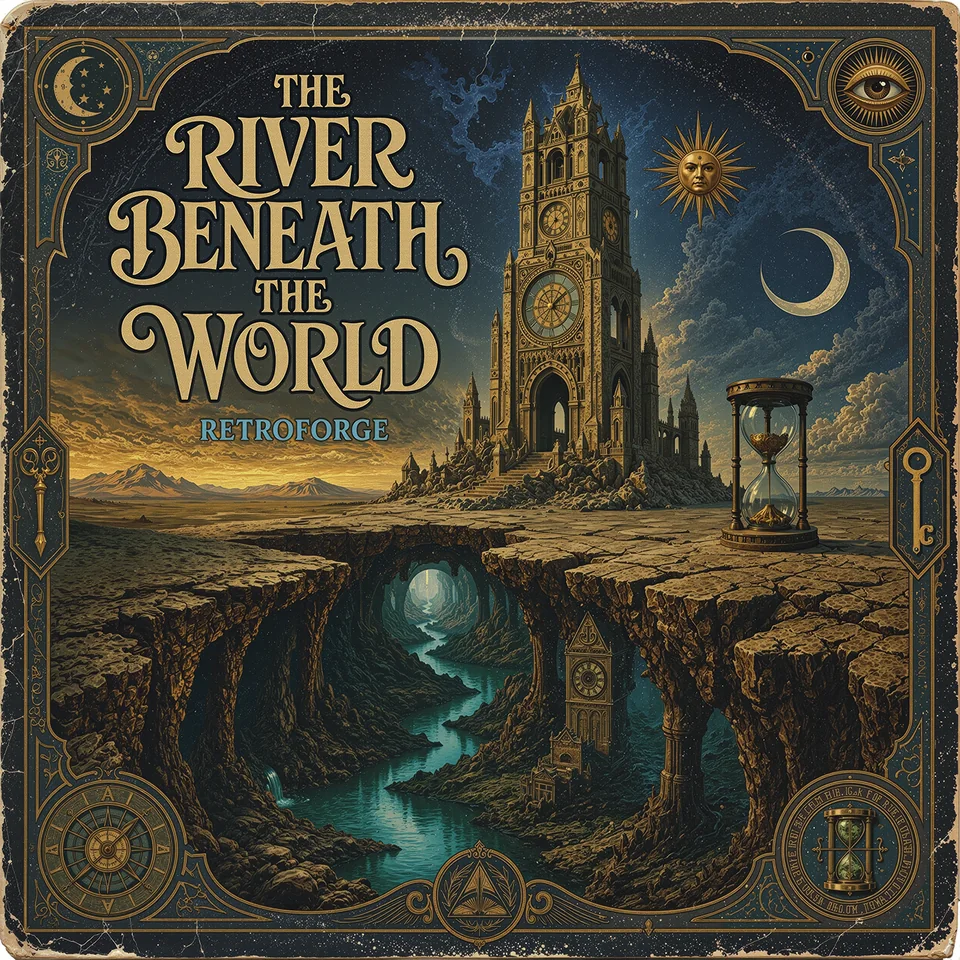
1974 · Symphonic Progressive Rock
Its landscape is ultimately grander and stranger than pure pastoral prog, but the album’s river, open space and gradual architectural expansion provide the nearest route.
Open the liner notes →Questions from the Record Room
No. Quiet establishes space, but the style often uses large climaxes and darker interruptions to change how that space feels.
They overlap. Pastoral prog is defined more by atmosphere and landscape; progressive folk depends more directly on folk grammar and tradition.
The River Beneath the World contains the clearest symphonic-pastoral contrast, while Under the Green Moon moves closer to progressive folk.
Related Styles
Research Trail
Deeper Discovery
Start with The Glass Engine Awakens as a RetroForge companion, then return through Progressive Rock to place it inside the wider family.
Curated paths into the people, records, events and ideas that give this subject its wider musical context.