Voices Form an Orchestra
Layered harmony supplies movement, texture and emotional scale.

Psychedelic Rock Family
Bright vocal harmony and meticulous studio arrangement, often carrying more emotional ambiguity beneath the surface than the name suggests.
The Sound
Sunshine pop belongs to the ambitious studio culture of the late 1960s. Layered voices, polished melody and orchestral colour create music that feels immediate, but the arrangements can be as intricate as contemporary psychedelic and baroque pop.
The brightness is structural as well as emotional: open harmony, buoyant rhythm and carefully balanced timbres. Yet melancholy frequently lives inside the chords, keeping the music from becoming simple cheerfulness.
RetroForge has no album identified as sunshine pop. The Soft Geometry of Dreams is included only as a gentle psychedelic neighbour with compatible warmth and melodic drift.
What You’ll Hear
How It Works
Sunshine pop builds radiant surfaces from vocal harmony, polished studio craft and finely controlled orchestration. Its apparent ease is the result of detailed construction: countermelodies, key changes, strings, brass and rhythm sections are balanced so that complexity arrives as pleasure.
The most durable records often carry a minor shadow. Listen for melancholy inside the harmony, hesitation beneath the lyric or an arrangement that becomes too beautiful to feel entirely secure. That tension prevents brightness from becoming weightless.
Useful distinction: Boundary line: cheerful pop is not automatically sunshine pop. The style depends on ambitious vocal and instrumental arrangement as much as mood.
Layered harmony supplies movement, texture and emotional scale.
Orchestration makes familiar melodies feel newly illuminated.
The groove supports detail without making the arrangement heavy.
A small harmonic shadow keeps optimism emotionally believable.
Historical Development
Sunshine pop was a polished mid-1960s American pop style built from close harmony, buoyant melody and carefully arranged studio colour. California supplied its strongest mythology and many of its key makers, but the sound was as much a product of arrangers, songwriters and session musicians as of self-contained bands.
The Beach Boys, the Mamas & the Papas, the Association and the Turtles brought versions of the style into the charts. Cult studio projects such as Sagittarius and the Millennium pursued denser arrangements that overlapped with psychedelic pop. Yet sunshine pop did not automatically seek mind expansion; often it borrowed psychedelia's warmth and production techniques while keeping its emotional world accessible.
The apparent optimism can conceal considerable melancholy. Major-key surfaces, intricate voices and orchestral colour frequently frame songs about distance, memory or fragile connection. That contrast prevents the best records from becoming period wallpaper.
The Real-World Foundations
Not a ranking: six useful doors into the style.
Vocal architecture and instrumental imagination provide the style's central production model.
Four-part personality and studio polish turn folk-pop into widescreen harmony.
Careful arranging and immaculate voices define the chart-facing form.
Unusual harmony and airy arrangements reveal the style's sophisticated edge.
A producer-led studio construction makes sunshine pop richly artificial.
Ambitious layering and melodic density push the sound beyond easy optimism.
Research Trail
Closest RetroForge Route
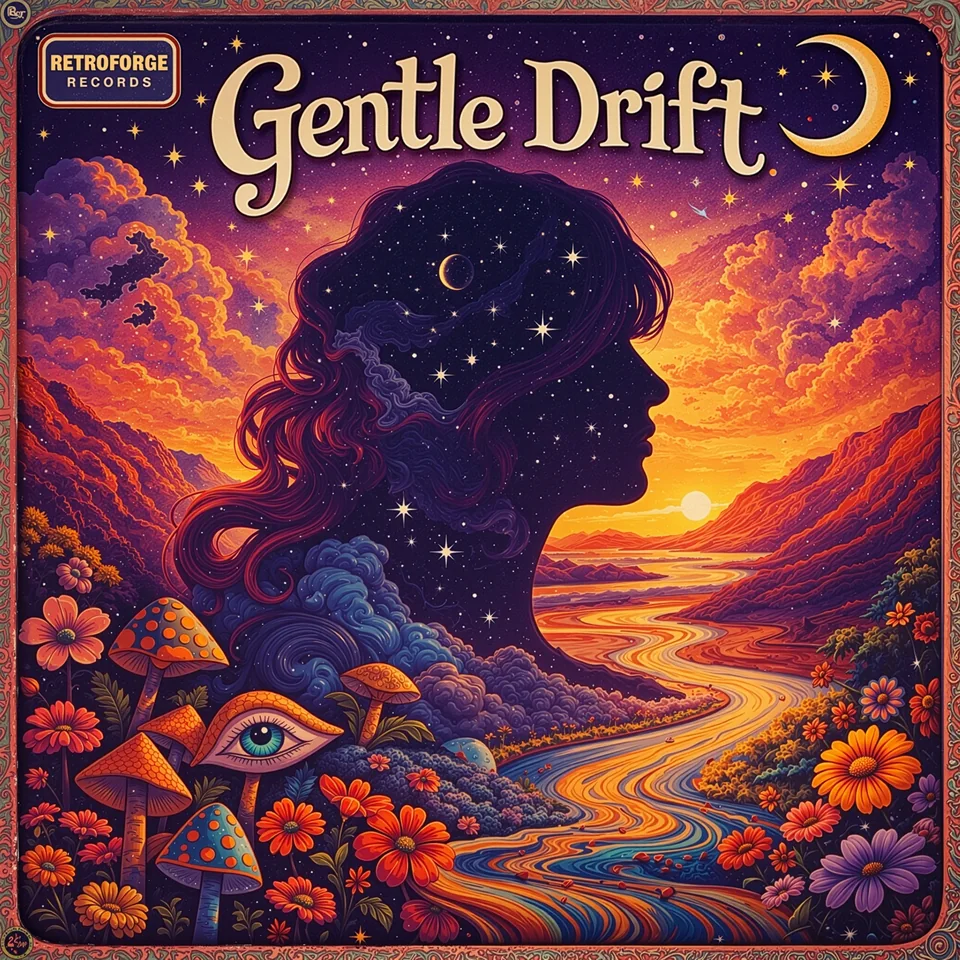
Adjacent: Dreamy Psychedelic Rock
A soft-focus neighbouring listen, not a dedicated sunshine-pop release.
Open the liner notes →Questions from the Record Room
No. It often borrows psychedelic-era production, but melody, vocal harmony and polished warmth are its defining priorities.
The arrangements demanded precise instrumental colour and vocal support that specialised session players could provide efficiently.
Not at its best. Many defining songs place melancholy or uncertainty beneath their luminous surfaces.
Deeper Discovery
Start with The Purple Sun Is Watching as a RetroForge companion, then return through Psychedelic Rock to place it inside the wider family.
Curated paths into the people, records, events and ideas that give this subject its wider musical context.