
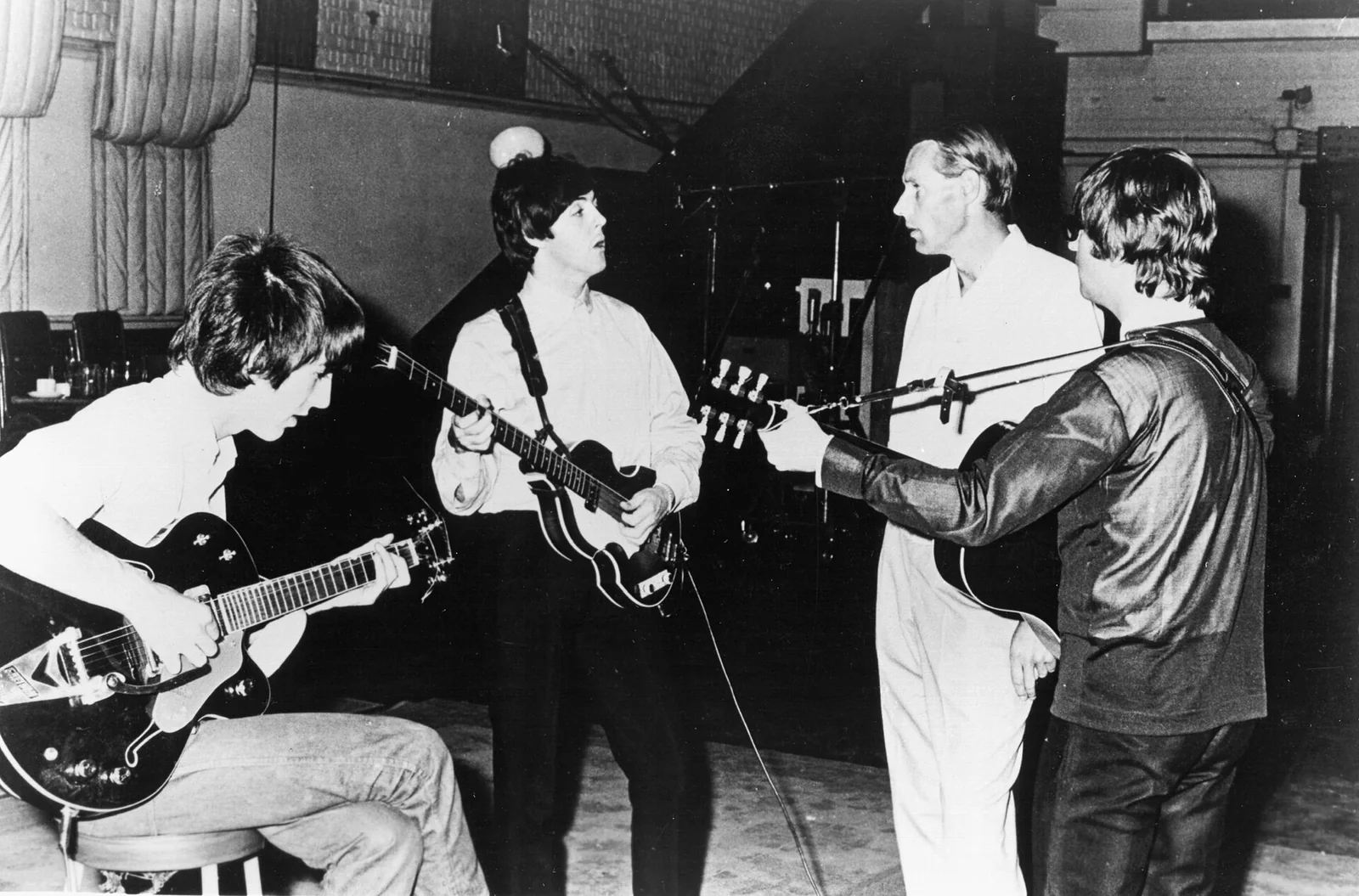
Nothing has been captured yet. This is not wasted time. This is recording. The session below is a composite illustration of period recording practice, not a reconstruction of one specific historical session. A professional studio in 1973 had the same ultimate goal as a studio today: turn performances into a finished master. But the route from musician to record was tactile, expensive and full of points where a choice became difficult to undo. So rather than list the equipment, let us follow the process.
10:30 – Build the Room Before You Build the Record
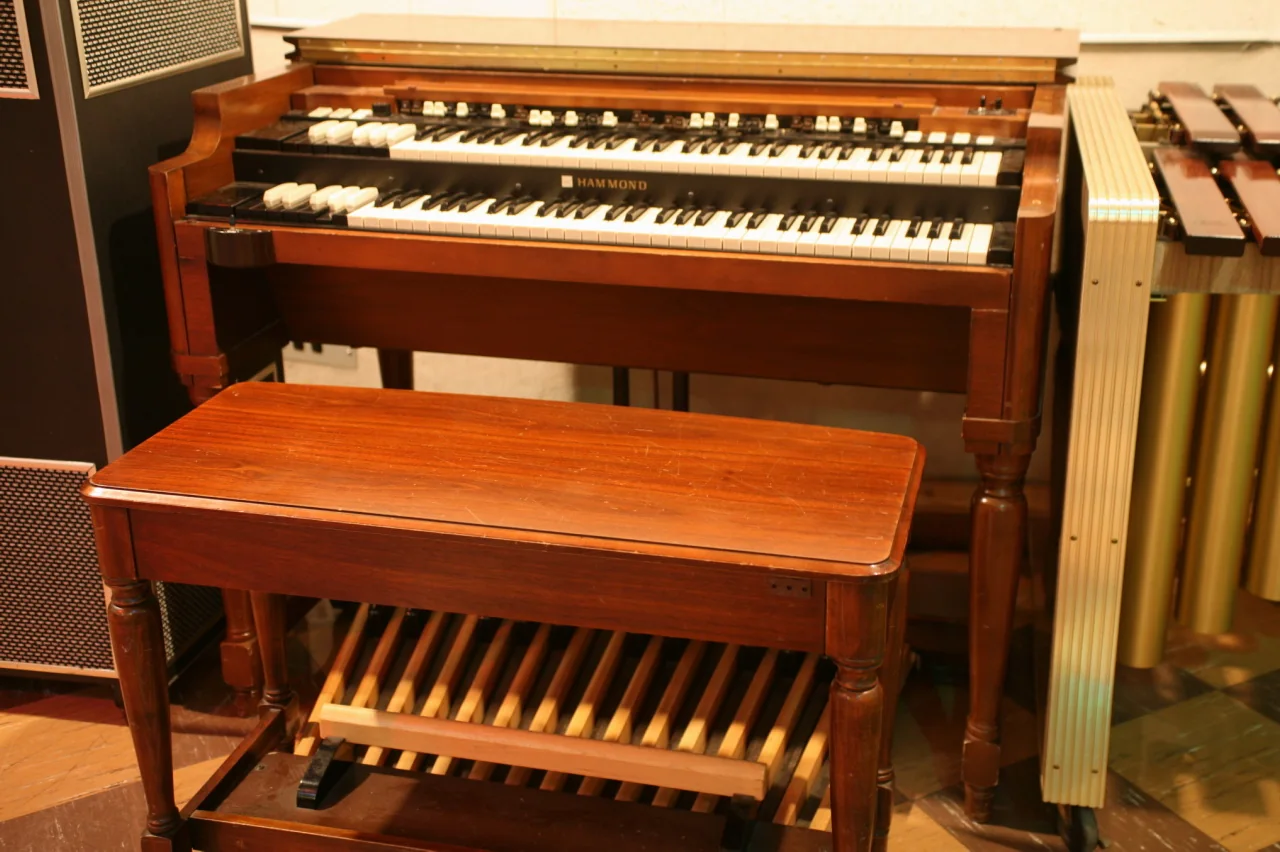
The band begins with the basic track: drums, bass, guitar and keyboards. Where everybody stands matters. The drum kit goes into the main live room. Screens may help control spill from other instruments. A loud guitar amplifier might be moved into an isolation booth. The bass could be recorded from an amplifier, a direct signal, or both. A piano needs enough physical space for microphones and its open lid. A Hammond organ may be beside the keyboard player while the Leslie speaker sits farther away.
There is no universal layout. Every arrangement is a compromise between communication and isolation. Put musicians together and they play better off one another, but microphones hear more than one source. Separate everyone and the engineer gets cleaner tracks, but the session may lose some of the feeling of a band sharing a moment. Good studios learned how to manage the border.
11:05 – Move the Microphone, Not the Plug-In
The guitarist plays. In the control room, the engineer listens. "Too sharp." No one opens an EQ window. The assistant walks back into the live room and moves the microphone. A microphone aimed toward the centre of a guitar speaker generally captures a different balance than one moved toward the edge. Distance changes the ratio of direct sound to room sound. A microphone placed inches from a cabinet hears one world; a microphone several feet away hears the amplifier interacting with the room.
The same logic applies everywhere. Move overhead microphones and the whole drum kit changes. Change the angle on a piano and the balance between hammers, strings and body changes. Switch microphone type and the transient response, frequency balance and pattern of room pickup change. The first EQ was often geometry.
11:40 – Everything Arrives at the Console
Microphone signals run into the control room and reach the mixing console. This desk is the nervous system of the studio. The engineer sets input gain, adjusts EQ, routes signals, creates headphone mixes and decides which sources will feed which tracks on the tape machine. The desk may look enormous, but its logic is physical.
Signal comes in. Signal is shaped. Signal is sent somewhere. Patch bays connect compressors, reverbs and other outboard equipment. Cables make relationships visible. If the routing becomes complicated, it is possible to stand in front of the patch bay and literally see the studio's logic as a nest of connections. Nothing is floating in a software session. In that sense, the record has visible plumbing.
12:15 – Arm the Tape Machine
Now the multitrack machine becomes the centre of attention. By the early 1970s, 16-track recording was established at many major studios, while 24-track machines were increasingly appearing at high-end facilities and became more common as the decade progressed. Smaller or older studios could still offer fewer tracks. On a 16-track machine, those sixteen tracks are real physical lanes of magnetic information on the tape. They are not a starting point. They are the total. Suppose the engineer assigns:
- kick drum
- snare
- stereo drum overheads
- bass
- guitar
- piano
- Hammond
Already a large part of the machine is occupied, and the band has not recorded a lead vocal, backing vocals, percussion, Mellotron, synthesizer or overdubbed guitars. You begin to understand why arrangement and track planning were intertwined.
12:32 – Take One
The red light comes on. The band plays. The drummer counts the opening, the bass enters, the guitar joins, and for the next six minutes the studio is not primarily a technical facility. It is a performance space. The musicians can hear one another in headphones. Some may also hear enough acoustic sound through the room to feel connected physically. The producer listens for energy and structure. The engineer watches meters and worries about levels.
At 4:51, the guitarist hits a note slightly late. Nobody stops. The final two minutes are excellent. When the piece ends, tape keeps moving for a moment before the engineer stops the transport. Now the room waits while several hundred feet of tape travel backward. There is no clicking instantly to the beginning. Rewind is part of the tempo of the session.
12:45 – Playback Changes the Conversation
The band comes into the control room. This is often the first moment they hear the performance from the outside. A drummer who thought the take felt weak may discover that it sounds enormous. A guitarist who loved the solo may hear that it distracts from the vocal. A bass note that felt harmless in the room might jump out of the speakers.
Listening is not merely quality control. Playback becomes arrangement. "Leave that space empty." "Do the second verse again." "Keep the ending." "The first take had more life." The record begins to diverge from the performance that existed before the session.
13:20 – One More Take, Then Lunch
They record again. Perhaps take two is tighter but less exciting. Take three may have the best middle section. With tape, assembling the perfect performance from fragments is possible, but it carries friction. Edits must eventually exist in the physical world, and punches must be executed correctly. This gives the producer an incentive modern sessions do not always have:
choose the take that already works. Perfection exists, but it is expensive. Feel is sometimes cheaper. Thankfully, feel is often better.
14:15 – Overdubs Begin
After lunch, the band turns from documentation to construction. The basic track is good enough. Now a singer records the lead vocal while listening to the existing instruments through headphones. A guitarist doubles a part. A keyboard player adds Mellotron strings to the final section. Percussion appears. Perhaps the original guide guitar is replaced. Overdubbing allows the impossible version of the band to emerge.
One guitarist becomes three. One singer becomes a choir. A four-piece group gains orchestral colours. But every overdub consumes track space. The multitrack machine is a budget you can hear.
15:40 – Punching In Requires Nerves
The vocal is nearly perfect except for one line. There is no need to rerecord the whole song. The engineer can punch in. The tape plays. Just before the bad line, the machine is switched into record on the vocal track. The singer performs the replacement. Immediately afterward, the engineer returns the track to playback.
Done correctly, the new line joins the old performance invisibly. Done badly, the punch can erase something worth keeping. Modern digital recording turned this operation into a routine edit. On tape, it could feel more like changing a tyre while the car was moving.
16:10 – The Mellotron Arrives With a Problem
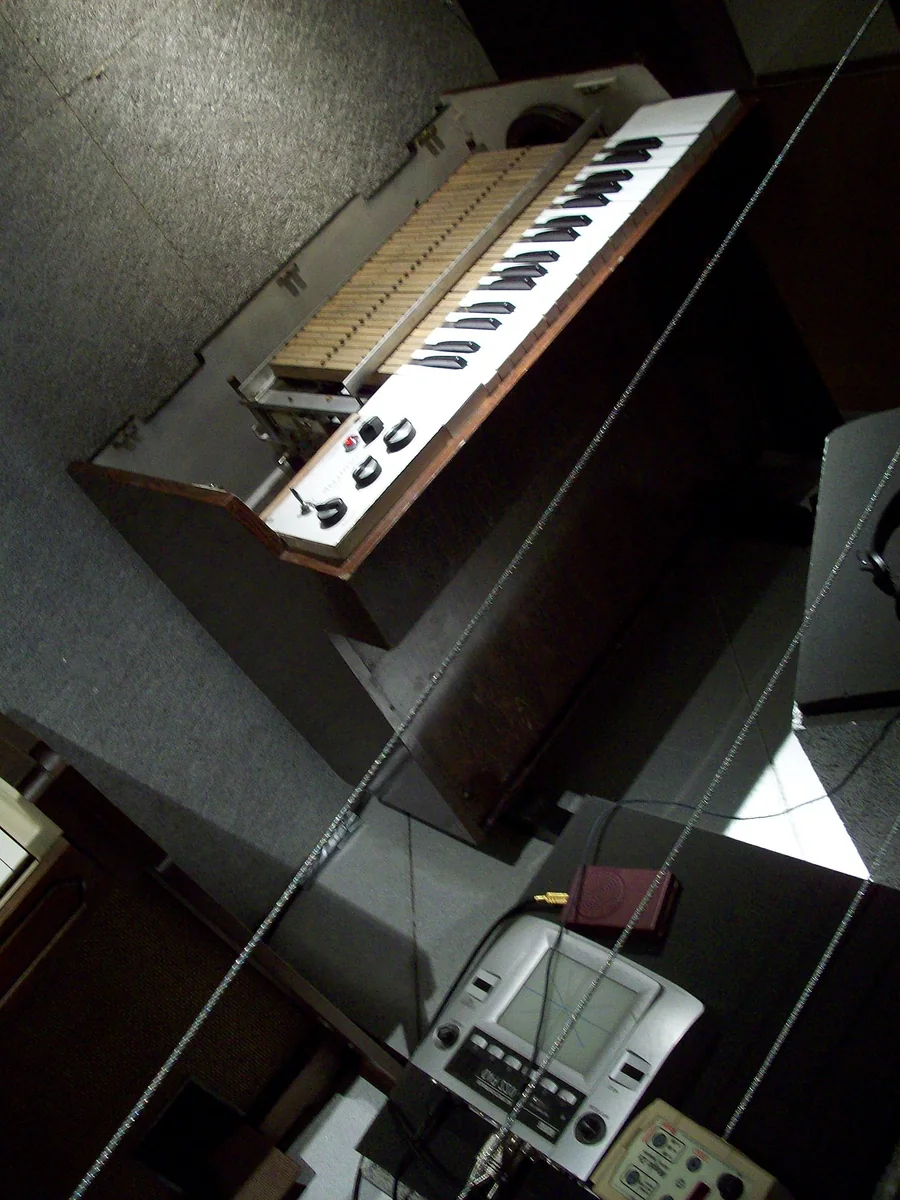
The keyboard player wants strings. A Mellotron can provide them, but the instrument does not behave like a modern sample library. Under each key sits prerecorded tape. Press a key and the tape plays. Hold it too long and the tape reaches its end. Pitch can wander. Mechanical condition matters. The player cannot simply press an enormous chord and forget about it for thirty seconds.
The part has to breathe. That limitation becomes phrasing. The strings swell into the final section, slightly unstable and unmistakably unlike a real orchestra. Everyone agrees to keep them. For the deeper story of the instrument, see What Is a Mellotron?.
17:00 – Track 16 Is Gone
The machine is full. The producer still wants backing vocals. Now the session has to negotiate with physics. Several existing tracks can be combined, or bounced, onto one track. For example, three percussion parts might be mixed together and recorded to a spare track. The originals can then be reused. But the bounce has consequences.
Once the parts are combined, changing their balance individually becomes far more difficult. They also pass through another generation of electronics and tape. The engineer therefore makes a miniature mix inside the larger recording. Tambourine down a little. Congas left. That shaker is too bright. Ready? Roll tape. Three tracks become one. Two tracks are free. The arrangement has gained room by giving up flexibility.
17:35 – Effects Come From Strange Places
The lead vocal needs space. In a modern session, thousands of reverbs are one menu away. Here, the engineer may send the vocal through a physical plate reverb. A transducer excites a large sheet of metal; pickups capture the resulting vibration. For another sound, the studio might have a spring unit. Some facilities use an echo chamber: a reverberant room containing a speaker and microphones. The vocal literally leaves the control room as an electrical signal, enters another physical space as sound, bounces around that room and returns through microphones. Want more reverb? Send more vocal into the room. In a studio like this, effects are partly architecture.
18:20 – Editing Means a Razor Blade
The producer loves the first half of one take and the second half of another. The tape can be edited. An engineer identifies the precise location, marks it, removes the tape from the machine and cuts it with a razor blade at an angle. The preferred section is joined with editing tape. That description sounds primitive until you hear how seamless skilled tape editing can be.
Still, the psychology is different from digital editing. You are not creating an instruction that can be undone forever. You are cutting the recording. The edit exists in your hands. Experimental musicians pushed this much further: reversing tape, building loops, splicing fragments and using physical editing as a compositional method. The medium could be rearranged because the medium was an object.
19:00 – The Band Goes Home, the Mix Begins
Eventually the multitrack contains the record. Not the finished record. Just all of its ingredients. The mix now has to turn perhaps sixteen or twenty-four recorded tracks into stereo. The engineer sets balances, EQ, panning, compression and effects. Instruments are moved across the stereo field. Vocals are placed. Reverb returns are adjusted. Sections are rehearsed.
And "rehearsed" is the correct word. Many consoles offered little or no automation by modern standards. If the guitar needed to rise during the solo, a hand moved the fader. If the vocal needed more delay during the last word, somebody turned the send. If three changes happened at once, another person might help. Complex mixes could become choreography around the desk.
"At the second chorus, you take the organ." "I'll ride the vocal." "Bring the echo in after the snare fill." The tape rolls. The control room performs.
20:10 – Mix One Is Almost Right
The first complete mix is good until the final minute, where the Mellotron is too loud and someone misses a guitar move. They mix it again. This may happen several times. Each finished attempt is recorded onto stereo tape. Eventually there is a version where the balances, effects, dynamics and human movements line up. That stereo tape becomes the basis for mastering. The multitrack is no longer what the public will hear. The mix is the record.
What Happens After the Studio?
For vinyl, a mastering engineer takes the stereo master and prepares it for cutting. The album must function as a physical groove. Bass, stereo information, overall level and side length all influence what can be cut safely and effectively. A very long side may have to be cut at a lower level. Excessive low-frequency information can create problems. Sequencing becomes partly an engineering decision because minutes have physical consequences.
In the conventional vinyl-manufacturing workflow of the period, the mastered signal was used to cut a lacquer, which then entered the plating and pressing chain that produced the record in your hands. By then, the music has travelled through a remarkable route: musician → room → microphone → console → multitrack tape → overdubs → effects → edits → stereo mix → mastering → lacquer → metalwork/stamper → pressing → turntable Each arrow is a place where something can change.
Why Progressive Rock Loved This Environment
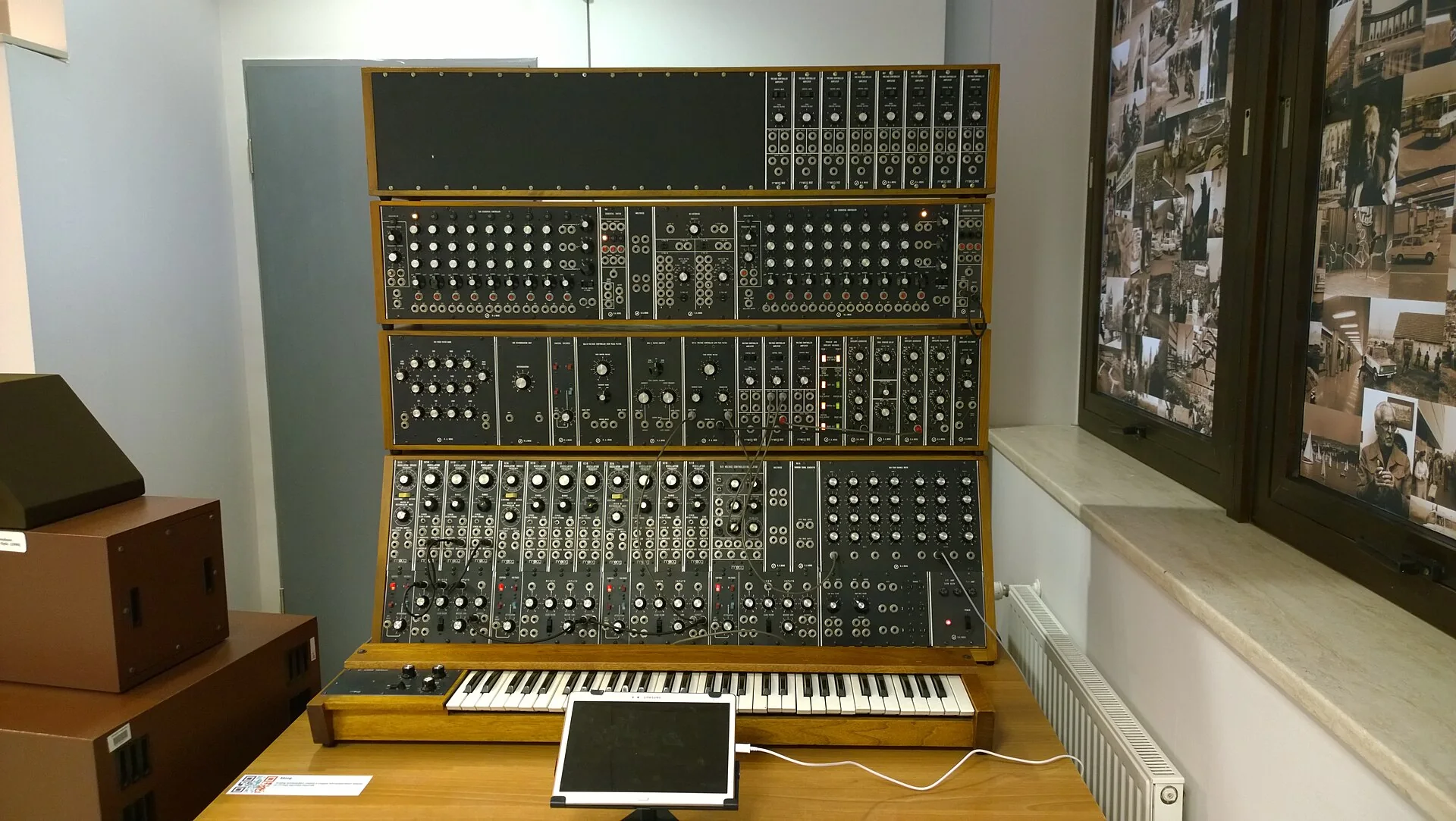
Progressive rock arrived at exactly the moment the studio became sophisticated enough to support absurd ambition. A band could record a ten-minute composition containing acoustic guitar, electric guitar, Hammond, Mellotron, piano, synthesizer, harmony vocals, percussion and sound effects. Tape edits could join sections that were difficult to perform continuously. Overdubs could create ensembles that did not exist in the room.
Reverb could turn a studio into an imagined cathedral. Tape echo could make a guitar dissolve. A synthesizer could introduce sounds without an acoustic ancestor. The studio was no longer only a camera pointed at a band. It was part of the composition.
The Part Nostalgia Usually Leaves Out
Recording this way could be exhausting. Tape was expensive. Machines needed maintenance. Hiss accumulated. A patch could be lost. A reel could be damaged. A musician could play brilliantly while the engineer discovered the level had been wrong. Rewinding took time. Editing took skill. Studio clocks turned artistic uncertainty directly into invoices. People adopted later digital tools because those tools solved real problems.
But the older workflow left a particular character because decisions carried weight. You could change almost anything. You simply could not change everything forever. That is the real difference. A 1970s studio was not magical because it was analog. It was magical on the rare days when a room full of inconvenient machines, expensive tape and nervous human beings all happened to cooperate long enough to capture something worth keeping.