

Edition timeline
The northern field opens
Rain and cold immediately turn the festival site into a difficult camp.
American and British undergrounds meet
West Coast jam music, avant-rock and British progressive groups share an unusually ambitious bill.
The Grateful Dead stretch time
A long Sunday performance becomes the centre of Bickershaw’s official audio legacy.
Tapes keep the field alive
No repeat edition follows, but fan archives and Granada footage preserve the weekend in unusual depth.
Why this event matters
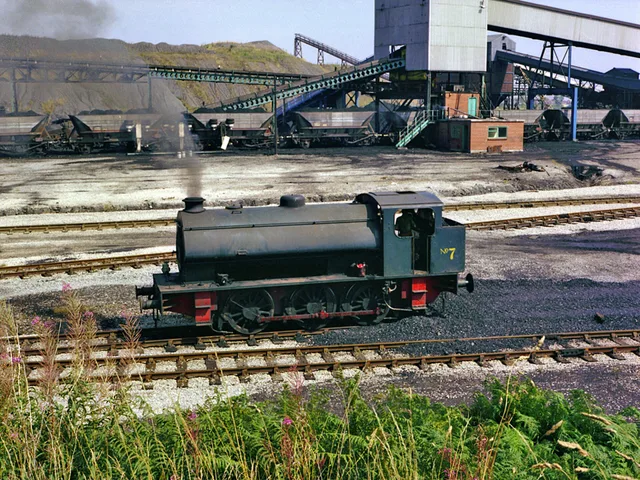
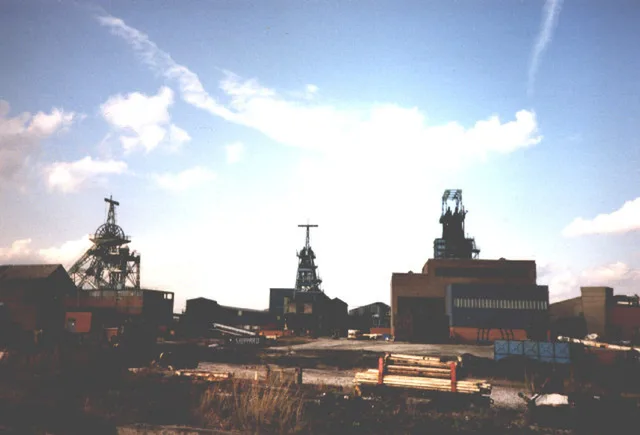
Bickershaw was more than another muddy British weekend. It placed a strong American West Coast and roots contingent inside industrial north-west England, joined by British progressive, psychedelic and underground groups. Fragile site operations coexisted with a functioning stage and an unusually rich recording afterlife. The festival therefore bridges the commercial megafestival model with the porous, DIY culture that later developed through northern free-festival networks. The Grateful Dead’s official retrospective presents Jeremy Beadle as the public-facing organiser working for unnamed Northern businessmen. Specialist histories also assign him publicity, booking and artistic roles, but the exact corporate structure remains unclear and should stay attributed. The aim was serious: bring an international programme to the north-west rather than expecting audiences to travel south. Promotional hopes around 75,000 were ambitions, not evidence of final attendance. Bickershaw sat near Wigan and Leigh in an industrial landscape far from the picturesque southern image often attached to British festivals. Persistent rain, cold and mud transformed access, camping and movement. Later photographs of the nearby colliery landscape on this page are contextual, not views of the 1972 crowd. They restore regional geography to a story too often reduced to weather jokes and a famous American band. Grateful Dead and New Riders of the Purple Sage brought West Coast jam culture; Captain Beefheart supplied avant-rock; Dr. John and Country Joe connected roots and counterculture performance. Hawkwind, Wishbone Ash, Stackridge, Family, The Kinks and Incredible String Band represented different British progressive, space-rock, folk and underground strands. Jazz and big-band elements widened the programme further. Set lists and archives remain necessary because printed intention and actual performance are not identical.

What the audience experienced
Cold rain soaked tents and clothing, mud slowed every route and long performances blurred the weekend’s clock. Granada descriptions preserve sleeping bags, wet festivalgoers, street theatre, site views and interviews with Jerry Garcia and Jeremy Beadle. Food stalls and camping created a temporary settlement that became harder to control as conditions worsened. Humour in later recollection is genuine, but it should not erase physical exposure or the labour of keeping music running. The central contradiction was an ambitious bill delivered from a functioning stage inside a fragile wider operation. Surviving tapes prove numerous performers reached the audience even as gates, camping and finances struggled. Production should not be judged solely by mud: sound, artist transport, changeovers and recording all continued. At the same time, stage success could not compensate for weak perimeter control or convert a large crowd into a sustainable balance sheet. Later accounts describe reused passes, ticket problems and porous boundaries. Exact loss figures vary and require contemporary sourcing; the safe conclusion is that the event failed to capture enough revenue to support its expensive programme. A crowd of 40,000–60,000 could still produce financial failure if admission systems leaked and costs were high. Bickershaw reveals how attendance, ticket sales and solvency are related but never interchangeable statistics. The Dead’s extended Sunday performance anchors the festival’s audio afterlife and became part of the official Europe ’72 archive. Its open improvisation fit a site where time already felt loose, but claims that it was the band’s longest show require authoritative comparison and are unnecessary. What matters is the performance’s scale, preservation and ability to draw later listeners back toward the broader festival rather than existing only as an isolated concert tape.

Beyond the Dead: a recording-rich festival
UK Rock Festivals documents surviving or reported tapes for Captain Beefheart, New Riders, The Kinks and other acts. Some recordings circulate; others are known through references, lost copies or erased reels. Granada footage and 8mm fragments add visual evidence. This fragmented archive shows how festival history is reconstructed: not from one definitive film, but by aligning incomplete audio, programme, press, moving images and participant memory. Bickershaw began with tickets, backers and international contracts, yet its porous boundaries and improvised camp moved toward the social form later associated with free festivals. That does not make it secretly non-commercial. The point is that operational weakness allowed audience life to exceed the promoter’s intended system. Its north-western scale also demonstrated a regional appetite later visible around Deeply Vale, though direct influence claims require named testimony. No enduring Bickershaw series followed. Financial loss and logistical strain discouraged repetition, but the cultural demand did not disappear. Artists continued through British touring networks, collectors circulated recordings and regional memory kept the field visible. Linking to Weeley, Windsor and Stonehenge traces a transition from giant ticketed experiments toward more decentralised festival cultures without pretending that one event mechanically caused the next. Bickershaw proved that north-west England could support a huge multi-day audience and a programme with major American acts. Its reputation now exceeds its one-off institutional life because recordings, Granada material and specialist archives preserve details that many better-run festivals lost. Mud remains part of the truth, but the deeper legacy is archival: a financially failed weekend became historically durable through the patient work of musicians, broadcasters, collectors and participants.


Follow the festival beyond the field
Timeline
Related genres
Related band guides
Explore by sound
Essential listening
Sources and further reading
- Europe ’72: Bickershaw FestivalGrateful Dead Official Site · accessed 23 July 2026
- Bickershaw Festival, 7 May 1972Grateful Dead Official Site · accessed 23 July 2026
- Bickershaw programme and archiveUK Rock Festivals · accessed 23 July 2026
- Contemporary Bickershaw previewDisc and Music Echo · accessed 23 July 2026
- Bickershaw licensed contextual mediaWikimedia Commons · accessed 23 July 2026
Image credits5 licensed images
A later industrial view at Bickershaw Colliery, documenting the landscape around the festival rather than the 1972 field — David Ingham — Wikimedia Commons — CC BY-SA 2.0 · source record · CC BY-SA 2.0
Converted to WebP and resized; no generative or compositional alterations.
Bickershaw Colliery shortly before closure, showing the industrial geography behind the festival’s northern setting — David Long — Wikimedia Commons — CC BY-SA 2.0 · source record · CC BY-SA 2.0
Converted to WebP and resized; no generative or compositional alterations.
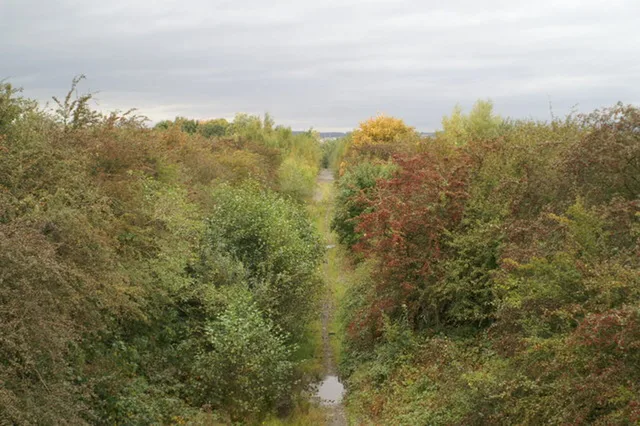
The former colliery line in a later photograph, used as site context and not as a view of the 1972 event — David Long — Wikimedia Commons — CC BY-SA 2.0 · source record · CC BY-SA 2.0
Converted to WebP and resized; no generative or compositional alterations.
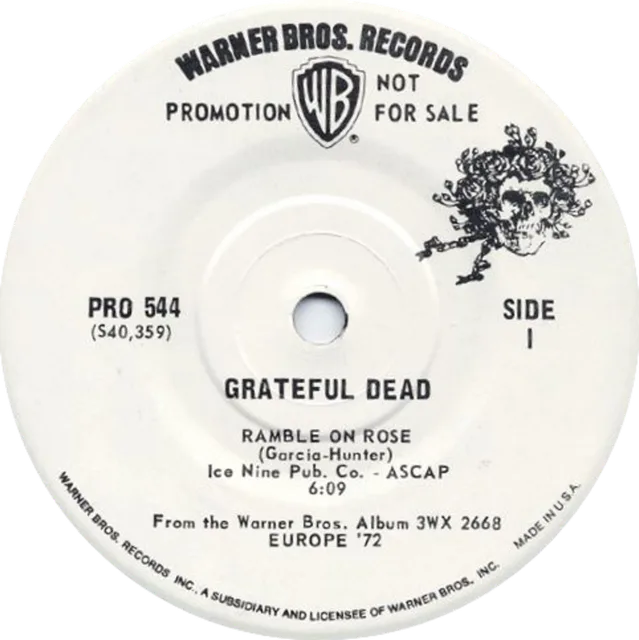
A public-domain record image connected with the Grateful Dead’s 1972 repertoire, used as listening context for their marathon Bickershaw set — Warner Bros. Records — Wikimedia Commons — Public domain · source record · Public domain
Converted to WebP and resized; no generative or compositional alterations.
Reusable artwork associated with Captain Beefheart’s 1972 period, providing artist context rather than festival documentation — Michig — Wikimedia Commons — CC BY-SA 3.0 · source record · CC BY-SA 3.0
Converted to WebP and resized; no generative or compositional alterations.