The Archive Is Material
Older sounds can be sampled, exaggerated, questioned or rebuilt.

Psychedelic Rock Family
Psychedelic music made after its first era, with old perceptual tricks recast through later studio technology and changing scenes.
The Sound
Neo-psychedelia is defined partly by historical distance. It begins when musicians return to the colours of the 1960s after psychedelia has already become a recognised past, then decide whether to restore, distort or modernise them.
Some records preserve fuzz, organ and tape-like warmth; others use digital effects, post-punk repetition, shoegaze density or electronic production. The connection is not one fixed instrument but an interest in altered scale, unstable space and perception.
RetroForge records are modern productions framed through fictional archive years, so this page keeps two ideas separate: real production context and the historical vocabulary each album explores.
What You’ll Hear
How It Works
Neo-psychedelia is not one revival sound. It is the continued use of psychedelic methods—repetition, altered studio space, sensory excess, dream logic and unstable identity—after the late-sixties scene had become history rather than present tense.
Later artists can treat the archive selectively. One record may recover jangle and close harmony; another may use digital editing, noise or dance rhythm to reach a comparable perceptual effect. The connection lies in what the music does to attention, not in perfect period costume.
Useful distinction: Boundary line: vintage equipment and retro artwork do not guarantee neo-psychedelia. The music must actively transform perception rather than simply quote an era.
Older sounds can be sampled, exaggerated, questioned or rebuilt.
Digital production may create altered space as effectively as tape.
Loops and grooves can replace the extended jam.
Genre memory becomes part of the psychedelic experience.
Historical Development
Neo-psychedelia appeared as musicians after punk returned to psychedelic sound without pretending the 1960s had never ended. Late-1970s and early-1980s post-punk groups used echo, organ, repetition and surreal imagery inside leaner contemporary production. The Liverpool scene around the Teardrop Explodes and Echo & the Bunnymen offered one route; California's Paisley Underground offered another.
The category expanded because psychedelia is a method more than a fixed instrumental recipe. Spacemen 3 reduced songs to drone and repetition, the Flaming Lips turned studio excess into emotional pop, and later artists combined vintage timbre with digital editing. Some records look backward deliberately; others use altered perception to address their own moment.
The prefix neo therefore marks historical distance, not a single sound. A convincing revival does more than reproduce fuzz and phasing. It finds a contemporary reason for instability, immersion or dream logic and lets that reason shape the song.
The Real-World Foundations
Not a ranking: six useful doors into the style.
Post-punk urgency, organ and psychedelic pop hooks announce an early revival.
Orchestral scale and nocturnal atmosphere turn psychedelia into dramatic modern rock.
The Paisley Underground reconnects California guitar psych with understated 1980s songwriting.
Drone, repetition and minimal harmony make altered state the album's entire design.
Experimental production supports vulnerable, large-scale psychedelic pop.
Home-studio density and isolation bring neo-psychedelia into a new mainstream era.
A Modern Psychedelic Route
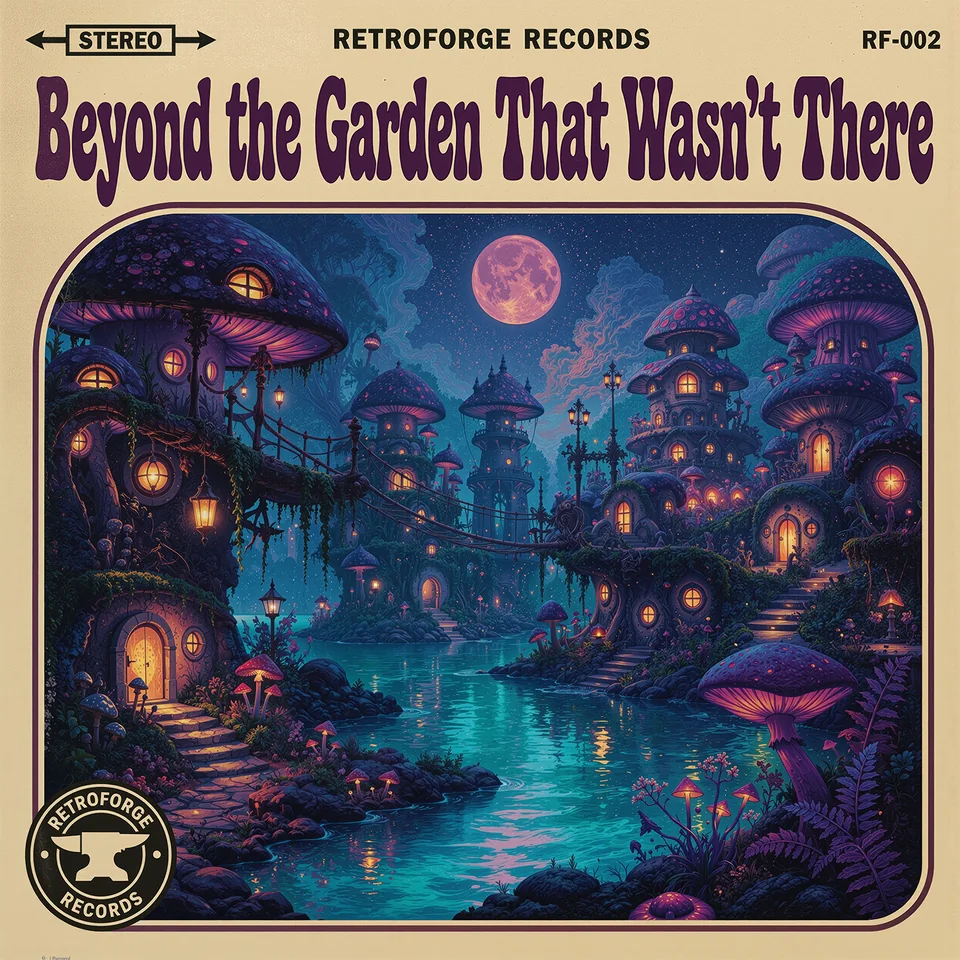
Modern Recording · Vintage Vocabulary
A useful example of RetroForge’s present-day work with historical psychedelic language.
Open the liner notes →Questions from the Record Room
The term is usually associated with late-1970s and early-1980s post-punk and revival scenes, although later waves changed its sound repeatedly.
No. The best examples combine psychedelic methods with the technology and emotional concerns of their own time.
Yes. It remains a broad route through indie rock, electronic production, dream pop, heavy psych and experimental pop.
Research Trail
Deeper Discovery
Start with The Purple Sun Is Watching as a RetroForge companion, then return through Psychedelic Rock to place it inside the wider family.
Curated paths into the people, records, events and ideas that give this subject its wider musical context.