
両方がprogの物語だ。続いてMike OldfieldのTubular Bells、GenesisのSelling England by the Pound、Emerson, Lake & PalmerのBrain Salad Surgery。Yesは四面に四曲のTales from Topographic Oceansで年を終える。ItalyではLe OrmeのFelona e Sorona、Banco del Mutuo SoccorsoのIo sono nato liberoが出た。
GermanyではCanのFuture Days、FaustのFaust IV、Neu!のNeu! 2、Tangerine DreamのAtem。これらを一つのprogressive rock定義へ縮めるのは不可能だ。だから1973年は面白い。genreはidentityを持つほど成熟し、そこから逃げるほど自由だった。
発見とformulaの間の年
progは1973年に突然現れなかった。psychedeliaはrockのsonic vocabularyを広げ、Beatles、Beach Boys、Jimi Hendrixらがstudio technologyの力を示した。King Crimson、Yes、Genesis、Van der Graaf Generator、ELPはlong form、unusual metre、non-rock influenceをalbumのmainstreamへ押し込んでいた。
1971–72年にもmajor workはある。変化はconfidenceだ。初期の問いはrock bandにできるか。1973年の答えは明らかにyes。新しい問いはどこまで行けるか。回答は大きく異なった。
一つのgenre、五枚のrecord、ほぼ合意なし
Pink Floyd — The Dark Side of the Moon
controlとしてのprog。曲が流れ、tape loop、synth、spoken voice、studio effect、theme repetitionが連続する心理空間を作る。それでもprog基準では簡潔で、複雑さはinstrumental gymnasticsでなくatmosphereとthemeへ仕える。大成功は、conceptualでtechnologically sophisticatedなrecordがmass cultureになれると示した。
King Crimson — Larks' Tongues in Aspic
Dark Sideがmillimetre単位なら、Larks' Tonguesは危険だ。percussionが鳴り、violinが切り、quiet passageが耐え難い空間を作り、distorted guitarが崩れるmachineryの繊細さで来る。rock、experimental composition、improvisationの継ぎ目を隠さない。polishでなくinstabilityとしてのprogressiveだ。
Mike Oldfield — Tubular Bells
「band」がほぼ消える。Oldfieldはguitar、keyboard、percussionなどをoverdubし、composedでありassembledな大作を作る。prog、minimalism、folk、独自categoryの一部だ。長大でinstrumentalなstudio constructionが通常のrock albumのように振舞わず大衆を捕えられると証明した。
Genesis — Selling England by the Pound
English surrealism、pastoral acoustic passage、theatrical vocal、intricate ensemble、確信あるinstrumental writingがexerciseに感じられず共存する。elaborationはcharacterへ仕える。prog vocabulary自体を語るのではなく、Genesisはその言葉で話せる。
Yes — Tales from Topographic Oceans
四つの面、四つのcomposition、それぞれほぼvinyl一面。評価にかかわらず驚くべきcultural permissionだ。commercially successfulなbandが短いconventional songなしのdouble LPを買うよう聴衆へ求められた。
excessそのものがartistic premiseになった。五枚、五種類のambition。それが1973年だ。
LPは包装でなくarchitectureだった
vinylはlisteningをsideへ分けた。一面にextended work、linked pieces、または盤を裏返させるunresolved endingを置ける。running timeはopening、midpoint、side closer、repriseを持つarchitectureになった。
Yesはside-long formを直接使い、Oldfieldは二面を巨大なspanへし、Pink Floydはtransitionで連続journeyを作った。mediumがmusicを書く。詳しくは「アルバム面の芸術」へ。
Technologyは生産的な不便さへ達した
multitrackはelaborate overdub、synthは重要性を増し、tape editは再構成し、plate、echo、consoleはspaceを制御し、Mellotronはorchestral textureを与えた。しかし摩擦は残る。
trackは有限、tapeは摩耗、editはblade、automationは限定、synthはdriftし、decisionはconsequenceを積む。impossible ideaを促せるほど有能で、commitmentを強いるほど難しい。実際の流れは「1970年代の録音スタジオはどう動いたか」へ。
Keyboardは背景から脱出した
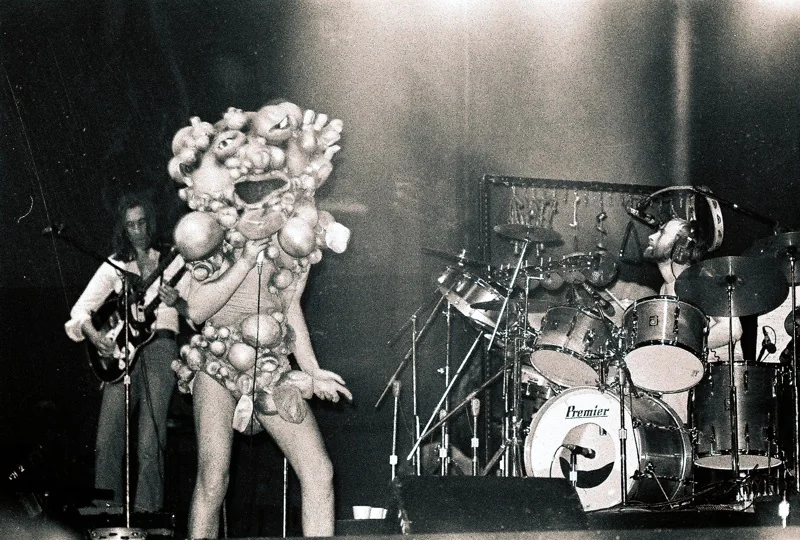
Hammondは飾りでなくlead、Mellotronは一つのchordをorchestral scaleへ、Minimoogはacoustic equivalentのないtimbreでmelodyを運んだ。pianoはclassical articulation、electric pianoは別のcolour。奏者は一曲で複数instrumentを移動した。
guitarが全harmonic roleを埋める必要はない。organ、piano、Mellotron、synth、guitarでweightを分配し、rockであり続ける。特有の役割は「Progressive rockはなぜMellotronを愛したか」へ。
ItalyはBritainを待っていなかった
Britainだけでは最も活発なsceneの一つを失う。Le OrmeのFelona e Soronaはorgan、synth、melodic developmentに富むcompact concept。BancoのIo sono nato liberoはextraordinary keyboard、theatrical vocal、long formでさらに広い。PFMはinternational listenerへ届いていた。
opera、classical tradition、Mediterranean melody、theatrical expression、dramaへの欲求が別のinstinctを生んだ。British progのregional copyではなく、Italy自身のprogだった。
Germanyはよりradicalな問いを立てた
CanのFuture Daysはspacious、fluid、aquaticで、rhythmはrock accentでなくcurrentになる。Neu! 2はmotorik reduction、Faust IVはrepetition、noise、song fragment、studio experimentを移動する。Tangerine DreamのAtemはBerlin Schoolを先取りする。
progやKrautrockというumbrellaは差を平らにするが、歴史的には同じ対話にある。British progはrockがどれだけcompositionを吸収できるか、German experimentはより面白いものが現れるまでrockをどれだけ除けるかを問う。1973年、両方がextraordinary recordを作った。
Electronic musicは平行する未来になった
synthはspaceのnoveltyやstrange decorationでなく、drone、sequence、filter、noise、gradual timbral changeでarrangementの基礎になった。stringsやbrassを模倣せず、意図的にelectronicに聴こえられる。
これはBerlin School、ambient、progressive electronic traditionへ直結し、synthがbandへの追加でなくenvironmentになるalbumへ続く。広い物語は「Digital時代以前のprogressive electronic music」へ。
Virtuosityは観客のsportになった

complex metre、long instrumental development、複数manualを動く手、supportを拒むbass line、shifting structureを運ぶdrummer、delicate acousticからviolent electricへ移るguitarを聴衆は評価した。
indulgentにもなり得たが、virtuosityはspeedだけでなくformのcontrolだ。bandは12分曲の現在地を知り、drummerはodd metreをphysicalにし、keyboardistは演奏中にinstrumentとtimbreを変える。technical skillはstorytellingになり、最良なら難しさを忘れてarchitectureが動く。
なぜlistenerは許したのか
albumがprimary objectだった。freeform/progressive FMとalbum-oriented formatは長いcutを受け入れ、magazineはLPをworkとして論じ、record shopはcuriosityを報い、gatefold、lyrics、artworkが再生中の材料になった。
何よりrepeated listeningが普通だった。難しいalbumがswipe前の30秒で明らかになる必要はない。所有し、部屋に置き、またかける。聴き方を教えるmusicもある。1973年には学ぶ意志のあるcommercially meaningful audienceがいた。
なぜ1971年でなく1973年か
1971年にもgreatest yearの強い主張がある。しかし1973年はprogressive impulseの幅を示す。
- symphonic progが成熟
- concept albumがmass-market eventになれる
- side-long compositionがcommercially viable
- studio constructionがconventional bandを置換できる
- Italian progが強いidentityを持つ
- German experimental rockが繁栄
- synth musicが自身の未来へ向かう
- virtuosityがrock spectacleの一部になる
- production technologyが極端なambitionを支える
1971年はbreakthrough、1973年はecosystemに感じられる。別種のgreatnessだ。
1973年の音
recordは平坦化せずdenseで、bassはmodern subなしでpowerful、drumsはroomとairを残し、keyboardはguitarを埋めず大量のmidrangeを占める。tapeはcohesion、stereoはbold、reverbはplace、quiet passageは本当にquietだ。
細密なproductionでもmachineryが指紋を残す。技術面は「1970年代のレコードはなぜ違って聴こえるか」へ。
そして扉は狭まり始めた
progは1974年に崩壊せず、major record、subgenre、regional sceneは続いた。しかしtour、budget、expectationが拡大し、stylistic habitは模倣しやすくなった。formulaを拒んだもの自体がformulaになり得た。後にpunkはestablished rockのvirtuosity、scale、excessへ対抗して自己定義し、economicsとtasteが中心を移した。
musicを否定する話ではない。1973年が異常にopenだったということだ。genreはpowerを得たが、自分のimageにはまだ捕われていなかった。
五枚のrecordを机へ置く
The Dark Side of the Moon、Larks' Tongues in Aspic、Tubular Bells、Selling England by the Pound、Future Daysを並べる。一つのgenreに聴こえるか。あまり聴こえない。それでよい。共通点を聴こう。
album formatへのconfidence、pieceを展開させる意志、listenerへのtrust、timbreへのinterest、rock instrumentationを固定としない姿勢、invisibleでなくcreativeに使うstudio、recordが自身のruleを作り40分かけて教えられるというbelief。それが1973年を特別にした。
progressive rockが一つのperfect soundを発見したからではない。しばらくの間、その音が何であるべきか誰も合意したがっていなかったからだ。