
The Wilde Flowers and a Family Tree That Would Not Sit Still
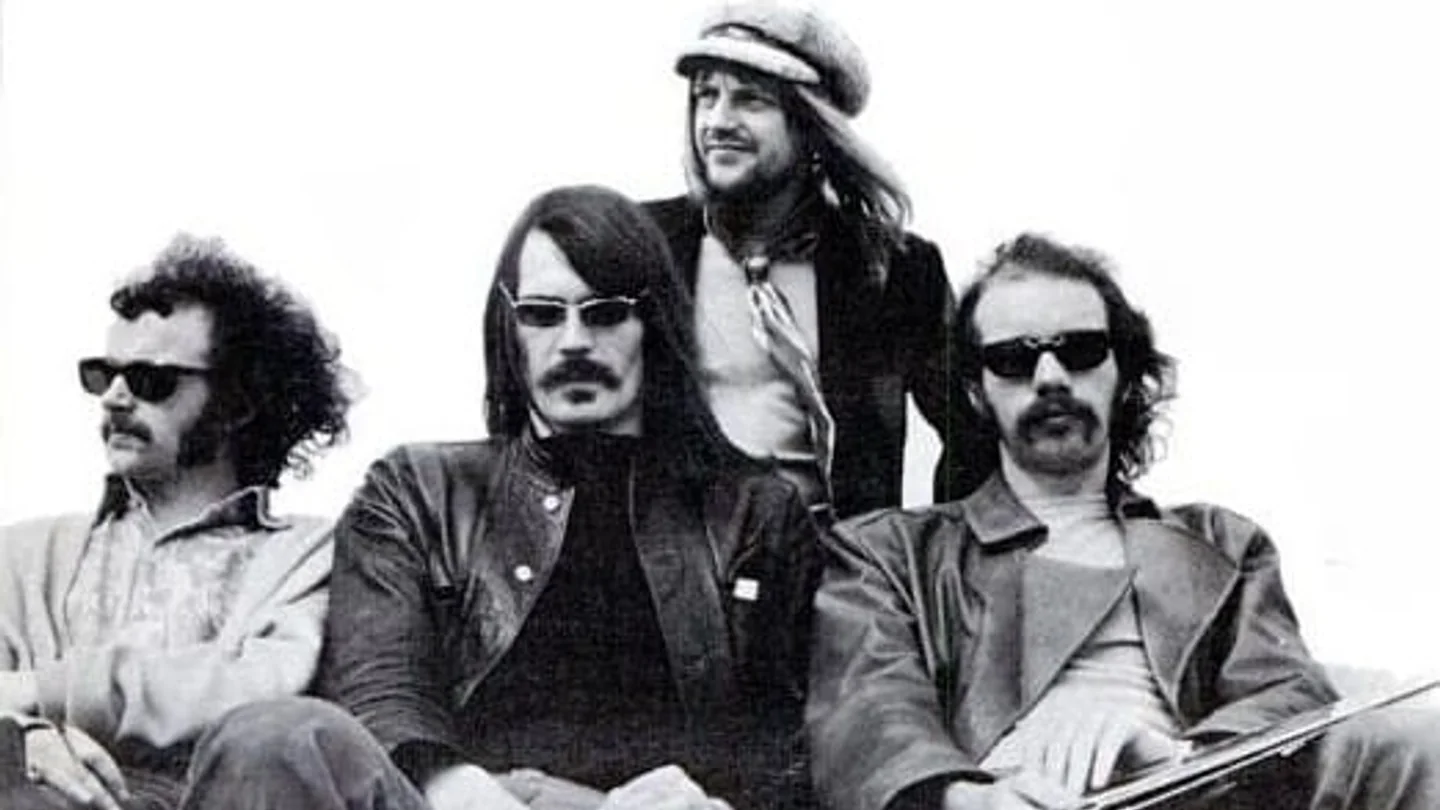
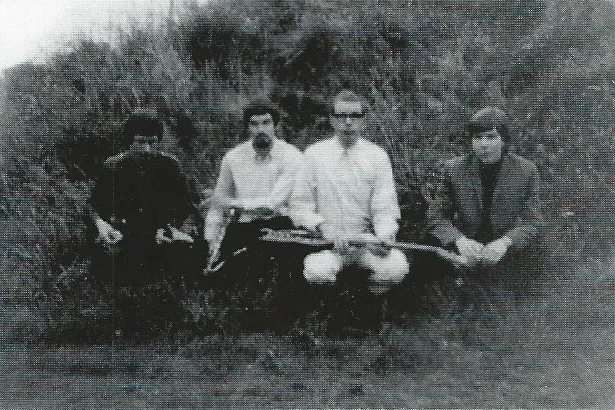
The most useful starting point is the Wilde Flowers, the mid-1960s Canterbury group whose changing membership included musicians later heard in Soft Machine and Caravan. That does not make every subsequent project a branch of one formally organised movement. It does explain why the same names, friendships and musical habits keep reappearing. Robert Wyatt, Kevin Ayers, Hugh Hopper, the Sinclair cousins and others moved through overlapping groups rather than guarding fixed borders.
Soft Machine and Caravan soon established two different poles. Soft Machine moved from psychedelic song toward increasingly instrumental jazz-rock; Caravan preserved a stronger melodic and pastoral pull even when its pieces became long and intricate. The space between them is where the “Canterbury” label becomes valuable. It describes a network capable of holding pop melody, harmonic curiosity, improvisation and absurd humour without requiring every band to use the same recipe.
Research from the University of Kent treats the familiar scene narrative critically: local activity between 1965 and 1971 was broader than the later family tree suggests, while memory and repetition helped construct a canon centred on Soft Machine, Caravan and Robert Wyatt. The label is therefore useful as a map of relationships, not proof that every Canterbury musician belonged to one organised movement or shared one sound.
Why the Sound Feels Light Even When It Is Complicated
Canterbury records can be technically demanding without presenting virtuosity as a contest. Electric piano and organ often soften the attack, woodwinds bring jazz colour, and bass lines move with a melodic independence that keeps dense arrangements buoyant. Odd metres may pass without announcement because the phrasing remains conversational. A complex transition can feel like a sly turn in a story rather than a display case for difficulty.
Humour is part of that balance, but “whimsical” should not be mistaken for trivial. Robert Wyatt’s writing can be wounded and politically alert; Hatfield and the North can place intricate counterpoint beside jokes; National Health can make tightly composed music sound almost weightless. The characteristic tone comes from refusing the idea that seriousness must be solemn.
From Psychedelic Clubs to Jazz-Rock Rooms
The scene’s chronology crosses a wider change in British music. Soft Machine began in the psychedelic underground, toured the United States with the Jimi Hendrix Experience, and gradually removed conventional songs from its centre. By Third, long electric pieces and improvisation occupied entire LP sides. Caravan’s In the Land of Grey and Pink, released the following year, offered another route: tuneful songs on one side and the extended “Nine Feet Underground” suite on the other.
Later groups did not simply choose one ancestor. Matching Mole carried Wyatt’s fractured songcraft into a new setting. Hatfield and the North joined players from several strands of the family. National Health developed more elaborate written structures, while Gong connected Canterbury personnel to a theatrical, international psychedelic world. The history is therefore best heard as continuing recombination.
Six Albums, Six Different Entrances
For songcraft, start with Caravan’s In the Land of Grey and Pink. For the point where psychedelic rock opens fully into electric jazz, use Soft Machine’s Third. Robert Wyatt’s Rock Bottom is more intimate and dreamlike, turning unusual harmony into emotional language. Hatfield and the North’s debut captures the scene’s quick intelligence; National Health’s first album shows its composed, keyboard-rich side; Gong’s Flying Teapot provides the colourful international detour.
Listening in that order makes one fact obvious: Canterbury is not a fixed instrumental palette. It is a way of balancing opposing impulses—written and improvised, clever and vulnerable, English and international, comic and grave. If a guide reduces it to “jazzy prog with funny lyrics,” it has described the sign over the door but missed most of the room.
A RetroForge Route In
The Map Refuses the Territory uses Canterbury as a starting vocabulary rather than a costume. Its changing structures, jazz-aware keyboard writing and refusal to make complexity sound pompous place it near the tradition while remaining an original RetroForge release.
Listen first for the hand-offs: a keyboard phrase becomes a bass argument, a composed passage loosens into ensemble movement, and a seemingly playful idea turns structurally important several minutes later. That is where the Canterbury inheritance becomes most useful.
Sources and Further Reading
This article uses the sources below for dates, line-ups and historical context. Genre boundaries are interpretive and are identified as such in the text.
- Soft Machine — official history, line-ups and the transition to jazz-rock
- Caravan — official formation history
- Caravan — official track programme for In the Land of Grey and Pink
- University of Kent — research on the construction of the Canterbury scene
- Brian Hopper archive biography — Wilde Flowers membership and transition