
A Revival with Its Own Audience
Chris Anderton’s study of Britain’s early-1980s progressive revival describes a distributed scene rather than a single point of origin. Pallas worked from Aberdeen, IQ from Southampton, Pendragon from Stroud, while Marillion, Twelfth Night and Solstice belonged to networks around London and the Home Counties. The term “neo-progressive” was not yet a stable identity: contemporary writers also used labels such as new-wave progressive rock, hard rock and heavy metal.
This was not simply an ageing 1970s audience preserving old favourites. Anderton documents young performers and listeners, many of whom had not seen Yes, Genesis or Emerson, Lake & Palmer in their heyday. They encountered symphonic prog alongside punk, post-punk, new wave, AOR and the New Wave of British Heavy Metal. Neo-prog emerged from that mixed present, not from an untouched 1973 time capsule.
A Grassroots Infrastructure
Without broad record-company support, bands circulated home-duplicated cassettes, issued private-press records, exchanged gigs and improved through persistent live work. Venues mattered: the Marquee Club gave new progressive groups access to a London audience and proximity to the music industry, while Tommy Vance’s Friday Rock Show offered radio exposure. A concert circuit shared with hard-rock and heavy-metal acts created further opportunities, even as it blurred genre labels.
The scene’s defining discontinuity from 1970s prog was therefore organisational as well as musical. Local groups built links across regions before a specialist market existed. Marillion’s later breakthrough made the revival visible, but it did not create the scene and never made every band commercially secure.
Inheritance in a Different Decade
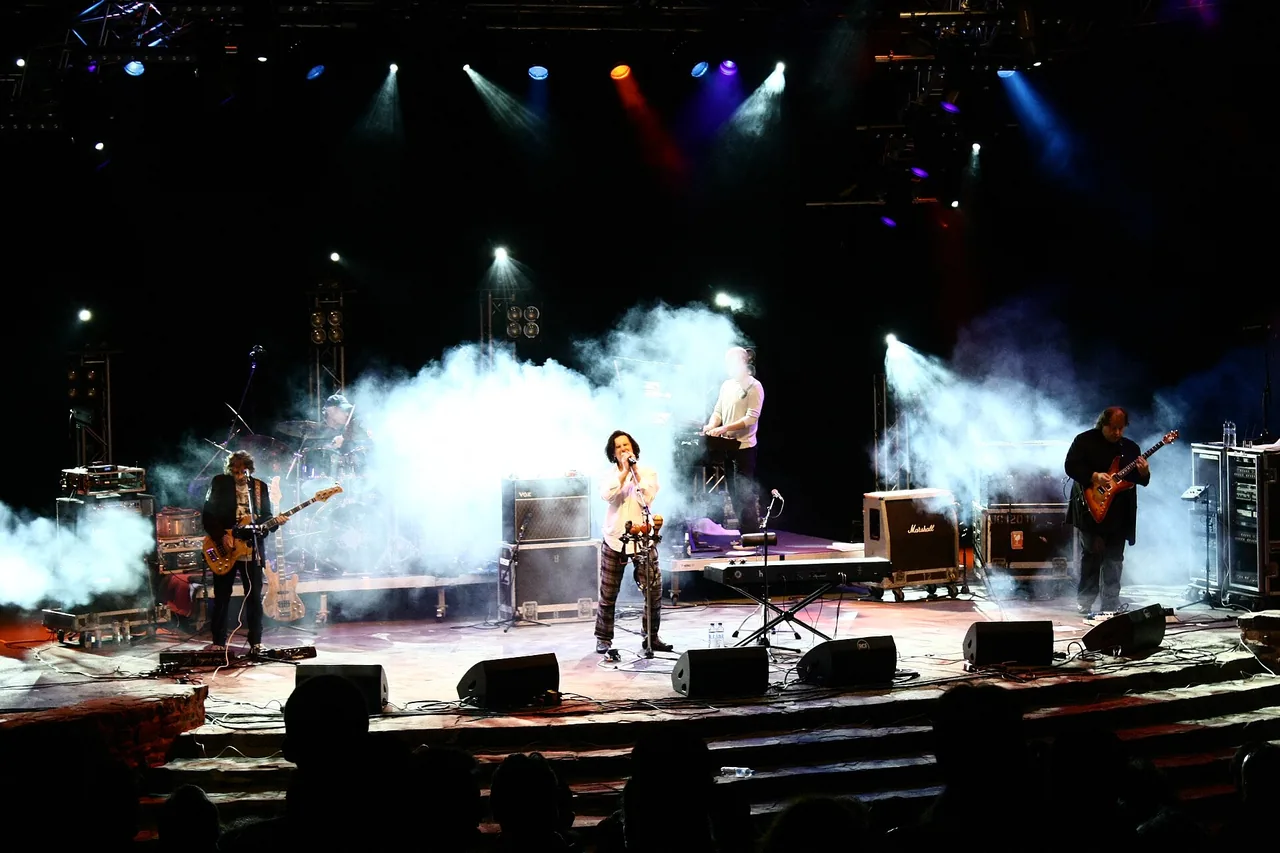
The label now commonly describes bands that extended the symphonic approaches associated with Genesis, Yes and Pink Floyd. Extended songs, recurring motifs, prominent keyboards and theatrical vocals remained available, but they met contemporary influences from new wave, AOR and heavy metal. Older progressive groups were changing too, so the boundary between continuation, revival and adaptation was never clean.
Differences in sound should be described record by record rather than reduced to a checklist of 1980s technology. Some releases foreground brighter synthesizers, separated rhythm sections or direct melodic hooks; others remain raw because they were made quickly and cheaply. The most reliable distinction is contextual: these musicians were building ambitious rock with different resources, audiences and routes to release.
Marillion Makes the Scene Visible
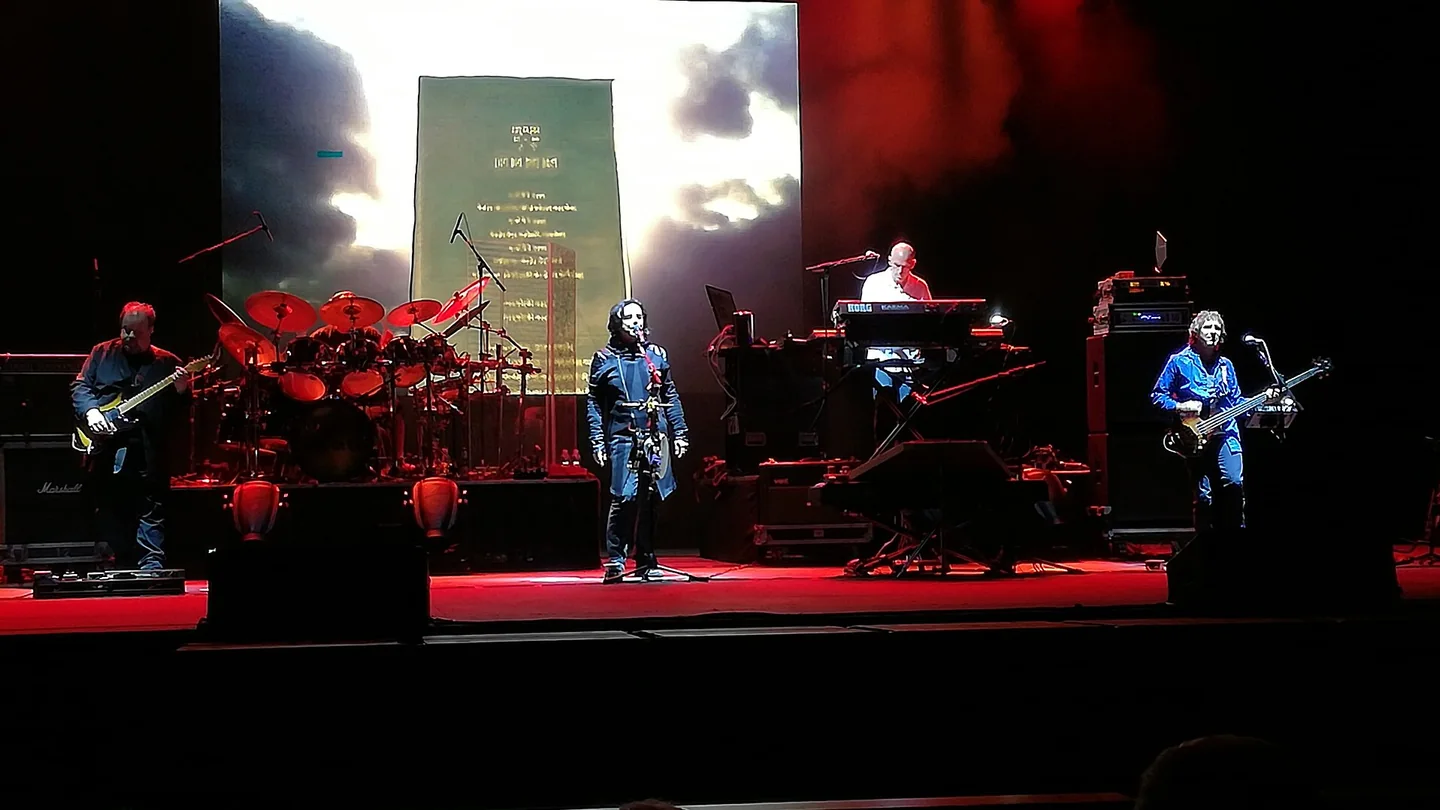
Marillion mobilised a sufficiently committed audience to fill the Marquee, attract Tommy Vance’s BBC Radio 1 programme and secure an EMI contract. The band released Market Square Heroes in 1982, followed by Script for a Jester’s Tear on 14 March 1983. The official archive also preserves a Marquee performance from December 1982, linking the debut directly to the live circuit that preceded it.
The breakthrough proved that extended, keyboard-led rock could reach a new audience, but it did not establish a unified neo-prog industry. Anderton finds that only Marillion crossed into the mainstream at that moment; Pallas, Pendragon and IQ received coverage and record deals without matching that scale. Their histories cannot be treated as footnotes to one successful band.
One Label, Several Routes
IQ formed in 1981, released the cassette Seven Stories into Eight in 1982, then followed with Tales from the Lush Attic in 1983 and The Wake in 1985. Twelfth Night’s self-released Fact and Fiction arrived on cassette and LP in December 1982, combining shorter songs with progressive forms. Pallas had already described its late-1970s approach as a mutation of old and new wave before The Sentinel carried Cold War concerns into the middle of the next decade.
Those chronologies show why neo-prog is most useful as a scene and family-resemblance term, not a fixed production template. The bands shared venues, audiences and reference points, but differed in politics, theatricality, melody and recording resources. The label also becomes less precise when stretched across every later album in a long career.
Listen for Difference, Not a Winner
Compare Genesis’s Selling England by the Pound with Marillion’s Script for a Jester’s Tear, then place Twelfth Night’s Fact and Fiction, Pallas’s The Sentinel and IQ’s The Wake beside them in release order. Listen for how each record balances recurring themes, narrative voice, keyboard colour, guitar sustain and concise hooks. The family resemblance is audible, but it never produces one standard neo-prog sound.
The comparison becomes unhelpful when it asks which decade is “real prog.” A better question is how ambition was organised: through the composition itself, the available studio, the stage presentation and the network that brought the music to listeners. The 1980s revival changed all four while retaining selected devices from the earlier tradition.
The RetroForge Comparison
The Silence After Yesterday uses polished 1980s progressive language, personal absence and a clear dramatic through-line. The Last Performance at Greyhaven turns the theatre itself into memory and collapse.
Compare either with the denser 1970s architecture of The River Beneath the World. The point is not to rank the decades, but to hear how surface, scale and narrator reposition a related progressive vocabulary.
Sources and Further Reading
This article uses the sources below for dates, line-ups and historical context. Genre boundaries are interpretive and are identified as such in the text.