
Two Histories, Not One Family Tree
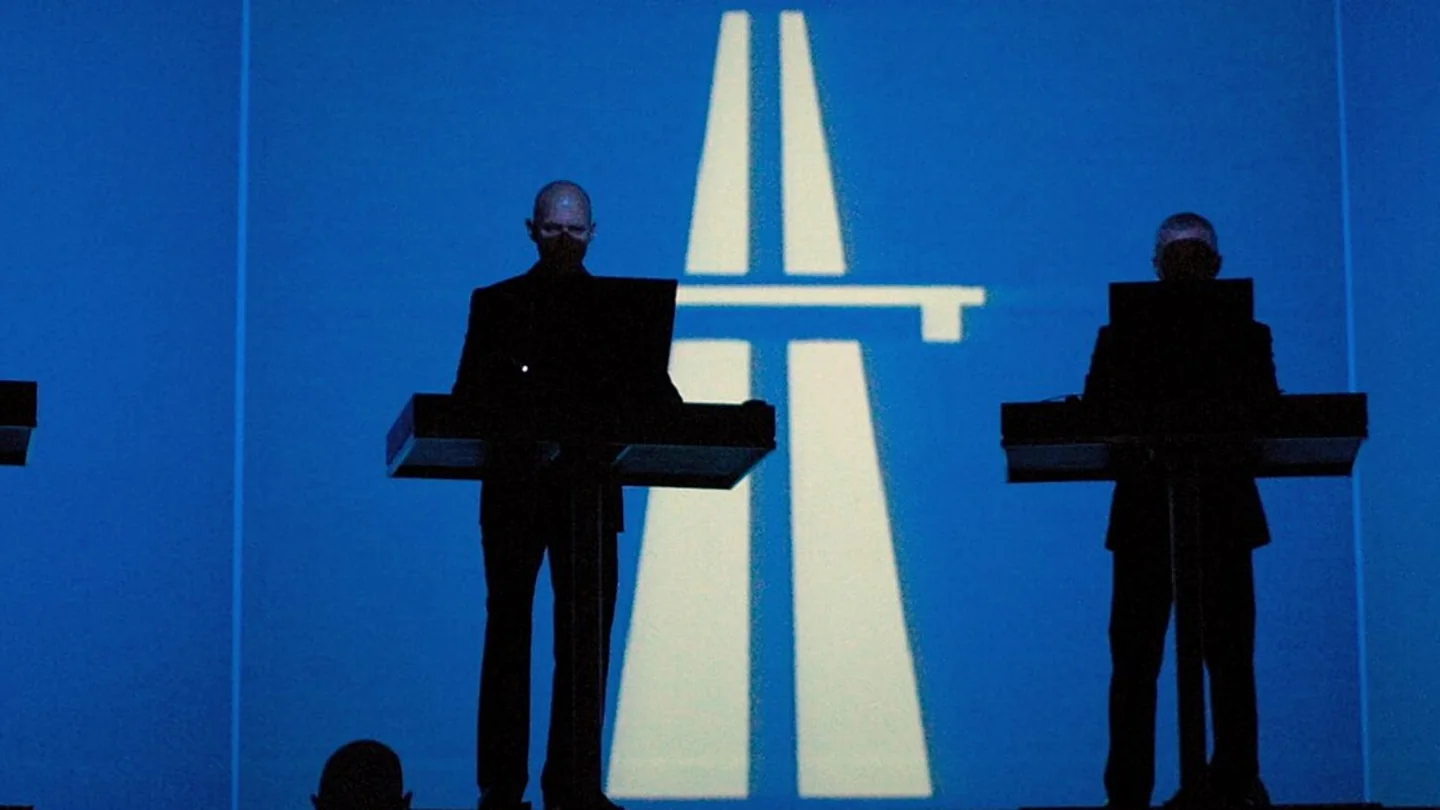
“Krautrock” is a catch-all label, not the name of a single German style. Can’s edited improvisations, Neu!’s forward pulse, Faust’s collage and Kraftwerk’s electronic design offered different answers to the same post-war question: how could musicians in West Germany make new popular music without simply copying British and American models? Ulrich Adelt’s history of the field likewise treats performance, politics, communal life, spirituality and sound as intersecting contexts rather than one recipe.
Industrial music began from another institutional centre. Florida State University’s research record dates its emergence to London in 1976 with Industrial Records. Throbbing Gristle’s label joined experimental electronics and altered instruments to performance art and an explicit rejection of mainstream culture. Calling this merely “darker krautrock” erases that origin.
Shared Tools, Different Purposes
The strongest bridge lies in working method: tape, repetition, noise, non-rock sound sources and the studio as a compositional instrument. Can assembled long performances through editing; Faust made cuts and collisions audible; Neu! reduced rhythm to sustained forward motion; Kraftwerk joined electronic precision to a complete visual identity. MoMA’s account of Trans-Europe Express documents how widely that machine aesthetic travelled beyond its Düsseldorf setting.
Early industrial artists used some similar materials in a different cultural argument. Loops could feel coercive rather than aerodynamic; found voices could implicate mass media; electronics could disturb the boundary between concert, installation and provocation. Musique concrète, electronic composition, free improvisation, conceptual art and cut-up practice also fed this history. The overlap therefore reflects multiple experimental lineages, not one clean handover from Germany to Britain.
From Motion to Pressure
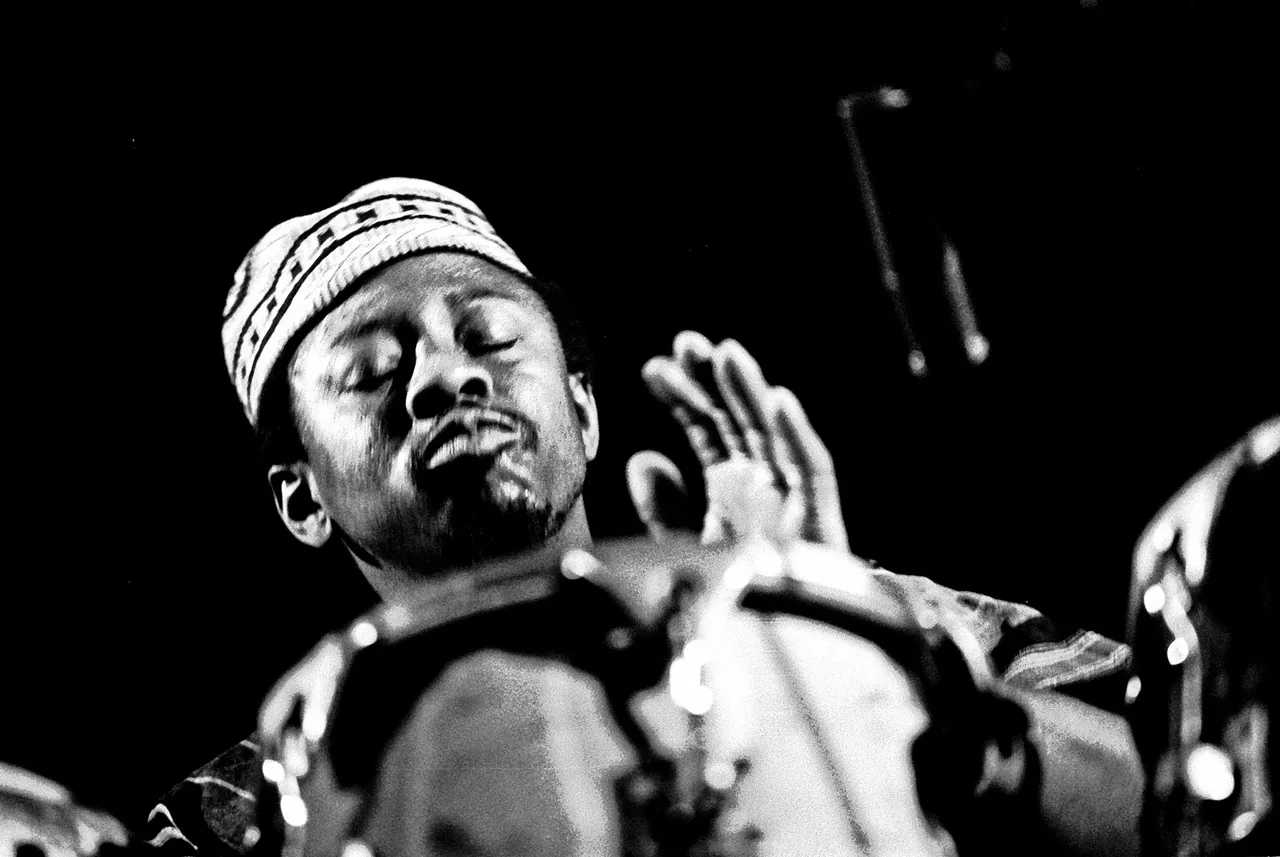
The difference becomes clearest in the treatment of rhythm and the body. Can’s rhythm section stretches and reacts; Neu! makes repetition imply travel; Kraftwerk choreographs the performer into a designed system. Throbbing Gristle instead makes the system itself feel unstable and threatening, while Einstürzende Neubauten’s early work turns metal and impact into physical performance. These are editorial comparisons, not claims that every later artist copied a specific German record.
This change of emphasis helps explain industrial music’s ties to post-punk and performance art. Where kosmische and motorik music can open imaginary space, industrial repetition often evokes surveillance, labour, infrastructure or confinement. Similar tools produce sharply different social and emotional meanings.
Where the Connection Is Audible
Listen less for a fixed “industrial sound” than for decisions about construction. Neu!’s “Negativland” organises guitar, pulse and studio texture without a conventional rock climax. Faust’s debut exposes interruption and montage. Can’s Tago Mago makes editing part of the musical drama, while Kraftwerk’s Radio-Activity binds sound, typography and technological subject matter into one controlled concept.
Later industrial and post-punk musicians could take such lessons selectively: persistence from motorik, space between sounds, or the permission to treat recorded matter as something assembled and processed. But the documented reach of krautrock also extends into hip-hop, techno, indie and post-rock. Industrial music is one branch of a much wider afterlife, not its inevitable destination.
Listen Across the Fault Line
Begin with Can’s Tago Mago and Faust’s self-titled debut for two radically different approaches to editing and collage. Neu!’s debut makes repetition feel aerodynamic; Kraftwerk’s Radio-Activity turns technology into an austere concept and visual language. Then cross into Throbbing Gristle’s 20 Jazz Funk Greats and Einstürzende Neubauten’s Kollaps. The discontinuity is as instructive as the connection.
Follow the role of repetition from momentum to pressure, then compare what tape and electronics do to the human presence. The useful history is in both the continuities and the breaks: the same technique can suggest freedom, discipline, estrangement or confrontation depending on who uses it, where and why.
The RetroForge Connection
Der Eiserne Traum deliberately occupies the overlap: motorik discipline, tape-era electronics and proto-industrial weight. It is a modern RetroForge album assigned a fictional archive year, not a lost historical German release.
Transitnacht / Westlicht stays closer to forward motion. Hearing the two together makes the distinction clearer: one uses repetition as travel, the other as machinery closing around the listener.
Sources and Further Reading
This article uses the sources below for dates, line-ups and historical context. Genre boundaries are interpretive and are identified as such in the text.