Drone Replaces Progression
A tonal centre allows melody to develop without frequent chord change.

Psychedelic Rock Family
Rock composition transformed by drone, modal melody, cyclical rhythm and ideas drawn from Indian classical music.
The Sound
Raga rock is not simply rock with a sitar added. Its deeper identity comes from sustained tonal centres, melodies that circle rather than resolve in Western pop fashion and rhythm treated as a repeating cycle.
The style became one of psychedelia’s clearest routes beyond standard blues harmony. Electric guitar can imitate bends and ornament, while tambura-like drone and extended improvisation alter the listener’s sense of movement.
No current RetroForge album is labelled raga rock, and the suggested record is not presented as one. It is a nearby psychedelic route chosen for its patient repetition and altered atmosphere.
What You’ll Hear
How It Works
Raga rock emerged from encounters—sometimes deep, sometimes superficial—between Western rock musicians and Indian musical ideas or instruments. Its most useful musical features include drone, modal concentration, ornamented melody and rhythmic cycles that encourage attention to return rather than chord-driven arrival.
Listen carefully to function. A sitar-like timbre used as exotic colour is different from a composition genuinely organised around drone and melodic development. The history includes curiosity and meaningful collaboration, but also simplification, so the label benefits from precision.
Useful distinction: Boundary line: the presence of a sitar does not automatically make raga rock. Structural engagement with drone, melody or rhythm matters more than instrumentation alone.
A tonal centre allows melody to develop without frequent chord change.
Bends and detailed phrasing become structural, not decorative.
Rhythm creates continuity through recurrence rather than straight drive.
Influence, collaboration and surface borrowing should not be treated as identical.
Historical Development
Raga rock describes Western rock and pop that absorbed selected sounds and concepts from Indian classical music during the mid-1960s. Drone, sitar, tambura-like resonance, modal melody and cyclical rhythm entered recordings by the Beatles, the Byrds, the Rolling Stones and others. The term is a rock category; a raga itself is a far deeper melodic framework with rules, characteristic movements and expressive associations.
The first wave ranged from serious study to surface colour. George Harrison's work with Ravi Shankar led toward sustained engagement, while other producers used sitar chiefly as a striking new timbre. Both routes affected popular music, but they should not be confused. Hearing the difference means listening beyond the presence of one instrument to pitch movement, drone, rhythm and form.
The style widened psychedelia's sense of time. A continuous tonal centre could replace Western chord progression, and repetition could create concentration rather than stasis. Later global fusion developed more reciprocal and musically informed exchanges, but raga rock remains an important record of both creative curiosity and the uneven cultural encounters of its period.
The Real-World Foundations
Not a ranking: six useful doors into the style.
Eight Miles High brings modal guitar and jazz-derived improvisational flight into folk rock.
Love You To places sitar, tabla, tambura drone and North Indian classical influence inside a landmark pop album.
Brian Jones makes sitar the central hook of Paint It Black inside a dark, driving rock arrangement.
Utterly Simple brings sitar colour into Traffic's eclectic British psychedelia.
A broad acoustic palette places sitar inside an exploratory folk language.
Sitar, tambura, chant and the long Midnight Mode make the Indian influence more structural than ornamental.
Research Trail
Closest RetroForge Route
Adjacent Psychedelic Listening
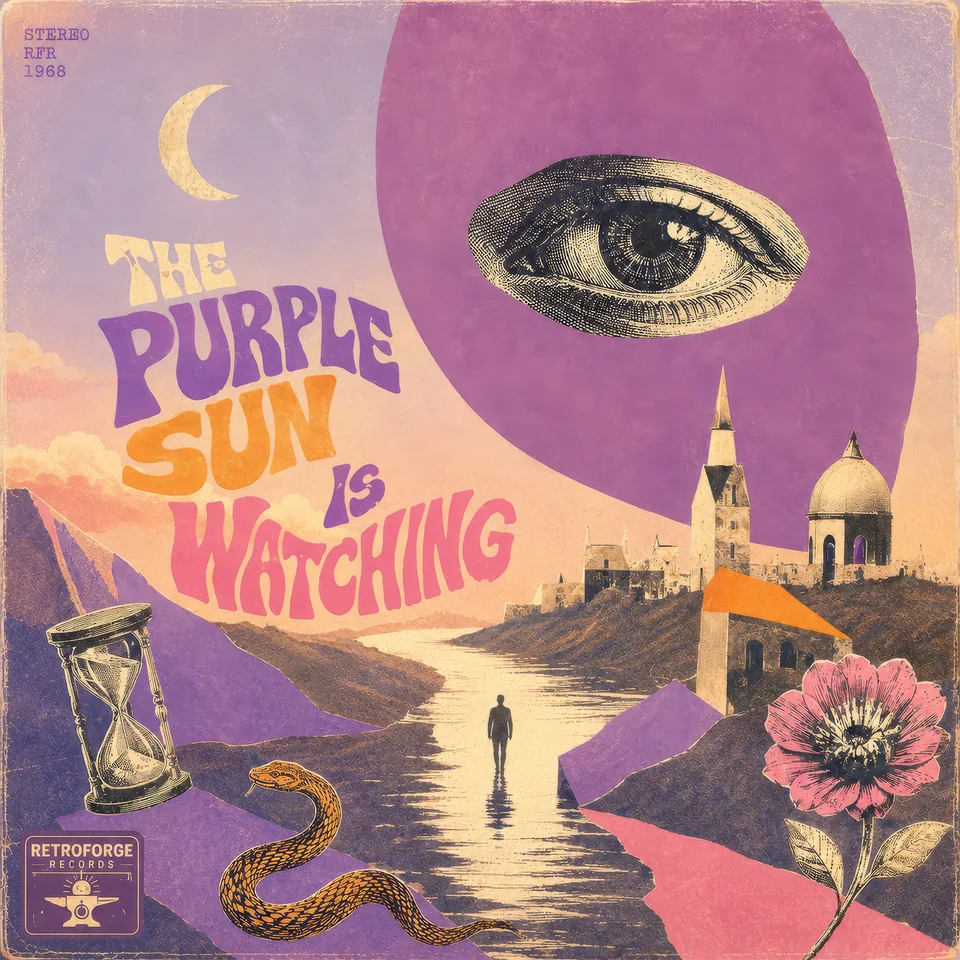
Chosen for atmosphere and repetition, not claimed as a raga-rock album.
Open the liner notes →Questions from the Record Room
Not automatically. The stronger examples also use drone, modal movement, cyclical rhythm or an altered approach to form.
No. A raga includes characteristic pitch relationships, movement, ornament and expressive identity; reducing it to a scale misses most of the tradition.
Enjoy the musical results while distinguishing genuine study and collaboration from period exoticism or superficial borrowing.
Deeper Discovery
Start with Eyes Behind My Eyes as a RetroForge companion, then return through Psychedelic Rock to place it inside the wider family.
Curated paths into the people, records, events and ideas that give this subject its wider musical context.