
History Archive · 1963
How Beatlemania Took Over Britain
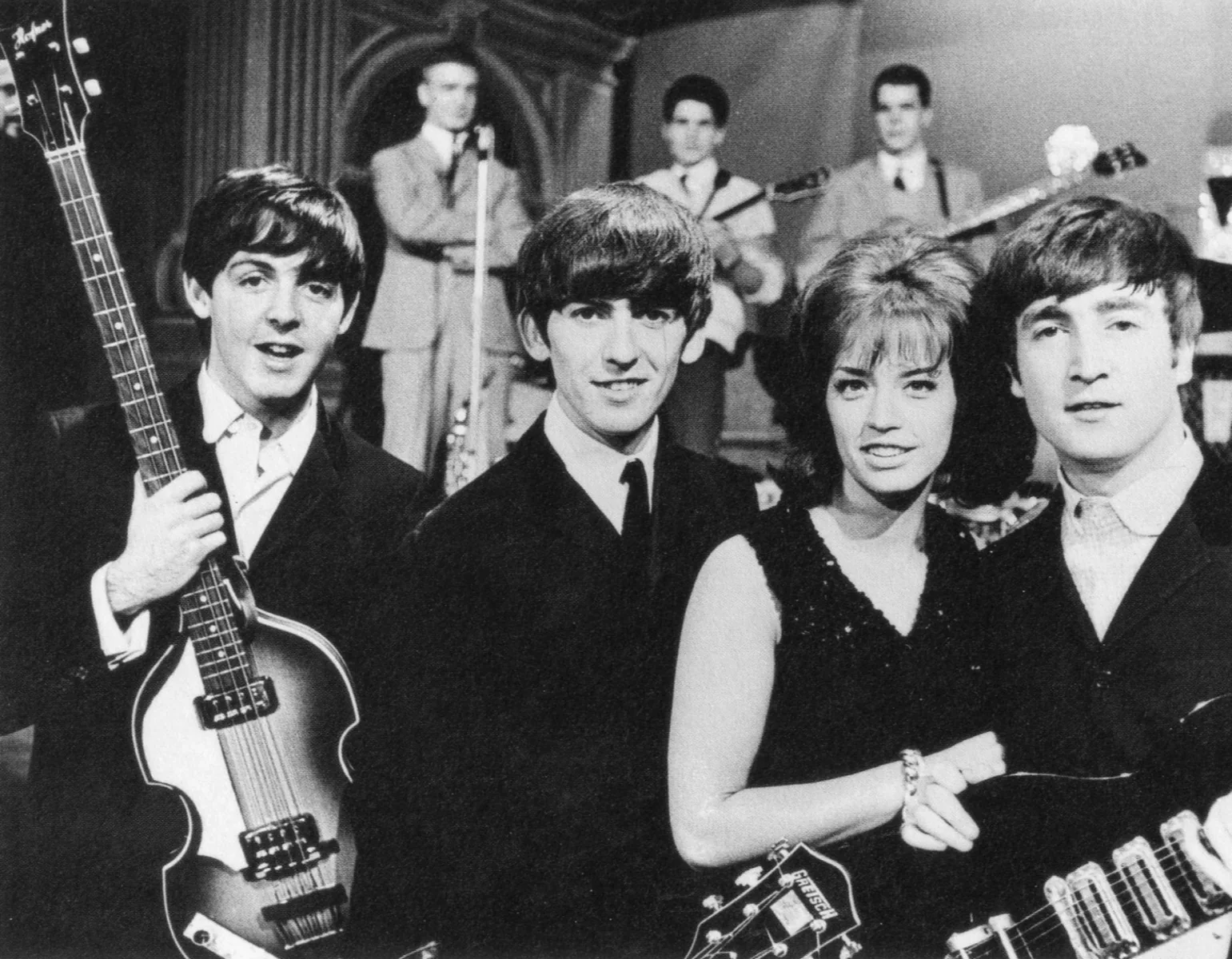
Beatlemania was not only screaming crowds. It was the moment records, television, touring and fan identity began reinforcing one another at national speed.
What Happened
The Beatles recorded most of Please Please Me during one long session in February and released the album in March. It reached the top of the British chart in May and remained there for thirty weeks, replaced at number one by With the Beatles.
Singles, radio appearances and constant touring made the group unavoidable. Their October appearance on Sunday Night at the London Palladium brought the scale of the audience into British living rooms, and newspapers adopted “Beatlemania” as a name for the scenes around them.
What the Music Sounded Like
The debut album preserved stage energy: energetic covers beside Lennon–McCartney originals, close harmonies and a rhythm section trained by club work. “Twist and Shout” sounded less like careful studio perfection than the last reserve of a live voice.
How It Was Made
Ten album tracks were recorded on 11 February. George Martin and engineer Norman Smith captured a working group rather than constructing a studio illusion. The speed of the session became part of the record’s force.
The Wider Musical Context
Other Liverpool and British beat groups entered the charts, and writers began speaking of Merseybeat. The Beatles were the largest example of a broader change in which regional bands displaced conventional pop singers.
What Followed
The American breakthrough came in early 1964. More importantly for later progressive and psychedelic music, the success gave the Beatles unusual freedom to change their sound while carrying a mass audience with them.
A National Phenomenon Built at High Speed
Beatlemania was not created by one television appearance or one screaming crowd. It accumulated through records, radio sessions, package tours, local fan clubs, music papers and television bookings that reinforced one another. “Please Please Me,” “From Me to You,” “She Loves You” and “I Want to Hold Your Hand” arrived within a single year. Each record made the next news item larger, and each public appearance made the next record feel like an event.
The pace was extraordinary. Ten of the fourteen tracks on the debut album were recorded on 11 February 1963, effectively capturing the band’s stage set under studio pressure. Released in March, Please Please Me reached number one and remained there for thirty weeks, only to be replaced by With the Beatles. By year’s end the group occupied the top positions across Britain’s singles, EP and album charts. This was not merely a successful debut; it was saturation.
Why the Records Felt Immediate
The early records preserve the tension between a working club band and George Martin’s disciplined pop production. Lennon and McCartney’s originals sit beside stage-tested covers, allowing listeners to hear a group crossing from repertoire to authorship in real time. Vocals are not arranged as a star with polite backing; leads change hands, harmonies interrupt, and call-and-response creates the feeling of several personalities moving at once.
“She Loves You” begins in mid-explosion, with no patient introduction. “I Saw Her Standing There” counts the listener directly into the room. “Twist and Shout,” saved until the end of the album session because of the strain on Lennon’s voice, turns exhaustion into drama. These records were carefully made, but they did not sound detached from the crowd. The studio captured the impression that something was happening faster than anyone could contain.
The Audience Became Part of the Story
Press coverage often treated young female fans as irrational noise rather than as an audience exercising cultural power. Their enthusiasm drove ticket sales, chart positions and news attention, but the language of “hysteria” made that agency easy to dismiss. The screams were real; so was the industry’s willingness to turn them into spectacle. Cameras increasingly framed the audience alongside the band, making reaction itself a product.
The Beatles were unusually equipped for this environment. Their interviews worked as ensemble performances: jokes passed quickly, authority was teased, and no single member carried the whole public identity. That group wit distinguished them from the carefully managed solo star. The Royal Variety Performance on 4 November placed their irreverence inside an establishment setting, most famously when Lennon asked the cheaper seats to clap and the others to rattle their jewellery. The line succeeded because the class boundary was acknowledged without stopping the show.
Britain Before America
Later accounts often treat 1963 as a waiting room for the American breakthrough. In Britain, however, the transformation was already complete. A provincial group from Liverpool had become the centre of national popular culture, challenging assumptions about accent, region and who could define modern style. London remained the media centre, but the sound and humour arriving through it no longer had to pretend they came from London.
The success opened doors for other groups, managers and regional scenes. It also created brutal expectations: constant recording, touring, broadcasting and publicity. Beatlemania was exhilarating, but it began to make ordinary live performance impossible; the more audiences came to witness the phenomenon, the harder it became to hear the music. That contradiction would eventually push the Beatles away from touring and deeper into the studio. In 1963, it was only beginning to appear beneath the celebration.
Essential Listening
- The Beatles — Please Please Me
- The Beatles — I Saw Her Standing There
- The Beatles — Twist and Shout
- The Beatles — She Loves You
- Gerry and the Pacemakers — How Do You Do It?
Related Genres and Guides
Related RetroForge listening
Hear the Archive Connection
Research notes
Sources and Further Reading
- Please Please Me — The Beatles
- The Red and Blue Timeline — The Beatles
- The Beatles Anthology — The Beatles
- Please Please Me chart history — Official Charts Company
- I Want to Hold Your Hand chart history — Official Charts Company