
Italy as Audience, Market and Workshop
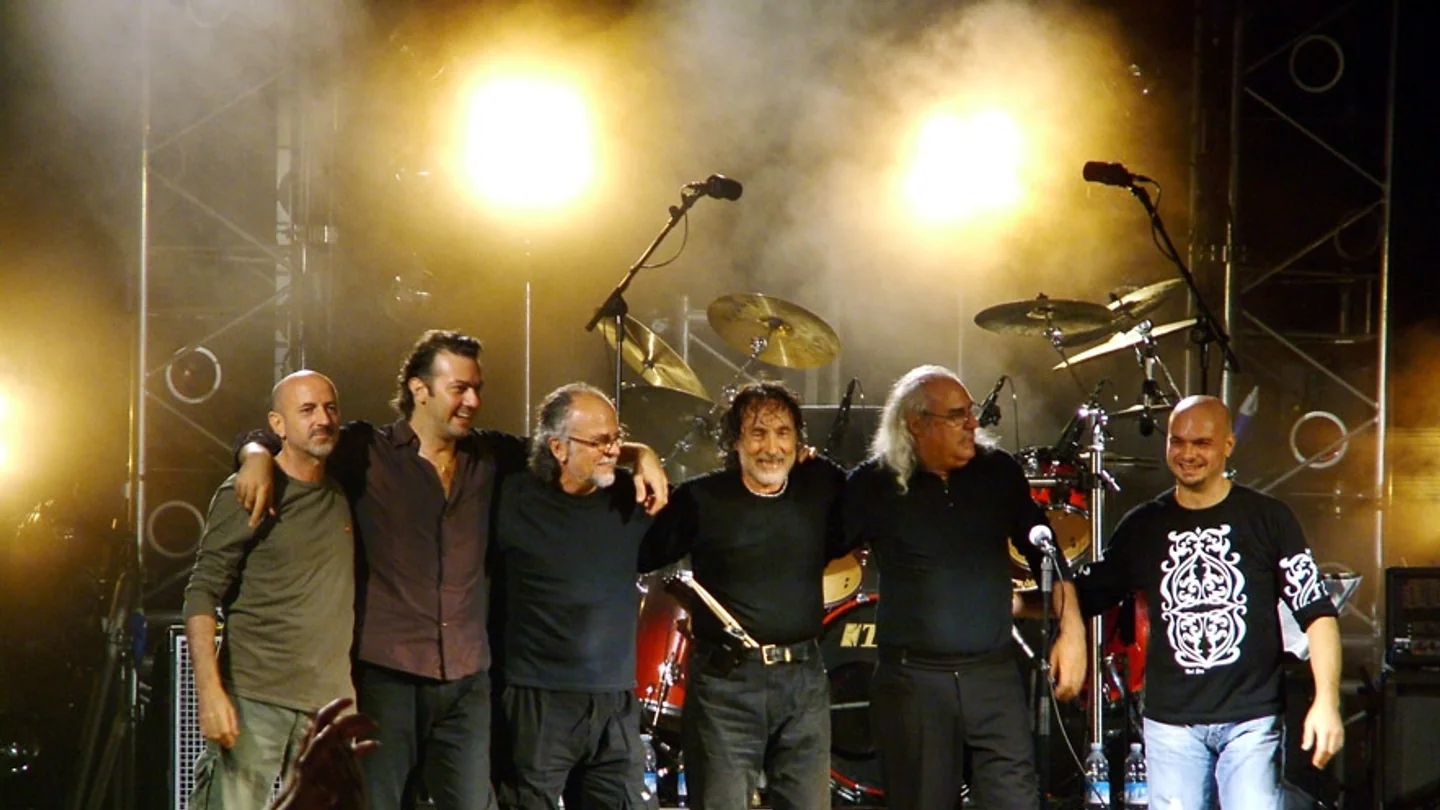
Italy was already a receptive market for ambitious British rock around the turn of the 1970s. Touring, festivals and imported records helped establish an audience, but local groups did more than reproduce what they heard. Beat and pop experience, Italian-language songwriting, conservatory training and an increasingly confident domestic industry gave the new album-oriented music its own working conditions.
The classic phase was concentrated. Several major groups issued their defining records between 1971 and 1973, while many others left only one or two albums. That compressed history can make the scene look like a collector’s cabinet today; at the time, it belonged to a living circuit of labels, concerts, festivals and listeners.
Three Major Routes
Premiata Forneria Marconi grew out of the beat group I Quelli and formed under its new name in 1970. Storia di un minuto and Per un amico followed in 1972. The 1973 Manticore release Photos of Ghosts, adapted for an international audience with English lyrics by Peter Sinfield, and sustained touring abroad made PFM the scene’s most visible international representative.
Banco del Mutuo Soccorso took another route. Founded by keyboardist Vittorio Nocenzi, the group paired dense keyboard writing with Francesco Di Giacomo’s highly expressive voice on its 1972 debut and Darwin!. Le Orme had begun in the beat era, then established a more economical keyboard-led progressive language with Collage (1971) and the concept album Felona e Sorona (1973).
Beyond the Big Three
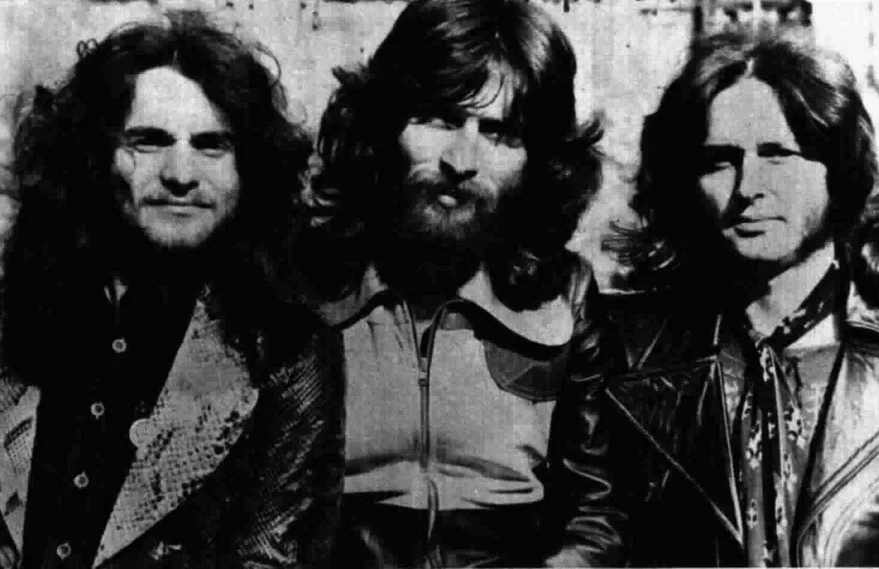
The broader map resists a single national sound. Area placed jazz-rock virtuosity, electronics and political urgency in the foreground; Osanna connected heavy rock with theatrical presentation and Neapolitan material. Museo Rosenbach’s Zarathustra, Il Balletto di Bronzo’s Ys and the early work of Goblin lead toward symphonic compression, darker keyboard writing and film music respectively.
These differences matter more than the familiar shorthand of “lush” or “Mediterranean.” Italian progressive rock also includes abrasive, urban, satirical and severe records. Place and period connect the scene; they do not impose one arrangement style on every group.
Language Changes the Music
Italian lyrics are structural rather than decorative. Word stress, vowel length and the traditions of Italian popular song shape how a melodic line rises, pauses or turns theatrical. Di Giacomo’s delivery makes this especially clear: intimate phrasing and full projection can occupy the same piece without the voice becoming an ornament above the arrangement.
International versions reveal the practical difficulty of moving that relationship into English. PFM reworked material from Per un amico for Photos of Ghosts; Le Orme released an English version of Felona e Sorona. Neither language automatically produces the superior record. Comparing the versions shows how translation changes syllabic weight, vocal character and the balance between words and instruments.
Sound and Arrangement
PFM’s ensemble can pass the lead among violin, flute, guitar and keyboards without reducing the rhythm section to accompaniment. Banco often makes organ, synthesizer and piano carry dramatic mass around the voice. Le Orme uses the smaller footprint of a keyboard-led trio to make shifts in register and texture immediately audible.
Across the scene, contrast is more useful than any instrument checklist. Acoustic passages can create close chamber-like detail before organ, amplified bass and drums reopen the scale. Mellotron and synthesizer add colour, but the most persuasive arrangements make every change serve the movement of the piece rather than display equipment for its own sake.
Seven Records for a Wider Map
Start with PFM’s Per un amico, Banco’s Darwin! and Le Orme’s Felona e Sorona to hear three different centres. Then move outward through Area’s Arbeit Macht Frei, Museo Rosenbach’s Zarathustra, Il Balletto di Bronzo’s Ys and Osanna’s Palepoli. All seven appeared between 1972 and 1973, yet they range from agile ensemble writing and concept-driven song to jazz-rock confrontation, concentrated symphonic drama and heavier theatrical forms.
This is a listening route, not a ranking or a claim to completeness. Its purpose is to make the category wider as you proceed: once the central groups provide orientation, the surrounding records show how quickly the shared historical moment divided into incompatible musical answers.
A RetroForge Route In
The River Beneath the World is the clearest RetroForge route into ornate keyboard architecture and long-form movement. The City That Left the Earth offers a more cinematic counterpart, using symphonic scale to carry a narrative across the record.
These are modern original works, not reconstructions or archival claims about the Italian scene. The connection is a listening path: dramatic sequencing, analogue keyboards and albums designed as complete environments.
Sources and Further Reading
Treccani and the artists’ official histories support the chronology, personnel and international-release details. The OpenEdition study supplies broader historical context. Descriptions of sound, arrangement and the seven-record route are RetroForge editorial analysis.