
A Retrospective Map
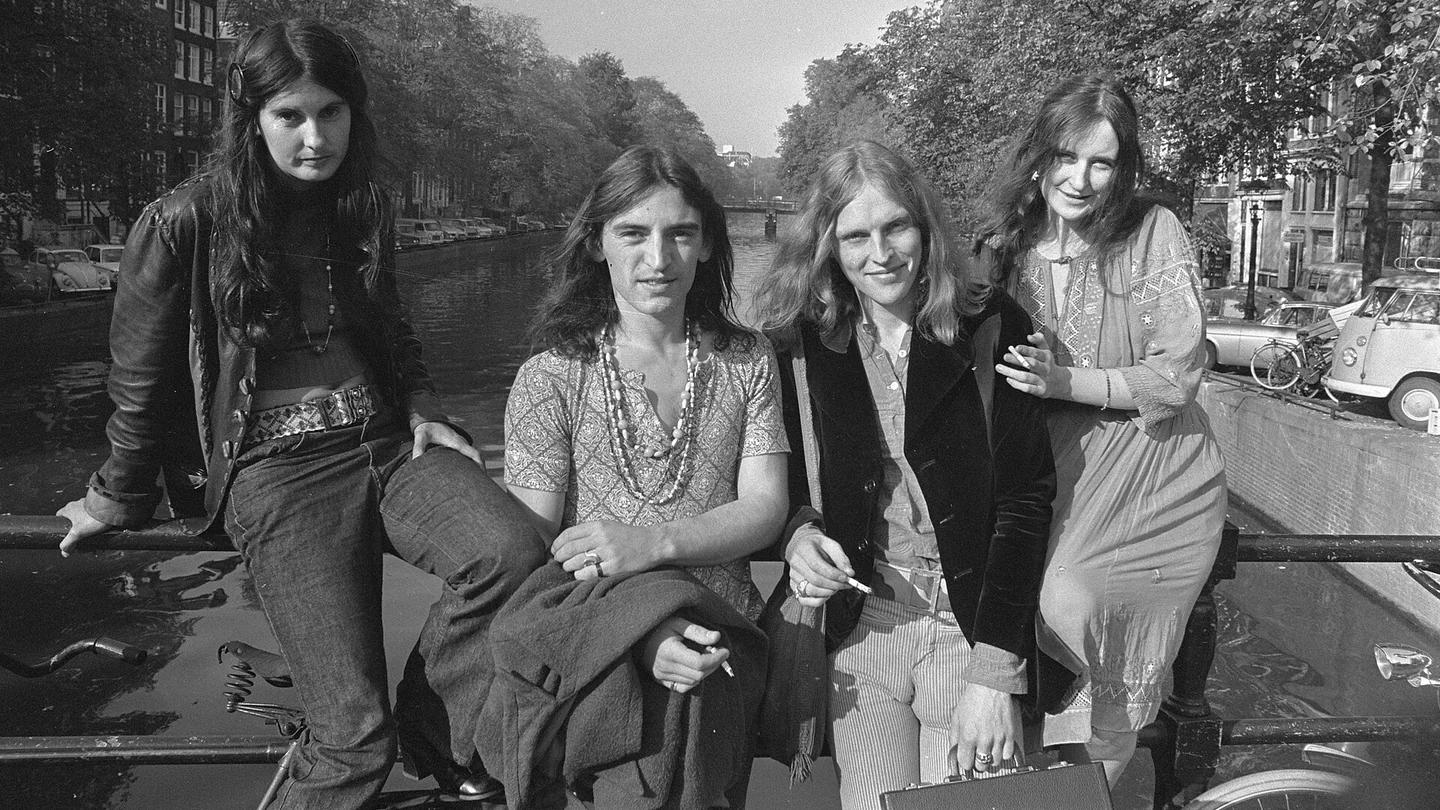
Most musicians now described as acid folk did not enter a studio announcing that genre. The label became useful later, especially among collectors trying to connect British folk revival records, private press experiments, psychedelic songwriting and music that turned pastoral imagery toward the uncanny.
Psychedelic folk is the broadest term. Acid folk often implies a more altered, intimate or hallucinatory acoustic sound. Occult psych shifts emphasis toward ritual, esoteric imagery, folk horror and a darker sense of place. The categories overlap; none is a certification.
The Sound of the Darker Clearing
Acoustic guitar, hand percussion, violin, flute and close vocal harmony can establish the folk surface. What changes it is context: modal repetition, unusual tuning, abrupt ensemble dynamics, tape treatment or lyrics that refuse the reassuring version of the countryside.
The best records in this territory are rarely frightening in a simple way. Beauty and danger coexist. A delicate melody can carry an unstable narrative; a communal chorus can sound welcoming until its repetition becomes ritualistic.
Comus are an important reference precisely because their official history identifies them as progressive and psychedelic folk while their 1971 debut took a far more ferocious route than nostalgic pastoral music. The Incredible String Band, Pentangle and numerous lesser-known private releases occupy other parts of the map.
Occult Does Not Mean One Belief
Occult imagery in rock can draw from ceremonial magic, folklore, horror cinema, pagan revival, fantasy or pure theatrical invention. Treating all of it as evidence of one ideology produces bad history. The useful question is what the imagery does inside the record.
Sometimes it creates distance from modern urban life. Sometimes it gives language to ecological fear, forbidden desire or social violence. Sometimes it is simply dramatic stagecraft. A responsible genre guide leaves those differences visible.
RetroForge After Nightfall
Under the Green Moon is RetroForge’s clearest occult acid-folk release: forest imagery, acoustic ritual and late-1960s studio atmosphere without pretending to be a real period artefact. The Garden That Wasn’t There follows a gentler psychedelic path where perception changes before the landscape does.
Listen for the threshold rather than a checklist. The important moment is when a familiar folk instrument begins to imply an unfamiliar world.
A Label Invented After the Records
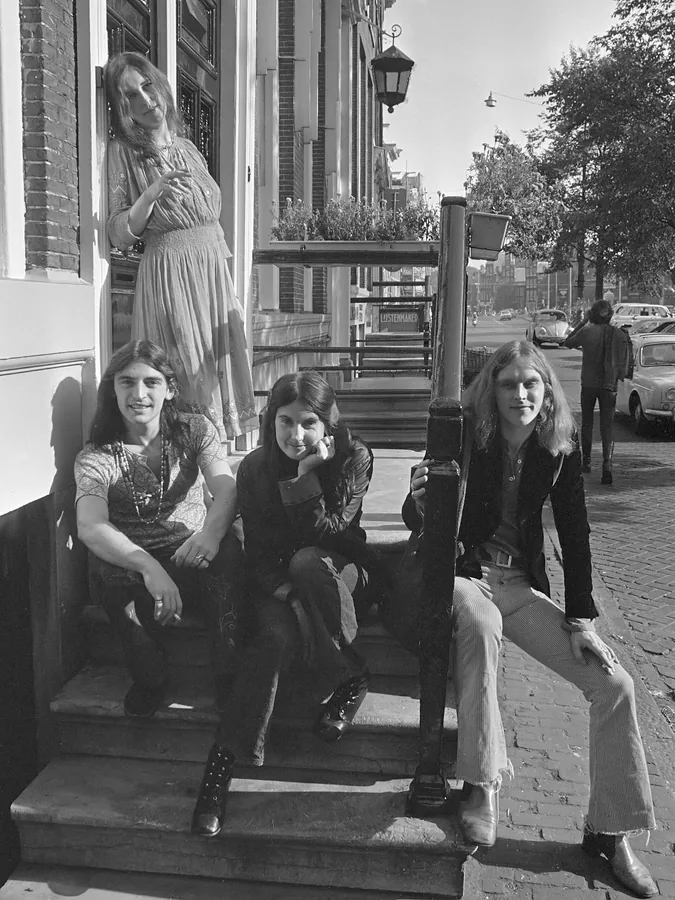
“Acid folk” is most useful as a retrospective listening route, not as the name of a tightly organised 1960s movement. Many artists now filed beneath it would have understood themselves as folk singers, folk-rock groups or experimental songwriters. The later term gathers records where acoustic instruments, traditional forms and psychedelic studio thinking create an atmosphere that ordinary “folk rock” does not quite describe.
That distinction prevents the genre from becoming a costume department. An acoustic guitar, a modal melody and a picture of a forest do not automatically make acid folk. The important change is structural or perceptual: repetition becomes hypnotic, familiar ballads acquire unstable arrangements, or the recording space makes old material feel as if it has slipped out of chronological time.
Tradition, Improvisation and the Wider World
The Incredible String Band expanded British folk songwriting with a broad collection of instruments and a deliberately unguarded imagination. Pentangle placed the contrasting guitars of Bert Jansch and John Renbourn beside Jacqui McShee’s voice and a rhythm section deeply conversant with jazz. Fairport Convention and Steeleye Span pursued other negotiations between traditional song and the electric band. These artists overlap, but they should not be collapsed into one sound.
The period’s interest in instruments and traditions from outside Britain also requires care. Curiosity produced striking music, but later listeners should distinguish serious engagement from exotic decoration. A useful article names the source tradition when it is known and avoids suggesting that every drone, mode or unfamiliar timbre belongs to one vague mystical East.
Why the Past Can Feel Uncanny
Folk song already carries time inside it: verses survive while singers, places and meanings change. Psychedelic production intensifies that quality. Close voices, tape echo, abrupt edits and unusual instrumental colour can make a song feel both ancient and newly invented. The unease often comes from recognition. A melody appears familiar, but its setting refuses to tell the listener exactly when or where it belongs.
Occult and ritual imagery amplify the effect, yet the imagery varies enormously. Some writers draw on folklore, seasonal custom or ceremonial language; others use horror, fantasy or countercultural theatre. The presence of such material does not prove a shared belief system. Reading every reference literally makes the history less accurate and the music less interesting.
A Route from Warmth to Darkness
Start with the Incredible String Band’s The Hangman’s Beautiful Daughter for abundance, colour and elastic song form. Pentangle’s Basket of Light demonstrates the precision possible when folk and jazz players meet. Move to Trees’ On the Shore for electric weight, then Comus’s First Utterance for a far more theatrical and disturbing edge. Linda Perhacs’s Parallelograms offers an American, inward and studio-detailed counterpart.
Those records do not form a ladder toward increasing authenticity. They are different answers to the same broad question: what happens when inherited song, modern recording and altered perception occupy the same room? RetroForge’s forest-oriented releases belong on this route when their arrangements earn the atmosphere, not merely because their titles contain moons, paths or trees.
Sources and Further Reading
This article uses the sources below for dates, line-ups and historical context. Genre boundaries are interpretive and are identified as such in the text.
- Comus — official band history
- Comus — official music archive
- MIT Press — Be Glad for the Song Has No Ending: An Incredible String Band Compendium
- Royal Albert Hall archive — Incredible String Band and Pentangle, 1968
- Rhino / Elektra — The Hangman's Beautiful Daughter
- Bert Jansch official archive — Basket of Light
- Trees — official band history and On the Shore
- Linda Perhacs official archive — Parallelograms